
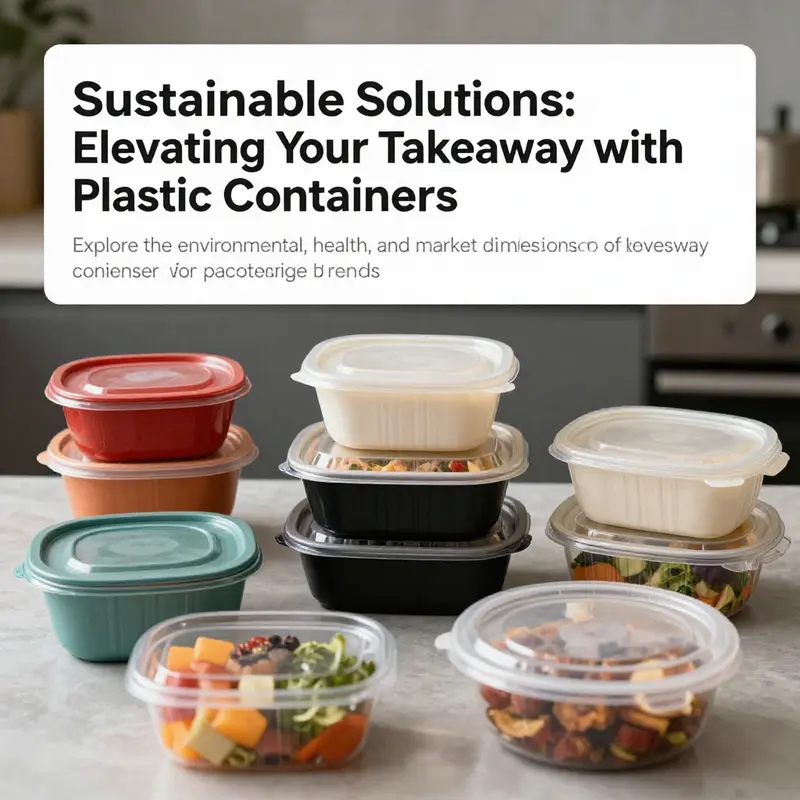
The rise of takeaway food culture has made plastic containers essential for restaurants, beverage chains, food trucks, and catering services. Their convenience, affordability, and durability cater to the modern consumer’s needs while reflecting the industry’s evolution towards sustainability. This article provides insights into the environmental impact of plastic containers, health and safety regulations, market trends, and consumer preferences regarding sustainability. Each chapter builds on the importance of how these aspects influence your choice of plastic takeaway containers in maintaining quality service and responsibility.
The Hidden Cost of Convenience: How Takeaway Plastic Containers Shape Our Environment

The convenience of plastic containers has reshaped how people eat and how businesses sell meals. Yet the environmental consequences are complex and deep. Single-use plastics used for takeaway food sit at the center of a system that starts with fossil feedstocks, passes through energy-intensive manufacturing, and often ends as contaminated waste. Understanding where harm occurs and what actually reduces impact is essential for any real change.
Plastic takeaway containers are not a single uniform material. Manufacturers use polypropylene, polystyrene, and other resins. Each polymer has a different footprint at production, reuse potential, and end-of-life outcome. Life cycle assessments consistently show single-use polypropylene containers perform poorly across many environmental metrics. They score especially badly for global warming potential, human toxicity, and ozone depletion. These impacts stem from energy used to extract and refine fossil feedstocks, polymerization processes, and the heat and emissions in molding and finishing.
Some polymers, like extruded polystyrene, have a surprising manufacturing advantage. They require less material and lower electricity input to form rigid shapes. That can translate into a lower immediate manufacturing impact. However, manufacturing is only one part of the story. Polystyrene and similar foams are rarely recycled in practice. When discarded, they fragment, persist in the environment, and travel into waterways. Their low material use at the start cannot offset their near-zero circularity unless collection and recycling systems become robust. Without that infrastructure, their overall impact remains high.
Reuse changes the calculus. Rigid reusable containers, often made from durable plastics, demand more material and energy to produce. But their environmental profile improves with repeated use. Depending on the metric, a reusable plastic container may need anywhere from a few uses to several hundred to outperform single-use options. For some impact categories, like climate emissions, the break-even point can be modest. For others, such as terrestrial ecotoxicity, reusable plastics can still cause more harm even after many uses. That pattern highlights a core truth: no single material wins on every environmental metric.
The surge in takeaway and delivery services amplified these trade-offs. When demand for food delivery rises, so does demand for packaging that is cheap, lightweight, and leak-resistant. During periods of heightened delivery activity, contamination of packaging increases. Food-soiled plastics are hard to recycle economically. Oil and water residues interfere with sorting and reprocessing, and cleaning them adds cost and water use. The net result is large volumes of plastic waste that are not fit for recycling and therefore destined for incineration, landfill, or litter.
Marine and terrestrial litter are visible effects of this system. Lightweight, single-use containers escape collection more easily. In urban storm drains, on beaches, and across waterways, fragments from takeaway packaging accumulate. Microplastics form as sunlight and abrasion break down items. Those particles carry sorbed chemicals, and they enter food chains. The environmental and human health consequences of that contamination are still being studied, but evidence shows rising risks to wildlife and to ecosystems’ ability to function.
Policy and collection systems matter more than the material alone. A material that is technically recyclable is only truly recyclable if collection, sorting, and markets for recycled material exist at scale. Many single-use plastics are technically recyclable, yet end up incinerated or landfilled because of contamination or low market demand. Conversely, some fiber-based alternatives can be composted or recycled easily where industrial composting and paper-collection streams are available.
Shifting to fiber-based solutions can reduce some impacts. Containers made from kraft paper, molded pulp, or bagasse (sugarcane fiber) source renewable feedstocks and often biodegrade more readily than plastics. They can also meet performance needs for many hot and cold foods. However, paper and pulp alternatives require land, water, and energy to produce. Coatings used to provide oil and water resistance can complicate recycling and composting. The best outcomes come from designs that use minimal or compostable coatings and from supply chains that return used fiber to industrial composting or paper recycling.
For businesses seeking lower-impact packaging, practical choices hinge on local systems. In regions with industrial composting or robust paper recycling, switching to properly coated kraft or bagasse containers can offer real emissions and pollution reductions. Examples include sturdy kraft bowls with compostable linings that handle hot soups and salads. These products reduce reliance on virgin fossil feedstocks and often perform well on end-of-life metrics when collected correctly. One option businesses consider is the eco-friendly 1000ml kraft paper disposable serving bowl which combines a renewable base material with practical performance.
Any substitution must be holistic. Replacing plastic with paper alone does not guarantee a better outcome. Life cycle assessments reveal trade-offs: paper can demand more water and land, and poorly designed coatings can negate compostability. Some fiber containers require more transport volume, because they can be bulkier than compact plastic stacks. Therefore, manufacturers, food operators, and policymakers must align on material standards, collection pathways, and performance expectations.
Improving the environmental profile of takeaway containers requires actions on several fronts. First, design for recyclability and compostability must be prioritized. Materials should avoid complex laminates and mixed-resin constructions that block recycling. Single-material solutions, or materials with certified compostable linings, simplify end-of-life processing. Second, collection systems must be expanded and enforced. Without separate food-waste and composting streams, compostables will contaminate recycling and vice versa. Third, producer responsibility schemes and incentives can shift cost burdens. When manufacturers pay for collection or recycling, they have economic reasons to design more circular products.
Behavioral change also counts. Reuse systems for takeaway can work when logistics support them. Deposit-return or swap programs encourage customers to return sturdy containers for cleaning and reuse. Digital tracking and incentives simplify the process for customers and businesses. Reuse is more effective when containers are durable, lightweight to transport, and easy to clean without excessive water use. For small food businesses, pooled reuse services that handle washing at scale offer a practical pathway without demanding new infrastructure from every operator.
The pandemic-era spike in delivery showed how convenience can overwhelm systems. It also sparked experimentation. Several cities piloted curbside compost collection for food-soiled packaging. Others expanded deposit schemes to cover reusable containers. These pilots demonstrate that policy and consumer behavior can shift quickly when prioritized. However, scaling pilots into durable systems requires funding, clear standards, and cross-sector coordination.
Technology and material innovation continue to play a role. Improved mechanical recycling, chemical recycling for mixed plastics, and enhanced sorting technologies can rescue some materials that would otherwise be lost. Innovations in coatings that are compostable under industrial conditions can make fiber-based containers more functional. Yet technology alone will not solve design failures. Packaging that blends incompatible materials or that is produced without end-of-life planning remains a problem, regardless of recycling advances.
Businesses can act now with pragmatic steps. Audit current packaging to identify items that are impossible to recycle locally. Replace those with single-material options that match local processing. Engage suppliers on material provenance and certifications. Pilot reusable container schemes for frequent customers. Provide clear labeling on how to dispose of packaging correctly. For food operators, partnering with local composting or recycling services reduces contamination and improves material recovery.
Consumers influence the system through choices and practices. Opting out of single-use cutlery, returning reusable containers in deposit schemes, and learning which materials belong in compost versus recycling streams make a difference. But responsibility should not rest solely on consumers. Structural changes in packaging design and waste management deliver the most consistent gains.
The environmental toll of takeaway plastic containers is neither inevitable nor unsolvable. Addressing it requires matching material choices to local end-of-life systems, investing in collection and processing, and scaling reuse where feasible. Policymakers must set clear standards for compostability and recycling. Businesses must design packaging for circularity. Consumers must use and dispose of containers correctly. Together, these actions can pull the takeaway sector toward a future where convenience no longer costs the planet.
For a deeper examination of life cycle impacts and comparative assessments of common takeaway materials, see the detailed life cycle study here: https://www.sciencedirect.com/science/article/pii/S0959652618314274
Guarding the Table: Health and Safety Regulations for Plastic Takeaway Containers in a Shifting Regulatory Landscape

Takeaway food in disposable containers is a daily convenience that carries a complex set of health and safety responsibilities. At the center of current concern is chemical migration: additives used to give plastics desired properties, such as phthalate esters (PAEs) and other plasticizers, can move from packaging into food, and this process is accelerated by heat, fatty foods, and prolonged contact.
Regulators and manufacturers therefore focus on preventing contamination and limiting migration to levels that do not pose health risks. This involves material selection, container design (secure lids, reliable seals), and performance verification under realistic conditions. Migration testing commonly simulates elevated temperatures, fatty food matrices, and the durations typical of storage and reheating to estimate potential consumer exposure.
Vulnerable populations, including children and pregnant people, receive special attention because of the potential for long-term or developmental impacts from repeated low-level exposure. Risk assessment therefore considers not only single-use exposures but cumulative intake for frequent consumers.
Industry practice balances safety, cost, and environmental goals. Lightweight plastics remain attractive for many applications, but their suitability depends on use conditions. Where reheating or contact with hot, fatty foods is likely, polymers or coatings must be explicitly tested and labeled for that purpose. Consumers and food-service operators are advised to follow labeling about microwave compatibility and temperature limits.
Sustainability trends are encouraging shifts toward paper-based or compostable packaging in some sectors. These alternatives can reduce certain chemical-migration concerns but bring their own performance questions under heat, moisture, and mechanical stress. Any alternative must be validated for containment, durability, and food safety just as rigorously as plastics.
Regulatory frameworks emphasize clear, enforceable guidance: permitted substances, migration limits, labeling requirements, and conformity assessment procedures. Traceability, supplier declarations, and material safety documentation are essential for demonstrating compliance across supply chains, especially when products move across jurisdictions with differing rules.
A practical approach for businesses is to prioritize suppliers who provide comprehensive safety data, independent test results, and transparent material declarations. Packaging selection should account for intended use—temperature, food type, and handling—and consider lifecycle impacts, including end-of-life management.
Design details beyond the base polymer matter: inks, adhesives, coatings, and multilayer constructions must be assessed together because each component may contribute to overall migration. Procurement and quality teams should require testing that reflects the full, assembled packaging as it will be used.
Authorities and industry stakeholders advocate ongoing surveillance and periodic review as new scientific evidence emerges. The regulatory aim is not to eliminate convenience but to ensure that convenience does not compromise health: packaging must protect food without becoming a source of harm.
For further reference on official guidance related to food-contact materials and testing expectations, see national health authority publications, for example: https://www.nhc.gov.cn/zhengce/xxgkgl/jyjg/202602/5c4d3f8e7a9b4f8ab9b3d9a3c3d5c6e1.shtml. This type of guidance helps manufacturers, suppliers, and food-service operators align procurement and design decisions with public-health objectives.
Beyond Convenience: How Market Trends Are Reshaping Plastic Takeaway Container Packaging
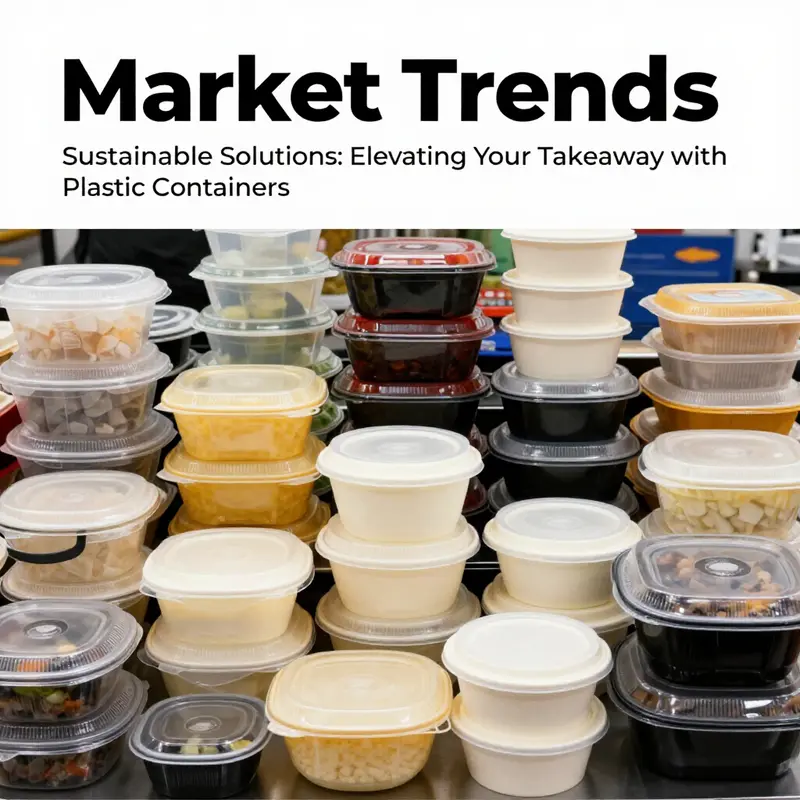
Plastic takeaway container packaging has long been the quiet backbone of modern food culture. It sits at the intersection of convenience, affordability, and practicality, enabling quick meals, portable snacks, and refrigerated leftovers that travel from kitchen to curbside with relative ease. Yet beneath its everyday utility, the market for plastic takeaway containers is undergoing a disciplined reinvention. The forces at play are not merely about cost or color options; they are about how packaging aligns with evolving values, stricter safety expectations, and smarter production systems. The result is a narrative of continuity and change, where durable, familiar forms are reimagined through sustainability, science, and digital innovation, while new business models emerge to reduce waste and reshape ownership of packaging itself.
Sustainability has become a baseline expectation rather than a differentiator. The push toward biodegradable and compostable materials is not simply a trend but a structural shift. Biopolymers such as polylactic acid and other plant-based polymers are moving from niche experiments to mainstream viability for food-contact use. In many markets, this transition is accelerated by regulatory pressure that rewards or requires lower environmental footprints. When governments tighten restrictions on single-use plastics, manufacturers respond with material science that preserves performance—heat resistance, tight sealing, and barrier properties—without relying on traditional fossil-based polymers alone. A notable regional dynamic is the push from large-scale policy initiatives that aim to reduce plastic waste through bans or phased restrictions. In practice, this translates to more containers designed for end-of-life flow, whether through industrial composting, home composting where feasible, or enhanced recyclability.
Alongside ecological considerations, safety remains a primary driver of design decisions. The food-contact surface is a line that cannot be crossed; it is the boundary where convenience must never trump health. Consumers increasingly demand materials that resist leaching, withstand reheating, and maintain integrity when portions of a meal are held warm for extended periods. Standards and certifications—such as those related to food-grade status, migration limits, and hygienic manufacturing practices—have become integral to product development. The market’s momentum here is visible in a wave of containers that carry explicit safety assurances and traceable supply chains. This emphasis on hygiene is not only about the container’s composition but about how it is manufactured, stored, and tested. The life of a plastic takeaway container begins in a controlled facility and continues through stocking, transport, and kitchen reuse or disposal. Each step carries evaluative criteria for safety, compatibility, and performance.
Innovation in materials and design stands as a quiet revolution within the sector. The drive is twofold: reduce material usage without sacrificing strength and versatility, and engineer containers that perform better in real-world handling. Lightweight plastics with high stiffness, improved impact resistance, and better thermal insulation are increasingly common. On the structural side, sealing mechanisms have evolved to shrink leak risk during transport, support more effective stacking, and enable longer shelf life for prepared foods. Advanced manufacturing technologies, such as precision molding techniques and rotational molding for larger or uniquely shaped containers, are expanding the possibilities of form and function. The goal is to deliver a package that feels sturdy in the hand, keeps food secure, and uses less plastic per unit—an alignment of durability with efficiency. In practice, this means forms that are easier to grip when hot, lids that snap into place with audible assurance, and bases that resist warping under heat or cold.
Digitalization and customization are reshaping not just how containers are made, but how they are sourced and used. Digital platforms enable direct interactions between buyers and manufacturers, enabling customizable designs that fit exact meal formats, branding needs, or operational workflows. The rise of customer-to-manufacturer models means a restaurant or retailer can specify dimensions, printing, lid types, and even coatings tailored to specific menu items or service contexts. This trend reduces waste by aligning production closely with demand and by encouraging reuse or return cycles in some cases. For consumers, digital tools translate into easier procurement, faster fulfillment, and clearer labeling about heat tolerance and safe reheating practices. It is a shift from mass-produced uniformity to a more personalized ecosystem where packaging can mirror the precision and speed of modern kitchens. A practical example of this is the growth in online selection and customization options for take-away packaging, where buyers can specify exact capacities, lid forms, and material attributes to suit their meals and brand identity. For readers seeking a concrete example of how customization is implemented in practice, one can explore a widely used, food-grade take-away bowl option that caters to a range of meal sizes and applications. This option is described here: https://cupbowlpack.com/product/senang05-food-grade-500-750-1000ml-take-away-bowl-with-lids-packing-food-single-wall-fast-food-salad-bowls/.
The circular economy is no longer a theoretical aspiration but an operational framework. Companies are experimenting with reuse, repair, and recycling to close the loop. Rent-as-a-service (RaaS) models, in which containers are leased and returned for cleaning, refurbishment, and reuse, illustrate a future where the same packaging cycles through multiple meals rather than becoming waste after a single use. This model requires robust sanitization practices, logistics coordination, and standardization across suppliers to ensure safety and efficiency as containers move between restaurants, distributors, and customers. It also invites a rethinking of who bears responsibility for end-of-life outcomes. When packaging is designed with reuse in mind, materials and attachable components must withstand numerous cycles, and labeling must support effective sorting and processing at end of life. Even for still-deployed single-use formats, the circular economy mindset encourages better recycling streams, clearer separation of polymers, and more consistent end-of-life practices so that more material can re-enter new products rather than into landfills.
Within these broad shifts, the market’s geography matters. Global and regional policy priorities influence which trends gain early traction. In some markets, regulatory incentives favor compostable or recyclable packaging, while others emphasize minimizing overall plastic use through lightweight designs and alternative materials. The China policy landscape, in particular, has been a catalyst for suppliers and manufacturers to rethink packaging strategies. As governments impose tighter controls, production lines are redirected toward more sustainable choices, and a wider ecosystem of suppliers emerges to support compliant supply chains. Yet even as policy drives change, consumer expectations continue to shape outcomes. People want food to be safe, easy to store, and quick to heat, but they also want packaging that aligns with environmental and ethical considerations. The challenge for the industry is to satisfy these sometimes competing demands with solutions that remain economically viable at scale.
From a practical standpoint, the market’s evolution affects every layer of the supply chain. Manufacturers must invest in materials science and process optimization to deliver performance with lower environmental impact. Brand owners and retailers must balance cost, sustainability credentials, and consumer appeal. Food service operators must adapt workflows to accommodate new packaging formats, reheat guidelines, and compliance requirements across markets. And policymakers continue to refine standards to ensure that safety and sustainability go hand in hand. Across this spectrum, the common thread is a push toward packaging that is not only fit for purpose but also responsible in its lifecycle. The journey toward such packaging is incremental and incrementalist, blending tested performance with new materials, new processes, and new business models that collectively move the industry toward lower waste, safer products, and smarter supply chains.
The story of plastic takeaway container packaging is inseparable from the broader movement toward more transparent and accountable packaging ecosystems. It is a story about how a simple, familiar object becomes a focal point for public policy, consumer value, and technological ingenuity. In practical terms, that means more containers designed for end-of-life success, more rigorous safety testing and labeling, and more opportunities for cooperation across manufacturers, distributors, and restaurants to implement reuse and recycling schemes. It also means that what we buy, how we buy it, and how often we replace it are all becoming part of a system that rewards efficiency, safety, and sustainability as much as it does ease and affordability.
As the market continues to mature, the interplay among sustainability, safety, and adaptation will likely intensify. Consumers will increasingly notice differences in how long a container lasts under heat, how well it keeps foods sealed during transit, and how clearly information about reheating and disposal is presented. Businesses will look for packaging that supports faster service, reduces waste, and strengthens brand perception through responsible choices. The very concept of packaging may shift from a disposable mindset to a careful stewardship model, where containers are designed with reuse and recycling in mind and where digital tools help track performance, lifecycle data, and end-of-life outcomes. This evolution does not erase the importance of durability or affordability; instead, it reframes these attributes within a broader goal: packaging that performs reliably while contributing to a cleaner, more efficient food system.
For readers who want to explore practical implications or consider applying these insights to a business context, digital customization and material selection are especially relevant. The capacity to tailor container specifications to specific menu formats, portion sizes, and service contexts can reduce waste and improve customer satisfaction. At the same time, choosing materials with clear safety certifications and end-of-life pathways helps protect brand integrity and aligns with regulatory expectations. In this regard, the market’s trajectory is less about choosing one material or one business model and more about designing a packaging system that can flex with changing tastes, regulatory environments, and logistical realities. The result is a packaging landscape that is simultaneously more capable, more accountable, and more attuned to the needs of both businesses and consumers.
In summary, the market trends shaping plastic takeaway container packaging are a response to a complex mix of practical demands and aspirational goals. They reflect a world where packaging must be robust enough to safeguard food on the move, safe enough to protect health, affordable enough to scale, and sustainable enough to earn consumer trust. As this chapter has traced, the path forward combines smarter materials, smarter processes, and smarter business models. The outcome should be containers that do not merely hold meals but also demonstrate a shared commitment to safety, efficiency, and the health of the planet.
External resources can provide deeper insight into the broader development and outlook of the food plastic container industry. See this external reference for a comprehensive market analysis and forward-looking projections: https://www.globeandmail.com/business/markets/industry-reports/global-and-china-food-plastic-container-industry-development-and-outlook-report-2026-gepr6m6m/
Greener Choices, Smarter Packs: Navigating Consumer Preferences and Sustainability in Plastic Takeaway Containers
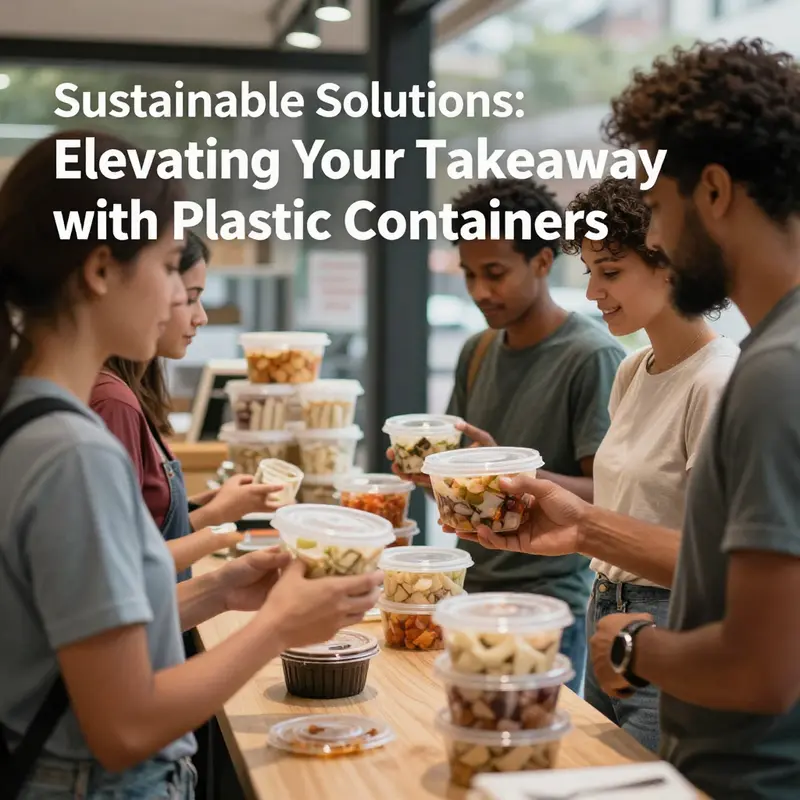
The modern takeout experience sits at the intersection of convenience, affordability, and environmental responsibility. Plastic takeaway containers have long offered a reliable blend of lightweight strength and versatility, enabling meals to travel intact from kitchen to consumer. Yet as taste for quick, accessible food grows, so too does the scrutiny of the packaging that carries it. In many communities, consumers are not simply buyers of food; they are decision-makers about how food is packaged, how waste is managed, and how the everyday act of eating on the go can align with longer-term environmental goals. The narrative around takeaway packaging has shifted from a purely functional one to a dialog about responsibility, transparency, and smart design that honors both immediacy and stewardship. In this context, consumer preferences and sustainability are tightly bound, shaping what kinds of containers gain traction, what materials are prioritized, and how packaging can work with the consumer’s routines rather than against them.
A pivotal thread in this discussion emerges from a Beijing-based study that highlights a striking level of willingness among urban consumers to embrace sustainable packaging substitutes. A remarkable 95.86% of respondents indicated they were willing to pay for substitutes that reduce single-use plastic food container waste. The willingness to invest, with most respondents leaning toward a 3 to 5 yuan range, signals not merely a passing attitude but a ready market for packaging innovations that can be integrated into everyday purchasing decisions. This is not a marginal preference; it is a firm public sentiment that sustainable packaging can be a valued part of the purchasing equation when the economics and usability are right. The data illuminate a broader truth: consumers are ready to reward packaging that offers tangible benefits in convenience, hygiene, and environmental impact, and they expect these benefits to be accessible without imposing new friction on their routines.
The study’s insights extend beyond whether people will pay. They reveal the underlying psychological levers that lift sustainable packaging from a good idea to a practiced habit. Perceived ease-of-use, or how effortless a consumer perceives a sustainable option to be, emerged as a pivotal driver. If switching to a more sustainable substitute requires extra steps, adds complexity to decision-making, or introduces perceived risk, even environmentally minded buyers may revert to familiar choices. On the flip side, positive attitudes toward sustainability—bolstered by visible benefits such as clean packaging, clear labeling, or the ability to reuse—thin the perceived barriers. Subjective norms—the sense that friends, family, or peers expect sustainable actions—further tilt intentions toward adoption. If the social environment signals that choosing sustainable packaging is the norm, individuals are more likely to align with that expectation.
Perceived risk, conversely, dampens enthusiasm. When consumers worry about the reliability of substitutes—whether they will leak, whether they can withstand reheating without compromising taste, or whether the substitutes will remain available when a meal is purchased—their willingness to switch can waver. The Beijing findings, while rooted in a specific urban context, resonate with a broader principle: sustainable packaging must perform at least as well as conventional options on integrity, compatibility with cooking and storage practices, and cost. When sustainability meets reliability, the adoption curve becomes steeper and more durable.
Demographic variation adds texture to the picture. The study indicates that higher income, greater age, and higher educational attainment correlate with a greater willingness to adopt sustainable practices. This does not imply exclusion of other groups; rather, it suggests that differences in perceived value, information access, and exposure to environmental messaging shape how quickly and deeply different segments embrace new packaging norms. For designers and policymakers, this means that a one-size-fits-all solution rarely suffices. A portfolio of options—ranging from reusable and repairable designs to highly recyclable, clearly labeled, user-friendly choices—can accommodate diverse preferences and constraints while advancing shared sustainability goals.
Material preferences illuminate a spectrum of trade-offs between perceived quality, environmental performance, and practical viability in the takeout ecosystem. When individuals rate materials by perceived quality and sustainability, glass jars tend to top the list. They are celebrated for their premium appearance, durability, and the contiguity between aesthetics and environmental responsibility. Glass is often perceived as having a longer life cycle, even though its weight and fragility introduce practical constraints for frequent, on-the-go use. Reusable plastic containers occupy a middle ground: they are convenient and familiar but generally face stiffer competition from glass in terms of perceived sustainability and from metal and silicone in terms of longevity and care requirements. Aluminum foil containers stand out for their heat retention and oven-safe properties, offering remarkable recyclability potential and versatile reheating capabilities. Yet their higher cost relative to plastic options remains a significant consideration for both businesses and households that manage tight budgets. Plastic pouches, while lightweight and space-efficient, tend to be perceived as lower quality and less sustainable, reflecting concerns about durability, sealing performance, and the challenges of ensuring consistent reuse or recycling channels.
This nuanced material landscape helps explain why the adoption of sustainable substitutes is often a calculated choice rather than a blanket shift. It is not enough to declare a material ethical or eco-friendly; it must also prove its value through user experience, compatibility with cooking and storage practices, and the ability to integrate with the consumer’s existing routines. Reusable glass, with its strong visibility and tactile sense of quality, can be a powerful signal of care and responsibility when implemented in a practical, user-friendly way. Aluminum’s heat retention benefits can be particularly attractive for meals that require careful temperature management during reheating, provided that the life cycle and recycling pathways are clearly communicated to users. In short, the most successful sustainable packaging strategies are those that align perceived quality with functional reliability and a clear, equitable end-of-life pathway.
The theoretical backbone for understanding these dynamics lies in well-established behavioral frameworks. The Technology Acceptance Model and the Theory of Planned Behavior offer complementary lenses through which to interpret consumer responses to sustainable packaging. The Technology Acceptance Model emphasizes perceived usefulness and perceived ease of use as primary determinants of adoption. In the context of takeaway packaging, usefulness translates to reliability, safety, and compatibility with reheating and storage. Ease of use encompasses intuitive handling, clear instructions, and straightforward recycling or return processes. The Theory of Planned Behavior foregrounds attitudes, subjective norms, and perceived behavioral control. Attitudes toward sustainability, shaped by personal values and experiences, interact with the social environment and an individual’s sense of agency to propel or restrain behavior. When policymakers and designers translate these insights into concrete packaging strategies—such as providing simple, widely accepted reuse options, offering visible reuse indicators, and ensuring that recycling instructions are unambiguous—the probability that sustainable choices become habitual increases significantly.
Diving deeper into practical implications, the consumer is asking for a packaging ecosystem that blends form and function with responsibility. This means more than selecting a greener material; it means designing packaging that is easy to clean, easy to store, and easy to dispose of in a way that minimizes waste. It also means giving consumers confidence that sustainable options do not compromise food safety, hygiene, or convenience. For instance, containers that are microwave-safe and freezer-safe, while maintaining strong sealing properties, empower households to reheat and store meals without switching to less sustainable options. Labels that clearly communicate material types, reuse instructions, and recycling pathways reduce ambiguity and perceived risk, reinforcing positive attitudes toward sustainable choices. The goal is to create packaging that adheres to the rhythm of daily life rather than disrupting it.
From an industry perspective, this convergence of consumer readiness and behavioral insight points toward a future in which sustainability is embedded into the decision-making process at every stage—recipe, packaging design, manufacturing, distribution, and consumer use. Businesses can capitalize on this by offering a spectrum of sustainable options that address different use cases. For some meals, highly reusable glass or sturdy metal containers may be ideal for households that routinely plan ahead and can manage return logistics. For others, recyclable paper-based or compostable options, designed with clear end-of-life pathways, may strike the best balance between sustainability and price. In all cases, the focus should be on eliminating ambiguity around disposal, maximizing reuse opportunities where feasible, and promoting recycling or composting where waste is inevitable. This requires not only thoughtful material choice but also transparent communication and convenient infrastructure for waste sorting and recovery.
The broader policy and consumer education landscape also matters. When environmental messaging is accurate, consistent, and actionable, consumers are more likely to align their purchasing behavior with sustainable outcomes. This alignment hinges on credible labeling, accessible recycling streams, and public commitments from food-service operators to minimize single-use packaging and to provide viable reuse or return options. In this sense, sustainable packaging is not a solitary choice but a collective practice that relies on clear information, reliable supply chains, and supportive institutional structures. The aim is to nurture a circular economy mindset where materials are kept in use longer, new products emerge from recycled content, and waste is treated as a resource rather than a problem to be managed alone.
Designers and strategists are increasingly attentive to the tactile and emotional dimensions of packaging. The consumer’s perception of sustainability is shaped as much by visual cues and physical experience as by lifecycle assessments. The look of a container, the ease with which it can be carried, opened, filled, and cleaned, and the perceived durability during transit all contribute to a sense of value that transcends simple price comparisons. Packaging that communicates care—whether through meticulous labeling, a cohesive brand narrative about environmental stewardship, or the inclusion of reuse guidelines—can convert a casual buyer into a long-term supporter of sustainable practices. This is not merely about winning consumer favor; it is about building a resilient framework for the takeout economy that can weather shifts in price, supply disruptions, and evolving environmental standards.
As the discussion evolves, it becomes clear that the transition toward sustainable takeaway packaging is as much about systems thinking as it is about material choice. It requires attention to how containers perform across the lifecycle—from production energy and water use to end-of-life processing. It demands a careful balancing of cost, convenience, and ecological impact so that sustainable options can scale without leaving consumers or restaurants with burdensome trade-offs. The consumer, in this framework, is an active participant whose preferences—shaped by ease of use, perceived quality, social influence, and risk considerations—guide the evolution of packaging design. Policymakers and industry leaders must respond with strategies that reduce friction, lower cost imposts, and amplify the perceived and actual benefits of sustainable substitutes.
Consider a practical example that embodies these principles: a takeout system that offers a choice among several packaging streams, each clearly labeled and designed for specific use cases. A reusable glass option might be available for households able to participate in a return-and-refill program, with incentives explained up front and simple drop-off points. A sturdy, recyclable aluminum option could be presented for meals that require weekend reheating or long-distance transport, with an attached guide detailing recycling options and end-of-life steps. For lighter meals or mixed hot-cold offerings, recyclable paper-based containers could offer a cost-effective, low-waste alternative that aligns with consumer expectations for cleanliness and convenience. In all cases, the system would include straightforward disposal instructions, unambiguous safety information, and transparent pricing that reflects the true cost and benefit of each option. Such a design-driven approach aligns with the data-driven insights from Beijing and translates them into tangible strategies for the broader market.
Ultimately, the story of consumer preferences and sustainability in plastic takeaway containers is a tale of incremental change with meaningful momentum. The high degree of willingness to pay for sustainable substitutes signals an opportunity to reframe packaging as an essential, valued component of the meal experience rather than as a mere afterthought. The alignment of perceived usefulness, ease of use, and social norms with robust material performance creates a fertile ground for innovations in packaging that respect the planet without sacrificing the convenience that keeps the takeaway economy vibrant. For researchers, designers, and business leaders alike, the challenge is to translate this momentum into scalable solutions that cater to diverse consumer segments, support responsible waste management, and demonstrate that environmental progress and everyday practicality can travel together on the same container. The future of plastic takeaway packaging, when viewed through this lens, emerges not as a single solution but as a spectrum of compatible, well-designed choices that empower people to eat well while acting responsibly.
For those seeking a concrete example of how sustainable packaging design translates into real-world choices, a practical reference point is the ongoing exploration of recyclable and reusable options in kraft-based packaging. These designs aim to balance performance with environmental responsibility, offering durable, clean, and aesthetically pleasing solutions that can be integrated across various food formats. The emphasis remains on ensuring that end users are empowered with clear instructions and accessible pathways for reuse or recycling, so that the packaging itself becomes a positive, familiar part of the dining experience rather than an afterthought or burden. This approach aligns with the evolving expectations of consumers and the strategic priorities of food-service operators who recognize that sustainability can coexist with efficiency, quality, and profitability.
To connect these ideas to tangible design choices, consider a practical reference that illustrates how a modern takeout system can embrace recyclable and reusable options while preserving usability and food safety. For a visual example of a recyclable kraft-based takeout container that supports usability and sustainability, explore the following resource: senang03-in-stock-new-design-salad-rectangle-takeaway-kraft-paper-octagonal-box-with-lid. This example underscores how a well-executed, kraft-based container can deliver on both performance and environmental promises, serving as a touchstone for future design iterations. As the narrative of consumer preference and sustainability continues to unfold, such practical embodiments help translate theory into everyday choices that benefit households, restaurants, and the planet alike.
External resource for further context on sustainable consumption determinants and packaging substitutes: https://doi.org/10.1016/j.eiar.2024.107670
Final thoughts
As the demand for convenience grows, selecting the right materials—particularly plastic takeaway containers—becomes increasingly vital for your business. The environmental impact, adherence to health regulations, current market trends, and consumer preferences greatly influence this choice. By prioritizing recyclable and eco-friendly options, your service can not only meet operational needs but also align with today’s sustainability values, enhancing your brand’s reputation. Embrace these insights to elevate your service and contribute positively to the environment.