
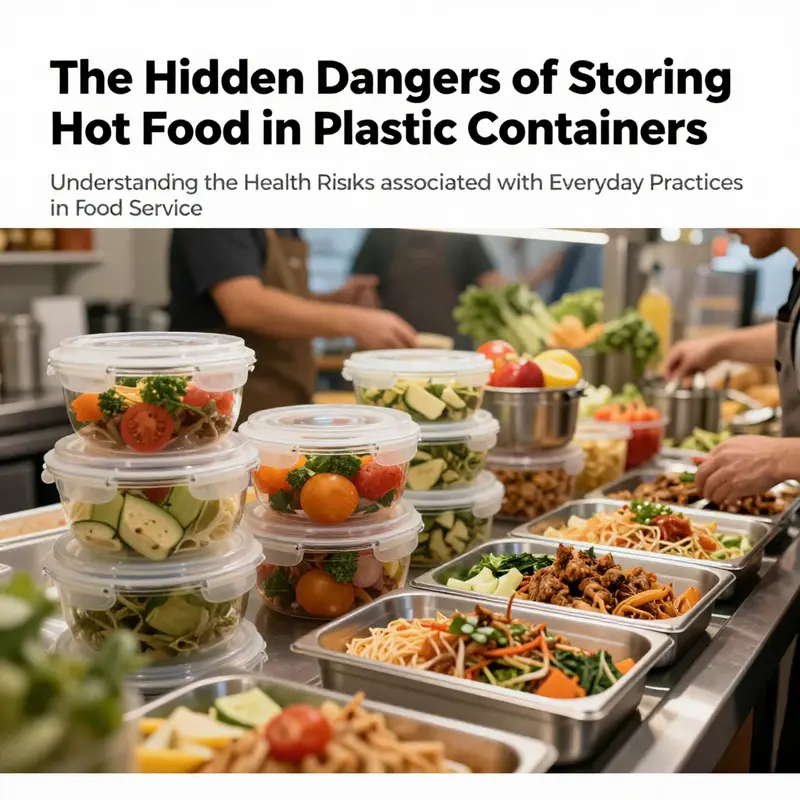
In the lively world of food service, from bubble tea shops to catering services, ensuring the health and safety of consumers is paramount. One common practice that may slip under the radar is putting hot food in plastic containers. This seemingly mundane action harbors significant health risks, primarily due to chemical migration and microplastics. As businesses prioritize food quality, understanding these dangers becomes crucial. In the following chapters, we will explore the intricacies of chemical migration, the release of microplastics, the implications of endocrine disruptors in plastics, the misconceptions surrounding safety standards, and the long-term health effects. By illuminating these connections, we aim to empower food service providers to make informed, safer choices in their operations.
Heat, Plastic, and Health: Unraveling Chemical Migration in Hot Food and the Hidden Dangers of Plastic Containers
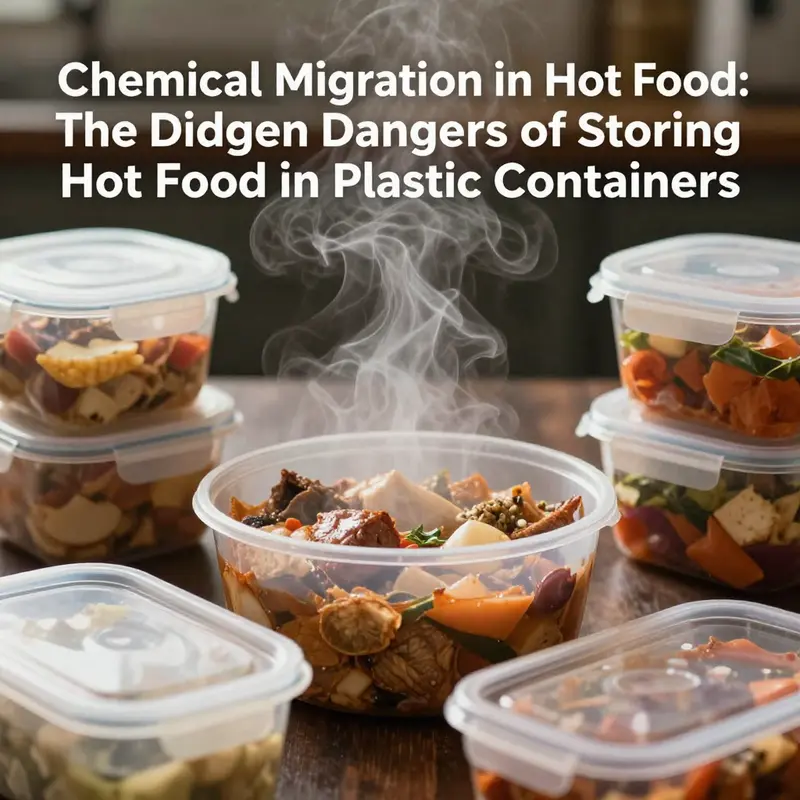
Every day, millions of meals travel from stove to shelf, then into microwaves or ovens, all in plastic containers. The convenience is undeniable: a quick reheat, a compact package, the ability to tote a meal across town. Yet beneath that convenience lies a chemistry that most people rarely consider. When hot food comes into contact with plastic, heat becomes a catalyst that can loosen the bonds within the polymer matrix and set loose a cascade of additives into the food we eat. This process, known as chemical migration, is not a hypothetical risk. It is a real, measurable phenomenon with implications for endocrine health, metabolism, and long-term disease risk. The narrative is not about a single chemical or a single container; it is about how heat, time, and material science intersect in the daily act of feeding ourselves and our families.\n\nAt the heart of the issue is the biology of plastic additives. Polymers are not chemically inert when heated; they carry embedded substances—plasticizers, stabilizers, antioxidants, and processing aids—that give plastics their flexibility, durability, and color. When a container is warmed, some of these additives can migrate from the polymer into the surrounding food. The most discussed culprits are bisphenols (notably BPA) and their substitutes (such as BPS and BPF), along with phthalates like DEHP. These compounds are known endocrine disruptors, meaning they can interfere with hormonal signaling that regulates growth, reproduction, and metabolism. The public health implications of chronic, low-level exposure are still being clarified, but the weight of evidence points toward potential associations with reproductive health issues, developmental changes, metabolic disturbances, and an elevated long-term cancer risk in some contexts.\n\nRegulators and scientists have long asked whether a label of “microwave-safe” on a plastic container should reassure us. The FDA and other agencies caution that not all plastics are suitable for heating and that only those tested and labeled for microwave use should be trusted under normal conditions. Yet real-world use rarely reflects the pristine conditions of a laboratory test. Uneven heating, aging of containers, and repeated cycles of use all alter how a plastic behaves. A growing body of research, including studies published in high-profile journals, indicates that even under standard reheating conditions, certain plastics—especially polycarbonate and polyvinyl chloride, common in many everyday containers—can release detectable levels of BPA, BPS, and a range of phthalates into foods that mimic real meals. This suggests that safety testing may underestimate actual exposure risks, as it often fails to replicate irregular heating patterns or long-term wear and tear that accompany household use.\n\nOne of the most robust voices in recent years comes from research that maps chemical migration under cooking conditions that people actually experience. For example, a 2026 study in the Food Chemistry arena identified dozens of chemicals migrating from plastic packaging into food during cooking, highlighting the breadth of compounds that can enter our meals. The study’s use of advanced analytical techniques revealed 38 distinct chemicals transferring from packaging into food, including several high-risk substances such as certain phthalates and other additives. The result is more than a catalog of molecules; it is a warning that today’s plastics can act as unintended dietary sources of hazardous compounds, especially when heat is involved. While many of these substances are present in trace amounts, the reality is that cumulative exposure over years could have meaningful health consequences, especially for vulnerable populations such as developing children, pregnant individuals, and those with preexisting endocrine or metabolic vulnerabilities.\n\nBeyond the immediate concerns of chemical migration lies another pathway by which plastics can compromise health: microplastics. When plastic containers undergo wear, tear, or degradation through repeated use or cleaning, microplastic particles can shed into food. Once ingested, these tiny fragments can travel through the digestive system and may enter the bloodstream. Emerging research in animal models and limited human data points to potential inflammatory and oxidative stress responses that could affect vascular health over time. A recent line of inquiry even links microplastic exposure to atherosclerosis progression in animal studies, seemingly independent of traditional risk factors like obesity or cholesterol levels. While this field is still in its infancy, the plausibility of microplastic-related vascular inflammation invites caution about long-term reliance on plastic packaging for hot foods.\n\nFrom a consumer perspective, the practical implications are straightforward but not always easy to implement. First, the idea that heating food in plastic is inherently dangerous is not a verdict of certainty; rather, it is a reasonable precaution in light of accumulating evidence. The safer default is to minimize the use of plastic for hot foods and to prioritize materials that resist heat, such as glass, stainless steel, or ceramic. When storage or reheating in plastic seems unavoidable, several simple strategies can reduce risk. Let food cool to a lower temperature—well below the temperature at which plastic migration accelerates—before transferring it to plastic containers. While no threshold is universally precise, aiming for temperatures around 65°C (149°F) or lower before container transfer can reduce the rate of migration. For hot meals, switching to containers known for higher heat resistance, such as those made from polypropylene (PP) instead of polystyrene (PS) or polyethylene terephthalate (PET), is a prudent step, though even these materials are not risk-free. Reading recycling codes can offer guidance; containers labeled as PP (#5) typically perform better under heat than PS (#6) or PET (#1) for heating purposes.\n\nSecond, the choice of container material matters. Glass, ceramic, or stainless steel not only minimize chemical transfer but also endure repeated reheating without the micro-abrasions that can accelerate particle release. If a plastic container must be used for reasons of convenience or portability, prioritize those designed for food contact and occasional reheating, and avoid long storage or repeated cycles that can wear the material down. In any case, avoid using plastic bags or wraps for microwave heating or oven use, as these are not engineered for high-temperature exposure and can introduce additional contaminants into the food.\n\nSmart shopping and home practices can further reduce risk. Opt for containers with simple polymer compositions and limited additives. Prefer non-fatty foods in containers that remain inert under heat, since fats can act as solvents, enhancing the migration of lipophilic chemicals. When possible, repackage leftovers from their original packaging into foodsafe glass or stainless steel vessels for reheating. This simple habit changes the exposure equation over time, aligning everyday routines with a precautionary public health perspective rather than a purely convenience-driven one.\n\nIt is worth noting that some guidance appears at odds with the everyday reality of busy lives. Take-out meals, meal-prep containers, and daycare lunches frequently rely on plastic packaging for practicality. The challenge, then, is not to demonize plastic outright but to understand its limitations and to reduce exposure where feasible. This means pairing science-informed caution with practical alternatives. For instance, a take-away bowl updated to a safer, more heat-resistant material can be a practical investment for households that routinely heat leftovers. A single well-chosen container can replace several fragile or aging options, reducing the likelihood of material degradation over time and the associated risk of chemical leaching or microplastic shedding.\n\nIn the broader arc of public health, the message is not that plastic is universally dangerous in all reheating scenarios, but that heat acts as a promoter of chemical migration and microplastic release. The cumulative effect of modest daily exposures could be meaningful over years, particularly for hormone-regulated processes such as reproduction and metabolism, or for cardiovascular health where inflammation plays a pivotal role. The science is evolving, and the best response is layered: minimize exposure through informed choices, use safer materials for hot foods, and stay attentive to emerging evidence that could reshape recommendations in the years ahead. The everyday act of heating food need not be a leap of faith; rather, it can be a calculated decision grounded in an understanding of material science and health.\n\nTo connect the narrative to practical realities, consider a common scenario in which hot food meets plastic in a take-out context. A student, a worker, or a busy parent may bring home a meal in a plastic container, reheat it in the same container, and then store it in the same plastic vessel for a night or two. Each step offers an opportunity for chemical migration or microplastic release. The cumulative exposure is not a single dramatic event but a continuous, low-level exposure that unfolds across weeks, months, and years. The takeaway is simple: while plastic offers undeniable convenience, protection comes from choices made with awareness of the potential health trade-offs. When possible, swap to safer materials for hot foods, reheating, and storage. When plastic cannot be avoided, minimize exposure by cooling foods first, avoiding repeated reheating cycles, and choosing plastics with the best heat resistance.\n\nFor readers seeking a bridge between science and action, one practical step is to inspect packaging and storage choices proactively. If a container is scratched, discolored, or shows signs of wear, replace it. Prefer containers with minimal layers and a straightforward composition, and resist the urge to reuse single-use plastics for hot foods. And for those who want to explore products that align with a safer philosophy, consider containers designed specifically for safe heat tolerance and food contact, such as take-away bowls that emphasize material safety and durability. See a representative option such as this one for context, which demonstrates how safer designs can support everyday meals without compromising convenience. senang05-food-grade-500-750-1000ml-take-away-bowl-with-lids-packing-food-single-wall-fast-food-salad-bowls.\n\nThe conversation about plastic, heat, and health is ongoing. It sits at the intersection of consumer behavior, regulatory science, and material engineering. As researchers continue to map the full spectrum of chemicals capable of migrating into foods and as epidemiologists refine our understanding of microplastic exposure in humans, the practical guidance outlined here remains a reasonable precaution. The goal is not to paralyze daily routines with fear, but to empower informed decisions that reduce unnecessary exposure while preserving the convenience that plastics provide in modern life.\n\nExternal resource: for a broader scientific perspective on how cooking conditions influence chemical migration, see the recent study in Environmental Science & Technology and related discussions at https://www.sciencedirect.com/science/article/pii/S030881462500972X
Heat, Plastic Degradation, and Microplastics: The Hidden Hazard of Storing Hot Food in Plastic Containers
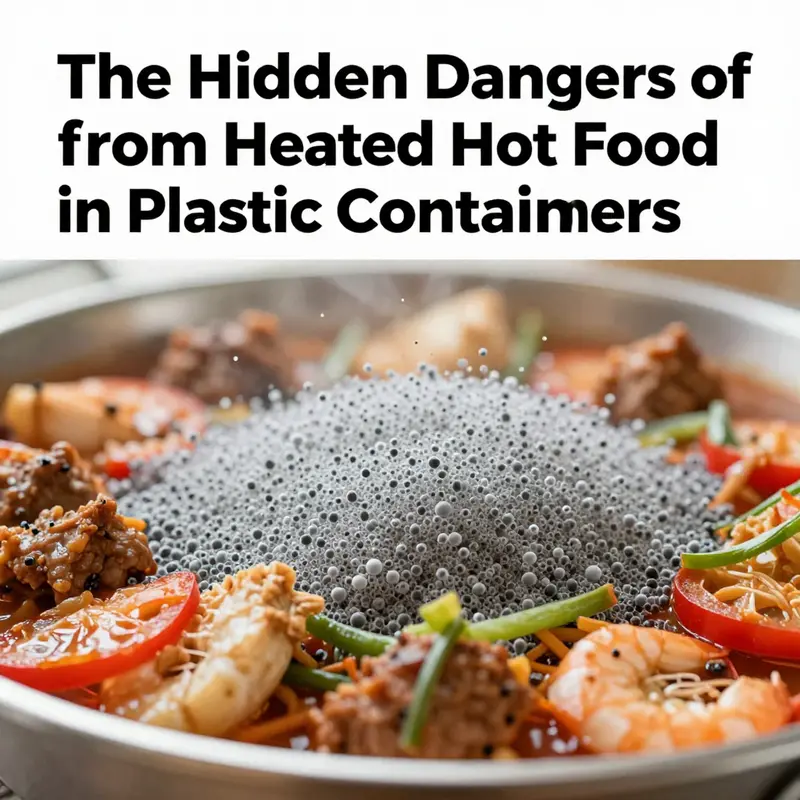
When hot food meets plastic, the stage is set for a cascade of changes that often goes unseen in everyday kitchens. Temperature acts like a accelerant, accelerating molecular movements inside the polymer matrix of plastic containers and increasing the likelihood that additives and fragments migrate into the food we eat. The basic premise is straightforward: heat softens polymers, makes barriers more permeable, and exposes the food to a mixture of substances embedded in the plastic. What follows is not merely a matter of taste or aroma, but a potential chain of physiological signals that can ripple through the body over time. The concerns first rose around familiar chemical suspects like BPA, its newer replacements such as BPS and BPF, and a class of compounds known as phthalates. These substances are known endocrine disruptors, agents that can alter hormone signaling and, in the long run, have been associated with reproductive issues, metabolic irregularities, developmental changes, and even shifts in cancer risk profiles. The regulatory message, echoed by agencies tasked with safeguarding food safety, is nuanced: not every container labeled as suitable for heating is inherently safe. A container may be marked as microwave safe, but this label reflects a narrow set of tested conditions and limited migration thresholds under controlled laboratory conditions. Real-world use, with uneven heating, aging, and wear and tear, often pushes those thresholds closer to the edge than the label would suggest. The net takeaway is that the label does not guarantee complete protection against chemical transfer when hot foods are involved, though it does indicate that under intended, standard use the risk is lower than in untested scenarios.
To understand the scope of risk, it is essential to look beyond single chemical names and to consider the broader context of what heat does to plastics. When exposed to microwaves or other high temperatures, plastics can shed micro- and nanometer-sized particles into food. This phenomenon, microplastics and nanoplastics migration, has shifted the conversation from only chemical leachates to physical debris entering the dietary path. A growing body of research confirms that heating plastic containers can release substantial numbers of microplastic particles. In one rigorous assessment, scientists quantified the release under practical heating conditions and demonstrated that the plastic surface can shed millions of particles per square centimeter when subjected to heat. The release is not constant; it spikes during the heating phase and tends to accumulate with repeated use, as the material ages and as surface scratches accumulate. These factors collectively raise concerns about chronic exposure, particularly for those who routinely rely on plastic containers to store or reheat hot meals.
The magnitude of microplastic generation during heating is startling. In a study published in early 2026, researchers reported that microwaving for just a few minutes can release as many as 4.22 million microplastic particles per square centimeter of the container surface, along with about 2.11 billion nanoplastic particles per square centimeter. When this material is embedded in the food, it becomes part of the daily intake story rather than an occasional contaminant. The effect amplifies with aging of the container, repeated heating cycles, and the presence of surface defects such as scratches. The physical presence of these particles raises specific health questions that chemical migration alone does not address.
The implications for human health are increasingly the focus of laboratory investigations that aim to simulate how microplastics and nanoplastics behave once inside the body. In vitro experiments using human cell lines have shown that exposure to microplastics extracted from heated plastic materials can cause significant cellular stress and even cytotoxic effects in certain contexts. In one representative set of observations, a high fraction of exposed embryonic kidney cells showed reduced viability within 48 to 72 hours in controlled laboratory conditions. While directly translating in vitro results to in vivo risk requires caution, the pattern—cell stress, potential inflammatory signaling, and oxidative imbalance—provides a plausible mechanism by which chronic dietary exposure could contribute to tissue-level perturbations over time. Moreover, analyses of human samples have detected microplastics in the bloodstream, in placental tissue, and in lung tissue, indicating that these particles are not confined to the gut and can traverse the body’s landscapes. The prospect that microplastics can migrate between organs raises the possibility of systemic inflammatory or endocrine effects that could accumulate with long-term exposure.
All of this takes place within a broader narrative about the limits of current safety testing. It is not merely a matter of labeling and one-off exposure but a question of what happens when heating is repeated, when utensils age, and when rough handling creates uneven heat distribution. The tests that underlie microwave safety labels are designed to capture typical, uniform conditions and standard use scenarios. They do not always replicate the realities of a busy kitchen where a container may be heated unevenly, or where a plastic surface is nicked or scratched and the polymer structure is already compromised. In such contexts, the migration of additives and the shedding of particles can be more pronounced than the label would imply. A practical consequence is that even containers marketed as microwave safe should be viewed as potential partial solutions rather than fail-safe protections. The safer conclusion is not that plastic is categorically dangerous in every instance, but that heat amplifies risk and that the safest approach is to minimize exposure, especially for frequent users, individuals with heightened sensitivity to hormones, and those in vulnerable life stages.
From a practical standpoint, the strongest countermeasure is to pivot toward inert materials that do not release harmful additives and do not shed particles when heated. Glass, ceramics, and certain types of stainless steel exhibit high inertness under cooking temperatures, meaning they do not decompose into new chemicals and do not contribute microplastics to the meal. They also do not carry the risk of microplastic shedding that accompanies aging plastic surfaces. The shift away from plastic for hot foods is not merely a safety recommendation; it is a dimensional improvement of the dining environment that reduces exposure to multiple potential hazards. The choice of container matters as much as the act of heating itself. For households that want to balance convenience with safety, a gradual transition toward nonplastic storage and reheating options provides tangible benefits over time.
In this regard, it is worth considering alternatives that preserve convenience without introducing new risks. While the specifics of product lines are not the focus here, the broader category of safer, paper-based or ceramic options can offer practical advantages for daily routines. For readers seeking concrete alternatives to plastic for hot foods, a range of paper-based containers can meet everyday needs without introducing microplastic concerns. See a practical example here: senang05-food-grade-disposable-kraft-paper-12oz-porridge-bucket-portable-microwavable-paper-soup-cup-with-lids. The emphasis is not on aesthetics or branding but on the material’s compatibility with heating processes and its inertness after use. Paper and glass options inherently lack the plastic-based additives and do not contribute microplastics through normal heating, making them compelling alternatives for hot foods.
This shift toward safer materials also invites a broader reflection on how we handle leftovers and daily meals. If a container will be heated multiple times, the cumulative exposure from even small amounts of leached substances or microplastic debris can become nontrivial. One practical implication is to cool hot foods briefly before transferring them into any container meant for storage. This step reduces the temperature gradient that drives diffusion of chemicals and minimizes the stress on the container’s polymer network. In kitchens, such a change is straightforward and does not demand a wholesale replacement of all containers overnight. It does, however, require a mindset that recognizes the hidden costs of repeated heating in plastic and a commitment to safer practices over time. In addition, those who routinely use plastic for hot foods should be particularly mindful of aging containers and scratched surfaces. Damaged plastics are more prone to shedding particles and releasing chemicals than pristine ones, and the cumulative effect of many small exposures may rival a single large incident in terms of risk.
Ultimately, the question of harm is a layered one. It involves chemistry, materials science, exposure pathways, and human biology in a way that transcends simple yes or no answers. The current evidence points toward a cautious stance: microplastics and the associated chemical leachates are plausible hazards when hot foods are repeatedly stored or reheated in plastic containers. For a growing portion of the population, including children and pregnant individuals, the stakes feel even higher because of the potential need to protect developing systems from endocrine disruption and inflammatory stress. The path forward lies in both better translation of scientific findings into practical guidance and a willingness to embrace safer alternatives where feasible. The kitchen, after all, is a daily laboratory where the decisions we make about containers and heating can accumulate into meaningful health effects over years.
External resource: https://pubs.acs.org/doi/10.1021/acs.est.5c06789
Endocrine Disruptors in Plastics: Hot Food in Plastic Containers

Heating food in plastic can release chemicals such as BPA, BPS, BPF and phthalates into meals. These substances may disrupt hormonal signaling and influence development and metabolism. High fat and acidic foods increase migration. Reducing plastic use for hot foods, choosing glass, ceramic, or stainless steel, and using microwave safe labels with caution can help minimize exposure. Microplastics shed from aging containers may also play a role in endocrine and inflammatory pathways. Practical steps include avoiding reheating in single use plastics, preferring safer materials, and supporting safer packaging through informed choices and continued research.
null
null
Heat, Leaching, and the Body: Long-Term Health Risks from Hot Food in Plastic Containers
A hot meal carried in a plastic container is a common scene in homes, offices, and schools. The simplicity of reheating leftovers in the same container reinforces a habit that feels efficient and harmless. Yet when temperature rises, a quiet chemical conversation begins between food and container. The heat acts like a catalyst, nudging certain plastic compounds to move from the container into the food. Over many meals, this constant exchange can accumulate, nudging the body’s hormonal and metabolic systems in ways that may not be immediately obvious but matter over years and decades. The human body tolerates a lot, but the combination of high heat, prolonged contact, and ongoing exposure creates a landscape where risk, while not dramatic on a single day, can become meaningful over time.
Central to the concern are endocrine-disrupting chemicals, or EDCs, that are associated with plastics used in modern households. Bisphenol A, commonly known as BPA, has long been established as a chemical capable of mimicking natural hormones. Its replacements, such as BPS and BPF, as well as certain phthalates used to soften plastics, can also interfere with hormonal signaling. Hormones govern reproduction, growth, mood, and energy balance; small disturbances in these systems can cascade into larger health outcomes. In men, studies have linked long-term exposure to certain phthalates with reduced sperm quality, while in girls, early puberty has been observed in association with plastic-associated chemicals. Beyond fertility, there is concern about metabolic regulation, fat storage, and inflammatory responses that can accompany hormonal disruption. The body’s endocrine network is a delicate orchestra; even subtle mis-tuning over many years can have outsized effects on health trajectories.
Evidence from diverse sources—ranging from cell studies to population data and animal models—builds a consistent if complex picture. The risk profile is shaped by dose, timing, and duration of exposure, as well as by individual susceptibilities. For example, developing fetuses and young children may be more sensitive to endocrine-disrupting chemicals, given the critical windows of development. Pregnant individuals, too, carry a heightened concern because in utero exposure can influence long-term development in ways that are hard to reverse later in life. This is not to suggest that every reheated meal will trigger harm, but rather that habitual exposure to heated plastics is a real contributor to the body’s cumulative chemical load. As science advances, the normative lines of what is considered safe continue to shift, underscoring the importance of prudent choices in daily routines.
Beyond hormonally active substances, another dimension of risk lies in the growing evidence of microplastics and nanoplastics. Heating even common plastics can release an enormous number of microscopic particles that can be ingested along with food. The scale is striking: within minutes of microwave heating, tens of millions of microplastic particles can be generated per square centimeter. Once ingested, some of these particles may traverse the gut barrier and enter the bloodstream, traveling to organs such as the liver, kidneys, and even the brain. Microplastics have been detected in human feces, blood, and placental tissue, highlighting potential routes of exposure that could contribute to chronic inflammation, oxidative stress, and organ-specific effects over time. While the long-term health consequences of these particles are still under investigation, the convergence of findings across human and animal studies signals a pattern that cannot be dismissed.
The interaction between heat and plastic is not uniform. The matrix of the plastic, its additives, and the type of food all play a part in how readily chemicals migrate into meals. Hot, oily, or acidic foods act as solvents, accelerating leaching. Fatty foods can dissolve and mobilize esters and other additives more effectively than bland, non-fat dishes. This means that takeout containers, disposable cups, and plastic wraps used for hot, greasy comfort foods may deliver a higher chemical dose than the same containers used for cooler, non-oily meals. This is especially relevant for households that repeatedly reheat leftovers in the same container or store hot meals for extended periods before consumption. The cumulative effect can be subtle yet real, particularly when combined with aging plastics that become more porous and less stable as they endure heat cycles.
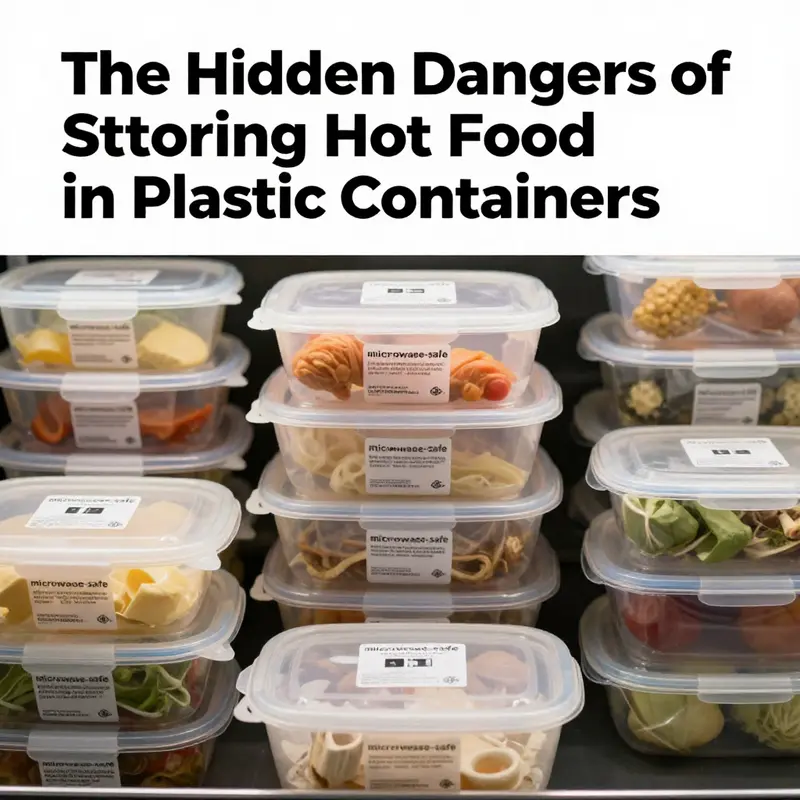
Safety labeling adds another layer of complexity. The term microwave-safe is a regulatory label intended for consumer guidance, but it does not equate to a guarantee of zero chemical migration. Real-world conditions diverge from standardized test scenarios: uneven heating, uneven container thickness, long-term aging, and repeated heating all influence how much, if any, substance migrates into food. This gap between tested safety and lived experience is part of why public health guidance emphasizes precaution. The practical takeaway is straightforward: while a single reheated meal in plastic may not pose an obvious danger, the practice of heating hot foods in plastic containers—especially over years—warrants reconsideration.
From a public health standpoint, the long-term implications extend beyond individual meals. Hormonal disruption interacts with metabolic regulation and cardiovascular health in ways that can manifest as subtle shifts in risk over time. Though establishing a direct causal chain between a habit and a disease is difficult in humans, the weight of evidence supports a precautionary approach. The logic is not to demonize every use of plastic but to recognize that habit forms a cumulative risk. Reducing the frequency and duration of heat exposure, particularly for containers that show wear or old age, aligns with prudent health management and aligns with broader efforts to curb persistent plastic exposure in daily life.
Practical strategies focus on reducing heat exposure to plastics while maintaining convenience. The simplest, most effective move is to shift hot foods away from plastic altogether when feasible. Glass, ceramic, and stainless steel containers do not share the same risk profile for chemical migration and can be reused for years with careful care. If switching away from plastic is not possible in a given moment, selecting containers with higher heat resistance and monitoring for signs of wear becomes important. Avoiding containers that are pitted, cracked, or discolored helps reduce the risk of accelerated leaching. It is also wise to minimize the duration that hot foods spend in plastic containers—transfer to a non-plastic vessel for heating and re-cover with a lid to retain heat, rather than reheating repeatedly in the same container. Cumulative exposure is the enemy here, so small, consistent changes can yield meaningful reductions over time.
The packaging ecosystem offers alternatives that preserve convenience while reducing risk. Eco-friendly paper-based or bagasse-based take-away options present a compelling option when it comes to hot foods. These materials tend to be more inert at high temperatures and can be recycled or composted in appropriate systems, reducing both chemical migration potential and plastic waste. If you are exploring a switch, consider an everyday option like eco-friendly kraft paper takeaway bowls, which can accommodate hot foods and carry a lower risk of leaching compared with traditional plastics. This shift also aligns with broader sustainability goals, addressing both health and environmental concerns in a practical, tangible way. eco-friendly kraft paper takeaway bowls can serve as a concrete example of how everyday choices contribute to safer heat handling. By choosing materials with proven higher resilience to heat exposure and combining them with sensible serving practices, individuals can reduce both exposure and waste with minimal disruption to daily routines.
The conversation around hot food in plastic is not merely about personal behavior; it touches on manufacturing standards, regulatory testing, and the need for transparent information. As scientists refine methods to simulate real-world use, and as consumers demand clearer guidance, the risk assessment framework will continue to evolve. In the meantime, the most grounded advice remains straightforward: minimize heat exposure to plastics, favor non-plastic alternatives for hot foods, and be mindful of container integrity. The cumulative nature of these exposures argues for a simple precautionary posture that prioritizes long-term well-being over short-term convenience.
For readers seeking a deeper scientific context, the broader literature on plastics, heat, and health continues to expand. The emerging picture encompasses chemical leaching and the persistent issue of microplastics entering the human body, with potential implications for inflammation, oxidative stress, and organ function over time. This is not a single finding but part of an evolving field that requires ongoing, interdisciplinary research, robust surveillance, and clear communication to the public. To explore this topic further, an external resource offering a comprehensive scientific perspective is available here: https://www.ncbi.nlm.nih.gov/pmc/articles/PMC10897637/
Final thoughts
Understanding the dangers of putting hot food in plastic containers is critical for ensuring both consumer health and safety. Chemical migration, microplastic contamination, and the presence of endocrine disruptors all highlight the need for vigilance in food service practices. By adhering to safety standards and being transparent about the materials we use, businesses can foster greater awareness and ultimately protect their customers. Transitioning to safer alternatives such as glass, ceramic, and stainless steel can significantly mitigate these health risks. Together, let’s prioritize health, safety, and sustainability in our food service practices.