
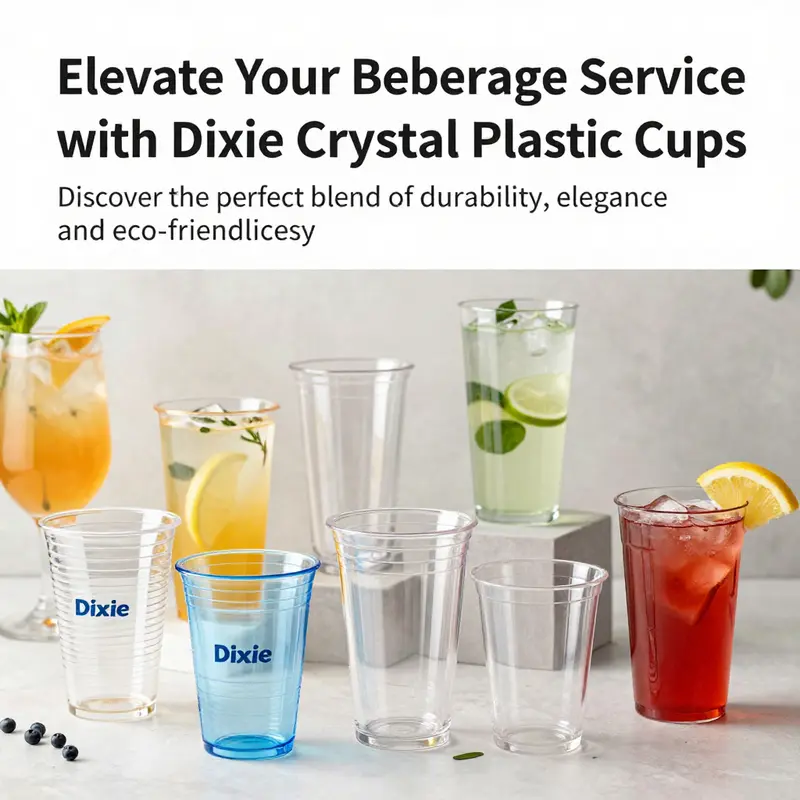
Dixie Crystal Clear Plastic Cups stand as a premier choice for beverage service across various industries, including bubble tea shops, restaurants, food trucks, and corporate catering. Their 16 oz capacity and transparent design offer a versatile solution that combines practicality with a professional look that enhances any beverage presentation. In the following chapters, we delve into the design and features that set these cups apart, explore their diverse applications, evaluate their environmental impact, and discuss market availability and pricing. Each section builds a comprehensive understanding of why Dixie Crystal Clear Cups are the go-to option for your service needs.
Crystal Clarity Under Pressure: The Subtle Engineering Behind Crystal-Clear Disposable Cups
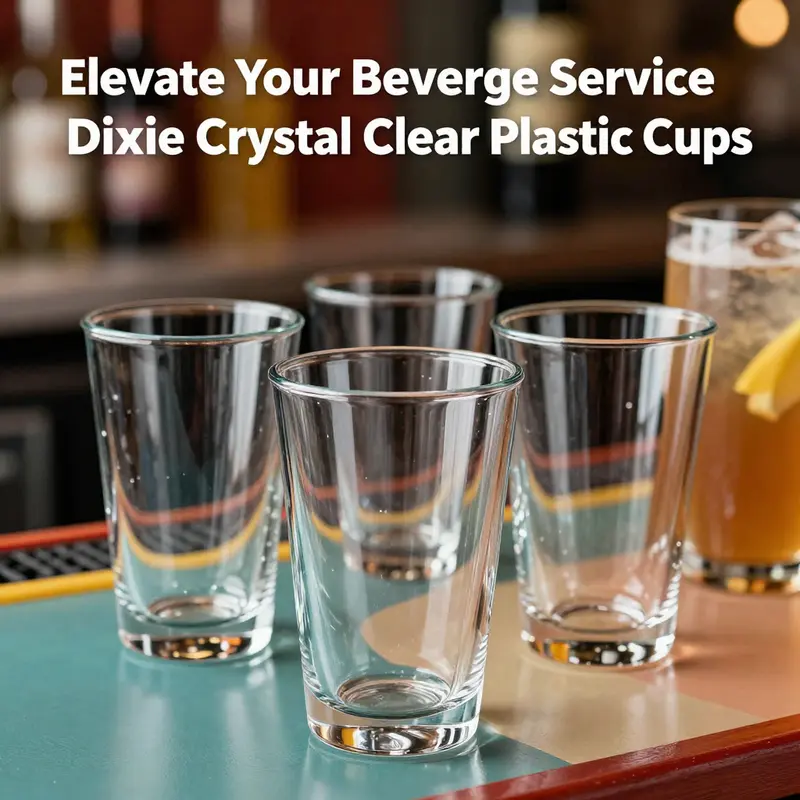
In the world of serveware, a crystal-clear disposable cup does more than hold a drink; it stages the moment. The eye is drawn first to the glass-like transparency, to the way light travels through the container and celebrates the color, fizz, or smooth gradient of a beverage. Yet the beauty is only the surface. Beneath that effortless clarity lies a careful orchestration of material choice, wall thickness, and manufacturing discipline that makes a disposable cup feel almost as sturdy as its reusable kin. The design ethos centers on three interlocking goals: clarity that remains faithful to the drink, durability that survives a busy service environment, and usability that keeps service moving without fuss. When these elements align, the cup does not merely hold liquid; it elevates the presentation, inspiring confidence in servers and satisfaction in guests who notice the polish at every pour.
Material choice governs the visual appeal as much as the tangible feel of a cup. A premium-grade plastic is selected not only for its optical properties but for how it interacts with light and the beverage it contains. Clarity is a measure of how little the material interferes with the viewer’s perception of the drink’s color, texture, and even carbonation. In practice, this requires a careful balance: the resin must be transparent enough to reveal the beverage’s character, while possessing sufficient rigidity to avoid a hazy or softened appearance when the cup is grasped, filled, and passed along a line of service. The resulting surface is smooth, with edges refined to minimize micro-defects that can scatter light and dull the overall effect. The material’s compatibility with food safety standards is a nonnegotiable baseline. It ensures that the moment of serving remains worry-free from a health-safety standpoint, allowing the drink to take center stage rather than becoming a distraction through concerns about contamination or leaching.
Another pivotal design consideration is volume, which anchors both portion control and the user experience. A standard capacity around the 12-ounce mark has proven versatile across a broad spectrum of beverages—from sparkling water to creamy sodas, from iced tea to lighter cocktails. The choice of 12 ounces is not arbitrary; it reflects a balance between generous serving sizes and manageable weight in a disposable format. That capacity supports a range of uses, from casual gatherings to more formal events, without forcing a change in glassware or introducing wasteful overpour. When a cup is held, the user perceives a comfortable heft that signals durability without tipping toward bulkiness. In practice, this translates into a vessel that feels capable in a server’s hand and trustworthy in the guest’s, an impression reinforced by how the cup resists flex and deformation during everyday handling.
Durability sits at the core of a disposable cup’s promise. The market often demands a shatter-resistant profile, particularly in environments with high foot traffic, outdoor settings, or events where tables are crowded, and cups must withstand being counted, passed, and stacked. Shatter resistance is not merely about avoiding breakage; it is about maintaining a clean, safe service flow. A cup that remains intact during transport and handling reduces the risk of broken shards and messy cleanup, which in turn supports smoother event operations and a more professional presentation. Alongside this resilience, leak resistance plays a critical supporting role. A well-engineered cup forms a reliable barrier against spills and seepage when filled with hot or cold liquids, a capability that is especially valuable at crowded receptions, bustling cafeterias, and busy bar lines. The interplay between wall thickness and rigidity helps ensure that a cup can stand up to internal pressure from a hot beverage or a tight lid without buckling, while still presenting a crisp, tidy exterior.
The building blocks of usability extend beyond raw strength and surface clarity. A sturdy construction must also resist deformation during stacking, shipping, and daily use. A cup that warps under weight or adheres awkwardly to its neighbor in a stack slows service, invites clumsy handling, and diminishes the impression of quality. Thoughtful geometry—the diameter, wall taper, and base contour—helps maintain a consistent profile, so a stack remains stable even when pulled from a crowded tray. Lightweight design plays a crucial role here as well. It reduces fatigue for servers during long shifts and makes handling more effortless for guests who take a casual sip at a standing reception or a quick break in an office setting. Yet lightness cannot come at the expense of strength. The balance is achieved through formulation and process control, ensuring that the cup feels solid in the hand even as it remains easy to carry and dispose of when the moment has passed.
Practical economies of scale accompany these material and design choices. The availability of the cups in bulk—packaged in large boxes for easy storage and distribution in commercial kitchens, catering operations, and large offices—permits teams to service events with fewer interruptions. A bulk approach reduces the number of times staff must pause to restock, which in turn helps maintain consistent service speed and presentation quality. It also brings cost efficiency, a critical factor for operations that must balance guest experience with budget constraints. The packaging itself is part of the design: boxes that stack neatly, resist crushing, and stand up to warehouse handling. In real-world terms, the bulk model supports a workflow where the cups arrive ready for immediate use, which minimizes downtime and keeps the focus on the beverage and the guest experience rather than inventory logistics.
From a safety and compliance perspective, the cups are designed to align with food-contact regulations. Suppliers emphasize that materials intended for direct contact with beverages meet established standards for safety and cleanliness. In practice, this means that a guest can enjoy a drink with confidence, knowing the cup’s surface has been manufactured and handled in ways that reduce the risk of contaminants or off-flavors migrating into the beverage. The assurances embedded in the manufacturing and testing processes help translate into a smoother service environment, where servers can concentrate on presentation, temperature, and timing rather than worrying about material compatibility or regulatory compliance.
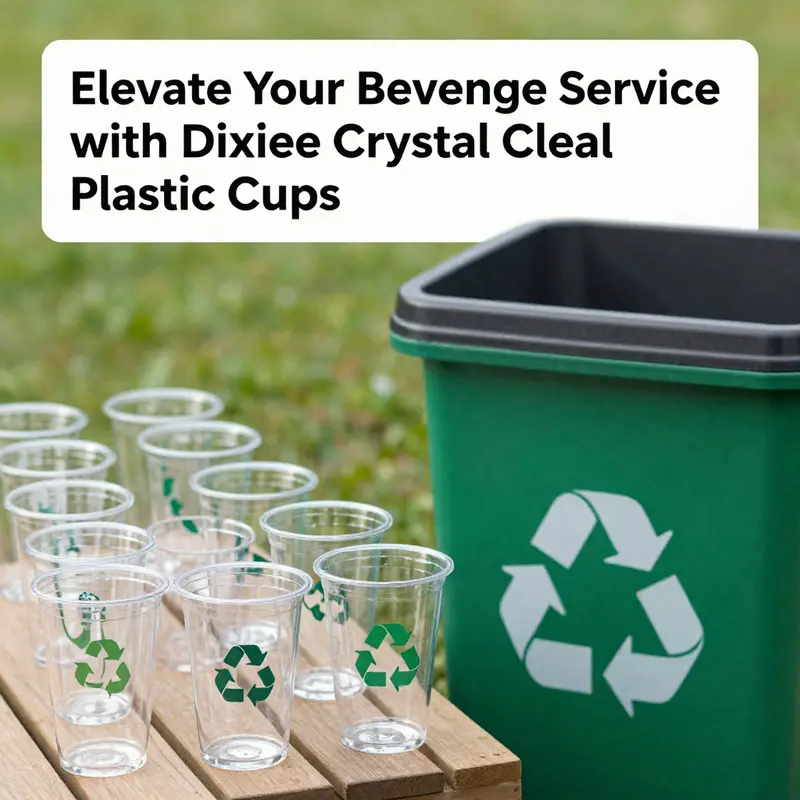
The environmental dimension of disposable cups remains a central part of the conversation about modern serveware. Clarity in presentation should not come at the expense of responsible disposal. Recyclability is a key attribute that many operators look for when selecting serveware, and crystal-clear cups are often positioned as a more sustainable option within the disposable category. The recycling trajectory for plastic cups, however, depends heavily on local programs and infrastructure. In some regions, the cups can be diverted from landfills into recycling streams that process plastics into new products. In other areas, recycling options may be more limited, making waste management decisions more complex. The practical takeaway for venues and households alike is to pair the cups with clear recycling guidelines and to be mindful of regional capabilities. Even when recycling is available, reducing waste at the source remains a worthy goal. For many operations, the most responsible approach combines the use of recyclable disposables with thoughtful run lengths, careful inventory management, and strategies that encourage guests to dispose of cups in designated receptacles rather than mixing them with other waste streams.
Beyond the core attributes of clarity, strength, and safety, the cups contribute to a broader narrative of presentation and professionalism. A beverage that is poured into a perfectly clear vessel conveys a sense of care and attention to detail. The absence of color distortion or surface imperfections allows the drink to express itself—the amber of iced tea, the pale hue of lemonade, the deep saturation of a fruit punch, or the quiet shade of a hot chocolate—without distraction. This is not about aesthetics alone; it is about the confidence it triggers in both servers and guests. For the server, the cup’s predictability—how it stacks, how it feels in the hand, how it withstands a bustling service line—reduces cognitive load and accelerates throughput. For the guest, the experience feels seamless: a simple, clean vessel that respects the beverage and elevates the moment of contact with it.
The practical realities of using crystal-clear disposable cups unfold in everyday service scenarios. At a casual outdoor gathering, the cups must endure wind, clinking, and occasional drops while maintaining their structural integrity. In a corporate event, the cups contribute to a polished presentation that aligns with the formality of the occasion, offering a uniform look across catering staff and stations. In a busy office break room, the cups must be lightweight enough to be carried in hand or on a small tray, yet robust enough to resist denting as they are stacked and restocked throughout the day. In all such contexts, the cups’ reliability reduces the risk of leaks and splashes that can disrupt service and erode guest experience. The result is a product that performs quietly and predictably, letting the focus stay on the drink and the occasion rather than on the vessel.
To connect this narrative with the broader ecosystem of disposable serveware, consider how such cups sit within a spectrum of options designed for different priorities. Some environments prioritize reduced weight and cost, others emphasize superior clarity or heat resistance, and still others prioritize recyclability and compostability. In this spectrum, crystal-clear cups occupy a balanced position. They offer a refined appearance without sacrificing practicality, combining a crisp aesthetic with a durable, user-friendly form. They are not inherently fragile despite their glass-like appearance; instead, they embody a deliberate engineering trade-off that makes them versatile enough for casual settings and dependable enough for more demanding service contexts. As an operator chooses between disposable options, the decision often hinges on how well the cup aligns with the event’s tone, the beverage’s temperature, the expected guest flow, and the local waste management infrastructure. The cups discussed here exemplify a category that prioritizes visual appeal and dependable performance without complicating operations or planning.
For readers interested in exploring related avenues of disposable serveware that complement crystal-clear cups, one avenue is to examine compatible take-away and serving solutions that emphasize eco-friendliness and customization. The idea is not that every event must use the same materials, but that a coherent set of packaging decisions can reinforce branding, sustainability, and guest experience. A notable option in this space is a range of eco-friendly printed-logo paper cups that offer customization while maintaining responsible packaging practices. To learn more about these eco-friendly, printed-logo paper cups, you can explore the page at eco-friendly printed-logo paper cup. This resource highlights how branding can be integrated into disposable serveware without sacrificing disposal considerations or the overall service experience. The synergy between a clear, high-quality cup and thoughtfully branded paper alternatives demonstrates how a cohesive, well-choreographed lineup of serviceware can elevate a guest experience from the first moment of sight to the final moment of disposal.
In sum, the crystal-clear disposable cup embodies a quiet mastery of contrast: the contrast between the drink’s vibrancy and the cup’s transparency, between disposability and durability, between a simple serveware choice and the professional demeanor it supports. The design and engineering decisions behind such a cup are guided by a single aim: to deliver a dependable, visually appealing vessel that enhances the beverage and the moment in which it is enjoyed. When these elements come together—clarity that reveals the drink, strength that endures handling, and practicality that keeps service moving—the result is more than a vessel. It is a stage on which beverages can shine, a reliable tool for hosts and servers, and a small yet meaningful contributor to the overall experience of gathering, sharing, and savoring. For operators who value consistency, presentation, and responsible waste practices, crystal-clear disposable cups offer a compelling balance of form and function that remains relevant across venues, events, and everyday use. And for guests, they deliver a straightforward, elegant encounter with a drink—an encounter that speaks to attention to detail without demanding attention itself. As with any well-considered tool, the merit lies not in showy features but in dependable performance under real-world conditions, day after day, pour after pour.
External reference for further product specifications and examples of the type described here can be found at https://www.officesupply.com/dixie-crystal-clear-plastic-cups-12-oz-box-of-500.
Crystal-Clarity Vessels: How Clear Disposable Cups Elevate Service, Presentation, and Sustainability
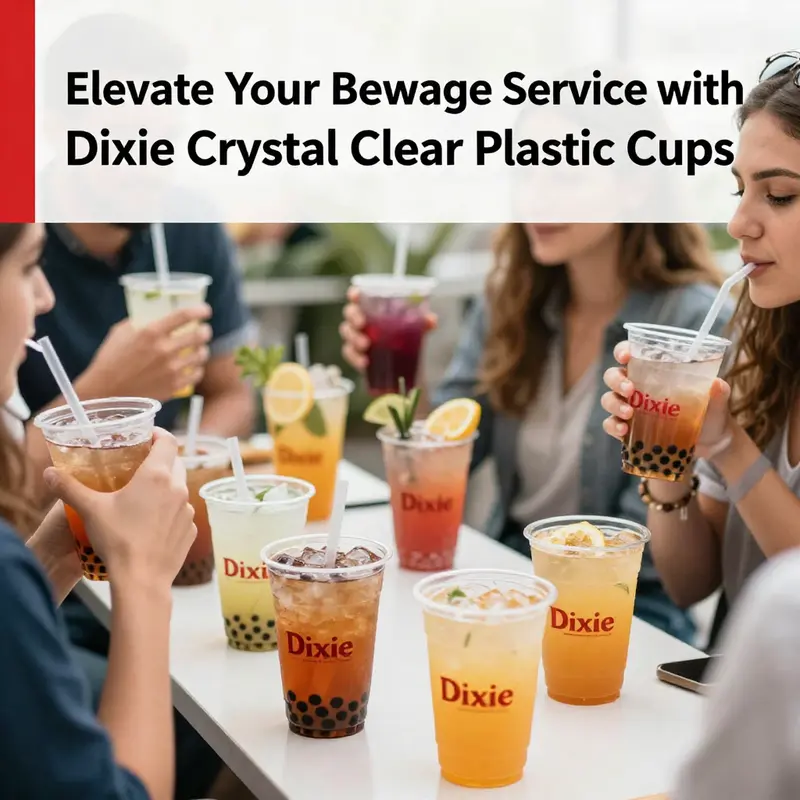
The elegance of a glass-like vessel can elevate any beverage service, but the practical realities of events, offices, and hospitality demand something more versatile and efficient. Crystal-clear disposable cups meet that need by offering a transparent, shatter-resistant, single-use solution that makes the colors and textures of drinks stand out while preserving the ease of clean, rapid turnover. They function as a canvas for the drink, inviting guests to admire the hue of a lemon iced tea, the sparkle of a citrus soda, or the depth of a cold brew with cream. The clarity matters as much as the pour, because the eyes still cue expectations: a well-presented beverage says care, cleanliness, and attention to detail without requiring fragile glassware. In the flow of modern service, where speed and presentation must co-exist, these cups perform as a practical bridge between aesthetics and efficiency.
In the restaurant and coffee-shop milieu, the value of such cups shows in two closely linked ways. First is the visual clarity that allows the drink itself to be the star. When a beverage’s natural color and layering are visible, it communicates quality and freshness without a single label or garnish. The second is the professional, contemporary feel these cups convey. A sleek, clear cup suggests confidence and consistency to patrons, helping to set a standard for the entire service environment. The cups are designed to be light enough to handle easily, yet robust enough to withstand the bustle of a busy counter, a crowded bar, or a rush of takeout orders. They minimize the friction of service, because staff can pick up, fill, and hand off beverages with one simple motion, and guests can grasp the cup without worrying about slipping or leakage. In this sense, the vessel itself becomes part of the service design, shaping how a drink is perceived and how smoothly the operation runs.
These cups are equally valuable in break rooms or reception areas of offices and corporate campuses. Here, practicality often trumps ceremony, but it does not have to come at the cost of appearance. A clean, clear cup lends a sense of order to a shared space, while the sturdy construction supports steady beverage service through the day. Guests and employees experience a sense of reliability—the kind that arises when a break-room heading to the coffee station presents a uniform, professional look alongside a straightforward, hygienic solution. The disposability means the space stays uncluttered; there is no need to chase down broken glass or run endless loads of dishes. A single, efficient flow—from hot tea and coffee through to iced water and juice—becomes feasible, especially on busy mornings when every minute counts. In such contexts, the crystal-clear cups become less a novelty and more a standard, a practical choice that aligns with the rhythms of modern workplaces.
Beyond daily operations, the versatility of clear disposable cups shines in events of all kinds. Weddings, parties, barbecues, and corporate gatherings benefit from a hygienic, disposable vessel that still preserves a refined, presentable look. The cups’ transparency helps guests identify beverages at a glance, whether the event features a color-coded drink station or a curated beverage menu. The absence of heavy glass means fewer concerns about breakage on outdoor patios or in high-traffic rooms, where corralling fragile glass would create risk and additional staff requirements. Yet the cups do not surrender elegance: the clear material allows the beverage itself to speak, making even simple drinks feel composed and intentional. In reception lines and buffet setups, the cups’ clean lines sync with modern decor and signage, producing a cohesive visual experience. The practical benefits—the ability to dispose of the cups after use, the reduced cleanup time, and the easier waste management—are not merely conveniences; they are strategic choices that influence the overall guest experience, the pace of service, and the logistical planning of large gatherings.
In the realm of food packaging and sampling, these cups extend their usefulness beyond mere beverage service. They can host small portions of snacks or desserts, linking taste with presentation in a compact, portable form. In trade-show booths or retail displays, a transparent cup can showcase a sample of a drink alongside labeling or a tasting note, allowing potential customers to assess color, texture, and even carbonation before they commit to a purchase. The combination of visibility and disposability enables brands to curate short, enticing experiences in crowded spaces, with minimal risk and maximum efficiency. While the cups primarily function as beverage vessels, their versatility makes them adaptable to a range of display and sampling opportunities, adding value to events, pop-ups, and promotional activities where speed and cleanliness are essential.
The hospitality and catering sectors rely on crisp clarity and dependable performance, especially in buffet lines or self-serve stations. The cups’ clarity makes it easy for guests to identify beverages at a glance, which reduces confusion and streamlines the flow of a meal service. In buffet setups, where multiple drinks might be offered across different stations, the transparent cup helps guests quickly locate their preferred option, decreasing the chance of cross-contamination or misidentification. For catering professionals, the same properties support a consistent, professional presentation across venues, from indoor receptions to outdoor galas. Clarity also helps staff ensure proper portioning and serving accuracy, as beverage color and density are immediately visible, boosting confidence in product quality and portion control. It is this combination of reliable performance and elegant presentation that makes clear disposable cups a staple in foodservice planning, where every choice contributes to guest satisfaction and operational efficiency.
The spectrum of available sizes is another factor that underscores the practicality of these cups. While the specific line-up can vary, a range typically includes smaller to mid-sized options that cover common consumption patterns: casual sips, medium-refreshment servings, and larger portions for those who like a more generous pour. The ability to select the right capacity for a particular context reduces waste and ensures portions align with typical consumption, whether at a quick-service counter or a formal tasting session. The choice of size also intersects with temperature considerations. A cup designed for hot beverages can carry steam and heat tolerance, while those intended for cold drinks emphasize clarity and thermal resistance. The cross-section of sizes thus supports a broad set of use cases and makes planning simpler for operators who service multiple environments in a single day, from coffee bars to events to office kitchens.
Customization emerges as a practical extension of the cup’s utility. Many operators want a degree of branding or branding-agnostic customization to reinforce identity or align with a specific event theme. The generic, clear vessel serves as an adaptable canvas that can carry logos, color schemes, or simple messages through printed labels, lids, wraps, or internal stickers. The ability to adapt to different branding needs, while preserving the innate clarity of the cup, enables a cohesive brand experience across channels. It also opens doors for partnerships with event planners, venues, and corporate clients who seek consistent presentation at scale. When customization is paired with reliable performance, the cups become not just a utilitarian tool but a strategic element of a broader hospitality or retail plan. It is this fusion of form, function, and flexibility that makes clear disposable cups a durable choice for a wide audience, from frontline hospitality teams to corporate catering departments dreaming up memorable guest experiences.
Sustainability considerations also weigh into decisions around disposable cups. In a market where environmental awareness continues to rise, many operators ask how single-use items fit into sustainable strategies. It is common to encounter a spectrum of approaches, from recycling programs to the exploration of compostable or recyclable materials. While standard plastic cups remain popular for their cost-effectiveness and reliability in high-volume contexts, the conversation increasingly centers on end-of-life options and the overall lifecycle. For planners and operators, a clear, recyclable option can be a sensible compromise that delivers the needed performance while facilitating responsible waste management. In settings with extensive beverage service, even small improvements—like ensuring cups are compatible with existing recycling streams or offering convenient disposal stations—can accumulate into meaningful environmental benefits over time. Beyond policy, one practical approach is to design service experiences that maximize waste reduction: pairing clear cups with appropriate lids, replacing detachable straws with sustainable alternatives, and encouraging guests to reuse or properly recycle where facilities exist. The aim is not to eliminate disposables but to embed them within a mindful framework that respects both operational realities and environmental considerations.
In contemplating the full arc of usage, one can see how these clear cups function as a bridge between aesthetics, convenience, and responsibility. They capture the visual appeal of a drink, maintain a clean and professional presentation, and support efficient service models that busy operations demand. They accommodate a range of beverages—from refreshing cold drinks to warm beverages—while offering a straightforward, sanitary method for serving, sampling, and display. They enable events to feel polished without imposing heavy cleanup demands, and they allow offices to maintain a neat, welcoming environment that still prioritizes speed and practicality. In short, the cups embody a balanced philosophy: let the drink shine, protect the guest experience, and respect the rhythms of modern service.
To readers who are looking for practical ways to visualize these benefits in their own operations, a concrete invitation can be found in the world of customizable, eco-aware disposable cup options. For a deeper look into how disposable vessels can be tailored to size, branding, and sustainability goals, explore this resource about eco-friendly disposable cups with customization options. It offers a lens into how brands and venues are aligning design with responsibility, all while keeping the focus on clear presentation and efficient service. eco-friendly disposable cups with customization options
As with any tool in the hospitality toolkit, the value of clear disposable cups is best judged by how well they fit the specific needs of a business, a venue, or an event. They are not a one-size-fits-all solution, but they are a flexible, reliable option that respects the realities of high-volume service while preserving the visual appeal that makes beverages look inviting. They allow staff to move quickly, guests to enjoy a clean and visually engaging experience, and organizers to plan with confidence. The simplicity of a transparent cup, when paired with a thoughtful service design, becomes a quiet ally in the daily work of feeding and delighting people. In this way, the cups embody a practical elegance that serves the many moments when clarity truly enhances perception, convenience, and care.
External resource: For more technical details and specifications, see the external product information resource. https://www.gppro.com/dixie-12-oz-cold-cups
null
null
Crystal Clarity on the Shelf: Availability and Price of 12-Ounce Crystal-Clear Cold Cups with Lids Across U.S. Markets
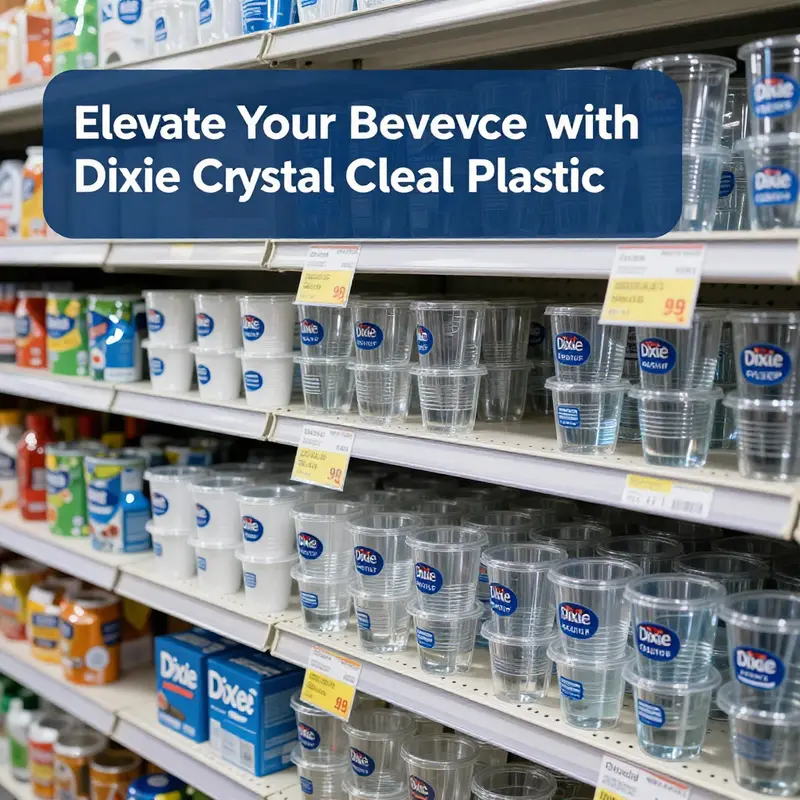
Clear plastic cups with a glassy, crystal-clear appearance have become an essential tool for both formal events and everyday beverage service. They offer the convenience of disposability without sacrificing the clean presentation that many hosts prize. When planning gatherings, from intimate celebrations to larger functions, the accessibility and price of these cups can shape budgeting and execution. The story behind their availability involves manufacturing capacity, retail distribution, and how buyers evaluate value in bulk versus individual purchases. In this chapter we trace how a widely used line of crystal-clear disposable cups is marketed, stocked, and priced in the current marketplace, with attention to how stock, packaging, and perceived quality align to professional serving at scale.\n\nThe most concrete snapshot available centers on a 12-ounce clear cup that ships in a bundle designed for cold beverages and includes lids. On Walmart’s platform, the product is described as a set of clear plastic cold cups, 12 ounces, sold in a pack that includes the corresponding lids. The listing emphasizes cold-drink design and the convenience of having lids included. As of February 28, 2026, the price for this bundle is listed at $36.03. That figure—specific to one retailer and one size—serves as an anchor for understanding what buyers might encounter when shopping online for bulk disposable cups. It’s important to note that prices vary by retailer, region, promotions, and packaging configuration. The Walmart listing reflects a standard practice in which the cups and lids are sold together for quick service setup.\n\nAvailability is supported by broad distribution networks that accompany the line. Crystal-clear disposable cups—whether viewed as a premium alternative to glass or a practical option for busy environments—rely on retailers with nationwide reach to keep stock accessible beyond a single city. In practice, this means presence on major e-commerce platforms and in-store shelf space at large chains that emphasize convenience and reliability. For buyers planning large-scale service, this translates to predictable access in multiple formats: standard bulk packs, bundles with lids, and variations in capacity that match common beverage portions. The practical implication is that planning for a 12-ounce format becomes straightforward with options that blend portability, on-site service, and waste management.\n\nPricing and availability do not exist in a vacuum. They are influenced by material costs, manufacturing efficiency, and distribution economics. Crystal-clear cups communicate color, texture, and craftsmanship in beverages from lemonade to craft sodas. Durability and shatter resistance influence how many uses a cup can withstand in busy service, affecting perceived value. The 12-ounce with lids configuration is particularly appealing to event planners who value a compact footprint on serving stations and a straightforward disposal process. Lids reduce spills, preserve carbonation and temperature, and simplify transport when cups leave the venue. Packaging decisions save time during service, maintain presentation, and can reduce waste through controlled dispensing and usage patterns.\n\nFurther, the cost-per-use calculation is central to budgeting. A bundle priced at $36.03, depending on the number of cups in the pack, yields a per-cup cost when divided by the pack quantity. This simple arithmetic helps compare options across sizes, brands, and retailers. It also informs how many packs to buy upfront to achieve economies of scale. When price is converted to per-cup terms, buyers weigh the convenience of lids included in the purchase, which reduces spills and potential losses during transport. A slightly higher upfront price for bundles including lids can be worthwhile in busy environments that prize speed and cleanliness.\n\nThe market features other sizes and configurations that mirror core attributes—clarity, reliability, and cold-beverage compatibility. While 12-ounce options are highlighted in the current Walmart listing, literature and product lines often include larger capacities such as 16 ounces for larger servings. Capacity variations influence stacking efficiency, cold-holding behavior, and perceived value in different service contexts. In event scenarios, a 12-ounce cup with a lid may balance portion size, handling ease, and waste management. For hosts, access to multiple size options isn’t just convenient; it enables customization without complicating logistics or environmental footprint. Availability then encompasses a family of compatible items across sizes and pack configurations.\n\nBeyond price and size, the design is aligned with food-safety standards. The cups are intended for direct contact with beverages, and their material complies with regulations governing food-contact plastics. This alignment reassures buyers that the cups will perform reliably from first pour to last sip. For event coordinators and retail buyers, this becomes a baseline criterion along with compatibility with cold beverages, durability, and recyclability. Recycling offers another dimension: many local programs accept disposable cups for recycling, providing a path toward reducing waste. The environmental calculus remains nuanced and dependent on local infrastructure, but the possibility of recycling can influence purchasing decisions for buyers aiming to align sourcing with sustainability goals while maintaining professional presentation.\n\nFor practical shoppers evaluating price, it helps to compare a Walmart bundle’s price to other offerings. Retailers may feature seasonal promotions, bulk discounts, or loyalty-member pricing that alter apparent cost per cup. The number of cups per pack can vary by retailer and packaging option. Some bundles emphasize lid-included packaging; others present cups without lids, prompting buyers to source lids separately. The overarching lesson is straightforward: to evaluate availability and pricing for crystal-clear cups, consider total cost of ownership over multiple events, typical guest counts, average consumption, and storage and disposal logistics. A well-timed purchase minimizes excess stock that may not be used promptly.\n\nFor researchers, planners, and buyers seeking broader sourcing, the market presents touchpoints across national retailers and independent suppliers. A chain of national retailers often carries a similar 12-ounce crystal-clear cup with lids in various pack sizes, while bulk catalogs offer even larger quantities with customizable cup-and-lid blends. The shared thread is bulk buying for events: packaging that minimizes on-site handling, a presentation that preserves clarity and form, and dependable delivery timing. This forms the backbone of a predictable purchasing landscape and invites buyers to optimize choices by aligning cup size, lid inclusion, and delivery timing with event specifics. For smaller-scale needs or pilot runs, internal math of cost-per-use becomes tangible when comparing a 12-ounce pack with lids to options that omit lids or include larger capacity. The goal is to maximize reliability and guest experience, not just minimize expense. A practical approach is to select a small set of standard configurations and keep a reserve of alternates for special occasions. Availability and pricing are dynamic, influenced by production cycles and promotions, but the core principle remains stable: crystal-clear disposable cups deliver professional presentation, hygiene, and convenience at scale. In closing, the story of availability and pricing reflects how retailers, manufacturers, and buyers collaborate to make a reliable, aesthetically pleasing, and safe beverage experience feasible across varied settings. For readers seeking a quick comparative reference, an internal best-price baseline—such as an 8-ounce disposable cup option—is commonly used to illustrate price scaling, lid inclusion, and pack-size differences. Understanding price formation helps buyers approach procurement with cost awareness while preserving the professional appearance and dependable performance that crystal-clear disposable cups offer. External resource: For a broader view of disposal and recycling considerations, see EPA’s recycling information: https://www.epa.gov/recycle. In sum, the market for crystal-clear cups demonstrates broad availability, predictable packaging options, and reasonable price points that support large events and everyday use. Retail channels, bulk configurations, and lid inclusion contribute to a purchasing landscape that aligns with planning and budgeting. The shelf confidence translates into service confidence, and good service drives guest satisfaction. As supply chains shift and consumer expectations grow, buyers with a clear map of pricing, packaging, and availability can navigate aisles with minimal friction and a steady eye on value. The story remains: clarity on the shelf equates to confidence in service, and confidence in service translates to a smooth, professional guest experience.
Final thoughts
Dixie Crystal Clear Plastic Cups encapsulate a blend of elegance, durability, and eco-conscious design, making them an excellent choice for beverage-serving businesses. Whether you’re serving cocktails at a corporate event, bubble tea in a trendy shop, or beverages at a large outdoor gathering, these cups enhance both presentation and practicality. Their recyclable materials further support sustainability goals, appealing to environmentally-minded consumers. By opting for Dixie Cups, you not only elevate your service but also contribute positively to the environment. Invest in clear solutions that resonate with your brand’s values and commitment to quality.