
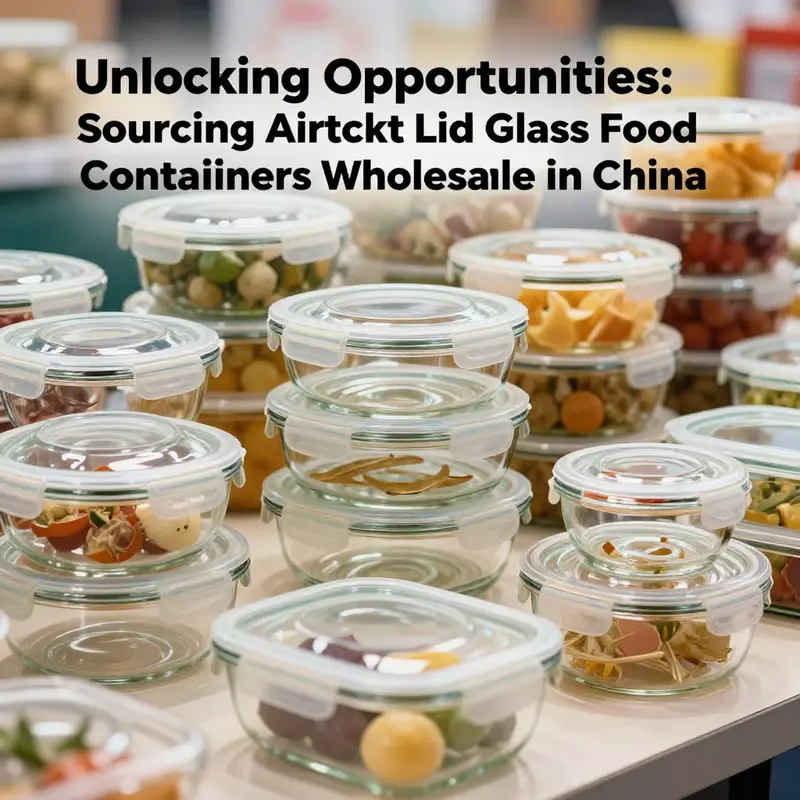
Airtight lid glass food containers are becoming increasingly popular among businesses that prioritize sustainability, quality, and health. As food and beverage establishments, including bubble tea shops, restaurants, food trucks, and catering services, seek reliable storage solutions, understanding the nuances of the wholesale market in China is vital. This article explores how these wholesalers can meet your needs from diverse product offerings to health benefits, safety standards, and smart business dynamics. By diving into these aspects, you’ll be better equipped to elevate your operations with high-quality glass containers that appeal to eco-conscious consumers.
Glass, Lids, and Global Demand: Navigating Product Diversity in China’s Airtight Glass Container Wholesalers
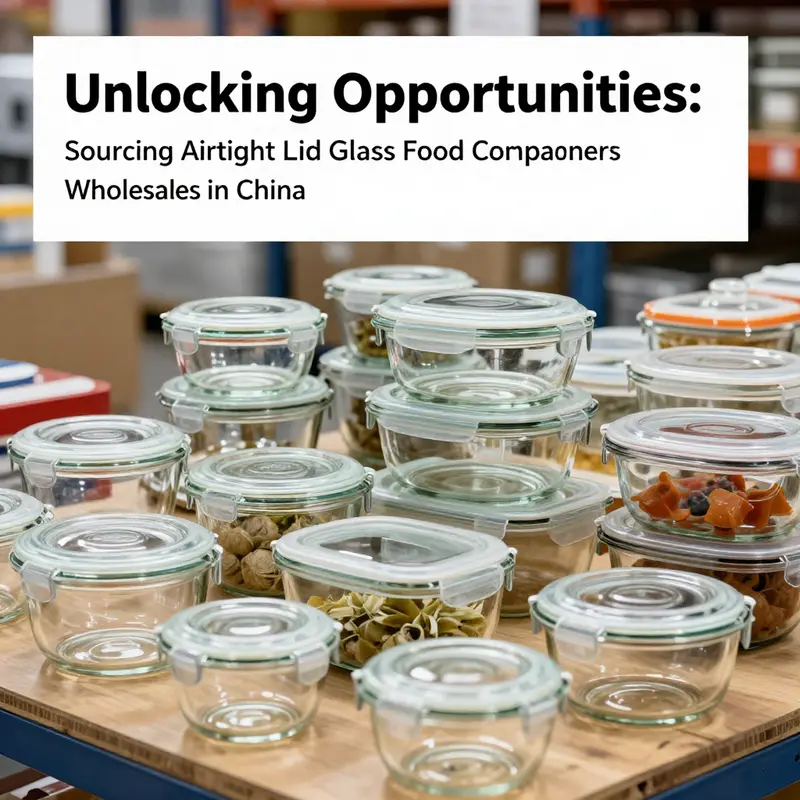
Across the wholesale corridors of China, the market for airtight lid glass food containers reveals a landscape defined less by a single silhouette and more by a spectrum of materials, shapes, and sealing science. The diversity is not merely a byproduct of mass production; it is a deliberate response to a global shift toward healthier storage practices, sustainable materials, and flexible logistics. Buyers—from small boutique gastronomy outfits to larger food service distributors—seek a balance between performance, price, and provenance. In this environment, wholesalers marshal a catalog that speaks to different kitchens, different appetites for design, and different regulatory climates around the world. The result is a category that feels cohesive in purpose yet dynamic in its execution, a testament to how glass storage can be adapted for a wide range of uses without sacrificing purity or safety.
A clear throughline in the product diversity is material science. Borosilicate glass stands out as a premium option for many lines, prized for heat resistance and durability. Its crystalline core is designed to withstand rapid temperature changes, an attribute that makes it particularly suited to microwave use and dishwasher cycles. When a container carries the borosilicate label, it signals sturdiness in daily kitchen routines and resilience in the face of thermal stress, whether a user transitions from refrigeration to microwave or from freezer to oven. Yet the market does not force a single standard. Alongside the high-end borosilicate offerings, standard glass jars remain widely available, presenting a more economical alternative that still adheres to food-grade expectations. This tiered material strategy enables wholesalers to address budget-conscious buyers while preserving a path to premium, long-life storage solutions.
Lids, of course, are where function and form meet in the most visible way. The variety here is as deliberate as the material choices for the jars themselves. Plastic lids offer affordability and a transparent visual complement to glass, often integrating airtight gaskets that minimize air exchange and extend shelf life. For customers who prize natural aesthetics and environmental considerations, wooden and bamboo lids have become especially popular. These lids are frequently paired with silicone gaskets to maintain airtight seals, marrying rustic charm with practical performance. The appeal is not merely decorative; it is a statement about how cookware and pantry organization can align with a more sustainable ethos. In many listings, wooden or bamboo variants are showcased alongside clear glass bodies, underscoring a trend toward aurally satisfying, tactile kitchen ecosystems where sustainability and usability reinforce one another. Metal lids also appear in the mix, bringing a different sensory impression and a robust sealing capability that appeals to heavy-use contexts like bulk storage in cafes or institutional kitchens.
The product range extends beyond a few shapes and sizes into a broad geometry of containers. Buyers can select round, square, or rectangular profiles to suit specific storage constraints or display needs. The volumes span a wide gamut, from compact 100ml jars designed for spices, herbs, or specialty condiments to substantial 2000ml jars fit for bulk grains, pasta, or ready-to-portion ingredients. This size diversity matters in wholesale channels because it translates into fewer SKU gambles for buyers and greater adaptability for retailers who want to curate a balanced shelf. Wholesalers frequently accommodate customization, offering adjustable dimensions, labeling, and branding to align with a buyer’s own product line or store concept. The presence of listings that emphasize customized packaging—ranging from eco-friendly options to branded sets—highlights how the wholesale sector supports private labeling and co-branding strategies, allowing businesses to present a cohesive identity across product families.
From a functional perspective, the spectrum of usage scenarios expands the appeal of these containers. Many products are designed with versatility in mind: microwave-safe, oven-safe, and freezer-safe capabilities extend their utility in modern kitchens, catering to reheating, baking, meal-prepping, and long-term storage. The integrity of the seal matters as much as the glass itself; airtight lids reduce oxidation and preserve flavors while also preventing moisture ingress that could compromise texture and color. For buyers serving households, offices, or small eateries, this functionality translates into a reliable, repeatable performance that reduces waste and improves user experience. In industrial or restaurant settings, the same attributes support standardized portioning, consistent presentation, and easier inventory management.
The health narrative surrounding these products is closely tied to the career-long search for safer, more sustainable storage options. Glass is often positioned as a healthier alternative to certain plastics, with explicit emphasis on food-grade labeling and the avoidance of leached chemicals. In markets with heightened regulatory scrutiny or consumer demand for clean-label products, glass containers with airtight wooden or bamboo lids can present a compelling combination of safety and aesthetics. This alignment with health-conscious storage resonates across borders, reinforcing the wholesale appeal of a category that is simultaneously practical, stylish, and responsible.
A practical dimension of product diversity is the ability to supply in MOQs that accommodate a wide spectrum of buyers. The wholesale ecosystem in China typically offers MOQs ranging from dozens to hundreds of units, enabling startups and emerging brands to engage in international sourcing without incurring prohibitive upfront costs. This flexibility is crucial in a market where buyers may be testing new product lines or pilot programs. It also encourages longer-term relationships, as buyers can gradually scale orders in concert with demand signals. In addition to standard configurations, suppliers advertise broad customization opportunities, including labeling, branding, and size adjustments, which further reduces the friction of integrating new containers into an existing packaging strategy. The transparency around customization, coupled with the availability of different lid materials and glass grades, makes the Chinese wholesale network particularly attractive to global buyers seeking a one-stop solution for a coordinated line of airtight glass storage products.
Beyond the individual product parameters, the wholesale market’s health rests on the ability to connect buyers with manufacturers through reliable digital marketplaces. Platforms that aggregate manufacturers and suppliers create a dynamic where product diversity is not only visible but also referenceable. Buyers can compare material choices, lid designs, and size options at a glance, then request samples to verify performance before committing to larger orders. The story of these listings is not just about product features; it is about the pathways that bring a kitchen’s needs into alignment with a factory-floor capacity. When a buyer contemplates a line of jars with wooden lids or a series of borosilicate containers with metal closures, they are simultaneously mapping a production capacity, a supply chain timeline, and a quality assurance routine that ensures consistency across shipments. The wholesale ecosystem thus blends material science, industrial design, and logistics into a coherent value proposition for global markets.
In sum, the product diversity seen in China’s airtight lid glass container wholesalers embodies a forward-looking balance between high performance and responsible stewardship. Consumers and businesses alike seek glass storage that protects what matters—taste, texture, and nutrients—while respecting the planet through durable materials and thoughtful design. The market’s breadth—from premium borosilicate jars to economical standard glass, from bamboo lids to metal closures, and from compact 100ml portions to large 2-liter containers—reflects a wholistic approach to storage needs. This is not simply about selling containers; it is about enabling kitchens to run more efficiently, minimizing waste, and encouraging brands to differentiate through thoughtful packaging. The wholesale stage in China thus serves as a crucial interface between innovation in material science, evolving consumer preferences, and the practical realities of global distribution.
External reference: https://www.alibaba.com/product-detail/Wholesale-wood-canister-airtight-lid1600439437989.html?spm=a2700.productlist.home.1.5b5c3e5dUjRvCk
Lid by Lid: The Engineering, Sustainability, and Sourcing Realities of Airtight Glass Food Containers from Chinese Wholesalers
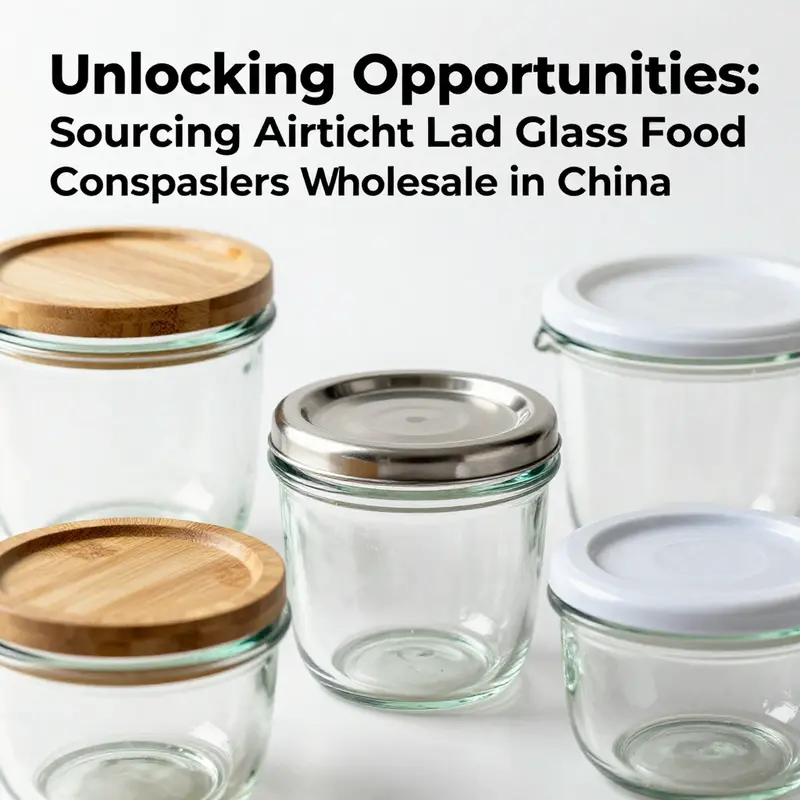
Lids are often the most overlooked component in the story of glass food containers, yet they determine how well a product preserves freshness, transports safely, and translates a brand’s values to the consumer. In the Chinese wholesale ecosystem, where manufacturers and suppliers cluster to serve global demand, the lid is a design stage and a logistical decision as much as a sealing mechanism. Buyers entering this market quickly learn that a family of airtight glass containers can share the same bottle-like body while diverging dramatically in the way the lid behaves. This variation matters not only for performance but for how a product fits into a kitchen routine, a retailer’s shelf strategy, and a consumer’s perception of safety and sustainability. wholesalers in China often present an array of lid options that accommodate different markets, price points, and regulatory requirements. The result is a catalog that looks uniform at a glance yet reveals a spectrum of engineering choices once inspected closely. The core driver behind these choices is simple: the lid has to seal reliably, be easy to use, and align with the user’s expectations around health, convenience, and environmental responsibility. This chapter traces the primary lid variations that shape the market, explains how each design affects user experience and durability, and considers what buyers should assess when navigating sourcing decisions.
A silicone sealed rim sits at the heart of many widely used glass storage systems. The rim carries a soft, elastic seal that compresses against the glass edge to form an airtight barrier. This approach is favored for its versatility across sizes and its ability to maintain a slim, stackable profile. In wholesale catalogs, you will encounter lids with silicone rings that can handle regular domestic use, including moderate dishwasher cycles. Yet the sealing material is not inert to heat and abrasion. Repeated hot water exposure, high heat in dishwashers, or rough cycles can gradually degrade the silicone’s elasticity. The practical implication is clear: while the jars themselves may tolerate dishwasher cleaning, the seal rarely lasts forever without some maintenance. Buyers should communicate care instructions as part of the value proposition—clarifying that hand washing the lids can extend life and preserve the integrity of the seal. From a manufacturing perspective, silicone seals are attractive because they can be molded densely and paired with glass with ease, enabling scalable production and predictable tolerances for a broad range of jar sizes. The result is a reliable, consumer-friendly option that aligns with health-conscious marketing, showcasing a product designed to minimize chemical exposure compared with older plastics.
A second common variant leverages polypropylene lids with locking mechanisms. The choice of PP brings several benefits that resonate with wholesalers and buyers alike. PP is lightweight, durable, and generally inexpensive, which supports competitive MOQs and enables broad distribution networks. Most locking lid designs incorporate interlocking tabs or snap-on features that reinforce leak resistance during transport. This type of lid tends to perform well for bento-style compartments and stackable configurations where space efficiency matters. For buyers targeting on-the-go lifestyles, locking PP lids offer a practical balance of security and convenience. Importantly, many PP lids marketed for food use emphasize BPA-free formulations and compatibility with microwave temperatures when the container itself is suitable. This compatibility matters because it expands the container’s use scenarios—from refrigeration to quick reheating—without introducing additional materials that could complicate the cleaning regime. The trade-off, however, can be perceived weight and a slightly more complex cleaning regime around the locking edges, where food particles can accumulate if not attended to properly. In wholesale settings, PP lids with locking features are a flexible choice for midrange price points, helping sellers diversify product lines for meal-prep trends and educational kitchen sets without overhauling their existing glass bodies.
Glass lids, though less common than silicone or PP variants, represent a deliberate move toward purity and sustainability. Some higher-end or niche lines employ lids that are entirely glass, with no plastic or rubber components. This approach resonates with buyers who emphasize chemical-free storage, recyclability, and a premium aesthetic. Glass lids can be beautifully matched with glass bodies to present a uniform, all-glass system. They also avoid the potential for plastic or rubber migration, which can be a selling point for health-conscious consumers. The downsides are nontrivial: glass lids add weight, can increase the risk of breakage during shipping or everyday handling, and may require more careful thermal management to avoid stress fractures when moving from hot to cold environments. For Chinese manufacturers, offering glass lids alongside other options demonstrates a commitment to a broader value proposition—appealing to retailers who want to cover luxury and everyday use within a single catalog. When considering glass lids, buyers must weigh the premium feel and purity against practical concerns about durability and cost. In wholesale negotiations, this translates into tiered offerings, enabling a brand to position a premium all-glass line, a midrange silicone-sealed line, and a robust locking-PP line within the same product family.
The choice among these lid types interacts with a set of core specifications that wholesalers in China must manage. First is microwave, oven, and freezer safety. Consumers increasingly demand containers that perform across kitchen tasks, whether storing leftovers, microwaving a meal, or freezing portions for long-term preservation. Lids must be compatible with the intended usage profile of the container body. Silicone seals offer strong airtightness but can be sensitive to extreme temperatures over time. PP locking lids provide durability for transport and on-the-go use, provided the container is compatible with the user’s heating method. Glass lids, if designed for safe thermal transitions, can limit plastic exposure but require careful handling and sometimes additional protective features to prevent chipping during transit. Second is maintenance and cleaning. Dishwasher compatibility is a common expectation, but it carries caveats. Silicone seals may migrate or warp under repeated heat exposure, while PP lids can accumulate residues at locking seams if not thoroughly cleaned. Glass lids, when used, demand gentle handling and sometimes hand washing to maintain surface clarity and seal integrity where a porous gasket would otherwise exist. The net effect is that wholesalers often provide care guidance as part of product literature, recognizing that consumer satisfaction hinges on predictable, simple maintenance.
Third is regulatory and safety certification. Food-grade labeling remains essential, and imports into many markets are scrutinized for chemical safety and food-contact compliance. In the Chinese wholesale ecosystem, suppliers frequently advertise LFGB- or equivalent certifications when offering premium lines, signaling adherence to strict standards for materials and seals. For buyers, this is not just a marketing badge but a risk reduction tool, ensuring that the lid’s materials will not introduce unwanted substances into stored foods over time. The convergence of these factors—sealing performance, cleaning practicality, and safety certifications—defines how a lid variation is positioned within a container family and how it ultimately travels from a factory floor in China to kitchens worldwide.
From the sourcing side, wholesalers must balance customization opportunities with mass production realities. Several buyers rely on MOQs that allow small and medium enterprises to enter wholesale purchasing without heavy risk, while others need more extensive catalogs to support retailers with broad product assortments. This dynamic pushes suppliers to offer flexible packaging options, branding opportunities, and color or material variants that can differentiate a line without fragmenting the production line. The ability to mix lid formats within a single glass container family—silicone-sealed rims for a budget line, locking PP for travel-focused sets, and glass lids for a premium line—can be a strategic strength in a competitive wholesale market. It enables a brand to meet diverse consumer expectations while maintaining consistent core body dimensions for compatibility with existing storage racks, labeling schemes, and shipping cartons.
The connective tissue of this landscape is the marketplace and sourcing platforms. Chinese wholesalers routinely leverage B2B portals to connect with buyers across regions, translating a catalog that could otherwise feel disparate into a coherent offering. For buyers, a thorough evaluation of supplier capabilities—manufacturing tolerances, resin and sealant compatibility, finishing quality, and post-sale service—reduces risk and accelerates the path from inquiry to order. Within the broader content ecosystem, readers can explore related packaging discussions in this blog as well. For a sense of how lid design intersects with consumer appeal in related packaging categories, see this piece on eco-friendly, lid-inclusive paper ice-cream cups. eco-friendly printed-logo paper ice-cream cups with lid.
As the market for airtight glass containers continues to expand, the lid remains the hinge between form and function. Chinese wholesalers increasingly articulate a clear value proposition: offer multiple lid options that respond to different consumer needs while maintaining a shared body design that streamlines sourcing, quality control, and logistics. This approach not only supports a broader range of price points and applications—from kitchen pantry storage to commercial catering—but also aligns with a growing emphasis on health, safety, and sustainability in global packaging. The lid is no longer a simple accessory; it is a strategic element that shapes product perception, usage behavior, and the overall lifecycle of glass storage solutions.
External resource: for a broader view of airtight glass storage container standards and supplier listings, see the external reference on an industrial wholesale platform. https://www.alibaba.com/product-detail/30-pcs-Glass-Food-Storage-Containers-Airtight_1600597481875.html
Chapter 3: The Health Promise of Airtight Glass Containers from China: Safe Storage, Fewer Toxins, and a Greener Kitchen
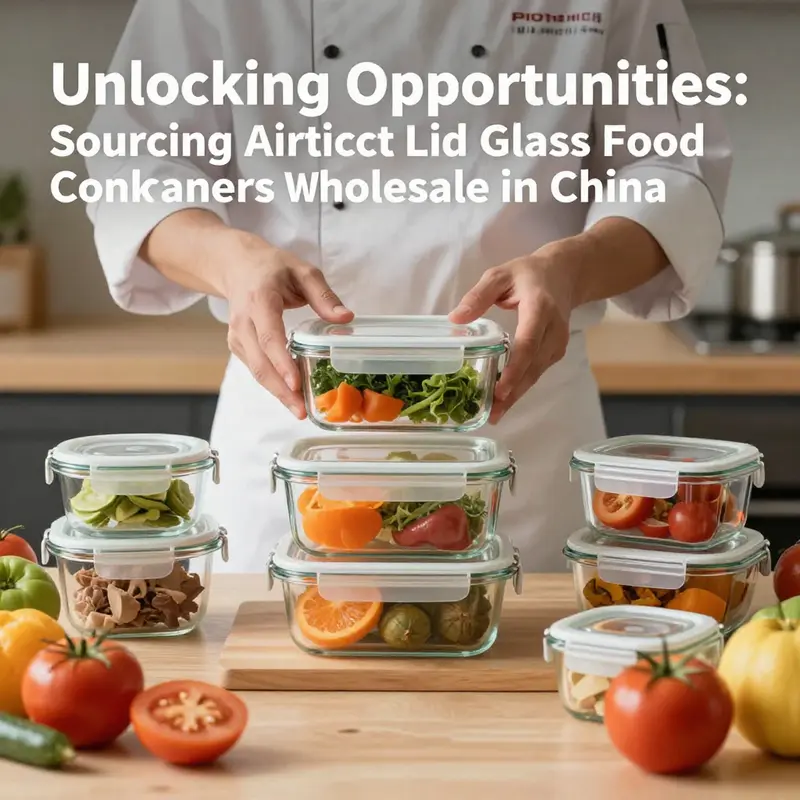
Across modern kitchens and bustling wholesale corridors, airtight lid glass food containers from China are quietly reshaping how households think about health, safety, and sustainability in daily storage. The health benefits are not about a single feature but about a carefully layered combination: the material, the seal, the durability, and the way these containers integrate into a culture of careful food handling. The story here is not merely about product specs; it is about how a robust manufacturing ecosystem in China, focused on quality, design, and standards, translates into tangible health advantages for homes and small businesses that depend on trustworthy containers. In a market increasingly attentive to what touches our food, glass with airtight lids stands out because it minimizes risk at several touchpoints—from the moment foods are sealed to the moment they are reheated or repurposed. The exposure to air, moisture, and the variety of kitchen hazards is significantly reduced when glass is paired with a reliable lid that keeps a true seal. When these elements align, the potential for chemical interaction with food diminishes, odors stay neutral, and the kitchen remains simpler to clean and maintain. The resulting benefit is not lofty rhetoric but a practical, daily health advantage that resonates with families and small enterprises alike, especially as global supply chains lean into greater transparency and traceability for food safety.
Non-toxic by design, glass containers avoid a class of concerns associated with some plastics. Glass is inert, meaning it does not react with acidic, basic, or fatty foods under typical storage conditions. This inertness translates into fewer opportunities for substances to migrate into meals, even when containers are used repeatedly in the microwave or oven for reheating. Consumer health experts often emphasize that glass jars are non-toxic and do not retain odors or flavors in the same way plastics can, a subtle but meaningful difference for households that store a variety of foods and spices. In a market where health-conscious shoppers routinely read labels about food-grade materials, the appeal of a glass container that avoids potentially harmful substances is compelling. The long-term benefit is a kitchen that feels cleaner, with less cross-contamination risk across different foods and flavors, particularly when people reuse containers for leftovers or meal-prep.
But health protection does not rest on glass alone. The lid plays an equally critical role in sustaining food safety over time. A well-engineered airtight seal, often achieved with a silicone gasket or similarly effective sealing material, acts as a gatekeeper against air infiltration. When air enters containers, a cascade of effects can follow: oxidation, moisture loss, and the growth of microbes that thrive in low-oxygen environments. An intact seal slows these processes, helping to preserve the microbial balance and texture that distinguish fresh foods from spoilage. The seal also minimizes the transfer of external odors into the food, a common concern when containers are stored in shared refrigeration spaces. In practice, the sealed glass system reduces the frequency of improper reheating, flavor transfer, and the need for excessive freshness-watching by consumers. The result is a cleaner kitchen routine, less waste, and a lower risk of foodborne concerns caused by improperly stored leftovers.
Durability and reliability strengthen these health benefits. Glass that is tempered or engineered to resist thermal shock remains intact through the transitions of freezing, microwaving, and oven use, where temperature extremes can otherwise compromise containers. This resilience matters for health because cracked or warped containers can harbor micro-cracks that harbor bacteria or compromise seals. When wholesalers in China emphasize tempered glass and robust lid mechanisms, they meet a practical health standard that translates directly into user confidence. The capability to move from freezer to microwave, or from pantry to oven, without compromising integrity, reduces the need to transfer foods into secondary packaging or to rely on disposable alternatives. The lifecycle health argument thus extends from personal safety to broader environmental and economic considerations: durable containers discourage single-use habits and contribute to a kitchen that sustains health through responsible consumption patterns.
The governance and quality assurance behind these products further bolster their health appeal. Many Chinese manufacturers of airtight lid glass containers follow strict food-grade standards and adopt processes that mitigate risks associated with glass and seals. This includes selecting tempered glass for resilience against knocks and temperature changes, and installing seals that are BPA-free and crafted from food-safe elastomers. The health benefits are, in part, a reflection of meticulous supply-chain choices: raw materials that resist chemical leaching, production lines that minimize surface contamination, and tests that ensure consistent seal performance under real-world usage. In a global market, such compliance matters. It allows international buyers to trust that the containers will perform without introducing unwanted substances into meals, even after repeated microwaving or storage in varied climates. It also aligns with a growing consumer demand for products that can be trusted across multiple environments—home, office, and commercial kitchens alike.
Beyond the individual container, the environmental footprint of glass storage has meaningful health implications. Reusable glass containers with airtight lids reduce the reliance on single-use plastics, a shift that benefits public health through diminished chemical exposure and reduced environmental toxin loads. The lifecycle of durable, reusable glass supports cleaner environments, less plastic waste in landfills, and fewer microplastics entering ecosystems that ultimately affect food safety. In this way, the health benefits of airtight glass from Chinese manufacturers extend beyond the kitchen to the broader questions of environmental health and community well-being. The philosophy behind these products is not merely about safe storage but about contributing to a dietary system that minimizes exposure to hazardous substances across generations.
For readers exploring deeper packaging health considerations, a related resource on food-grade packaging options can provide additional context. See the practical discussion on food-grade disposable kraft paper products for a broader view of how packaging choices intersect with health and safety in real-world settings. This internal link connects to related packaging content that complements the glass story by illustrating how different materials balance health, practicality, and sustainability in wholesale channels.
As buyers navigate the wholesale landscape, the choice of container often signals a broader commitment to consumer health. The health advantages of airtight lid glass containers from China reflect a broader industry trend toward materials that are inert, seal-ready, and designed for repeated use. This alignment of material science with thoughtful design helps ensure that foods stay safer longer, odors stay neutral, and cleanup remains straightforward. It also signals a marketplace that values durability and reliability as part of everyday health protection. The result is a product category that not only meets the practical needs of storage and reheating but also supports healthier eating habits by reducing exposure to unwanted chemicals and by limiting food waste through better preservation. In the context of a wholesaling model, these advantages translate into a compelling value proposition for retailers, food-service operators, and home cooks who wish to prioritize safety, sustainability, and ease of use in their daily routines.
External reference: https://www.amazon.com.au/gp/product/B0BQYJZ9XW
Guardians of Freshness: How China’s Safety Standards Shape Airtight Glass Food Containers
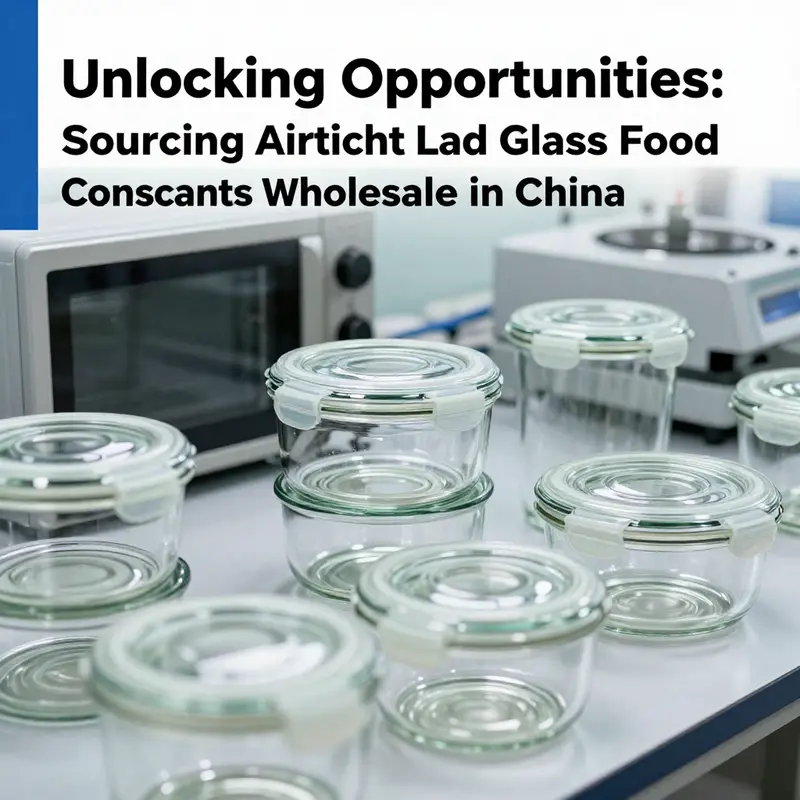
Airtight lid glass food containers sit at the intersection of health, practicality, and global trade. In China, the regulatory framework that governs these containers is not just a paperwork requirement; it is a living protocol that informs design choices, material selection, and the way wholesalers present products to buyers around the world. The centerpiece of this framework is the government standard GB 4806.5-2023, which specifically addresses glass items used for contact with food. This standard marks a consolidation and strengthening of testing expectations compared with the earlier GB 4806.5-2016, signaling a more rigorous approach to ensuring chemical stability and food safety. For buyers and manufacturers alike, understanding what GB 4806.5-2023 requires is essential for maintaining the trust that seals deals in wholesale markets and for safeguarding consumer health in kitchens across borders. The standard’s scope includes all glass materials intended for direct food contact, which encompasses the many airtight glass containers that have become staples in households, cafes, and small restaurants that source from Chinese wholesalers.
The primary objective of this safety regime is precise: to prevent any migration of hazardous substances from the glass or its coatings into food, even under conditions that stress the container—heat, acidity, or extended contact. The regulatory text translates into concrete, measurable limits. Lead migration is capped at ≤ 0.8 mg per square decimeter (mg/dm²) for all products. Where higher-purity glass is used or marketed as lead-free, buyers often see even tighter expectations, such as limits around ≤ 0.1 ppm, reflecting consumer demand for ultra-pure materials in premium segments. Cadmium migration is restricted to ≤ 0.07 mg/dm², a figure designed to minimize cumulative exposure. The standard also imposes a total migration limit, which captures the sum of non-volatile substances that could transfer from the glass or any surface coatings. These limits are not cosmetic numbers; they guide the selection of glass formulations, coatings, and finishing processes that satisfy both regulatory and market requirements.
To verify compliance, manufacturers employ established testing methods that simulate real-world food contact scenarios. A common approach involves soaking the container in a 4% acetic acid solution at a controlled room temperature of 22 ± 2°C for 24 hours. This setup mimics contact with acidic foods like fruit juices, pickles, or vinaigrettes, a scenario where leaching and surface interactions are most revealing. After immersion, the testing laboratories measure trace migrations using advanced techniques such as graphite furnace atomic absorption spectrometry (GFAAS) or inductively coupled plasma mass spectrometry (ICP-MS). The resulting data support the determination whether a given batch meets the Pb and Cd migration limits and the total migration criterion. These methods are part of a broader ecosystem of testing that aligns with GB 4806.1-2023, the general safety requirements for food contact materials and products, and GB 31604.1-2023, which lays out the migration testing framework. The combined effect of these standards is a robust, repeatable assessment process that wholesalers can rely on when vetting suppliers.
Beyond chemical safety, the physical performance of airtight lids and their glass bodies is equally emphasized. Airtight lids must seal effectively to preserve freshness and prevent leaks during use, a criterion that is critical for households, commercial kitchens, and storage facilities that ship across long distances. The glass itself is expected to exhibit excellent resistance to thermal shock. Premium choices—such as borosilicate glass—are favored for their ability to withstand rapid temperature fluctuations without cracking, a feature especially valuable for containers that move from freezer to oven or microwave. When design teams in sourcing hubs evaluate products, they weigh lid materials (plastic, wood, bamboo, metal) against seal integrity, ease of cleaning, and compatibility with indirect heat exposure. The aim is to deliver a container that remains inert to food, resists scratches and fractures, and maintains a dependable seal over repeated cycles of use and washing.
Labeling and documentation are not afterthoughts but essential elements of compliance. In practice, manufacturers must attach clear labeling indicating the product is intended for food contact (食品接触用) and must reference the applicable standard numbers, such as GB 4806.5-2023, on certificates and packaging. Wholesalers play a pivotal role by requesting from suppliers not just the finished product but the accompanying quality assurances. A credible supplier will provide test reports, material declarations, and traceability records that cover key lots, enabling buyers to audit the chain of custody from raw glass to finished container. This documentation is one reason why the wholesale market in China remains resilient: buyers want to see that every unit they stock will perform as advertised and will meet the stringent expectations of markets that demand transparency.
In this regulatory landscape, product design decisions naturally evolve. Glass quality remains a cornerstone, with high borosilicate formulations commonly chosen for premium lines because of their inherent chemical inertness and thermal stability. Yet, the broader emphasis on safety has also driven innovations around coatings and surface treatments that reduce surface ion exchange and facilitate thorough, hygienic cleaning without compromising migration limits. Lids are engineered for reliable seals, and their materials are selected to resist degradation under repeated microwaving or dishwasher exposure where applicable. The net effect is a family of containers that offer the practical advantages of glass—non-porous surfaces, resistance to staining and odors, and easy-to-clean profiles—while conforming to a safety framework that buyers in international markets increasingly expect as a baseline.
For wholesalers and importers, these standards translate into a disciplined procurement discipline. MOQs and pricing structures remain influenced by the need to maintain traceable, certifiable batches. Buyers often require COAs (certificate of analyses) that map each batch to Pb and Cd migration values, total migration results, and the specific glass type used. In a supply chain that spans multiple tiers—from raw glass suppliers to mold makers to final container assemblers—the ability to demonstrate consistent compliance across lots is a competitive differentiator. This is especially true for buyers in health-conscious segments who insist on glass containers labeled with the correct use category and supported by comprehensive migration test records. The credibility of a supplier then becomes as important as the quality of the glass itself.
Wholesalers benefit from a transparent, standards-driven ecosystem because it reduces post-sale risk. Customers can trust that the containers will behave as expected under normal kitchen conditions and in adverse storage scenarios, whether in a bustling restaurant kitchen, a household pantry, or a storage facility that handles large volumes. The standards also indirectly shape consumer perceptions, positioning glass as a safer alternative to certain plastics that may carry residual chemical concerns. In turn, this enhances demand for compliant products and encourages suppliers to invest in higher-quality glass, more robust sealing systems, and clearer labeling practices. The result is a market where safety, performance, and sustainability reinforce one another, enabling Chinese wholesalers to compete effectively in international arenas while supporting healthier storage habits in homes and businesses alike.
To close the loop for readers who are navigating supplier selection, consider a practical entry point: product pages that clearly indicate food-contact safety compliance and show verifiable migration data. A concrete example can be found in a dedicated product page focused on food-grade, take-away bowls that highlights the material’s suitability for repeated use and heat exposure, paired with explicit labeling that references relevant standards. This kind of documentation helps buyers make informed comparisons, ensuring that the ideal container not only meets aesthetic and functional needs but also aligns with rigorous safety expectations. For further reading and practical exemplars in related product categories, see the following internal resource on the wholesale platform: senang05-food-grade-500-750-1000ml-take-away-bowl-with-lids-packing-food-single-wall-fast-food-salad-bowls. This page, while not a glass container itself, demonstrates how safety labeling, material declarations, and batch traceability are presented in a user-friendly format that can be mirrored by glass container suppliers aiming to satisfy global buyers.
In sum, China’s safety standards for airtight lid glass food containers create a rigorous, end-to-end framework that governs chemical migration, physical performance, and labeling. The GB 4806.5-2023 standard, supported by GB 4806.1-2023 and GB 31604.1-2023, anchors a reliable, science-based baseline for product safety. For wholesalers, understanding these standards is not merely a matter of compliance; it is a competitive advantage—a means to earn the confidence of importers and end customers who expect consistent safety, traceability, and performance in every purchase. As the market for sustainable storage solutions grows, the alignment of glass container design with these standards will continue to differentiate responsible suppliers from the rest, reinforcing glass as a durable, health-conscious choice in a world that increasingly associates storage with safety and trust.
Scale, Sustainability, and Sanitation: The Wholesale Engine Behind China’s Airtight Glass Container Trade
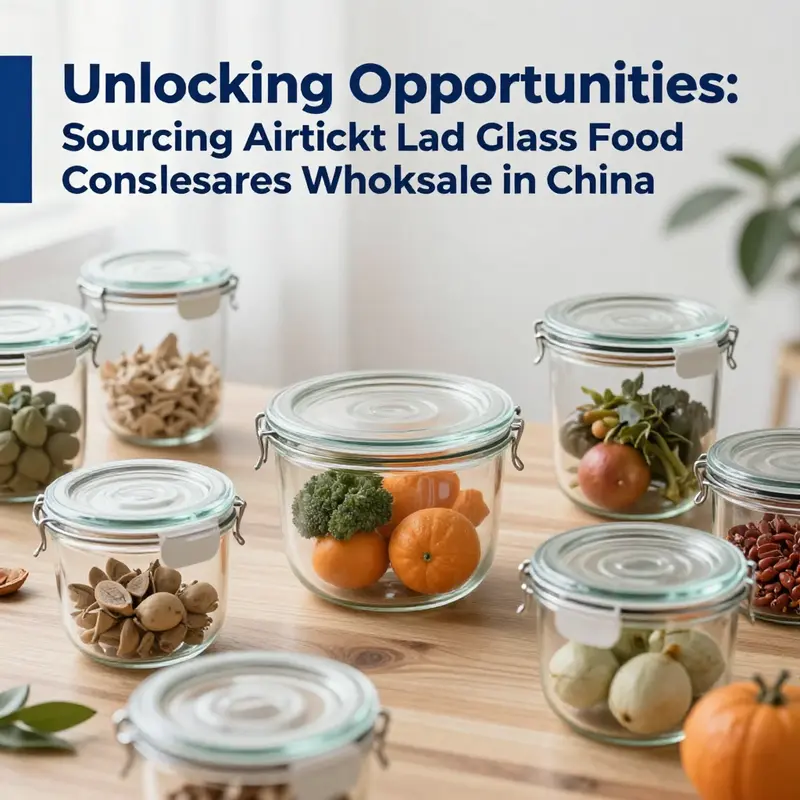
The wholesale market for airtight lid glass food containers in China operates as a disciplined ecology where scale, pricing discipline, and export orientation converge to meet a diverse range of global needs. Across the country, manufacturers harness a vast industrial base to churn out large volumes of glass storage solutions with airtight closures, while distributors and trading platforms translate this capacity into goods that arrive at warehouses, retailers, and e-commerce storefronts thousands of miles away. The momentum is sustained not only by the raw economics of bulk production but by a shifting consumer preference toward healthier, longer-lasting storage, and by buyers seeking reliable partners who can align price, quality, and branding across multiple markets. In this environment, the dynamics extend beyond the factory floor to a digital commerce landscape that reduces friction and increases transparency for international buyers. The result is a wholesale channel that is both robust and adaptable, capable of serving everything from small retailers to large importers looking for consistent supply and predictable lead times.
Product diversity in this sector speaks to the breadth of demand across homes, professional kitchens, and service-oriented outlets. Containers are offered in a range of capacities—from compact 100 milliliters to expansive two-liter options—reflecting a practical spectrum for food prep, portioning, and long-term storage. A salient feature that wholesalers emphasize is the use of high borosilicate glass, valued for thermal resistance and chemical stability, which supports a healthier storage narrative when paired with non-reactive lids. The variety of lid materials further broadens appeal: aluminum, bamboo, wood, and durable plastics each deliver distinct aesthetics and functional cues. This multiplicity enables retailers to curate assortments that speak to different consumer sensibilities, whether they prioritize a minimalist, industrial look or a craft-inspired, natural finish.
Health considerations remain central to the marketplace narrative. Products are commonly described as food-grade, with explicit signaling that the glass itself is non-porous, inert, and free from certain chemicals associated with lower-cost plastics. The combination of glass with corrosion-resistant lids also translates into practical advantages: the ability to withstand microwave, oven, or freezer use in many listings expands the containers’ utility in contemporary kitchens. Such functional versatility matters as households increasingly adopt multi-zone storage strategies, batch cooking, and meal-prep routines. The result is a marketplace that does not merely sell a container but an integrated storage philosophy—one that positions glass as the preferred vessel for health-conscious households and professional kitchens seeking dependable, repeatable performance.
From an economic standpoint, the market is characterized by aggressive cost efficiencies driven by scale and streamlined supply chains. Clear glass storage jars with airtight aluminum lids can be sourced at remarkably low unit costs, reflecting the leverage of bulk manufacturing. The typical minimum order quantities (MOQs) span a broad band, often ranging from several thousand units upward, which historically has allowed retailers of varying sizes to participate in wholesale purchasing without incurring prohibitive risk. Customization remains a critical value-add proposition: buyers can commission logos, branding elements, and specialized packaging to build cohesive product lines that stand out in crowded marketplaces. The combination of affordability and branding capability makes these wholesale offerings attractive for both private-label initiatives and branded campaigns seeking consistency across regions.
A notable shift within the sector is the growing emphasis on premium materials and eco-friendly solutions. High borosilicate glass is increasingly highlighted in product narratives for its durability, thermal resistance, and longer service life, reinforcing a narrative of sustainable, reusable storage versus disposable alternatives. The integration of natural materials, such as bamboo or wood lids, contributes a premium aesthetic while expanding the product’s appeal to consumers who value sustainability and artisan-inspired design. Wholesalers often support a tiered pricing strategy that aligns with this dual demand: standard, budget-friendly models for broad distribution and higher-priced, customizable sets with premium finishes for niche markets. In some cases, customized bundles with specialized finishes command prices well above baseline levels, illustrating the breadth of value that Chinese suppliers can capture across segments.
Digital platforms have become central to how this wholesale market operates. Real-time supplier ratings, verified company profiles, and secure payment options mitigate risk for international buyers and foster ongoing trust in the sourcing relationship. Sample requests, sometimes starting at modest fees, provide a low-stakes mechanism for quality assessment before committing to bulk orders. The industry has matured over a decade of online trade activity, with listings continually refreshed to reflect evolving product designs and material innovations. For buyers, the experience is less about hunting for a single best price and more about weaving a reliable supply chain that can scale with demand while offering predictable turnaround times and consistent quality across multiple production batches.
In the broader trade ecosystem, design and branding continue to be strategic levers. The possibility of collaborating on packaging aesthetics and container finishes enables buyers to craft cohesive product lines that reflect cultural preferences in target markets while maintaining the integrity and safety of the glass vessels. The market shows an ability to balance affordability with quality and customization, a combination that has helped sustain its export footprint even as global supply chains face periodic frictions. The result is a channel in which sheer manufacturing capacity is matched by a responsive, service-oriented wholesale culture that values clarity, reliability, and the capacity to adapt to the shifting requirements of international buyers.
Alongside this narrative, a practical link in the ecosystem can help readers appreciate how packaging choices intersect with sustainability trends beyond glass. For a perspective on packaging ecosystems and sustainability integration, consider exploring the following example page: Senang Kraft Paper Octagonal Bowl with Lid. This reference, while centered on a different packaging medium, illustrates how buyers weigh lid design, materials, and branding in a broader packaging strategy. It highlights how even in adjacent packaging categories, the push toward eco-friendly materials and design-led customization resonates with wholesale buyers seeking coherence across product lines and markets.
The dynamic described here connects to the larger arc of the article, in which producers and wholesalers in China respond to a global appetite for healthier, more sustainable kitchen storage solutions. The market’s vitality rests on the confluence of scalable production, transparent digital marketplaces, and a willingness to blend economy with premium finishes. As consumer preferences continue to tilt toward products that promise safety, longevity, and responsible sourcing, Chinese manufacturers appear well positioned to lead the next wave of innovation in eco-conscious storage. The wholesale channel’s ability to deliver consistent quality at scale, while offering customization that aligns with retailer brands, will likely determine the pace at which glass containers expand their footprint in kitchens around the world.
External resource: https://www.made-in-china.com/products?keyword=airtight+glass+food+container
Final thoughts
Sourcing airtight lid glass food containers from wholesalers in China offers an array of benefits particularly suited for businesses in the bubble tea, catering, and food service sectors. With a clear focus on product diversity, aesthetically appealing lid variations, significant health benefits, adherence to safety standards, and a conducive economic landscape, this approach not only elevates your brand’s image but also caters to the growing demand for sustainable and safe food storage solutions. Choosing the right wholesaler can enhance your business’s operational efficiency while appealing to an increasingly eco-conscious consumer base.