
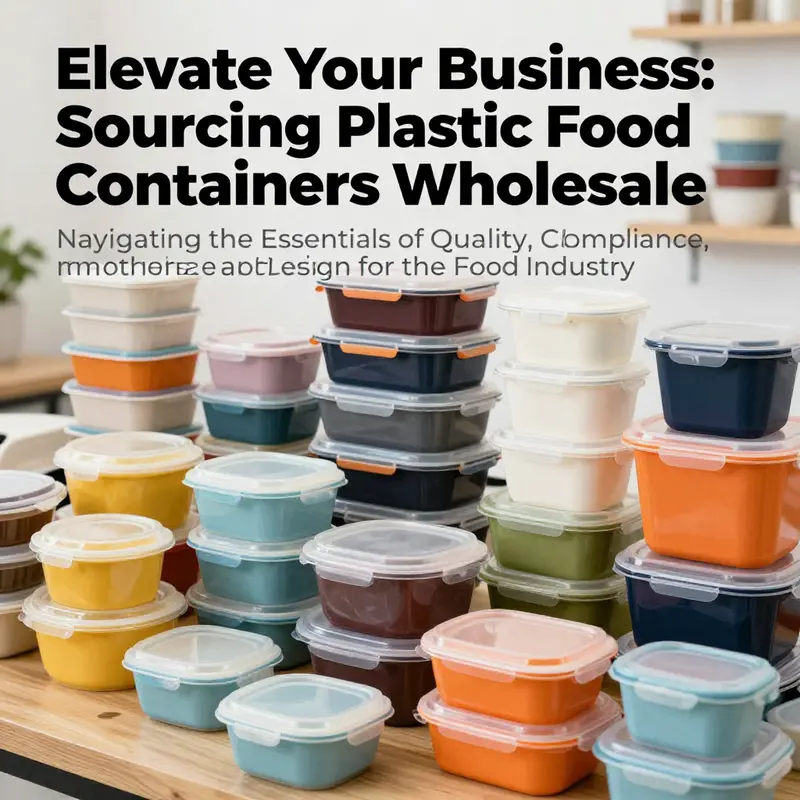
In the food and beverage sector, the right packaging is more than just storage; it’s a vital component of brand identity and operational efficiency. As companies ranging from bubble tea shops to catering services evolve to meet consumer demands, sourcing high-quality plastic food containers wholesale becomes essential. This article delves into strategic sourcing, specifications, typical uses, and regional insights, facilitating informed decisions for businesses looking to enhance their service and align with safety standards. Each chapter will guide you through critical facets of wholesale plastic food container procurement, ensuring you maximize value while minimizing operational risks.
Strategic Sourcing of Plastic Food Containers Wholesale: Building Resilient, Compliant Supply Chains for Scale
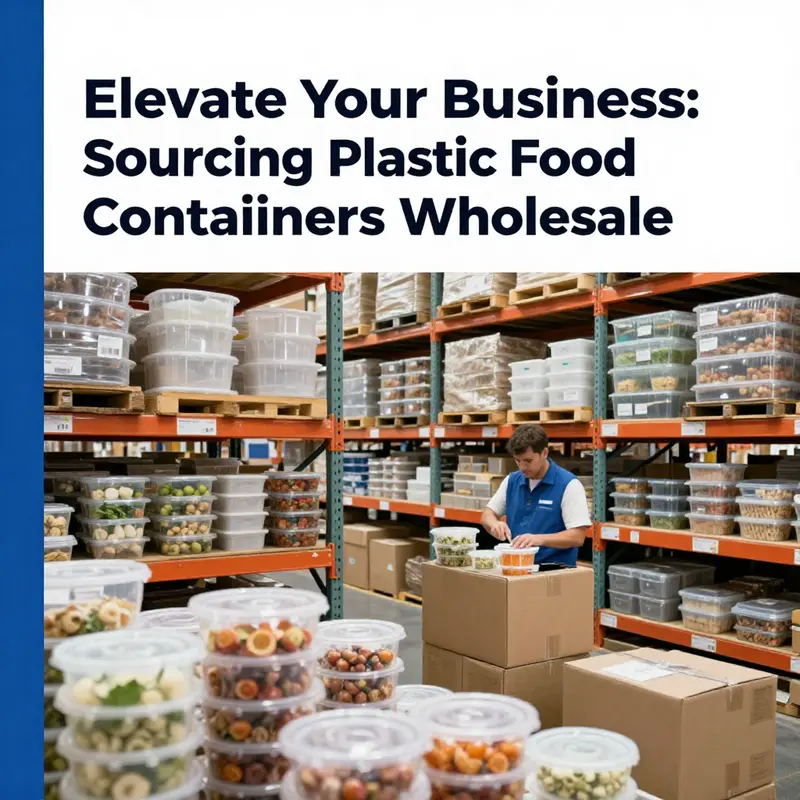
Procurement in the plastic food container space demands more than a price tag. It requires a deliberate, systems thinking approach that balances cost with risk, safety, and reliability. For wholesale buyers serving food service, retail, or logistics networks, the temptation to chase the lowest unit price can backfire through supply interruptions, inconsistent product performance, and reputational damage. A container that seems like a bargain at a fraction of a cent per unit can become a liability if it warps under heat, fails to seal consistently, or migrates unwanted substances into food. The real value lies in choosing partners who deliver predictable quality, traceable compliance, and responsive operations—investments that pay off through reduced waste, faster product launches, and a stronger brand promise.
To navigate this landscape, sourcing plastic food containers wholesale must be framed as a risk management exercise as much as a cost optimization task. The core decision framework rests on three pillars: compliance and material safety, manufacturing capability, and supply chain reliability. Compliance starts at the regulatory gates that govern food contact plastics. In the United States, food contact materials are regulated under the FDA food contact framework, with key references in 21 CFR Part 177. In Europe and the UK, Regulation EC No 1935/2004 sets the baseline for materials intended to contact food, with an emphasis on preventing the transfer of harmful substances. These standards explicitly prohibit substances like BPA in many common applications and set migration limits to protect consumer health. A wholesale buyer’s due diligence should extend beyond marketing claims to batch specific documentation. Modern procurement requires current test reports from accredited laboratories, verifying migration limits, thermal stability, heat resistance for microwaving and dishwashing, and the overall integrity of the polymer used. Only then can a buyer assert that a bulk purchase will meet the expectations of regulatory compliance and consumer safety across markets.
Beyond regulatory compliance, the information trail matters. In practice, this means requesting certificates and test results tied to specific lots, not general statements. A batch-specific dossier covering material composition, additives, potential allergens, and any prior use in food contact applications provides a foundation for risk assessment and traceability. For brands pursuing eco friendly or compostable packaging claims, third party certifications such as OK Compost, TUV, or BPI can be essential proof points. These certifications support sustainability narratives and help buyers withstand increased scrutiny from retailers and consumers who demand transparent environmental impact data. Yet the emphasis on safety and compliance should not obscure the realities of the manufacturing landscape. The most stringent standards in one market may not align perfectly with another, so a strategic sourcing approach must be adaptable to regional variations while preserving a consistent core of safety and performance expectations.
In parallel with compliance, the manufacturing landscape shapes the feasibility and speed of scaling. China remains the dominant hub for plastic container production, with mature ecosystems in key provinces that support end to end capabilities from thermoforming and injection molding to rapid tooling iterations. The geographic concentration brings tangible advantages: proximity to resin suppliers, integrated tooling networks, and the ability to compress sampling cycles to a few weeks. This scale translates to lower unit costs when balanced with reliable lead times, but it also concentrates risk. Any disruption whether geopolitical, environmental, or logistical can cascade into shortages for buyers who rely on a single region for critical components. A robust sourcing approach, therefore, seeks a diversified yet efficient pathway: a core, proven supply base in a primary manufacturing hub supported by strong relationships with regional suppliers and contingency options for faster turnarounds if demand spikes or unexpected issues arise.
Within this landscape, the true differentiator for a wholesale partner is multi dimensional capability. Price remains a consideration, but it is tempered by the supplier’s technical capacity and reliability. Forward looking buyers look for in house mold design and development capabilities that enable rapid design modifications or new tool creation within a window that supports market testing and seasonal campaigns. Production flexibility, measured by MOQs and the ability to scale, matters deeply. Some suppliers maintain industry standard MOQs that can stretch into the tens or hundreds of thousands, while others offer more flexible arrangements with lower MOQs that empower startups or regional distributors to test waters without tying up capital. A healthy supply chain track record on time delivery rates, responsiveness to inquiries, and consistent performance across multiple orders becomes a proxy for risk management. In practice, this translates to a supplier who can act as an extension of your operations, providing not only containers but also color matching, branding services, and even small scale tooling support when needed.
Design and customization also intersect with value creation. For many food businesses, the container is part of the brand experience. Color, labeling, and even embossing can reinforce a retailer’s identity and elevate the perceived value of a meal or snack. A capable partner should offer end to end support, from color matching to graphic printing and where appropriate, custom shape engineering. The ability to tailor a solution to fit a specific packaging tier or marketing initiative can shorten time to market and reduce the total cost of ownership by eliminating multiple supplier handoffs. Yet customization should be balanced against standardization principles to avoid complicating the supply chain with too many SKUs or production lines. The goal is a core family of containers that deliver consistent performance across markets, with optional add ons that can be activated when a marketing push or a seasonal menu demands differentiation.
Another critical axis is performance in real world use. PP and PE remain the dominant materials for many wholesale containers due to their cost effectiveness and durability. However these polymers have known heat transfer limitations. Many standard grades perform well for cold and room temperature storage, but heat tolerance can be insufficient for microwave or oven use. When a business requires higher heat resistance, specialized grades exist that can endure higher temperatures, sometimes up to around 160 C (320 F). These higher performance options carry a premium, but for applications where hot foods or disposable microwavable containers are essential, the value proposition often justifies the added cost. Buyers should verify microwave and dishwasher safety, not just thermal stability in static tests, since real world consumer use involves repeated cycles of heating, cooling, and cleaning. A disciplined sourcing process accounts for these use cases, ensuring the selected containers do not warp, crack, or leak with ordinary daily use.
Lead times and sampling cycles are not mere logistics details; they influence cash flow, speed to market, and the ability to support diverse channels. In a high volume environment, suppliers in established clusters can deliver rapid sampling and quick scale up, sometimes achieving sampling readiness in under three weeks. The trade off is a potential reduction in customization speed if a given supplier tooling is heavily optimized for mass production. The strategic choice, then, is to negotiate a portfolio approach: maintain a reliable core range for core SKUs and offer a smaller, flexible set of SKUs designed for test markets or limited releases. This approach reduces risk while preserving the agility to respond to shifting demand, regulatory updates, or new retail partnerships.
Quality control extends beyond the factory floor and into the downstream supply chain. A wholesale buyer should assess a supplier capacity for full service support, including quality management systems, batch traceability, and post delivery support. A reliable partner will keep a transparent audit trail, provide batch level certificates of conformity, and be prepared to address any issues through a defined corrective action process. In practice, this means you can count on timely responses to non conformances, rapid replacements for defective batches, and clear escalation paths to senior management when needed. The aim is not perfection at every moment but a consistent assurance of safety, performance, and brand integrity across orders and markets.
Finally, the decision to invest in a slightly higher priced option from a verified and capable manufacturer must be anchored in a long term perspective. The cumulative impact of consistent sealing, intact heat resistance, and predictable delivery translates into lower operating risk, fewer stockouts, and happier customers. The cost of a disrupted supply chain often dwarfs the savings from a few fractions of a cent per unit. Strategic sourcing hinges on balancing upfront cost with the downstream value of reliability, safety, and scale. In practice, the best path combines a solid regulatory and safety framework, a manufacturing base with demonstrated technical capacity, and a supply chain partner that demonstrates dependable performance and collaborative problem solving across the product lifecycle. When these elements align, wholesalers can sustain growth, expand into new markets with confidence, and maintain the kind of consistency that retailers and food service operators rely on every day.
For readers planning expansion into demanding markets such as those with stringent regulatory expectations or high volume demand cycles, the emphasis should be on building resilience into the procurement framework. This means smaller, more frequent re orders from trusted partners to guard against stockouts, coupled with quarterly reviews of supplier performance and regulatory changes. It also means staying current on evolving restrictions and consumer expectations around safety and sustainability, so every bulk purchase contributes to a trustworthy, safe, and efficient packaging system. As markets evolve and packaging technologies advance, the strategic sourcing mindset prioritizes compliance, capability, and reliability will continue to be the cornerstone of scalable, responsible growth in wholesale plastic food containers. External resource: https://www.fda.gov/food/packaging-labeling-food-contact-materials
China’s Wholesale Food Containers: Specifications That Shape Global Packaging, Uses, and Compliance
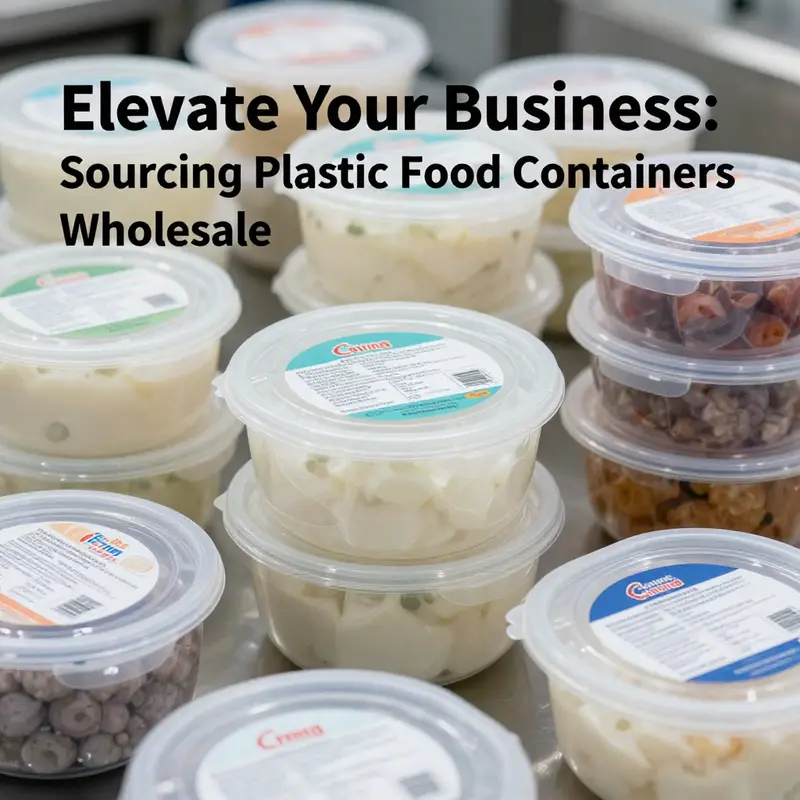
China stands as the dominant engine of global production for wholesale food containers. Its factories churn out vast volumes with a precision that supports brands, distributors, and food service networks across every continent. The scale brings both opportunity and responsibility. Buyers can secure dependable supply chains, consistent design language, and price advantages that are hard to match elsewhere. Yet the allure of rock bottom prices can obscure hidden costs. A container priced at mere fractions of a cent may seem irresistible, but if it arrives with inconsistent sealing, weak heat resistance, or misaligned tolerances, the result is not just a few rejected pallets. The consequences ripple through the supply chain: delayed deliveries, elevated return rates, and, more insidiously, damage to brand reputation when customers experience leakage, compromised freshness, or perceived safety concerns. In this landscape, the prudent buyer looks for a balanced equation that weighs lower per-unit cost against long term reliability, regulatory compliance, and supplier resilience.
The spectrum of materials available from Chinese manufacturers reflects the diverse needs of markets and applications. Plastic options such as PP and PE dominate for disposable or reusable containers, prized for their durability, light weight, and cost efficiency. PET and PS are common for transparency and clarity in cold storage and display applications. Each material carries its own profile of advantages and limitations. PP and PE containers tend to perform well in cold to moderate heat contexts, but their performance can degrade under prolonged high heat. Microwave compatibility is not universal, and high heat exposure can cause warping or deformation that undermines both seal integrity and user experience. For applications requiring long-term heat tolerance, specialized grades are available that withstand higher temperatures, but these come with higher material costs and sometimes more demanding processing requirements. It is here that buyers must evaluate not only the raw material, but the entire value chain that brings that material to a finished product—mold design, sealing technology, and the quality control regime that ensures each batch meets the same standards.
Beyond the plastic spectrum, the Chinese packaging ecosystem also offers options that address sustainability and consumer expectations. Certain grades and configurations align with recyclable or compostable futures, including recycled-content PP and PET formulations, and in some cases plant-based polymers that target specific environmental claims. These developments are not just trends; they reflect growing regulatory and consumer demands that push suppliers to demonstrate traceability, recyclability, and end-of-life behavior. In markets where regulatory clarity matters most, a supplier may present a coherent documentation package that includes material safety data sheets, test reports for migration limits, and heat resistance data aligned to the intended use. Buyers should request these documents as a matter of course, rather than rely on assurances alone. The ultimate objective is to confirm that the container is a safe, stable platform for food contact that preserves flavor and aroma while maintaining hygienic performance through multiple cycles of use and washing.
The regulatory framework governing food contact materials adds another layer of complexity to the decision process. In the United States, compliance with FDA regulations under 21 CFR Part 177 provides a baseline for polymers used in contact with foods. In the European Union, Regulation (EC) No 1935/2004 is the essential standard, ensuring that materials do not transfer harmful substances into food. These standards are not merely bureaucratic hurdles; they translate into tangible expectations for non-toxicity, heat resistance, and stable performance across a range of temperatures and handling scenarios. Buyers are advised to obtain official documentation confirming non-toxicity and heat resistance specifications before placing bulk orders. In practice, this means asking suppliers to provide certificates of conformity, test results from accredited laboratories, and traceable lot numbers. The presence of such documentation becomes a competitive differentiator in a crowded market. It is a marker of a supply partner that balances the pressure of high-volume production with a disciplined approach to quality and safety.
In the Chinese wholesale environment, customization and design flexibility are notable strengths. Factories that serve international buyers often offer extensive customization options, including printing, labeling, and color branding. This allows a single container line to carry a brand identity that resonates with customers and reinforces retail presentation. For businesses that emphasize portion control and inventory management, a range of sizes and configurations supports standardized workflows. Stackable designs maximize warehouse efficiency, while airtight seals preserve freshness and reduce moisture transfer during transit. For deli, bakery, and ready-to-eat segments, leak-proof lids and dependable snap-fitting closures become critical. The practical realities of food service delivery demand containers that perform under the stress of long-haul transport, urban last-mile delivery, and consumer handling. The push toward multi-compartment designs, inspired by the needs of diverse meals in a single package, offers a compelling value proposition. These configurations, however, often involve higher costs and increased risk of leakage if not engineered with precise tolerances and high-quality sealing interfaces. The balance between functionality and affordability remains central to supplier evaluation.
The common uses for wholesale food containers sourced from China span a broad spectrum that aligns with current and emerging dining and consumption patterns. Food service and takeout operations rely on containers that deliver reliable portioning, presentability, and hygienic safety. Meal prep services require containers that can withstand refrigeration, freezing, and varying degrees of heat as part of reheating workflows. Retail and grocery packaging leverage containers that preserve the integrity and appearance of produce, prepared foods, or bakery items while enabling easy handling by consumers. Institutional and commercial settings—schools, hospitals, corporate cafeterias, and event catering—prioritize durability, ease of cleaning, and the ability to withstand heavy usage over time. The rapid expansion of e-commerce and meal subscription boxes adds another layer of demand, privileging packaging that can protect contents during transit while enabling strong branding and a sense of premium value upon arrival.
The design language of Chinese wholesale containers reflects a careful attention to how packaging communicates quality to the consumer. Durability and safety are foundational, yet aesthetics and branding are increasingly influential. A sleek, modern look can elevate perceived value and help differentiate a brand on crowded shelves or in crowded delivery ecosystems. The lids, seals, and closures are not mere accessories; they are integral to user experience, handling, and hygiene. The ability to customize with logos, color codes, and printed messaging enables companies to maintain a cohesive brand presence across multiple packaging formats. In addition, there is a growing emphasis on sustainability in design choices. Recyclable materials, recycled-content formulations, and compostable options are being integrated into wholesale lines in response to environmental expectations and regulatory signals. Buyers who seek to future-proof their procurement often prioritize suppliers with clear sustainability roadmaps and verifiable claims about end-of-life pathways.
The procurement journey for wholesale containers from China is as much about risk management as it is about price. The most common hidden costs arise from inconsistent quality across batches, variable performance in sealing integrity, and inconsistent heat resistance in diverse usage scenarios. A supplier that can demonstrate rigorous quality control processes, consistent mold precision, and stable supply chains provides a more predictable path to scale. This includes robust supplier oversight, third-party testing, and the ability to trace every lot back to a controlled manufacturing run. Such capabilities mitigate the risk that a single shipment could trigger a cascade of returns and customer complaints. For buyers, this translates into a careful blend of supplier auditing, certification verification, and clear communication of expectations. The conversation should cover raw material specification, processing conditions, closure systems, and post-production testing. In practice, a well-managed wholesale relationship is a collaboration that evolves as a brand grows, with ongoing refinement of design specs, packaging formats, and performance benchmarks.
A practical note emerges from the interplay of material choices, regulatory compliance, and consumer expectations. The Chinese market offers a wide range of container types, from straightforward single-use options to sophisticated, reusable designs designed to withstand repeated cycles of washing, stacking, and transport. In applications that demand extended shelf life and temperature resilience, the choice of material and the sealing technology become pivotal. For those navigating the path from supplier selection to full-scale deployment, it helps to build a clear specification package that spells out temperature ranges, leakage tests, migration limits, and microbiological considerations. This approach not only streamlines the purchasing process but also strengthens the long-term relationship with a supplier who can deliver consistent performance across thousands or millions of units.
To illustrate the breadth of options, consider the family of disposables and reusables that commonly appear in wholesale catalogs. The integration of advanced sealing systems with airtight lids is a recurring theme that supports freshness and reduces product loss. For packaging that blends practicality with presentation, multi-compartment configurations provide a versatile solution for meals that feature several components without flavor cross-contamination. Yet the increased complexity of such designs must be matched by rigorous quality control to avoid leakage and inconsistent portioning. The interplay between form and function thus becomes a central axis in supplier evaluation. The most reliable partners present not only a well-designed product line but also a clear path to documentation, quality assurance, and ongoing technical support as market needs shift.
As buyers move through the decision process, they often encounter a practical question: how to balance cost with capability? The answer lies in a holistic evaluation that looks beyond per-unit price to assess the value of long-term performance, regulatory compliance, and supply chain reliability. The Chinese wholesale ecosystem offers a compelling combination of scale, customization, and innovation. It is possible to secure containers that meet stringent regulatory criteria while also enabling brand differentiation and sustainability commitments. The path forward is to engage with suppliers who can demonstrate a robust quality and safety portfolio, provide transparent documentation, and partner with buyers to optimize packaging designs for their specific use cases. For those who are exploring eco-friendly or high-heat tolerance options, the conversation with suppliers should center on material specifications, sealing technologies, and performance data across representative scenarios. The outcome is not merely a purchase; it is an alignment of packaging capabilities with the strategic objectives of a modern, resilient food business.
Smart Packaging, Solid Partnerships: Navigating Plastic Food Container Wholesale in Singapore for Safer, Cost-Efficient Operations
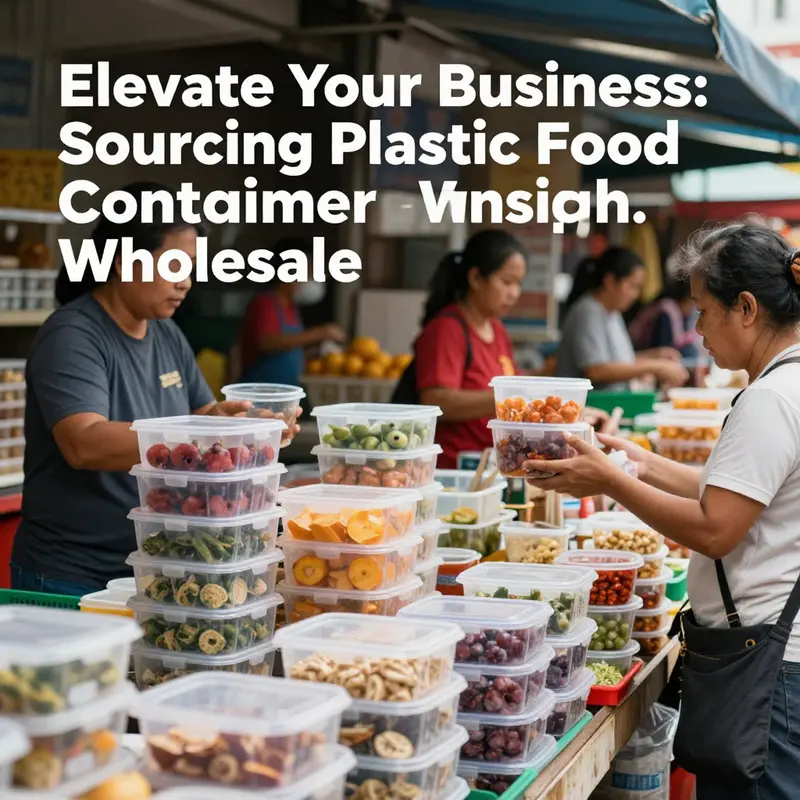
Singapore’s vibrant food scene has long embraced speed, reliability, and presentation as core competitive advantages. In a market where dinners are delivered in a matter of minutes and grab-and-go meals drive high-volume throughput, the choice of plastic food containers wholesale matters as much as the recipes themselves. The instinct to chase the lowest price point in bulk orders is strong, but the economics of packaging rarely hinge on per-unit cost alone. A container price as low as a few cents can become a liability if it invites supply chain disruptions or quality issues such as inconsistent sealing, warping under heat, or unforeseen leaching. When a single bad batch undermines a restaurant’s ability to deliver a hot, fresh product on time, the brand pays in customer dissatisfaction, refunds, and reputational damage. In Singapore’s tightly regulated, efficiency-driven environment, the math is simple: invest a little more in durable, compliant options from verified manufacturers, and the long-term operational risk declines, along with the burden of warranty claims and customer complaints.
To navigate wholesale sourcing successfully, buyers in Singapore must look beyond sticker prices and focus on material compliance and safety certification as non-negotiable requirements. Food-contact materials are regulated for safety because any transfer of unwanted substances into food can have immediate and lasting consequences for consumer health and brand trust. In broader markets, these standards are clear and codified. In the United States, food-grade plastics used in contact with food must conform to the FDA’s framework under 21 CFR Part 177, which governs the use of polymers in food contact materials. In the European Union, compliance with Regulation (EC) No 1935/2004 is mandatory, ensuring that materials do not transfer harmful substances into food. Buyers should always request official documentation confirming non-toxicity and heat resistance specifications before placing bulk orders. These documents are not mere formalities; they are the backbone of a dependable supply chain, especially for Singaporean operations that serve diverse customer bases, from premium household meal-prep services to high-volume quick-service restaurants. The Singaporean market rewards products that meet international safety benchmarks, and suppliers who can demonstrate robust certifications tend to offer greater peace of mind in production planning and product quality control.
Within Singapore’s wholesale ecosystem, much of the plastic food container production is linked to a global supply chain that includes major manufacturing hubs in Asia, with China standing out as a dominant source for affordable, durable options. Those containers are most often made from food-grade polypropylene (PP) and polyethylene (PE), materials prized for their balance of strength, light weight, and cost-effectiveness. PP, in particular, is favored for its heat resistance and clarity, enabling containers to hold hot or cold foods without warping. PE is versatile and economical for a broad range of applications, from basic storage to portion-control solutions. The potential limitation, however, is thermal tolerance. Standard PP and PE containers may warp or degrade under high heat, limiting microwave or oven use. For businesses requiring greater heat tolerance, specialized grades exist with heat resistance up to 160°C (320°F), though they command a premium. This nuance matters in Singapore’s delivery-centric logistics, where meals are often heated at home or in a consumer kitchen before consumption. When you anticipate reheating, freezing, or long storage, selecting materials with proven heat stability is a prudent investment, because the alternative is a cascade of quality issues that undermine food safety and user experience.
Singapore’s market also rewards versatility and aesthetic appeal. The subset of wholesale plastic containers designed for meal prep, bulk storage, and retail display has expanded beyond simple one-piece boxes. Buyers increasingly seek configurations that support portion control, presentation, and brand storytelling. Multi-piece sets offer convenience for meal-prep operations and catering, where consistent portion sizes simplify inventory management and reduce waste. Compartmentalized trays are prized for keeping sides, sauces, and toppings separated, preserving flavors and textures during transport. Sealed jars provide reliable storage for liquids and powders, preventing leaks and odor transfer. The attention to design is not merely cosmetic; it translates into perceived value for end customers. The modern, sleek aesthetics of well-designed containers can elevate the overall impression of a packaged meal, making them suitable for both retail shelves and premium takeout presentation. In this sense, container selection intersects with branding, packaging, and consumer expectations—areas where Singaporean businesses seek to project quality even before the first bite.
The performance of plastic containers hinges on a balance of material properties and usage practices. On the positive side, polypropylene and high-density polyethylene-based solutions offer impressive durability, odor and stain resistance, and shape stability. They can be designed to be microwave-, freezer-, and dishwasher-safe, addressing a broad spectrum of operational needs. Heat-resistant variants extend usability into reheating scenarios, while airtight seals help preserve freshness and prevent cross-contamination, an essential feature for meals with multiple components or perishable ingredients. Tritan™, a BPA-free option discussed in modern packaging discourse, closely mimics the clarity and feel of glass while maintaining the lightness and resilience important in daily service and home use. These characteristics align with consumer expectations for reusable or reusable-like packaging, supporting a growing preference for sustainability in packaging choices. Yet no material is without caveats. Exposure to high heat over extended periods can still lead to warping in lower-grade plastics, and lid seals may degrade or crack with frequent use, particularly in high-traffic kitchens or during transit. Chemical leaching, while less common with well-regulated food-grade plastics, remains a risk with certain polymers if used improperly or heated in unsuitable conditions. Polystyrene, for instance, has raised concerns about leaching when heated. This is why the emphasis on compliance certificates, third-party testing, and clear heat-resistance data cannot be overstated. When a supplier can provide laboratory test results, batch traceability, and a transparent material safety data sheet (MSDS), a buyer gains a critical tool for risk management.
Sustainability is more than a buzzword in Singapore’s packaging discourse. Recyclability and the environmental footprint of containers influence procurement choices, not just end-of-life considerations but also the materials used in manufacturing and the logistics of disposal. Recyclable PP and HDPE offerings align with circular economy goals, and manufacturers who emphasize recyclable plastics often pair them with design for disassembly and easy cleaning to extend container lifespans. Reusability is a practical goal in many food service operations. High-quality containers that resist odors and stains after repeated use reduce the need for frequent replacement and minimize waste to landfill, a benefit for large operators managing hundreds or thousands of meals daily. In tandem with durability, these attributes contribute to lower total cost of ownership, because fewer units fail, fewer replacements are needed, and there is less downtime due to packaging-related quality concerns.
For Singaporean businesses, procurement strategy must balance functionality, safety, and brand image with supply reliability. The choice of wholesale partner should reflect more than the initial price tag; it should reflect a long-term relationship based on consistent quality, on-time delivery, and responsive customer service. This means prioritizing verified manufacturers who can provide non-toxic certification, heat resistance specifications, and batch-level traceability. It also means asking for samples to test in actual service environments before committing to a large purchase. A robust supplier relationship includes clear communication channels, transparent terms regarding lead times and minimum order quantities, and the ability to respond swiftly to product recalls or regulatory updates. For brands that rely on customization—such as signature colors, branding on lids, or unique divider configurations—the supplier’s capacity for scalable customization without sacrificing seal integrity or heat performance becomes a deciding factor.
In practice, a Singapore-based buyer might navigate these complexities by anchoring the selection process in three core questions. First, does the supplier provide complete documentation for each batch, including material composition, safety data sheets, and regulatory compliance certificates? Second, can the supplier demonstrate consistent performance under real-world conditions, including dishwashing and microwave use when appropriate, without compromising seal integrity or structural stability? Third, does the supplier offer reliable logistics, competitive lead times, and a willingness to collaborate on packaging design that supports both operational efficiency and brand presentation? The answers to these questions reveal not only the suitability of a given container but also the likelihood of a durable, transparent, and mutually beneficial wholesale partnership.
Within the broader context of Asia-Pacific packaging, Singapore stands out for its demand for high-quality, reliable, and safe packaging solutions that support fast-moving consumer services. A thoughtful selection of containers can reduce the burden on kitchens by enabling efficient stacking, easy portion control, and dependable sealing—features that minimize waste and optimize shelf life. The goal is to align packaging choices with operational realities: the pace of service, the needs of delivery logistics, and the expectations of discerning customers who associate quality with the total experience of a meal, from the moment it is packaged to the moment it is enjoyed. To this end, suppliers who can demonstrate holistic value—compliance, heat resistance, durability, ease of cleaning, and branding flexibility—will be the partners Singaporean businesses rely on as they scale and innovate their offerings.
For readers seeking real-world direction, a practical example from industry catalogues demonstrates how a single product line can address the dual aims of performance and branding. See an example of a food-grade take-away bowl with reliable heat resistance and a secure lid in our supplier catalog: Senang05-food-grade-500-750-1000ml-take-away-bowl-with-lids-packing-food-single-wall-fast-food-salad-bowls. This kind of reference illustrates how a well-designed container can support portion control, keep flavors distinct, and project a cohesive brand image in both retail settings and delivered meals. The overarching takeaway is straightforward: in Singapore, the smartest approach to plastic container wholesale blends prudent risk management with design-minded practicality, ensuring that every box, lid, and divider contributes to safe, efficient, and visually appealing food experiences.
The Singapore market rewards packaging choices that reliably perform under busy service conditions, support brand storytelling, and promote sustainable practices. By prioritizing safety documentation, heat-resistant performance data, and traceable batches, buyers can mitigate risk and build a resilient supply chain. In a landscape where margins are tight and customer expectations are high, the right container becomes more than just a vessel for food—it becomes an integral part of the service experience, a silent ambassador for quality, hygiene, and care. External resource: https://www.singaporefoodservice.com/wholesale-plastic-food-containers-guide
Plastic Chinese Food Containers Wholesale: Composition, Performance, and Smarter Sourcing
From the moment a buyer begins evaluating wholesale plastic food containers, the temptation to chase the lowest unit price is strong. Yet price alone rarely tells the whole story. In the fast-moving world of food service, the composition of the container, its compliance with safety standards, and the reliability of the supplier shape the real cost of ownership far more than a few pennies saved at the factory gate. In China, a major hub for wholesale plastic food containers, the dominant materials are PET, PP, and HDPE – each chosen for specific strengths, each carrying its own set of tradeoffs for different food applications. Understanding these differences is essential for any operation that aims to protect product integrity, safeguard consumer health, and maintain a predictable supply chain. The narrative of composition, performance, and sourcing is not just about material science; it is about designing packaging that harmonizes with your menu, your service model, and your brand promise.
Begin with the material trio that underpins most wholesale offerings. PET, or polyethylene terephthalate, is prized for its transparency, rigidity, and light weight. It serves well in containers intended to showcase contents, such as clear jars or wide-mouth vessels used for dry goods, seasonings, or pickles. PET is recyclable and widely approved for food contact by international standards, a practical advantage for operations aiming to align with circular economy goals or consumer expectations for recyclability. However, PET’s strength in visibility and form does not translate into heat tolerance. When faced with hot contents, direct reheating, or high-temperature cleaning cycles, PET can deform or fail to maintain a seal. This makes PET an ideal choice for cold storage and primary display containers, but it is not the default option for heated or microwave applications unless accompanied by specialized design and testing.
PP, or polypropylene, occupies a different niche. Its chemistry yields remarkable heat resistance, with common grades capable of withstanding temperatures up to about 160 degrees Celsius. This makes PP a favored material for lids, lids with seals, and many types of food boxes that need to survive microwave reheating or boiling water sterilization during process steps. PP is noted for being odorless and non-toxic, which helps maintain flavor integrity and consumer confidence. For wholesale buyers, PP often represents a balance between performance and cost: it can tolerate heat without the heavy weight of alternative thermoplastics, and it offers dependable sealing when paired with well engineered lids and closures. The practical implication is clear: if your operation includes reheating or hot filling, a PP based container can reduce the risk of warp, seal failure, or material leaching during use.
HDPE, or high-density polyethylene, completes the triad with strength, chemical resistance, and bulk durability. It is the workhorse for larger containers, storage bins, and reusable options that must withstand rough handling, moisture, and a broader range of cleaners. HDPE’s sturdiness makes it attractive for bulk packaging needs in wholesale scenarios, where containers may be stacked, transported, and stored under less-than-ideal conditions. Yet HDPE’s clarity is generally inferior to PET, and it may not convey premium product aesthetics in the same way a clear PET container can. It also shares PET’s limitations around high heat, though when used in cold-to-warm ranges it remains reliable. In sum, PET offers visibility and lightness for dry or refrigerated goods; PP provides heat tolerance and reliable sealing; HDPE delivers ruggedness for bulk storage. The sensible sourcing strategy, then, is not to chase a single material but to map each container type to its intended use and to the consumer experience you wish to deliver.
Beyond material choice, the safety and regulatory framework surrounding food contact materials is the real guardrail for wholesale decisions. Buyers should require official documentation confirming non toxicity and heat resistance, along with evidence that the material conforms to the regulatory environment of the target market. In the United States, compliance with FDA rules under 21 CFR Part 177 governs how polymers are used in food contact applications. In the European Union, Regulation EC 1935/2004 sets the baseline for ensuring materials do not transfer harmful substances into food. These frameworks are not merely bureaucratic hurdles; they are functional indicators of supplier reliability and product safety. A robust supplier will present current certifications, test data, and traceability information that aligns with these standards. In a wholesale context, where containers may travel through multiple hands before reaching the consumer, the risk of variability is magnified. Operational teams should enforce that every batch received is accompanied by the appropriate certificates, including material safety data sheets, migration test results when applicable, and heat-resistance specifications that match intended uses. The cost of compliance is small compared with the downstream costs of a single batch that fails to seal, leaks, or releases unwanted substances into food or cleaning agents.
The decision framework should also address heat and usability profiles in practical terms. Standard PP and PE-based containers can perform as cold storage solutions with gas-tight or moisture-resistant seals, but many may warp or degrade under high heat. For businesses that require reheating in microwave ovens or hot-filled products, seeking containers produced from high-heat grades or specialized PP variants becomes essential. These options often come at a premium, reflecting the tighter processing tolerances and more rigorous quality controls involved. Yet the premium investment can translate into meaningful savings over time by reducing the incidence of leaks, degraded seals, or warped walls that render a batch unsellable. In addition, the market has expanded to include designs with multilayer closures, vented lids for steam release, and coatings designed to resist staining or odor transfer. These features matter for consumer satisfaction and operational efficiency alike. When evaluating options, buyers should consider not only the raw material but also the sealing system, the integrity of the lid interface, and the long-term performance of the container after repeated cycles of washing and reuse.
The wholesale landscape in China is driven not only by material choices but by manufacturing capabilities and the efficiency of the supply chain. Large-scale production lines enable a broad range of sizes and configurations, from small spice jars to larger storage totes that support bulk ingredients for kitchens or catering operations. The combination of PET, PP, and HDPE with efficient molding, precise tolerances, and robust quality control yields a portfolio of containers that can meet varied storage needs without excessive lead times. For many buyers, the appeal lies in bulk pricing, rapid shipping windows, and even private labeling or customization programs. The ability to imprint logos, adjust colors, or tailor lid configurations helps retailers and food-service operators present a consistent brand identity across a range of packaging solutions. A rational wholesale approach therefore blends material science with logistical pragmatism: select the right polymer for the intended function, insist on credible safety documentation and testing, and secure a supplier capable of delivering predictable quantities on a reliable schedule.
Yet price remains a consideration, and it is appropriate to acknowledge the recurring tension between upfront cost and lifecycle value. A container priced at the bottom of the market may appear attractive at first glance, but if it compromises sealing reliability or heat performance, the resulting customer complaints, product waste, or reputational damage can dwarf any initial savings. Conversely, committing to slightly higher-priced options from verified manufacturers can yield dividends through improved batch-to-batch consistency, stronger seals, and lower returns. In this context, the quality control narrative matters as much as the material composition. Buyers should request formal documentation of food-grade certification, non-toxicity, and heat resistance, along with documented traceability for each lot. It is also prudent to inquire about the supplier’s production practices, any third-party audits, and their capacity to accommodate scale without sacrificing quality. The aim is not to minimize cost at the expense of reliability but to establish a resilient supply chain in which each container supports the product’s safety, taste, and presentation.
From a design perspective, the visual and tactile attributes of plastic containers influence consumer perception. Many wholesale options emphasize transparency and clean lines that showcase the contents while offering a crisp, modern mouthfeel to the user. Clear or translucent PET and PP containers enable quick content recognition, reducing handling time for staff and enhancing on-shelf appeal for retailers. Durable rims, secure screw caps, snap-on lids, and vacuum-sealed mechanisms all contribute to preserving freshness, preventing contamination, and enabling efficient storage. The design language often extends beyond function to branding opportunities: color-tinted lids, removable dividers in multi-compartment boxes, and consistent lid-to-body interfaces enable a cohesive packaging system that reinforces product identity. The proliferation of such design features aligns with demand for both practical use in kitchens and aesthetic appeal in retail environments, illustrating how material choice interacts with user experience.
For buyers seeking practical guidance on navigating the wholesale market, a one-size-fits-all solution rarely exists. The optimal path hinges on mapping each application to a material profile, verified by compliance documentation and aligned with the supplier’s capabilities. It also involves a candid assessment of the temperature regime the container will encounter, the likelihood of repeated reuse, and the acceptable level of potential leakage. The following principle holds: select PET when presentation and lightness matter, PP when heat tolerance and sealing reliability are paramount, and HDPE when ruggedness and bulk handling dominate. Use cases such as spices, dry goods, or ready-to-eat cold items to guide PET choices; reserve PP for reheating, steaming, or hot-fill scenarios; and turn to HDPE for large-volume storage and reusable solutions. In practice, combining these materials into a curated portfolio allows a business to respond quickly to varying menu demands, seasonal shifts, and evolving consumer expectations without sacrificing safety or consistency.
Finally, internal alignment with supply-chain partners matters as much as chemical composition. Buyers should insist on transparent communication about lead times, minimum order quantities, quality-control procedures, and the availability of private labeling or customization. When possible, request a certificate of conformity and a recent test report that demonstrates compliance with applicable food-contact regulations. By combining material knowledge with rigorous supplier screening, a wholesale program becomes a strategic asset rather than a transactional convenience. An integrated sourcing approach also supports sustainability goals, as packaging programs designed for reuse, efficient stacking, and end-of-life recycling tend to deliver lower environmental impact over time. The end result is a reliable, scalable packaging system that protects product integrity, supports efficient operations, and reinforces brand trust across all customer touchpoints. For teams building or expanding a wholesale plastic container program, grounding decisions in material science, regulatory alignment, and supplier reliability creates the foundation for enduring success.
For readers who want to explore a concrete example aligned with these principles, a practical reference point is a widely used food-grade container family with a clear PET body and a polypropylene lid designed for hot-use scenarios. The core idea is to align container performance with the intended workflow—cold storage, hot handling, or live-service conditions—while maintaining a straightforward path to compliance documentation. You may encounter a range of sizes and configurations in wholesale catalogs, from small jars to large storage totes, all designed to support portion control, inventory accuracy, and efficient handling within kitchens and retail operations. The beauty of this approach is the balance it creates: strong, compliant, heat-tolerant containers that remain easy to identify, easy to clean, and easy to reuse.
In closing, the wholesale landscape for plastic food containers in China is defined by three sturdy materials – PET, PP, and HDPE – each offering distinct advantages for different food storage needs. The challenge for buyers is not simply to select the cheapest option but to build a cohesive SKU strategy that pairs material performance with regulatory compliance, packaging design, and supplier reliability. When executed well, the result is a packaging system that preserves food quality, reduces waste, and strengthens brand equity across the entire value chain. As markets evolve and consumer expectations sharpen, the emphasis on material clarity, heat resistance, and certifiable safety will only grow more critical. An informed, disciplined sourcing approach, supported by transparent documentation and a careful assessment of total cost of ownership, enables food businesses to thrive in a competitive wholesale environment while delivering safe, appealing, and consistently reliable products to customers. For further reading on market-wide wholesale options and product specifications, an external resource provides additional context on food-grade plastics available for wholesale purchasing.
Regulatory Currents and the Wholesale Plastic Food Container Market: Navigating Compliance, Cost, and Quality
Regulatory frameworks shape every corner of the wholesale plastic food container market, turning what might seem like a simple sourcing choice into a disciplined risk management exercise. Buyers must balance safety, performance, and cost, while ensuring reliable supply and brand trust. Compliance documentation acts as a shield against recalls, disruptions, and reputational damage, and it often proves more valuable than a few extra pennies saved at checkout.
In the United States, the FDA governs food contact plastics under 21 CFR Part 177, requiring that materials be food grade and that migration of substances remains within safe limits. Wholesale buyers should request certificates of conformity, batch testing records, and traceability documentation. Skipping due diligence can lead to recalls, penalties, and costly supply outages that overwhelm any short term savings.
In the European Union, Regulation (EC) No 1935/2004 sets broad safety standards for all food contact materials and continues to evolve with new recycling practices. Recent updates emphasize traceability of recycled content and migration data, pushing suppliers to provide end to end lifecycle records. For buyers, this translates into a preference for partners who can demonstrate complete material provenance, testing history, and robust tracking systems.
Beyond meeting compliance, regulatory attention accelerates material innovation and design optimization. Buyers gain confidence when suppliers maintain quality management systems and independent certifications, and when products demonstrate stable performance across temperature ranges and repeated use. For instance, heat resistant variants and secure sealing solutions may command premium pricing, but they protect contents, reduce waste, and support brand integrity across distribution channels.
Operationally, a disciplined supplier evaluation that prioritizes documentation, testing, and audits yields lower risk and more predictable total cost of ownership. The most effective wholesalers build networks of compliant partners, implement supplier scorecards for regulatory readiness, and maintain open channels to anticipate regulatory changes. Such practices deliver steadier supply, fewer disruptions, and stronger relationships with retailers and end customers.
External resources and case studies can help internal teams translate compliance into tangible product attributes, such as leak resistance, microwave compatibility, and end of life recyclability. By framing packaging choice around regulatory alignment and lifecycle data, buyers can optimize portfolio strategies for grocery, food service, and institutional channels while safeguarding safety and brand equity.
Final thoughts
Selecting the right plastic food containers wholesale is pivotal for businesses in the food and beverage industry. By investing time into understanding sourcing strategies, verifying specifications, and adhering to regulatory guidelines, companies can ensure they not only meet customer expectations but also adhere to safety standards. Ultimately, a strategic approach to sourcing quality containers can enhance operational efficiency and elevate brand image, paving the way for long-term success.