
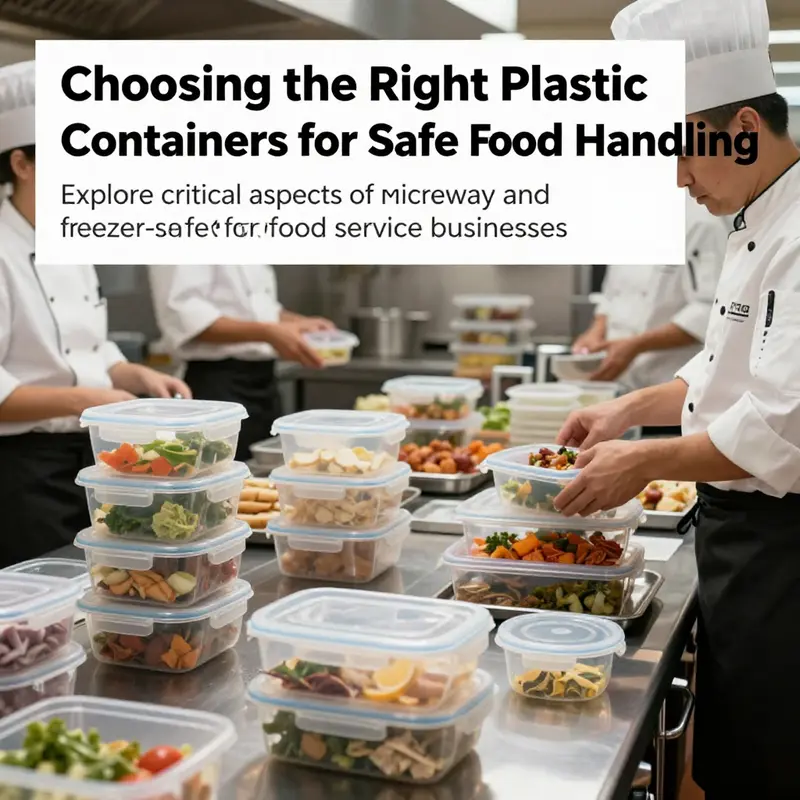
Plastic food containers are essential for businesses in the food industry, especially as dining and takeaway trends grow. In today’s environment, ensuring food safety and convenience is paramount. This guide delves into the core safety standards that set the stage for quality plastic containers. We will explore key performance features that highlight their utility, along with purchasing advice tailored to get the most reliable options. Finally, we’ll examine the material advantages of food-grade plastics that enhance safety and functionality, enabling you to serve your customers better.
Core Safety Standards Unpacked: How Plastic Microwave and Freezer Safe Containers Protect Your Food
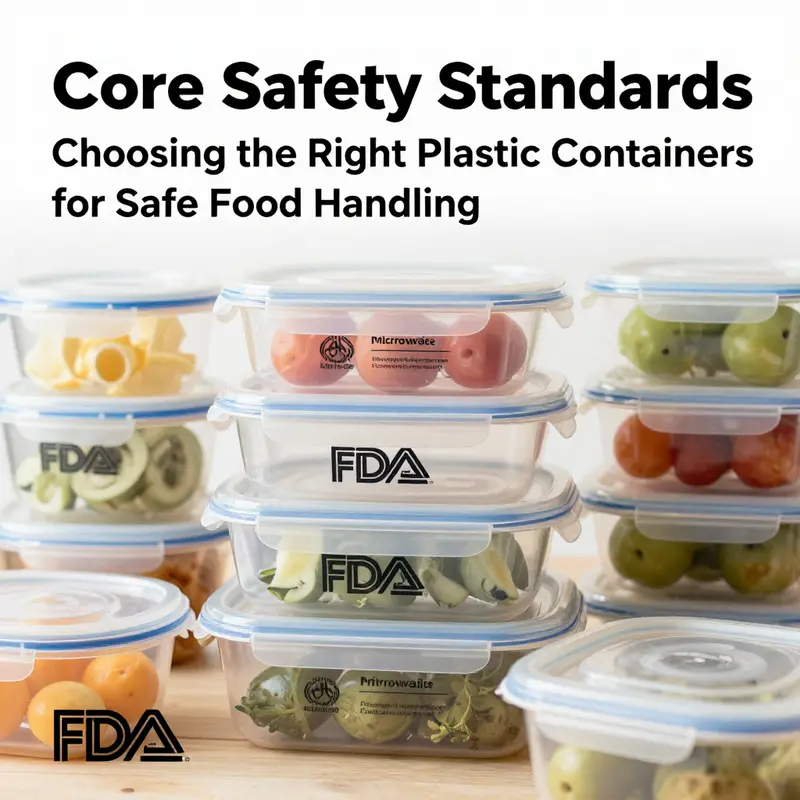
The decision to rely on plastic containers for reheating, freezing, and transporting meals rests on more than convenience. It rests on trust in safety standards that govern what materials can touch our food, how they respond to temperature shifts, and what may leach into meals under real-world use. At the heart of this trust lies the concept of core safety standards. These standards are not abstract rules; they translate into practical, everyday protections. When a container is marketed as microwave safe and freezer safe, it is signaling that it has endured testing designed to simulate the most demanding conditions a food container will encounter: rapid heating in a microwave and long-term cold storage in a freezer, followed by the next cycle of use. The safeguard here is not merely a label but a certification that the material and the finished product have been evaluated for chemical stability, mechanical integrity, and overall performance under thermal stress. The critical question for consumers is whether the container has been produced from materials that comply with established food contact regulations and whether those materials have been tested for safety across relevant temperature ranges. From this vantage point, the core standards function as a compass that helps separate containers built for short-term, casual use from those designed for reliable, repeatable performance in the kitchen and on the go. The emphasis is on materials that do not release hazardous substances when heated or frozen, a concern that leads many to favor plastics known for stability and inertness, particularly food-grade polypropylene, commonly labeled as PP. This material has become a cornerstone of the modern takeout mindset because it offers a balanced blend of heat resistance, chemical resistance, and resilience under repeated cycles of cooling and heating. PP’s optical properties also allow for a degree of transparency or translucence, enabling a quick inspection of the contents without removing the lid and exposing the food to contaminants. Yet even with a material that favors stability, the environment remains a factor. The microwave itself can serve as a test of compatibility. While plastics can perform admirably under typical usage, prolonged exposure to high heat can still drive the migration of additives or degradation products if the wrong plastic is used. That is precisely why the market increasingly relies on clear labeling and certifications that distinguish microwave- and freezer-safe plastics from ordinary containers. Consumers should be wary of any plastic marked only with generic cautionary language or with no explicit safety certification. The absence of a clear, official designation—such as FDA-compliant labeling or BPA-free status—should trigger caution. In the United States, the regulatory framework centers on the food-contact materials guidance that the FDA oversees. The FDA does not mandate a single universal standard for all plastics, but it does require that any material intended for contact with food, especially under heating conditions, be tested and approved for its intended use. This means that containers designed for microwave heating must be tested for safety under microwave conditions and used in accordance with the label directions. The freezer environment adds another layer of complexity. While plastics generally perform well in cold storage, some formulations may become brittle or develop microfractures over time. This can compromise the container’s structural integrity and, in turn, its ability to protect the food from contamination or leakage. Choosing high-quality, BPA-free, and phthalate-free plastics that are clearly labeled for both microwave and freezer use is critical to maintaining safety across the full cycle of use. The best practice is to view the choice of container as part of a broader conversation about material science and regulatory oversight. Glass remains an important reference point in discussions about safety, because its chemical inertness translates into a reduced risk of leaching under both heating and cooling. Borosilicate or tempered soda-lime glass does not absorb flavors or odors and tends to resist staining. Its durability under thermal cycling is a strong argument for its use in reheating and long-term storage when portability is secondary to safety. Yet the advantages of glass do not always align with the realities of modern living. Glass is heavier, more prone to breakage, and less convenient for on-the-go meals. Plastic, when correctly selected and properly labeled, offers a practical balance of safety, convenience, and durability. The task for consumers and designers alike is to harmonize these values through informed decision-making. To that end, a set of practical guidelines can help. Always prioritize certified microwave- and freezer-safe plastics from reputable brands. Do not use containers that are damaged, scratched, or warped, as such imperfections can create niches where contaminants accumulate or leaks can begin. If possible, favor glass for reheating and long-term storage, particularly for meals planned ahead. When plastic is necessary, scrutinize the packaging for explicit labels stating FDA certification, BPA-free status, and clear indications that the product is both microwave safe and freezer safe. In terms of capacity and design, there is a wide range to choose from. Common capacities span from roughly 500 milliliters to around 2 liters, aligning with different meal portions and storage needs. Containers with compartments offer additional benefits by preventing flavor intermixing and making portion control more straightforward, a feature that resonates with busy households and school-age meal planning. The presence of well-thought-out compartment designs often signals attention to practical use, beyond just the basic ability to hold food. The emphasis on durable construction, precise sealing, and compatible lid mechanisms reinforces the idea that these containers are designed for routine, everyday use rather than a one-off convenience. It is worth noting that the safety narrative extends beyond the container itself. The packaging, labeling, and product descriptions provide critical signals about compliance with safety standards. When you see explicit statements about microwave and freezer safety, you can be more confident that the product has met testing protocols aligned with regulatory expectations. This is not a matter of marketing alone; rather, it is a reflection of ongoing, standardized evaluation that supports safe use across a range of temperatures and times. As part of a broader consumer education effort, the conversation naturally turns to examples of how these standards translate into real-world practices. For instance, a food-grade plastic container designed to hold a 500 to 1000 milliliter portion should be robust enough to withstand the shock of being moved from a freezer, to a microwave, and back into storage without losing its seal or deforming. The packaging may highlight a leak-proof design, a testament to the container’s ability to prevent juices or oils from escaping during transport. This note about leakage is not merely about convenience; it is about maintaining hygiene and reducing the risk of cross-contamination in shared environments such as school cafeterias or workplace kitchens. In the same vein, a well-engineered container often uses injection-molded bodies, where the one-piece construction reduces seams and potential fracture points. This approach contributes to long-term performance and supports the expectation of reliable reuse. The material selection and manufacturing method together influence how the container behaves when exposed to repeated cycles of freezing and reheating. The user experience becomes a practical barometer of safety: does the container maintain its shape after multiple cycles? Does it resist cracking or shattering when dropped into a freezer or into a hot dish at lunch? Does it remain odor-free after several uses, which is another facet of safe reuse? These questions guide a common-sense approach to selecting containers that meet the dual demands of microwave safety and freezer safety. They also underscore the value of clear, consistent labeling. A container that clearly communicates its safety credentials helps reduce guesswork and fosters confidence that the product will perform as intended when needed most. For readers seeking actionable examples and a quick orientation to what constitutes a credible, dual-safety plastic container, consider exploring a representative listing that emphasizes core safety characteristics and FDA-aligned materials. This reference point illustrates how product pages can transparently present the essential attributes—freezer safe, microwave safe, BPA-free, and food-grade material—while also offering practical information about capacity, compartments, and sealing design. The dynamic between consumer awareness and regulatory rigor is ongoing, with manufacturers continually refining formulas and molding processes to improve safety margins, reduce potential chemical migration, and extend the usable life of containers. The result is a marketplace that, when navigated with care, offers reliable choices that respect health, convenience, and sustainability. The guiding principle remains straightforward: prioritize explicit safety certifications and use the container as directed by its labeling. This approach minimizes risk and supports a safer, more convenient culinary routine. For broader context and official guidance, you can consult the FDA’s recommendations on microwave-safe plastics, which provide an authoritative perspective on how these materials are tested and regulated for food contact. https://www.fda.gov/food/food-contact-materials/food-contact-materials-and-products-microwave-safe-plastics
Guardians of Temperature: Unpacking the Key Performance Features of Plastic Microwave and Freezer Safe Food Containers
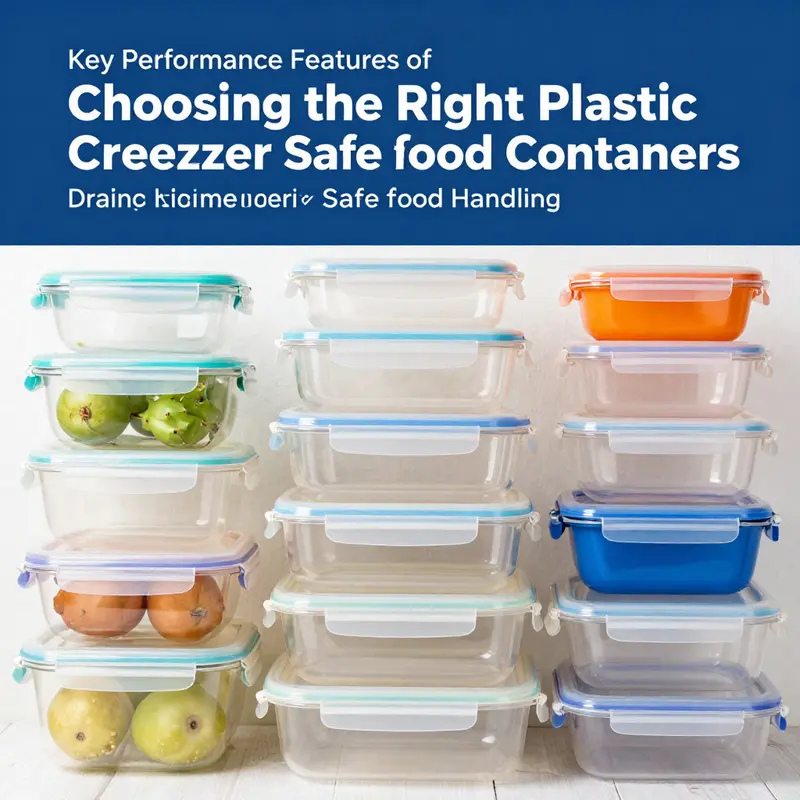
Plastic microwave and freezer safe food containers stand at the crossroads of safety, durability, and everyday practicality. They are not mere receptacles for meals; they are guardians of freshness, shape, and flavor across the unpredictable cycles of kitchen life. When we examine their key performance features, a coherent picture emerges: containers that can survive rapid thermal swings, maintain safety in contact with diverse foods, resist the dents and drips of daily use, and adapt to a busy, multi-tasking lifestyle. What makes these containers reliable enough to heat a meal straight from the freezer, then return to the fridge, and perhaps even venture into the oven or dishwasher, is a careful fusion of material science, thoughtful engineering, and rigorous safety standards. At the heart of this fusion lies the most important criterion for any purchase decision: has the container been certified for food contact and safe for both microwave and freezer use? The answer typically rests with materials like food-grade polypropylene and with certifications such as US FDA 21 CFR 177.1520, which govern what substances may migrate into food under common heating and cooling scenarios. This standard is not a mere label; it is a litmus test for long-term use, especially when containers repeatedly encounter hot microwaves or frigid freezers.
This chapter weaves together the core safety framework with the practical features that let a container perform across the temperature spectrum—from a chilled leftovers day to a frozen future plan, from a quick reheat to a deliberate bake-off. The discussion is anchored in the understanding that a container’s material choice, its construction method, and its sealing technology together determine whether a product will remain stable, nonreactive, and leak-proof under pressure. The most widely trusted option remains food-grade polypropylene. PP offers a robust balance of heat resistance and chemical inertness, which is crucial for regular microwave heating and long-term freezer storage. Unlike many conventional plastics, PP is less prone to softening, warping, or releasing substances when heated, a characteristic that translates into greater confidence for households and food-service operations alike. The emphasis on polypropylene also aligns with industry trends favoring transparency or semi-transparency, which helps users visually confirm contents without frequently opening lids—an additional layer of safety that reduces contamination risks.
The safety framework is not static. It is reinforced through explicit labeling and certification that buyers should actively seek. A container may appear sturdy, but without a verified “Microwave Safe” and “Freezer Safe” designation—or, at minimum, a label indicating FDA certification and BPA-free construction—it remains a risk rather than a reassuring choice. The core takeaway here is simple: avoid ordinary plastics that lack explicit microwave safety claims. Disposables and wraps that are not marked for heating can melt and release a cascade of substances when exposed to high temperatures. The guidance underscores a practical rule of thumb for readers: when shopping, look for packaging or product pages that plainly list “FDA Certified,” “BPA Free,” and both “Microwave Safe” and “Freezer Safe” attributes. These certifications, while perhaps not a guarantee of perfection in every scenario, represent the strongest baseline for long-term use and safety across heating cycles and deep-freeze storage.
From a materials science perspective, the thermal stability of polypropylene is pivotal. Polypropylene and similar high-performance thermoplastics exhibit what engineers call a broad thermal window. They can handle microwave heating—temperatures that can approach or exceed 100°C—with minimal deformation, warping, or loss of structural integrity. They can also endure freezing with little risk of cracking or becoming brittle at very low temperatures, even down to -40°C in many cases. This dual resilience is what enables a single container to function across a household’s most frequent temperature shifts: moving from the freezer to the microwave, or from the fridge to the oven, depending on the design. Of course, the container’s ultimate behavior rests on how it is manufactured and assembled. Injection molding, for instance, creates sturdy walls and reliable seals that help ensure leak resistance while preserving dimensional stability. The role of the seal—the lid, the gasket, if present, and the mating groove—cannot be overstated. A well-engineered seal acts as a barrier to leakage and contamination, maintaining the internal environment of the food and reducing the risk of spills during transport, whether in a lunchbox, a bag, or a pantry shelf.
Beyond temperature resilience, chemical inertness is a central pillar of safety. The materials chosen for food-grade containers are selected not just for their heat tolerance, but for their inertness in relation to a wide range of foods. BPA historically drew attention due to concerns about leaching into foods, particularly under heat. The current paradigm emphasizes BPA-free materials and the avoidance of other migrating substances, including certain phthalates and PFAS, so that the container does not contribute unwanted chemicals into meals during heating or storage. This is not just about compliance with a static standard; it is about preserving flavor, texture, and nutritional integrity. When a container sits in the freezer for weeks or months and is later heated, the last thing a consumer should worry about is chemical migration changing the taste profile or posing a health risk. If the container is properly labeled as microwave-safe and freezer-safe, and if the consumer follows recommended usage (for instance, avoiding prolonged exposure, not heating liquids in unvented containers, and not using damaged containers), the likelihood of adverse outcomes drops significantly.
Durability and impact resistance add another layer of reliability. Compared with glass or ceramic, plastic containers offer superior resilience to accidental drops and thermal shock. The ability to absorb impact without cracking is especially valuable for households with children or busy kitchens, as is resistance to micro-cracks that could become routes for leakage over time. This durability is often achieved through the choice of materials and through thoughtful design features. For example, carefully engineered corners, reinforced rims, and thicker side walls can help a container withstand the daily pounding of busy mornings and the jostling of lunch bags. At the same time, the design must avoid excessive weight or bulk that would undermine portability and energy efficiency. The modern packaging landscape increasingly values dual-functionality and space-saving design. Stackable forms, compact lids, and transparent or semi-transparent bodies allow users to monitor contents, stack neatly in freezers or on pantry shelves, and transport meals without unnecessary bulk. The result is a pragmatic balance: containers that are sturdy enough for everyday use, but light enough to carry and store with ease.
A further dimension to performance lies in versatility. Many containers aspire to be more than microwavable and freezable. Some designs extend their usability to ovens, dishwashers, and even bake-safe or dishwasher-safe claims, depending on their precise material composition and lid construction. These multi-functional attributes align with current consumer demands for convenience, reducing the number of different dishware items needed in a kitchen and enabling seamless transitions from prep to plate. Yet the versatility of a container must be underpinned by the right cautions. Oven-safety, for example, depends on whether the plastic can withstand higher continuous heat, particularly in the presence of a lid or seal. The heat that comes from an oven is not identical to microwave heating; some plastics may tolerate short-term oven exposure within certain temperatures, while others are limited to microwaves or freezing. Thus, consumers should consult product labels for precise temperature limits and usage guidelines. The same applies to dishwasher durability: while many containers claim dishwasher-safe labeling, repeated high-temperature cycles over time can still degrade seals or reduce transparency. Consumers who plan to use containers frequently in dishwashers should look for products that explicitly indicate durable, heat- and chemical-resistant seals in addition to the base plastic’s resilience.
Another practical feature is the design for visibility and organization. A strong container often features transparent lids or body walls that allow quick visual checks without opening, which reduces contamination risk and helps with inventory management. In a busy home or professional kitchen, the ability to identify contents at a glance saves time and minimizes the risk of cross-contamination from repeated handling. A well-thought-out design also includes thoughtful compartmentalization—dual-compartment lunch boxes or multi-compartment configurations that prevent flavor mingling while maintaining a compact footprint. This design consideration intersects with safety and reliability: compartments that are sealed and aligned properly reduce the chance of leaks and spillage during transport or heating, enhancing user confidence.
Sustainability and recyclability increasingly influence the performance narrative as well. Contemporary containers are often made from recyclable materials such as PP or PET, with recycling streams and labeling that facilitate sorting. The sustainability story also includes the tension between using virgin materials to ensure purity and safety versus integrating recycled content to reduce environmental impact. Some manufacturers emphasize using virgin material to guarantee safety and consistent performance across heat cycles; others prioritize closed-loop or post-consumer recycled content to address environmental concerns. This broader context matters because it informs decisions about lifecycle and end-of-use considerations, even for products designed to be reused many times. The conversation around sustainability does not detract from safety; rather, it frames a balanced view of how durable, reusable containers can fit into a more responsible consumption pattern.
In practice, choosing the right container means reading labels with care and understanding the implications of the safety and performance statements. It means recognizing that the most critical indicators are explicit certification and clear statements about temperature tolerance. It means acknowledging that a container’s material, its molding method, and its seal design together determine its performance under real-world conditions. It also means appreciating the broader landscape of packaging, which includes non-plastic or paper-based options as alternatives, yet still recognizing that plastic containers hold unique advantages when it comes to heat resistance, leak resistance, and lightweight transport. For readers who want to explore related packaging innovations as a contrast to plastic, consider this example of a contemporary design: senang03-in-stock-new-design-salad-rectangle-takeaway-kraft-paper-octagonal-box-with-lid. While it may rely on different materials, it showcases how the market seeks robust, safe packaging capable of performing in dynamic environments—from cold storage to quick-service handling—highlighting the universal demand for reliable containment across temperature ranges.
At the end of the day, the performance of plastic microwave and freezer safe food containers is best understood as an integrated system. The right material provides a safe chemical profile and a stable thermal response. The design and manufacturing process ensure structural integrity and leak resistance. The user-facing labels—microwave safe, freezer safe, BPA-free, FDA certified—translate engineering choices into practical safety signals. The result is a container you can trust to hold a portion of soup, a casserole, or a leftover lunch without fear of a sudden rupture, an unexpected meltdown, or a flavor-altering transfer between foods. While no single feature can guarantee perfection in every situation, together these elements create a reliable platform for modern meal preparation, storage, and reheating. They support not only individual households but also a broader ecosystem of foodservice operations that depend on containers that perform consistently and safely across temperatures, aids that help maintain hygiene, and designs that simplify life rather than complicate it.
For readers seeking a link to further context on safety standards and regulatory considerations governing food contact materials, the U.S. Food and Drug Administration provides comprehensive guidance that underpins these practices. The FDA’s materials and regulations are a useful reference point for understanding why certain plastics are deemed acceptable for contact with food and how labeling and testing translate into practical consumer safety. You can explore FDA resources here: https://www.fda.gov/food/food-contact-materials/food-contact-materials-and-regulations.
In summary, the key performance features of plastic microwave and freezer safe food containers center on a robust trifecta: thermal stability that covers temperature extremes, chemical inertness that protects the food from unwanted migration, and durable, versatile design that supports a wide range of uses without compromising safety or convenience. When these elements combine in a single product, the container earns its keep as a dependable companion in the kitchen—a trusted vessel for meals that travel from freezer to plate, from reheating to fresh handling, and from everyday routines to occasional, more demanding culinary tasks.
Safe, Sealed, and Sound: A Thoughtful Guide to Plastic Microwave and Freezer Safe Food Containers
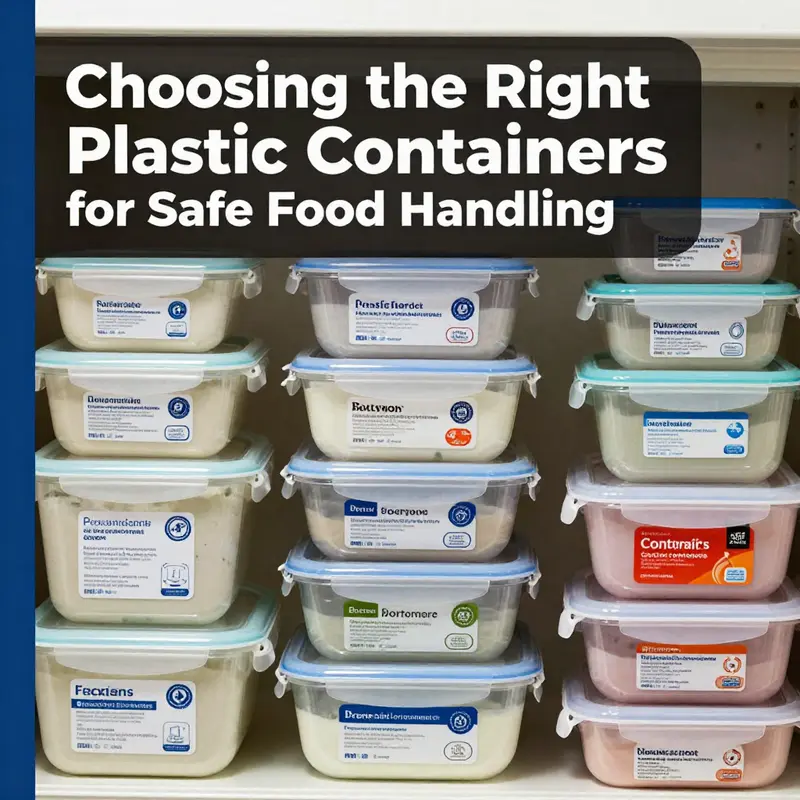
Selecting plastic containers that are safe for both microwave heating and freezer storage demands more than a quick glance at a label. It requires a careful understanding of the standards that govern food-contact plastics, what those standards promise in practice, and how real-world usage tests stress the materials over time. At the core of any responsible choice is a clear indication that the plastic has passed rigorous food-safety certifications. Reliable products should explicitly display certifications that reassure users they will not release harmful substances under the stress of high heat or abrupt cold. A widely recognized benchmark is the FDA’s guidance for food-contact polymers, which informs manufacturers and buyers that the material meets recognized safety thresholds when subjected to common kitchen temperatures. In practice, this means looking for food-grade plastics that have undergone testing to limit the migration of potentially harmful chemicals during microwave heating and freezing. The emphasis on safety labels is not merely bureaucratic; it translates into real-world confidence when reheating yesterday’s leftovers, portioning meals for an on-the-go schedule, or storing family staples for the week ahead. The strongest indicators are explicit, easy-to-verify labels that accompany the product: BPA-free, microwave safe, freezer safe, and, ideally, FDA-certified. These markers are not guarantees of perfection, but they are credible signals that the container has been designed with the long view in mind. The material itself often tells a parallel story. Polypropylene, commonly used for food containers, has emerged as the mainstream, widely trusted option. It combines relatively high heat resistance with a resistance to softening and chemical migration that is generally superior to many other plastics. In the same family of safe options, there are other materials like Tritan copolyester, which is frequently marketed as non-BPA and designed to resist clouding and cracking after multiple heating and cooling cycles. The practical advantage of these materials is not merely comfort in the moment but assurance across months and years of repeated use. They can endure the ordinary swings of kitchen life: a night of defrosting, a quick microwave reheat, a napkin-dry hand after a dishwasher cycle, and then straight back into the fridge or freezer. The design challenges, however, are as real as the chemistry. A container that can survive -18 degrees Celsius without cracking should also tolerate temperatures well above 100 degrees Celsius. It must avoid warping that could compromise the seal, clouding that blurs visibility of the contents, or microfractures that might create micro leaks over time. These are not trivial hurdles. When a plastic container is repeatedly exposed to such thermal cycles, the material may gradually become more permeable or structurally stressed. The best-in-class designs address these risks through robust sealing mechanisms, durable wall thickness, and reliable closure systems that snap or twist with a confident seal. The result is a dual-safety design that performs in both directions: it keeps moisture and odors in when frozen, and it withstands heat without transferring unwanted substances to food or deforming in the microwave. The engineering behind these containers often relies on injection molding, a method that produces uniform wall thickness and strong, stable shells. The process supports tight tolerances for lids, seals, and interlocking rims, reducing the chance of leakage during transport or when turned upside down in a bag or backpack. The practical upshot is a product category that can be trusted for everyday use—from office lunches to family dinners and road trips. When assessing capacity and design, a typical home-friendly range runs from roughly 500 milliliters to around 2 liters. This spread covers most single servings, leftovers, and larger meal-prep portions. Designs with compartments or dividers allow users to separate flavors and textures, preserving the integrity of each component and preventing cross-flavor mingling. From a consumer perspective, the ability to observe contents at a glance—thanks to clear or semi-clear plastics—adds another layer of convenience, enabling quick checks about portions and food quality without opening lids. The market has responded with a spectrum of options, but the core guidance remains steady: prioritize materials with credible safety narratives and structures engineered for repeated temperature flux. The purchasing process benefits from a disciplined approach to labeling. A product that explicitly carries FDA-certified or BPA-free claims and flags microwave and freezer safety provides a reliable starting point. Consumers should also look for evidence of testing beyond marketing promises. In practice, this means looking for transparent packaging or detailed product pages that describe the material, its thermal limits, and the testing regimen it has undergone. A cautious buyer asks whether the container can survive repeated heating cycles, whether it resists clouding after dishwasher cycles, and whether the seal remains airtight after hours of freezing. These aren’t easily verifiable through a single sentence on a box. They emerge from a track record of independent testing, user reviews, and clear manufacturing disclosures. A practical note emerges from real-world use: avoid ordinary or non-certified plastics for microwave use. These materials may melt or deform when heated and can release substances into food that would be better left unexposed to heat. The safest path is to trust products that carry explicit “microwave safe” and “freezer safe” labels, paired with a strong certification narrative. In this light, the packaging should be a short, direct transcript of safety commitments rather than a marketing banner. A well-made container is designed not merely to hold food but to coexist with the kitchen’s rhythms. It should be stackable for compact storage, easy to clean, and capable of withstanding dishwasher cycles without losing clarity or flexibility. A good seal matters as much as the material itself. A leak-proof, airtight lid prevents spills during transport and keeps flavors distinct during freezing. This is especially important when packing meals for a busy week—people rely on their containers to protect both the food’s texture and the kitchen’s hygiene. The careful observer will also weigh the container’s long-term performance. While a great many brands advertise safety features, long-term data on repeated heating cycles remain limited. The most prudent approach is to favor brands with transparent manufacturing practices and a track record of continued reliability. In the dialogue between safety and practicality, the most credible choices emerge from a combination of material science and brand accountability. A robust approach balances a strong base material with a thoughtful lid design, a secure seal, and a feature set that aligns with daily routines—reheating a portion without overfilling, freezing a batch without trapping air, and stacking for easy storage in a crowded refrigerator. With these axes in view, consumers can approach the aisle with calm discernment. They can separate the signal from the noise: the signal is a material that can resist high heat and low temperatures without releasing substances or deforming; the noise is marketing claims that lack independent verification. The purchasing landscape rewards those who demand evidence over rhetoric. In practice, one might encounter suppliers that clearly mark a product as freezer safe and microwave safe while also indicating compliance with recognized food-safety standards. The packaging then serves as a concise contract: if you heat, freeze, and wash in typical home settings, your container is prepared for the loop. For readers who want a concrete example of how these principles translate into real options without naming particular product lines, consider exploring a supplier that lists clear safety characteristics such as Freezer Safe and Microwave Safe on its product pages. This approach helps ensure that the decision is anchored in certification and tested performance rather than vague assurances. To help make this concrete, see a translated example from a supplier catalog that emphasizes BPA-free, food-grade materials, and the practical dual-use design that supports both heating and freezing. You can explore this reference here: senang05-food-grade-500-750-1000ml-take-away-bowl-with-lids-packing-food-single-wall-fast-food-salad-bowls. It illustrates how a single product line can balance safety labeling, durable construction, and versatile form. The presence of such labeling—combined with robust material choice and a thoughtful seal—helps ensure that ordinary meals stay ordinary in the best sense: unaltered by the container, safe to reheat, and reliable enough to store for later use. The broader takeaway is that reliability emerges where science and transparency meet. Consumers should seek products built on proven materials and supported by verifiable safety certifications. They should prefer containers designed to tolerate the freezer’s chill and the microwave’s heat while maintaining their shape, clarity, and seal integrity. They should also welcome brands that publish their testing results or provide clear descriptions of their materials and processes. In doing so, everyday meals become less risky and more predictable. The right container, chosen with care, is not just a receptacle for food. It is a partner in preserving flavor, texture, and nutrition across the kitchen’s cycle—from pantry to plate, from freezer to microwave, and back again. External references and real-world data deepen this trust. A widely accessible external resource highlights consumer-facing demonstrations of microwave, freezer, and dishwasher safety for storage items. Engaging with such resources can help readers confirm that their own choices align with established safety expectations and practical performance benchmarks. External reference: https://www.amazon.com/dp/B07X9VJY5Q
PP5 Power: How Material Mastery Makes Microwave- and Freezer-Safe Plastic Food Containers Safe, Sealed, and Simple
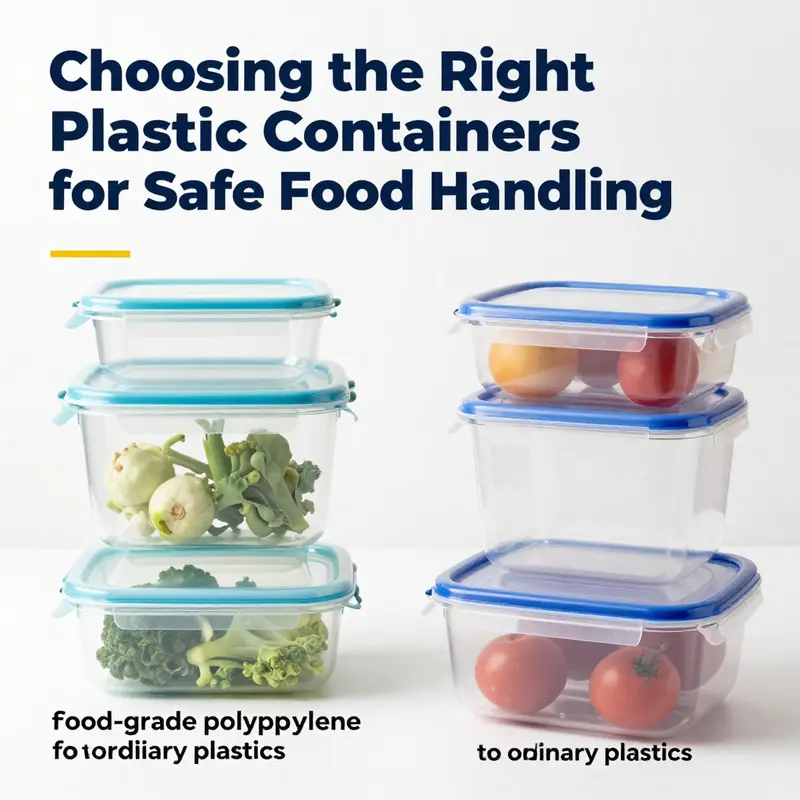
The material backbone of any storage and heating system for food is not just a label on the lid; it is the unseen chemistry and engineering that determine safety, performance, and everyday practicality. In the realm of plastic containers designed to survive both the microwave and the freezer, the properties of the polymer itself—especially when it is a food-grade polypropylene of the PP5 category—shape every moment of use. From the moment leftovers are portioned and sealed to the time they reemerge hot or cold for the next meal, the material choices drive reliability, hygiene, and convenience. The most critical factor is not merely that a container can endure heat or cold, but that it does so without compromising safety or altering the food it guards. This is where the PP5 designation, together with FDA 21 CFR 177.1520 compliance and careful design, creates a durable, versatile platform for modern eaters and meal-preppers alike.
Polypropylene is the workhorse of food-grade plastics for good reason. PP5 indicates a polypropylene resin that has passed rigorous testing and is approved for contact with food and for heating applications. The heat resistance that follows from this formulation allows a container to withstand temperatures up to about 120°C (248°F) without softening, warping, or releasing substances. That upper limit matters when leftovers go straight from the fridge into the microwave, or when a steaming dish is briefly reheated in its own container. The stability under microwave heating is not simply about not melting; it is about chemical stability. Materials that release volatile compounds, migrate dyes, or interact with acidic or fatty foods under heat would undermine safety and taste. The PP5 framework, reinforced by proper labeling—“Microwave Safe” and “Food Grade” with clear “5” markings—helps users avoid low-grade plastics that might buckle under heat and risk leaching.
The freezing side of the equation is equally important. A container intended for freezer use must resist becoming brittle and cracking when temperatures plunge to -20°C (or slightly lower, depending on the product). PP5 formulations tend to maintain their toughness in the cold, a property that supports long-term storage of meals and ingredients without the structural failures that would jeopardize seal integrity or create pockets for moisture and odor migration. When food remains securely contained, the risk of cross-contamination or freezer burn diminishes, and the user gains peace of mind about the quality of each frozen portion when it is finally reheated.
The practical benefits extend beyond raw temperature tolerances. The integrity of the container’s seal is a function of both the material and the design of the lid. High-quality PP containers often employ tight-sealing lids with anti-leak gaskets and, in some configurations, venting systems. The material’s surface properties contribute to a reliable seal: a smooth, non-porous finish resists odor absorption and staining, preserving the flavor profile of all stored foods. A well-executed gasket complements the polymer by providing a snug interface that reduces air ingress and moisture loss. In everyday terms, this means less flavor drift between compartments, fewer spills when moving a lunch box, and a longer window of freshness for a prepared meal.
Transparency is another material-driven advantage. PP, particularly in medical-grade or consumer-friendly food containers, can be produced with clear or semi-clear bodies. This transparency is not merely cosmetic; it allows users to visually confirm the contents without opening the lid, an important feature for meal planning and inventory management. Being able to identify at a glance what is inside a container saves time during busy mornings or while reorganizing a crowded fridge. It also minimizes the temptation to rummage through containers, which can disturb seals and expose food to air and temperature fluctuations.
A related benefit is the overall lightweight nature of PP-based plastics. Compared with glass or ceramic, these containers offer excellent drop resistance and portability, reducing the risk of breakage in households with children or in on-the-go settings. Lightweight yet sturdy, PP containers support daily use, campus lunches, or workplace meal preps without the burden of heavy, fragile dishes. This synergy of resilience and lightness adds up to a practical everyday solution: you can stack, transport, and reuse with confidence, keeping cleanup manageable and reducing waste in the process.
Cleaning and hygiene are central to safe use, and here polypropylene shines again. The non-porous, smooth surface resists odor absorption and stain buildup, making it easier to maintain a clean interior that doesn’t harbor bacteria. Many PP containers are dishwasher safe, a feature that matters as households seek faster, more convenient cleaning routines. The combination of a material that resists contamination and a design that facilitates thorough cleaning lowers the chances of lingering microbes after meals. It is not just about convenience; it is about sustaining safe, repeatable performance across thousands of cycles of use.
The multipurpose nature of these containers is not an accident of clever marketing but a deliberate material strategy. A properly engineered PP container can transition smoothly between storage, transport, and reheating. This triad of use cases reduces the total number of vessels a family must own, simplifying kitchen organization and cutting down on waste. Some models incorporate compartments or dividers, which helps to separate flavors, control portion sizes, and keep ingredients from mixing—an important feature when reheating in the same container would otherwise compromise texture or aroma.
Of course, there are critical practical cautions that flow directly from material science into everyday practice. Not all plastics are suitable for microwave use, and not all containers labeled as “plastic” will behave safely under heat or extreme cold. The risk with ordinary plastics is not just that they melt; it is that they can release substances when subjected to high temperatures or freezing cycles. This is why the safety certification landscape matters. A container that clearly bears FDA certification, is BPA-free, and is designated as both Microwave Safe and Freezer Safe provides a strong signal about its suitability for the dual demands of modern meal routines. The labeling helps consumers move confidently through a marketplace crowded with choices, many of which may not meet the strict standards required for repeated microwave heating and long-term freezing.
An additional design consideration stems from the end user’s need for reliability in daily life. The best PP5 containers feature durable injection-molded bodies that resist cracking and deformation even after repeated temperature shocks. The lid mechanisms—from locking clasps to hinge designs—must harmonize with the material’s memory and surface friction. A good seal relies not only on a gasket but on the way the lid and body flex and return to shape as temperatures shift. A well-engineered combination reduces spill risk during transport and ensures that the interior remains usable after being put through cycles of freezing and heating.
The consequences of this material and design synergy reach far beyond individual households. Meal prepping—an activity that blends nutrition, time management, and budget control—depends on containers that can safely store portions for days or weeks, then reheat them with minimal fuss. When a container can withstand freezing without cracking and heat up evenly without releasing odors or chemicals, it becomes an enabler of healthier eating habits and more efficient time allocation. People who prepare their meals ahead for the week gain a dependable partner in PP5-based containers, one that travels from freezer to microwave with minimal intervention and maximum predictability.
But the story is not only about safety and convenience; it is also about long-term value. The durability and reusability of these containers reduce overall waste and cost per meal. While the initial investment may be higher than single-use options, the ability to reuse a container hundreds of times translates into a lower environmental footprint and ongoing cost savings. The lightweight nature further contributes to lower shipping emissions and easier handling, both in consumer contexts and in institutional settings such as schools or workplaces where large volumes of meals are managed.
In practical terms, when selecting such containers, attention should be paid to the presence of specific indicators. Look for clear indications of “Microwave Safe” and “Freezer Safe” on the packaging or product page. Certification statements like “FDA Certified” or “Food Grade” under the PF5 umbrella should be readily visible. The bottom-recycling symbol can also help confirm the polymer class; the presence of a “5” within the recycling triangle denotes polypropylene. A cautious buyer should also consider capacities—500 ml up to 2 liters cover a broad range of meal sizes—and the presence of features like compartments, transparent bodies, leak-proof seals, and vented lids if steam release is needed during reheating.
The materials-and-design narrative also invites a forward-looking view. As materials science advances, formulations may push heat resistance higher, improve impact resistance even further at low temperatures, or expand the range of compatible additives that support transparency and durability without compromising safety. At the same time, regulatory agencies will continue to tighten requirements for migration limits, labeling clarity, and test methods. In practice, this evolving landscape reinforces the importance of selecting containers with robust certifications and transparent documentation, so users can rely on consistent performance across years of use and a variety of household conditions.
Ultimately, the material advantages of PP5-based plastic containers crystallize into a simple truth: the right polymer, paired with thoughtful design, turns a container into a reliable ally for modern eating patterns. It becomes a safe vessel that keeps flavors intact, a seal that protects freshness through the unpredictable shifts of a day, and a lightweight, easy-to-clean tool that reduces the friction of daily meals. The combination of high temperature tolerance, strong cold resistance, dependable sealing, optical visibility, and ease of maintenance positions PP5 as a foundational material in the ecosystem of microwave- and freezer-safe food storage. As families and individuals seek efficiency without compromising safety or taste, these containers stand as a pragmatic embodiment of material science translated into everyday life.
For readers who want to explore the broader landscape of compliant, temperature-ready food containers, a comprehensive supplier-focused resource compiles options that clearly mark both microwave safety and freezer compatibility alongside FDA-compliant materials. This compilation underscores the central idea that safety certifications should guide every purchase, rather than relying solely on claims of performance. By prioritizing PP5-based, food-grade plastics with explicit safety labeling, consumers build resilience into their meal routines and uphold hygiene across the entire lifecycle of the container—from purchase and use to washing, storage, and eventual replacement. The conversation around material advantages thus becomes a conversation about trust, practicality, and long-term value in everyday food handling.
External reference for further reading: https://www.alibaba.com/wholesale/freezer-microwave-safe-meal-prep-containers.html
Final thoughts
In summary, selecting the right plastic containers is critical to ensuring food safety and maintaining quality in your food service operations. Emphasizing core safety standards, understanding performance features, and making informed purchasing decisions are vital steps in integrating reliable containers into your business model. When you choose high-quality materials like food-grade polypropylene, you not only protect your customers but also enhance your brand’s reputation through safety and functionality. Making these informed choices today will benefit your operations and improve customer satisfaction for years to come.