
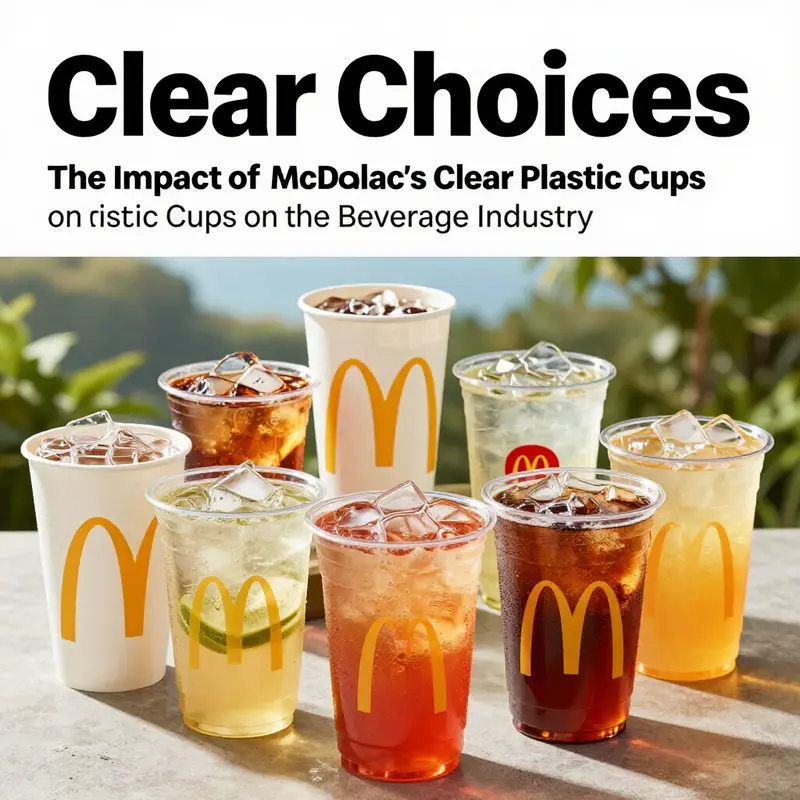
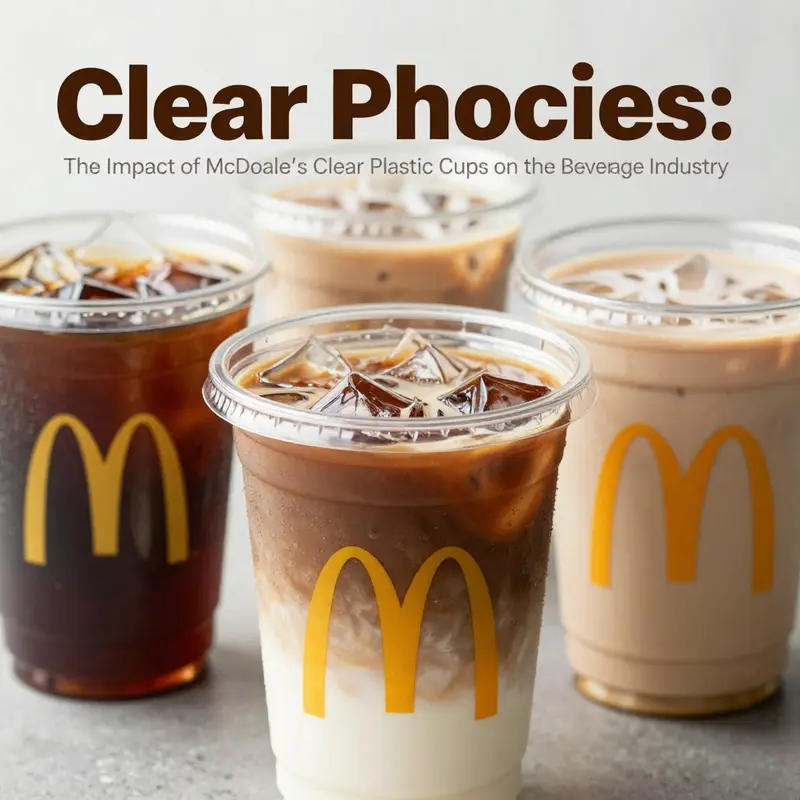
McDonald’s clear plastic cups serve as a quintessential example of effective design in the beverage industry. These durable, food-safe containers are used primarily for cold drinks like iced coffee and smoothies, providing a sleek and functional option for both drive-thru and counter service settings. As beverage shops, restaurants, food trucks, and event planners seek optimal solutions for serving drinks, McDonald’s cups present an evolving case study. This article delves into the intricate details of McDonald’s clear plastic cups, including their design and materials, ongoing sustainability initiatives, consumer preferences, and their pivotal role in marketing and branding strategies across the industry. Each chapter aims to provide an in-depth look at how McDonald’s serves as a leader in disposable cup solutions and what that means for emerging businesses in the beverage market.
null
null
Clearer Choices, Greener Futures: Reimagining Transparent Cups in a Circular Economy
Transparent cups have long carried an unspoken promise: a beverage revealed in its true color, ice glistening, a sense that what you see is what you get. In the fast-service world, these clear vessels are not just containers; they are interfaces between product and person. They provide visual reassurance, support quick-service workflows, and fit a range of cold beverages that travel from counter to customer with efficiency. Yet the same transparency that builds trust also shines a light on waste. This chapter unpacks the sustainability dimension of clear plastic cups within a global quick-service system, exploring how a seemingly simple design choice becomes a fulcrum for material decisions, supplier partnerships, and end-of-life realities. It is a story about clarity as a design constraint and as a lens for responsible innovation, where the goal is not to erase trend but to steer it toward a circular economy that values recovery as highly as consumption.
In the service environment, clarity serves multiple purposes. Clear cups enable staff to verify fill levels quickly, reduce mistakes, and reassure guests about the beverage composition. They withstand the rigors of busy service, stack securely for storage, and integrate with a broad range of lids, sleeves, and seals. All of these practical benefits help explain why clear plastic cups remain a staple in many markets for cold beverages. They also illustrate the central tension in sustainable packaging: how to preserve user experience while reducing environmental impact. The chain behind the cups has acknowledged this tension and set in motion a broader sustainability program aimed at cutting plastic waste and transitioning toward packaging that is renewable, recycled, or certified. The path forward blends material science, supplier collaboration, and the realities of waste management across diverse municipalities.
A key driver behind these efforts is a formal commitment to packaging that aligns with circular economy principles. The company has pledged to source 100% of guest packaging from renewable, recycled, or certified sources by 2025. This target signals a shift beyond one-off substitutions toward a systemic redesign of packaging ecosystems. Clear plastic cups sit within this broader framework as both a current asset and a test case for how to balance performance, cost, and environmental outcomes. The objective is not to erase plastic from the menu overnight but to reduce virgin plastic inputs while expanding access to high-quality recycling and recovery options. In practice, this means a dual track: maintain reliable beverage service with cups that meet safety and performance standards, while accelerating pilots and scale-ups of alternatives that can displace virgin plastic over time. Paper-based cups, when designed for recyclability and backed by mature recycling streams, are at the forefront of this shift. Simultaneously, the use of recycled materials in plastic products is increasing, helping to lower the overall footprint of packaging in the system.
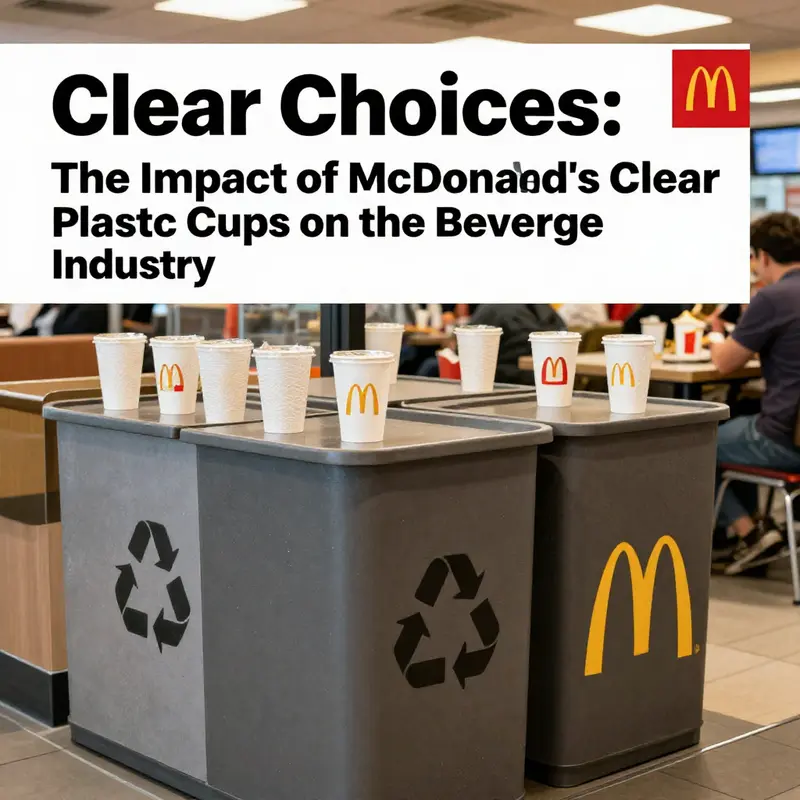
The lifecycle reality of a clear plastic cup is where design meets end-of-life. Clarity is a boon for consumer perception, but it can complicate recycling if the cup’s materials, coatings, or adhesives create contamination or misrouting in sorting facilities. The life of the cup—from resin to finished product to discarded item—depends on a confluence of local recycling infrastructure, consumer disposal habits, labeling clarity, and the availability of collecting programs. The chapter underscores that sustainable packaging is not a single decision at the factory door. It is an orchestration of product design, supplier capabilities, and municipal systems. In this light, the clear cup becomes a proxy for broader questions about how to structure packaging so that it can be recovered, remanufactured, or composted where possible, while still delivering the reliable beverage experience customers expect in a bustling service environment.
Material strategy and supplier collaboration are central to the transition. The corporate reports point toward a future where more guest cups are recyclable and paper-based, with increased recycled content in plastic components. This requires retooling manufacturing lines, refining barrier coatings, and rethinking adhesion and printing processes so that the end product remains durable enough for everyday service while remaining compatible with recycling streams. The shift also depends on partnerships along the value chain—from resin suppliers to cup manufacturers to recycling facilities—to ensure that recovered cups re-enter the material loop as high-quality feedstock. The move toward virgin-plastic reduction is complemented by trials of supply-chain models that encourage take-back or post-use collection and processing. In such a framework, the cup is not a disposable one-way item but a node in a network designed to close the loop through reuse, recycling, and responsible disposal.
At the consumer interface, labeling and communication play a critical role. Clear cups draw attention to the packaging itself, and this visibility can prompt more mindful disposal if accompanied by clear guidance. Brands are increasingly investing in conspicuous disposal instructions and material codes that help consumers determine whether a cup is recyclable, compostable where available, or needs to be recycled through specialized streams. This educational component reduces contamination in sorting facilities and improves the likelihood that a cup will be diverted from landfills. Yet despite strong messaging, consumer behavior remains uneven across regions. Accessibility to recycling programs, familiarity with local guidelines, and the convenience of curbside options all influence outcomes. The narrative here is not to blame individuals but to recognize that packaging choices require complementary investments in education, labeling standards, and accessible waste-management options. Only with these supports can the benefits of a well-designed cup be realized in the real world.
A balanced, design-forward approach to cups also depends on strategic integration across product families and retail workflows. Reducing plastic use cannot be reduced to a single product decision; it requires harmonizing cup materials with lids, sleeves, and straws, as well as with the systems that collect and process used packaging. The ongoing exploration includes a portfolio of options: continuing to deploy fiber-based cups in many markets, advancing inner barrier layers that allow plastic components to be recovered in existing streams, and improving the proportion of recycled content in plastic cups where plastics remain essential for performance. The aim is to lower virgin plastic input while preserving performance and user experience. This is not an overnight transformation but a measured evolution that tracks regional differences in waste infrastructure and regulatory landscapes. The result is a packaging ecosystem that remains adaptable as technologies advance and as municipal programs expand or contract.
Partnerships with policymakers and recyclers also shape the trajectory. Circular packaging depends on an ecosystem that extends beyond the walls of any single restaurant or supplier. Local and regional waste-management policies influence what is feasible in a given market, while collaborations with recycling facilities help define accepted materials and processing streams. The chapter emphasizes that progress tends to be incremental and region-specific. Some areas can efficiently recover clear plastics, while others benefit more from paper-based designs or from advanced recycling techniques that enable higher PCR content. What matters is a willingness to tailor approaches to local realities and to maintain a transparent dialogue with communities about what works and what remains challenging. The emphasis on collaboration reflects a pragmatic view: sustainable packaging requires shared responsibility and sustained investment across the value chain.
Looking ahead, transparency about materials, processes, and performance becomes a differentiator. Investors and customers alike increasingly demand clear reporting on progress, setbacks, and next steps. The sustainability report and other disclosures offer a roadmap of what has been achieved and where more work is needed. The narrative presented here argues that clear plastic cups can be part of a forward-looking portfolio if they sit inside a well-articulated end-of-life strategy, if procurement practices emphasize recyclability and recycled content, and if continual design refinements keep pace with technological and policy developments. The customer experience—a cup that is familiar and reliable—should be preserved even as the packaging mix shifts toward formats that better align with environmental objectives. In sum, the fate of the clear cup rests on system-wide choices about how packaging is designed, used, collected, and reintegrated into production cycles.
For readers exploring practical avenues that align with sustainability goals while preserving brand integrity, a useful path is to examine paper-based options designed for take-away contexts. The page linked here examines eco-friendly, printed-logo options for paper cups, illustrating how a brand can maintain identity while moving away from plastic. See the resource at the following URL for more detail: senang07-eco-friendly-printed-logo-buy-paper-cup-take-away-coffee-cup-8-oz-12-oz-paper-cup. This example demonstrates how packaging design can balance brand expression with material choices that fit more readily into recycling and recovery systems. It also serves as a reminder that the packaging ecosystem is interconnected; decisions about one element—cup material—often cascade into procurement, labeling, and waste-management practices. The broader takeaway is that a thoughtful transition can preserve the consumer experience while advancing environmental objectives.
Ultimately, an official, company-level accounting of packaging progress anchors the conversation in a shared reality. The sustainability resource provides a comprehensive view of packaging goals, progress, and ongoing challenges across markets. It situates clear cups within a broader portfolio of innovations, including recyclable and compostable formats and materials sourced with greater care. For readers seeking formal detail, the external resource offers a baseline and ongoing updates that illuminate the industry-wide shift toward responsible packaging. The journey toward sustainable packaging is iterative, demanding sustained investment, clear communication, and local collaboration. The cup remains a focal point not because it is inherently perfect or imperfect, but because it embodies the test of whether a global network can harmonize customer experience with responsible material choices and end-of-life recovery. The future of the clear cup will be written by the alignment of design rigor, supplier cooperation, waste-management infrastructure, and the willingness of communities to participate in circular flows.
External resource: https://www.mcdonalds.com/global/en/sustainability.html
Clear Signals: How Consumer Expectations Shape the Future of Cold-Drink Cups and Their Lids
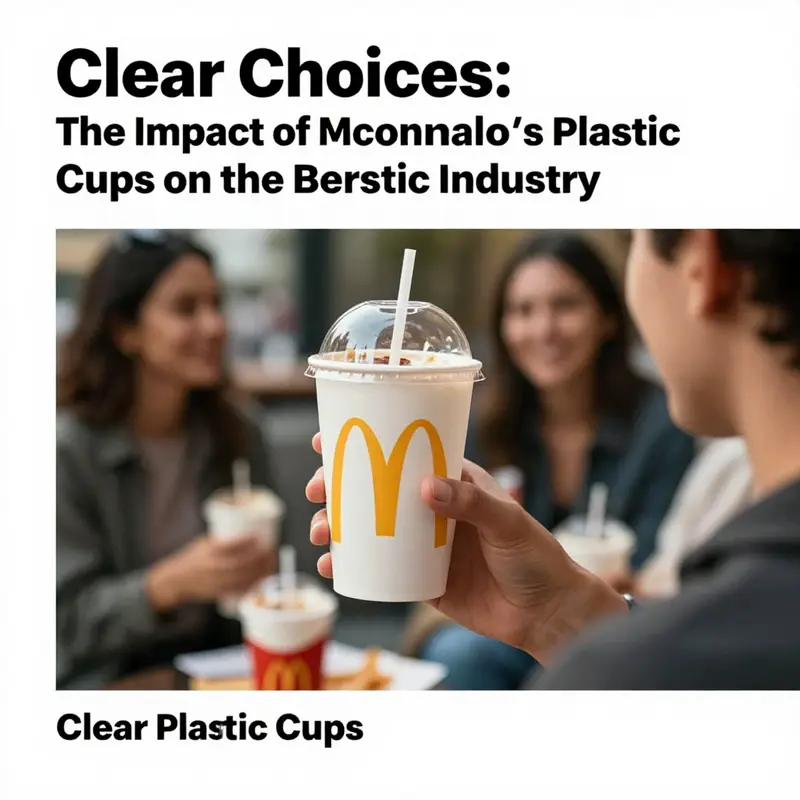
A clear cup may display the color and texture of a drink, but it also frames the consumer’s entire interaction with a cold beverage. In the modern dining environment, where speed, reliability, and sensory cues converge, the packaging around a cold drink becomes more than a container. It functions as a stage on which the drink’s identity is formed in real time. The transparent vessel is not merely a shield for the liquid; it is a platform for perception—of freshness, quality, and value. For the fast-food chain that prioritizes rapid service across drive-thru lanes and counter-service counters, the choice of cup and lid is a quiet but consequential decision. The cups used for iced coffee, smoothies, and other cold beverages are designed to be robust, food-safe, and straightforward to handle in a high-traffic setting. They must weather the rigors of daily use: stacking, transporting, filling, and dispensing, all while remaining clear enough to showcase the beverage and resilient enough to resist cracking or deformation. In this light, the lids become an almost invisible but essential companion to the cup. It is not surprising that consumer feedback often zeros in on the lid rather than the cup itself. A lid’s performance can shape the entire drinking experience—whether the first sip remains satisfying from the moment the drink is handed over, whether it remains sealed until the customer is ready to sip, and whether it keeps the beverage at a desirable temperature during the short journey from counter to mouth.
The seasonal and sometimes heated debates over eco-friendly packaging have only amplified attention to how lids perform. In late 2025, the chain faced a widely reported challenge: a shift away from a paper-based, modulated lid option that had been introduced as part of a broader sustainability push. Customer complaints about those paper lids—flimsiness, imperfect seals, leaks, and inadequate heat retention—drove the company to temporarily revert to plastic lids for hot beverages. This decision, confirmed in December 2025, underscores a core tension in consumer packaging today: the balance between environmental aspirations and the practical expectations of customers who want a reliable, spill-free experience, especially when a hot beverage is involved. The lid, in this context, is the frontline of that balance. If the seal fails, heat is lost, drips appear, and the drink’s perceived value can evaporate as quickly as the beverage itself.
From a consumer standpoint, the emphasis on lid functionality reflects a broader ordering principle: people want a seamless, predictable experience. They want a lid that seals well in a moving vehicle, that resists sudden gulps or accidental spills, and that maintains the drink’s temperature long enough for a person to finish the beverage in their own terms. When complaints focus on lids rather than cups, it signals that the container’s core job—protecting the liquid and delivering it cleanly to the consumer’s mouth—has been met in terms of clarity and durability, while the lid’s performance remains a potential source of dissatisfaction. In a setting where drinks are often consumed on the go, even a slight lapse in lid performance feels magnified. The practical aspects—how easily the lid can be secured, how well it resists leaks, and how effectively it preserves heat for a hot beverage—become a proxy for overall satisfaction with the brand experience.
Yet, the story does not end with performance alone. Sustainability remains a central thread in the conversation about cups and lids. The brand has reiterated a long-term aspiration to transition to renewable, recycled, or certified materials across all packaging. This ambition is not theoretical; it is embedded in the current packaging ecology. For instance, the cold-drink lids, as of 2024, reportedly already incorporate 100% recycled content. That fact stands in contrast to the short-term friction introduced by a temporary pivot back to plastic lids for hot drinks. The distinction between cold and hot beverage packaging becomes a useful lens: consumers may draw a distinction in their minds between the materials that touch their lips and the materials that simply encase the drink. In other words, for cold drinks, the packaging can lean toward sustainability with less perceived risk to the drinking experience, while for hot drinks the priority often tilts toward reliable heat retention and leak resistance, even if it means returning to a more traditional material for now.
The customer feedback loop around lids illustrates a broader dynamic in consumer preferences: practicality often supersedes environmental idealism in the moment of use. Social conversations surrounding the policy shift to eco-friendly lids demonstrate how quickly public sentiment can pivot when a feature that affects daily use—like a dependable seal or a comfortable sip—fails to meet expectations. The public conversation, amplified on social platforms, frames the lid choice as a proxy for the brand’s broader credibility in environmental stewardship. When a company is seen as furiously chasing the latest green option, but customers perceive a drop in performance, the brand can face a backlash that makes sustainable aspirations appear precarious. The lid becomes a tangible symbol of this tension—an everyday object that embodies the challenge of doing good without compromising function.
This is where the role of design thinking becomes central. The chain continues its exploration of sustainable options, evaluating materials that could deliver both improved environmental performance and unbroken functionality. The aim is not merely to swap one material for another; it is to redesign the lid and the seal system in ways that improve reliability, reduce leakage, and maintain temperature stability, while aligning with a credible path to sustainability. The reality, learned through years of practice, is that the most elegant solution may involve materials that are recyclable, compostable, or derived from renewable sources, but only if they can demonstrate dependable performance in the high-throughput environment of a busy service point. In this sense, the conversation around lids is a microcosm of the larger packaging challenge: how to reconcile circular economy aims with the daily realities of fast-service dining.
As the company navigates this landscape, the cold cup itself remains a canvas for transparency—visible content, clean lines, and a simple silhouette that communicates a sense of freshness. The clear plastic cup is a familiar element in the chain’s standard disposable cup lineup for cold beverages. Its role is twofold: it provides a straightforward visual cue that invites the consumer to engage with the drink, and it offers a practical platform for the barista to fill, seal, and present the beverage with speed and consistency. The clarity of the cup helps both staff and customers gauge the drink’s color, opacity, and appeal at a glance, which can influence perceived quality. The cup’s material must also withstand the rigors of transport and service without compromising safety. For many customers, the glassy surface of a cold beverage, framed by a sturdy, well-sealed lid, reinforces a sense of value and reliability, even in a fast-paced environment. In this sense, the cup’s clarity is not just about aesthetics. It is part of a pragmatic communication system between the product and the consumer, signaling that what is inside is clean, fresh, and ready to enjoy.
The chain’s approach to packaging is not a binary choice between plastic and paper; rather, it is a spectrum in which clear plastic cups for cold drinks occupy a core position, while the lid material and sealing mechanism become the variables that determine day-to-day user satisfaction. The decision to revert briefly to plastic lids for hot beverages highlights a preference for performance over a strict environmental mandate when customer experience is at stake. It also underscores the importance of continuing to innovate in sustainable materials so that the full packaging system—cup and lid, hot and cold—can deliver both function and responsibility. The journey toward this ideal is not linear. It involves testing, feedback, iteration, and sometimes difficult trade-offs. What remains constant is the consumer’s expectation of a dependable, spill-free, neatly presented beverage that travels well from counter to car seat or desk. In that sense, the lids’ evolution is as much about habit as it is about technology.
To illustrate how packaging choices extend beyond the brand’s own walls, consider the broader ecosystem of disposable cups and lids. There are multiple formats and designs designed for a variety of beverages, each with its own set of performance characteristics and environmental implications. Some packaging options emphasize lids that snap on with a tight seal to prevent leaks, while others focus on materials that prioritize recyclability or compostability. The available options in the market—ranging from traditional single-use plastics to plant-based fibers and paper-based systems—reflect a landscape in which consumers increasingly demand both convenience and accountability. Within this landscape, the chain’s commitment to a sustainable, recycled, or certified-material framework remains a central guiding principle, even as immediate consumer feedback informs decisions about specific lid designs and materials.
An important part of understanding consumer preferences is recognizing how service environment shapes expectations. In drive-thru contexts, where customers are often in motion and must manage a cup, lid, and straw with limited time, the lid’s performance is magnified. A lid that seals properly, reduces spills, and maintains temperature can be a decisive factor in the overall perception of value. Conversely, in counter-service settings, where customers may inspect packaging up close and linger to sip slowly, a lid that looks and feels flimsy can undermine confidence in the brand’s care for its customers and its commitment to sustainability. These nuances matter because they influence how customers talk about packaging online and offline, feed into brand trust, and inform future investments in packaging redesigns and sustainability initiatives. The consumer’s voice, amplified by social channels, helps the brand calibrate its approach to materials, design, and messaging across markets and channels.
Within this ongoing dialogue, the brand has signaled its willingness to experiment with numerous packaging options while carefully balancing reliability and environmental goals. The commitment to using renewable, recycled, or certified materials across all packaging remains a beacon for future innovations. The reality on the ground, however, is that practical experience—measured in leaks avoided, drinks kept hotter for longer, and customer satisfaction scores—will continue to drive the pace and direction of packaging changes. For readers looking to connect the dots between concept and practice, the chain’s official sustainability disclosures and updates offer a transparent view of how decisions unfold across product categories. These documents reveal a thoughtful, long-term plan that acknowledges the complexities of sustainable packaging in a fast-service world and emphasizes continuous improvement.
The broader takeaway from these dynamics is not simply that lids matter; it is that consumer preferences are increasingly nuanced. People desire packaging that respects the drink’s integrity while aligning with environmental values. They expect the packaging to perform consistently across a busy workday, a weekend outing, or a hurried commute. They want design that communicates care and cleanliness, and they want choices that reflect a serious commitment to reducing environmental impact over time. The chain’s approach—prioritizing lid performance in the near term while pursuing sustainable material solutions in the long term—reflects a pragmatic path through that nuanced landscape. It also signals to suppliers, designers, and researchers that the future of cold-drink packaging will likely hinge on a blended strategy: maintain the reliability and clarity customers rely on today, while steadily advancing materials and processes that support a more sustainable tomorrow.
In sum, consumer preferences around clear plastic cups and their lids reveal a sophisticated equilibrium between function and responsibility. The visible cup serves as a trusting window into quality, but the lid governs the moment of truth: the seal, the heat, and the spill resistance that influence whether a customer feels satisfied or frustrated. As the brand continues to explore sustainable options, it will rely on ongoing feedback loops, performance data, and robust testing to refine the packaging system. The future of cold beverage cups will likely be defined not by a single, dramatic redesign but by iterative improvements—slightly better lids, smarter seals, materials with credible environmental credentials, and a packaging ecosystem that speaks with one voice about safety, usability, and stewardship. For those who track packaging in the real world, this is where the line between design and daily experience becomes most evident: the everyday act of securing a lid can carry the weight of a movement toward more responsible packaging, while still delivering the predictable, satisfying drink that customers expect when they choose a familiar chain.
Internal reference example for further exploration of lid-related packaging options: disposable-26oz kraft paper soup cup with paper lid. This example of a lid-and-cup pairing in another disposable format highlights how consumers and operators alike weigh reliability, convenience, and sustainability as part of a broader packaging system. It also serves as a reminder that the packaging ecosystem is interconnected; improvements in one area can inform opportunities in another, as suppliers experiment with materials, shapes, and compatibility across product lines.
For readers seeking a snapshot of current industry discourse and brand responses, it is useful to consult the official statements from the brand’s leadership regarding eco-friendly cup lids and lid performance, which provide context for the decision to return to a more traditional lid option while the sustainability program evolves. External resources that chronicle these developments offer a window into how consumer feedback translates into operational shifts and long-range packaging strategy. External resource: https://www.mcdonalds.co.uk/news/press-releases/mcdonalds-responds-to-customer-feedback-on-eco-friendly-cup-lids
The Clear Cup and the Brand Narrative
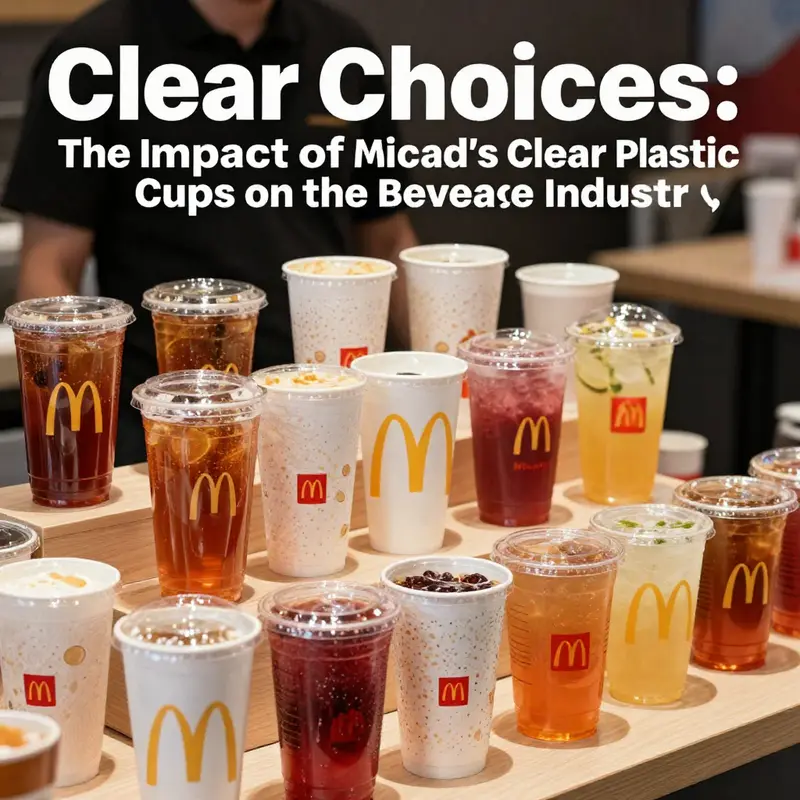
In the world of fast-service beverages, the clear disposable cup is more than a container—it is a moving billboard for the brand. Its transparency reveals the drink’s color and texture, reinforcing perceptions of freshness and quality. Designers harness this visibility to align the cup with the brand’s color palette, logo, and messaging, turning every sip into a tangible expression of the brand promise. The cup travels from curbside to table, multiplying brand exposure and helping to build recognition and loyalty. Sustainability considerations add nuance to the story, as material choices and recyclability become part of the brand’s ethics. When executed well, the simple cup reinforces consistency, trust, and a positive recall that extends beyond the counter.
Final thoughts
McDonald’s clear plastic cups are more than just functional drinkware; they represent a broader narrative surrounding design, sustainability, consumer behavior, and brand strategy. As the beverage industry evolves, these cups highlight essential practices that new businesses can emulate, from investing in robust materials to adopting eco-friendly solutions that resonate with consumers. Embracing the lessons learned from McDonald’s approach to their clear plastic cups can empower beverage chains, food trucks, and event planners to make informed choices that align with modern consumer expectations and sustainability goals. By integrating these insights, your business can thrive in a competitive marketplace and foster positive relationships with eco-conscious customers.