

Dixie To Go Disposable Paper Cups offer an exceptional solution for beverage businesses, blending practical design with essential safety features. As bubble tea shops, restaurants, food trucks, catering services, and event planners look for reliable disposable options, understanding the advantages of these cups becomes paramount. From their insulated grip that enhances user comfort to their durable construction, each aspect serves a specific purpose aimed at improving customer experience. This exploration includes a detailed look at the materials used, various usage scenarios that highlight their adaptability, market availability, and current consumer trends favoring these innovative cups. Each chapter will enrich your understanding of how Dixie To Go cups can serve your business needs effectively.
Design on the Move: Craft, Safety, and Sustainability in On-the-Go Paper Cups

The cup that travels with you is more than a simple vessel; it is a small, purpose-built system designed to deliver warmth or refreshment while preserving hands, environments, and tables from the messy realities of mobility. In the everyday routine of grabbing coffee before a meeting, a hot chocolate after a late class, or a cold drink during a marathon of errands, these cups carry an unspoken promise: comfort without compromise. The best examples of this promise are not merely decorative; they embody a careful balance among grip, containment, and material choices that respond to both human habits and environmental considerations. In a world where on-the-go consumption is entrenched in daily life, the design of a disposable cup becomes a narrative about how form and function meet responsibility.
A central feature in this narrative is the PerfectTouch insulated, non-slip handle. The grip is engineered to feel secure even when a beverage is steaming. It supports a natural, relaxed hold, reducing the risk of slips and inadvertent spills as a person crosses a crowded lobby, hops into a car, or climbs stairs with a cup in hand. This ergonomic detail matters more than it might appear at first glance. When workers, students, or travelers juggle schedules, bags, and devices, a confident grip translates into fewer burned fingers and fewer moments of distraction. The result is not only physical safety but a smoother user experience, where the cup integrates into a flow rather than interrupting it. The handle also serves as a subtle cue that the cup is designed for convenience, with one hand free to press a door, swipe a transit card, or jot a note mid-commute.
Beyond the grip, the cup’s sturdiness speaks to durability in motion. A well-constructed disposable cup resists denting, tearing, and the flexing that comes with you-and-meal-transport scenarios. This sturdiness helps minimize spills as the container rides in a cup holder on a breezy bus, sits in a desk drawer, or travels in a briefcase during a long day. The engineering mindset here assumes not just a moment of use but a sequence of uses—hand–to–mouth, lid snap, and transit—all performed reliably. The result is a dependable object that people can rely on daily, reducing the cognitive load of decision-making when a quick refills or a hurried break is needed.
The leak-proof, snap-on lid is where transport-specific performance truly comes to life. In practice, the lid must create a leak barrier while remaining easy to secure, even when the user is wearing gloves or needs to open the container with one hand. A snap-fit design helps seal the container during movement, which matters in vehicles, elevators, or crowded hallways where the slightest misalignment could lead to a spill. This lid is more than a top; it is a barrier that fortifies the entire drinking experience, preserving the integrity of drinks from the moment of sealing to the moment of consumption.
Material choices reveal a broader intent: to harmonize human needs with environmental stewardship. The cups are composed of a high percentage of renewable plant-based materials, signaling a shift away from non-renewable resources. This move reduces the dependence on petroleum-based feedstocks and aligns with growing consumer and business interest in sustainable procurement. The absence of polystyrene foam in the composition further underscores a commitment to safer, more responsible manufacturing practices. For users, this translates into a cup that feels familiar in use while providing peace of mind about its broader ecological footprint.
Inside the cup, the coating plays a critical role. A food-grade lining, FDA-compliant and non-toxic, protects beverages from leaking into the cup material and prevents liquid transfer that could compromise taste or safety. This interior barrier serves a dual purpose: it preserves beverage quality and ensures the container remains clean and safe for contact with hot or cold liquids. In addition, modern variants increasingly offer recyclable or compostable coating options. These coatings broaden disposal choices and make it easier for a business or consumer to align cup usage with local waste management practices. The coating choice thus becomes a practical lever for organizations aiming to reduce environmental impact without sacrificing performance.
Size and compatibility are not afterthoughts but essential aspects of everyday usability. A 16-ounce capacity offers ample room for a broad range of drinks, from robust coffees to chilled beverages and everything in between. The size choice is a nod to common consumption patterns, balancing the desire for a substantial serving with the need to fit in standard cup holders found in cars, offices, gyms, and public transit. The cups are designed to slot into routines, not complicate them, and the size, together with the insulated grip and secure lid, makes them a reliable choice for high-volume contexts such as cafés, event settings, and large gatherings.
From a practical perspective, the value is amplified by the packaging. Availability in large counts, such as a 132-count pack, supports cost efficiency for businesses and events that serve many customers. The cost-per-use logic matters in the real world of daily operations; buyers seek products that reduce waste, minimize handling, and streamline stocking. When a venue purchases in bulk, the daily routine of serving beverages becomes more predictable, with less time spent on replenishment and logistics and more time devoted to the guest experience.
The design choices described—grip, durability, lid integrity, material composition, internal coating, and size—form a cohesive system. They work together to deliver comfort, reliability, and responsibility in equal measure. This is not a one-dimensional feature list but a holistic approach that recognizes how people actually use disposable cups: they grip them, sip from them, carry them, recycle or dispose of them, and then repeat the cycle. The best designs anticipate these cycles and accommodate them with minimal friction.
To illustrate how such features translate into real-world use, consider the diverse environments in which these cups operate. In a bustling café, staff rely on quick, predictable performance as customers order drinks to go. In a conference center, attendees are in and out, often with a lid-click away from a spill, so the lid must snap securely and seal well. In a gym or workplace lounge, cups must withstand transport from station to desk without leaking or slipping, even when hands are damp or gloved. Each of these scenarios tests the cup’s design against the realities of daily life, and sound design rises to the challenge by combining practical ergonomics with materials that are easier to manage at scale.
The conversation around sustainability also threads through this narrative. The integration of renewable materials signals a consumer-led shift toward greener choices, while the option for recyclable or compostable coatings expands the range of responsible disposal methods. For organizations that handle substantial volumes, these features enable more sustainable procurement without compromising performance. The choice to avoid polystyrene foams and to pursue plant-based constituents reflects a broader industry trend toward cradle-to-grave thinking that weighs not only what happens at the moment of use but what follows after disposal. In other words, the cup’s design embodies a lifecycle perspective, acknowledging that a disposable item still participates in a larger environmental system.
The practical realities of on-the-go beverage service are also reflected in how these cups fit into existing workflows. They are crafted to work with standard cup holders, ensuring compatibility with vehicles and office equipment alike. Size, grip, and lid design all contribute to a seamless, predictable user experience. When servers, customers, or event organizers depend on consistent performance, these cups earn trust through repeated reliability rather than flashy novelty. That reliability is the quiet underpinning of a beverage service that feels effortless and professional, whether the context is a casual coffee run or a formal catering event.
For readers who want to explore related practicalities, a deeper look into available options from supplier pages can offer further clarity on how coatings and materials are specified and tested. See a representative product page that highlights the eco-conscious and safety-focused attributes discussed here: senang01-hot-sale-customized-disposable-single-wall-paper-ice-cream-cups-with-lid-eco-friendly-food-grade. The link provides context on how similar lines balance usability with environmental goals, giving readers a concrete sense of how the principles described translate into market offerings. As with any procurement decision, businesses weigh performance, price, and sustainability against their specific needs, and the cups described in this discussion exemplify how a well-considered balance among these factors can elevate the everyday ritual of drinking on the move.
In sum, the design and safety features of these on-the-go cups are not isolated technical traits but a coordinated approach to everyday usability. From the secure grip that protects hands to the robust structure that minimizes spills, from the leak-resistant lid to the careful material choices that respect the environment, every element reinforces a simple, lasting idea: a disposable cup should help people stay productive, comfortable, and responsible as they move through their day. That coherence—where form, function, and sustainability converge—defines what makes a disposable cup more than a convenience and turns it into a dependable partner in the ordinary routines that shape modern life. For those who worry about disposal and resource use, these design decisions offer reassurance that everyday choices can support a more thoughtful, less wasteful culture of consumption. And for researchers, designers, and suppliers, they provide a roadmap for translating user needs into products that perform reliably while inviting better stewardship of resources.
External reference for broader context on safety, standards, and material considerations can be found here: https://www.dixie.com/products/dixie-to-go-insulated-paper-cups/ (external resource).
From Fiber to Sip: The Materials and Manufacturing Craft Behind To-Go Disposable Paper Cups for Hot and Cold Beverages
The appeal of disposable cups that can carry hot coffee or cool iced drinks on the move rests on more than convenience. It rests on a careful balance of materials, engineering, and manufacturing choices that together create a cup that holds its shape, resists leaks, and offers a comfortable grip without compromising safety. In the to-go context, these cups must endure a range of temperatures, handling, and stacking while remaining affordable for cafes, caterers, and event organizers. The story begins with fiber and finishes with a reliable lid that snaps into place, but the true artistry lies in the decisions made along the way about composition, coatings, and production. When the consumer lifts a cup, they are feeling the result of decisions about strength, insulation, and the ease of disposal that developers and manufacturers have worked into the design. It is a synthesis of science, industry practice, and practical design that makes a simple paper cup perform so consistently across hot and cold beverages, from a bustling cafe line to a crowded conference hallway.
At the core of these cups is reinforced paperboard—a robust structural substrate that keeps its shape whether the beverage is steaming or chilled. The reinforcement comes from a blend of virgin and recycled fibers, chosen to provide the right balance of stiffness and resilience. Virgin fibers contribute strength and brightness, while recycled fibers reduce the environmental footprint and promote a responsible use of resources. The reinforcement is essential; it prevents dimpling or collapse when a hot drink is poured, and it helps the cup resist deformation during grip, transport, and stacking. This is not a simple one-fiber solution. Manufacturers tune the fiber mix to achieve the target thickness and strength for different cup sizes, ensuring that a 12-ounce cup can hold its own against a hot pour while remaining light enough for comfortable carrying.
The interior that keeps liquids contained relies on coatings that form a barrier against seepage. A long-standing approach has been a thin polymer lining, classically a polyethylene layer, which provides leak resistance and helps with moisture management. In recent years, there has been experimentation with plant-based polymers, such as polylactic acid (PLA), or even the use of alternative materials like bagasse—the fibrous pulp from sugarcane—as a core or a surface treatment. These options offer a path toward reducing the reliance on traditional fossil-based plastics, aligning with broader sustainability goals. Yet each coating choice has trade-offs. PE lining is excellent at preventing leaks and maintaining barrier properties at high temperatures, but it can complicate recycling streams because it remains a separate element when the cup is discarded. PLA and bagasse-based solutions can improve compostability or recyclability in some contexts, but they require appropriate facilities to realize those benefits. The manufacturers trade off these variables with a view toward the intended end-of-life scenario, regional waste infrastructure, and the needs of customers who demand reliability for hot beverages.
The exterior and insulation profile of the cup also plays a vital role in user experience. A single-wall design is common for many hot beverage applications because it tends to be lighter and simpler to recycle when compatible with the rest of the waste system. The exterior may feature a smoother, heat-resistant surface that fits comfortably in a hand, with an emblematic grip texture or a subtle ribbing that reduces heat transfer to the fingers. A well-executed grip is more than just aesthetics. It minimizes the risk that a hot cup will slip from a user’s grasp during a rushed morning, particularly when hands are damp or gloved in winter weather. Even the slightest gap between the lid and cup can become a source of discomfort or spillage on a moving train or through a busy coffee shop queue. Thus, the design integrates an insulated feel in the hand with a precise fit around the lid.
Lids sit at the other end of the performance envelope. The snap-on lid is a feature that many consumers rely on for leak protection and easy transport. A well-designed lid locks with a satisfying click, sealing against sudden tilts or slight bumps while the cup is carried in a bag or backpack. The snap-fit connection is engineered to remain secure through dozens of openings and re-seals, while still enabling customers to recycle the components where possible. In parallel with lid integrity, the geometry of the cup-neck, lip, and seating area for the lid is calibrated so that sipping from the cup remains a comfortable action rather than an awkward reach or a spill-prone tilt. The interplay between cup and lid is therefore a critical part of the user experience, especially for busy commuters who want a reliable seal without having to wrestle with the lid at the top of a crowded street.
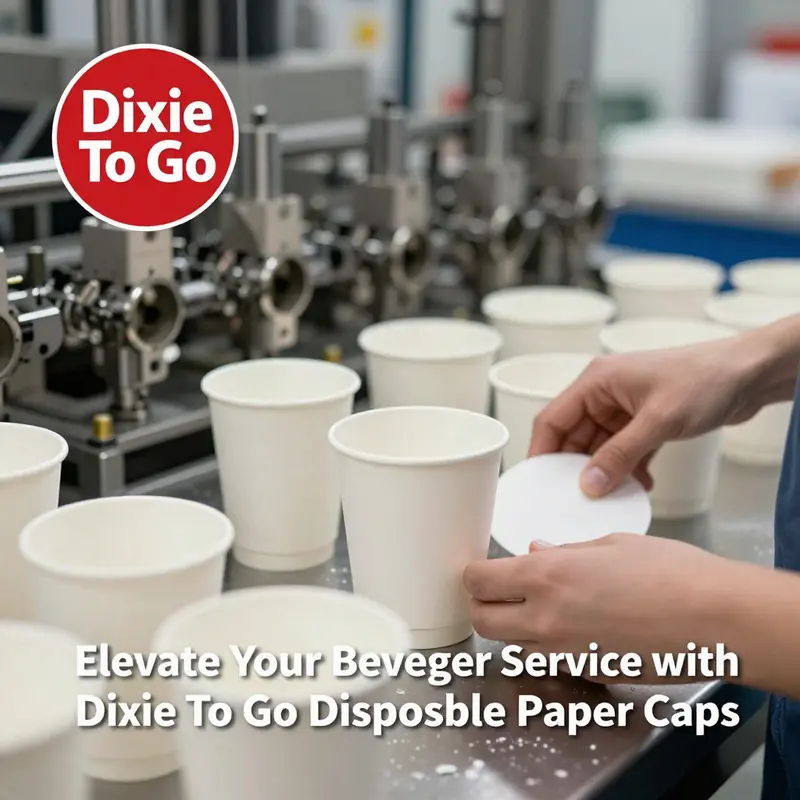
From a manufacturing perspective, the process begins with pulping and refining the fiber mix to generate the base stock. The shape of the cup is formed through high-speed, automated forming equipment that presses, dries, and trims the container to precise dimensions. After forming, the interior coating is applied in a controlled manner. If a PE lining is used, it is extruded or laminated onto the interior surface in a thin, uniform layer that preserves barrier properties without adding excessive thickness. If alternative materials such as PLA or bagasse-based laminates are employed, the process requires different coating lines and curing steps to ensure the final cup meets heat resistance and barrier requirements. The coating step is followed by curing and, when needed, surface finishing that may enhance grip or aesthetics.
Quality control threads through every stage. Dimensional checks ensure that the cup diameter and lip thickness align with the lid’s seating criteria. Visual inspections and automated sensors detect surface defects, coating thickness uniformity, and edge integrity. Leak testing, sometimes performed on sample cups, verifies that the combination of cup and liner maintains containment under typical pressure and temperature scenarios. The end-to-end quality regime extends to the assembled cup-and-lid set, verifying that the snap-on mechanism functions as intended without requiring excessive force to apply or remove. This attention to detail is essential; a single misaligned edge or a slightly uneven lip can degrade performance in the field, particularly in the high-frequency environment of a cafe rush.
An ongoing frontier in manufacturing is balancing performance with sustainability. Companies explore resin choices, fiber sourcing, and process efficiencies that lower energy and water use while still delivering the same level of reliability. The supply chain often emphasizes responsible fiber procurement, certifications for sustainable forestry, and traceability that helps ensure that the paperboard and coatings come from vetted sources. In practical terms, that means suppliers work with mills that manage raw materials with an eye toward ecological stewardship, while manufacturers implement energy-saving equipment, closed-loop water systems, and waste reduction programs. The result is a product that can be built to a competitive price point while still aligning with the growing demand for responsible packaging.
The environmental considerations surrounding these cups go beyond the moment of purchase. The move toward plant-based or compostable elements adds nuance to how end users dispose of the cups. Biodegradable and compostable options are appealing in theory, but they depend on infrastructure. Industrial composting facilities can accommodate PLA or bagasse-based designs, but curbside composting programs vary by region, and some facilities cannot accept coated paper cups at all. Recycling streams face their own challenges, as the plastic liner complicates standard paper recycling. Consequently, many variants are designed to be recyclable as paper products separated from any non-plastic components, yet real-world outcomes depend on local facilities and consumer behavior. In this sense, the cup becomes a test case for the broader circular economy: it demonstrates a willingness to innovate, even as it exposes the friction between product design and waste management systems.
Within the broader market, the to-go cup family has also evolved in response to customer preferences for aesthetics and branding. A number of variants offer options for logos, color lanes, and printed messages that align with a cafe’s or event’s visual identity. The presence of a lid that snaps securely into place complements the ease of use across a range of beverages, from dark roast to cold brew, from hot chocolate to iced tea. This convergence of performance and presentation is not incidental. It reflects a recognition that business customers seek reliability for their daily routines and visitors expect a clean, consistent experience that reinforces trust in the brand—and in the disposable solution that accompanies it. In practice, this translates into products that are not only functional but also capable of conveying a sense of quality through tactile grip, a dependable seal, and an understated, on-brand exterior. The interplay between function and presentation matters for operators who rely on predictable performance in high-volume settings.
For readers who want to explore adjacent material choices or alternative designs while considering the same end-use goals, one micro-niche example is the availability of eco-friendly, printed-logo cups that aim to reduce plastic usage and support recycling. These alternatives illustrate how manufacturers tailor surface finishes and barrier layers to accommodate branding needs without compromising core performance. A linked resource on this topic offers insight into how such designs balance sustainability with market demands, and it serves as a practical illustration of the broader principles discussed here. eco-friendly printed logo paper cups with lids
Taken together, the materials and manufacturing choices behind these to-go cups reveal a deliberate alignment of engineering, logistics, and environmental stewardship. The cups must withstand the heat of a fresh brew or the chill of a cold drink, while remaining approachable to operators who value speed, consistency, and cost efficiency. The packaging ecosystem around them—lids, sleeves, and liners—must integrate smoothly, with predictable fits and minimal risk of leaks. The end result is a product that supports a fast-moving, diverse beverage landscape without becoming a drain on resources. This balance between performance and responsibility continues to shape development in the field, guiding ongoing refinements to fiber blends, coating technologies, and manufacturing processes that aim to improve sustainability without compromising the everyday reliability customers rely on in cafes, catering events, and travel.
External resources provide additional context on official product specifications and current industry standards. For more technical details on a widely used to-go cup, see the manufacturer’s official product page detailing 12-ounce cup dimensions, lid compatibility, and material composition as part of a broader product family. External resource: https://www.dixie.com/products/dixie-to-go-paper-coffee-cups-with-lids-12-oz-156-ct
From Commuter Lattes to Festival Hydration: The Everyday Reach of To-Go Disposable Paper Cups
A cup that travels with you can feel almost invisible, until you realize how often it quietly shapes the rhythm of a day. To-go disposable paper cups are more than vessels for hot coffee, icy tea, or post-workout smoothies. They are a study in balance between utility and ritual, designed to keep beverages at the right temperature while offering a grip that feels natural in a crowded city street, a bustling cafe line, or a sunlit festival field. The cups in question are built with a careful touch of insulation that resists heat enough to prevent a burn when you hold a steaming beverage, yet remains light and approachable enough to slip into a bag without bulk. Their lids snap into place with a reassuring click, sealing in a moment’s warmth or chill and making spills less of a risk in transit. The result is a disposable option that earns its keep wherever a drink accompanies movement and time constraints.
Consider the daily commute. A busy professional may wake before the sun and head toward a tram, bus, or car, hoping for a sip that comforts the morning rush. In this scenario, the cup’s heat-resistant insulation serves a real purpose. A Perforated Touch™ insulated handle, if present in certain designs, provides a secure hold even when fingers are numb from the early chill. The grip is not merely ergonomic; it is functional in the sense that you can retrieve, carry, and sip with a pace that keeps you on schedule rather than halted by a slippery, hot cup. For many commuters, the transition from car cup holder to office desk is seamless because the cup’s shape and weight align with everyday habits. A lid, designed to seal against the unpredictable jostle of a bus or a crowded sidewalk, protects both clothing and the beverage experience.
In the office world, these cups play a quiet but vital role in maintaining workflow and hygiene. They appear in break rooms and conference centers, stacking neatly in a corner or lining a service area as teams gather for meetings, quick updates, or casual chats over warm arabica or herbal blends. The 16-ounce option often stands as a generous serving that satisfies a moment of pause during a long session, while the 10-ounce size fits a shorter, steadier caffeine jolt. The lids, when clicked into place, reduce the risk of accidental spills on laptops, documents, or presentation remotes. In a culture that prizes efficiency, the disposable cup becomes a prop for hospitality—an unobtrusive tool that allows people to focus on content and collaboration rather than cleanup. Yet the cup’s utility is not limited to formal settings; it easily serves casual lounge spaces, student study lounges, or hallway conversations between classes.
Retail counters and drive-through lanes present another dimension of usage. In fast-paced settings, speed and reliability are indispensable. The cup’s single-wall construction, paired with an interior lining that resists leaks, provides a practical solution for both hot and cold beverages. The ability to pre-pack drinks for a line of customers means service can stay brisk without compromising cleanliness or safety. Lids are designed for snap-fit protection, an essential feature in automotive environments where vibrations and turns could otherwise loosen a less secure cap. The result is a service experience marked by consistency: customers receive a cup that fits their expectations for leakage protection and temperature maintenance, and staff appreciate a consistent product that minimizes the mess and post-service cleanup. In this context, the cup becomes a bridge between high-volume throughput and the personal moment of enjoying a drink on the go.
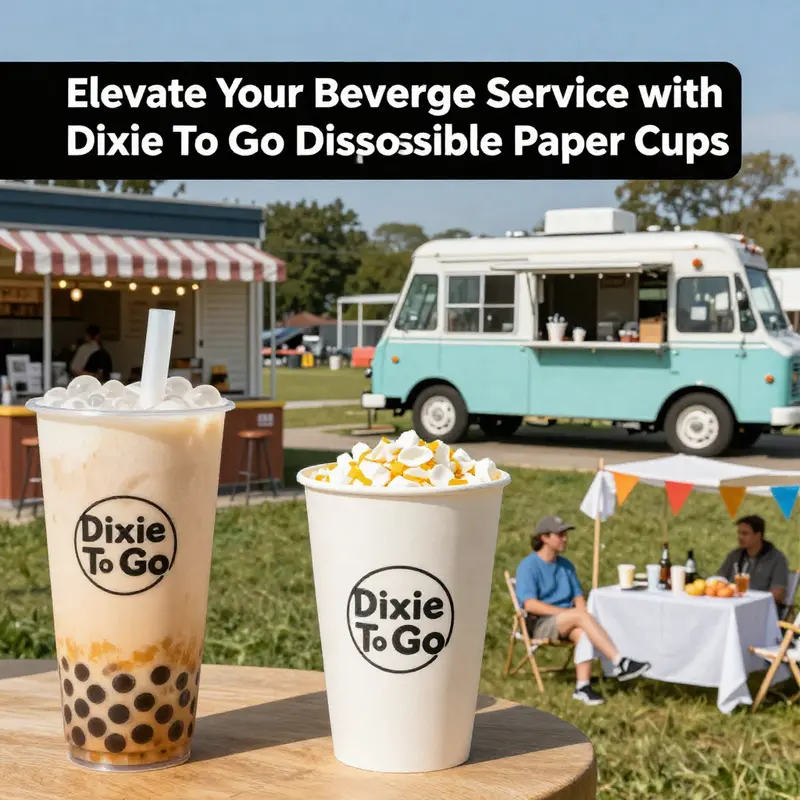
In the realm of events and festivals, the disposable cup takes on a larger, more social role. Outdoor gatherings demand durability, ease of handling, and a hygiene-conscious approach to service. The stackable design helps organizers and vendors manage large quantities without sacrificing space, while the lightweight construction supports quick replenishment during peak moments. For attendees, the cup offers reliable insulation for days of sun exposure and fluctuating temperatures, whether they are sipping from a hot mulled beverage during a chilly evening or enjoying a cold iced drink during a mid-afternoon set. The combination of leak resistance and ergonomic grip makes the cup a practical companion for wandering between stages, food stalls, and seating areas. It is not glamorous in the sense of artisanal tableware, but it earns a place in the logistical backbone of events, ensuring that the beverage experience remains pleasant and mess-free even as crowds move through a festival footprint.
Outdoor activities and gym visits further illustrate the versatility of these cups. The design prioritizes portability—the kind of portability that fits easily into gym bags, backpacks, or travel totes. A cup that is light enough to carry without becoming a burden is essential when you want to grab a post-workout smoothie or a casual coffee before a workout and still have room for gear, water bottles, and a towel. The leak-proof lid reduces worry about spillage when stepping onto transit or a park trail and helps keep hands clean during an uphill incline or a rapid stride between trainers. For hot beverages, the insulation ensures a sip remains enjoyable rather than overwhelming; for cold drinks, it preserves chill without the condensation that can soak a sleeve or a glove. The cups’ packaging and lids meet the needs of active life—where time, space, and cleanliness converge in a single, disposable, easily managed package.
Within schools and university campuses, the cup’s value becomes evident in the cadence of daily routines. Cafeterias and student lounges host quick rituals: a caffeine lift before a lecture, a mid-day tea to reset after a lab, or a low-cost refreshment during study sessions. In such environments, the disposable cup minimizes the operational burden on staff and reduces cross-contamination risks associated with shared mugs. The quick turnover of cups in bulk storage lines means fewer supply disruptions and less time spent dealing with broken or misplaced drinkware. For students, the convenience of a grab-and-go cup aligns with back-to-class routines, shifting the moment of order from a slow, one-by-one process to a streamlined, efficient experience that supports learning rather than hindering it. Across these varied settings, the core strengths of the cup—insulation, leak resistance, secure lids, and a grip that accommodates weariness or hurried movements—show how a simple disposable option can become a dependable, almost invisible facilitator of daily life.
The ubiquitous nature of these cups also invites reflection on their broader role in the beverage ecosystem. They support a culture of convenience that rewards speed and hygiene, yet they also shape how businesses design their service flows. The right cup design can influence the layout of a counter, the timing of orders, and the way staff train to handle hot beverages with care. The availability of multiple sizes enhances versatility, whether a store aims to offer a standard, full-serving mug in a café queue or to provide a smaller portion for a quick pick-me-up. The lids that seal tightly while still enabling comfortable sipping contribute to a smoother customer experience, reducing the likelihood of spills on car seats, desks, or laps. And because these cups are designed to be produced at scale and stacked efficiently, they align with the operational realities of modern service—that is, rapid turnover, predictable waste streams, and the need to maintain a clean, inviting environment for customers.
The discourse around disposable cups inevitably touches on the interplay between convenience and sustainability. While this chapter foregrounds usage scenarios across diverse settings, it is important to acknowledge that disposal remains a practical responsibility. The interior lining and the single-wall construction are designed for performance as a disposable item; thoughtful waste management and recycling practices help ensure the lifecycle of the cup remains as responsible as possible within the given context. In many venues, staff are trained to separate cups from other waste streams and to provide clear guidance for customers who wish to recycle or dispose of their cups properly. The balance between user-friendly design and environmental stewardship is a moving target, one that continues to inform product improvements and operational policies in spaces from corporate cafeterias to outdoor concerts. As service models evolve, so too will the cups and lids that support them, maintaining a reliable standard for on-the-go beverage service while encouraging mindful consumption and disposal.
For readers curious about variations that emphasize customization and branding, there are options that pair eco-friendly materials with printed logos and color schemes. A representative example in this space demonstrates how brands capture identity on a practical, everyday item. The ability to feature a logo or color theme on the cup does more than aesthetics; it reinforces recognition and consistency across locations and channels. When a customer sees a familiar cup in a queue or at a festival stall, that visual cue can reinforce trust and reliability just as effectively as the tactile grip and leak-proof lid. The integration of branding with functional design illustrates how even everyday items can carry meaning beyond their immediate use, contributing to a cohesive customer experience that extends from the counter to the curb and beyond. To explore this branding angle further, you can consider examining a category that highlights eco-friendly printed logos on take-away coffee cups, such as the linked example, which provides a concrete demonstration of how customization meets responsible design. senang07-eco-friendly-printed-logo-buy-paper-cup-take-away-coffee-cup-8-oz-12-oz-paper-cup
In sum, the everyday usability of these disposable paper cups stretches across the places people gather, travel, and work. They accommodate the pace of modern life without demanding a heavy commitment from users or businesses. They enable moments of enjoyment—hot, cold, or somewhere in between—while supporting practical realities like spill prevention, temperature maintenance, and hygiene. They also reflect a broader pattern in consumer culture: the preference for products that are straightforward, reliable, and portable, even when those products reappear in multiple contexts throughout a single day. As you move through a typical day, from the train platform to a crowded conference hall, from a gym lobby to a campus quad, these cups stand at the ready, quietly enabling the rituals that keep daily life moving forward.
External reference: https://www.amazon.com/Dixie-To-Go-Disposable-Paper-Cups/dp/B07V3Y9QZ2
null
null
Shaping the Cup: Consumer Preferences in Sustainable, On-the-Go Paper Cups

A recent wave of consumer insight has reframed the disposable cup from a simple vessel into a deliberate choice about sustainability, convenience, and brand experience. In markets where coffee culture and quick-service dining are part of daily life, the to-go cup has become more than a tool for transporting a hot or cold beverage. It is a signal of values, a touchpoint in a larger dialogue about waste, and a canvas for design that earns social attention. The chapter of consumer preference that matters most here is not confined to a single feature, such as insulation or leak resistance. Rather, it is the synthesis of several evolving priorities that together define what people expect when they pick up a cup for their on-the-go moment. The trend toward biodegradable and renewable materials sits at the core of this shift. Consumers are increasingly wary of waste and eager to see packaging align with a mindset of circular economy thinking. They want paper cups that can be composted or recycled through accessible channels, rather than those that simply use plastic linings or PE coatings that complicate end-of-life recovery. In response, manufacturers are exploring materials and process changes that preserve performance while reducing environmental impact. The emphasis on sustainability is not a niche concern; it is becoming a primary consideration in purchase decisions, influencing both everyday buys and larger brand loyalties. The expectation is that cups will perform reliably—holding heat without burns, resisting leaks, and offering a secure lid—yet they should also reflect responsible sourcing and responsible disposal. This dual demand creates a design challenge that pushes researchers and suppliers to innovate with barrier technologies, coatings, and fiber blends that move beyond traditional practices while addressing real-world composting or recycling infrastructure. Consumers assess trade-offs not only in ecological terms but in practical ones as well. A cup might be biodegradable in ideal conditions, yet if those conditions aren’t present in local waste streams, the perceived benefit weakens. Thus, consumer preference now integrates knowledge about local waste ecosystems with expectations about packaging performance. Convenience remains a defining driver: the insulated, non-slip grip that makes a hot drink approachable in a crowded café line or a traffic-filled commute is a feature that genuinely improves daily life. The same cup must also offer leak protection, easy lids that snap securely in place, and compatibility with a range of beverages from bold espresso to cool drinks. This combination of comfort and safety reduces the risk of spills, burns, or awkward handling, which is especially important for customers juggling bags, phones, and keys. Beyond function, aesthetics and branding contribute to a cup’s appeal. Modern consumers, particularly those at events, in retail spaces, or within social media moments, respond to visually striking packaging. Multicolor designs, customizable branding, and decorative motifs transform a disposable cup into a shareable experience. Brands are aware that the cup can amplify a mood, echo a seasonal campaign, or reinforce a company’s design language in real time. The value of customization has become a strategic asset, enabling businesses to deliver a cohesive brand moment in the cup’s tiny glass. In this sense, a cup becomes a portable billboard for a brand’s story, rather than a mere container for a beverage. The interplay of sustainability, convenience, and design creates a layered product narrative that resonates across consumer segments. Younger consumers, in particular, demonstrate a willingness to reward brands that demonstrate environmental accountability with both actions and transparent communication. They are more likely to explore packaging options that disclose material composition, recyclability, and the intended end-of-life path. This does not imply a one-size-fits-all shift toward premium materials alone; it signals a more nuanced market where affordable, responsible choices compete with conventional options. Price remains a factor, but sustainability is increasingly normalized as part of value rather than an add-on. For many buyers, the cost of a cup includes the cost of a cleaner sense of responsibility—an intangible but meaningful component of the purchase that shapes long-term loyalty. In parallel, the rise of on-the-go lifestyles has intensified the demand for a cup that is versatile across hot and cold beverages, and across a broad range of service contexts. Cafés, food trucks, drive-thrus, and corporate events rely on packaging that can travel well, maintain temperature, and withstand the rigors of transport. A single-wall paper cup with a robust coating may perform perfectly in a café but could fall short in a fast-paced delivery or outdoor event scenario if its barrier is not up to the task. Hence, materials science continues to be a crucial driver of consumer satisfaction. The industry is experimenting with barrier coatings that balance heat resistance with compostability, and with papers sourced from forests that follow responsible management practices. Consumers respond to these advances through clearer choices and, increasingly, through expectations that brands will verify and communicate the lifecycle implications of their packaging. The balance between sustainability and performance often translates into practical decisions about coating types and fiber blends. A shift away from PVC-based or certain petroleum-based barriers toward plant-forward alternatives tends to align more closely with consumer values, while still meeting the functional demands of hot beverages. As these transitions unfold, companies that can demonstrate credible environmental stewardship without compromising cup integrity stand to gain a broader market share. The story is not purely technical. It intersects with branding, event marketing, and consumer education. The ability to tell a compelling story about where materials come from and what happens after disposal adds a layer of value that goes beyond the cup’s immediate use. Brands that invest in clear, consistent messaging about sustainability, without overpromising on end-of-life outcomes, tend to cultivate trust and repeat purchases. Meanwhile, the design language of cups—colors, logos, textures—becomes a focal point for experiential retail. In a world where experiences are shared online, an attractive cup design can contribute to a customer’s memory of a moment, reinforcing both brand affinity and the perceived quality of the product it contains. It is this combination of ethical consideration, practical function, and aesthetic resonance that defines contemporary consumer preference for disposable paper cups in on-the-go contexts. The landscape is not static. Market dynamics from 2025 show that biodegradable and compostable options are expanding, with growth opportunities tied to both material innovation and consumer education. This means brands that include sustainable options as part of their standard lineup, rather than as a premium add-on, are more likely to meet broad expectations. It also implies a need for ongoing dialogue with waste management ecosystems so that disposal paths align with what customers anticipate when they choose a “green” cup. For readers exploring real-world examples of how sustainability and branding intersect in this space, an illustrative approach can be found in eco-friendly printed-logo cup offerings that emphasize branding while keeping environmental considerations in view. These products demonstrate how a single vessel can support both marketing objectives and responsible consumption goals. To see a practical instance of this approach, consult the eco-friendly printed-logo take-away coffee cup page, which provides insight into how branding and sustainability can be combined on a disposable cup: eco-friendly printed-logo paper cup take-away coffee cup (8 oz, 12 oz). Beyond the link and its marketing implications, readers should consider how the broader consumer landscape will keep evolving: more generations aware of environmental trade-offs, more cities developing curbside recycling and composting infrastructure, and more brands experimenting with design-first packaging that prioritizes user experience alongside ecological responsibility. In this sense, the to-go cup becomes a microcosm of the shift toward sustainable consumption, where everyday choices mirror larger values. For researchers and practitioners, the path forward lies in transparent material disclosures, clear disposal guidance, and a continued commitment to align product performance with ecological and societal expectations. As consumer awareness grows, the most successful cup solutions will be those that harmonize heat retention and safety with compostable or recyclable options, all while delivering a visually engaging, brand-appropriate experience. External market insights underscore this trajectory, highlighting the expansive opportunities as the biodegradable packaging segment expands and matures in response to regulatory patterns, consumer demand, and evolving waste-management capabilities: External resource: Global Biodegradable Dixie Cup Market Insights & Opportunities, Growth (2025) https://www.cognitivemarketresearch.com/industries/consumer-goods/biodegradable-dixie-cup-market-insights-and-opportunities-growth-2025
Final thoughts
Dixie To Go Disposable Paper Cups provide a versatile and reliable disposable option that meets the needs of beverage-focused businesses. With their thoughtful design, safety features, and a range of materials that ensure durability, they stand out as an excellent choice for bubble tea shops, food trucks, and catering services. Their market availability and consumer preference trends further emphasize their significance in today’s beverage industry landscape. Choosing Dixie To Go cups means investing in a dependable product that not only enhances the customer experience but also aligns with modern sustainability standards. Equip your business with the best; elevate your beverage service with Dixie To Go Disposable Paper Cups today.