

Clear 16 oz plastic cups are increasingly becoming the go-to choice for beverage businesses, including bubble tea shops, restaurants, food trucks, and catering services. Their transparent design not only enhances the visual appeal of drinks, such as tantalizing bubble tea and vibrant smoothies, but also offers unmatched functionality. In a market that values both presentation and efficiency, these cups provide performance alongside eco-friendly options. This article delves into the performance characteristics of clear 16 oz plastic cups, their diverse applications in food service, an economic analysis of their market pricing, and the crucial sustainability considerations that modern businesses must embrace. Each chapter unfolds distinct facets of these cups, highlighting their integral role in enhancing customer experience while maintaining professional standards.
Seeing the Beverage, Shaping the Experience: Performance and Properties of Clear 16 oz PET Cups

A clear 16 oz cup does more than hold a drink. It acts as a transparent stage where color, texture, and aroma become part of the sensory experience. In the modern food and beverage environment, these cups are prized not only for their ability to showcase beverages but also for the quiet reliability they bring to service, catering, and retail display. When a cup is crystal clear, the drink’s appearance—be it the gradient of a layered smoothie, the swirl of a chilled latte, or the shimmer of a carbonated tea—can be assessed at a glance. The eye is drawn to the beverage before the mind even processes the first sip, and that visual clarity can influence perceived quality, appetite, and even temperature. The material behind that clarity is PET, a thermoplastic that harmonizes transparency with strength, creating a container that feels almost invisible while still performing decisively in a bustling service environment. This pairing of optical brilliance and mechanical resilience is not accidental; it is the result of careful material choice, wall thickness, and the geometry of the cup itself. A uniform rim design, for example, contributes to stable stacking and predictable pouring, reducing wobble during transport and enabling a smoother workflow from bar to table to takeout window. Clarity, durability, and a well-considered rim are not mere aesthetic choices; they are foundational to the cup’s capacity to support a wide range of drinks while maintaining hygiene and ease of use across diverse settings. The practical implications extend beyond the moment of purchase and into the lifecycle of a service operation. A cup that holds its shape when filled with a hot beverage, resists cracking when stacked, and remains transparent after repeated handling tells a story of reliability that customers notice even if they do not articulate it. In a crowded cafe or a rain-slick outdoor event, the combination of clarity and toughness ensures that the beverage presentation remains compelling, even as the cup is passed from hand to hand, stacked for serving, and carefully transported to a waiting guest. The visual appeal is most obvious with color-rich drinks such as smoothies and iced coffees, where the glass-like clarity reveals the drink’s depth and a touch of frost along the rim. Yet the same properties matter for less vibrant beverages, where the absence of cloudiness communicates cleanliness, confidence, and a straightforward relationship between container and contents. PET’s clarity is complemented by its lightness, a feature that helps with portion control and reduces overall material usage in bulk applications. A lighter cup translates to lower shipping weight, easier handling for staff, and a more economical footprint when thousands of units are required for a promotional event or daily operation. In turn, this efficiency supports broader sustainability goals, provided end-of-life management aligns with established recycling practices. The material’s behavior under pressure is another crucial facet of performance. The 16 oz form is engineered to resist deformation under typical handling conditions, including pouring, casual dropping from counter height, and stacking in storage racks. This resilience is particularly important for outdoor events where ambient conditions can add risk to spills or breakage. The dome-shaped lid with a flat top, a common pairing with these cups, enhances containment while maintaining a clean silhouette that mirrors the cup itself. The lid’s geometry contributes to a secure seal during transport, a feature that becomes especially valuable when attendees travel between venues, lines, or seating areas. It is this combination of a dependable lid interface and a robust cup body that makes the set suitable for on-the-go consumption, whether in a bustling cafe courtyard, a festival plaza, or a quiet delivery scenario. The design also accommodates practical pouring and sipping experiences. A small spout or a dasher style option lends itself to stop-and-go service models, where customers may want to pour a portion into a tasting glass or to maximize control over the drink’s flow. In a world where speed and hygiene are paramount, that small pouring feature becomes a meaningful ergonomic detail—reducing drips, conserving product, and supporting a more comfortable consumer experience. The cup’s ability to hold a standard portion—about 473 milliliters—aligns with expectations that are familiar to both kitchen staff and customers. This standard capacity supports consistent recipe proportions across beverages, from a robust iced coffee to a thick fruit smoothie. It also aids in portion control during promotions and sampling, where uniform serving sizes help manage inventory and pricing across a campus, a concession stand, or a pop-up booth. The transparency that makes the cup attractive also sets a responsibility in how beverages are presented. A visually appealing drink invites careful preparation and thoughtful garnishing, yet the container must remain honest about what it contains. PET’s clarity keeps the drink’s integrity visible, which helps staff verify color, layering, and the absence of sediment or separation at a glance. From a safety and regulatory standpoint, the absence of BPA in most PET cups is reassuring to both operators and guests, reinforcing consumer confidence in everyday use. The material circuit extends to environmental considerations as well. PET is widely recyclable, and cups produced from this polymer can be redirected into closed-loop streams where local infrastructure supports plastics recovery. This recyclability becomes a practical advantage for operators who want to communicate responsible waste practices to customers while maintaining economical packaging. However, it is important to acknowledge the life-cycle reality: the end-of-life path depends on regional recycling capabilities, collection programs, and consumer participation. In facilities that can handle PET cup recycling, these cups can be rerouted to create new containers, reducing the demand for virgin resin and mitigating long-term waste. Some market observers point to emerging compostable alternatives that use polylactic acid (PLA) or other biopolymers. These materials bring different end-of-life dynamics—industrial composting, generally—yet they are not a universal substitute for PET in terms of clarity, cost, or mechanical performance in all applications. For most everyday use cases, PET cups fulfill a robust balance of optical quality, strength, and recyclability, while offering a straightforward supply chain that supports large-scale operations with predictable performance. The convenience of branding cannot be overlooked. Clear cups opened a path for custom logo printing, enabling a business to imprint its identity on the cup—an affordable, high-visibility medium for events, promotions, and point-of-purchase displays. Branding on the cup itself complements the beverage’s visual appeal, turning a simple container into a mobile advertisement and a tangible extension of a brand’s personality. The customization options are not just about aesthetics; they can influence customer recall, loyalty, and willingness to engage with a promotion. In practice, these options range from plain units to lidded configurations and straw-ready sets, with the potential for color accents, logos, or promotional messages. The economics of such packaging choices reveal a familiar dynamic: higher volumes reduce per-unit costs, enabling a business to maintain margins while still delivering a premium customer experience. The initial research landscape notes an active market with bulk pricing structures and a variety of configurations designed to meet different needs—from simple, cost-conscious servings to premium, branded deployments at large-scale events. While the specific numbers vary by supplier and region, the guiding principle remains: the combination of clear optics, reliable physical performance, and flexible customization creates a disposable solution that does not force a compromise between presentation and practicality. Where these cups truly shine is in the sum of their parts. The material’s optical quality, its resistance to cracking under routine handling, the security and efficiency of the lid design, and the straightforward capacity that aligns with common beverage portions all converge to form a dependable package for a broad spectrum of drinks. The cups support not only the technical requirements of service and logistics but also the sensory and marketing expectations that shape consumer choice. They enable operators to present beverages in a way that is both visually compelling and pragmatically efficient, ensuring that a hot-spiced latte or a chilled fruit drink travels intact from counter to customer. They also support sustainability conversations by providing a recyclable option that fits neatly into many municipal programs, even as markets continue to refine what “responsible disposal” looks like in practice. In the end, the performance and properties of clear 16 oz PET cups are a reminder that packaging can be both aesthetic and functional without sacrificing simplicity. The best designs lean into the strengths of the material while accommodating the realities of rapid service, portability, and consumer expectations. The result is a container that upgrades the beverage experience by preserving clarity, ensuring reliability, and inviting the consumer to focus on what matters most—the beverage itself and the moment it is enjoyed. External resources offer additional context on the material science that underpins these benefits, providing a broader view of PET’s role in modern packaging and its environmental implications. For a broader look at PET materials and sustainability, see https://en.wikipedia.org/wiki/Polyethylene_terephthalate
Seeing Through Service: Elevating Beverage Presentation with Clear 16 oz Cups in Food Service

Clear 16 oz cups do more than hold a drink; they become a silent stage for the beverage itself. In a crowded cafe, a QSR line, or a bustling catered event, the eye is the first sense engaged. The transparency of a 16 oz cup invites an instant appraisal of color, texture, and even the tiny swirls of whipped cream or fruit flecks that crown a smoothie. When a customer can see a beverage from the rim to the bottom, confidence grows. They can assess the brew’s clarity or the shade of a cold brew with confidence, and the decision to take a cup becomes almost automatic. This visual clarity is not a mere aesthetic flourish. It is a practical cue that communicates quality, freshness, and portion integrity. In many drink categories, the cup is half the product’s face to the consumer; it is the vessel that frames the drink’s story before a single sip is taken. For operators, that same clarity translates into a reliable, repeatable experience. A fleeting impression—the evenness of the pour, the absence of cloudiness, the way a layer of foam sits atop a latte—can be as influential as the drink itself. Deployed thoughtfully, clear 16 oz cups help standardize the presentation across service channels, whether the beverage comes from a counter at a bustling food hall or a mobile cart at a festival. The cup’s design, materials, and accompanying lids and closures work in harmony to maintain that perception of purity and care throughout the guest journey. In practice, this means that every sip is a miniature reflection of the shop’s standards, from the cleanliness of the fill line to the snugness of the cap, and even the ease with which a straw can be threaded through a lid without disturbing the drink’s topography. The 16 oz format aligns with familiar portion expectations for a wide swath of beverages, from iced coffee and tea to smoothies and milkshakes, ensuring consistency across menus and formats. The consistent 473 ml measure supports reliable inventory planning and a predictable customer experience, which is particularly valuable in high-volume environments where speed and accuracy govern repeat business as much as flavor does. In these settings, the cup becomes a tool of efficiency as well as presentation. The dome-shaped lid with a flat top, a feature common to many clear 16 oz cups, plays a pivotal role in on-the-go consumption. It creates a secure seal for transport, reduces spill risk during delivery or curbside pickup, and preserves freshness when beverages must travel from counter to customer or event to attendee. The flat top also offers a stable surface for toppings or dressings, such as whipped cream, fruit garnish, or a dusting of cocoa, without risking collapse or leakage during transit. Operators often couple these cups with domed lids or flat lids and, in many cases, with compatible straws for a complete disposable service that remains visually appealing even after hours of service. Lid compatibility matters as much as lid style; a well-sealed lid helps preserve carbonation in a citrus soda or keep a smoothie’s fiber and fruit pieces suspended rather than separating and spilling. The effect is twofold: a customer experience that feels secure and a brand experience that feels deliberate and thoughtful. The material science behind these cups also supports this experience. PET and PP are common in clear 16 oz cups for their excellent clarity and low weight, coupled with high resistance to breakage. These properties matter in high-traffic venues where cups are stacked, transported, and handed over the counter with minimal risk of shattering. In addition, many modern iterations explore blends that lean toward eco-friendly credentials, such as PET with PLA (polylactic acid) blends. This approach aims to retain optical clarity and durability while signaling a commitment to sustainability, a balance increasingly valued by customers and regulators alike. Clarity, after all, is not just about beauty. It is about trust. A cup that fogs, yellows with heat, or loses rigidity under cold beverages can undermine confidence in the drink’s safety and freshness. Clear cups that resist deformation when hot liquids are poured and that maintain a firm structure when filled with thick smoothies or iced drinks contribute to a smooth, efficient service experience. The physical reliability of the cup directly supports staff performance. When a cup holds its shape under a hot beverage, the staff can pour confidently without worrying about leaks or awkward spills. When a cup stacks neatly and unembarrassingly with others, it reduces handling time and friction at the point of service. This is especially important in catering and event settings, where hygiene and efficiency are paramount and where the disposable nature of the cups can lower labor costs associated with cleaning and sanitizing returnware. The sanitary benefits are worth highlighting. In environments that demand high throughput, disposable cups simplify sanitation protocols and mitigate cross-contact risks. BPA-free construction and third-party certifications, such as those associated with eco-friendly disposal standards, reassure operators that they are meeting health and environmental expectations while maintaining guest safety. Furthermore, the branding potential of clear 16 oz cups is more than a marketing add-on; it is a practical channel for messaging at the exact moment a guest considers their beverage. Clear cups provide a pristine canvas for logos, seasonal art, and promotional messages through printed designs or color-accurate decals. The impact of branding on consumer recall and perceived value is well established; a well-placed logo or festive graphic on a cup seen during ordering or pickup can reinforce a brand’s identity in a way that a napkin or sleeve cannot. This is why many suppliers offer printing or customization options, enabling businesses to elevate their beverages from mere refills to memorable experiences for customers and guests. The design language of the cup interacts with the drink’s color palette. A bright tea or a vibrant smoothie makes the clearest impression against a glass-clear background, while darker beverages like iced coffee or chocolate milkshakes reveal subtle differences in opacity and texture that signal the quality of the ingredients. The cup also functions as a stage for desserts and semi-solid foods in buffet or grab-and-go contexts. A yogurt parfait or fruit-topped dessert can be presented in a 16 oz cup and seen through its sides, allowing the layers to shine while the lid preserves hygiene and prevents drips. In event settings, the cup’s professional appearance supports a sense of organization and hospitality. Guests can process lines, identify beverages quickly, and feel confident that their portion is the one they chose. This is especially important at large gatherings where a uniform and polished presentation contributes to the event’s overall impression. Beyond visuals, the economic aspect of clear 16 oz cups deserves careful consideration. While the unit price can fluctuate with order size, the general payload is compelling: bulk orders can unlock cost efficiencies that fit tightly into event budgets or restaurant procurement plans. Even at modest price points, the overall cost-per-serve remains favorable when you factor in sanitation savings, reduced labor for washing, and the ease of disposal after service. For managers weighing options, the combination of visual appeal, reliability, and branding potential often tips the scale toward clear 16 oz cups. In terms of sustainability, the conversation is becoming increasingly nuanced. Some facilities explore blends of PET with PLA to improve compostable credentials without sacrificing clarity or toughness. Others pursue fully recyclable or compostable variants, depending on local waste streams and certifications. The key is transparency about disposal expectations and alignment with the venue’s sustainability goals. The capacity to customize extends beyond branding. It supports menu differentiation—custom beverage sizes for seasonal menus, or adding a toppable layer for a dessert cup that doubles as a ready-to-serve offering at festivals. When a server or barista can hand a guest a cup that looks as good as the beverage tastes, the perceived value of the drink increases. That perception matters, because it translates into repeat visits and word-of-mouth referrals, which are the lifeblood of both casual dining spots and event-based operations. The practical pathway to achieving these outcomes often runs through well-structured procurement and design choices. Clear cups must be compatible with the lids, straws, and closures that a venue uses across its range of beverages. Uniform rims and reliable stacking patterns help store staff work quickly and predictably, reducing training time for new hires and enabling a consistent customer experience. Even the smallest details—the bite of a straw, the fit of a lid, the feel of the cup’s rim when touched by a customer—contribute to a sense of care, precision, and quality. In exploring the broader landscape of cup design and usage, one can see how such a seemingly simple item becomes a nexus point for operations, branding, sustainability, and guest perception. The choices made around clear 16 oz cups ripple through the supply chain, affecting vendors, baristas, handlers, and guests alike. For operators contemplating the next step in beverage presentation, it is worth considering not only the cup’s look and feel but also its lifecycle: sourcing, transport, in-store handling, and end-of-life disposal. These considerations are not merely logistical; they reflect a business’s values and its relationship with customers who increasingly expect clarity in both product and process. To illustrate the breadth of application, consider the versatility of the 16 oz format. It is a size that comfortably accommodates a range of beverages while leaving room for toppings and garnishes that elevate the drink’s visual appeal. It performs well across hot and cold uses, particularly when the materials chosen are designed to resist heat distortion or moisture absorption. The evolving category also demonstrates how manufacturers continue to refine lids and closures to improve spill resistance and maintain beverage integrity during transport. As consumer expectations shift toward speed, convenience, and eco-conscious choices, clear 16 oz cups offer a robust platform for delivering a high-quality experience that matches those expectations. They blend practicality with aesthetics, enabling a consistent, reliable, and visually compelling beverage experience across front-of-house, in-store, and event settings. In addition to the core advantages discussed, operators should remain mindful of the sourcing choices that shape the environmental footprint of their beverage service. The availability of PLA-blended materials and compostable options indicates a growing recognition that customers appreciate visibility into a cup’s life cycle and disposal path. The balance between cost, performance, and sustainability will continue to drive innovation in this space, prompting ongoing evaluation of suppliers, certifications, and logistics. For practitioners seeking to ground their decisions in practical experience, the chapter offers a reinforced truth: the cup is a critical, ambidextrous tool in food service. It serves both as a reliable vessel and as a brand ambassador. Its clarity invites the eye to linger on the beverage’s color and texture, its lid and fit offer reassurance during transport, and its disposable nature supports efficient service in high-volume contexts. The net effect is a streamlined operation that preserves flavor, protects freshness, and communicates quality with every pour. For teams considering the next step in their packaging and presentation strategy, it is worth exploring a range of options within the category—then aligning those choices with menu design, service flow, and sustainability objectives. Along the way, one can find opportunities to integrate branding opportunities that reinforce the business’s identity without compromising the beverage’s visual appeal. The result is a cohesive service experience that respects the guest’s senses—from sight to sip—while delivering operational efficiency and a consistent, memorable brand impression. Internal link example: for broadening the context beyond plastic options while maintaining a similar emphasis on disposable cup design, see the discussion around disposable double-wall craft paper cups. disposable double-wall craft paper cups. External reference that provides a broader market view of clear cup options and materials can be consulted for a technical overview and supplier perspectives. External resource: https://www.alibaba.com/product-detail/16oz-PLA-Clear-Plastic-Disposable-Cold_1600387239758.html
Clear-View Economics: Market Dynamics and Opportunities in the 16 oz Plastic Cup Trade
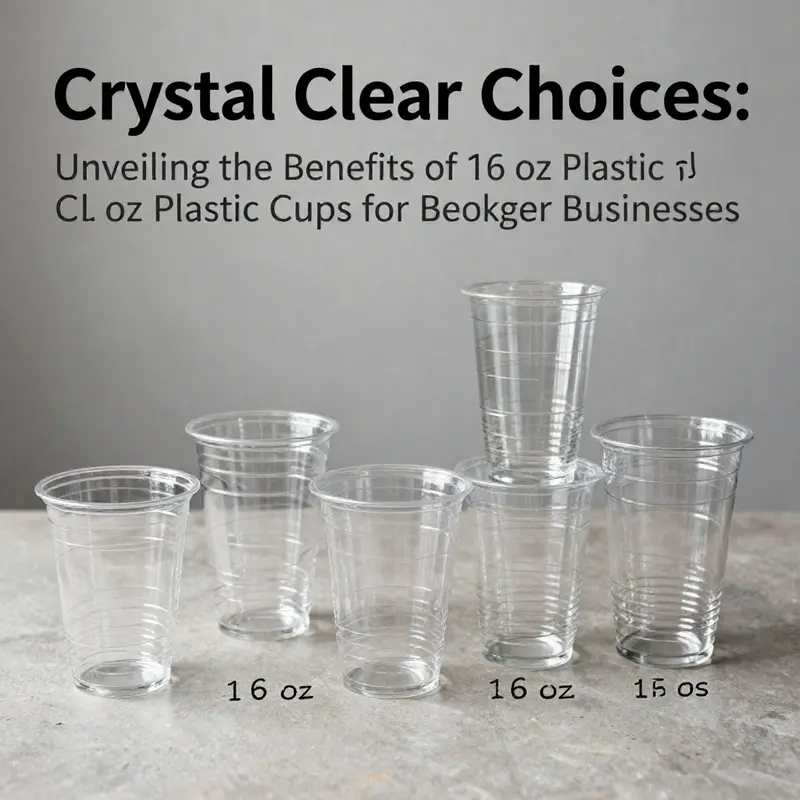
Clear 16 oz plastic cups occupy a paradoxical space in modern foodservice. They are unassuming vessels, yet their market signals reveal a broader story about globalization, consumer rituals, and evolving expectations around sustainability. The transparency that defines these cups does more than showcase a beverage; it communicates quality, freshness, and appeal. When a customer can watch the color, texture, and even the level of a drink, the product becomes more than liquid—it becomes an experience. This simple visual cue helps beverages—from rich espresso drinks to bright fruit smoothies and even cocktails when served in casual settings—register as appetizing. The practical design supports a range of service models, from counter service in cafes to self-serve stations at large events. Dome-shaped lids with flat tops, a recurring feature, seal in freshness and make transport safer, a critical benefit for outdoor markets, catering gigs, and campus pop-ups where movement and weather threaten spill risk. These lids are not merely a convenience; they are a reliability signal that underpins the confidence of operators who must balance speed, hygiene, and guest experience. In many configurations, these cups pair with straw-ready features or a small pour spout, a nod to the needs of smoothie shops and dessert counters that rely on quick, controlled serving. Behind the glassy clarity, the market also rests on a robust engineering base that targets standard portion control. A 473 ml capacity aligns with common beverage recipes and presentation norms, supporting a straightforward conversion from menu to serve-size without forcing operators to guess at product yield. This alignment matters: it reduces waste, improves inventory planning, and stabilizes unit economics across high-volume days. The sheer versatility of the clear 16 oz format makes it a convenient default for a broad spectrum of operators, from coffee roasters and juice bars to event organizers and promotional campaigns. Such ubiquity feeds a virtuous cycle: consistent demand encourages scalable production, which in turn lowers unit costs and widens access for new entrants, all while maintaining the essential clarity that customers expect. The material backbone of these cups, most commonly polystyrene (PS) in practice, brings clarity, rigidity, and cost efficiency to the table. While some variants employ PET or PP for specialized uses, PS remains widely favored for its optical clarity and stiffness. The choice of material influences not just the look and feel but also the physical behavior in service environments—how easily a cup withstands stacking, how well it resists cracking under heavy ice, and how cleanly it accepts printing for branding. Even when the market glides toward alternatives, the PS-based options persist due to favorable cost-performance tradeoffs, especially in high-volume contexts where every cent saved per cup compounds into meaningful savings at the end of a quarter. Yet it would be shortsighted to view 16 oz cups purely through the lens of material science. The economics of this market are deeply intertwined with global manufacturing dynamics. China has long asserted itself as the production hub for plastic drinkware, a position supported by a dense ecosystem of suppliers, a mature logistics network, and the scale needed to meet growing, varied demand. This structural advantage translates into relatively low minimum order quantities, enabling startups and smaller brands to experiment with branding, design, and distribution without locking in prohibitive upfront commitments. It is common to encounter MOQs in the hundreds of thousands for standardized configurations, but emerging arrangements have reduced this threshold further for early-stage brands that want to test markets before committing to larger runs. The terms of trade often reflect a well-tuned export framework: typical arrangements may include a 30 percent deposit with the balance due before shipment, packaging aligned to export standards, and established port routes that support predictable lead times. Wuhan and similar hubs have evolved into logistical nodes that link manufacturers to global buyers, shortening lead times and enabling more reliable supply chain planning. This infrastructural strength feeds a cost advantage that is hard to match in smaller regional plants, effectively lowering the barrier to entry for many new ventures. However, the market narrative is not static. In 2026, procurement managers began to weigh environmental compliance as a material criterion alongside price and delivery performance. The pull toward sustainability reflects a growing consumer insistence on accountability across the lifecycle of a product, from raw material sourcing through end-of-life disposal. Short-term cost concerns coexist with long-term resilience as organizations reassess packaging decisions in light of regulatory changes and evolving consumer values. While PS cups offer clear short-term benefits, there is rising interest in compostable, recyclable, and reusable cup systems, especially in the eco-conscious corridors of Europe and North America. This shift opens up new opportunities for suppliers who can demonstrate credible environmental performance, lifecycle analyses, and compliance with standards that govern food-contact materials. In practice, this means buyers should evaluate suppliers on more than price: they should consider process stability, technical capability, and adherence to international food-safety norms such as FDA or EU regulations. A thoughtful supplier evaluation matrix helps teams navigate risk, ensuring visibility into manufacturing controls, quality assurance, and contingency planning for supply disruptions. Platforms that connect buyers with verified manufacturers, such as bulk suppliers of 16 oz crystal-clear cups, offer real-time comparisons of performance, pricing, and sustainability credentials, enabling more informed decisions. The economics of scale remain powerful. Even with rising sustainability expectations, the appeal of a simple, affordable, reliable cup endures for countless applications. In the rapid pace of a café morning or a bustling event, the ability to deliver beverages quickly, hygienically, and consistently translates into a reliable customer experience. The pricing leagues for these cups illustrate the brutal arithmetic of high-volume packaging: when a unit costs only a few tenths of a cent, even modest reductions multiply across thousands of cups, translating into meaningful differences in the overall cost structure of a foodservice operation. Estimates circulating in procurement circles around early 2026 suggest pricing in the range of a few hundredths of a dollar per unit for large-volume runs, with the lowest MOQs extending into the low hundreds of thousands as brands seek to maintain customization and branding at scale. For a startup testing a concept, the math becomes more delicate—high-volume configurations with branding still matter, but the path to profitability depends on balancing unit cost with added-value elements like logo printing and durable, secure lids. In this landscape, branding opportunities frequently hinge on the ability to customize through flexo printing and other cost-efficient methods that preserve the integrity of the clear plastic. The relationship between price, customization, and brand visibility is central to the market’s appeal. When a shop designs its promotional cups, the outcome is not merely a container but a moving advertisement. The transparent surface becomes a canvas that can accentuate color, logo, and even messaging on beverages. This branding potential is an important driver for retailers and event organizers who want to amplify recognition in crowded spaces. In such settings, the combination of clear presentation and reliable functionality creates a base assumption: the cup is a dependable vehicle for taste and presentation. As brands seek to balance short-term budgets with long-term brand-building, the supply chain’s flexibility matters nearly as much as the raw material costs. That is where the supplier ecosystem becomes a strategic ally. Through careful vendor selection, buyers can access low MOQs for experimentation, then scale to more complex configurations as demand proves itself. The story of clear 16 oz cups is thus not only about a commodity’s price but about a system that can respond to shifting consumer preferences, evolving regulations, and the pressures of rapid market change. The literature and industry observations point toward a cautious optimism: the core product—the clear 16 oz cup—remains indispensable in many segments, yet the pathways to sourcing and sustainability are expanding. To support experimentation, some suppliers enable flexible design options via print methods like flexography, allowing brands to retain visibility on high-volume orders without sacrificing cost efficiency. The ability to customize while keeping costs predictable is especially valuable for events, promotional campaigns, and corporate gifts, where branding impact must align with logistical practicality. In practice, buyers often balance three axes: performance (clarity, rigidity, and breakage resistance), price (unit cost and MOQs), and sustainability (compliance, recyclability, and lifecycle considerations). This triad shapes purchasing decisions and, ultimately, the competitive dynamics of the market. For researchers and practitioners looking to deepen their understanding, parallel explorations of paper-based alternatives and reusable systems offer complementary perspectives. While the current landscape remains heavily anchored in PS-based, single-use cups for sheer cost efficiency and broad availability, forward-looking procurement teams are increasingly mapping out transition plans that could span several years. They may adjust supplier criteria to emphasize environmental certifications, invest in reusable cup programs for venues with high repeat traffic, or explore compostable liners and post-consumer recycling partnerships that reduce overall waste. The practical takeaway is clear: the 16 oz clear cup is more than a passive packaging option. It is a strategic instrument that intersects with manufacturing ecosystems, regulatory trajectories, and consumer behavior. As a consequence, procurement decisions should reflect a forward-looking lens that anticipates both price pressure and value-based sustainability. In that sense, the market operates like a living system—resilient, scalable, and continually adapting to the demands of a world where appearance, hygiene, and responsibility coexist at the point of purchase. For readers curious about the broader supplier landscape and technical overviews of transparent cup options, a reference point from the industry ecosystem offers concrete data on specifications and market dynamics: customized disposable single-wall paper ice-cream cups with lid. This page provides a snapshot of how similar packaging formats are positioned in a market that prizes clarity, branding, and convenience across diverse serving contexts. External resources for further technical background also illuminate the efficiency gains achievable through scale. For a broad technical overview of transparent plastic cup specifications, the following external resource is instructive: https://www.alibaba.com/product-detail/A-Technical-Overview-of-Transparent-Plastic-Cup16oz1234567890.html?spm=a2700.1.w0001.1.1a2b3c4d5e6f7g (Updated: February 21, 2026).
Transparency with Responsibility: Sustainability Considerations for Clear 16 oz Plastic Cups
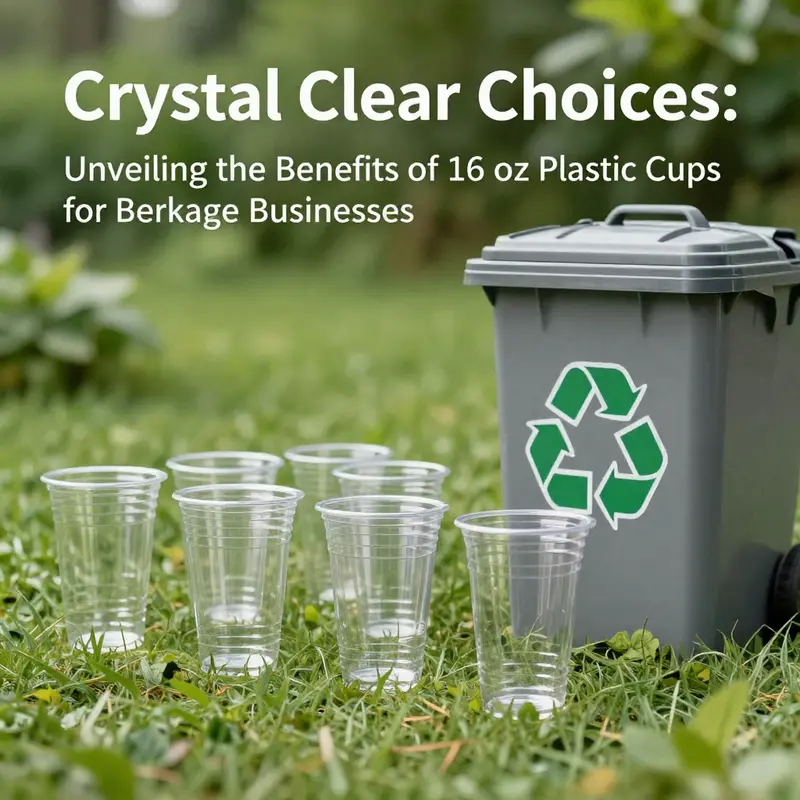
Clear 16 oz plastic cups titillate the senses with their pristine transparency and reliable sturdiness, yet their appeal sits atop a complex underlayer of environmental considerations. In the eyes of a consumer, a clear cup offers a window into the beverage, a visual promise that a cold drink will look as inviting as it does on a menu or social post. But every sip is also a decision about resource use, waste, and the longer arc of how society handles materials after the last drop. This chapter threads together the practical appeal of these cups with the realities of their lifecycle, emphasizing that sustainability is not an abstract ideal but a set of concrete choices that touch production lines, distribution chains, event planning, and everyday habits. The story hinges on balance: how to maintain the clarity customers expect while reducing environmental footprints through design, behavior, and smarter systems, all while recognizing the limitations and opportunities that exist beyond the point of sale.
At the core of clear cup sustainability is the material itself. The most common composition in today’s market is a form of thermoplastic, renowned for its clarity and shatter resistance. PET, in particular, is valued for its ability to showcase the beverage inside with minimal color distortion, a feature that breathes life into cocktails, smoothies, iced coffees, and fruit-forward drinks. PP, or polypropylene, offers a similar clarity plus some advantageous heat resistance and rigidity. The decision between these polymers often comes down to a blend of performance needs, cost, and recyclability infrastructure. PET is widely recognized as recyclable in many regions, a fact that gives it a path to reuse instead of disposal. Yet the practical recycling rate is disappointingly modest on a global scale. Even in systems designed to accept PET, only about a third of PET material ends up being recycled, with the rest finding its way into landfills, incinerators, or the environment. Those statistics translate into tangible consequences: containers that appear to be convenient and clean can nonetheless contribute to the accumulation of plastic waste, particularly when consumer behavior and municipal systems fail to close the loop.
The environmental narrative does not end with recycling rates. The production of PET and similar plastics relies on fossil fuels, a reminder that every cup is a link in a larger chain of energy consumption and greenhouse gas emissions. The extraction, refinement, polymerization, and eventual molding each contribute to a carbon footprint that compounds across millions of units. Even when a cup is ultimately recycled, the energy and emissions embedded in its manufacture remain a fact of its existence. In the context of a busy café, festival, or take-away service, that footprint is magnified by the sheer volume of single-use cups deployed during peak hours and seasonal spikes. The design, therefore, becomes a form of environmental negotiation: can a cup deliver the required performance and visual appeal while reducing the environmental costs associated with its creation and end-of-life handling?
Alongside PET, alternatives such as plant-based polymers have gained attention. PLA cups, derived from renewable sources like corn or sugarcane, promise compostability and a reduction in fossil fuel dependence. The caveat is nuanced: compostability is not self-evident in ordinary waste streams. Industrial facilities with controlled temperatures and specialized processes are often required to break PLA down effectively. In many communities, such facilities are sparse or non-existent. In those contexts, PLA cups may still end up in landfills where they degrade slowly, releasing methane over time—another potent greenhouse gas. The takeaway is not to dismiss alternatives outright but to recognize that “eco-friendly” labeling depends on the local waste management infrastructure. A cup that can biodegrade in a well-managed compost facility may be a poor choice when no such facility exists nearby. The ecological math changes from place to place, and it is the responsibility of businesses and communities to map those differences before committing to a new material.
Where does that leave the consumer and the event organizer who must balance practicality, cost, and sustainability? The most effective approach remains threefold: reduce, reuse, and dispose thoughtfully. First, reducing consumption is the most straightforward and transformative step. Every avoided cup immediately lowers material throughput, fuel use, and waste management demands. That does not necessarily mean giving up convenience; it means rethinking how often single-use cups are deployed and whether some occasions can be served with alternatives or in reusable systems. Second, reuse is a powerful lever. In settings that can support it, providing durable, cleanable cups that can be lent or borrowed for a limited period, alongside mechanisms to sanitize and reuse them, can dramatically cut waste. Reusable cup programs have gained traction in venues ranging from cafes to event spaces; while they require an upfront investment in warehousing, cleaning, and logistics, the long-term environmental benefits can be substantial. Third, disposal becomes a second-order choice when reuse is not feasible. In those cases, maximizing recycling where available and aligning packaging choices with local capabilities becomes essential. Education and community programs that promote recycling literacy—where to place different materials, how to clean items before recycling, and why certain streams are destined for specific facilities—play a critical role in raising the efficiency of these systems.
The lifecycle perspective adds nuance to the decision-making around clear cups. A life cycle analysis asks not only what happens when a cup is tossed but what happens at every stage: extraction of raw materials, transport to manufacturing facilities, molding, distribution to vendors, consumer use, and end-of-life treatment. In this frame, a cup is not merely a passive vessel; it is a performance that interacts with energy grids, waste management networks, and consumer habits. Even a product that prides itself on being BPA-free may still carry an environmental burden if its production is energy-intensive or if its end-of-life options are limited. Conversely, a cup that is technically recyclable can still contribute to pollution if a significant portion of the supply chain fails to separate it properly from mixed waste streams. The subtlety of these interactions often escapes casual conversations, but it is precisely where meaningful improvements arise. For instance, packaging that requires less energy to produce, or that travels fewer miles before reaching a consumer, translates into real reductions in emissions. Similarly, a strong recycling culture and accessible facilities can improve the fate of plastics far more than marginal gains from incremental material changes.
One practical path forward lies in closer alignment between suppliers and users. Transparent information about the material composition, recyclability, and end-of-life options helps buyers make informed choices that reflect local capabilities. It also invites innovation in the design phase. For example, designers can consider the ease with which a cup can be separated from lids or straws, or how a cup can be molded with a thinner wall without sacrificing performance. Such adjustments, though seemingly incremental, can influence the energy intensity of production and the rate at which a material is recovered or repurposed. The conversation around sustainability is not a binary one of good or bad; it is a continuum of choices, each with trade-offs that must be weighed in the context of local infrastructure and consumer behavior.
To illustrate the broader landscape, consider the possibility of integrating alternative packaging options that minimize single-use waste while preserving the essential function of a beverage vessel. For readers exploring alternatives that reduce single-use plastic, see the eco-friendly printed-logo paper cups with lids. This example signals a broader trend toward materials that can be reused, composted, or recycled with greater efficiency in many urban and community contexts. The goal is not to demonize one material but to encourage deliberate, locally informed decisions that align with environmental values, logistics, and budget realities. In a well-orchestrated system, the visual appeal of a clear cup becomes a cue for responsible consumption, a reminder that what looks clean on the outside must be backed by conscientious handling on the inside.
Even with clear-eyed attention to sustainability, obstacles persist. Recycling rates for single-use plastics remain uneven, and the true environmental cost of production depends on energy sources, manufacturing efficiency, and the presence of end-of-life facilities. Public policy, corporate stewardship, and consumer education all influence these outcomes. Communities that invest in comprehensive recycling streams, standardized labeling, and consumer incentives tend to see higher capture rates for recyclable plastics. In markets where composting is feasible for certain bio-based alternatives, the availability and reliability of industrial facilities become the dividing line between a genuinely greener option and a well-meaning but impractical one. In this sense, the debate around clear cups is less about the superiority of one plastic over another and more about the ecosystems that support responsible use, recovery, and reuse.
As this chapter moves toward a closer integration with practical applications, the emphasis remains on making informed, transparent choices that honor both the beverage experience and the environment. The clear cup is a familiar tool in hospitality and event enabling, but its sustainable management depends on a willingness to reimagine waste streams, invest in reuse where feasible, and advocate for better disposal infrastructure. The potential for improvement exists in every link of the chain—from the initial resin synthesis to the end-of-life outcomes in local facilities. Those willing to engage with that complexity can transform a simple, transparent cup into a symbol of responsible stewardship that resonates with customers who value both clarity and accountability. In the chapters that follow, we will return to practical roadmaps for implementing these ideas, whether through supplier selection, on-site waste management practices, or consumer education campaigns that encourage thoughtful disposal and, where possible, reuse. The path forward is not a single silver bullet but a suite of well-aligned practices that acknowledge the realities of modern consumption while elevating the standards of environmental responsibility.
Final thoughts
The clear 16 oz plastic cup stands out as an essential asset for beverage-oriented businesses, from bubble tea shops to catering services. With their combination of performance, versatility, and eco-friendliness, these cups not only meet the demands of service but also enhance overall customer satisfaction. As the focus on sustainability continues to grow, embracing these cups supports responsible practices without sacrificing quality. By investing in clear 16 oz plastic cups, businesses position themselves as leaders in the food service industry, ready to meet evolving consumer preferences while promoting a greener future.