
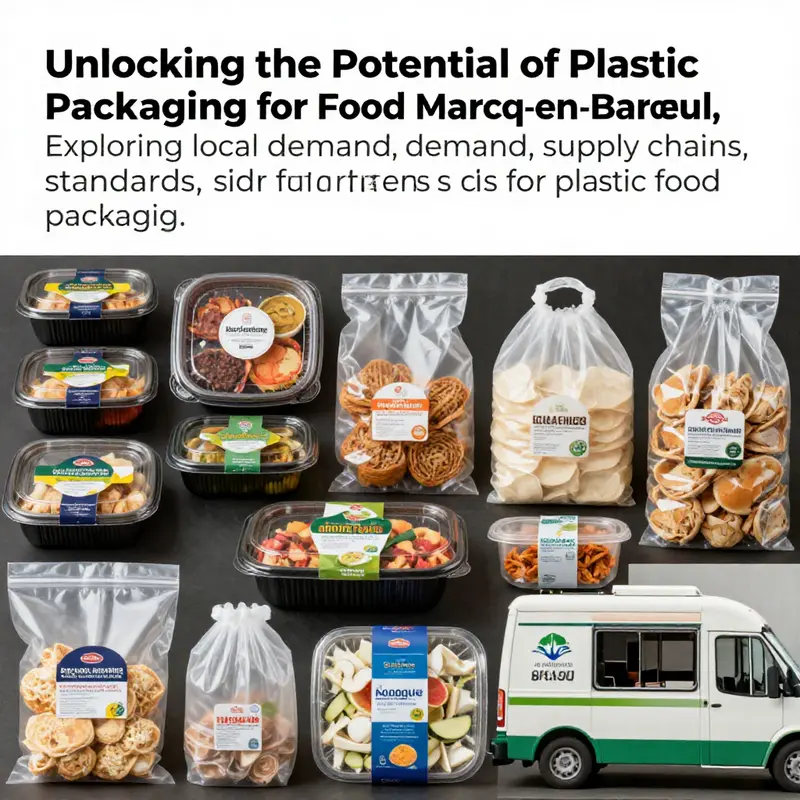
In the vibrant community of Marcq-en-Barœul, the culinary landscape is thriving, and with it, the demand for effective food packaging solutions, specifically plastic containers. Whether you run a bubble tea shop, a popular restaurant, or a mobile food truck, understanding your packaging options is essential for maintaining quality and customer satisfaction. This article delves into four key areas: the local demand for plastic food containers, the industrial supply options, the stringent standards governing these materials, and the evolving market trends that could shape your packaging decisions moving forward.
Plastic Packaging in Marcq-en-Barœul: Tracing Local Demand, Global Supply Currents, and a City’s Path Toward Sustainable Takeaway
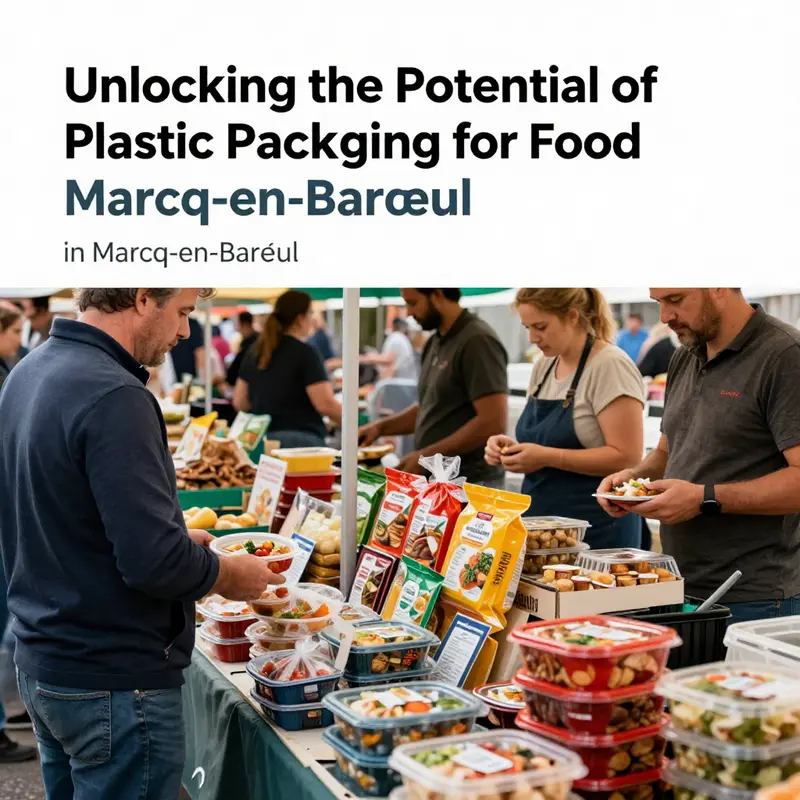
Marcq-en-Barœul sits just north of Lille, a town whose daily rhythms reflect a European pattern: vibrant dining scenes, a surge in takeout and ready-to-eat meals, and a steady curiosity about how packaging supports both convenience and quality. In such a setting, plastic packaging for food containers plays an almost invisible but crucial role. It is not just about holding a meal; it is about preserving temperature, protecting hygiene, enabling efficient service, and shaping consumer perceptions of freshness and value. The local demand for these containers arises not from a single storefront or a handful of restaurants, but from a broader ecosystem that includes modern bistros, traditional eateries, and the growing segment of delivery and takeaway services that have become part of everyday life in the Hauts-de-France region. This demand is not unique to Marcq-en-Barœul; it is characteristic of western Europe, where the balance between convenience, cost, and waste management continually tests supply chains and policy decisions alike.
In Marcq-en-Barœul, the local dining landscape provides a telling backdrop for understanding packaging needs. The area’s restaurants, such as contemporary venues that emphasize quick, high-quality service, rely on packaging that can withstand real-world handling—from kitchen to curbside to doorstep. They require containers that are sturdy enough for hot foods yet light enough to keep delivery costs reasonable. They must seal securely to prevent leaks during transit, preserve the integrity of sauces and dressings, and ensure food safety across a range of menu items. The demand thus encompasses a spectrum of container types, from ready-to-eat boxes for salads and prepackaged meals to heat-retentive clamshells and portion-controlled takeaway bowls. While exact supplier lists for Marcq-en-Barœul are not readily published, the practical needs of modern dining make it clear that local operators source these products through regional distributors and international manufacturers. The supply network, while outward-facing, is anchored in a common European market that values standardization, food safety, and the ability to scale up or down quickly in response to demand fluctuations.
The gap that often appears in local data is not a lack of appetite for packaging but the absence of a locally branded, dedicated retailer of plastic food containers. In reality, restaurants and caterers in Marcq-en-Barœul tend to procure through wholesale distributors who operate across national borders, cataloguing a wide range of materials and designs that suit European and French regulatory expectations. This reality aligns with broader regional trends. Europe has long relied on plastic packaging made from materials like polyethylene (PE), polypropylene (PP), and polyethylene terephthalate (PET). Each material offers distinct advantages: PE for cost-effective basic packaging, PP for higher heat resistance and excellent shape stability, and PET for high clarity and strong sealing properties. For containers that must resist heat, seal securely, and remain transparent enough to showcase contents, PET-based hinged or clamshell designs have become common in foodservice applications. The ability of PET containers to withstand heat up to approximately 160°C (320°F) adds a layer of versatility, supporting not only cold packaging but also certain warmed offerings that reach customers still fresh and inviting.
What the regional data emphasizes is not a single material choice but a system of packaging that harmonizes with food safety standards, waste management expectations, and sustainability goals. In Marcq-en-Barœul, as in much of France and Western Europe, consumer demand is increasingly shaped by a combination of convenience and environmental awareness. The public conversation around plastic packaging has grown more nuanced, with greater scrutiny of microplastics, recyclability, and the lifecycle impacts of packaging materials. This scrutiny dovetails with regulatory frameworks at the European level that push for better design for recycling, reduced plastic waste, and clearer labeling so that households can sort packaging correctly. For operators, this means choosing containers that can be recycled or, where appropriate, replaced with more sustainable alternatives without compromise to performance. The trade-off between cost and environmental impact remains a central concern for restaurants, schools, and mid-sized caterers operating in Marcq-en-Barœul and the surrounding region.
In terms of procurement strategy, Marcq-en-Barœul’s local businesses are most likely to engage a blend of channels. Direct relationships with overseas manufacturers—where bulk PET, PP, and PE packaging is produced in places with established supply chains—still play a crucial role. The global market can supply transparent, heat-tolerant containers suitable for a wide array of products, from fresh-cut fries to ready-to-serve salads. Large-scale producers in Asia and Europe often service European customers through distributors who understand French language requirements, labeling standards, and local delivery schedules. This global-to-local dynamic helps explain how a small town like Marcq-en-Barœul can access high-quality packaging without maintaining a full manufacturing footprint domestically. It also underscores the importance of reliable supply partners who can navigate regulatory changes, adapt to shifts in demand, and offer flexible terms during fluctuations in the catering sector that accompany holidays, local events, or seasonal menus.
In this environment, the materials and their characteristics matter not only for functionality but also for the environmental dialogue that increasingly guides consumer choices. PET’s clarity and sealing performance support premium presentation for fresh, pre-packed items. PP’s heat resistance and durability suit hot dishes and microwavable meals, expanding the possibilities for in-house or take-home options. PE remains a cost-effective workhorse for simple containers and liners. Yet even as these materials perform well within food-contact standards, public and policy attention is turning toward end-of-life handling. The question for Marcq-en-Barœul is how to balance the practical benefits of plastic packaging with the community’s evolving expectations for sustainability. This does not imply abandoning plastic packaging; rather, it invites a strategic approach to design, selection, and disposal. Packaging suppliers are increasingly offering options that emphasize recyclability, multi-material reduction, and streamlined logistics that minimize waste and carbon footprint, all of which can resonate with local municipalities and environmentally conscious consumers alike.
Local data, while not always granular for a specific town like Marcq-en-Barœul, aligns with broader patterns in the region. Western Europe, including France, exhibits high plastic consumption in daily life, particularly in the foodservice sector. The per-capita footprint of plastic use in packaging is substantial, reflecting a strong appetite for convenience among busy households and a thriving hospitality economy. This baseline creates a robust demand for packaging containers, even as the market moves toward more sustainable options. The tension between the established value proposition of plastic packaging—affordability, lightness, moisture barrier, and seal integrity—and the pressure to reduce environmental impact shapes a dynamic that local businesses must navigate. For restaurateurs, the key is to secure packaging that satisfies operational realities while remaining adaptable to new waste streams, recycling streams, and potential municipal incentives that promote circular economy practices.
An important angle for Marcq-en-Barœul is the practical reality of procurement across borders. Local operators may reference international supplier catalogs, but day-to-day ordering is mediated by distributors who specialize in the French market. This arrangement yields a diversified supply base that can respond quickly to changes in demand, whether due to menu changes, promotional campaigns, or seasonality. It also provides a pathway for introducing innovative packaging concepts—such as clearer, more robust containers and lids that improve product visibility and handling—without sacrificing affordability. The availability of multilingual product specifications, compliance documentation, and testing data from these suppliers helps ensure packaging choices meet both French and European food-safety standards. This alignment between local practice and international capability is a practical illustration of how Marcq-en-Barœul remains plugged into a global supply chain while maintaining the local flavor of its dining culture.
From a strategic perspective, Marcq-en-Barœul and similar towns can benefit from targeted collaboration among restaurants, distributors, and municipal authorities. By coordinating on common packaging standards, they can streamline purchasing, reduce duplicate orders, and optimize waste management. This coordination could extend to pilot programs exploring reusable or returnable packaging schemes, which many European cities are experimenting with as part of broader sustainability agendas. Even within plastic packaging, there is room to innovate in ways that align with local environmental goals—such as adopting clearer labeling that facilitates recycling, selecting materials with higher recycled content, and supporting regional recycling streams that can absorb post-consumer packaging more efficiently. These steps require clear communication, reliable suppliers, and a shared commitment across the local ecosystem to balance convenience with responsibility. Such an approach would help Marcq-en-Barœul not only meet current demand but also position itself to adapt as consumer expectations evolve and policy landscapes shift.
For readers seeking a tangible sense of how to map demand in a place like Marcq-en-Barœul, consider the practical consequences of this packaging dynamic. A wide range of takeout and ready-to-eat offerings in the town and surrounding areas creates a steady baseline demand that supports both domestic and cross-border suppliers. Yet the same forces that drive demand—speed, safety, and presentation—also create volatility: outbreaks of health concerns, shifts toward new dietary trends, and the introduction of tighter recycling requirements can alter what kind of containers are most desirable at any given time. In response, local operators often diversify their packaging portfolios, not only to hedge against price fluctuations but also to experiment with more sustainable options when feasible. Some restaurateurs may adopt packaging that can be easily separated for recycling, while others may pursue lightweight designs that reduce material use without compromising performance. The overarching message is that Marcq-en-Barœul’s packaging decisions are deeply connected to the rhythms of the town’s cuisine economy and its place within a broader European supply and policy framework.
In this context, it helps to keep in mind the broader references that inform these choices. European markets tend to favor packaging solutions that balance transparency, food safety, and recyclability. The materials and designs discussed earlier are part of a larger toolkit that operators can draw on as they plan menus, promotions, and service models. For those looking to explore concrete options beyond the immediate town, there are plentiful sources of packaging designs and procurement channels across Europe and beyond. As part of the ongoing dialogue about plastic packaging in Marcq-en-Barœul, a useful starting point for understanding current trends in packaging usage and consumer behavior in French urban areas is offered by national statistics and economic analyses. This external resource provides up-to-date data on consumption patterns, including packaging usage and household waste, which can enrich the understanding of local demand for plastic food containers in regions like Marcq-en-Barœul. External resource: INSEE.
In sum, the demand for plastic packaging food containers in Marcq-en-Barœul reflects a complex interplay of local dining dynamics, global supply capabilities, and evolving environmental expectations. The town’s proximity to Lille and its position within a vibrant regional economy magnify this dynamic, creating a robust, if cautious, appetite for containers that perform reliably while fitting within broader sustainability frameworks. The practical implications are clear: restaurants, caterers, and retailers must navigate a supply landscape that offers versatile materials and designs, while also engaging with policies and consumer attitudes that privilege recycling, reduced waste, and responsible packaging choices. The path forward likely includes a mix of continued reliance on tested materials—PET, PP, and PE for core packaging needs—augmented by a growing catalog of more sustainable alternatives and improved end‑of‑life solutions. For Marcq-en-Barœul, this means leveraging global manufacturing capability alongside local collaboration to deliver packaging that supports convenience and quality today, while keeping an eye on the shifts that will shape tomorrow’s packaging landscape. And for readers observing the town’s packaging story, the linking thread remains clear: what happens in Marcq-en-Barœul echoes across similar towns where foodservice, daily life, and the materials that hold meals together are inseparable from everyday modern living. food-grade take-away bowls with lids.
External resource: INSEE can provide further macro-level insights on consumption patterns, household waste, and packaging usage trends. See https://www.insee.fr/en for more context and current data that illuminate how cities like Marcq-en-Barœul fit into broader French and European packaging dynamics.
null
null
Safe Surfaces, Strong Standards: How Marcq-en-Barœul Shapes the Packaging Landscape
In Marcq-en-Barœul, where dining and culinary craft meet a disciplined approach to quality, the packaging standards for plastic food containers anchor safety and performance. Local operators source from global manufacturers who understand EU food-contact safety requirements, and they rely on virgin food-grade resins to ensure neutrality and predictable migration behavior. Tests cover heat resistance, drop resistance, and mechanical strength, with practical targets such as surviving a 0.8 meter drop, withstanding near 100°C for hot foods, and maintaining integrity under stacking. Hygienic requirements limit total aerobic counts and total migration into food to 10 mg per square decimeter, with color migration strictly prohibited. Appearance criteria demand odor-free, uniform surfaces without cracks or residues. The supply chain is global and tightly regulated, balancing safety, performance, and sustainability as operators choose PET, PP, PS, or ABS depending on the application. In practice, these standards translate into procurement decisions that aim to protect food quality, safeguard consumer trust, and streamline operations through predictable packaging behavior.
null
null
Final thoughts
As the culinary scene in Marcq-en-Barœul continues to thrive, the role of plastic packaging for food businesses is more important than ever. With a clear understanding of local demand, industrial supply channels, relevant standards, and emerging market trends, entrepreneurs can make informed decisions that elevate their offerings. Embracing high-quality, compliant packaging will not only enhance customer experience but also contribute positively to the food industry’s growth in the region.