
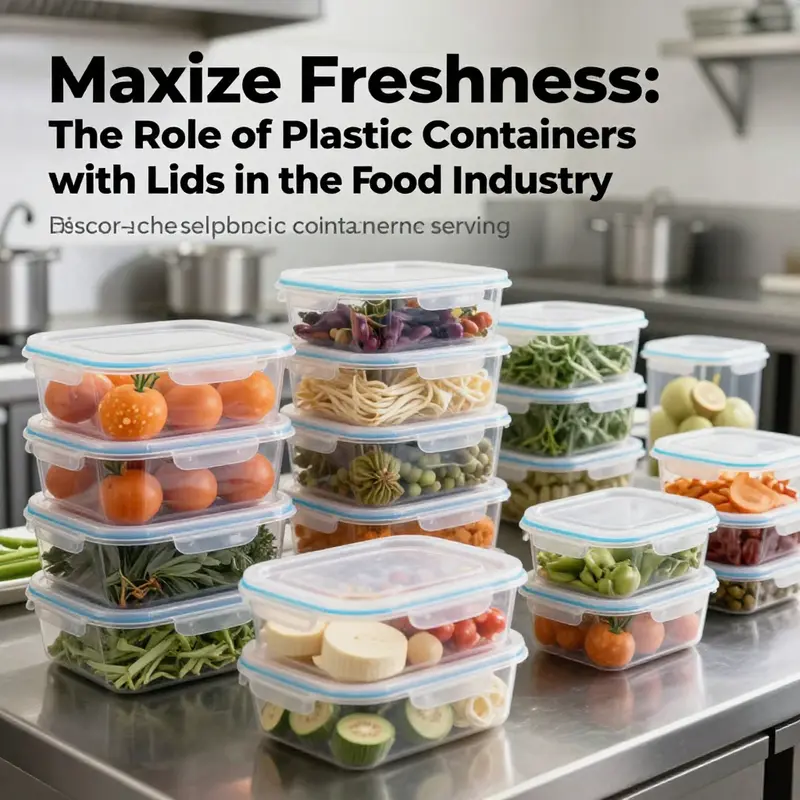
Plastic containers for food with lids have become essential tools in the culinary industry, particularly for businesses like bubble tea shops, restaurants, and catering services. Their versatility and convenience in preserving food freshness are undeniable. In this exploration, we will delve into the various types of these containers, their practical applications, the health and safety standards that govern their use, and the growing sustainability trends shaping their future. Each chapter will provide insights valuable to industry professionals looking to optimize food storage and enhance service efficiency.
The Quiet Architect of Freshness: Exploring Plastic Food Containers with Lids
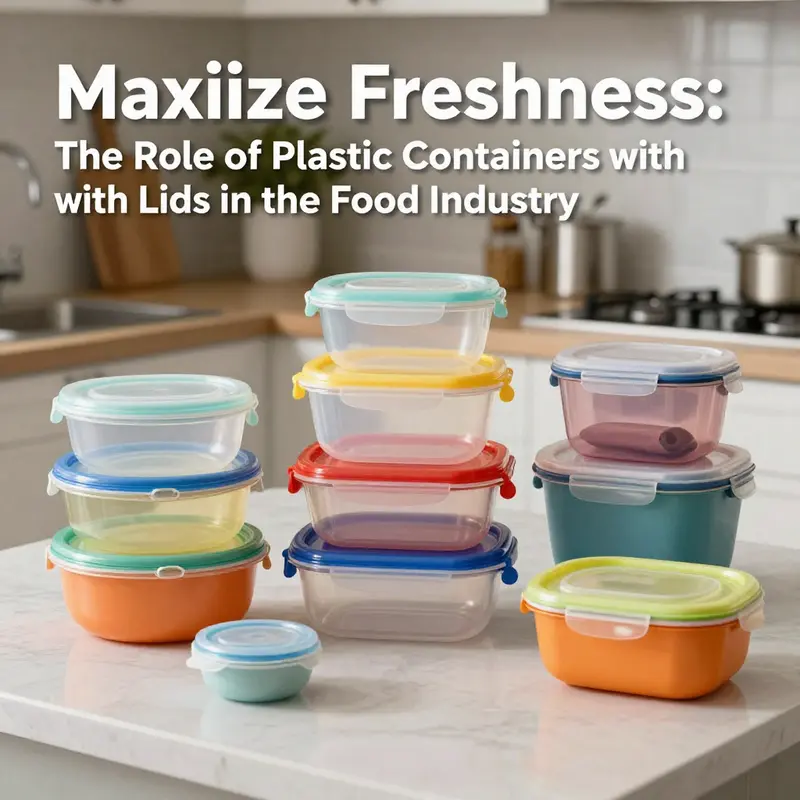
A plastic container for food with a lid is more than a simple box. It is a thoughtfully designed system for protecting taste, texture, and nutrition from the moment a meal is prepared or purchased until it is enjoyed. In kitchens and pantries, these containers perform a quiet but essential job: they separate, seal, and safeguard what we eat, while also helping to organize our daily routines. The lid is not an afterthought but a core element that determines how well a container preserves freshness, prevents odors from migrating through the fridge, and minimizes mess during transport. This is why the choice of material and the specifics of lid design matter as much as the size and shape of the vessel itself. The conversation around plastic food containers with lids often centers on safety, convenience, and sustainability, and each of these concerns is tightly linked to the materials used and the ways those materials interact with food under real-world conditions.
At the heart of most widely used options is polypropylene, or PP, a material that has earned trust in part because it is typically BPA-free and capable of withstanding repeated heating and washing. PP’s heat resistance, commonly cited as up to roughly 100 to 160 degrees Celsius (212 to 320 degrees Fahrenheit) in many real-world contexts, makes it a practical choice for reheating leftovers in a microwave and for storing hot liquids without warping or releasing significant flavors. The lid-system that accompanies PP containers is often designed to fit snugly, frequently locking into place or sealing with a tongue-and-groove interface that minimizes air exchange. A secure seal is more than a convenience; it limits the ingress of moisture and external odors, which helps to maintain the original character of foods like grains, vegetables, and sauces over several days.
Beyond PP, high-density polyethylene (HDPE) appears in many durable, everyday food containers. HDPE is celebrated for its chemical resistance and sturdiness. It is durable enough to withstand the rigors of a busy kitchen and the fluctuations of a household refrigerator or freezer. Lids for HDPE containers typically match in material or come from a compatible plastic family, ensuring a coherent thermal and mechanical profile. The outcome is a container that can endure repeated cycles of use without significant deformation, making it a reliable staple for meal planning, bulk storage, and family-sized portions. HDPE’s resilience also contributes to longer-term sustainability by supporting multi-use applications when cared for correctly.
A different path, PET, is common in single-use beverage packaging but appears less frequently in reusable food containers with lids. PET’s appeal lies in its clarity, which makes contents easily visible—a feature many users value for quickly scanning what is inside a container without opening it. However, its heat tolerance is more limited, which tends to restrict it from hot-food applications or frequent microwaving. When PET is used for containers with lids in a reusable context, the lids often come from HDPE or PP to ensure compatibility with microwaves and dishwashing cycles. This layered approach—combining materials to leverage the strengths of each—highlights a practical design principle in modern food storage: different parts of a system are optimized for different tasks.
Polystyrene, while present in some disposable food containers and lids, demonstrates a more limited role in hot or fatty foods. Its susceptibility to warping and chemical leaching under certain conditions makes it a less ideal choice for high-temperature use. For this reason, a cautious consumer often looks for alternatives when preparing or storing hot meals. The guidance around PVC, or polyvinyl chloride, is equally clear: PVC is rarely used for food packaging today due to the potential release of toxic substances when heated or exposed to fats. The emphasis on safety in these material choices is not merely regulatory but practical, rooted in the everyday experience of meals that travel from stove to lunchbox to office desk.
The practical implications of these materials show up in everyday use. For reheating, a PP container can be popped into the microwave, its lid either vented or designed to stay in place during heating. Some designs feature vented lids that allow steam to escape, reducing pressure buildup and the risk of splatter. This simple adaptation can transform how leftovers are enjoyed, especially when time is tight and a quick, warm meal is essential. For cold storage, transparent or translucent surfaces make it easy to identify contents at a glance, which helps with meal planning and reduces waste. The lid’s seal remains crucial here: a tight seal preserves aroma and moisture, preventing the food from drying out or absorbing other fridge smells. In practical terms, the best containers are those that balance inert materials, a robust seal, and a lid that is easy to secure yet simple to open when needed.
Durability is another key dimension. HDPE’s natural resilience translates into containers that resist cracking when dropped or bumped in a crowded fridge. The lid system for these containers often employs a compatible material that tolerates repeated washing without losing elasticity or forming stubborn plastics residue that can trap odors. This durability is especially important for families, office workers, or anyone who compounds their meals through meal-prepping routines. The containers must survive the rigors of nightly dishwashing in a household, and ideally they should withstand the freezer without becoming brittle, a plastic trait that sometimes emerges after long, cold storage and repeated cycling.
In addition to safety and durability, the design of lids plays a central role in sealing performance. A well-designed lid does more than close the container; it creates a barrier to air exchange, which slows rancidity and preserves the intended texture. A tight seal helps prevent spills during transport, a frequent concern for lunchboxes and takeout-style meals. But even the best seal can be compromised if the container is not properly sized for its contents. A container that leaves too much space around the food invites air to circulate, which can accelerate moisture loss and odor migration. Conversely, a container that is too full can create a pressure buildup when heated, potentially causing the lid to buckle or force contents out of the container. The art of choosing the right size, shape, and lid geometry is a practical skill that aligns with everyday food management, from portion control to the efficient handling of leftovers.
Beyond the chemistry of plastics, there is a broader conversation about sustainability that colors every decision about containers with lids. Recyclability has different contours depending on the material. PP, HDPE, and PET each carry resin codes that guide recycling streams, but local programs vary in what they accept. Reusability remains a central virtue. A well-chosen container can outlive many meals, supporting a habit of reducing single-use plastics when possible. Even when reusing or repurposing becomes the default, end-of-life considerations matter. Safe disposal practices, recycling, and, where possible, choosing materials designed for multiple cycles are meaningful steps toward more responsible consumption.
A parallel trend in design is the emergence of sustainable, paper-based or bagasse-based alternatives that still claim the practical advantages of lids and containment. While these designs may look different from traditional plastic, they share the same goals: keeping food fresh, enabling portable meals, and simplifying kitchen organization. The shift toward eco-friendly packaging does not simply replace one material with another; it invites a broader rethinking of storage choices during planning and shopping. It also encourages designers and consumers to consider lifecycle impact, from production emissions to end-of-life handling. In this light, the choice between a plastic container with a lid and a recyclable or compostable alternative becomes a question of context: what kinds of meals are being stored, for how long, and under what conditions will they be transported or reheated?
Care and maintenance further influence how well these containers perform over time. Proper cleaning is essential to preserve seal integrity and avoid lingering odors. While many polypropylene and HDPE containers are dishwasher safe, it remains wise to follow manufacturer guidance. Temperature extremes, aggressive detergents, and abrasive cycles can degrade the lid’s gasket or the container’s walls. To maximize lifespan, a simple routine helps: rinse promptly after use, wash on a gentle cycle or by hand if the lid shows signs of wear, and avoid using sharp implements that could scratch sealing interfaces. Drying thoroughly before stacking prevents moisture from becoming trapped in seams, which can foster odor or mold growth. The more attentively a household treats these containers, the longer they will preserve their functional advantages and appearance.
The consumer experience is also shaped by how these containers integrate with daily routines. For many households, the refrigerator is a map of what is for lunch, what needs to be heated, and what should be consumed by a given date. Clear containers with lids enable quick identification without opening every box, a small but meaningful time saver. Snap-lock lids or twist-seal designs provide reassurance during transit, making them popular for school and workplace lunches. The confluence of visibility, reliability, and ease of use forms a practical philosophy for everyday food storage. And because so many meals travel from home to office to gym bag, the container’s lid becomes a trusted ally in keeping a meal intact and presentable.
Safety, sustainability, and practicality coalesce when we consider the lifecycle of a container with a lid. The recycling codes associated with materials—PP as #5, HDPE as #2, PET as #1, and PS as #6—offer a framework for understanding how these items fit into municipal waste systems. PVC (#3) is best avoided in food packaging due to potential risks when heated, which aligns with both consumer protection and sensible kitchen practice. Yet even with robust safety profiles, the best outcomes arise when containers are used thoughtfully: not heated for extended periods in ways that stress the seal, not stored in conditions that promote condensation inside the lid, and not treated as disposable after a single use when possible. The most enduring containers are those that support repeated, responsible use, with careful attention to cleaning and eventual recycling or disposal when their useful life ends.
In the end, the value of a plastic container with a lid rests not just in its ability to hold food but in how it supports a broader set of habits. It enables us to cook ahead, transport meals with confidence, and minimize waste through portion-controlled storage. It also challenges us to think about material choices in a way that respects safety, efficiency, and the environment. The best containers act quietly, yet they shape our routines by making fresh, ready-to-eat food accessible at moments when time and convenience matter most. As households evolve and food systems become more intricate, the simple act of sealing might seem minor. Yet it is precisely this ordinary act that sustains flavor, preserves nutrients, and keeps daily life moving with a steadier, more predictable rhythm. The lid is the key to that rhythm, the hinge between preparation and enjoyment, the small detail that makes a big difference in the everyday story of food.
For readers seeking to explore practical options beyond the traditional plastic, one could consider kraft-based or other eco-conscious designs that incorporate lids while emphasizing recyclability and compostability where feasible. An example of the broader category can be found here: kraft paper octagonal bowl with lid. This kind of option demonstrates how the core idea of a sealed, portable container can be realized with materials that align with evolving sustainability goals while still delivering the reliability consumers expect from a lid-equipped vessel.
Sealed to Perfection: How Plastic Containers with Lids Shape Freshness, Transport, and Everyday Prep
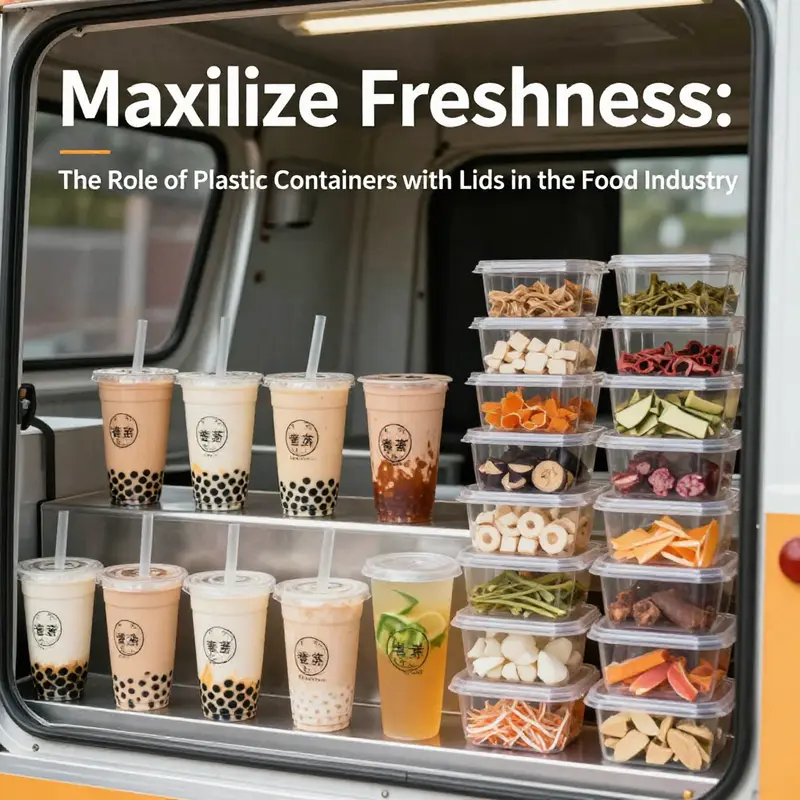
A plastic container for food with a lid is more than a simple receptacle. It is a compact system built to protect, organize, and move nourishment from one space to another while preserving its character—the aroma, texture, and nutritional value that define a meal. In kitchens, pantries, refrigerators, and beyond, the lid is not merely a cap but a functional barrier. It slows the ingress of air and moisture, helps lock in flavors, and minimizes the risk of drips or spills during handling. When a lid seals tightly, it also keeps odors contained, a small but meaningful advantage in a crowded fridge or a busy takeout bag. The material that forms the container, the chemistry of the seal, and the geometry of the lid all collaborate to determine how long a food keeps its best face forward. At the heart of this collaboration is a family of plastics—most notably polypropylene, polyethylene terephthalate, and high-density polyethylene—that balance heat tolerance, chemical resistance, and safety with everyday practicality. Polypropylene, commonly designated as PP, is the workhorse in many kitchen containers. It withstands high temperatures better than many other plastics and is often suitable for microwave reheating for short bursts. This heat resilience matters for leftovers destined for a quick reheat or a meal-prep container intended to go from fridge to table with minimal fuss. PP’s clarity in many formulations also supports a practical kitchen habit: being able to see what’s inside without opening every lid in a drawer. PET, or polyethylene terephthalate, is another familiar material. Its strength and clarity make it a staple for single-use beverage bottles and some food packaging. However, when used for hot foods or long-term storage, PET’s performance can diverge from the needs of reheating or extended shelf life, so careful material selection and intended use matter. HDPE, or high-density polyethylene, rounds out the triad by offering chemical resistance and durability, especially for liquids and larger storage containers. In commercial settings, HDPE’s robustness makes it a reliable choice for bulk ingredients and certain liquids, while its resistance to many chemicals adds a layer of safety in handling sauces, oils, and other pantry staples. The choice of lid design—whether a simple snap-fit, a screw-on seal, or a vented system that releases steam in a controlled way—interacts with the container material to define how well the package preserves quality. Lids may be opaque or transparent, with sealing features that range from a tight elastomeric gasket to a rigid, snugly fitting cap. The result is more than just containment; it is a controlled micro-environment that can keep moisture content where it belongs, prevent the loss of volatile aromas, and significantly reduce the risk of leaks during transport. This set of capabilities translates into tangible benefits across five core applications. First, home storage benefits from containers that can house leftovers, dry goods, and bulk ingredients with minimal exposure to air. A well-sealed container helps maintain freshness by limiting oxidation and moisture exchange. It also keeps pantry pests at bay, an increasingly important consideration as households seek longer storage times for prepared meals and ingredients. Second, refrigeration and freezing directly leverage the tight seal to protect flavor and texture. In the cold, tiny moisture movements can alter the perceived freshness of vegetables, fruits, or prepared dishes. Airtight lids reduce freezer burn and help preserve the original mouthfeel of foods, an essential factor for meals planned across a busy week. Third, food transportation and takeout rely on containment under travel or delivery conditions. A secure lid reduces the likelihood of spills and cross-contamination and ensures that liquids and semi-solids stay put when bags are jostled or stacked with other orders. For restaurants and caterers, this reliability is not a luxury but a baseline expectation that supports service quality and customer satisfaction. Fourth, meal prep and portion control benefit from clearly labeled, stackable containers. When meals are portioned for the week, the combination of a transparent body and a tight lid turns a refrigerator into a map of options. Quick visibility, uncomplicated reheating, and dependable sealing help people adhere to planned routines, reduce waste, and sustain healthier eating habits amid a crowded schedule. Fifth, industrial and commercial use extends the logic of containment into operations that require standardized, scalable packaging. In food production facilities and warehouses, leak resistance, surface compatibility, and ease of automation become decisive factors for throughput and safety. In those contexts, HDPE and other food-grade resins offer chemical resistance and reliable performance under varied temperatures and handling conditions, from mixing to storage to transport. The overarching narrative is that plastic containers with lids deliver a practical combination of durability, cost efficiency, and predictable performance. The benefits accrue when material and lid design are matched to the intended use, because a mismatch can lead to leaks, material migration, or heat damage that undermines safety and quality. A straightforward rule guides many users: verify the resin identification code and heed the intended temperature range. The resin code reveals the likely plastic family—PP for heat tolerance, PET for certain beverages and foods, HDPE for bulk storage—and, critically, signals safety considerations appropriate to the use case. This emphasis on materials is not merely academic. It translates into real-world practices, such as avoiding containers made from PVC, which may carry plasticizers that can migrate into fatty foods under heat. It also means not exposing containers to direct, extreme heat sources without guidance from the manufacturer, since some plastics can release microplastics or other byproducts when pushed past their safe limits. To maximize safety and performance, lid compatibility matters as much as material choice. Some lids are designed for storage and cold conditions but are not suitable for microwaving or freezing, while others are engineered to vent steam in a controlled manner. Mixing a non-compatible lid with a container can compromise the seal, increase the risk of leaks, or change the intended storage environment. The practical implication for households and businesses alike is simple: read the label, match the lid to the container, and respect the limits of heat and time. The conversation around plastic containers with lids naturally leads to questions about sustainability and evolving packaging practices. Reusability and recyclability sit at the core of responsible storage choices. In many households, repeated use of a PP-based container aligns with healthy routines—planning, portioning, reheating, and cleaning—all inside a single versatile system. Yet the lifecycle of any container depends on more than the material itself. It hinges on the system around it: whether it can be cleaned effectively in dishwashers, whether it withstands repeated freezes and reheats, and whether it can be recycled at end of life in a municipal program that accepts the resin type. Beyond plastic, there are eco-friendly and recyclable alternatives that still rely on lids to preserve freshness and contain portions. For example, some brands offer reusable containers made from recyclable materials that push users toward a more circular approach to packaging. The shared takeaway is clear: the lid is a critical feature, but the broader system—material choice, usage habits, and end-of-life pathways—shapes the real impact on the environment and on daily eating routines. In practice, the best approach is to design with intention. When selecting a container for a given context—daily meals at home, weekly meal-prep, or bulk storage in a professional kitchen—start with the temperature and storage requirements. If reheating is planned, prioritize a PP option with microwave compatibility and a secure, vented lid that can relieve internal pressure without compromising the seal. If aesthetics and transparency are important for quick content recognition in a crowded fridge, a clear PET or transparent PP container with a snug lid can offer both visibility and control. If the operation demands ruggedness and chemical resistance for liquids, an HDPE option with a robust lid may be the most reliable choice. And while stainless-steel and glass alternatives have their own merits, the practical balance of cost, weight, heat tolerance, and ease of cleaning continues to anchor plastic packaging in many everyday workflows. The story of plastic containers with lids is not only about what is inside but about how the container supports people as they manage food across spaces and moments. It is about a predictable experience—open the lid, see what’s inside, reheat or chill as required, and return food to its visible, organized home. It is also about a culture of care: minimizing waste, maximizing shelf life, and simplifying routines so that preparation and consumption can be aligned with values around health, efficiency, and responsibility. Even as alternatives emerge and consumer expectations evolve, the combination of a lid and a well-chosen plastic container remains a cornerstone of modern food management. The design of the lid, the chemistry of the plastic, and the care with which people use them together create an everyday system that quietly underpins organization, flavor preservation, and safer food handling across homes and halls of industry alike. To glimpse the breadth of this ecosystem, consider how a simple, well-sealed container enables people to pack lunches, portion meals for the week, or move sauces and broths between kitchen and car, all without compromising safety or quality. For a broader look at complementary packaging formats that share this ecosystem, one relevant internal reference highlights how lid-equipped, microwavable food packaging can extend the same logic into kraft-paper-based formats as well. food-grade disposable kraft paper soup cup with lids. This example also hints at broader trends toward sustainability, reuse, and modular design that parallel the plastic-based story, inviting a nuanced conversation about how stakeholders weigh convenience, safety, and environmental impact. As with any packaging system, the final verdict rests on context: what is stored, where it will be stored, how it will be heated, and what end-of-life pathway is available. The practical chapters of everyday life—the fridge, the lunchbox, the takeout bag, the industrial warehouse—rely on the quiet reliability of lids. They function as gates that preserve the integrity of food during time in transit and time in storage. They enable families to reimagine leftovers as tomorrow’s meals, workplaces to standardize portions for healthful eating, and caterers to maintain service quality across orders. The science behind it is simple in intention, complex in execution: the right material, the right lid, and the right handling create a controlled micro-environment that preserves flavor, texture, and safety. In a world where every day brings new demands on food handling—from rapid meal prep and diversified menus to heightened expectations for cleanliness and safety—the ur-text of packaging remains the sealed container with a lid. The best practice is to approach packaging design and usage with both rigor and flexibility: identify the storage temperature, volume, and reheat method; verify material compatibility with the intended food; ensure lid integrity and compatibility; and consider end-of-life options for sustainability. If one seeks to deepen understanding beyond personal experience, regulatory and safety resources can provide a framework for what counts as safe food contact materials and how expectations evolve as new materials and recycling streams emerge. For context and further reading, see the FDA’s guidance on plastic food contact materials, which outlines the regulatory landscape that governs how containers are tested, labeled, and used in real-world settings. External resource: https://www.fda.gov/food/food-contact-materials-regulatory-information/plastic-food-contact-materials
Safe Seals, Sound Standards: Navigating Health and Safety for Food-Grade Plastic Containers with Lids
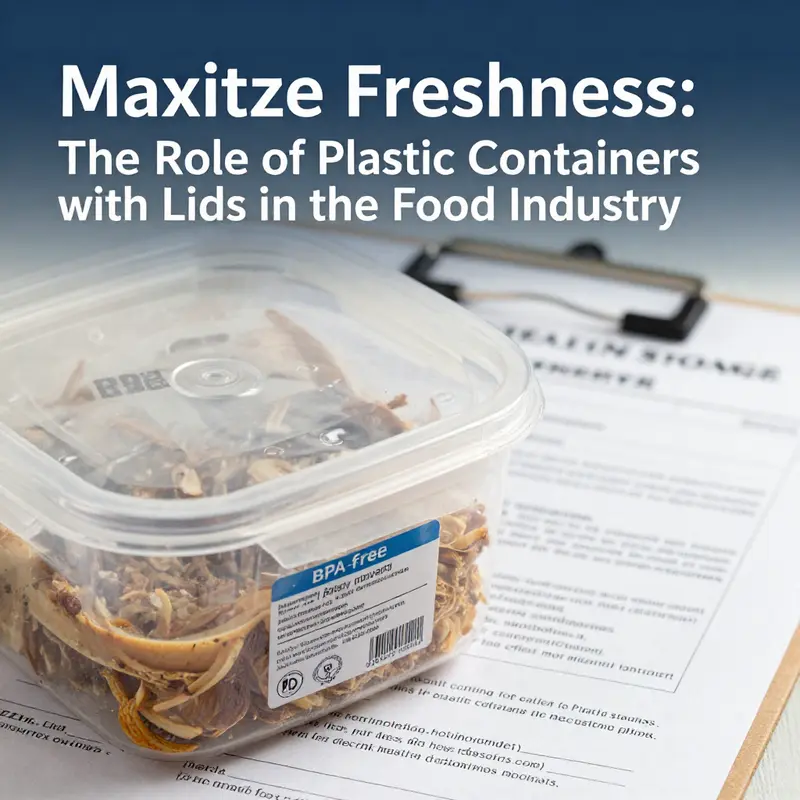
The practical value of a plastic container with a lid goes far beyond keeping leftovers neatly stacked in the fridge. It is a system for protecting what we eat, from the moment a meal is prepared to the moment it reaches the plate. A well-designed container does not merely hold food; it communicates safety through its materials, construction, and labeling. In a landscape where meals travel from kitchen to office, school, or on-the-go, the stakes of safety rise with every seal. The ingredients in contact with our food, the way heat is managed, and the environment in which storage occurs all contribute to a chain of safety that begins with the container itself. This is why health and safety standards for plastic food containers with lids matter, not as abstract regulations, but as practical guardrails that influence every decision a consumer, designer, or manufacturer makes about storage solutions.
At the core of these standards is the idea that materials intended for food contact must not release substances in amounts that could endanger human health. In the United States, the regulatory backbone comes from the FDA and its oversight of what plastics are approved for food contact under 21 CFR. This framework specifies that certain plastics—most commonly high-density polyethylene (HDPE), polypropylene (PP), and polystyrene (PS)—are appropriate for different storage scenarios. The critical concept is migration: the potential movement of additives, monomers, or degradation products from the container into the food, especially when heat or acidity comes into play. Migration limits are not mere numbers; they are the practical thresholds that keep soups from absorbing unwanted flavors or chemicals, and they are the reason a simple lid can become a safeguard rather than a liability.
Beyond the United States, the assumption of safety travels with Europe’s regulatory machinery. Regulation (EC) No 1935/2004, along with Regulation (EU) No 10/2011 and related measures, shapes how food contact materials are manufactured, tested, and labeled across the European market. The emphasis there is on ensuring that materials do not transfer harmful substances into food in quantities that could pose a risk to health. In practice, this means rigorous testing, traceability, and clear declarations about what a container is made of, how it is used, and for what kinds of foods or temperatures it is meant. A product that bears conformity with these rules often carries indications of compliance in the form of clear labeling and, where applicable, CE marking to signify alignment with EU safety requirements. The emphasis is not on a single test but on a holistic approach to safety that spans materials, construction, and end-use scenarios.
Where the global supply chain meets local markets, the question of compliance also extends to export-oriented standards such as those in China. GB 4806.7-2016 outlines permissible migrations for plastic food contact materials and defines testing methods designed to ensure safety for consumers in domestic and international contexts. The nature of these standards is not merely punitive; it is protective, guiding manufacturers to select materials that resist leaching, even under challenging conditions like repeated microwaving or exposure to acidic environments. The alignment with CIQ expectations reinforces the idea that a lid and its corresponding container form a unified system, where the seal, the plastic’s integrity, and the ease of cleaning all contribute to safety in daily use.
These frameworks, while appearing as bureaucratic guardrails, translate into everyday guidance for choosing, using, and caring for plastic containers with lids. A few practical cautions matter greatly. First, avoid storing oily, highly acidic, or hot foods for extended periods in non-designated containers. The heat and the chemical nature of certain foods can increase the risk of migration, particularly for plastics that are not specifically designed for microwave use or for contact with fatty substances. Second, always rely on containers labeled as food-grade and designed for the intended purpose. Some plastics are perfectly fine for cold or room-temperature storage but are not suitable for microwave heating or long hot storage. Third, the temperature tolerance of the container should inform usage. Materials like PP and HDPE offer a broad, reliable range of temperature resistance, but their performance is not universal. A container marketed as microwave-safe or dishwasher-safe should come with explicit instructions about its limits, and those limits should be observed to prevent deformation, chemical migration, or compromised seals.
The seal itself is not merely a convenience feature. A robust lid works in tandem with a compatible container to minimize odor transfer, prevent leaks, and maintain a barrier against environmental contaminants. The integrity of this seal is tested in controlled lab conditions, but its real-world performance depends on the user’s care. A lid that is cracked, warped, or difficult to seal defeats the safety mechanism, allowing air exchange and moisture loss that can promote bacterial growth or spoilage. Therefore, the design of the lid, the compatibility with the body of the container, and the ease of cleaning all intersect with safety. When a lid remains tight and intact through repeated cycles of washing and microwaving, it contributes to predictable performance in the kitchen and reduces the likelihood of incidents related to improper storage.
From a materials perspective, a growing portion of the market still relies on PP and HDPE for food-contact containers. These materials are prized for their chemical resistance, strength, and durable performance across a wide temperature range, including exposure to heat and repeated washing. The safety narrative for these plastics is reinforced by certification processes and third-party testing that verify compliance with FDA, CE, and CIQ standards. The testing regime typically examines migration under various conditions, assesses compatibility with specific foods, and verifies the absence of harmful residuals in quantities that could pose a risk to health. This testing creates a bridge between the raw material selection and the practical consumer experience, assuring that the product can endure the realities of modern meal storage without compromising safety.
A crucial but sometimes overlooked aspect of safety is how the product is sourced and verified. Reputable suppliers often provide documentation that demonstrates FDA compliance for food-contact materials, along with EU conformity statements and, where relevant, CIQ certifications. In the global marketplace, such documentation is not merely a courtesy; it is a core component of risk management for manufacturers and a practical assurance for consumers. It signals that the container has undergone the appropriate migrations testing, that the materials used are appropriate for food contact, and that the product can be trusted for everyday use. When shoppers examine packaging or instructions, the presence of these certifications helps translate abstract standards into tangible confidence in a product’s safety.
In practice, safety is also about informed usage. The best container can still become a risk if used outside its intended scope. That is why the labeling of a container—what it can and cannot handle in terms of heat, moisture, and contact with specific food types—matters. The label is the consumer-facing extension of the regulatory framework: it communicates the intended use, warns against misuse, and provides a clear map for safe operation. For instance, certain plastics may tolerate microwave heating only for limited periods or may be unsuitable for fatty or acidic foods at high temperatures. Understanding these guidelines and applying them in daily life is a direct embodiment of the regulatory intent: to keep food safe, preserve flavor integrity, and minimize health risks.
The conversation about safety cannot ignore the environmental and sustainability dimensions that increasingly shape consumer expectations and manufacturing decisions. While safety standards focus on what happens at the moment of contact with food, sustainability concerns push designers to consider the entire lifecycle of the container. Recyclability, material recyclability, and the potential for reuse each intersect with safety in meaningful ways. Reusable containers, for example, can offer a different risk profile, requiring robust testing across repeated uses. The materials selected for these products must withstand long-term wear without degrading in ways that could compromise food safety. In some parts of the supply chain, suppliers are responding to demand for recycled or recyclable materials while maintaining compliance with FDA, CE, and CIQ standards, recognizing that responsible stewardship and safety are not mutually exclusive.
For those who seek alternatives within the same safety framework, there are containers that blend paper-based construction with plastic lid solutions and others that rely on plastic lids paired with recyclable polymers. The core message remains consistent: the container and lid must be designed, manufactured, and labeled so that they do not introduce health risks through chemical migration or physical failure. The choice between different materials, the design of the seal, and the way the product is tested all reflect a shared commitment to safeguarding the food we store and transport. In the end, this commitment is not merely about compliance; it is about trust. When a consumer opens a container and finds a product that smells and tastes as it should, with a lid that stays secure and a body that holds up under heat and washing, the chain of safety has delivered its intended outcome.
To connect these considerations with tangible options in the market, readers might explore container designs that emphasize secure sealing mechanisms while still aligning with safety standards. Some products in the broader market feature sealed, microwave-safe containers whose lids are engineered to form tight, odor-blocking seals. The design philosophy behind these solutions is simple: maximize containment, minimize risk, and ensure that the materials used in the container and lid perform predictably across typical household conditions. When selecting such containers, it helps to review not only the material specification but also the accompanying safety documentation. In a well-documented product, you will find evidence of migration testing, material certification, and usage guidelines that reflect a thorough understanding of how the container will behave in real kitchens and lunch boxes.
As a guiding principle for readers navigating purchases and usage, treat the labeling as a map, not a decoration. Look for the language that confirms food-grade status, temperature limits, and compatibility with heat or dishwasher cycles. If the packaging or label mentions specific migration studies or references FDA, CE, or CIQ certification, that is a strong signal of alignment with robust safety standards. Finally, recognize that the safest practice extends beyond the container itself. It includes how you handle, clean, and reuse containers over time. Regular inspection of lids for cracks, clear separation between the seal and container, and avoidance of damaged or warped components help ensure continued safety through multiple uses.
In the broader context of an article examining plastic containers for food with lids, this discussion of standards is not a theoretical aside. It is the framework through which practical guidance is formed. The standards determine who can produce, certify, and market these products. They influence what you should look for when evaluating a container, how you interpret its labeling, and how you plan its use in different settings—from home kitchens to institutions that rely on precise, safe food storage. They also shape the conversations about sustainability and reuse, encouraging ongoing innovation that maintains safety while addressing environmental concerns.
To offer a concrete, navigable path for readers, consider this synthesis: prioritize containers with clear food-grade labeling and documented compliance across FDA, EU, and CIQ standards; favor materials with broad temperature tolerance like PP and HDPE when heat exposure is likely; verify that the lid and seal are designed to withstand repeated cycles without degrading; and, where possible, choose products that disclose migration testing and third-party certifications. If you are exploring the option of alternative lid systems, such as PET lids paired with kraft or paper-based bodies, you can consult product descriptions that explicitly reference PET lid configurations while maintaining safe and compliant contact with foods. In practice, the choice between a fully plastic system and a hybrid design does not release you from safety responsibilities; it simply shifts the emphasis to proving that the entire system remains within safe operational boundaries under expected use.
For readers seeking a practical anchor, one example of market options shows how a lid–container system can harmonize with safety standards while offering everyday convenience. Containers that are designed as a single, sealed unit with a compatible lid can reduce odor transfer and leakage, fulfilling a functional requirement that complements safety testing. When evaluating such options, it is worthwhile to examine whether the product has undergone migration testing, whether it carries labeled guidance on heating and storage, and whether the material lineage—PP, HDPE, or another approved plastic—aligns with the jurisdictions relevant to your needs. The result is a storage solution that supports both the physical realities of food handling and the regulatory expectations that ensure that what touches our food does so with integrity.
For readers who want to explore more about safety and materials from a regulatory perspective, the FDA’s guidance on food contact materials remains a foundational resource. It helps translate the regulatory language into practical steps for selecting and using containers in ways that minimize risk while maximizing convenience and practicality. See the FDA’s overview and FAQs on food contact materials for more detail on how migration, labeling, and material choices intersect in real-world applications. FDA on Food Contact Materials.
In closing, the landscape of plastic containers with lids is defined by a careful balance between usability and safety. Standards set the guardrails that protect health, while design choices and consumer habits determine how effectively those guardrails perform in daily life. The result is a reliable, trustworthy storage solution that keeps food fresh, flavors intact, and safety front and center. Keeping this balance in mind helps consumers select containers with confidence, designers create lids and bodies that perform under expected conditions, and manufacturers stay aligned with both current expectations and evolving regulatory frameworks. The lid is more than a closure; it is a critical component of a safety system that helps ensure the foods we store are as safe as they are convenient to use.
Sealed for Sustainability: Rethinking Plastic Food Containers with Lids
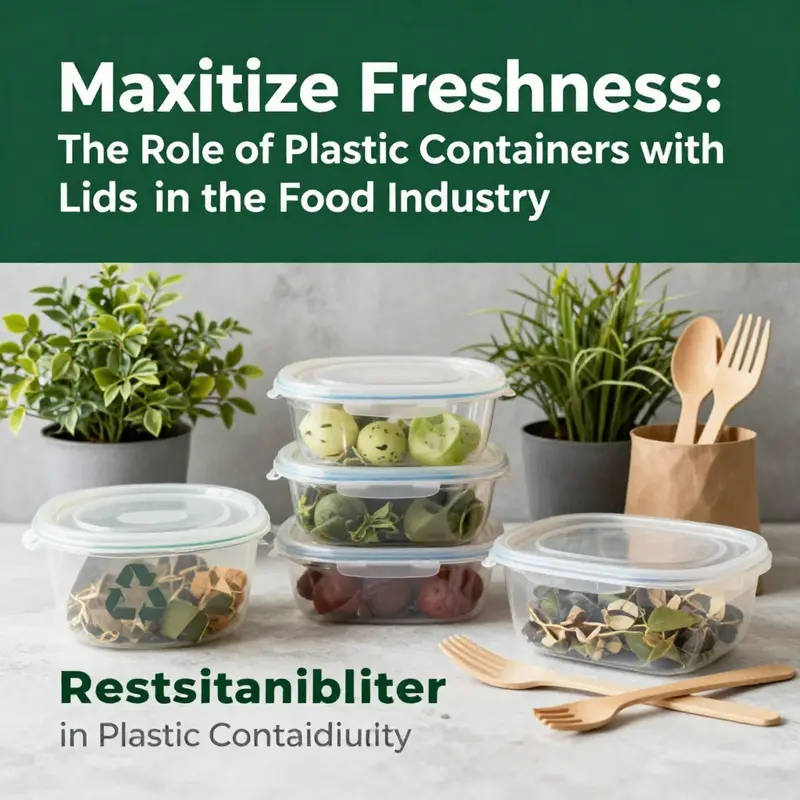
A concise treatise on packaging sustainability. Sealed plastic containers with lids are more than kitchenware; they reflect decisions about materials, end-of-life options, and consumer behavior. This chapter surveys how design choices—from material selection and manufacturing energy to reuse, recycling, and composting—shape the environmental footprint of everyday food storage. It discusses bioplastics, recycled content, durability, and lightweighting, emphasizing the trade-offs between performance, safety, and waste management. It also highlights the importance of clear disposal guidance, standardized labeling, and policy signals that encourage cradle-to-cradle thinking. The goal is to imagine containers that keep food fresh while aligning with local recycling streams and composting opportunities, thereby reducing landfill burden.
Final thoughts
In conclusion, plastic containers with lids represent a pivotal solution for food preservation and service across diverse culinary settings. By understanding the various types, applications, safety standards, and sustainability trends, businesses can optimize their operations while providing safe and environmentally conscious food storage options. Embracing these storage solutions not only enhances organizational efficiency but also contributes positively to customer satisfaction and overall service quality.