
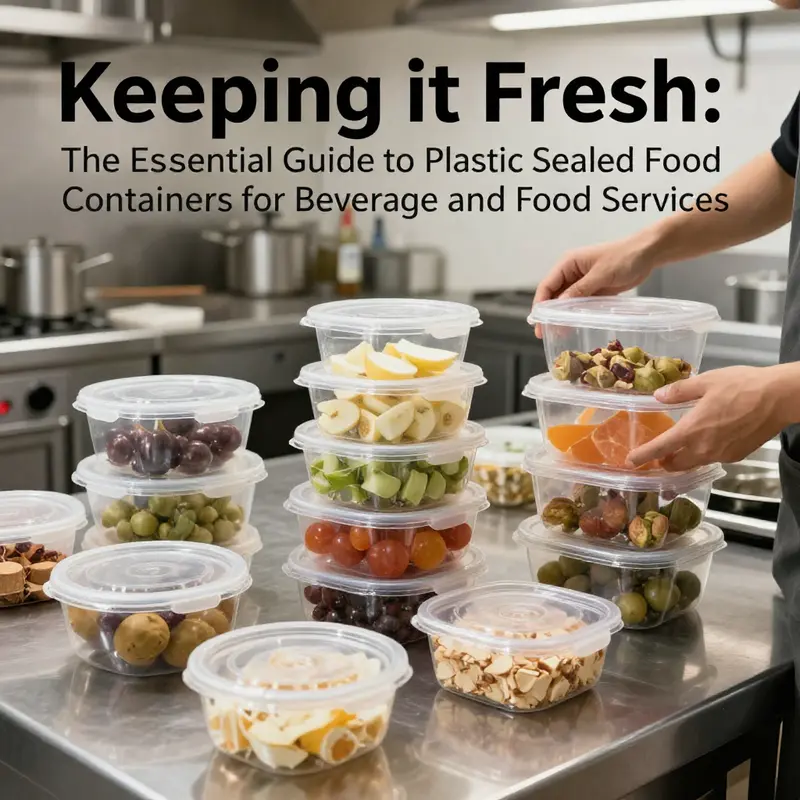
In the bustling world of food service, effective storage solutions are paramount. Plastic sealed food containers offer versatility and convenience, especially for bubble tea shops, restaurants, food trucks, and catering services. Understanding the importance of material quality, sealing mechanisms, storage efficiency, environmental impact, and health considerations can empower event planners and corporate procurement teams to make informed decisions. This guide delves into each aspect, showcasing how the right containers can preserve freshness, enhance efficiency, and align with sustainability goals, ensuring your business thrives in today’s competitive market.
Guardians of Freshness: How Material Quality Shapes Safety, Performance, and Sustainability in Plastic Sealed Food Containers
Material quality is central to a plastic sealed food container’s ability to protect contents, preserve flavor and nutrition, and withstand everyday use. The resin choice – typically food-grade polypropylene or polyethylene – along with processing and sealing methods, governs chemical stability, heat tolerance, and barrier performance, while BPA-free formulations reduce certain risks. Compliance with recognized food-contact standards and certifications provides assurance about migration, safety, and performance across typical temperatures and handling. The sealing system – lids, gaskets, and locking mechanisms – limits oxygen ingress and moisture exchange, maintaining freshness through repeated opening, washing, and reheating. Practical durability, odor and stain resistance, and predictable end-of-life outcomes also shape long-term value and sustainability. When selecting containers, look for food-grade resins tested to standards, dependable seals, and compatibility with recycling streams to minimize environmental impact.
Locking Freshness: The Hidden Engineering of Sealing Mechanisms in Plastic Food Containers
Locking freshness is more than a claim on a label; it is the function of a carefully engineered interface between lid and body. The seal starts with material choice: food-grade polymers such as polypropylene and polyethylene offer stiffness to hold shape, resistance to heat, and compatibility with gaskets. When paired with a gasket, these materials form a threshold that slows oxygen ingress and limits odor migration. Durability in this context is not a nicety but a necessity: warped walls, deformed rims, or worn gaskets can create micro-gaps and accelerate loss of flavor and safety over time. The seal becomes a coupling of form and chemistry, where gasket geometry, rim land, and lip profile converge to minimize air exchange while staying easy to operate.
Interlocking lid design is central to most airtight plastics. A flexible gasket sits in a recessed channel or around the inner rim. Pressing the lid to close compresses the gasket into a continuous belt that seals around the opening. The quality of the seal depends on uniform cross-section, precise groove depth, and a lid edge that mates cleanly with the rim. The result is reduced oxidation for fats and minimized flavor loss in ready-to-eat meals. Beyond freshness, a robust seal supports hygiene by blocking leaks and limiting condensation that can encourage staining or microbial growth. The life of the seal hinges on the gasket’s resilience: it must rebound after each snap, withstand heat cycling, and retain shape after repeated washing. The trivial detail of surface finish here can determine long-term air ingress, so the interplay of gasket material, lid geometry, and rim roughness is a delicate balance that supports both usability and performance.
Spout-equipped containers add another layer when liquids are involved. A cap or spout closure aims to be leak-proof and tamper-evident while not compromising the seal around the main opening. In some designs, a guided spout requires precise alignment during closure. Achieving this precision reduces leaks, preserves exterior cleanliness, and minimizes residue that could harbor odors or bacteria. Some systems apply UV-curable labeling for authenticity without interfering with the seal. Yet the effectiveness of spout seals depends on regular maintenance: spouts must be cleaned to prevent residue that could alter closure force or misalign components. The take-away is that sealing is not a single feature but a coordinated set of interfaces that must work together.
Stackable white plastic containers illustrate the value of reliable lids for dry goods. The rigid walls of these containers help the lid contact surfaces stay true after repeated stacking. Good lid–rim engagement remains essential as months pass and units are used in a batch. Oxygen ingress can still threaten freshness, and odors can migrate if seals degrade. Design constraints, like heat exposure during washing or oven use, drive choices of materials and tolerances. The clamping force, gasket compression, and rim finish all influence how long the interior environment stays stable. When a set of units matches tolerances, sealing outcomes become more predictable and waste is reduced. The result is a pantry with confidence that flavor, texture, and safety can be preserved across routine household handling.
Reusable silicone food bags present a different sealing philosophy. Platinum-cured silicone offers heat resistance, chemical inertness, and odor resistance, enabling cycles of freezing, microwaving, and washing without creating brittle micro-scratches. Seams and closures must still meet tight tolerances to prevent leaks. The moving parts—zippers and channels—are designed to stay pliable and leak-proof after many uses, helping to cut waste from single-use plastics. Silicone’s non-porous surface aids hygiene and reduces flavor carryover. However, silicone requires care: avoid sharp objects that could nick the material, and be mindful of heat exposure and cleaning methods. The choice between rigid containers with tight seals and flexible silicone systems is a balance among ease of use, durability, heat tolerance, and environmental footprint. Many effective setups blend rigid containers for dry items with silicone for odors or delicate foods, creating a hybrid approach that preserves freshness across tasks. In practice, this cross-material strategy may improve overall sealing performance when each component suits its intended use. And practical readers may pair lids with bags that match the storage task; for example using a tight-seal lid with a silicone pouch for liquids where spillage is a concern.
Industrial applications and automation expand sealing beyond the kitchen. Modern packaging lines often integrate sealing, capping, and labeling into a single flow. This reduces handling, limits contamination, and yields consistent tamper-evident seals across thousands of units. UV labeling applied during sealing can improve traceability without compromising the seal. In such environments, maintenance is critical: alignment of capping heads, cleanliness of spouts, and the integrity of sealing surfaces all require ongoing oversight. The economics of industrial sealing depend on modular equipment and the ability to switch between container sizes quickly. A well-architected system minimizes downtime and reduces the risk of inconsistent seals, preserving quality across a brand portfolio. Material choice, gasket design, rim geometry, and automated handling together form a system that supports reliable freshness and regulatory compliance at scale.
Environmental and health considerations thread through sealing design. Plastic containers offer convenience, but concerns about waste and chemical exposure persist. Even BPA-free plastics may interact with odors and stains, and micro-scratches can harbor bacteria. Designers seek seals that resist deformation, survive repeated thermal exposure, and remain easy to sanitize. This fuels interest in alternatives such as glass or stainless steel where durability and non-porosity provide advantages. But greener solutions do not automatically ensure equal sealing performance. The best choice remains a balance among durability, safety, usability, and environmental impact. The sealing system therefore becomes a design exercise in trade-offs: how to maximize freshness while minimizing health risks and environmental footprint. Ongoing advances in materials, manufacturing, and consumer expectations continue to push improvements in gasket formulations, rim geometries, and interface fits.
External reading and continuing learning matter for professionals who want to understand the evolving sealing landscape. For readers seeking broader perspectives on sealing technologies and how they affect real world freshness, trustworthy sources and industry analyses offer added context on practice, regulatory considerations, and emerging trends. The chapter centers airtightness, tamper-evidence, and material compatibility as core themes while reflecting a growing emphasis on safety, sustainability, and consumer confidence in sealed food containers.
Seal, Stack, Sustain: Performance and Storage Efficiency of Plastic Sealed Food Containers
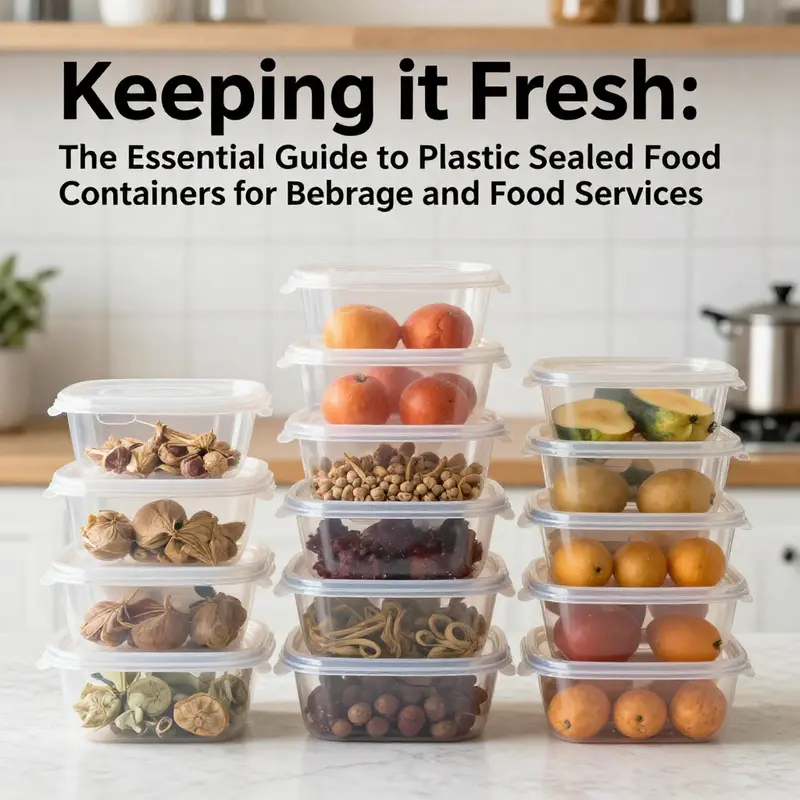
In kitchens and beyond, plastic sealed food containers function as the quiet workhorses of daily life. They carry leftovers to the next day, organize meal prep, and simplify transport from pantry to table or picnic to campsite. The chapter ahead looks beyond surface convenience to the core elements that determine how well a container preserves freshness, how it manages space, and how reliably it performs through repeated use. At the heart of this discussion are two intertwined questions: what is the container actually made of, and how securely does its seal hold back the elements that hasten spoilage? Answering them requires a careful look at material choice, sealing design, and the ergonomics of storage. When these pieces align, plastic sealed containers become more than handy vessels — they become efficient storage tools that reduce waste, support consistent meal quality, and fit neatly within compact kitchen footprints. Yet the same strength that makes them portable can reveal vulnerabilities if the wrong materials or flawed seals are chosen. The balance between performance and longevity rests on attention to detail across both manufacturing standards and everyday use.\n\nMaterial composition governs most of a container s behavior during storage and reheating. The dominant workhorses are food grade polypropylene PP and high density polyethylene HDPE. Both plastics offer chemical resistance, durability, and thermal stability that suit everyday kitchen tasks. PP, in particular, is valued for its clarity and stiffness, its resistance to fatty foods, and its relative resilience under repeated cycles of washing and microwave reheating when the product is labeled as microwave safe. HDPE contributes toughness and impact resistance, helping containers survive drops and stacking without cracking. In practice, a round 750 ml plastic container becomes a practical standard because it balances capacity with ease of handling. Analysts point out that interior geometry matters too: a seamless, curved interior minimizes food trapped in corners, simplifies stirring, and supports even heat distribution during reheating. The goal is not merely containment but hygienic ease of use—less residue, fewer niches for bacteria, and more predictable reheating results. Material choices also carry implications for chemical safety. High quality PP or HDPE that are certified food grade are designed to minimize leaching, even when used for longer storage or occasional reheating. The conversation about safety is not abstract; it translates into tangible performance—how long leftovers stay fresh, how flavors stay distinct, and how easy it is to keep the container clean between uses. It is standard practice to favor plastics that are BPA free and designed to withstand typical kitchen temperatures without deforming. When users encounter a label that signals heat tolerance and dishwasher compatibility, they are not simply reading a feature they are setting the stage for a dependable cycle of use that preserves both the food and the container.\n\nThe sealing mechanism is the other hinge on which performance pivots. Modern airtight lids employ gaskets made from silicone or rubber that provide moisture and oxygen barriers strong enough to slow oxidation and microbial growth. A good seal reduces the entry of air and the escape of aromas, helping to preserve moisture and the integrity of delicate foods such as soups, stews, curries, and sauces. The science behind this is straightforward: oxygen is a primary catalyst for spoilage. When a lid fits precisely and the gasket remains pliable after repeated cycles, freshness can be maintained for longer periods. Yet, even the best design can falter if used improperly or if manufacturing tolerances drift. A lid that has lost its shape, or a seal that has become misshapen after multiple cycles, will inevitably introduce tiny gaps. Those gaps permit air infiltration, water transfer, and the slow erosion of the seal s protective function. The practical takeaway is clear: a high performing seal depends on both a well engineered lid and responsible handling. Users should ensure lids snap on firmly, align with the container rims, and stay closed during transportation. In commercial settings, where containers move from prep areas to service lines, the reliability of the seal becomes a matter of operational efficiency and food safety. When designed and used correctly, airtight lids with stable gaskets deliver superior performance compared with older snap lid designs, particularly for liquids and semi liquids that would otherwise be prone to spillages or quicker spoilage.\n\nStorage efficiency emerges as the third pillar of performance. Plastic containers excel in space optimization because they are stackable, often transparent, and available in a spectrum of sizes and configurations. In kitchens and catering operations, these features translate into tangible gains in capacity and organization. Stackable designs conserve shelf and refrigerator real estate, enabling a baker s dozen of containers to occupy what once held a single non stackable box. The transparency of walls is more than aesthetic; it simplifies inventory control, letting staff and cooks identify contents at a glance without opening lids. For meal prep services, the flexibility to accessorize containers with multi compartment inserts or to select a mix of sizes up to 1800 ml means different food types—from cereals to sauces—can be stored side by side for quick access during assembly. In practice, this means a well thought out set of containers can dramatically shrink the footprint of a kitchen while enhancing throughput during busy periods. The practical influence on daily life is evident: less clutter, faster retrieval, and more consistent portioning. When such efficiency scales to professional environments, it also translates to reduced energy use in refrigeration and a lower probability of mislabeling or cross contamination, courtesy of standardized, clear packaging.\n\nYet alongside these advantages come concerns that must guide responsible selection and use. The debate about chemical leaching persists, especially when containers are subjected to prolonged heat or stored with acidic foods. The emphasis remains on choosing certified food grade plastics and adhering to manufacturer guidelines for heat exposure. BPA free designs address one aspect of risk, but the story does not end there. Even with BPA free plastics, odors and stains can accumulate over time, particularly from strong sauces or spices. The presence of microscopic pores or surface scratches can create microhabitats for bacteria, a point repeatedly emphasized in discussions about plastic versus glass. Glass, with its non porous surface, offers a different baseline for long term storage, but plastic s advantages in weight, resilience, and cost often outweigh glass in many settings. The choice, then, becomes a balancing act between the immediate practicality of plastic and the long term sustainability considerations that increasingly guide consumer decisionMaking. In this light, some users may opt for higher quality plastics that pair strong performance with more responsible lifecycle attributes, while others are drawn to alternative storage media.\n\nSustainability considerations in storage are not relegated to a single material choice. The broader environmental context where millions of tons of plastic waste enter the global stream each year and recycling rates lag behind production urges a tempered approach to plastic use. While many plastics designed for food storage are durable and reusable, the temptation to rely on short lived, low cost options can undercut the environmental benefits of a well managed storage system. Thoughtful use includes selecting containers with proven longevity, cleaning them thoroughly after each use, and repurposing them across different storage needs rather than discarding them after a single cycle. Dr. Lena Patel, an Environmental Health Scientist at the Green Living Institute, underscores this balance: Switching to high quality eco conscious food storage does not mean sacrificing function. In fact, many sustainable options outperform plastic in durability, safety, and sealing efficiency. This perspective invites readers to imagine storage decisions as an ongoing optimization, weaving together performance, usability, and environmental responsibility rather than treating them as separate considerations.\n\nIn commercial contexts, performance and storage efficiency assume a logic closer to logistics than kitchen whim. Meal prep services, catering operations, and retail packaging rely on a dependable mix of material strength, reliable sealing, and space saving designs. A carefully curated collection of containers can streamline workflows, accelerate assembly lines, and reduce the risk of leakage during transport. It is not merely about keeping food intact; it is about keeping systems efficient, predictable, and scalable. Inventory labeling, color coding, and standardized lid shapes can further enhance speed and accuracy in busy settings, minimizing the cognitive load on staff so they can focus on food quality and service. In the end, the decision to deploy plastic sealed containers at scale hinges on a clear calculus: how much freshness, how much space, and how much waste reduction does the chosen configuration deliver over its life cycle?\n\nAs readers weigh these factors, an accessible practical step is to explore credible, material focused resources that detail the performance expectations for common container sizes and configurations. For a concise reference on how a typical 750 ml plastic container performs in liquid storage and reheating, and how its interior geometry supports hygiene and ease of use, consider consulting industry guidance that highlights the importance of seamless interiors and robust sealing mechanisms. For a broader overview of plastic container performance and standards, see https://www.plasticfoodcontainers.com/750ml-plastic-food-container-guide. For a concrete example of related product configurations and how users perceive container function, you may also review a representative internal listing such as Best selling disposable rectangle kraft paper salad bowl with PP lid. This internal resource provides context on how PP lids and related plastics interface with multi use packaging in space conscious designs, helping readers compare plastic lid performance to other lid systems. The goal is to align material quality, sealing reliability, and storage strategy so that the everyday act of storing food becomes a reliable, efficient, and environmentally mindful practice, regardless of whether the container stays in a home kitchen or moves through a commercial workflow.
Seal, Sustain, and Swap: Rethinking Plastic Sealed Food Containers in a World of Waste
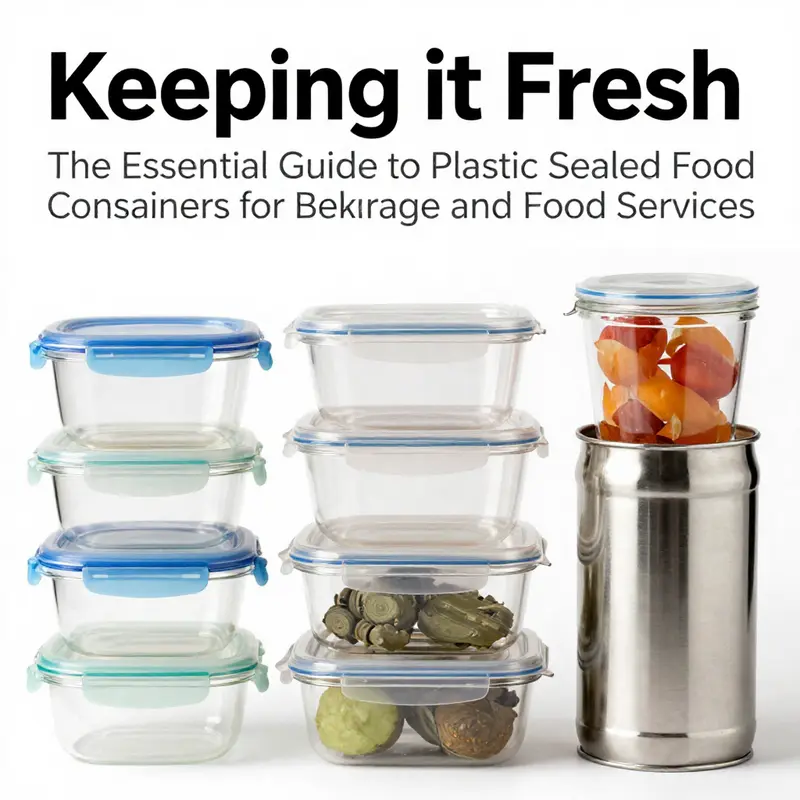
Plastic sealed food containers sit at the crossroads of convenience and consequence. They promise order in the kitchen, keep leftovers tidy, and support meal prep on busy days. Yet beneath the everyday practicality lies a broader, more complex narrative about resource use, emissions, and the many paths we choose for storage. The environmental footprint of plastic sealed containers is tied not only to their initial manufacture but to how long they stay in circulation, how they are reused, and how they are finally disposed of. In a landscape where recycling rates remain stubbornly low and where microplastics increasingly infiltrate ecosystems, the simple act of sealing food with plastic becomes a small but meaningful thread in a much larger textile of environmental impact. This is not a morality tale about guilt, but a practical examination of how design choices, consumer habits, and systemic recycling realities converge in everyday storage decisions.
One of the most persistent challenges with plastic containers is their durability in the landscape of waste. Most consumer plastics are engineered to last far beyond a single season of use, a design feature that serves convenience but complicates end-of-life outcomes. When these containers escape proper recycling streams or end up in landfills, they do not vanish. They persist for hundreds of years, weathering into smaller fragments that migrate through soil and water. Over time, physical breakdown produces microplastics, tiny particles that have the potential to migrate up the food chain and into drinking water. The health implications of this subtle contamination are still being unravelled, but the consensus among researchers and health professionals is clear: microplastics add another layer of risk that accompanies the use of disposable or long-lived plastics for food storage. The environmental math is stark. Even with growing awareness and improving sorting technologies, the overall recycling rate for plastic packaging remains low, and a substantial portion of containers ends up in places where they contribute to landscape and marine pollution.
The lifecycle story matters here. It begins with the material—food-grade plastics that are BPA-free and designed for safe contact with food. The best options prioritize polypropylene (PP) or polyethylene (PE) due to stability and safety characteristics. But material alone does not determine outcome. The sealing mechanism, which keeps air out and moisture in, plays a crucial role in both shelf life and waste generation. Airtight systems with robust locking that resist deformation under repeated use tend to preserve freshness longer, reducing the frequency of replacement. Yet even the most effective seals are only as good as the end-of-life choices made by users and the systemic infrastructure to reclaim and recycle. When containers warp or break, or when heat exposure during dishwashing or microwaving accelerates degradation, the risk of leakage and reduced functionality increases. Those micro-level failures ripple into macro-level consequences: more frequent replacements, more packaging waste, and, ultimately, a larger carbon and material footprint.
In parallel with these concerns, environmental advocates and researchers point toward durable, reusable, and non-plastic alternatives as part of a more sustainable storage ecosystem. Glass is non-porous and inert, resisting leaching and maintaining food quality without the risk of chemical migration. Its long life is a virtue when storage needs are frequent and varied, from acidic sauces to high-fat leftovers. But glass can be heavier and more fragile, introducing risk in transport and handling. Stainless steel offers a counterpoint: exceptional durability, strong temperature tolerance, and excellent leak resistance. However, stainless steel can be less forgiving with acidic foods and can require careful cleaning to prevent residue buildup in seams. Silicone, meanwhile, provides flexibility, collapse-resistant portability, and generally good sealing properties, which makes it appealing for travel and freezing. Yet the quality of silicone matters; only food-grade silicones that meet safety standards should be trusted for repeated contact with flavorful or aromatic foods. The key takeaway is not a strict dichotomy between plastic and non-plastic options, but an informed approach that weighs use case, durability, and lifecycle impact.
The decision calculus for consumers also involves health considerations beyond chemical leaching. BPA-free labels signal a reduction in certain harmful interactions with foods, but they do not guarantee risk-free storage. Odor absorption, staining from strong sauces, and surface micro-scratches can harbor bacteria and complicate hygiene over time, particularly with plastic containers that are routinely microwaved or scrubbed with abrasive cleaners. In addition, the friction between storage performance and environmental responsibility can tempt shortcuts—holding onto aged containers that have lost their seals rather than upgrading to a more durable option, or purchasing lower-cost plastics with shorter lifespans in the belief that savings justify the waste. Conscious storage behavior thus includes mindful replacement, selective upgrading to materials with superior durability, and a willingness to invest in products designed for long-term reuse and safe recycling.
Material quality and sealing performance are not merely technical specifications; they shape how households approach leftovers, meal prepping, and even bulk buying. When a container seals tightly and maintains its integrity after multiple cycles, the health of the food inside remains more stable, reducing spoilage and waste. Conversely, a compromised lid or a warped body invites air, moisture, and odors, inviting more frequent discards and more waste. The environmental story, then, has a practical dimension: a well-sealed, durable container reduces the number of replacements and extends the useful life of a single unit. In markets that emphasize eco-consciousness, the rhetoric often leans toward switching away from plastic entirely. Yet the reality is nuanced. For some storage needs—unpredictable travel, long-term freezing, or high-volume meal prep—plastics can still offer a compelling balance of weight, price, and performance when made from robust, food-grade materials and when used within recommended guidelines.
Where the environmental conversation often centers on the end of life, the design and use phase deserves close attention as well. A robust sealing system minimizes oxygen exposure, which slows oxidation and preserves flavor and texture. In practice, this means that the better the seal, the longer the food stays fresh in the container, and the less likely it is that people will misinterpret leftovers as unusable too soon. Still, there is a caveat: repeated heating or harsh handling can deform lids, leading to gaps that undermine the seal. The upshot is that improving longevity is not only about choosing the right plastic but about sustaining the functionality of the sealing interface through use, care, and appropriate cleaning. This is where consumer education matters as part of a broader strategy to reduce waste and extend the life of each storage unit.
The practical path forward exists at the intersection of design refinement, informed material choice, and enhanced recycling infrastructure. Consumers can actively reduce waste by selecting high-quality, certified materials and by resisting the lure of the lowest possible price if it comes at the cost of rapid degradation or hazardous leaching. When plastics are used, they should be paired with reliable sealing features to maximize shelf life and minimize replacement frequency. Simultaneously, households can diversify storage strategies by incorporating durable glass or stainless-steel options for core daily use, reserving silicone for flexibility and portability where it makes sense. This balanced approach acknowledges both the conveniences of plastic and the truths of environmental stewardship.
For those exploring a broader ecosystem of materials, kraft-paper-based containers have begun to gain traction as eco-friendly alternatives in the take-away sector. These options, often designed for reuse or compostability, illustrate how innovation can shift consumption patterns without sacrificing practicality. See an example of kraft paper octagonal bowls with lids, which demonstrate how thoughtful design can combine safety, usability, and lower environmental impact in a single package. https://cupbowlpack.com/product/senang-kraft-paper-octagonal-bowl-pet-lid-waterproof-eco-friendly-disposable-customizable-snack-pet-food-salad-containers-1l/
Ultimately, the transition away from single-use plastics or toward more sustainable long-term plastics storage hinges on a combination of consumer choices, product design, and systemic support for recycling and reuse. Policy measures that encourage better recycling come hand in hand with product innovations that make reuse easier and more appealing. Education plays a critical role too: understanding the trade-offs between weight, durability, leak resistance, and end-of-life options helps households tailor their storage solutions to both daily needs and environmental responsibilities. The goal is not perfection but progress—more sustainable storage choices that align with practical living, reduce waste, and protect health over the long term.
For readers seeking a deeper, more technical dive into the lifecycle and environmental implications of different packaging materials, a comprehensive peer-reviewed synthesis offers a broader context. This resource synthesizes lifecycle analyses across materials and discusses how glass, stainless steel, and various plastics stack up in real-world use and disposal scenarios. It provides a rigorous backdrop to the everyday decisions described here and helps connect kitchen habits to the global challenge of plastic waste and microplastic dispersion.
null
null
Final thoughts
Understanding the intricacies of plastic sealed food containers is vital for businesses in the food and beverage sector. By focusing on material quality, effective sealing mechanisms, performance efficiency, environmental considerations, and health aspects, you position your establishment to better serve customers while managing costs and sustainability. In today’s ever-evolving market, prioritize high-quality containers to enhance your operations, safeguard health standards, and contribute positively to environmental goals, ultimately ensuring that your business stands out.