
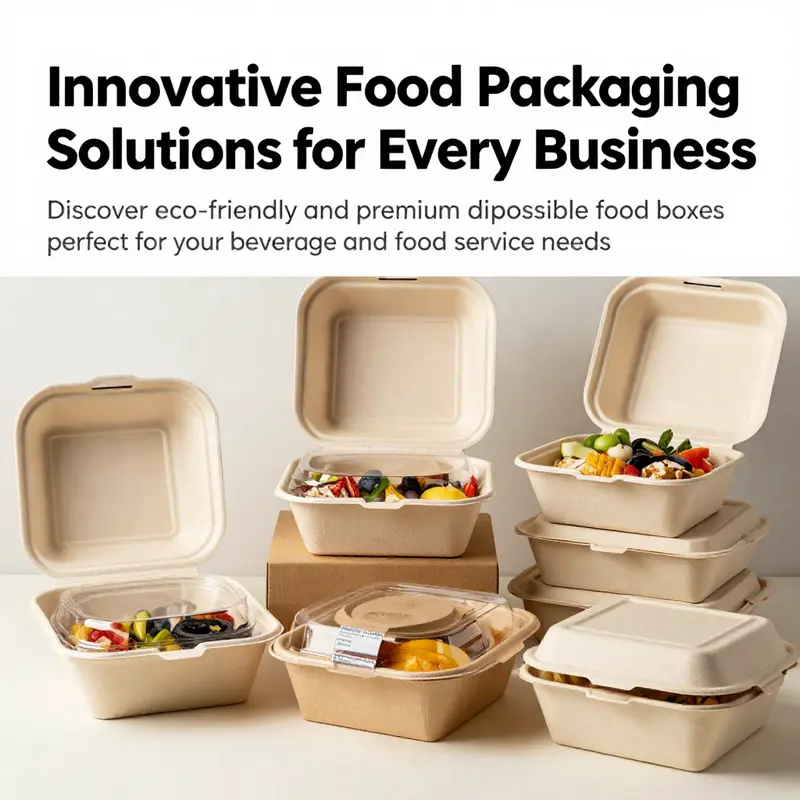
In a landscape where sustainability and convenience are paramount, choosing the right food packaging can significantly impact your business. Nowadays, beverage chains, restaurants, food trucks, catering services, event planners, and corporate procurement teams are increasingly prioritizing packaging that is not only functional but also environmentally friendly. This article delves into three key types of disposable food packaging boxes: the versatile brown kraft paper boxes, luxurious fast food containers, and innovative compostable sugarcane-based options. Each chapter will explore how these choices address the evolving demands of today’s consumers while also supporting your organization’s sustainability goals.
Brown Kraft Paper Disposable Boxes: Craft, Sustainability, and the Redefinition of Takeout Packaging
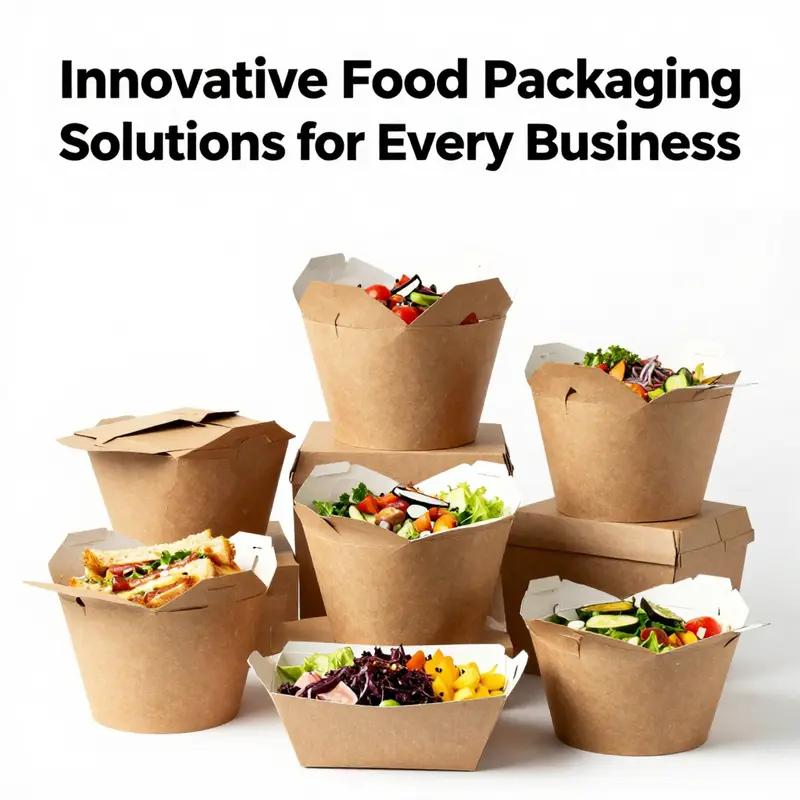
Brown Kraft paper disposable boxes have quietly become a cornerstone of the modern takeout experience, embodying a shift in how businesses think about packaging beyond mere containment. These boxes, rooted in renewable forest resources and designed to be both functional and biodegradable, offer a tangible way to align culinary service with environmental responsibility. They are not just containers; they are statements about how a food brand chooses to engage with customers who increasingly value transparency, responsibility, and a lower footprint. In a marketplace shaped by growing concerns about plastic waste and single-use systems, brown kraft boxes stand out for their simplicity, versatility, and authentic material appeal. The color and texture carry messaging of natural origins, while the structural design emphasizes practicality. It is a pairing that resonates with diners who want delicious food delivered or picked up in packaging that feels honest and grounded, yet still capable of delivering on taste, temperature, and presentation.\n\nAt the core of this packaging choice is the material itself. Kraft paper is derived from wood pulp and processed into a sturdy, lightweight sheet. When manufactured with care, it becomes a durable box capable of supporting a range of meals—from compact snacks to hearty combos. More importantly, kraft paper is biodegradable and recyclable, with some variants emphasizing recycled content. This is not just a feature of convenience; it is a design philosophy that favors a circular approach to waste rather than a linear end point. Suppliers highlight that kraft boxes can be made from biodegradable or recycled variants, reinforcing a sustainability narrative that many brands now use to differentiate themselves in crowded markets. In practice, this means the packaging can re-enter the natural cycle after use, contributing to reduced landfill burden if collection and composting or recycling streams are well managed.\n\nOne compelling dimension of brown kraft packaging is its potential weight advantage over plastic containers. Some designs claim a notable reduction in weight relative to equivalent plastic boxes, translating into lower transportation emissions during distribution. The lighter you ship, the less energy spent moving goods from production lines to kitchens, cafes, and customers’ doorsteps. This seemingly small detail compounds with other sustainable features to create a more responsible overall footprint. When combined with the possibility of using recycled kraft variants, the impact grows more meaningful. A business can source boxes that are not only lighter but also made from post-consumer materials, further closing the loop between consumption and recovery. In this way, brown kraft packaging becomes part of a broader sustainability strategy rather than a single, standalone choice.\n\nThe functionality of these boxes is equally compelling. They are engineered for real-world food service scenarios, where speed, reliability, and cleanliness are as important as aesthetics. The design often includes stackable lids and bases, foldable sides, and secure flap seals that keep meals intact during transit. The stacking capability reduces warehouse and delivery footprint, enabling operators to store a large number of meals in compact spaces. The foldable elements also aid in quick assembly and tear-down, which is a practical advantage for busy kitchens and food trucks. The sealing mechanisms are not merely decorative; they are needed to keep contents fresh, especially for items that travel by foot or motorbike, where movement can jostle a package. A robust seal helps minimize leakage and maintains the integrity of sauces, dressings, and gravies.\n\nCapacity range is another strength. Brown kraft disposable boxes are produced in multiple sizes, from compact 330 milliliters to generous 3000 milliliters, capable of accommodating a spectrum of meals—from single-serve snacks and salads to multi-component meals that include sides or desserts. For more substantial offerings, some boxes use multi-compartment configurations, which can keep components separated and appetites satisfied without compromising presentation. This multi-compartment functionality is particularly valuable for restaurants and takeout concepts that emphasize variety in a single box, where the visual appeal of a complete meal matters as much as its practical transportability.\n\nOil resistance and moisture management are essential considerations for any takeout vessel. Kraft paper boxes are often treated with barrier coatings or layered constructions that improve performance when faced with oily foods or sauces. The challenge is to balance barrier properties with compostability and safety. Some suppliers highlight that their kraft boxes resist oil up to a certain temperature threshold and can handle moisture in a way that prevents sogginess or weakening of the carton structure. Microwave safety is another variable; certain designs are explicitly described as microwave-safe, enabling consumers to reheat or finish meals without transferring contents to another vessel. This combination of grease and moisture resilience with the convenience of reheating can significantly improve the consumer experience and reduce waste from disposable dinnerware.\n\nBeyond sheer practicality, brown kraft boxes offer a powerful branding and consumer-experience opportunity. The natural appearance of kraft paper provides a tactile and visual cue that signals eco-conscious values. For many brands, the packaging becomes an extension of the culinary narrative—the exterior communicates care for the planet while the interior delivers on flavor and quality. The customization options are a key aspect of this relationship. Suppliers frequently offer custom printing, allowing a restaurant or brand to imprint logos, color schemes, and messaging directly onto the packaging. The result is a premium, personalized touch that can elevate the perceived value of a meal. Rather than a generic box, customers receive packaging that reinforces identity and consistency across touchpoints, from the storefront to the delivery rider’s hands. In an era where first impressions matter, this alignment between packaging aesthetics and brand voice can translate into stronger customer loyalty and repeat business.\n\nSafety and compliance form the backbone of responsible packaging. Reputable manufacturers ensure that kraft boxes meet widely recognized food-safety standards, which is critical when the packaging comes into direct contact with ready-to-eat foods. For instance, some kraft paper boxes carry certifications attesting to their suitability for direct contact with food and their absence of harmful chemicals. Certifications provide a level of assurance to both operators and diners: the packaging is not only environmentally considerate but also hygienically safe. In practice, this means operators can confidently use kraft boxes for a range of meals, knowing that safety and compliance requirements are being met. This is particularly relevant in regulatory environments that emphasize safer materials and clearer labeling for single-use packaging, as well as for businesses that must demonstrate responsible sourcing and production practices.\n\nMarket dynamics further illuminate why brown kraft disposable boxes have gained traction. The combination of affordability, scalability, and environmental alignment positions them as a practical choice for diverse operators—from small cafes to large chains and mobile food services. Pricing can be surprisingly competitive, with bulk options enabling economies of scale in production and procurement. The economics of scale matter, particularly when a business faces fluctuating demand or seasonal surges in takeout orders. A supplier network that offers scalable capacity—daily outputs that meet rising demand—helps ensure continuity, reduce stockouts, and support long-term planning. In a marketplace that is tightening regulations on single-use plastics, brown kraft boxes serve as a tangible response to both policy shifts and consumer expectations. They offer a credible bridge between affordability and responsibility, allowing operators to modernize their takeout packaging without sacrificing reliability or brand integrity.\n\nA nuanced consideration for any business is the balance between sustainability and barriers. Grease resistance, moisture management, and heat tolerance are not merely environmental concerns; they influence performance and customer satisfaction. In some cases, achieving strong barrier properties can require coatings or laminations. The coatings, if carefully chosen, can preserve compostability and safety while delivering the needed performance. This is where ongoing innovation matters. Some producers explore coatings and laminated structures that maintain compostability, ensuring that the end-of-life outcome remains favorable for the environment. The challenge is to develop a packaging system that can handle hot foods, greasy contents, and wet sides without compromising recyclability or compostability. Brown kraft boxes often lead this conversation because their base material is perceived as straightforward and honest, which encourages suppliers to push for improvements in barrier performance without resorting to plastics or other non-biodegradable components.\n\nBranding and customization are not optional accessories in this landscape; they are core elements of a packaging strategy. Many operators view packaging as an extension of the dining experience. The choice of a brown kraft box signals a message of care, simplicity, and sustainability. Custom printing can reinforce a restaurant’s identity—color palettes, typography, and logo placement all contribute to a cohesive brand presentation. The ability to tailor a box to reflect a concept—be that a rustic, artisanal vibe or a clean, modern aesthetic—helps create a consistent consumer journey. When customers repeatedly encounter a brand’s packaging across channels—kitchen counters, takeaway counters, and doorsteps—the packaging grows more than a container; it becomes a visual ambassador for the brand. In practice, this means that a brown kraft box can deliver a premium feel that aligns with a brand’s values, without requiring expensive structural changes or new production lines. The result is a scalable solution that supports growth in both product offering and market reach.\n\nFrom a compliance standpoint, brown kraft packaging intersects with global safety frameworks. Some boxes are certified under standards that confirm their suitability for direct food contact and ensure freedom from harmful substances. This is reassuring for businesses that must comply with international food-safety norms, as well as for consumers who seek transparency about what accompanies their meals. Certifications matter as part of a broader narrative about sustainability: they reassure stakeholders that environmental aims are not pursued in a vacuum but are integrated with robust safety and hygiene practices. The net effect is to provide a packaging option that is credible in both environmental and health-related terms, enabling operators to tell a coherent story about responsible sourcing, responsible packaging, and responsible consumption.\n\nEconomic and logistical considerations also shape how brown kraft boxes are adopted at scale. In some markets, pricing can be highly competitive, especially when purchased in bulk. A box that costs only a fraction of a cent per unit, when bought in large quantities, translates into meaningful savings across thousands or millions of meals. This is not just about cutting costs; it is about sustaining a business model that can endure commodity price fluctuations and supply chain disruptions. The ability to source daily outputs in the hundreds of thousands means operations can maintain consistent service levels, even during peak periods or surges in demand. Such scalability is essential for food-service operators who must respond rapidly to customer needs while keeping a lid on waste and inefficiency.\n\nBeyond the bakery and cafe scenes, brown kraft packaging can embrace more complex meal formats. For example, the rise of “all-in-one” meals and multi-component dishes has created demand for compartments within takeout boxes. Operators want to preserve the integrity of sauces, salads, and sides without mixing flavors or textures in transit. Brown kraft paper boxes, with their adaptable design language, lend themselves to such configurations. The potential for compartmentalization, coupled with sturdy construction, opens opportunities for new menus and concept experiments—think seasonal bowls, multi-component lunch options, or curated meal kits that emphasize sustainability as a core value. This flexibility helps explain why many operators view kraft boxes not only as packaging but as a platform for culinary storytelling.\n\nYet even as brown kraft boxes demonstrate numerous strengths, they are not a universal remedy. The design and production choices must align with a brand’s particular needs. Some operators require a more premium or glossy finish, which can be achieved through coatings or printing techniques that add cost or alter end-of-life behavior. Others may prioritize ultra-high barrier performance for especially oily or liquid-rich dishes, pushing the envelope of what is feasible within a compostable or recyclable framework. The dialogue between performance, cost, and environmental goals is ongoing, and it is shaped by supplier capabilities, regulatory expectations, and consumer sentiment. Inline with this, the most effective packaging strategies often combine brown kraft paper with a broader suite of eco-friendly options, including recycled content, alternative fiber sources, and models designed for reuse or return in certain programs. In short, brown kraft boxes are a flexible backbone for sustainable packaging strategies, but they thrive when integrated into a thoughtful, end-to-end approach to packaging design, waste reduction, and brand communication.\n\nFrom a practical perspective, the procurement process for brown kraft boxes often emphasizes versatility and reliability. For many operators, a primary concern is ensuring a steady supply chain that can meet daily demand without compromising quality. Suppliers may advertise capabilities such as multi-size production lines, high-volume output, and customization timelines that fit marketing campaigns or seasonal menus. The ability to respond quickly to demand spikes—whether due to a weekend rush, a holiday promotion, or a new menu rollout—helps maintain customer satisfaction and repeat business. In addition, many suppliers highlight the compatibility of kraft packaging with various food service workflows. Whether a kitchen operates on a high-velocity lunch service or a more relaxed, dine-in-to-go model, the packaging should integrate smoothly with existing processes. This means considerations like ease of assembly, compatibility with standard lids, and predictable performance in the hands of delivery personnel and customers alike.\n\nA note of caution is warranted in any broad deployment of brown kraft boxes. The ideal packaging solution must balance environmental benefits with practical realities. The barrier properties necessary to protect contents from grease and moisture may require coatings or laminations, some of which can complicate compostability or affect recyclability. Operators must stay informed about the evolving standards around end-of-life options and ensure that their packaging choices align with local waste management capabilities. In regions where composting infrastructure is limited, opting for recyclable kraft variants and clear labeling about disposal can help customers participate in responsible waste management. This is not a minor detail; it is a cornerstone of how sustainable packaging translates into real-world outcomes for communities and ecosystems. The most successful implementations are those that educate customers on disposal and provide clear guidance, reinforcing the brand’s commitment to sustainability beyond the point of sale.\n\nMaterial innovation and the broader packaging ecosystem also influence how brown kraft boxes evolve. The landscape is dotted with alternatives—such as bagasse and other plant-fiber containers—that promise compostability and renewed design opportunities. Brown kraft remains competitive because its natural, tactile character appeals to consumers and because it can be produced at scale with consistent quality. In practice, a brand can experiment with a hybrid approach: a kraft base for the box with a compostable liner or barrier coating that meets necessary performance criteria. This kind of layered thinking helps address two perennial tensions in packaging: the desire for strong performance during transit and the push toward greener end-of-life outcomes. As consumer expectations continue to rise, the market for brown kraft packaging will likely become more sophisticated, integrating smarter coatings, clearer labeling, and enhanced customization that preserves both environmental and brand value.\n\nFinally, the relationship between brown kraft packaging and the broader article topic—food packaging disposables—is eloquently practical. These boxes are emblematic of a trend toward materials that are simpler in concept yet richer in sustainability implications. They challenge the assumption that eco-friendly packaging must be expensive or compromised on performance. Instead, they demonstrate that thoughtful material choice can deliver robust functionality, brand storytelling, and responsible waste outcomes at a scale that suits modern food service. As takeout and delivery continue to expand, and as regulations tighten and consumer expectations sharpen, brown kraft disposable boxes are poised to be a durable, adaptable, and trusted component of the packaging toolkit. They invite operators to reimagine not only what a box can do, but what a box can mean to a business, to its customers, and to the world beyond the order.\n\nTo further explore practical examples of kraft-based takeaway packaging options that align with this narrative, you can review a supplier page that highlights the range of features, from clear lids to customizable printing, which illustrates how a single packaging solution can be tailored to different culinary concepts Disposable Kraft Paper Takeaway Box with Clear Lid. This reference demonstrates how design, branding, and functionality can converge in a durable, sustainable box that serves both the kitchen and the customer with equal care.\n\nAs this chapter moves toward the broader contours of the article, the takeaway is clear: Brown kraft paper disposable boxes offer a practical, scalable, and credible pathway for food-service operators seeking to modernize their packaging while keeping a strong commitment to environmental stewardship. They are not a solitary solution but a central piece of a larger strategy that values material honesty, thoughtful design, and responsible end-of-life outcomes. In the chapters that follow, the conversation expands to compare kraft with other sustainable options, to explore performance trade-offs under different menu formats, and to consider how consumer education and policy environments shape the adoption of eco-friendly packaging. The chapter thus becomes a bridge—from material choice to brand voice, from product specs to shopper values, and from immediate handling to long-term ecological implications.\n\nExternal reference:\nhttps://www.alibaba.com/product-detail/Biodegradable-Paper-Lunch-Boxes-with-2-3_1600528934242.html?spm=a2700.12725783.0.0.5a2d3c4fZqBbLw
Luxury in a Box: How Premium Paper Containers Redefine Disposable Packaging
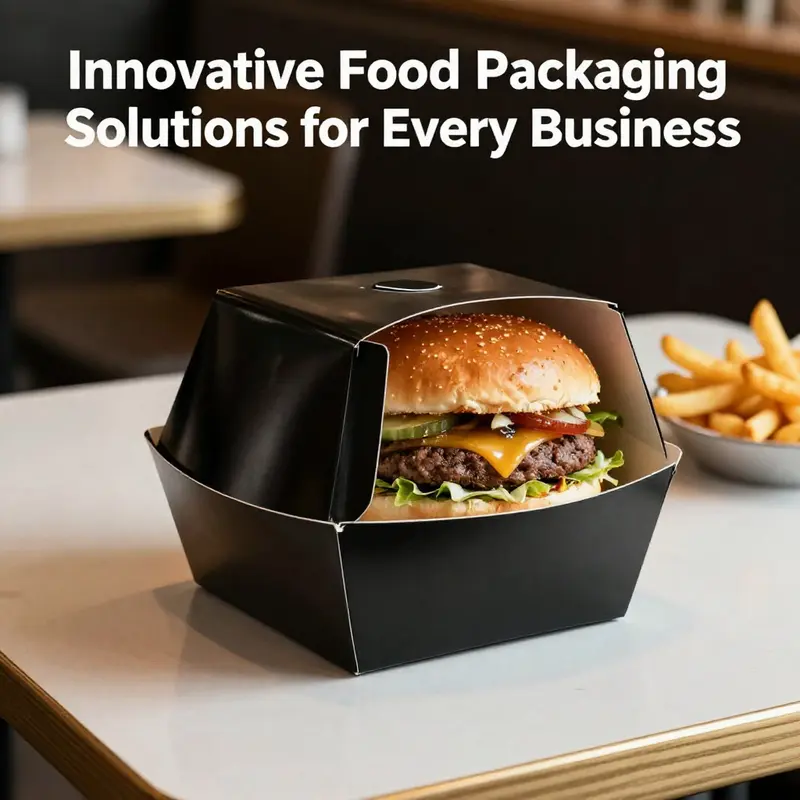
In a market where convenience and sustainability compete for attention, packaging has become more than a container. Luxury paper fast food containers sit at the crossroads of aesthetics, performance, and responsibility. They are not just wrappers; they are a platform for brand values and a pathway to a more thoughtful takeout experience.
At their core, premium containers rely on recycled kraft paper. Kraft paper offers durability and warmth, a tactile language that resonates with customers. The barrier to oil and moisture is achieved with plant-based coatings that can be compostable in the right facilities. The goal is to protect food and maintain a natural look and feel.
The design supports functionality as well as elegance. Reinforced corners, precise folds, and secure closures reduce leakage and make it easier to stack for transport. The packaging can handle burgers, fries, noodles, and desserts, while remaining visually refined.
The impact goes beyond appearance. Custom printing conveys a restaurant story while enabling consistent branding across channels. A premium container invites social sharing and can enhance perceived value, encouraging repeat visits.
From the operator perspective, the value lies in reduced damage and leakage, improved customer satisfaction, and clearer branding. Yes, premium materials cost more, but they can be offset by higher order values and stronger loyalty.
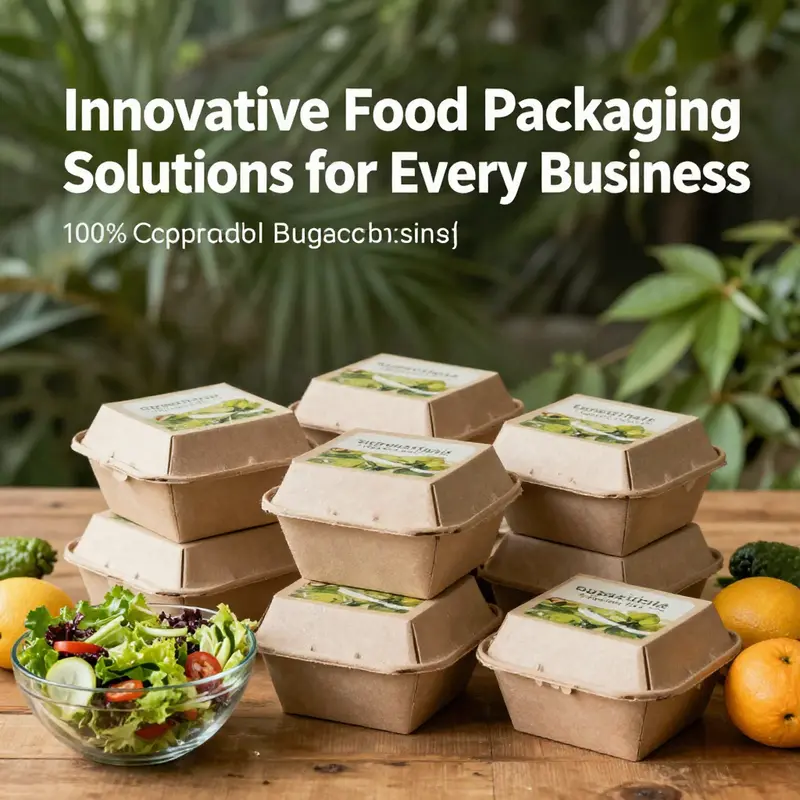
Sustainability is a spectrum that includes sourcing, end-of-life options, and alignment with local waste streams. 100% compostable sugarcane-based boxes illustrate one path, while regional facilities determine feasibility. Luxury paper containers can be compatible with recycling and composting programs, depending on coatings and facilities.
The future of disposable packaging will likely blend performance with responsibility. Ongoing R&D in barrier coatings, light-weight structures, and printing techniques will expand the possibilities. The best outcome is packaging that travels with the meal, protecting it and telling a story, while fitting into circular economy goals.
null
null
Final thoughts
Selecting the right disposable food packaging box is crucial for enhancing customer experiences while complementing sustainability efforts. Brown kraft paper boxes offer a practical, eco-friendly option suitable for a variety of food items, while luxury paper fast food containers enhance the dining experience with their stylish designs. For those wishing to take their environmental commitment further, compostable sugarcane-based boxes provide a fully biodegradable solution. By understanding the unique advantages of each type of packaging, food service businesses can make informed decisions that align with their operational goals and consumer expectations.