

As the beverage service landscape continues to evolve, one item that consistently proves valuable across settings is the clear plastic cup. From bubble tea shops to event planners, these versatile containers are a staple for a variety of establishments. Available through major retailers like BJ’s Wholesale Club, clear plastic cups offer convenience, safety, and aesthetic appeal. This article delves into BJ’s Wholesale Club’s offerings, the materials and safety features of transparent plastic cups, and a balanced examination of their pros and cons in both home and commercial environments. Each chapter will equip you with the necessary insights to strategically integrate these indispensable cups into your beverage service scenario.
Buying and Using Clear Plastic Cups at BJ’s: Practical Guidance for Bulk Procurement and Smart Use

Buying and Using Clear Plastic Cups at BJ’s: Practical Guidance for Bulk Procurement and Smart Use
When a membership warehouse sources or stocks clear plastic cups, buyers and users need a practical framework. This chapter follows a single, continuous narrative that explains how a large wholesale club operates as a purchaser rather than a manufacturer, what to look for in clear plastic cup options, and how to manage quality, safety, storage, environmental impact, and customization when buying in bulk. The aim is to turn general knowledge into actionable guidance for procurement teams, event planners, or small businesses that rely on membership-club purchasing.
A large warehouse-style club typically functions as a large-volume buyer and reseller. It aggregates demand, negotiates with manufacturers, and often offers multiple cup options under different labels. That means the store you visit likely sells both third-party brands and store-label items. The club itself rarely manufactures the cups. Instead, it selects suppliers based on cost, lead time, and compliance with food-contact standards. Recognize this distinction early. It sets expectations: you are buying convenience and scale, not direct manufacturer guarantees.
Material choices define performance and compliance. Clear plastic cups commonly use PET, PP, or polystyrene variants. PET offers clarity and is widely used for cold drinks. It is recyclable in most systems and resists oils and acidic beverages. Polypropylene (PP) is more heat tolerant and is a logical choice for thicker reusable cups or containers that may need to endure hot liquids or dishwashing. Some reusable clear cups use polycarbonate alternatives or other engineered plastics, but many reusable plastics are now promoted as BPA-free. When you evaluate options at a wholesale club, confirm the material printed on the packaging. Material affects recyclability, temperature tolerance, and the right use cases.
Safety and food-contact compliance cannot be overlooked. Good suppliers provide documentation that products meet regional food-contact regulations. In the United States, that means compliance with FDA food-contact regulations for polymers. Bulk purchasers should ask for certificates of compliance and third-party test reports when possible. Request test data for migration of additives and for the absence of restricted substances such as BPA if the product is marketed BPA-free. For large buyers, include these documentation requirements in contractual terms. For smaller buyers at the membership level, look for packaging claims and trusted store assurances, but still inspect labeling for compliance statements.
Capacity and form factor matter for inventory planning. Clear plastic cups come in a range of sizes: small tasting cups, single-serve 4–6 ounce sizes, standard beverage sizes of 8–12 ounces, large 16–24 ounce cups, and specialty formats for smoothies or takeaway cold drinks. Lids and accessories vary accordingly: flat lids, domed lids with straw holes, snap-fit lids, and leak-resistant variants for takeout. When planning purchases for events or resale, map expected beverage types to cup sizes and lid compatibility. Buying mismatched lids wastes money and space. A simple checklist helps: list beverage menu items, typical serving sizes, whether lids are required, and how many of each size you expect to move per week. Then order with a safety margin of 10–20% for peak times.
Durability requirements separate disposable from reusable choices. Disposable clear cups are cost-effective and reduce breakage risk in crowded events. Reusable clear plastic cups, designed for many cycles, reduce waste but require washing infrastructure. If your environment mandates repeated use, prioritize sturdier options and confirm dishwasher ratings. If single use is the choice, balance cost-per-use with environmental policies and disposal options.
Environmental considerations now influence procurement decisions strongly. While clear plastic cups offer convenience, they can be problematic if not managed properly. Look for recyclable PET and clearly labeled recycling codes. However, recycling availability varies by locality. If the club or venue seeks greener solutions, compare alternatives: fiber-based cups with clear PLA windows, compostable bioplastic options, and heavy-duty reusable cups. Be mindful that compostable plastics need industrial composting facilities and may contaminate recycling streams. When possible, choose products with clear end-of-life instructions on packaging, and coordinate local recycling or composting programs to ensure proper disposal.
Packaging and bulk handling matter for logistics and warehousing. Bulk cartons should protect cups from deformation. For thin disposable cups, packaging that stacks and supports the rim helps maintain shape. Palletized cartons should be labeled clearly with product codes, size, and quantity per case. For buyers stocking large quantities, optimize shelf space by stacking identical SKUs together and rotating first-in-first-out. For clubs that repackage into smaller packs for members, ensure repackaging does not degrade the product; avoid crushing lids or nesting that makes removal difficult.
Quality inspection is a practical step at receipt. When cartons arrive, check a representative sample of cups. Look for clarity, consistent wall thickness, and absence of warping or stress cracks. Test a few lids for fit and seal. If products are claimed to be reusable, run a short cycle through a dishwasher to verify dimensional stability. Establish acceptance criteria and record deviations. For frequent or large-volume purchases, maintain a formal nonconformance process with the supplier. Keep photographs and sample units for dispute resolution.
Supplier selection balances price, reliability, and compliance. Large clubs typically source from several manufacturers to maintain supply continuity. If you are a buyer using the club as a procurement channel, note the benefits: predictable pricing due to consolidated purchasing, and a selection of tested SKUs. But if your needs are specialized—custom printing, a nonstandard size, or a specific polymer—you will often need to go direct to manufacturers or wholesalers who accept smaller minimum order quantities and customization requests.
Customization and branding are common needs for businesses. Clear plastic cups can be printed with logos or labels, but printing on clear substrates requires attention. Water-based or UV-cured inks can achieve good adhesion. Consider the visual effect: printing on a clear surface looks different than on an opaque one, and ink adhesion must be tested for resistance to liquids and detergents. For short runs or event branding, consider applying branded sleeves or adhesive labels instead of full-cup printing. These methods reduce lead time and MOQ pressure.
Cost factors extend beyond unit price. Total landed cost includes production, shipping, duties, storage, and potential disposal or recycling fees. For clubs that import goods, factor in lead times and shipping variability. Seasonal demand spikes—summer events, holidays—affect inventory. Plan purchase cycles accordingly and negotiate flexible replenishment schedules if possible.
When evaluating alternatives, compare clear plastic cups with paper and compostable options from both cost and environmental perspectives. Paper cups with clear PLA lining combine a paper exterior with a clear window or lid to show contents. They can provide a more premium feel and a perceived environmental advantage. However, their recyclability and compostability depend on local infrastructure. For venues focused on sustainability, combining reusable cups with a deposit/refund or washing station can dramatically reduce waste while maintaining presentation quality.
Operational policies determine how cups are used and disposed. Train staff on how to separate recycling streams, how to handle food-contact waste, and how to manage breakage. For clubs and venues that plan events, set clear guest guidance for disposables: where to place used cups, which bins accept recyclable plastics, and how lids should be separated if required. This reduces contamination and improves recycling rates.
Small-scale testing helps avoid large mistakes. Before placing a massive bulk order, buy a sample case and use it in real conditions. Test stacking, fit with lids, and user acceptance. Evaluate how the cups perform under typical serving temperatures and transportation conditions. If the club offers samples or smaller packs, use those to trial products first.
If you are a reseller or retailer within a membership model, consider the merchandising angle. Clear cups display the beverage, making them appealing for cold drinks, layered presentations, and desserts. Use attractive in-store displays that emphasize clarity and hygiene. Consider offering multipacks or combo packs with lids to increase average transaction value.
Finally, manage risk with contractual clarity. When purchasing at scale through a warehouse club model, ensure packaging, labeling, and compliance responsibilities are clear. Specify recall procedures and defect thresholds. Require certificates of compliance for food-contact materials and hold suppliers accountable for batch traceability. For clubs themselves, maintaining supplier audits and random lab testing safeguards reputation and customer safety.
For one practical example of hybrid packaging that pairs paperboard with clear plastic elements, consider exploring products that combine a biodegradable paper shell with a transparent lid. These provide structure, display, and a better environmental story, while still offering the visibility of clear plastics: 一次性生物降解与透明塑料组合甜点容器.
For those who want to confirm what a membership warehouse stocks, visit the retailer’s official site to view categories such as kitchen and party supplies. Online listings help compare SKUs, packaging, and seasonal promotions. For direct reference to the club’s online storefront and product listings, consult their website: https://www.bjs.com
透明塑料杯的材料、安全边界与环保抉择:给批量购买与现场使用者的实用指南
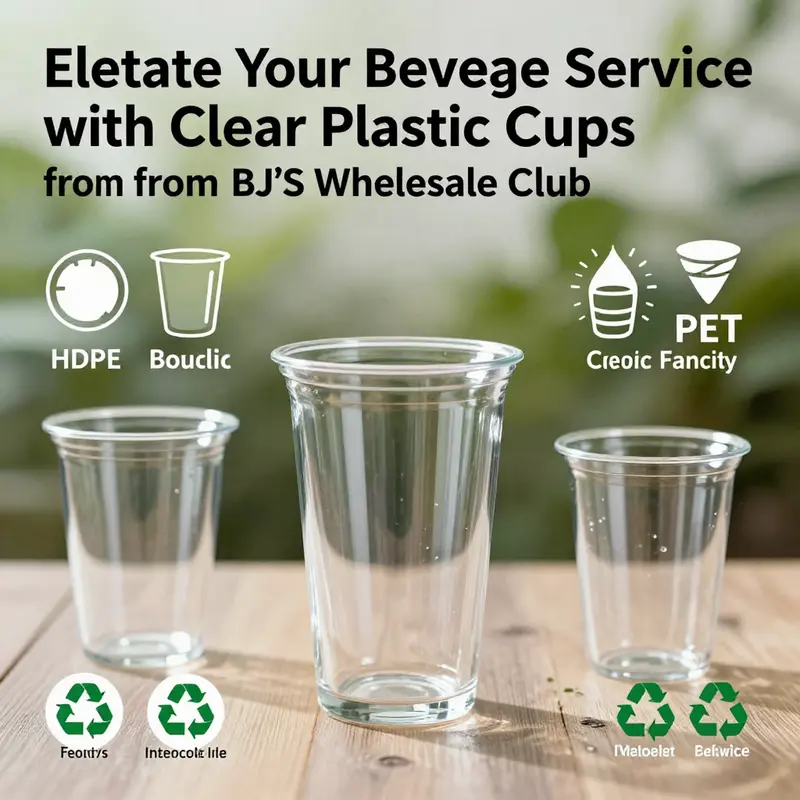
材料、安全与环保的关键考量
在为大型聚会、餐饮活动或仓储式批量采购选择透明塑料杯时,了解材料本质、安全边界和环境影响,是做出明智选择的基础。透明塑料杯并非单一品类。它们在外观上一致,但在成分、耐热性、回收途径和使用限制上差别显著。掌握这些差别,能帮助采购者在满足使用需求的同时,降低健康风险与环境负担。
首先,认识三类常见材料的核心特性。PET(聚对苯二甲酸乙二醇酯)以高透明度和良好机械强度著称。它适合盛放冷饮、冰咖啡、果汁和含气饮品,通常标记为可回收材料。PET 的化学稳定性较好,不易与饮品发生相互作用,因此被广泛用于一次性透明杯和瓶装饮料容器。其优势包括视觉效果佳、阻隔性和耐化学性良好,以及在多数回收体系中的可回收性。
PP(聚丙烯)则以耐高温见长。它的透明度可能略逊于 PET,但具备耐热性,可承受约100℃ 以上短时间热负荷。这使得 PP 更适合装热饮或用于需要短时微波加热的场合。PP 常被标记为食品级,且在正确使用条件下不易释放有害成分,因此在需要热稳定性的场合是更合适的选择。
GPPS 或通用聚苯乙烯以低成本和高透明度见长。它常用于低端一次性透明杯或塑料器皿。然而,GPPS 的耐热性差,遇热容易变形。更重要的是,在特定条件或长期退化时,GPPS 可能释放出微量单体或低分子物质,这引发对健康安全的担忧。因此,GPPS 不适合用于盛放高温液体,也不推荐用于需要长期重复使用的场合。
除了这三类主流材料外,市场上还存在 PETG、共聚物或部分标注为可降解的生物基塑料(如 PLA)。PETG 提供更好的冲击韧性和加工性,但在回收体系中的分离并不总是方便。PLA 虽标榜生物基、可堆肥,但该材料在实际条件下的可降解性依赖于工业堆肥设施。若把 PLA 投入普通回收流或自然环境,往往无法实现其设计中的降解路径,反而污染回收体系或长期滞留环境中。
关于安全性的核心问题,消费者应关注两点:一是原材料的食品级认证,二是产品在实际使用条件下的迁移行为。食品级认证通常由权威监管机构或标准定义,例如美国食品监管机构或国家食品接触材料标准。合格产品会标注为食品接触安全,并明确“不含双酚A(BPA)”或“不释放邻苯二甲酸酯类增塑剂”。这些标签并不是万能许可,但能作为初步筛选标准。
迁移风险是判断使用边界的关键。塑料材料在受热、摩擦、长期日晒或与高酸度、高脂肪食品接触时,化学成分更易迁移至食物或饮品。基于这一点,有两条简单可行的使用原则:避免将标为一次性透明塑料杯的产品用于高温或直接微波加热;不要将明显老化、发白或表面出现细微裂纹的塑料杯继续用于食品接触。对于热饮,应优先选择注明耐高温的 PP 或改用耐热玻璃与不锈钢容器。
环境维度上,塑料杯的生命末端策略决定了其总体影响。PET 与 PP 属于目前主流的可回收塑料类别,但回收率和回收质量差异巨大。回收程序往往受制于分拣设施、回收政策与消费者行为。即便 PET 材料本身是可回收的,若被污染(残液、油渍或餐具纸巾混入)便会削弱其回收价值,最终流向垃圾填埋或焚烧。因而,采购与使用方应考虑包装设计、杯壁厚度和使用方式,以便提高回收成功率。
相比之下,一次性不可降解塑料或某些廉价材料在环境中几乎不分解。它们可能被风带入河流、海洋,成为微塑料和生物误食的来源。长远视角看,减少一次性使用、推广耐用替代品,并改进回收体系,才是降低环境负担的有效路径。
因此,面向批量采购者,建议从三方面入手。第一,明确使用场景与温度边界。若需求以冷饮和透明展示为主,优先选择食品级 PET;若需盛放热饮或需要短时加热,优先选用标注为耐高温的 PP。第二,检视产品标识与第三方检测报告。产品应清晰标明材料类别、食品接触安全声明及“不含双酚A”等信息。遇到疑问,要求供应商提供检测证书与回收编码说明。第三,在采购时考虑终端处置策略。选择便于回收的单一材质设计,避免复合材料叠加难以分离的构造。若产品配套有可拆卸盖子或配件,尽可能使用同质材料,便于回收分拣。
对于想要降低一次性塑料使用的组织,有几类替代方案值得考虑。首先是可重复使用的容器,如玻璃、硼硅玻璃或不锈钢杯。这些容器使用寿命长,能够显著压低长期采购与环境成本。其次是设计为可回收或可堆肥的替代品,例如使用纸杯配合可回收或可生物降解盖子的组合。不过必须谨慎:纸杯若内层涂布聚乙烯或 PLA,则回收与堆肥路径会不同。选择纸基替代品时,务必确认该材料在本地回收或堆肥设施的可接受性。
还有一种折衷方案值得批量采购者考虑:采用可回收透明杯作为展示与短期使用器皿,同时在活动或门店设置明确的回收站和引导标识。通过教育顾客正确投放与清洁,能够显著提升回收率。若可能,采购方可以与回收服务商协作,确保废弃杯品经过专业处理与再利用,形成闭环供应链。
供应链透明度也是关键。采购者应在招标或询价环节,向供应商索取材料来源、制造过程与废弃处置建议。优先与能提供可追溯材料、第三方检测和详尽环保声明的供应商合作。对于有长期需求的买方,考虑建立对重复采购产品的质量抽检制度,确保长期使用中产品不会因配方变更而影响安全或回收性。
在现场管理与用户教育方面,简单的实践可发挥大效力。明确标识不同垃圾箱的回收对象,提供一次性杯子的临时存放和清理流程,鼓励顾客或参与者将杯子空置后送至回收点而非混入普通垃圾。若活动频繁产生大量一次性杯品,可考虑采用押金制的可循环杯系统,既降低清洁成本,也减少一次性废弃物生成。
最后,需要强化对可降解与“绿色”标签的谨慎识读。市场上许多材料被宣称为“可生物降解”或“可堆肥”,但这些主张常常有条件限制。许多生物基材料仅在高温高湿的工业堆肥条件下才能分解。在没有相应设施的地区,这类材料可能既不能被有效回收,也无法自然降解。采购者应询问当地能否提供工业堆肥处理,或是否存在专门的分流回收通道,避免盲目信任标签导致更大的处理困难。
为了让批量购买变得更可持续,建议将短期节省与长期成本结合评估。一次性塑料杯的单价优势明显,但长期看,重复使用容器、建立有效的回收或循环系统,经常能带来更低的环境与运营成本。采购决策不应只看眼前的价格,更要考虑产品的材料性能、适用场景、终端处置方式和对使用者的安全保护。
若您想了解可替代的纸基一次性杯产品作为参考,请查看这款关于生态友好纸杯的产品页面: senang01 eco-friendly paper cup product page。这类产品展示了设计如何在兼顾展示、手感与环保要求之间做出权衡。
更多权威的食品接触材料安全信息,可以参考监管机构对塑料材料的安全指南与法规说明,以便在采购和使用决策中据理施行。以下链接提供了关于食品接触用塑料材料安全性与法规建议的详细信息:
https://www.food.gov.uk/food-safety-and-labelling/plastic-food-contact-materials
透明塑料杯在家庭与商业环境的利弊平衡:安全、成本与可持续性的实用指南
透明塑料杯在家庭与商业环境的利弊平衡:安全、成本与可持续性的实用指南
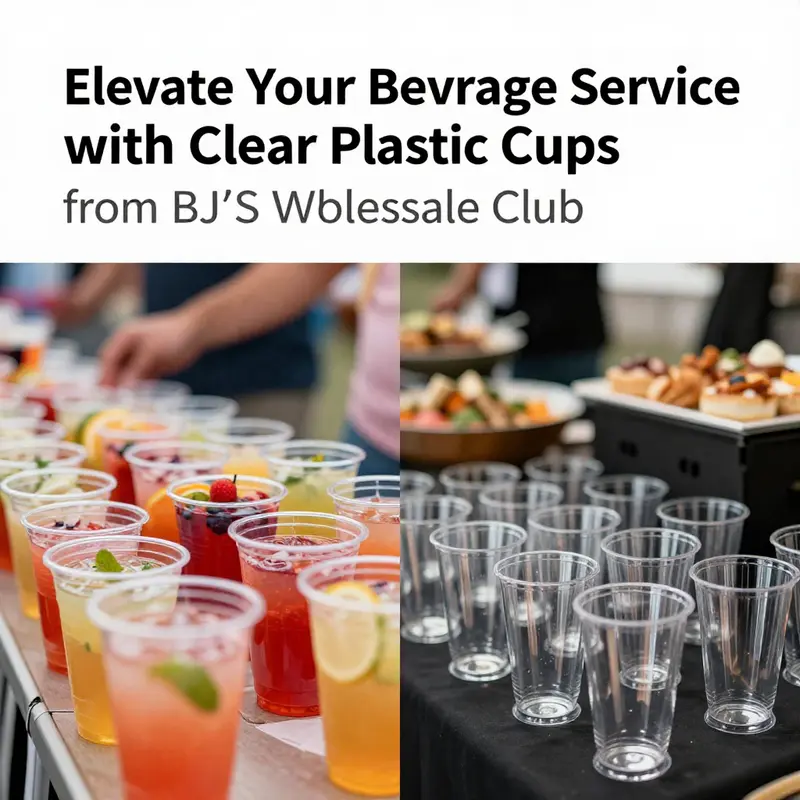
透明塑料杯因其直观、轻便和经济的特性,成为许多家庭聚会和高流转餐饮场所的首选。它们让饮品的色彩瞬间突出,提高视觉吸引力。无论是自制果茶、冷萃咖啡,还是外带饮料,透明杯都能让饮品的质地和层次清晰可见。然而,这种普及背后藏着必须认真权衡的健康、清洁和环境问题。本章旨在连贯地探讨这些利弊,并提供切实可行的选择与使用建议,帮助家庭和商家在便利与责任之间找到平衡。
在优点方面,透明塑料杯拥有几项明确的优势。首先是安全性和耐用性。相比玻璃器皿,优质的塑料杯更抗摔,不易破裂,这对有儿童或需要户外活动的人群尤其重要。许多现代透明塑料杯采用食品级聚丙烯(PP)、聚对苯二甲酸乙二酯(PET)或高性能共聚酯材料制造。正确选用这些材料制成的杯子,可以安全盛放冷饮和多数常温饮品,并在常见使用条件下保持稳定。其次是成本效益。无论家庭量购还是餐饮业批量采购,塑料杯的单价通常低于玻璃或陶瓷替代品。这使得一次性或重复使用的方案在短期运营中更经济。第三是便利性。一次性透明杯在活动后免去了大量清洗工作,节省了时间和水资源。对于高峰期顾客流动快的场所,这一点尤为重要。最后是美观与展示能力。透明杯能直观展现饮品颜色、分层和装饰效果,这对饮品的销售和派对布置都有直接增值作用。
尽管如此,透明塑料杯也存在必须认真面对的缺陷。首当其冲的是潜在的化学物质迁移风险。劣质或不合规的塑料在高温或反复使用时,可能释放单体或添加剂残留。长期摄入这些化学物质,理论上可能带来健康风险。为避免这一问题,关键在于选购明确标注食品级、无BPA或符合国家相关标准的产品。必须避免用非耐高温塑料盛放刚煮沸的液体,也不要将不适用微波的杯子放入微波炉加热。第二,重复使用的塑料杯表面容易划伤。细小划痕会成为细菌和污渍的藏匿处,难以彻底清洁。随着使用次数增加,老化塑料的透明度也会下降,使用体验变差,卫生风险上升。第三,环境负担不容忽视。一次性塑料杯如果未经过有效回收,最终会进入填埋场或海洋环境,带来长期生态影响。即使部分产品宣称“可回收”或“可降解”,真实的回收率和降解条件常常受限于地区回收体系和工业降解设施。第四,质感与品牌形象方面的局限。对于追求高端体验的餐饮场所,塑料杯的触感和视觉质感往往无法与玻璃或精致陶瓷相提并论,在重要场合可能削弱品牌形象。
在实际应用中,家庭和商业用户面临不同的权衡点。家庭通常更看重安全性与便利性。对有幼儿或老人家庭而言,塑料杯减少了碎裂的风险。家庭用户可优先选择标注食品级和耐温范围的可重复使用透明杯。使用后以温和清洁剂手洗,并定期检查杯体有无划痕或变形。对于外出野餐或孩子聚会,一次性透明杯仍是实用选择,但要确保事后分类回收,或优先选择可堆肥或更易回收的材料版本。商业场景则更复杂。快餐、外卖和饮品店等高频使用场所,需兼顾成本、效率与法定食品安全要求。商家在选购时,应选择通过独立检测、具有食品接触材料认证的供应商产品。对于需要保温或盛装热饮的业务,优先采用专为高温设计的容器,或使用双层结构杯以保护消费者和减少化学迁移风险。
有效管理透明塑料杯带来的卫生风险,关键在于建立清晰的使用与维护流程。对于可重复使用的透明杯,建议设定明确的更换周期。即便杯子看起来完好,也应根据使用频率设置替换天数或次数阈值。清洗程序应包含适当的温度和洗涤剂,必要时采用机械洗碗机以确保消毒效果。若杯子出现明显划痕、变色或异味,应立即报废。一次性杯子在商用场景中应避免重复循环使用,这样可以降低交叉污染的风险。
环境方面的减缓策略同样重要。企业可通过采购更高比例的可回收或可降解材料杯来降低生态足迹。与此同时,应与本地回收系统对接,设置明确的回收通道,鼓励顾客将用后杯子投放到合适的回收点。对于家庭用户,尽量选择可堆肥或高回收率的产品,且养成将一次性用品与其他垃圾分开处理的习惯。大型活动组织者可以考虑使用可重复循环系统,例如在活动现场设置回收点,并与回收商合作,将收集的塑料进行定向处理。
在采购决策中,关键要点包括材料标签、耐温性能、认证信息与供应链透明度。优质透明塑料杯会在包装或产品说明中列明材料类型、耐温范围以及是否适合微波和洗碗机使用。安全性能经过第三方测试并有相应标识的产品,更值得信赖。商家采购时,建议索取检测报告,并优先选择能提供可追溯生产信息的供应商,这样在食品安全事件发生时,能迅速定位并应对问题。
另一方面,虽然许多用户出于环保考虑倾向于纸质或植物基替代品,但这些替代品也有败笔。纸杯若带有不可分离的塑料内涂层,会影响回收。某些可降解材料需要工业级堆肥条件才能真正分解。可见,无论选择何种材质,都没有“一劳永逸”的完美答案。合理的做法是根据使用场景做出分层选择。对需要高展示效果、频繁替换或高卫生要求的使用场景,选用高质量透明塑料杯或带透明盖的包装可能是最合适的方案。对于一次性需求但环境敏感度高的场合,优先选择可回收或工业可堆肥材料,同时建立回收路径。
另外,透明塑料杯的设计细节也影响功能与安全性。加厚杯壁和双层结构可以提高耐热和抗形变性。防滑杯壁纹理和合适的杯口直径则能提高握持稳定性。若产品有透明盖设计,应留意盖子与杯身的严密性,避免运输和携带中泄露。商家还可考虑定制带有明确回收指示的印刷标签,引导消费者正确处置。
在沟通与教育方面,家庭与企业都应承担一部分责任。企业应在产品或店内明确标示容器的使用限制与回收说明。对一线员工进行培训,使其能在高峰期正确分发耐热或非耐热杯子。家庭则应在购买时看清标签,遵循厂商建议的使用方法,并将一次性用品与可回收物分开处理。教育消费者认识不同材质的优缺点,也是降低风险的重要一步。
最后,除了选择与管理之外,求解平衡的关键在于灵活搭配与长远规划。将透明塑料杯作为众多解决方案之一使用。对内聚会或重要接待场合,可用更高档的玻璃或陶瓷。对于路边摊、外卖或大型活动,则视情况采用高质透明塑料杯,并附以回收措施。企业可逐步测试替代材料,并将消费者反馈纳入采购决策。通过小规模试点,评估材料的耐用性、客户接受度和回收可行性。长期来看,投资于可回收材料、优化回收流程,以及提升供应链透明度,能同时维护品牌形象和社会责任。
在平衡便利、成本与可持续性时,透明塑料杯并非绝对优或劣。核心在于:选对材料、设定合理的使用和更换规则、并落实有效回收。只要在选购与使用环节加强标准与管理,就能在保留透明杯带来的展示优势与经济效益的同时,最大限度降低健康和环境风险。用于展示甜点或外带点心的透明盖组合,也可作为减少一次性塑料使用的折中方案。有关此类透明盖组合的更多信息,请参阅此处的包装示例:biodegradable pastry container with clear lid。
欲了解仓储式零售商的库存和分类建议,请访问其官方网站。更多零售渠道和库存查询可通过此链接获取: https://www.bjs.com
Final thoughts
In conclusion, clear plastic cups are an essential element for businesses within the beverage industry, including bubble tea shops, restaurants, catering services, and more. Not only do they offer practical benefits like safety and convenience, but they also enhance the visual appeal of beverages, making them more inviting to customers. BJ’s Wholesale Club stands out as an excellent sourcing option for these cups, providing quality products that meet safety standards. By considering the materials and safety factors associated with these cups and weighing the pros and cons of their use, businesses can make informed decisions that elevate their service offerings. Embrace the versatility and appeal of clear plastic cups to meet your beverage service needs with confidence.