
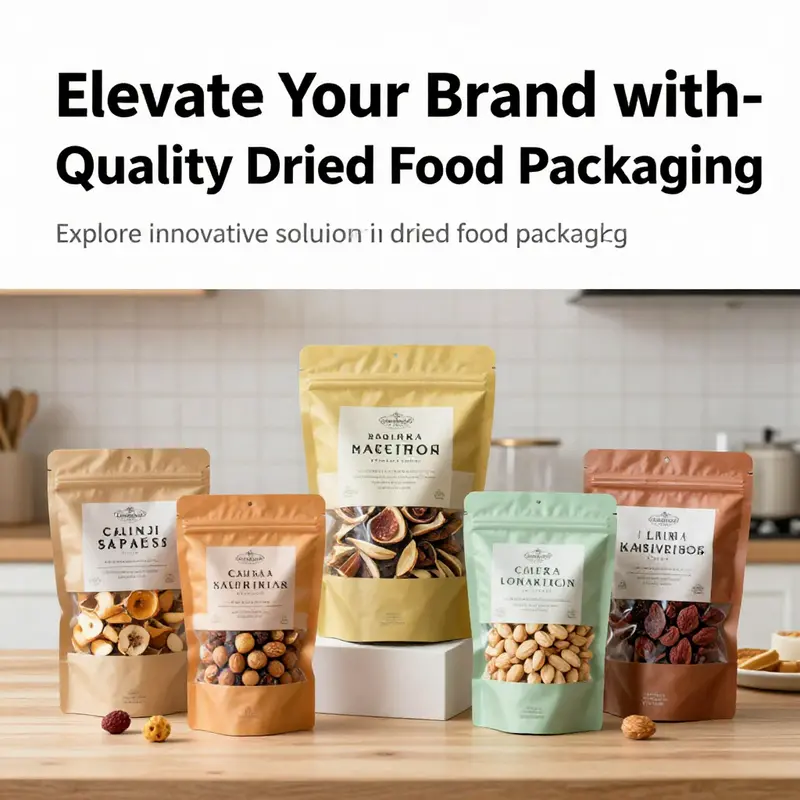
Choosing the right packaging for dried foods is crucial for maintaining product quality and enhancing brand presence. In an era where consumer preferences continually evolve, Bubble Tea Shops, beverage chains, restaurants, food trucks, catering services, event planners, and corporate procurement teams need to stay ahead with effective packaging solutions. This article delves into high-barrier materials that ensure freshness, functional designs that elevate convenience, and the importance of customization in aligning with market trends, specifically tailored for your unique business needs.
Guardians of Freshness: High-Barrier Laminates and the Craft of Dried Food Packaging
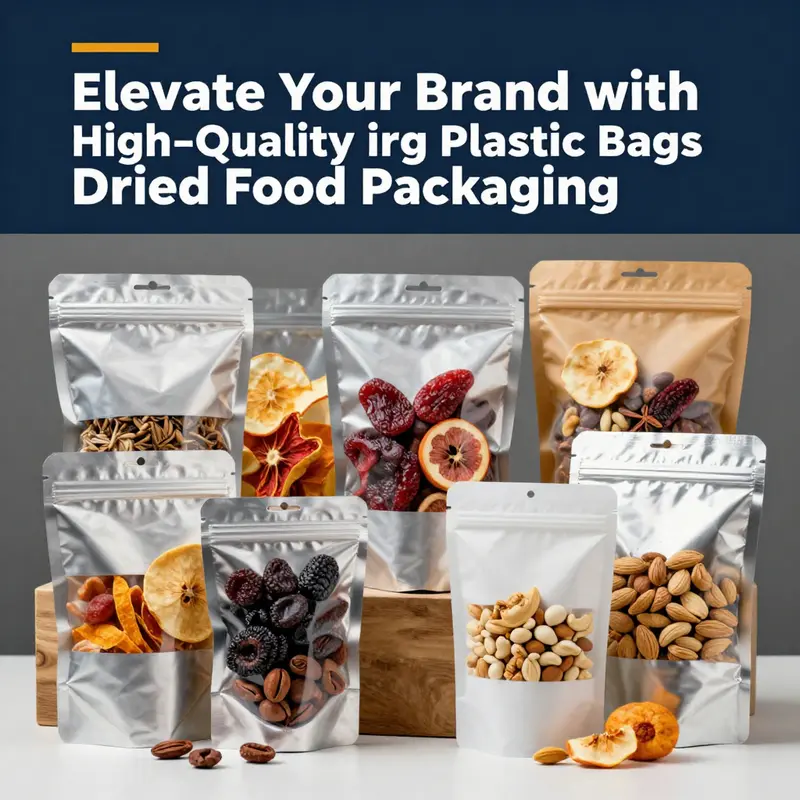
When a jar of mixed nuts sits on a pantry shelf, its aroma and crisp texture can still feel fragile, tethered to the integrity of the bag that guards it. Dried foods, from successive layers of spice to crisp cookies and roasted coffee bits, rely on packaging that does more than hold product and advertise branding. They require a carefully engineered shield—one that keeps moisture out, blocks light, slows oxygen ingress, and masks any odors that could tempt a pantry thief named time. This shield is the realm of high-barrier materials in dried food packaging plastic bags, a field where chemistry meets commerce, and where the simplest bag becomes a quiet partner in preserving flavor, nutrition, and safety for months, sometimes years, under conditions as varied as a supermarket aisle and a shipping container at sea. The story of these materials is not one of a single wonder film but of a family of laminated films designed to collaborate in a symphony of protection. Each layer contributes a specific role, and when combined in the right sequence, they form a barrier that can outperform what a lone material could ever achieve on its own. At the core of this design philosophy is the recognition that moisture and oxygen are not mere suspects; they are active agents of change. Moisture can awaken enzymes, promote microbial growth, and alter texture. Oxygen fuels oxidation, leading to rancidity, color changes, and loss of volatile flavors. Light can catalyze photo-oxidative reactions that brightened flavors degrade over time. Odors can migrate from packaging into food and vice versa, undermining perceived freshness. In response, manufacturers move toward multi-layer laminates engineered for high performance while balancing cost, processability, and end-of-life considerations. The most common solutions arrange a sequence of barrier and support layers that can resist gas transmission, mechanical wear, and environmental stress. A classic pairing involves PET and PE as a baseline, prized for mechanical strength, good clarity, and compatibility with modern filling and sealing lines. But the more sophisticated demands of dried fruits, premium snacks, or export-grade products push the stack toward nylon and aluminum foils, sometimes in combination with PET and other polymers, to attain exceptional barrier properties with manageable film thickness. The chemistry of these laminates is not simply a matter of thickness; it is a choreography of diffusion, impedance, and interaction among materials that each bring something unique to the performance. PET offers rigidity and a crystalline resilience that helps minimize gas permeability, while PE contributes toughness and a sealable surface for heat sealing and printing. Nylon, or NY, brings a dense molecular network that further restricts oxygen and moisture transmission and can improve puncture resistance. Aluminum foil, when included as a thin layer, becomes a nearly impenetrable shield against light and oxygen, extending the shelf life of delicate or highly sensitive items. The result of such a stack is a high-barrier laminate that can withstand the rigors of distribution—blowing air from the flow of goods, surviving industrial heat during retort or sterilization steps, and preserving a sensory profile that would otherwise fade. In practice, a PET+AL+NY+PE lamination delivers a level of protection that suits long-term storage of perishable, high-value items, where the cost of premium packaging is justified by a longer frost-free, flavor-preserving horizon. For products where cost containment is paramount and the sensitivity to oxygen or moisture is lower, a PET+NY+PE assembly can deliver excellent protection with a leaner footprint. The design space also includes simpler, more economical configurations such as OPP+CPP, a combination known for offering a balanced barrier with clear visual appeal and good printability. The choice among these options is rarely a purely technical decision; it is a narrative about product positioning, supply chain logistics, and the consumer experience. A premium dried fruit destined for export markets may justify the heavier weight and higher material complexity of a PET+AL+NY+PE laminate, especially when the product will pass through multiple temperatures and long voyages. The same product, if intended for domestic shelves with shorter transit times, might be paired with a PET+NY+PE structure that still delivers robust protection but reduces material cost and weight. The thickness spectrum of these bags, typically ranging from 20 to 200 microns, is not arbitrary. It reflects a deliberate calibration of mechanical durability, barrier performance, and processing compatibility. A thinner film can flex easily around curved surfaces, reduce package weight, and lower material costs, but may require tighter process controls during sealing and filling to prevent pinholes and tears. A thicker film enhances puncture resistance and structural stability, enabling stands-up configurations and more aggressive handling on conveyors, but it comes at the expense of higher material consumption and slightly stiffer performance on packaging lines. The real-world implications of these design choices ripple through every stage of the product lifecycle. In the design of dried food packaging, functional features have become as important as barrier performance. Stand-up zipper pouches, for example, combine stability on the shelf with consumer-friendly resealability, a feature that preserves freshness after opening and reduces waste. Flat-bottom bags offer a stable display profile and a straightforward filling process, while side gusset constructions expand capacity while keeping the footprint compact. Reclosable seals, whether heat-sealed zippers or slider mechanisms, add convenience and help to maintain product integrity after the package is first opened. The interplay between barrier properties and consumer usability is critical. A package may possess extraordinary barrier resistance, but if it fails at the point of consumer interaction—leaking, difficult reseal, inconsistent sealing temperature—the perceived value plummets. Hence, the industry balances technical performance with practical reliability, mindful of the needs of both the brand and the shopper. Materials must also be designed with food safety as an explicit objective. The laminate interfaces are chosen to ensure food-grade compatibility, with adhesives and ties carefully tested to avoid any migration of contaminants into the product. The packaging supply chain calls for rigorous quality control, including standardized sterilization or disinfection protocols during production to guarantee microbial safety from manufacturer to shelf. This attention to safety is more than regulatory compliance; it is a commitment to the integrity of every bite and every aroma that survives a journey through markets and kitchens. As sustainability concerns shape modern packaging, the conversation naturally broadens to include alternatives that aim to reduce environmental impact without compromising barrier performance. Polylactic acid (PLA) and corn-starch-based bioplastics represent a meaningful shift in the industry, offering compostability under industrial conditions and a lower carbon footprint during production. Yet, like many innovations, these bioplastics come with trade-offs. They may exhibit lower heat resistance or shorter shelf life under certain storage conditions compared with conventional plastics. The challenge for designers and brand owners is to map the environmental benefits against product requirements, storage conditions, and distribution networks. In some cases, sustainable goals can be met by choosing laminated structures that enable higher degrees of recyclability or by incorporating recyclable polymer combinations that align with regional waste streams. Certifications become a compass in this landscape, guiding brands toward responsible choices. Schemes that verify material safety, printing inks, and overall environmental stewardship help build consumer trust. The possibility of aligning packaging with SGS standards or similar third-party assessments reinforces the sense that product protection and planet-friendly practices can coexist. The broader ecosystem also intersects with consumer expectations for transparency. Modern dried foods travel through a web of supply chains where each link seeks to minimize waste and maximize safety. In this environment, the ability to customize packaging with branding—while preserving the essential barrier qualities—has never been more important. Suppliers offer flexible solutions, including printing up to multiple colors on various bag types, enabling brands to convey not only product identity but also safety credentials, serving as a visible promise of quality. The practical implications of customization extend beyond aesthetics. Packaging lines must adapt to unusual shapes, specialized closures, and variable fill weights. While mass production benefits from standardized formats, niche products or limited editions thrive on bespoke laminates or print designs that still meet barrier performance requirements. The capacity to accommodate low minimum order quantities, sometimes approaching tens of thousands of units or less, makes advanced barrier systems accessible to small and medium-sized businesses aiming to launch or scale up their brands without heavy upfront investment. In this sense, the modern high-barrier landscape is a story of accessibility as much as it is a story of protection. It is a story that has learned from decades of microbiological analysis, where a careful choice of materials and lamination sequences translates into tangible safety and taste, preserving the microbiological stability of dried foods as they traverse storage and transport. The new generation of packaging also considers end-of-life outcomes. While high-barrier laminates deliver necessary performance, there is ongoing exploration into formats that improve recyclability, enable more efficient sorting in recycling streams, or offer industrial compostability for certain components. The dialogue between barrier science and sustainability is active and evolving, with researchers, manufacturers, and regulators contributing to a shared objective: reduce waste while maintaining product integrity. In this continuum, even seemingly small design decisions—like selecting a texture finish to reduce scuffing on a filled pouch or choosing a print that uses inks with lower migration potential—play a role in extending shelf life and echoing a brand’s values. The consumer ultimately experiences the confluence of these choices not as a collection of technical terms but as a dependable sensation of freshness. A crisp bite, a lingering aroma, a texture that remains true from the moment the package is opened to the last crumb. This is the practical miracle of high-barrier dried food packaging: a quiet, ongoing defense that keeps quality intact across months and miles. For brands seeking to balance performance with personality, the field offers a spectrum of options, from the most robust laminates intended for long shipments and sensitive contents, to more economical constructions designed for quicker turnover within domestic markets. The ability to combine layers, tailor thickness, and integrate functional features makes dried-food packaging plastic bags an adaptable tool for any product narrative. The modern consumer’s expectation of convenience—easy opening, secure reseal, clear labeling, and responsible packaging—drives ongoing innovation. And while we celebrate the engineering behind these films, we also recognize the broader responsibility that comes with packaging design. The choice of materials, the arrangement of layers, and the end-of-life implications all speak to a brand’s commitment to food safety, consumer satisfaction, and environmental stewardship. In this spirit, a growing segment of the market is experimenting with sustainable manufacturing approaches and alternative materials that maintain barrier performance while offering improved lifecycle outcomes. The challenge remains formidable: to deliver packaging solutions that protect delicate flavors and textures, withstand the vagaries of supply chain logistics, and align with evolving sustainability criteria. The chapter on high-barrier laminates is not a footnote but a centerpiece in understanding how dried foods stay crisp, flavorful, and safe from production to plate. It is a field where science and craft unite—where molecules and machines collaborate to sustain the simplest pleasures that occupy our pantry shelves. To see the practical reach of these ideas in a world of branded packaging, one can explore examples of materials designed for versatility and consumer appeal, including formats that honor food safety while accommodating brands’ unique identities. In many cases, the most powerful choices are those that balance barrier excellence with an eye toward responsible resource use and recyclability, recognizing that the story of dried food packaging is inseparable from the stories of the foods it protects. For readers who wish to connect the technical discussion to tangible design options, a note on availability and customization helps bridge theory and practice. Suppliers frequently offer ODM services, rapid sampling, and robust quality-control frameworks that ensure consistent performance from batch to batch. The market also supports partnerships that align processing capabilities with container design, enabling efficient filling, sealing, and end-of-line testing. In short, high-barrier materials form the backbone of reliable dried-food packaging, the unsung guardians of freshness. They enable brands to tell stories of flavor and tradition while meeting modern demands for safety, convenience, and sustainability. As this chapter progresses, the conversation will continue to weave together material science, packaging design, and consumer expectations, reinforcing the idea that the bag is not a mere wrapper but a carefully engineered ally in the preservation of taste and quality. For readers seeking further context on the microbiological and regulatory dimensions of food packaging, a foundational source offers a comprehensive look at how plastic materials and high-barrier laminates protect dried foods from contamination and degradation. External readers can consult the following resource for a deeper dive into these concepts: https://www.sciencedirect.com/science/article/pii/B9780444829115500230. For practical exploration of related packaging formats and consumer-ready designs, see the internal resource on food-grade, disposable kraft-paper packaging. food-grade disposable kraft-paper 12oz porridge bucket paper soup cup with lids
Designing for Freshness: The Functional Blueprint of Dried Food Packaging Bags
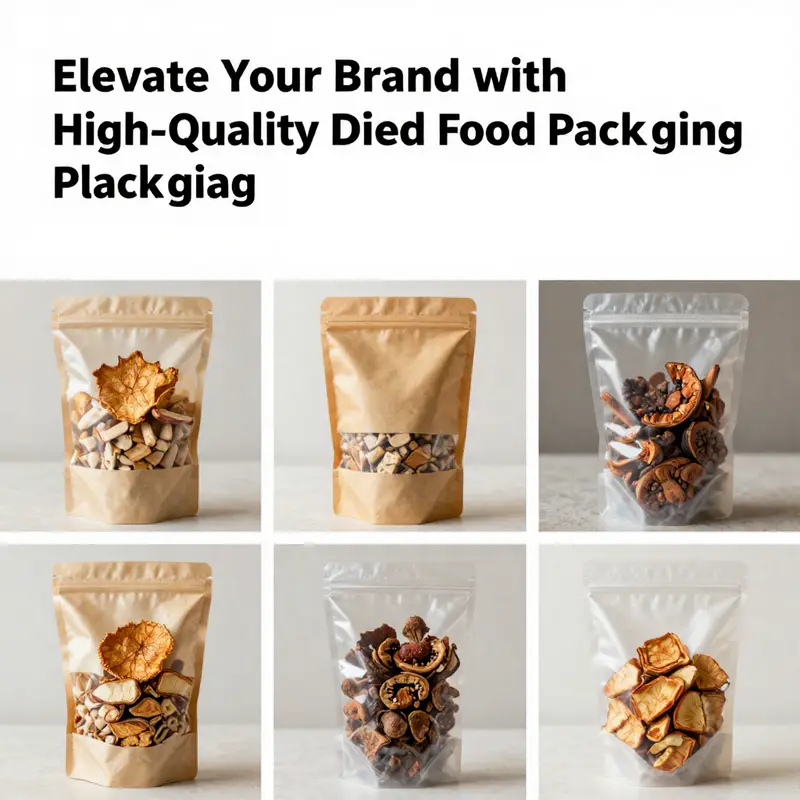
Functional design in dried food packaging bags goes beyond visual appeal; it is a disciplined approach to protecting flavor, texture, and nutrition while guiding consumer use. When a bag is picked up from a shelf, its first job is to shield the contents from the environment. The second is to communicate clear information and ease of use. The third, increasingly critical, is to align with sustainability goals that modern shoppers expect. The most effective designs weave barrier chemistry, mechanical robustness, and human factors into a single performance envelope. This holistic perspective on function shapes every choice, from the multilayer laminate structure to the shape of the pouch and the presence of a resealable closure. In practice, a well-designed dried food bag can slow the advance of moisture ingress, minimize oxygen transmission, protect against light-induced degradation, and deter contamination during handling and transit. Each of these challenges has a material or process solution, and the choices are often interdependent. For instance, achieving a high oxygen barrier with a thin, flexible film may require a laminated structure that includes a metalized layer or a rigid polymer such as EVOH, balanced against heat-seal compatibility and printability. The result is a family of bag constructions that can be tuned to the specific needs of different dried foods, whether the aim is to retain crispness, preserve aroma, or maintain color and appearance over months of storage. The principle guiding such decisions is need-based protection: the product’s intrinsic vulnerability to moisture, oxygen, light, or mechanical stress dictates the level and type of barrier and the mechanical design needed to withstand stacking, transportation, and consumer handling. This logic explains why high-barrier options, often built as multi-layer laminates with aluminum foil or metalized films, remain indispensable for long-term stability. Aluminum foil pouches, in particular, serve as a shield against both humidity and oxygen, a combination that is especially important for premium dried fruits and spice blends that must retain delicate flavors and bright aromas through extended supply chains. Yet metal-based barriers come with trade-offs. They can be more expensive, heavier, and harder to recycle in a circular economy, which has spurred ongoing research and industry adoption of alternative high-barrier films. The landscape also includes layers of PET, CPP, OPP, polyethylene, and occasionally EVOH in precise thicknesses to achieve the desired barrier profile while ensuring process compatibility with form-fill-seal lines and sealing equipment. The thickness spectrum—roughly 20 to 200 microns—allows manufacturers to tailor the bag to product weight, fragility, and the rigors of distribution. In practical terms, this means choosing a structure that both protects and travels well. The barrier system works in concert with mechanical design features that support convenience and presentation. Stand-up pouches with gusseted bottoms, for example, improve shelf presence while maintaining a stable stance that reduces the risk of tipping during display. The larger surface area of such designs creates more room for branding, nutrition panels, and safety certifications, enhancing trust and perceived value. The stand-up format is often paired with a resealable zipper or slider closure, a feature that remains central to consumer satisfaction for products that are consumed gradually. The convenience factor cannot be overstated. A bag that can be opened, resealed, and stored without spillage directly translates to better perceived freshness and lower waste. This is particularly relevant for snacks, nuts, dried fruits, and grains, where exposure to air can rapidly erode quality after opening. A robust reseal mechanism reduces the need to transfer contents to another container, which in turn lowers the consumer’s friction and supports repeat purchases. When evaluating functionality, the option to vacuum-seal some bags adds another layer of longevity. Vacuum packaging removes air and slows oxidative processes, which can be especially beneficial for herbs, spices, and jerky-style dried products. While not all dried foods warrant vacuum packaging, the capability exists in a subset of bag designs and is a defensible choice for products with high sensitivity to oxidation or moisture activity. The durability of the bag itself is another essential facet of functional design. Materials such as HDPE or reinforced laminates provide puncture resistance and dimensional stability through the rigors of distribution, loading, and handling. The bag must withstand stacking pressure, vibration during transport, and the occasional rough handoff at a warehouse or retail floor. A failure in the bag’s structure can compromise the barrier properties, leading to leaks, contamination, or rapid quality loss. From a manufacturing standpoint, durability is not only about the interior film but also about the seals. Heat-sealing compatibility, seal strength, and seal integrity across the life cycle of the product are scrutinized. Quality control processes, including standardized sterilization or disinfection protocols during production and packaging, help ensure product safety from the plant to the consumer. The quality narrative extends to printing and branding, which have become central to consumer decision-making. Modern dried food bags support high-quality, multi-color printing—often up to ten colors—without sacrificing barrier performance or seal integrity. This capacity enables brands to convey nutritional information, sourcing narratives, and sustainability claims with clarity and appeal. The visual language—color, typography, and imagery—works in concert with the functional design to communicate value and trust. Yet the functional story must also accommodate cost consciousness. Packaging engineers routinely balance barrier performance, printability, and the financial realities of packaging programs. Thinner films or fewer layers can reduce cost but may necessitate tighter process controls and more rigorous quality management. In some cases, manufacturers optimize thickness to achieve the right mix of stiffness, puncture resistance, and heat-seal performance for the targeted product. The result is a family of formats that includes stand-up pouches, flat-bottom bags, and side-gusset configurations, each with its own strengths. Flat-bottom bags, for instance, provide a broad, stable surface for branding and information while maintaining an efficient footprint on-shelf. Side-gusset bags maximize capacity for bulk presentation in a compact form. All these shapes share a common design objective: they must display product information legibly, resist moisture ingress, and resist physical wear during distribution. The consumer-facing elements—the label area, the back panel, and the clear windows in some designs—must be printed with attention to durability, as inks and coatings should resist scuffing and smudging during handling and merchandising. Beyond performance and aesthetics, sustainability has moved from an afterthought to a defining criterion for many buyers. The packaging industry has responded with a spectrum of environmentally conscious options. Some bags incorporate recyclable or compostable materials, while others use bio-based or post-consumer recycled content to reduce the fossil-fuel footprint of production. In practice, this means selecting films that can be recycled within established municipal streams or that degrade under appropriate composting conditions. The trade-offs are nuanced. While bio-based or recycled content can reduce environmental impact, it may alter barrier performance, clarity, or heat-seal characteristics. As a result, brands work with suppliers to identify formulations that strike an acceptable balance between performance, cost, and sustainability goals. In turn, suppliers increasingly offer ODM services, enabling brands to translate their packaging concepts into tested, production-ready formats. Fast-lead sampling—sometimes within days—allows for rapid iterations of barrier structures, seal configurations, and print layouts. Stringent quality control remains a staple of the process, with standardized procedures ensuring sterilization and disinfection of packaging materials prior to distribution. The breadth of customization available today is one of the most compelling reasons to engage in these partnerships. Brands can choose from various bag types, print up to ten colors, and specify functional features such as resealability, vacuum compatibility, or specific barrier combinations. Low minimum order quantities—sometimes as modest as fifty thousand pieces—lower the barrier to entry for small and medium-sized businesses seeking branded packaging solutions. This accessibility is complemented by the availability of third-party platforms that connect buyers with verified manufacturers capable of producing durable, customizable, and cost-effective dried food packaging bags for diverse applications across food, cosmetics, pharmaceuticals, and industrial sectors. For those navigating supplier options, a practical starting point is to explore verified manufacturers that offer high-barrier laminates, resealable closures, and customization options aligned with brand strategy. A real-world implication of functional design is its impact on marketing and brand integrity. When a bag preserves aroma and texture over months, it supports a narrative of quality, trust, and care for the consumer. The consumer’s ability to open, reseal, and re-use a bag without compromising safety is a tangible demonstration of product stewardship. At the same time, packaging choices reflect a brand’s stance on sustainability. The decision to opt for recyclable materials or post-consumer recycled content signals a commitment to resource stewardship. In markets where import-export requirements are stringent, the use of high-barrier laminates and compliant printing also communicates diligence in protecting product integrity across borders. For brands seeking practical, tangible options that align with these principles, an accessible path is to consider versatile, multifunctional packaging options that combine standard performance with customization potential. The broader packaging ecosystem suggests a continuum—from simple, cost-effective films to sophisticated, multi-layer laminates that deliver premium barrier performance. The right choice depends on the product’s fragility, expected shelf life, channel strategy, and consumer expectations. In this context, it is worth noting the role of sourcing platforms and supplier ecosystems. Platforms that connect brands with manufacturers enable rapid prototyping, demand-driven production, and access to a range of material options, print capabilities, and service levels. They also facilitate important conversations about sterilization protocols and quality assurance, which are critical to ensuring packaging materials do not introduce contaminants or degrade consumer safety. These relationships are not merely transactional; they are collaborative, involving material scientists, packaging engineers, and brand teams working together to harmonize product protection with consumer experience. The functional designs described here are not static. They evolve with advances in barrier technology, sealing techniques, and sustainability science. New multilayer systems may integrate thinner, more effective barriers without sacrificing recyclability. Innovative coatings can improve print durability while preserving material integrity under heat and moisture. In this sense, the chapter on functional designs forms part of a larger conversation about how dried foods reach consumers with consistent quality, from harvest or roast to final enjoyment. The narrative is also a reminder that packaging choices have broader implications beyond the product. Transportation efficiency, waste reduction, and end-of-life options all hinge on the materials and configurations selected at the design stage. A thoughtful approach to functional design doesn’t just protect product; it supports responsible consumption and helps brands meet evolving regulatory and consumer expectations. For brands seeking practical options with a robust combination of barrier performance, user-friendly features, and customization potential, a versatile packaging solution such as a recyclable or reusable brown kraft paper bag with options for customization offers a compelling alternative in appropriate contexts. This category aligns with broader sustainability goals while remaining compatible with a range of processing and filling technologies. It is also compatible with the tactile, natural aesthetic that resonates with many consumers seeking simplicity and authenticity in product presentation. As the industry continues to explore hybrid approaches—combining traditional high-barrier films with innovative fiber-based or bio-based components—packaging professionals will increasingly tailor design choices to a product’s lifecycle, ensuring that the bag protects, communicates, and endures. The aim remains the same: to preserve freshness, maintain flavor, and safeguard quality, while enabling brands to tell a credible story about care for people and planet. The journey from concept to shelf is guided by a balance of science, craft, and responsibility. Knowledgeable suppliers, practical testing, and iterative design cycles help teams navigate the trade-offs between barrier performance, sealing reliability, printability, and sustainability. In the end, functional design is about more than the bag itself. It is about delivering a reliable, trustworthy, and efficient experience that honors the product inside and respects the consumer who chooses it. For brands seeking an entry point into practical, customizable packaging that can adapt to different dried foods and market needs, this approach offers a path that honors both performance and responsibility. Access to a broad ecosystem of materials, laminates, and service capabilities makes it possible to tailor a packaging solution that travels well from production line to consumer pantry, all while reflecting a brand’s commitment to quality and sustainability. If you are exploring options for versatile, branded packaging that can pair with both high-barrier needs and more sustainable formats, consider starting with a flexible, customizable option such as a kraft-based bag and evaluate its compatibility with your product’s barrier requirements, filling line, and consumer engagement goals. As you test and refine, you will likely discover combinations that deliver the right balance of protection, usability, and environmental performance, thereby supporting continued freshness and consumer satisfaction over the product’s life cycle. For additional context on supplier options and to explore a broad range of packaging configurations, you can review verified industrial sources that catalog customizable plastic dry food packaging solutions with resealable features and moisture-proof characteristics. The journey toward optimal functional design is ongoing, shaped by material science, packaging engineering, and the evolving expectations of a market that prizes both performance and responsibility. wholesale brown kraft paper bag with custom printing offers one of many pathways toward that balance, inviting further exploration of how simple changes in form can yield meaningful gains in protection, usability, and sustainability. For readers seeking broader perspectives on manufacturing standards and global sourcing, external resources provide additional context and guidelines: https://www.made-in-china.com
Tailored Protection: Customization, Sustainability, and the Evolving Landscape of Dried Food Packaging Plastic Bags
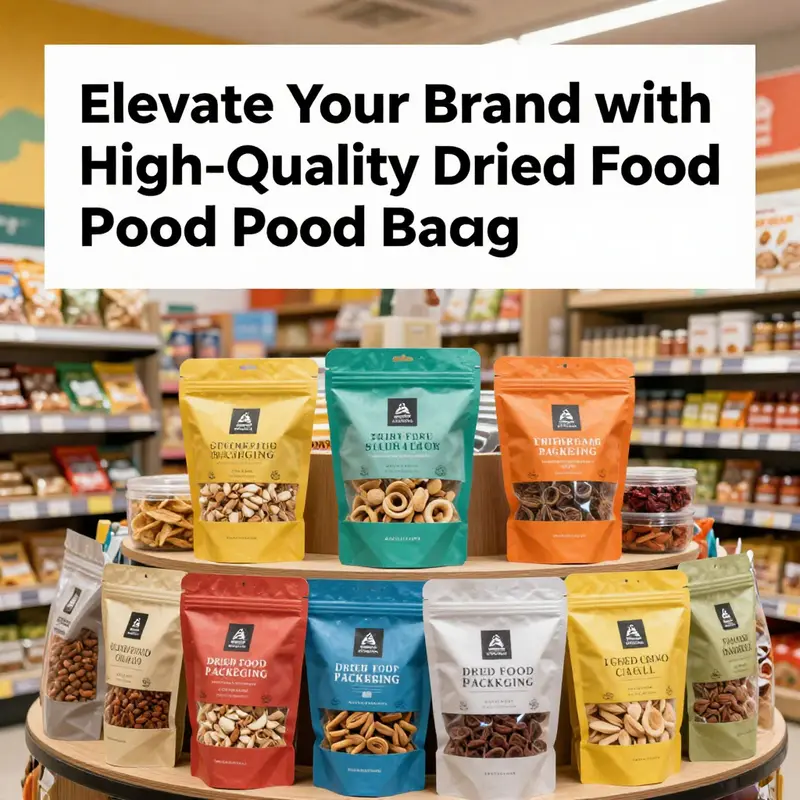
Dried foods occupy a paradoxical space in the pantry. They are light yet valuable, fragile enough to suffer from humidity and oxygen, resilient enough to travel across oceans, and confident enough to command shelf presence. The packaging that surrounds them is not merely a container but a carefully engineered barrier, a performance layer that preserves aroma, texture, and nutritional value while speaking to consumer desires for convenience, sustainability, and visual appeal. In this complex ecosystem, customization has moved from a desirable add-on to a core strategy. Brands no longer rely on a single, commodity solution; they curate a packaging system that aligns with product traits, market expectations, and the operational realities of production and distribution. The result is a market that prizes precision, flexibility, and story as much as barrier properties and cost per unit.
The core function of dried food packaging plastic bags remains straightforward on the surface: protect the contents from moisture, oxygen, light, and the occasional contaminant. Yet the sophistication behind that protection has grown remarkably. The most effective solutions increasingly rely on multi-layer laminated structures that combine different materials to deliver a suite of barriers in a single film. Aluminum foil pouches, for example, fuse aluminum with PET, CPP, or OPP layers to create high-barrier systems that resist oxygen ingress and moisture vapor transmission. These constructions are not just about blocking water or air; they are about stabilizing the intricate balance of compounds inside dried fruits, nuts, and specialty snacks where oxidation can dull flavor and degrade quality during months of storage or cross-border transit. The premium tier of packaging often uses these laminates to support export-grade stability where the product’s integrity must endure long journeys and varied climates.
Yet even within the high-barrier category, there is a continuum of options. Everyday dried foods frequently ride on films based on PE and LDPE blends, with BOPP films mapping a middle ground of durability, printability, and cost. The thickness spectrum—roughly 20 to 200 microns—allows manufacturers to tailor the bag’s robustness to the product’s weight, fragility, and handling requirements. In practice, this leads to a design philosophy where a single product line can be offered in multiple formats and strengths, delivering the same brand story across a spectrum of price points and consumer needs. This flexibility is essential in a market that embraces both premium, gift-worthy selections and everyday pantry staples.
The physical form of the bag is not a mere vessel; it is an instrument of merchandising and convenience. Stand-up pouches with resealable zippers have become a standard for shelf stability and consumer accessibility. Flat-bottom bags offer a stable base for upright displays, catching the eye and minimizing slippage on crowded shelves. Side gusset configurations maximize capacity without expanding the footprint, which is a practical advantage in both retail and warehouse environments. And then there are functional enhancements that blur the line between packaging and consumer experience: tear notches for easy opening, spouts for controlled pouring of seeds or granulated goods, and zip-lock closures that preserve freshness after opening. With dried goods, where aroma and texture can be as much a selling point as flavor, these details matter deeply, influencing perceived quality and repeat purchase behavior.
Printing technology is a silent engine behind these physical forms. Highly customized printing now enables brands to render detailed logos, vibrant art, and essential information with a degree of clarity that was once available only on rigid packaging. Digital printing, in particular, has unlocked the possibility of up to ten colors on flexible pouches, delivering crisp imagery and consistent brand storytelling across multiple SKUs. This level of fidelity matters in e-commerce, where the unboxing experience can influence online reviews, social sharing, and repeat orders. Nutritional panels, allergen statements, and country-of-origin marks must be legible without compromising visual appeal. The modern pouch becomes a canvas that can adapt to seasonal campaigns, limited-edition flavors, or regional variations without sacrificing production efficiency or print quality.
From a supply-chain perspective, customization is not just a design preference; it is an operational strategy. In today’s market, small to mid-sized brands can access high-value packaging without prohibitive minimum orders. Low MOQs—sometimes in the vicinity of 50,000 pieces—provide a pathway for startups to launch with branded packaging that conveys quality from the first unit. ODM services and rapid sampling—lead times as short as seven days for samples—further shorten the distance between concept and market, enabling iterative testing of formats, finishes, and graphics before committing to full-scale production. This agility is especially important for dried foods that span a wide range of categories—from premium organic nuts to herb blends and specialty teas—where small packaging changes can drive perceived value and justify premium pricing.
Behind these capabilities lies a tapestry of materials science and manufacturing discipline. Multi-layer films, sometimes described as NY/PE or PET/PE structures, provide the heavy lifting in terms of barrier performance. The right combination of layers reduces oxygen transmission rates and control of moisture ingress, preserving product quality throughout lengthy distribution chains and global storage. Yet the selection of materials is not purely about performance. It is also about process compatibility, printability, seal integrity, and end-of-life considerations. The interplay between barrier performance and recyclability is one of the defining tensions of modern dried food packaging. On one hand, high-barrier laminates offer superior protection, ensuring that high-value products retain freshness and flavor. On the other hand, there is pressure to pursue recyclable and reusable designs, to lower environmental impact, and to meet evolving regulatory expectations around waste and sustainability.
Sustainability has moved from a peripheral concern to a central design parameter. The market increasingly embraces options that balance barrier performance with environmental responsibility. Biodegradable and compostable alternatives, often based on plant-derived polymers like PLA, are being explored for certain product segments, particularly those with shorter shelf lives or where consumer disposal behavior favors compostability. At the same time, brands are experimenting with recycled-content films and designs that make recycling simpler for end users, accompanied by clearer labeling and standardized recyclability claims. Even as these inputs evolve, the packaging must still provide robust protection for the product from harvest to table. The tension between achieving a low environmental footprint and maintaining a reliable shelf life is not a contradiction but a design challenge—one that invites a more sophisticated approach to material selection, barrier engineering, and consumer education.
The conversation about customization cannot ignore the aesthetic and narrative dimensions of packaging. Color, texture, and print afford brands a chance to communicate product heritage, flavor profiles, and usage ideas at a glance. A well-designed pouch can carry recipes, serving suggestions, or pairing ideas through embedded QR codes, which can link to digital content that deepens consumer engagement. These codes also enable traceability, a feature that is increasingly valued by retailers and regulators alike. The same bag that protects the product becomes a living interface that connects the consumer to brand stories, origin details, and safe handling instructions. In this sense, customization extends beyond graphics to include structural features that enhance usability, such as easy-open resealability, pour spouts, and barrier-enhancing laminates that accommodate repeated access without compromising seal integrity.
Market dynamics reflect a globalized yet highly localized demand for packaging solutions. Asia-Pacific remains a dominant hub for manufacturing and exporting customizable plastic bags, supported by marketplaces and supplier networks that cater to diverse regulatory regimes and consumer expectations. The ability to source bags with full customization at competitive prices—often with flexible sample programs and fast lead times—helps brands tailor packaging to regional tastes, climate considerations, and regulatory labeling requirements. For smaller businesses, this access translates into faster time-to-market and a greater capacity to experiment with formats, sizes, and visual language that resonates with local consumers while maintaining a consistent global brand identity. Such adaptability is essential in a market where product life cycles are short, digital channels amplify brand storytelling, and competition on shelf is intense.
While the story of customization is compelling, the practicalities of implementation matter just as much. The decision to adopt a particular bag format or laminate involves cross-functional coordination among product development, procurement, quality assurance, and regulatory affairs. Product developers must consider how a given structure will behave across temperature fluctuations, during transit in diverse climates, and under the mechanical stresses of stacking and display. Suppliers must provide reliable process controls, consistent material properties, and clear guidance on sealing parameters, storage conditions, and compatibility with printed inks and coatings. Quality control becomes the compass that ensures the promised performance translates from the drawing board into the package on shelves. This is particularly important for dried foods where moisture, oxygen, and light are invisible enemies; the bag must perform consistently, providing a stable microclimate that preserves quality from the moment of packing to the moment of consumption.
In contemplating the future, several converging themes shape the evolution of dried food packaging bags. First, smart, sustainable, and personalized solutions are set to become the baseline rather than the exception. Digitalization will enable more precise customization, seamless supply-chain communication, and real-time quality monitoring. Second, the industry will likely see an increase in recyclable and reusable bag designs that do not compromise barrier properties or print quality. Achieving circularity in packaging will require coordinated efforts across materials science, waste-stream management, and consumer education about disposal best practices. Third, the consumer experience will become increasingly tactile and interactive. Higher-resolution prints, tactile finishes that convey premium status, and printed narratives that invite exploration will coexist with functional features like resealability, pour control, and portion guidance. Finally, the question of cost will continue to be reframed. Rather than simply seeking the lowest price per bag, brands will measure value by the sum of barrier performance, aesthetic impact, ease of use, and end-of-life outcomes. The most successful packaging strategies will weave these elements into a coherent system that aligns with product quality, brand promise, and consumer values.
Within this landscape, a practical example of how customization translates into value can be found in the domain of kraft-paper-based options for dried goods. A durable, custom-printed white-brown kraft paper bag embodies a leadership mindset that values both tradition and adaptability. It carries the tactile warmth of natural fibers while offering the potential for high-contrast graphics and clear labeling. It can be designed with a range of closures and gusset configurations that optimize shelf presence and ease of use. For brands seeking a balance between eco-conscious messaging and reliable performance, such a bag can serve as a versatile platform that communicates quality and care without sacrificing protection. To explore a representative option in this space, consider a product page highlighting custom printed white-brown kraft paper bags, which demonstrates how a packaging supplier translates a brand’s story into a tangible, print-ready solution. custom printed white-brown kraft paper bag.
As the chapter closes, it is clear that drying, storage, and transport demands have pushed dried food packaging bags toward a future where customization is not merely cosmetic but essential. The dance between barrier performance and brand storytelling continues to gain momentum, with materials science, printing technology, and supply-chain agility choreographing a more responsive and responsible packaging ecosystem. The dialog between sustainability and functionality will intensify, inviting more nuanced choices about materials, finishes, and end-of-life pathways. In this context, the packaging bag emerges as a strategic asset—one that protects the product, communicates the brand, and honors consumer expectations for responsible stewardship. The story of dried foods and their bags is not only about keeping flavors intact; it is about aligning product integrity with the values of a connected, thoughtful, and increasingly informed marketplace. External resources provide additional context on the breadth of packaging solutions and global sourcing dynamics, illustrating how the market is evolving in tandem with consumer demand and regulatory expectations.
External resource: https://www.alibaba.com/product-detail/Customized-Plastic-Food-Packaging-Bag-for-Dry_1600843975435.html?spm=a2700.galleryofferlist.picker.5.5c7a2b1fWtZL7l
Final thoughts
In conclusion, the packaging of dried foods is a vital consideration for businesses aiming to maximize product shelf life while enhancing brand visibility. By selecting high-barrier materials, leveraging functional bag designs, and embracing customization, Bubble Tea Shops, restaurants, food trucks, and event planners can meet customer expectations while differentiating their offerings in a competitive market. Investing in quality packaging not only safeguards food products but also reflects your commitment to excellence.