
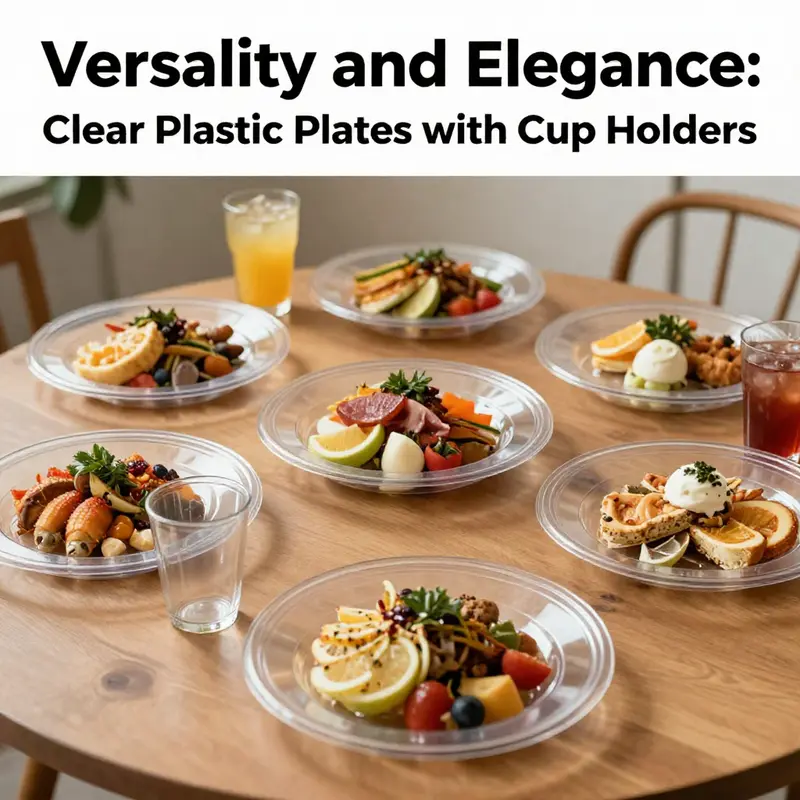
In today’s vibrant dining landscape, the functionality and aesthetics of serving ware play critical roles in enhancing customer experience. Clear plastic plates with cup holders emerge as a prime example of how practical solutions can seamlessly blend with visual appeal. These versatile plates lend themselves well to numerous settings, including bubble tea shops, food trucks, and large events. Each chapter delves into distinct dimensions of these plates, from their practical applications to their design considerations and market trends, providing comprehensive insight into their relevance for businesses that aim to elevate their service standards.
Elevating Everyday Occasions: The Multifaceted Impact of Clear Plastic Plates with Integrated Cup Holders
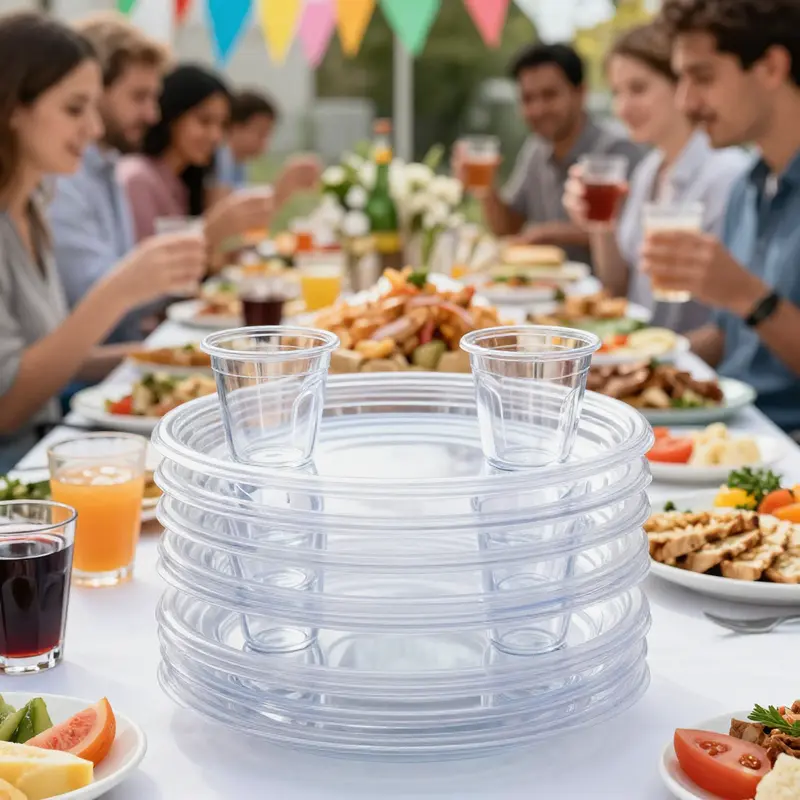
Clear plastic plates with integrated cup holders have redefined the way we serve, transport, and enjoy food and beverages, bridging the gap between practicality and visual appeal. Crafted from durable, lightweight plastics that offer a modern aesthetic and superior strength, these plates are revolutionizing events, catering services, and even industrial environments. Their transparent design grants both hosts and guests the opportunity to admire the presentation of foods, while the built-in cup holder provides an elegant solution to keep beverages secure and within easy reach. In seamless continuity with various service settings, the evolution of these plates underscores a design philosophy that caters to mobility, efficiency, and ease of use.
From the moment these clear plastic plates entered the market, they have symbolized a major shift towards convenience in the culinary and service industries. Their versatility is immediately apparent as they manage to serve a dual purpose: not only do they hold a substantial portion of food—often accommodating entrees like sandwiches, sushi, or salads—but they also safely secure an accompanying beverage. This merging of functions simplifies the way food is served and carried at events ranging from backyard barbecues to upscale banquets, ensuring that guests have both nourishment and refreshment conveniently in one hand. Every aspect of their design underscores the importance of operational efficiency; by eliminating the need for separate plates and cups, these items reduce clutter, minimize waste, and streamline the overall dining process. The schedule of an event, whether large or small, benefits greatly from the simplified logistics of using a product that marries elegance with high-volume practicality.
The functional applications of these plates stretch across multiple settings. Consider an outdoor event or a busy office party: space is often at a premium, and the need for items that are both lightweight and robust is critical. Clear plastic plates with integrated cup holders satisfy these needs by providing a solution that is not only safe and reliable but also easy to handle. Their compact design, which allows them to stack vertically when stored, means that event organizers can maximize storage space and reduce handling time. This is particularly beneficial in catering scenarios where setup and cleanup times directly impact overall event quality. Moreover, the ergonomics of these plates—carefully sculpted cup holders that fit a variety of beverage sizes—assure that even in dynamic, crowded environments, users face fewer accidents and spills. This results in a more relaxed dining experience and a lower risk of disruption during functions where maintaining a smooth flow of service is imperative.
The reliability and durability of clear plastic plates with cup holders are major factors in their widespread popularity in commercial contexts. In settings such as cafeterias, fast-casual dining establishments, food trucks, and even industrial workplaces where mess and spills can lead to safety hazards, these plates stand out as an indispensable tool. Their performance in high-volume operations is notable—many of these products are designed to meet stringent standards of strength and stability, making them perfect for serving heavy or moist foods without bending or breaking. The production process involves specialized machinery that consistently creates a perfect balance between a clear, visually appealing surface and a sturdy, functional cup holder. This ensures that every plate meets quality benchmarks while remaining affordable for bulk purchase. When paired with other disposable dining ware options, they contribute to a comprehensive package that streamlines the entire food service experience.
In addition to their functional advantages, the design of these plates is also a testament to modern aesthetic sensibilities. The clarity of the plastic material allows the vibrant colors and textures of the food to take center stage, enhancing the dining experience at both casual gatherings and formal events. This visual clarity also plays a vital role in food presentation, inviting guests to appreciate not only the taste but the artistry of each dish. The combination of a pristine, see-through plate and a securely positioned cup holder can effortlessly transform a dining table into a modern tableau of culinary creativity. This fusion of form and function is particularly significant at events that demand both style and substance—a birthday celebration, a corporate retreat, or even an intimate wedding reception can benefit from the use of such innovative tableware. The product’s design conveys a sense of order and sophistication, elevating even the simplest of gatherings into a memorable experience that reflects careful planning and attention to detail.
The design also incorporates critical features that emphasize user safety and ease of handling. The cup holder, expertly integrated into the plate, is engineered to support a wide range of cup sizes and shapes. This design aspect is particularly beneficial for those who need to transport food and drink simultaneously in busy or mobile environments—a practical advantage for workers in fast-paced settings or individuals on the go. In situations where speed and ease of service are paramount, the integrated design reduces the need for multiple items, thereby minimizing the risk of spills and breakage. Moreover, the cup holder encourages a more relaxed and carefree experience for users, allowing one hand to effortlessly manage both food and drink. This single-handed convenience translates into reduced physical strain, enhanced confidence in the product’s performance, and an overall improvement in the dining process. It is a small but critical revolution in tableware design, one that acknowledges the realities of multi-tasking in contemporary life.
Beyond individual events and commercial applications, the broad appeal of clear plastic plates with cup holders lies in their ability to adapt to different scales and types of use. In industrial settings such as manufacturing or engineering labs, where standardized, reproducible components are essential, these plates serve as reliable tools for presenting prototypes and conducting food trials. Their uniform design ensures consistency across large batches, providing a dependable solution in environments where quality control is as important as aesthetic appeal. The plates have been noted for their use in testing and prototyping phases in industrial design, an application that emphasizes the intersection of practical design and precision engineering. In such contexts, every element of the plate—its transparency, stability, and secure cup holder—plays a role in facilitating an efficient workflow that can ultimately lead to better products and processes. The success of these plates in industrial applications underscores the broader trend toward multifunctional and efficient design solutions that can seamlessly integrate into a variety of professional settings.
As environmental awareness continues to shape consumer choices, manufacturers have also begun to explore more eco-friendly alternatives to traditional plastic formulations. Biodegradable and paper-based versions of clear plastic plates with cup holders have emerged as viable alternatives, addressing concerns about waste while maintaining many of the product’s intrinsic benefits. Although these sustainable options might present some trade-offs in terms of strength or water resistance, they represent an important step forward in balancing functionality with environmental responsibility. The shift towards greener materials is part of a broader effort within the industry to reduce the ecological footprint of disposable tableware without sacrificing convenience. For those interested in exploring related sustainable packaging innovations, one can find further details on eco-friendly disposable options in an informative resource available through this internal link, which highlights the growing importance of environmentally responsible design.
Safety and hygiene have always been at the forefront of considerations for modern disposable tableware, and these plates are no exception. Their design provides a single-use solution that minimizes cross-contamination and simplifies cleanup processes. Such features are especially critical in the food service industry, where maintaining high standards of hygiene is essential. In busy commercial kitchens, for instance, the use of disposable, integrated tableware reduces the time and manpower needed to perform cleanups after events, thus allowing staff to focus on service rather than maintenance. The ease of disposal and the reduced risk of residual contamination are important factors contributing to the widespread adoption of these plates. They exemplify a commitment to both operational efficiency and public health, a dual objective that resonates strongly with planners and organizers who manage large-scale events or high-traffic dining areas.
The inherent convenience of clear plastic plates with built-in cup holders also enhances mobility for end users. In scenarios where space is narrowed or movement is constant—such as busy conferences, outdoor festivities, or even remote field operations—the integrated design ensures that both food and beverages can be carried seamlessly from one location to another. This level of mobility is crucial in environments where traditional tableware might fall short in terms of securing drinks and preventing spills. As a result, users experience enhanced freedom and flexibility, empowering them to focus on the enjoyment of the occasion rather than worrying about potential mishaps. The single-handed operation not only caters to practicality but also emphasizes a modern design ethos that values user-centric innovation. It creates an environment where dining becomes a hassle-free experience, freeing individuals to fully engage with the event around them.
The evolution of these plates mirrors the broader trends in food service and product design. As consumers become more discerning and event organizers seek to minimize complexity without compromising quality, products that combine multiple functions into a single, well-designed solution have become increasingly attractive. The clear plastic plate with an integrated cup holder is emblematic of this shift, demonstrating that practicality does not require sacrificing style. Instead, it champions the idea that thoughtful design can enhance both the efficiency of service and the overall aesthetic of every table setting. In a world where attention to detail is paramount, the ability to merge functionality with elegance represents the new standard for disposable dining ware. The product’s versatility, in accommodating various types of foods and drinks, signifies a breakthrough in how we approach everyday dining arrangements—creating a cohesive experience that resonates with both casual users and professional caterers alike.
Moreover, the design of these plates is carefully calibrated to meet the demands of high-volume, high-speed environments. In fast-paced settings where rapid service is essential, the resilient yet lightweight material of these plates plays a critical role. They are engineered to hold a significant amount of food while keeping the overall weight manageable, ensuring that even when multiple items are carried at once, the risk of dropping or mishandling is markedly reduced. Such resilience is not only a testament to the precision of modern manufacturing techniques but also to the careful selection of materials that balance clarity, durability, and cost-effectiveness. The cup holder, being an integral component of this design, provides a reliable grip for beverages that might otherwise become cumbersome in transit. In this interplay of material science and innovative engineering, the clear plastic plate stands as a symbol of modern ingenuity and forward-thinking design.
User feedback has often highlighted the ways in which these plates simplify the daily hassles associated with meal service and clean-up. The disposable nature of the product eliminates the extensive maintenance work that typically comes with reusable tableware. This simplicity is especially beneficial after large events where the focus shifts quickly from hosting to cleanup. The reduced labor requirements and lower risk of accidents during handling translate into significant cost and time savings, making them an economically sound choice. Such efficiencies, combined with the ease of storage and transportation, validate the growing trend towards integrated dining solutions that serve an increasingly mobile and dynamic population. With the ability to seamlessly transition from one task to the next without the encumbrance of additional items, these plates stand as a proud example of how design can solve everyday challenges.
Looking to the future, the continued evolution of clear plastic plates with integrated cup holders promises even greater advancements. Manufacturers are exploring new materials that could further enhance the clarity, resilience, and eco-friendliness of the product. At the same time, improved design techniques are expected to offer even more ergonomic benefits, ensuring that the plates adapt flexibly to the everchanging requirements of various dining settings. The integration of sustainable materials, advanced recycling processes, and innovative design solutions will likely continue to shape the market, reinforcing the idea that convenience and environmental stewardship can indeed go hand in hand.
In summary, clear plastic plates with integrated cup holders represent a harmonious blend of functionality, aesthetics, and modern engineering. They have carved a niche for themselves across a broad spectrum of applications, from intimate family gatherings and elaborate corporate events to industrial testing environments where reliability is paramount. Their design addresses a litany of practical challenges, including spatial limitations, the need for hygienic solutions, and the constant demand for visually engaging presentation. Whether used at outdoor parties, busy cafeterias, or cutting-edge industrial labs, these plates deliver on their promise of convenience, durability, and sleek modernity. They stand as a testament to innovative thinking and a customer-centered approach, highlighting the power of well-executed design to transform everyday objects into indispensable tools for modern living.
For those who appreciate the intersection of form, function, and forward-thinking design, clear plastic plates with integrated cup holders offer more than just a disposable solution—they deliver an experience that is as practical as it is appealing. Their impact is felt not only in the tangible benefits of simplified service and enhanced mobility but also in the visual delight they provide, transforming any dining scenario into a display of modern sophistication. As the market continues to evolve, these plates are poised to lead the way in redefining how we approach food service, presenting a refined option that is both cost-effective and remarkably stylish.
To explore further innovations in disposable dining ware and sustainable packaging solutions, readers are encouraged to review additional resources that highlight similar eco-friendly trends and functional designs. For more detailed exploration of the clear plastic plate with integrated cup holder and its multifaceted applications, please refer to this external resource: Walmart – Clear Plastic Plates with Cup Holder.
Innovative Design Strategies for Clear Plastic Plates with Integrated Cup Holders
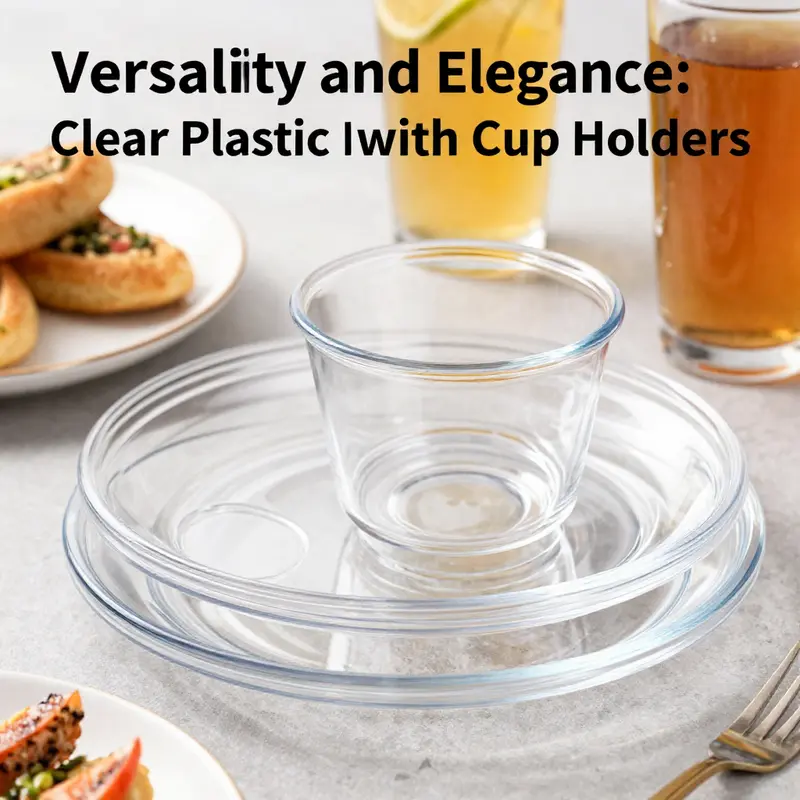
Clear plastic plates with integrated cup holders are not merely disposable dining options; they embody a thoughtful fusion of form, function, and technological advancement. In designing these everyday yet indispensable items, the blend of innovative engineering and practical requirements drives designers to consider every detail; from the material choices to the ergonomic layout and manufacturing feasibility, every aspect influences the final product’s performance. The challenge goes far beyond basic functionality, incorporating aesthetic appeal and sustainability in today’s eco-conscious market. As such, designers must synthesize technical requirements and consumer expectations to produce a product that not only facilitates a seamless dining experience but also communicates a modern design ethos suitable for contemporary events and casual gatherings alike.
At the outset, material selection emerges as a cornerstone of the design process. Designers gravitate toward food-grade polymers such as polystyrene and polypropylene due to their durability, clarity, and compliance with stringent food safety standards. The choice of polymer is critical because it directly impacts transparency, which in turn elevates the visual appeal of the food presentation. Clear materials allow diners or guests to appreciate the vibrant colors and textures of the served dishes, whether it is a beautifully arranged salad or a colorful assortment of bite-sized appetizers. Balancing robust performance under weight with a delicate, attractive finish means that every inch of the plate is optimized. This attention to detail is evident when designers engineer the material composition to resist bending, warping, or becoming discolored, even under considerable pressure or exposure to varying temperatures.
The intrinsic clarity of the material is not a mere aesthetic feature; it plays an important role in customer perception. In modern settings where the presentation of food is as critical as taste, a clear plate offers an unobstructed view of the dish, enhancing both the dining and visual storytelling experience. Designers must therefore work closely with material scientists and manufacturing experts to ensure that the right balance is struck. This is especially important in various event settings where presentation can elevate a buffet or wedding into a memorable experience. The ability to see the food clearly not only appeals to the senses but also instills a sense of trust, as consumers can visibly inspect the quality and freshness of the ingredients. For instance, robust research into polymer light transmittance has shown that clarity and durability can coexist, provided that the material is carefully processed during injection molding.
Structural design further transforms an ordinary plate into a multifunctional dining tool. A key element in this transformation is the integrated cup holder. Unlike standard disposable dinnerware where separate components might be needed, the cup holder design aims to support a beverage cup with standard dimensions while ensuring that the overall plate remains lightweight and easy to handle. When creating a unified structure, engineers must consider the precise location of the cup holder to balance the distribution of weight across the plate. It must securely hold a cup of 8 to 12 ounces, allowing the user to comfortably carry both food and drink simultaneously. This integration prevents the hassle of carrying multiple items separately, ensuring convenience during events ranging from corporate luncheons to crowded outdoor gatherings.
Integrating a cup holder into the plate necessitates advanced design techniques that reconcile the need for strength with the requirement for an unobtrusive appearance. As designers manipulate the contours of the plate, the cup holder must appear as part of an organic whole rather than as an afterthought. The engineering challenge is to ensure that the holder grips the cup firmly, even when the dish is loaded with a heavy entrée or an assortment of finger foods. Over time, iterations of prototype testing have helped refine the holder’s curvature, and material thickness, and enhance the overall durability. Moreover, the design must minimize the risk of spills, a factor achieved by carefully positioning the holder so that it naturally aligns with the user’s grip and supports the cup with minimal lateral movement.
Ergonomics forms a central pillar in the design process. Designers and engineers collaborate to create a user-centric product that comfortably fits into the hand and suits the natural motion of serving and consumption. The integration of the cup holder is governed by many considerations, including the need to leave ample space on the plate for handling utensils and enjoying the meal. The ideal design supports easy, one-handed carriage, which can be particularly beneficial in casual settings where multi-tasking is common. Ergonomic studies have revealed that when the cup holder is positioned along the edge, it reduces strain and decreases the risk of accidental spills. This design nuance, though subtle, has significant implications in terms of user satisfaction and overall product safety during events.
Heat resistance is another technical aspect that cannot be overlooked. In many scenarios, these plates are used not only for cold buffets but also for serving warm or hot dishes. Therefore, the material must be able to endure temperatures of up to 100°C (212°F) without deteriorating. It is vital that the plate maintains its structural rigidity even when exposed to heat, preventing any deformation that might lead to hazardous conditions for users. Designers incorporate specialized additives and stabilizers into the polymer formulation to achieve this thermal resistance. By ensuring that heat does not compromise the material properties, the plate stays reliable in diverse serving environments—from outdoor barbecues to indoor catering events. This attribute is additionally scrutinized during the manufacturing phase where temperature-based stress tests confirm that the product can handle sudden temperature fluctuations without warping or losing its clarity.
Sustainability and environmental impact are becoming increasingly important in product design. With rising consumer awareness and regulatory pressures, the use of eco-friendly materials and manufacturing processes has transitioned from a niche consideration to a market imperative. In designing clear plastic plates with integrated cup holders, designers explore options such as post-consumer recycled plastics and biodegradable polymers. The challenge is to balance environmental responsibility with performance. Although biodegradable alternatives might not always offer the same level of heat resistance or durability as traditional plastics, technological advancements are gradually bridging this gap. By embracing sustainable practices, manufacturers not only enhance their brand appeal but also contribute to reducing environmental waste. In many cases, manufacturers are now investing in research to develop materials that can fully degrade without leaving a harmful impact, ensuring that the product aligns with broader environmental and sustainability targets.
The impact of environmental considerations extends to the entire manufacturing process. In order to ensure cost-effectiveness while maintaining high quality, designers must address production constraints and the limitations of various manufacturing techniques. Injection molding, which is commonly used to produce clear plastic dinnerware, demands precision engineering to handle the intricacies of an integrated cup holder. The molds must be carefully designed and maintained to produce plates that are uniformly consistent in size, clarity, and strength. The automated production lines also need to be calibrated to handle high volumes without sacrificing quality control. Each step, from raw material quality checks to the final packaging process, is orchestrated to maximize efficiency and minimize waste. In many modern factories, streamlined processes and robust quality assurance protocols are employed to ensure that every plate meets the rigorous standards expected by both end users and regulatory bodies.
Although the technical aspects of design are critical, the overall user experience remains the ultimate measure of success. The clear plastic plate with an integrated cup holder is more than just a piece of disposable dinnerware; it represents a commitment to convenience, reliability, and elegance. When a plate is engineered with attention to detail, it facilitates a smoother dining experience and limits the logistical challenges often encountered during catered events. The design addresses common problems, such as the juggling of multiple items or the risk of spillage during busy gatherings. As a result, the product often plays a vital role in settings where efficiency and ease matter most. From busy street food festivals to upscale corporate events, the plates garner widespread acceptance due to their ability to combine form and function seamlessly.
The journey from concept to finished product is not linear but rather cyclical, with ongoing improvements informed by consumer feedback, technological advancements, and market trends. As design teams monitor user experiences in real-time applications, they gather data that fuels further innovation. User trials, focus group discussions, and empirical testing all contribute to the iterative process that refines every nuance of the plate design. Furthermore, market dynamics play a significant role; as new environmental policies and consumer priorities emerge, manufacturers must be agile enough to adapt quickly. This adaptability ensures that products continue to meet the evolving expectations of both customers and regulatory agencies.
When discussing design considerations, it is important to contemplate the role of accessories and complementary features. Although some iterations of the product have explored the addition of ergonomic handles, belt clips, or shoulder straps for greater portability, the integrated cup holder remains the icon of multifunctionality. These accessories can provide users with increased flexibility, but they also add complexity to the manufacturing process. Thus, designers must analyze trade-offs and consider their implications on production cost and user convenience. The internal integration of these multifaceted elements, including cup holders and potential carrying aids, signifies a move towards products that are not only disposable but also thoughtfully engineered to serve multiple purposes in dynamic settings.
Furthermore, manufacturers are keenly aware of the importance of visual aesthetics. In many dining contexts, the clarity of the plate acts as a canvas that accentuates the artistic presentation of food. Every curve, edge, and surface is meticulously designed to ensure that it complements rather than competes with the visual appeal of its contents. The delicacy of the design becomes a silent nod to the modern consumer’s desire for simplicity and elegance, ensuring that attention is drawn to the food rather than the container. This visual purity is as critical in high-end events as it is in casual gatherings and speaks volumes about the culture of presentation that has come to dominate contemporary dining experiences.
An important internal reference for those interested in further exploring the intersection of design innovation and practicality is the comprehensive range of solutions available on platforms that specialize in high-quality, food-grade packaging. For instance, one can learn more about advanced design techniques and material quality by reviewing detailed specifications on products like food-grade take-away bowls. This resource delves into material selection and design intricacies in a manner that resonates with the innovative principles discussed here.
In addition to internal advancements, the product landscape is influenced by external market trends and global regulatory standards. Comparative research across international markets reveals that consumer preferences shift continuously toward products that are both environmentally sound and economically viable. The integration of cup holders in clear plastic plates exemplifies this trajectory, combining sustainable practices with pragmatic design. As governments and international bodies push for greener solutions, designers find themselves at a crossroads of compliance and creativity, striving to innovate without compromising on consumer safety or convenience.
As design standards advance, the integration of feedback from diverse stakeholders – from large-scale catering companies to individual home users – deepens the overall design ethos. The product repeatedly demonstrates that thoughtful design is not solely about meeting functional criteria; it is also about creating a product that resonates with the lifestyle and values of a diverse audience. Ultimately, the clear plastic plate with an integrated cup holder serves as an ambassador for modern design, bridging the gap between efficiency and aesthetics.
As we consider the full lifecycle of such products, from concept through production and eventual recycling, it becomes clear that thorough planning and rigorous testing play pivotal roles. The emphasis on thermal stability, visual clarity, ergonomic practicality, and sustainable manufacturing is a holistic approach that addresses every conceivable challenge. With each new generation of design, the product improves in ways that may seem incremental individually but collectively redefine the benchmarks for disposable dining ware.
The evolution of design in disposable tableware underscores a broader narrative – that innovation can flourish even in areas that may be overlooked. Designers have taken a humble plate and transformed it into an object of technological and aesthetic refinement. In doing so, they have set a new standard for everyday convenience and functionality. The interplay of material science, structural engineering, and user experience drives a compelling agenda that not only meets but exceeds the everyday demands of consumers. This sustained focus on research, development, and market adaptation ensures that the clear plastic plate with an integrated cup holder will remain a mainstay in a variety of settings while paving the way for further innovations in the food service industry.
For those interested in delving deeper into how modern design techniques are revolutionizing everyday dining ware, a useful external resource can be found in this detailed market study: Clear Plastic Plates with Cup Holders on Alibaba. This exploration not only provides technical specifications and design insights but also situates the innovation within a global market context, thereby reinforcing the importance of design adaptability across different regulatory and cultural settings.
In summary, the design of clear plastic plates with integrated cup holders represents a meticulously orchestrated balance of aesthetics, functionality, ergonomic comfort, and environmental responsibility. From selecting premium, transparent materials to refining an integrated structure that supports both food and beverage, every facet of the design process is driven by a commitment to innovation and consumer satisfaction. As designers continue to explore new materials and production techniques, the potential to further enhance the everyday dining experience remains boundless. The iterative process of refinement and adaptation ensures that these plates not only meet the contemporary standards of quality and safety but also inspire future innovations in the field of disposable dining ware.
Through a careful consideration of material science, structural integration, ergonomic intuitiveness, thermal resilience, and sustainable practices, the design of clear plastic plates with cup holders emerges as a model of modern innovation. It stands as a testament to what can be achieved when functional design meets aesthetic sophistication and environmental stewardship. This product, born out of both necessity and ingenuity, encapsulates the evolving demands of a diverse, global consumer base and heralds a future where even the simplest objects are elevated through thoughtful design.
The Evolution of Disposable Elegance: How Market Trends and Consumer Preferences Drive the Innovation of Clear Plastic Plates with Cup Holders
The Evolution of Disposable Elegance: How Market Trends and Consumer Preferences Drive the Innovation of Clear Plastic Plates with Cup Holders
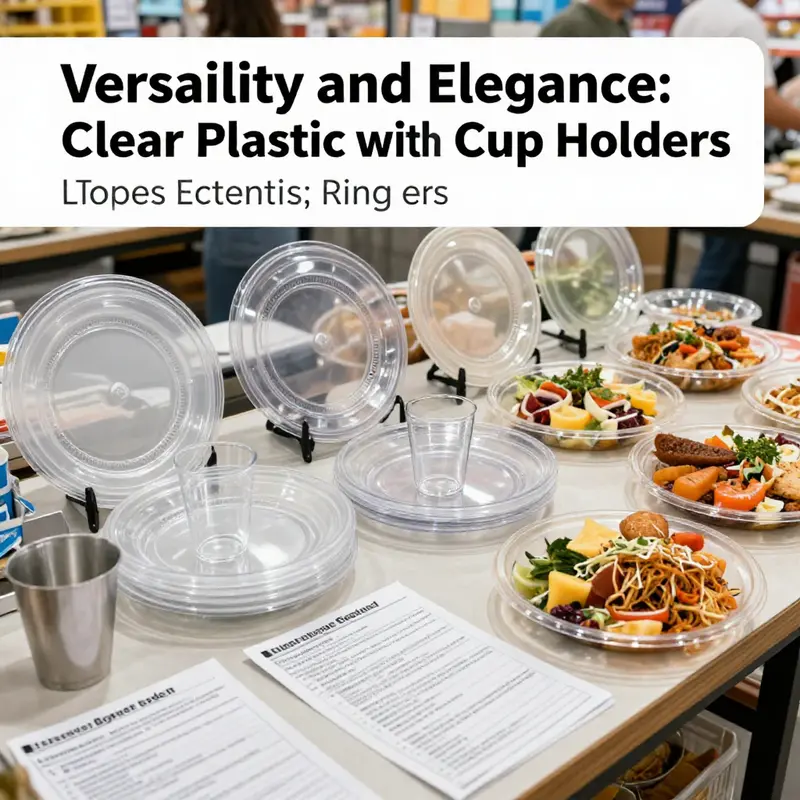
In a market characterized by rapid innovation and evolving consumer expectations, clear plastic plates with integrated cup holders have emerged as a striking example of how functionality and aesthetics can be combined in one disposable product. Over the past few years, the demand for convenient serving solutions has accelerated, particularly in environments that require efficiency and visual appeal. This surge is largely driven by a growing number of consumers who seek a product that can streamline the dining experience—allowing them to handle food and beverages simultaneously with ease. In this context, the clear plastic plate with a built-in cup holder has proved indispensable at events ranging from large-scale buffets and busy institutional cafeterias to intimate parties and weddings. The single-handed design not only reduces the risk of spillage but also adds a layer of convenience that is appreciated in fast-paced, on-the-go situations.
The evolution of these products is a testament to the industry’s responsiveness to social change. As lifestyle patterns shift towards a preference for both convenience and style, disposable tableware must keep up with the dynamic demands of modern consumers. The integration of a cup holder into a transparent plate is more than just a novelty; it reflects a broader trend toward multi-functional design that simplifies both serving and cleanup. With the increasing popularity of mobile dining solutions and outdoor gatherings, the demand for products that combine practicality with an upscale appearance has never been higher.
Manufacturers have tapped into these trends by focusing on durability and versatility. Clear plastic plates, typically available in a 9-inch size, are designed with a specific strength to support heavy meals without bending or warping, ensuring that they can safely accommodate a wide range of dishes—from hearty entrees to artfully arranged appetizers such as sushi and salads. The clarity of the plastic not only enhances the presentation of the food but also conveys a modern elegance that resonates with consumers who value aesthetics as much as functionality.
From a materials standpoint, the use of lightweight yet durable plastic has been central to the success of these plates. The robustness of the material ensures that even the heaviest meals are supported without difficulty, while the clear design allows for an unobstructed view of the food, enhancing the overall dining experience. This dual emphasis on structural integrity and visual appeal has made these plates a premium choice among disposable tableware options. Additionally, the vertical stacking feature—designed to optimize storage space—ensures that these plates remain manageable and cost-effective, especially when ordered in bulk, whether in packs of 12 or larger multi-count packages.
Market dynamics have also been significantly influenced by the supply chain, with major manufacturing hubs responding swiftly to global trends. Particularly, suppliers in regions such as China have played a pivotal role in driving innovations and bulk sourcing options that keep production efficient and cost-effective. Such strategic sourcing not only helps meet high-volume demands at competitive prices but also enables manufacturers to offer customizable designs. This flexibility allows clients to choose from various sizes and counts that best meet their specific event requirements, further propelling consumer interest and confidence in the product.
As the market continues to evolve, one of the most compelling aspects is the integration of user-friendly features that enhance the overall dining experience. The built-in cup holder, for instance, addresses a crucial need for stability and convenience in crowd-intensive and mobile environments. The design facilitates a secure grip on beverage containers, allowing users to carry their drink and meal in a single hand while navigating crowded spaces or busy event settings. This practical innovation minimizes the risk of spills and enables more efficient service, particularly in settings where time and convenience are paramount.
Beyond the realm of functionality, there is a keen attention to the aesthetic dimensions of these products. The clear plastic design allows the visual appeal of the food to take center stage—a feature that resonates strongly with customers who host social events or cater to discerning guests. In many ways, the transparency of the plate elevates the dining experience by creating a seamless integration between the food presentation and the overall ambiance. This modern design element is particularly valued in situations where the presentation of food can make a significant impact, such as in high-end banquets, trendy buffets, or artfully decorated party spreads.
Consumer preferences in today’s market have been drastically reshaped by a demand for efficiency and style. Many value the ability to enjoy both a meal and a drink without the inconvenience of carrying multiple items, making the integrated cup holder a true game-changer. This emphasis on convenience has led to products that are not only visually appealing but also engineered for ease of use. Innovations such as ergonomic handles, belt clips, or even shoulder straps have been introduced in some models, broadening the scope of how these plates can be used across various environments—including mobile services, crowded events, or even in everyday dining scenarios.
The market’s emphasis on functional design is also reflected in the cost-effectiveness of these plates. In an era where budget-friendly solutions are in high demand—particularly in the catering and events sector—clear plastic plates that combine multiple functions in one unit are increasingly popular. They eliminate the need for additional serving utensils, reducing both the cost and the overall logistical burden associated with large events. This aspect is a significant driver behind the concept’s rising adoption, as it allows hosts to allocate resources more efficiently without compromising on the quality or appearance of the serving ware.
Sustainability is another crucial factor shaping consumer decisions in this sector. With an increasing number of environmentally conscious consumers, manufacturers are under pressure to offer alternatives that have a reduced ecological footprint. While traditional plastic plates remain dominant due to their durability and affordability, the market is gradually shifting towards eco-friendly innovations. Biodegradable and recyclable versions are being developed, even if they currently face challenges related to strength and longevity. This balance between sustainability and functionality is expected to improve as research advances, potentially leading to a new generation of disposable tableware that meets both economic and environmental standards.
Recent industry insights reveal that these products are not just a passing trend but are set to redefine the landscape of disposable tableware. According to market analyses and forecasts, such as those presented in the latest industry reports, the global plastic tableware market could witness significant growth fueled by evolving consumer trends and ongoing technological advancements. For more detailed projections and strategic insights into this sector, you can refer to the Global Plastic Tableware Market Report.
Innovation in production techniques has also played a significant role in the advancement of clear plastic plates with integrated cup holders. Manufacturers are investing in state-of-the-art machinery and improved quality control protocols to ensure that every plate meets rigorous standards in terms of thickness, clarity, and overall performance. These developments not only enhance the end-user experience but also bolster consumer trust by ensuring consistent quality across large production batches. As these processes continue to evolve, the reliability and robustness of the product will only improve, further solidifying its position in the market.
A key element in the design and manufacturing phase is the integration of multiple functionalities into a single, cohesive product. The modern consumer values items that are both practical and visually appealing, and these plates meet that criterion by providing a seamless dining experience. The incorporation of secure cup holder technology minimizes the risk of accidental spills, which is particularly beneficial in environments where mobility and efficiency are critical. This alignment between consumer desires and product functionality is a major contributor to the current market success of clear plastic plates with integrated cup holders.
In addition to their inherent functionality, these plates are increasingly being viewed as a synergistic component of a larger ecosystem of disposable dining products. The rise of integrated serving solutions has led to collaborations between manufacturers who produce various types of disposable tableware. For example, the development of products such as innovative combination packaging solutions—similar to what you might find explored in certain studies on multi-functional tableware—demonstrates the broader trend towards packaging that simplifies the dining experience. This convergence of design and technology promotes a unified user experience, ultimately benefiting both end consumers and service providers.
The hospitality and event management industries have been quick to recognize the potential of these products. In fast-paced environments where quick service and efficiency are paramount, the utility of carrying a meal and a beverage simultaneously cannot be understated. The integration of cup holders into plates represents a logistical improvement that is particularly valuable for large events, where a speedy turnover of diners is essential. This simplified approach not only enhances operational efficiency but also reduces the workload on service staff, contributing to a smoother and more enjoyable experience for guests.
Moreover, the clear design of these plates plays a vital role in modern dining aesthetics. In many upscale catering scenarios, presentation is as important as functionality. The transparency of the plate allows the creative presentation of the food to shine through, enhancing the overall visual impact. Whether at a wedding, a corporate event, or a casual buffet, the ability to vouch for both elegance and practicality offers a unique edge in a competitive market. This trend towards combining style with practicality has opened up new avenues for designers and manufacturers alike, prompting them to explore novel methods of merging aesthetics with utility.
Further exploration into the market reveals that the integration of ergonomics has been a turning point for many product designs. Some variants of these clear plastic plates now feature additional design elements such as reinforced rims and enhanced grip zones to assist in handling heavy loads. These innovations cater to a wide range of applications, from everyday family meals to high-volume fast-food services. The emphasis on ergonomically sound design enhances overall user satisfaction, eliminating common concerns such as accidental spills and uneven weight distribution.
Equally important to the consumer experience is the ease with which these plates are stored and transported. The vertical stacking design is a practical innovation that saves space, making them an ideal choice for suppliers, caterers, and event planners alike. This stacking characteristic simplifies logistics considerably, allowing for efficient storage both before and after use, thereby reducing wasted space and minimizing storage costs. As a result, the design not only benefits the consumer at the point of use but also offers significant advantages along the entire supply chain.
The rapid pace of change in consumer behavior has also influenced market strategies in profound ways. Today’s consumers are more discerning than ever before. They actively seek out products that not only solve problems but also add a touch of sophistication to their everyday lives. In response, manufacturers have focused on refining the overall user experience—combining elements of design, functionality, and durability in ways that few disposable products have achieved in the past. This holistic approach underscores the importance of every feature, from the clarity of the plate to the secure design of the cup holder, in meeting customer expectations.
Market research further underscores the importance of versatility in product design. Clear plastic plates have been adapted to serve not only as platforms for holding food but also as part of a broader strategy to offer integrated dining solutions. Whether used in catering contexts where rapid service is necessary or in more leisurely settings where presentation and convenience are equally valued, these plates have carved out a niche that emphasizes their multi-functional design. They have become a symbol of efficiency—a tangible acknowledgment that modern dining can be both refined and practical.
The industry’s adaptive approach is evident in the range of product sizes and packaging options now available. While the 9-inch plate has become a standard due to its balanced proportions, manufacturers are experimenting with other sizes to cater to varying consumer needs. In addition, bulk packaging options, which may include counts as diverse as 12, 45, or even larger quantities, demonstrate the product’s flexibility across different market segments. Such variety allows clients to tailor their purchases precisely to the scale and nature of their events, providing an edge in cost management and logistic efficiency.
Economic factors also play a critical role in shaping consumer habits in this sector. In times of economic uncertainty, products that merge cost-effectiveness with high usability tend to see a spike in demand. Clear plastic plates with integrated cup holders epitomize this balance; they deliver a premium experience at a fraction of the cost associated with traditional reusable tableware. This economic appeal, coupled with the undeniable convenience of a single-hand serving solution, secures their place as a popular choice among budget-conscious buyers, particularly in high-volume situations such as large social gatherings or institutional dining facilities.
Technology and material science are continuously fueling further improvements. With ongoing investments in research, manufacturers are exploring alternatives that not only satisfy convenience and durability requirements but also address environmental concerns. Next-generation materials, such as advanced biodegradable plastics, are beginning to enter the market. Although these eco-friendly alternatives may not yet match the full strength and clarity of traditional plastics, they signify an important step towards sustainability—a factor that is becoming increasingly influential for modern consumers. Balancing innovation, cost, and environmental impact remains a key industry challenge that manufacturers are determined to overcome.
As consumer awareness about environmental impact grows, manufacturers are also finding innovative ways to incorporate sustainable practices into their production processes. There is a clear trend toward developing recyclable and biodegradable solutions that maintain the integrity and functionality of clear plastic plates with built-in cup holders. This ongoing research underscores a commitment to not only meet immediate convenience needs but also to contribute positively to the broader challenges of sustainability. Such efforts resonate with environmentally conscious consumers who seek products that align with their values without sacrificing performance or style.
In this evolving landscape, the convergence of design innovation, ergonomic functionality, and economic feasibility paints a promising picture for the future of disposable dining ware. With integrated features that allow users to enjoy a seamless and efficient meal experience, these products are redefining modern consumer expectations. They provide clear benefits in terms of reduced cleanup times, minimized waste, and enhanced overall convenience. Moreover, the innovative design—highlighted by features such as vertical stacking, secure cup holding, and portable ergonomics—cements their position as a versatile solution for a wide range of applications.
Ultimately, clear plastic plates with integrated cup holders embody a harmonious blend of aesthetics and utility that meets the multifaceted demands of today’s consumers. The market’s shift towards such multifunctional products demonstrates a broader trend where utility does not come at the cost of style. This synergy is what makes these plates a standout choice in disposable tableware, representing an elegant solution that harmonizes with modern lifestyles. By offering both a visually appealing presentation and a practical means of handling food and drink, they address core consumer demands while also paving the way for future innovations.
As the journey of innovation continues, it is clear that these products will remain relevant and adaptable, continuously evolving in response to consumer feedback and technological advancements. The transformation seen in the disposable tableware market underscores a significant paradigm shift—where design sophistication and practical functionality converge to redefine everyday convenience. In this light, clear plastic plates with built-in cup holders not only serve as a practical tool but also as a powerful symbol of modern innovation in the hospitality and events industries.
The future of disposable tableware is bright, with ongoing trends pointing towards further enhancements in sustainability, usability, and design. As manufacturers refine their processes and integrate new materials, customers can expect even greater levels of convenience paired with a reduced environmental footprint. These advancements will likely drive global market expansion, fostering even more creative solutions that continue to elevate the dining experience, whether in a high-energy party or a quiet, everyday meal.
In sum, the success of clear plastic plates with integrated cup holders is rooted in a keen understanding of evolving market trends and consumer preferences. Driven by the demand for products that merge style with practicality, this innovation exemplifies a new era of disposable tableware—one that caters to the needs of a diverse and dynamic consumer base. Future developments are poised to further enhance the product’s performance, ensuring that it remains a critical component of modern dining solutions. With industry expertise, innovative design, and a commitment to sustainability, these plates represent the evolution of disposable elegance—a trend that is here to stay.
Final thoughts
The rise of clear plastic plates with cup holders stands as a testament to the blend of function and design in the food service industry. By understanding their multifaceted applications and the design considerations that make them so effective, businesses can make informed choices that enhance customer experience. Furthermore, staying updated on market trends ensures that businesses can align their offerings with evolving consumer preferences. Embracing these innovative plates can elevate service standards, simplify logistics, and create memorable dining experiences.