
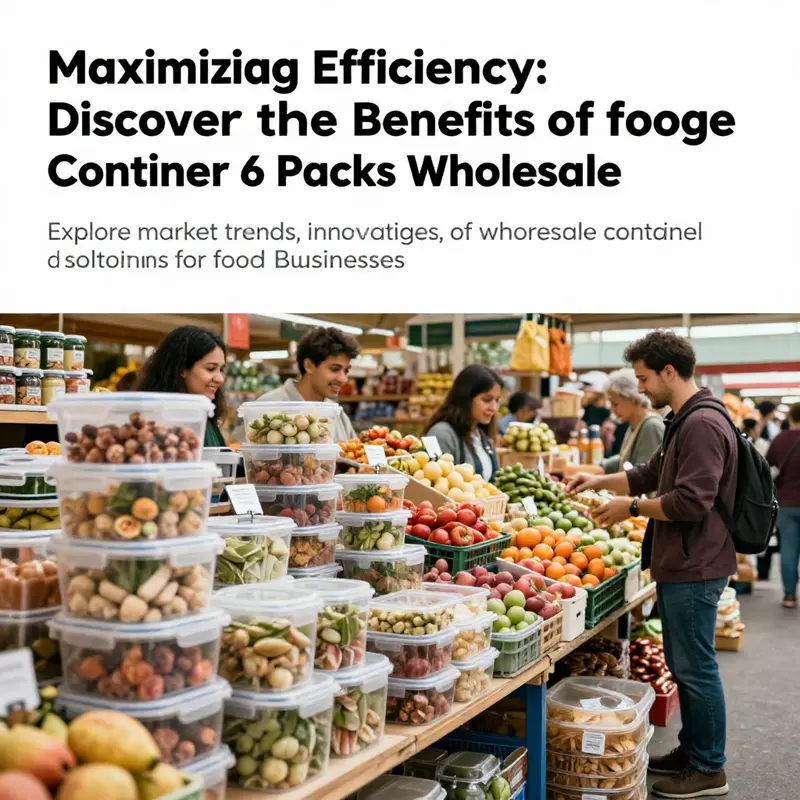
In the bustling food industry, where efficacy, safety, and convenience reign supreme, understanding the dynamics of food storage is crucial for businesses such as bubble tea shops, restaurants, catering services, and beyond. As consumer demands shift towards sustainability and efficiency, food storage container 6 packs wholesale emerge as a vital solution for maintaining food quality and enhancing operational workflows. This article encapsulates emerging market trends, innovations in designs and materials, the specific benefits of bulk purchasing, and how effective food storage can revolutionize meal management and home organization across various sectors. Each chapter aims to provide an in-depth understanding of how these containers not only benefit convenience and safety but also align with the growing ecological consciousness of consumers.
Navigating the Evolving Landscape of Food Storage Container 6 Pack Wholesale: Innovations, Sustainability, and Market Dynamics
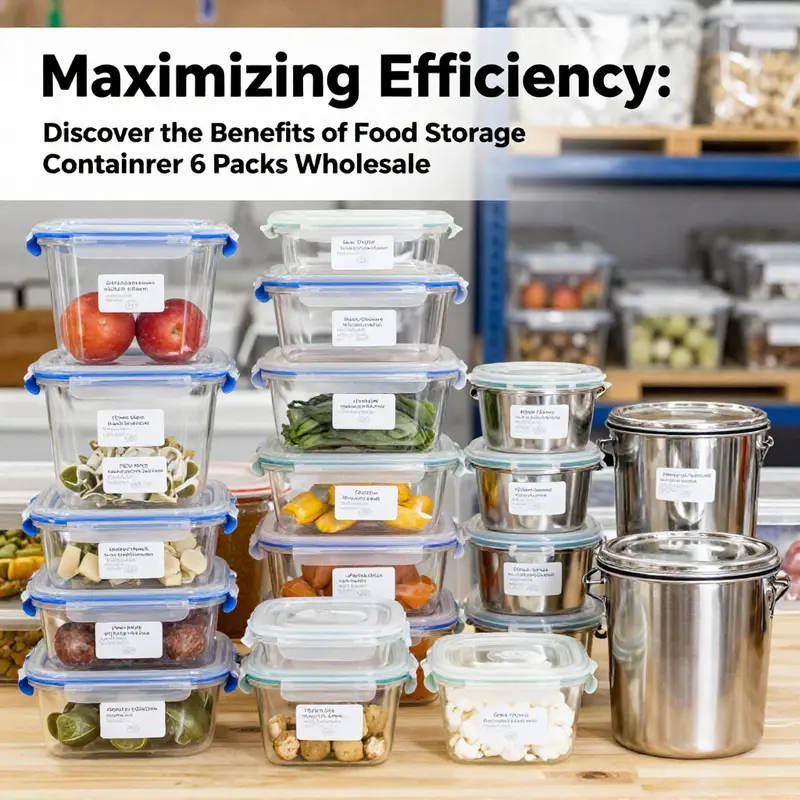
The worldwide market for food storage container 6 pack wholesale solutions is in the midst of a significant transformation. Advances in technology, evolving consumer priorities, and a heightened focus on sustainability have all converged to redefine this once simple market segment. Today’s buyers—from commercial meal-prep companies to household consumers—demand containers that are not only functional but also designed for the modern emphasis on safety and environmental stewardship. As manufacturers innovate with BPA-free, microwave-safe, and airtight products, they are answering the call for both practicality and conscientious design. This transformation is driven in large part by the need to preserve the quality of food while ensuring that containers meet stringent safety standards and eco-friendly benchmarks.
From the beginning, the evolution of the wholesale food storage container market has been underpinned by improvements in material composition and container design. Consumers are no longer satisfied with substandard materials that may leach chemicals or fail under extreme conditions. Instead, there is a strong demand for containers constructed from materials such as Tritan™ and high-grade polypropylene (PP). These materials offer durability and multi-functionality, as they are engineered to withstand usage in freezers, ovens, microwaves, and dishwashers alike. In a similar vein, enhanced airtight seals ensure that food remains fresh longer while reducing exposure to external contaminants. The shift away from BPA and other potentially harmful substances highlights a broader consumer movement toward products that are safe for both human health and the environment.
The integration of safety features with state-of-the-art design is also contributing to a renewed interest in container aesthetics and usability. Traditionally, food storage solutions were simple vessels, but today, every design detail is carefully considered. Lightweight plastics that mimic the clarity and appearance of glass are gaining popularity because they offer the dual benefits of safety and transparency. At the same time, these modern plastics eliminate the risk of breakage, which is a common drawback associated with glass containers. The balance between visual appeal, durability, and functionality is critical, especially when wholesale buyers are ordering in bulk. Bulk packaging not only reduces individual costs but also ensures that large-scale users, such as restaurants, hotels, and large families, have a consistent supply of high-quality containers that meet a variety of needs.
Sustainability has become a fundamental pillar within the industry. This is evident in the way manufacturers are prioritizing eco-friendly, reusable packaging options. Environmental concerns have accelerated the shift away from single-use container models to reusable, long-lasting goods that reduce waste and support recycling efforts. Many suppliers now offer products made from recycled or recyclable materials, which are designed to be as aesthetically pleasing as they are functionally superior. Although glass containers remain a popular option among eco-conscious users because of their inert properties, the fragility and higher shipping costs associated with glass have driven renewed interest in innovative plastic alternatives. These products provide the sturdiness of modern plastics while maintaining an eco-friendly profile. The rising consumer demand for sustainable packaging is not only transforming product design but also reshaping the supply chain, as manufacturers strive to integrate greener production practices and reduce their carbon footprints.
Bulk purchasing trends further illustrate the dynamic changes taking place in the food storage container wholesale market. Recent data from early 2026 indicate that large-volume orders have become increasingly common due to their attractive pricing models. For instance, wholesale prices for microwave-safe polypropylene containers can drop to as low as $0.133 per unit for orders ranging from 500,000 to 999,999 pieces. This competitive pricing is particularly appealing to food manufacturers and catering companies that rely on economies of scale to lower their operational costs. Bulk orders not only reduce the unit price but also streamline the supply chain processes, enabling suppliers to plan production more effectively and maintain a steady inventory. This efficiency is critical in an industry where timing, quality control, and the ability to handle surge demands can make a considerable difference in market positioning.
Customization is another key element that is fueling market growth and innovation. Modern businesses are not just looking for functional products; they want solutions that reflect their brand identity. Suppliers now frequently offer customization options, allowing businesses to tailor container designs, colors, sizes, and even branding details. This level of personalization is particularly important for companies that distribute their own branded food products. For instance, a restaurant chain or meal prep service can use custom-designed containers to enhance customer recognition and loyalty. This trend towards customization not only enriches the visual appeal of the products but also enables companies to differentiate themselves in a highly competitive market. In many cases, the simple addition of a company logo or a unique color scheme can significantly increase the perceived value of the product. Businesses that invest in these personalized touches are often rewarded with a stronger market presence and enhanced consumer trust.
As manufacturing technologies evolve, so too does the sophistication of the production process for food storage containers. Advances in molding technologies, precision fabrication, and quality control techniques all contribute to the development of highly reliable products. Contemporary production processes are designed to ensure that every batch of containers meets rigorous quality standards. This is especially important in the realm of food safety, where even minor imperfections can affect the integrity of the container and, by extension, the food it holds. The integration of modern testing methods within production lines further mitigates the risk of defects, ensuring that large wholesale orders maintain a consistent quality level. Manufacturers are also investing in research and development to harness new materials and improve design functionalities, such as enhanced locking mechanisms and more effective insulation properties. In this way, innovation is driving not only product performance but also operational efficiencies, ultimately benefiting both suppliers and buyers.
Integral to the discussion on market trends is the increasing adoption of meal preps and ready-to-eat meals by households and commercial kitchens alike. In a society where convenience is paramount, food storage containers have become essential tools that enable users to manage portions, store leftovers, and even transport meals safely. The secure, airtight designs of modern containers protect food against spoilage and contamination, thereby prolonging freshness and ensuring nutritional value. These features are especially valued in urban settings where busy lifestyles demand quick, safe, and reliable lunch solutions. As consumers incorporate these products into daily routines, the wholesale market continues to expand. The emphasis on functionality and safety, combined with a genuine commitment to sustainable practices, positions the container industry as a critical component in the modern food ecosystem.
The evolving landscape of the wholesale market is also being shaped by the rise of customization in visual merchandising and marketing integration. When suppliers offer innovative packaging that can be tailored to specific branding needs, the value of the product extends far beyond mere functionality. In a competitive food service environment, visually appealing and distinct packaging reinforces brand identity and creates a memorable consumer experience. Businesses are finding that the appeal of customized containers extends beyond aesthetics—it also serves as an assurance of quality. A container that is carefully designed and tailored to the consumer’s expectations communicates reliability and attention to detail. This is particularly important for high-volume buyers who are increasingly appreciative of products that not only serve a practical purpose but also reinforce the brand’s commitment to quality and sustainability.
The focus on safety, convenience, and environmental stewardship has led to an industry-wide reevaluation of supply chain processes and production strategies. Companies are reengineering their manufacturing workflows to ensure that every step—from raw material sourcing to final quality checks—adheres to strict safety and sustainability guidelines. Innovations in logistics have also played a crucial role in optimizing the distribution of these goods. Enhanced tracking systems, better inventory management, and streamlined transportation are proving indispensable in meeting both time-sensitive orders and quality control criteria. In addition to reinforcing the integrity of the production process, these improvements are paving the way for future innovations in product design and functionality. For instance, the development of containers that are not only safe and reliable but also smart enough to indicate freshness levels could soon become a reality, further enhancing the overall consumer experience.
Equally critical is the role that cost control and market competition play in this evolving environment. As buyers and sellers negotiate on the basis of price, quality, and long-term value, the pressures of economic variability continue to influence market dynamics. Large-scale buyers benefit from economies of scale and competitive pricing structures that drive the adoption of bulk purchasing. Moreover, supplier strategies are increasingly built around flexibility and responsiveness to market trends. For example, many manufacturers are now offering seasonally adjusted pricing or volume-based discounts that provide a further incentive for bulk orders. Such initiatives not only make high-quality, safe, and sustainable containers accessible to a broader market but also help stabilize price fluctuations over time. The interplay between cost management and innovation ensures that the sector remains responsive to both consumer demand and broader economic shifts.
Ensuring quality control is of paramount importance. Manufacturers must meet the expectations of today’s informed consumers, who demand nothing less than perfection in food safety and durability. Every production stage is meticulously monitored, with state-of-the-art equipment deployed to detect and eliminate any potential issues. The commitment to quality extends from the choice of raw materials to the final packaging process. In this regard, many suppliers are making significant investments in advanced quality assurance systems, which not only improve the safety and reliability of containers but also build consumer confidence. Enhanced quality control protocols help prevent minor defects from evolving into major problems, a strategy that is crucial for both the reputation of suppliers and the safety of end-users. These rigorous quality assurance systems are becoming a standard feature in the industry, reaffirming the message that safety and durability are inseparable criteria in the food storage container market.
The success of today’s wholesale food storage market hinges largely on its ability to integrate functionality with modern design and environmental responsibility. This integration is evident in every aspect of product development—from the selection of BPA-free materials to the incorporation of user-friendly features like secure, airtight seals. The innovation is not merely in the physical design but also in how these containers are marketed and distributed. Businesses that can harness the benefits of customization, sustainability, and precision manufacturing are better positioned to navigate the complexities of this competitive industry. Customers increasingly benefit from products that offer safety, durability, and style all in one package. For those looking for high-quality food-grade containers that meet the highest safety standards, options such as these are increasingly available. For example, one can explore offerings of high-quality food-grade bowls as an integral part of a broader packaging solution.
Looking ahead, the market is expected to continue its growth trajectory as consumer demands evolve and manufacturers push the boundaries of product innovation. The interplay of convenience, safety, and sustainable design points to a future where food storage containers not only serve their fundamental purpose but also contribute to a healthier and more environmentally responsible society. With projected market growth in the U.S. expected to reach an additional USD 2.5 billion between 2025 and 2030, it is clear that the future will be defined by smart investments and forward-thinking strategies. Companies that emphasize efficiency through technological advancements, robust quality control practices, and sustainable manufacturing methods are likely to capture a significant share of this expanding market. The strong focus on chemical-free materials, airtight sealing, and customizable options speaks volumes about the potential for further innovations that align with modern consumer expectations.
In summation, the wholesale food storage container 6 pack market is undergoing a profound evolution. Innovations in material safety, bulk purchasing mechanisms, and environmentally responsible production methods are central to this shift. Economic considerations and detailed quality control measures ensure that every container meets rigorous standards. As the market continues to expand, buyers will benefit from a broader selection of products that are not only safe and durable but also customizable to meet individual branding and operational needs. The integration of cutting-edge technology with sustainable design has set the stage for a future where food storage solutions are more than just containers—they are powerful tools that enhance the consumer experience, support public health, and foster environmental stewardship. Industry stakeholders now face both tremendous opportunities and challenges as they strive to balance cost efficiency with the highest quality standards. For those interested in exploring the innovations driving the market, further insights can be gleaned from resources such as the Wholesale Microwave-Safe PP Food Storage Container, which encapsulate many of the trends discussed.
This evolving narrative is not just about the products themselves; it is a story about how market dynamics, consumer preferences, and technological advancements combine to shape an industry. Whether you are a food manufacturer, a retailer, or a consumer, the transformation in the food storage container market holds implications for cost, convenience, and environmental impact. As the market continues to grow and innovate, the focus on safety, sustainability, and customization will remain central to its evolution. The journey ahead is marked by a continuous pursuit of excellence—one where every container is a testament to quality, functionality, and a commitment to a healthier, more sustainable future. The integration of these core values into each design and manufacturing process ensures that the food storage container is not merely a commodity, but an essential component of modern living.
In this expansive and dynamic environment, companies that understand and embrace these progressive trends are better equipped to succeed. The strategic combination of advanced manufacturing techniques, superior product design, and a deep commitment to quality and sustainability distinguishes industry leaders from the rest. As we witness these changes unfold, it is evident that the market is evolving rapidly to meet the needs of a diverse and demanding consumer base. Amidst these shifts, wholesale food storage containers emerge as vital tools, enabling users to store, transport, and preserve food with unparalleled safety and efficiency. Ultimately, the story of this market is one of relentless innovation, conscientious design, and the drive to create better, more resourceful products for today’s eco-aware and health-conscious society.
Revolutionizing Wholesale Food Storage: Innovative Container Designs & Sustainable Materials for 2023
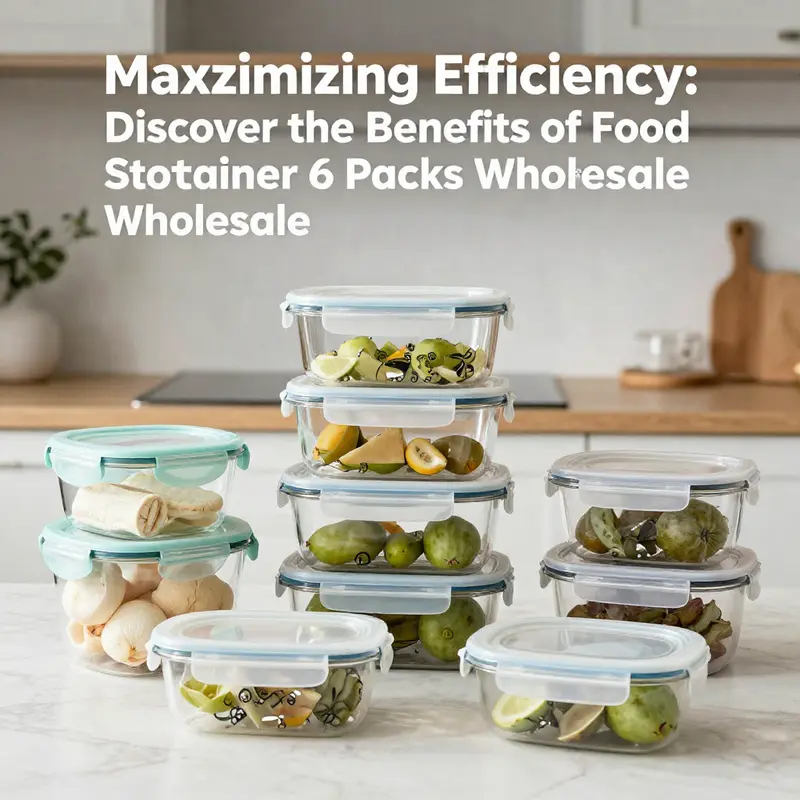
The evolution of food storage solutions over the past several decades has been a journey marked by continuous innovation and an unyielding drive toward sustainability. In 2023, that path has taken an exciting turn as wholesale food storage container manufacturers have embraced cutting-edge designs and next-generation materials that not only meet but exceed the ever-rising consumer expectations. This transformation is particularly relevant to businesses and kitchens that purchase food storage container 6 pack wholesale, where operational efficiencies, cost-effectiveness, and environmental trends guide purchasing decisions across the globe.
Central to this evolution is the shift away from conventional plastic-based products to more robust, eco-friendly alternatives. As awareness of the environmental impact of single-use plastics grows, both manufacturers and consumers are gravitating toward solutions that reduce waste and ensure a safer, healthier storage option. Among these solutions, glass has reemerged as a leader in innovation—specifically, the use of borosilicate glass in food storage containers. Celebrated for its durability, resilience to thermal shock, and chemical inertness, borosilicate glass has become synonymous with premium quality and health safety. Unlike standard glass, borosilicate glass is engineered to resist breakage and can endure dramatic temperature fluctuations without cracking. Its inherent resistance to chemical reactions is invaluable in preserving the taste, flavor, and nutritional integrity of stored food, making it a key player in today’s competitive wholesale market.
Manufacturers have also reimagined the practical design elements that define modern food storage containers. Gone are the days of bulky, inefficient packaging; today’s designs focus on a seamless integration of form and function. One of the most celebrated innovations is the introduction of leak-proof seals and stackable profiles, features that have revolutionized the organization and usability of these containers. This design direction not only ensures that food remains fresh and safe over longer periods but also optimizes storage space in both commercial kitchens and domestic households. As meal prep and quick reheat solutions become part of everyday life, containers that can be effortlessly moved from the refrigerator to the microwave—and then to the dishwasher—are a testament to the ongoing dedication toward user convenience. These advancements harmonize with the broader trend toward multi-purpose, flexible designs that cater equally well to large-scale operations such as wholesale distribution and to individual consumers.
Beyond the immediate functional benefits, a deeper transformation lies in the sustainable practices that now underpin the entire production and usage lifecycle of these containers. Companies are increasingly integrating biodegradable and compostable materials into their designs, signaling a clear commitment to reducing environmental impact. Whether through innovations in bio-based plastics or the revival of traditional materials like glass and stainless steel, the industry is sharply focused on leaving behind a minimal ecological footprint. This eco-friendly approach does not stop at the point of sale; the entire lifecycle—from raw material sourcing and manufacturing to end-of-life disposal—is being rethought to align with the principles of a circular economy. The emphasis on recyclable packaging and waste minimization dovetails perfectly with global sustainability goals, making these containers an appealing asset for environmentally conscious consumers and business operators alike.
The reimagining of container design also extends to the aesthetic dimension. As customers become more discerning, the look and feel of a container can be as crucial as its functional attributes. Modern food storage containers are crafted not only to be resilient and sustainable but also to bring an element of style into kitchens and dining environments. Innovations in design have led to sleek, contemporary silhouettes that harmonize with a wide range of interior decors, making them more than just utilitarian objects. They are evolving into essential lifestyle accessories that cater to an increasingly health and eco-aware audience. This trend is especially pertinent for bulk purchasers and wholesale buyers, for whom the sustainability credentials of the products they procure now serve as a competitive differentiator in a market that values both functionality and environmental responsibility.
Wholesale buyers, in particular, are finding that these innovations offer considerable benefits beyond conventional expectations. When purchasing a six-pack or any other bulk quantity, the economies of scale are closely linked to the longevity and durability of the containers. High-quality, BPA-free glass and sustainable composites guarantee that these wholesale purchases remain attractive to end users over a prolonged period. The reliability of these materials diminishes concerns over product failures such as leaks or breakage, thereby reducing unnecessary returns and replacements. Consequently, businesses catering to the wholesale market are now better equipped to serve both large-scale distributors and smaller, boutique setups. The new line of containers—robust, versatile, and attuned to the needs of contemporary food storage—provides wholesale buyers with a portfolio that significantly enhances their operational efficiencies while boosting the environmental profile of their product offerings.
Another facet of this transformative period is the growing interface between technological innovation and user interaction. Smart design extends beyond the physical container to incorporate aspects such as integrated labeling systems and compatibility with digital inventory management. Although the core of these innovations lies in material science and design aesthetics, the user experience is being reshaped by the advent of interconnected storage systems that help consumers track freshness and usage. Modern containers might soon include features such as QR codes that link to online platforms, offering guidance on recycling, usage tips, or even recipe suggestions. This integration of smart technology not only makes storage more efficient but also opens up avenues for direct consumer engagement, thus building trust and loyalty among a clientele that is increasingly proactive about its health and environmental footprint.
The economic narrative surrounding these innovations is equally compelling. With the U.S. market, for instance, projected to grow by USD 2.5 billion between 2025 and 2030 at a compound annual growth rate (CAGR) of 3.4%, the wholesale realm is thriving in an environment of robust demand and rapidly shifting consumer expectations. Businesses that invest in the latest container designs—those that are not only visually appealing but also grounded in sound sustainability practices—find themselves at a competitive advantage. In a market where cost efficiency is balanced against long-term durability and ecological impact, the new generation of food storage containers is spearheading a movement toward smarter, more responsible wholesale purchasing decisions. The focus is on delivering products that give mess-free, functional performance in high-volume operations, while simultaneously aligning with a broader global push for eco-friendly business practices.
Moreover, this renewed focus on quality and sustainability is driving forward changes in supplier relationships and the overall supply chain. Manufacturers are increasingly working in tandem with raw material suppliers to ensure that every input—from the glass to the sealing components—is ethically sourced and produced under strict environmental standards. This collaboration across the supply chain not only guarantees the performance attributes that wholesalers expect but also adds another layer of credibility to the product lifecycle. Transparency has become a pivotal factor in supplier selection, and wholesale buyers are now more inclined to choose suppliers who can demonstrate a clear commitment to minimizing environmental impacts. This shift has led to a broader realignment in procurement strategies, with companies striving to build resilient, eco-conscious supply networks that support both quality production and a sustainable future.
As the industry witnesses these changes, there is an emerging consensus that innovation in food storage container design can serve as a catalyst for overall market transformation. There is more than just an aesthetic or functional improvement at stake; the real revolution is in the commitment to a holistic approach that prioritizes safety, convenience, and sustainability simultaneously. The use of BPA-free materials such as high-grade borosilicate glass encapsulates this shift in mindset—a mindset that values longevity over disposability and quality over fleeting trends. This attention to detail ensures that both the end product and the process of its creation contribute positively to environmental preservation. The ultimate outcome is a product that not only serves its immediate purpose of safe, convenient food storage but also reinforces a commitment to a cleaner, healthier planet.
In parallel with these technological and material enhancements, the wholesale market has become a crucible for experimentation in packaging strategies. Many businesses are capitalizing on the idea that innovative container designs can drive consumer loyalty and, at the same time, streamline operational logistics. For example, the development of stackable containers with standardized dimensions has simplified the transport and storage processes, reducing overhead costs considerably. These benefits are particularly pronounced in the context of food storage container 6 pack wholesale purchases, where every square inch of warehouse space, every ounce of material used, and every minute of labor spent on organizing stock can impact the bottom line. The fact that newer designs incorporate features that ease assembly and disassembly in commercial environments has been a major selling point in negotiations between manufacturers and large-scale distributors. This efficiency directly translates into improved cost-effectiveness and ultimately contributes to a more dynamic and responsive market.
The journey toward these innovative milestones is accompanied by a renewed focus on consumer education and engagement. Companies are investing in detailed marketing campaigns that emphasize not only the technical benefits of their products but also the broader environmental advantages of switching to sustainable container options. This shift in communication strategy is aimed at educating consumers about the long-term benefits of sustainability, including reduced waste and improved food safety. The narrative now draws a direct line from careful material selection and thoughtful design choices to the tangible benefits experienced by the end user. In doing so, companies are fostering a sense of partnership where consumers feel connected to the product’s lifecycle and are more inclined to adopt practices that are both health-conscious and environmentally responsible.
A strong example of the timely innovations resonating with the market is the increased awareness regarding how food storage containers can be seamlessly integrated into everyday life. Modern designs have transcended the limitations of traditional storage options by combining aesthetic appeal with advanced functionality. The emphasis on compatibility—such as ensuring that containers are safe for use in microwaves, freezers, and dishwashers—illustrates how forward-thinking design can enhance the user experience. This compatibility is more than a convenience; it represents a major leap in adapting to lifestyles that are increasingly defined by multitasking and efficiency. The very idea of a container that effortlessly transitions between different temperature zones without compromising safety or durability is a direct response to consumer demand for products that keep pace with rapid, everyday changes. In this context, even a wholesale pack of containers becomes emblematic of a broader cultural shift—a move toward a smarter, more sustainable way of living.
It is also worth noting that these design innovations are not confined to newly emerging market brands alone. Many established players in the food storage container industry are retooling their production lines, investing in research and development initiatives, and forging partnerships with technology firms to explore novel materials and design techniques. By leveraging state-of-the-art research, such as that disseminated by industry leaders in green building and sustainable design, companies are able to anticipate and adapt to evolving regulatory standards as well as customer demands. This proactive approach has resulted in a more resilient sector that is well-prepared to meet the challenges of a rapidly changing global market. For those engaged in the wholesale trade, exploring products that marry innovation and reliability has never been more crucial.
For wholesale buyers keen on capitalizing on these trends, the future points to an exciting blend of design ingenuity and sophisticated material science. Businesses now have the option to select products that not only simplify logistics with features like stackable and leak-proof designs but also reinforce their brand’s commitment to sustainability. To explore innovative container designs that align with these values, interested buyers can check out an example of a well-executed, modern design by visiting this internal resource on innovative packaging solutions.
In concluding this exploration of modern innovations in food storage container designs and materials, it is clear that 2023 stands as a landmark year for the industry. The convergence of sustainable practices, advanced material technology, and intelligent design not only meets current logistical needs but is also paving the way for a future where environmental responsibility is front and center. As manufacturers refine their production techniques and wholesale buyers increasingly prioritize products that support a circular economy, the industry is set on a path defined by constant improvement and a commitment to both user functionality and ecological stewardship. For more detailed insights into the safe and sustainable aspects of these containers, further reading is available at Green Building Connection.
This comprehensive transformation in design and material selection is not merely a transient trend; it signifies a fundamental rethinking of how food is stored, handled, and delivered on a large scale. By combining cutting-edge technology with a steadfast focus on durability and sustainability, the wholesale food storage container market is poised to address the multifaceted demands of modern consumers. Every container produced today reflects a commitment to quality, safety, and environmental consciousness, thereby serving as a tangible representation of a future where technological innovation and sustainability work hand in hand.
As businesses continue to make strides in meeting these evolving needs, the innovations of 2023 will undoubtedly serve as a blueprint for future developments. The collaborative efforts across the supply chain, from raw material sourcing to final delivery, highlight an industry that is determined to lead by example—a leader not only in functionality and design but also in its unwavering responsibility to protect our natural resources. Ultimately, the modern food storage container embodies a paradigm shift that benefits wholesale buyers, end consumers, and the environment alike, forging a legacy of innovation that will shape the industry for years to come.
Maximizing Efficiency: The Strategic Benefits of Bulk Purchasing Food Storage Containers
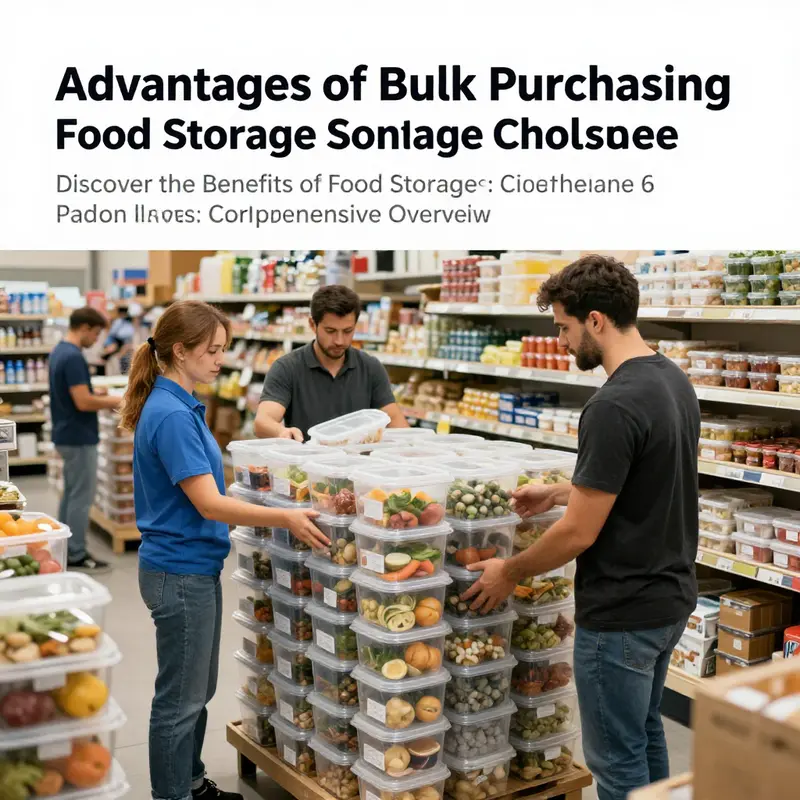
Bulk purchasing in today’s competitive food industry has become much more than a simple method of procurement—it is a carefully honed strategy that touches every facet of operations, from cost management to ensuring consistent quality. Companies and institutions increasingly see the value in acquiring food storage containers in large quantities, ensuring that they not only benefit from economies of scale but also build a resilient, streamlined supply chain that supports their long-term growth and sustainability goals. In this context, the practice of acquiring bulk food storage containers has intersected with technological advancements, evolving consumer expectations, and refined supply chain practices, creating opportunities for businesses of all sizes to optimize their efficiency while meeting stringent quality and environmental standards.
A core element of bulk purchasing rests in its ability to yield impressive cost savings. When a business opts to purchase food storage containers in a 6 pack wholesale configuration, it takes advantage of volume discounts that can reduce per-unit expenditure significantly. Suppliers in competitive manufacturing hubs are able to offer lower prices mainly because they benefit from vertical integration in production processes. For example, manufacturers located in industrial centers have streamlined their processes from resin sourcing to molding and final assembly, which not only enhances production efficiency but also minimizes overheads. These savings are then passed along to businesses that acquire large volumes of containers, thereby ensuring that even companies operating on thin margins gain a strategic advantage in the market. The cost advantages, however, extend beyond just lower unit prices. Reduced procurement costs help provide a buffer during market fluctuations and allow companies to allocate more resources to other crucial areas such as innovation, marketing, and customer service.
Beyond the direct financial benefits, operational efficiency plays a prominent role in the bulk purchasing narrative. By shifting from sporadic orders to scheduled purchasing regimes, businesses can significantly reduce the administrative burden associated with repeated procurement cycles. This means fewer purchase orders to process, less frequent negotiations with multiple suppliers, and optimized logistics scheduling, all of which contribute to time savings and reduced operational stress. The benefits of an efficient supply chain are evident in sectors where the volume of usage is particularly high—for instance, in commercial kitchens, institutional cafeterias, and large-scale meal prep kitchens. For these operations, a stable supply of food storage containers is critical to maintaining uninterrupted service. Bulk purchasing thus allows for better planning and inventory management, eliminating the need for emergency procurement that can often be more costly and less reliable.
When organizations procure food storage containers in bulk, they are not just saving money—they are also investing in consistency and robust quality control. Working with a single, well-vetted supplier helps ensure that every container meets specific criteria, ranging from dimensional accuracy and robust sealing to verified material safety features such as BPA-free certifications. This uniformity is critical for businesses that require precise measurements and specific container performance characteristics for tasks such as meal preparation and food storage. Consistency in quality translates directly into improved operational performance, as businesses can rely on every unit to perform as expected. High-standards in product consistency also allow companies to enforce stringent safety protocols that are essential in food handling and storage operations.
Safety and compliance are non-negotiable in food-related industries, especially when long-term health and thousands of customer interactions are at stake. Suppliers who focus on scalability are keenly aware that their products must not only meet but exceed regulatory benchmarks such as those set by the FDA or international food contact standards. By forming long-term partnerships with these suppliers—often located in established manufacturing regions that prioritize compliance—businesses can rest assured that every batch of containers delivered will adhere to both local and global safety requirements. This adherence is particularly important when it comes to containers that require properties such as microwave and oven safety, thermal stability, or resistance to impact. These quality attributes ultimately support an organization’s reputation for reliability and safety, fostering customer trust and loyalty.
Sustainability has emerged as a vital pillar in modern procurement strategies, influencing not only supply side practices but also the decisions of environmentally conscious consumers. Bulk purchasing of food storage containers is increasingly associated with sustainable practices, particularly when suppliers offer products that incorporate recyclable materials, eco-friendly manufacturing processes, or designs that minimize packaging waste. Compared to frequent smaller shipments that tend to increase packaging and transportation emissions, bulk orders reduce the environmental footprint by consolidating shipping and optimizing container design for better space efficiency. When businesses commit to bulk purchases, they are often partnering with suppliers who have embraced greener production methods, thereby aligning with broader sustainability goals that are rapidly becoming central to many corporate strategies. This careful pairing of efficiency and environmental responsibility positions companies well for future regulatory trends and evolving consumer expectations.
The integration of these various factors—cost savings, operational efficiency, consistency in quality, and sustainable manufacturing—paints a picture of a supply chain that is agile, reliable, and forward-thinking. While it might seem that bulk purchasing merely serves the purpose of acquiring large volumes at discounted prices, the broader picture reveals that strategic bulk procurement has a multi-dimensional impact on business operations. For instance, with less emphasis on repetitive small-scale orders, administrative teams can focus on optimizing the overall supply chain, tracking performance metrics, and identifying further opportunities for budget consolidation. This holistic approach ensures that businesses remain agile in an increasingly dynamic market where consumer preferences can change rapidly and supply chain disruptions can occur unexpectedly.
Operational excellence further evolves when companies form long-term partnerships with dependable suppliers. These partnerships are not based solely on individual transactions but are built on a foundation of trust, shared values, and an understanding of the market’s complexities. By establishing secure, long-standing relationships with manufacturers who understand and align with their business needs, companies secure a reliable supply of high-quality food storage containers. This security is invaluable during periods of unforeseen demand increases or global supply chain disruptions, where a trusted supplier can navigate challenges more effectively than a series of short-term, transactional relationships. Over time, these relationships can evolve into strategic alliances where suppliers work closely with their customers to refine product specifications, anticipate future trends, and innovate continuously to keep pace with technological advances and changing market dynamics.
Behind every successful bulk procurement operation is an intricate network of logistics and supply chain management. Shipping large quantities over great distances necessitates an efficient logistics strategy that accounts for variability in shipping times, customs regulations, and transportation costs. However, when executed correctly, the efficiency gains from bulk purchasing are multiplied several times over. Reducing the frequency of shipping not only cuts down on costs but also minimizes the risks associated with delays and inventory shortages. This is particularly beneficial in a global marketplace where manufacturing hubs can be geographically distant from end users, yet the efficiencies in shipping larger, consolidated orders provide significant advantages. In this interconnected world, companies that master the art of bulk purchasing are often the ones that set the pace for operational innovation, balancing efficiency with reliability and cost-effectiveness.
Another significant element of the bulk purchasing model is its ability to drive innovation within the design of food storage containers themselves. Manufacturers, particularly those capable of high-volume production, often invest in research and development to create products that meet evolving consumer needs. Innovations such as improved sealing mechanisms, modular designs that allow for multi-use configurations, and enhanced durability to withstand repeated use and varying temperature extremes are the outcomes of consistent, high-volume production. Furthermore, some manufacturers are now incorporating smart technologies into food storage solutions, such as integrated temperature indicators or freshness sensors, to add value to bulk purchases. Although these technological advancements may initially be seen as extra features, they ultimately contribute to faster adoption rates by commercial customers who value both innovation and reliability in their operational tools.
The long-term impact of bulk purchasing transcends immediate operational efficiencies. For many businesses, the decision to purchase in large volumes reflects a broader strategic shift towards proactive management of supply chains and operational budgets. This shift is accompanied by a heightened awareness of quality control and available technological innovations, all of which are crucial when aiming to maintain relevance in a rapidly evolving market. In sectors where margins are tight and operational disruptions can prove costly, the enhanced capabilities derived from consistent, quality-controlled bulk orders allow businesses to not only survive but thrive amidst competition.
Moreover, the advantages of bulk purchasing extend to the realm of inventory management. A well-managed inventory is the backbone of any successful operation, ensuring that products are available when needed without the pitfalls of overstocking or stockouts. Bulk buying contributes to a more predictable and steady flow of inventory, which in turn simplifies forecasting and demand planning. Organizations can better align production schedules with procurement cycles, resulting in fewer bottlenecks and a more resilient supply chain. This level of predictability is particularly valued in the food industry, where timing is crucial and disruptions can have extensive downstream effects on quality, customer satisfaction, and overall operational integrity.
From a broader perspective, bulk purchasing represents a strategic lever that enables organizations to achieve both immediate and long-range goals. The benefits are not isolated to cost reduction alone—they extend to fostering an ecosystem where innovation, sustainability, and efficient logistics are paramount. As companies commit to bulk procurement strategies, they help drive market standards, pushing suppliers to adopt practices that not only appeal to modern consumers but also anticipate future regulatory demands. In this manner, the practice of bulk purchasing becomes a driving force for transformation within the industry, facilitating a shift towards more sustainable, transparent, and technologically integrated production methods.
For companies seeking to further optimize their bulk purchasing strategy, it is essential to evaluate suppliers not just on the basis of price, but also on factors such as quality control certifications, adherence to international food safety standards, and long-term reliability. Establishing a supply chain network that prioritizes these aspects can result in a robust operational framework, one that not only minimizes unexpected disruptions but also offers a competitive edge. In addition, leveraging modern inventory management systems can further enhance the benefits derived from bulk purchasing by reducing administrative overhead and ensuring that the flow of materials is both smooth and responsive to demand. Business leaders who make informed decisions about their supplier relationships and procurement strategies lay the groundwork for operational resilience and sustainable growth.
An illustrative example of how bulk procurement can elevate operational performance is evident in businesses that leverage integrated digital tools for inventory and order management. These tools enable companies to track shipments, monitor product quality in real time, and adjust purchasing patterns based on predictive analytics. The result is a data-driven procurement process that continually refines itself to align with market trends and operational requirements. Such systems not only reinforce the economic advantages of bulk purchasing but also enhance the reliability and responsiveness of the entire supply chain. For those interested in exploring high-quality bulk container options, there are detailed guides available that discuss supplier compliance and pricing strategies in depth, which can serve as valuable resources for businesses aiming to improve their procurement practices.
In summarizing the multifaceted advantages of bulk purchasing, it is clear that the approach is much more than a cost-saving exercise—it is a comprehensive strategy that enhances operational efficiency, ensures consistent product quality, supports sustainability initiatives, and fosters robust supplier relationships. With a focus on adopting smart procurement practices, companies can mitigate risks, exploit economies of scale, and ultimately drive innovation within their own operational frameworks. As the global market for food storage containers continues to evolve, businesses that embrace bulk purchasing are positioning themselves to take full advantage of emerging trends, ensuring that they remain competitive and agile in an ever-changing environment.
To encapsulate the strategic value of this approach, consider the way in which bulk procurement unifies multiple aspects of business operations into a single, cohesive framework. From achieving significant cost savings and efficiency gains to ensuring that every container meets strict quality standards, the benefits are wide-ranging and significant. The long-term relationships forged with suppliers allow companies to plan with confidence and adapt quickly to any disruptions, while the focus on sustainability ensures that this approach is not only economically sound but also environmentally responsible. With the support of digital tools and data analytics, bulk purchasing transforms from a logistical necessity into an innovative platform for operational excellence, making it a critical component of modern supply chain strategy.
For businesses looking to expand their reach and strengthen their market position, the advantages of bulk purchasing in sourcing food storage containers cannot be overstated. This strategy supports a diverse range of operational needs, from improved inventory management to advanced quality control and enhanced sustainability practices. As companies continue to innovate and adapt in a competitive landscape, the integration of bulk procurement into their business model represents a smart, future-proof investment. The consolidation of orders into fewer, larger, and more manageable shipments not only streamlines logistical operations but also sets the stage for better cost forecasting and improved cash flow management. Ultimately, the strategic benefits of bulk purchasing serve as a cornerstone for sustained operational success in the dynamic world of food storage and meal preparation.
For further insights on how such procurement strategies are evolving in response to global market trends, industry professionals may refer to comprehensive resources such as the research outlined in the China Sourcing Guide for Bulk Food Prep Containers – Supplier Compliance & Pricing (2026) (https://www.supplychaininsights.com/china-food-storage-container-sourcing-guide-2026). This guide provides additional context on the mechanisms behind vertical integration in manufacturing hubs and underscores the importance of maintaining stringent compliance standards while reaping the rewards of bulk purchasing. Ultimately, the strategic decisions made today in selecting bulk purchasing practices will shape the competitive landscape and operational efficiency of food service providers for years to come.
Effortless Efficiency: Mastering Kitchen Organization and Meal Prep with Innovative Food Storage Solutions
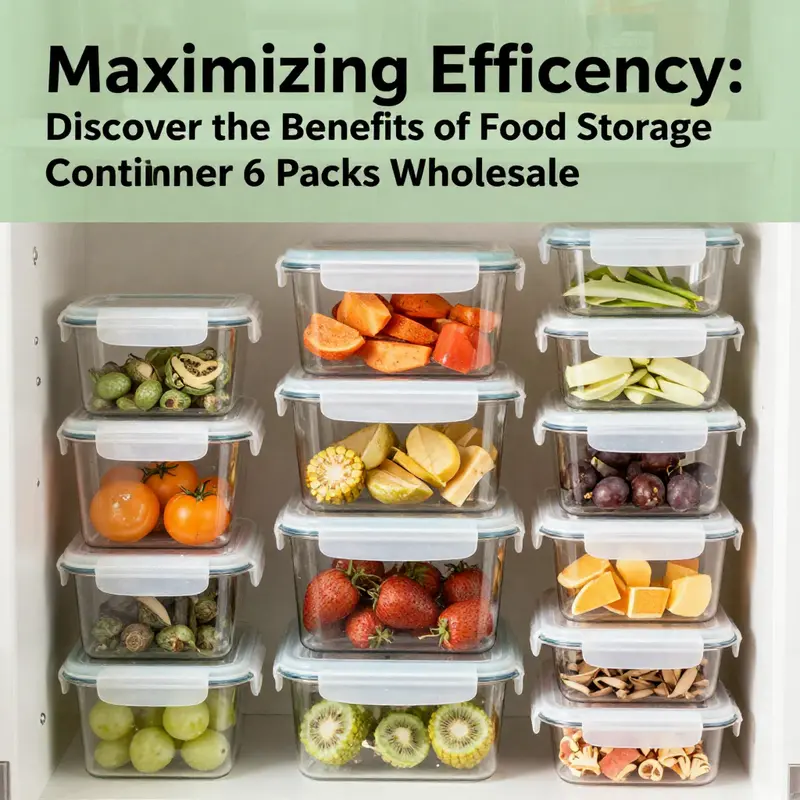
In today’s evolving culinary landscape, the role of food storage containers transcends merely holding leftovers. They have become integral tools that not only preserve freshness but also play an essential role in keeping the modern kitchen organized. As households increasingly embrace meal prepping and thoughtful food management, the design and functionality of food storage containers continue to evolve, offering consumers the dual benefits of enhanced efficiency and a systematic approach to meal management. Lightweight, versatile, and built with state-of-the-art features, these containers help households tackle everyday challenges such as reducing food waste, streamlining meal preparation, and supporting an eco-friendly lifestyle.
At the core of their practical application is the ability to extend the longevity of food. By incorporating airtight seals and leak-proof lids, these containers create ideal storage environments that significantly slow down spoilage. A sealed container prevents air from entering and moisture from escaping, thereby maintaining the natural flavor, aroma, and nutritional value of stored food. The enhanced reliability in preserving leftovers and perishable items leads to reduced food waste, a benefit that is both economical and environmentally sustainable. In many households, the habit of using efficient food storage containers drives a shift towards more deliberate meal planning, whereby leftovers can be repurposed into fresh dishes, cutting down on the frequency of grocery runs.
Equally important is the organizational advantage brought about by these containers. They have transformed how kitchens are structured, making it possible to sort and store ingredients in a way that is both visually appealing and functionally logical. For example, categorizing ingredients by type or usage—such as grouping items for baking, organizing fresh vegetables, or collecting snacks for quick access—allows for a more systematic layout in both the refrigerator and the pantry. Many modern kitchens feature clear, stackable containers that not only save space but also help users see at a glance what is stored within, reducing rummaging and saving valuable time during meal preparation. A well-organized kitchen, in turn, encourages efficient use of ingredients and plays a crucial part in reducing the time spent searching for items when cooking.
The integration of food storage containers in meal preparation practices is another significant trend that has garnered attention. With the rising popularity of meal prepping, households now prepare large quantities of food in advance to streamline cooking routines throughout the week. Containers designed to withstand microwave heating, safe temperatures in the freezer, and the rigors of a dishwasher are especially valued. They allow individuals to portion out meals and store them in a format that can be directly reheated and served. This approach not only contributes to healthier eating habits but also minimizes the temptation for frequent take-outs, thus promoting a cost-effective and nutritious lifestyle. The direct transition from storage to reheat-and-serve considerably simplifies the process of daily meal preparation.
In addition to these practical benefits, food storage containers serve as effective tools for reinforcing sustainable practices at home. Many of these containers are designed to be reusable, which encourages a move away from single-use packaging. By eliminating the need for disposable packaging, households reduce their impact on the environment. This is particularly significant as consumers are increasingly seeking approaches that align with a sustainable and eco-conscious lifestyle. Containers made from materials such as BPA-free plastics, durable glass, and robust stainless steel ensure that users are not only safeguarding their food but are also investing in long-lasting products that offer environmental benefits.
The material composition of food storage containers plays a pivotal role in determining their functionality. Glass containers, for instance, are prized for their non-toxic qualities and high thermal resistance, making them excellent for both storage and direct heating. They lend a sense of premium quality and are environmentally friendly, though they may be heavier and more fragile compared to their plastic counterparts. BPA-free plastics, on the other hand, are lightweight and affordable, ideal for everyday use where convenience is a priority. Furthermore, modern innovations in plastic design ensure that these containers maintain food safety while offering superior durability. Stainless steel containers are another popular option, especially for those looking for a robust solution that offers excellent insulation properties. They are particularly useful for keeping food cold over extended periods. Meanwhile, silicone containers strike a balance by being flexible and easy to store when not in use, which is beneficial for unusual or non-standard food portions that require a bit more adaptability in shape.
This diversity in material choices gives consumers the ability to select the right container for their specific needs, maximizing functional benefits in home organization. The decision on which material to use often comes down to usage frequency, the type of food being stored, and even the storage environment. For example, households that frequently engage in outdoor activities or picnicking might favor lightweight, impact-resistant plastic or silicone containers that can easily survive rough handling. Conversely, those who prioritize sustainability and a minimalist aesthetic might lean towards glass or stainless steel options despite the extra care required in handling them. Regardless of material, the common thread is that these containers enable a level of organization and efficiency that fundamentally changes the cooking and eating experience within a modern household.
A critical look at the design innovations in food storage containers reveals that manufacturers are keenly aware of evolving consumer needs. The shift towards larger bulk packaging options, such as 6 pack wholesale offerings, is designed to cater to both individual households and the operational efficiencies required by food service businesses. These bulk solutions streamline procurement processes and reduce the cost per unit, making them attractive to consumers and businesses alike. In addition, thoughtful design elements such as stackability, transparent walls for clear visibility, and ergonomic lids that snap securely into place have become standard. The internal organization is not just about aesthetics but about tangible benefits such as reduced wasted space, improved food safety during transport, and ease of cleaning. These improvements support a smoother workflow in busy kitchens, whether it is in a domestic setting or in larger commercial environments where speed and efficiency are paramount.
Moreover, the role of technology in food storage container design cannot be ignored. Some modern containers now incorporate smart features such as modular integration with digital meal planning apps, allowing users to track the freshness of stored foods and even suggest recipes based on available ingredients. This blend of technology and everyday utility heralds a future where food management is smarter and more interactive. Imagine a kitchen where the containers themselves are connected to a monitoring system that alerts the user to potential spoilage, or where each container is tracked for temperature and freshness. These innovations, although still in developmental phases, highlight the potential for food storage solutions to become indispensable components of digital kitchens in the near future. This approach to integrated home organization not only refines the cooking process but also reduces food wastage by ensuring that every ingredient is monitored and used optimally.
In practical terms, households that adopt these advanced storage solutions discover several tangible benefits. The first is the significant reduction in grocery shopping frequency brought about by improved meal planning. When food is stored in well-organized, clearly labeled containers, it is easier to see what ingredients are available, allowing households to plan meals without the anxiety of unexpected shortages. This clarity encourages efficient use of perishable goods and often leads to innovative reuse of leftovers, reducing both waste and expenses. Similarly, the practice of portioning meals in advance facilitates even distribution of food, which is especially beneficial for those who adhere to specific dietary plans or have family members with varying nutritional requirements. The ease with which meals can be portioned, stored, and reheated removes many of the traditional barriers to healthy eating, making nutritious, home-cooked meals more accessible to busy individuals.
Another noteworthy dimension is the visual and spatial appeal of kitchens that make effective use of modern food storage containers. A kitchen that is well-organized not only operates more smoothly but also creates an inviting atmosphere that reduces stress and promotes a sense of calm. When containers are uniformly designed, neatly labeled, and nicely arranged, they contribute to a more systematic layout. This kind of organization enhances the overall aesthetic appeal of the space and can even inspire culinary creativity. Whether preparing a simple weekday meal or experimenting with a new recipe, having a clear view of both the ingredients and the tools available fosters a more enjoyable and engaging cooking experience.
The benefits extend beyond kitchen walls into everyday routines. With efficient food storage solutions, moving from the kitchen to outdoor settings becomes seamless. Whether packing a picnic or preparing lunch for work, containers equipped with secure lids and leak-proof designs offer portability and reliability. This facet of food management is particularly significant as lifestyles evolve to incorporate more on-the-go activities. The versatility of these containers means that they can transition effortlessly from home kitchens to offices, schools, and outdoor events, offering a consistent solution for food safety and organization regardless of the setting. This adaptability reinforces the idea that effective food storage solutions are not a luxury but a necessity that supports a wide array of modern living patterns.
In practice, some households have even integrated food storage containers into a broader system of sustainable living. By choosing products that are not only reusable but also recyclable, consumers are contributing to a larger movement toward waste reduction and environmental stewardship. The benefits of such practices ripple outward, touching aspects of everyday life that extend far beyond the kitchen. Encouraging sustainable habits through simple acts, such as the careful selection of eco-friendly products, exemplifies how individual choices can collectively have a significant impact on the environment. The continuum of responsible consumption, from the kitchen to the community, underscores the importance of every element—from the materials used in containers to the final disposal or adaptation of these products.
For those looking to explore more about the functional aspects of food storage containers and their impact on a well-organized kitchen, additional insights can be found through resources such as food storage bowls designed for efficiency. This resource provides further context on effective home organization and meal prep strategies that leverage tailored container designs.
Overall, the growing trend of embracing well-designed food storage solutions represents a shift in the way households and food service businesses manage resources. With benefits that span from preserving freshness to enhancing kitchen organization and promoting sustainable lifestyles, modern food storage containers embody a convergence of design, technology, and functionality. Their contribution to efficient meal planning and organization makes them indispensable tools in today’s dynamic culinary environment.
As culinary practices continue to evolve in line with changing consumer demands, the innovations in food storage container design will undoubtedly seek to address emerging needs. Companies are increasingly focusing on sustainability and user-friendly designs that support both day-to-day convenience and long-term cost savings. By investing in high-quality, thoughtfully engineered containers, consumers not only optimize their kitchens but also embark on a journey toward a more organized, efficient, and eco-conscious way of living.
For those who are keen to refine their kitchen organization and embrace the future of smart meal management, it is clear that the integration of well-designed food storage solutions is a pivotal step. In ensuring food safety, simplifying meal preparation, and supporting sustainable practices, these containers deliver outcomes that exceed the sum of their parts. They represent a harmonious blend of functionality and aesthetic appeal, offering households a reliable ally in navigating the complexities of modern living. As culinary priorities shift toward healthier, more sustainable lifestyles, the importance of such innovations will only continue to grow.
For more detailed insights into the extensive benefits of household food storage containers, readers may refer to external research available on Home Depot.
Final thoughts
Embracing food storage container 6 packs wholesale is not merely about convenience; it’s about revolutionizing how food businesses interact with their products and their consumers. From the insights outlined in market trends to the innovative designs born of environmental responsibility, investing in these solutions creates a ripple effect—enhancing efficiency, ensuring safety, and promoting sustainability. As food establishments seek to grow and align with consumer expectations, understanding the benefits of these containers becomes paramount. Elevating your food storage practices can enhance both operational efficiency and brand credibility in a highly competitive landscape, making the wholesaler decision not just a purchase—but a strategic move towards success.