
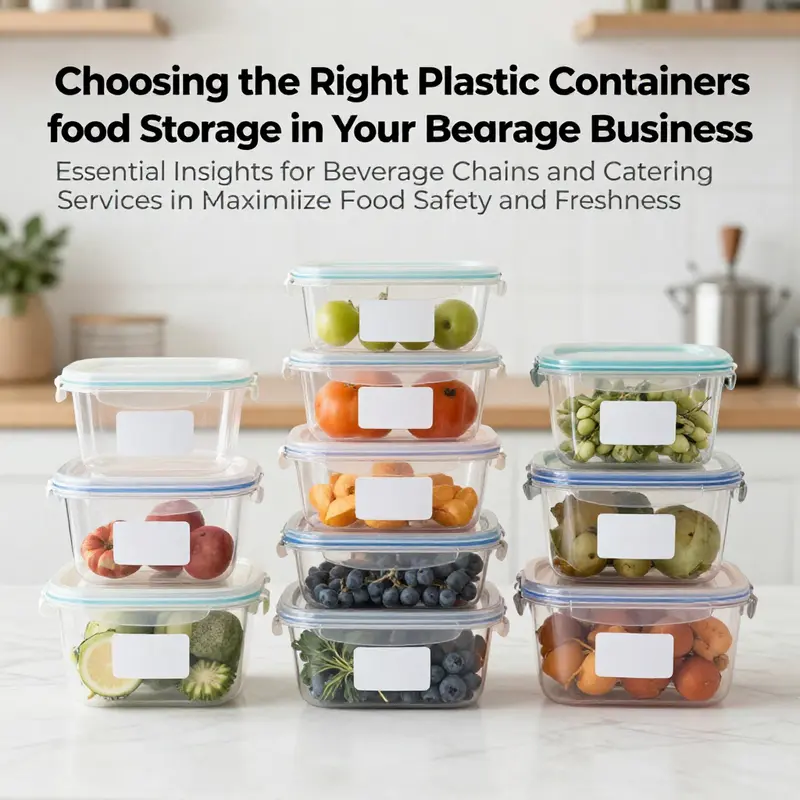
Effective food storage is paramount for beverage businesses, ensuring safety, freshness, and quality in every cup served. From bubble tea shops to catering services, the selection of proper food storage containers plays a critical role in maintaining product integrity and customer satisfaction. In this guide, we will explore the key features of suitable plastic containers, recommend trusted brands, highlight foods that should be avoided in plastic, and share best practices for optimal usage. Each chapter provides insights tailored to the specific needs of businesses that rely on effective food storage solutions.
Inside the Box: The Essential Features That Make Plastic Food Storage Safe, Fresh, and Simply Organized
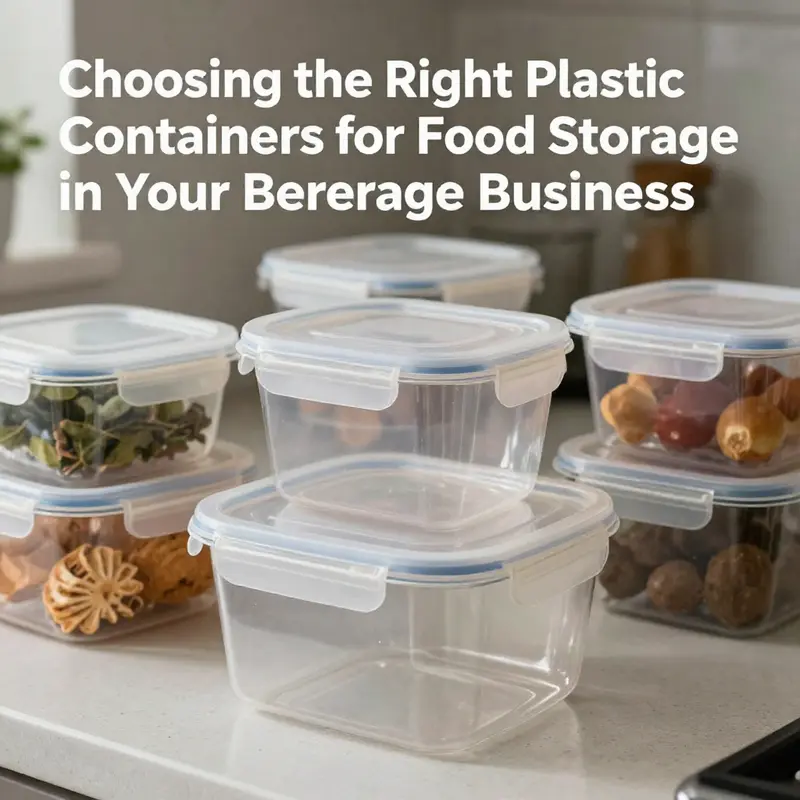
Choosing plastic containers for food storage demands more than a handy lid and a pleasing color. It requires a careful balance of safety, durability, and practicality that supports a busy kitchen without compromising the quality of the food we keep. When you focus on the core features that truly matter, the decision becomes clearer and more consistent across meals, seasons, and life’s small emergencies. A reliable container is not just a vessel; it is a small, faithful ally in preserving flavor, protecting nutrients, and reducing waste. This chapter weaves together the foundational features—material safety, sealing performance, durability, temperature resilience, visibility, appliance compatibility, space efficiency, and environmental considerations—into a cohesive picture that helps any cook, student, or family organizer pick containers that work as hard as they do.
At the heart of any food-storage decision lies the material itself. The most trustworthy options are food-grade polypropylene (PP) and, in some cases, high-density polyethylene (HDPE). These plastics are prized for their safety in direct contact with foods and beverages, their relatively low risk of chemical leaching, and their general stability under typical kitchen conditions. PP in particular earns high marks for heat resistance. It can withstand temperatures up to about 160°C (320°F), which makes it suitable for reheating leftovers in the microwave and for hot foods stored for later use. This thermal tolerance brings a level of convenience that many households rely on, especially when preparing meals ahead of time. When you pick PP or HDPE labeled as food-grade, you are choosing a material with a track record of safety that aligns with modern standards for contact with food. And because many of these containers are labeled BPA-free, you gain added reassurance that the container itself won’t introduce unwanted chemicals into your meals. The choice of material is not simply a scientific detail; it is a practical commitment to safety that translates into everyday confidence in what you store and rehear.
But material alone does not define a container’s value. The sealing system is the practical hinge that preserves the container’s purpose. An airtight, leak-proof lid is not a luxury; it is a necessity for maintaining freshness, preventing cross-odor transfer in the refrigerator, and keeping moisture where it belongs. The best seals resist humidity and fluctuating pressures, forming a nearly perfect barrier against air exchange. This is particularly important when you are chilling sauces, soups, or prepped ingredients. A robust seal helps lock in flavors and textures, aiding in meal-prepping routines where portions are portioned, labeled, and stacked for later use. It also reduces the risk of spills when carried in a bag or packed for a commute. In practice, a good seal means you can be confident that open or sealed foods won’t pick up unintended flavors from the fridge or mingle with other items. The seal’s reliability is a simple, daily safeguard that reduces waste and preserves the quality of the food you serve.
Clear visibility is another understated advantage that often goes unappreciated until you live with a cluttered fridge or an overflowing pantry. Transparent or semi-transparent containers let you identify contents at a glance, which speeds up meal planning, reduces the time you spend rummaging, and minimizes unnecessary opening and closing as you search for what you want. This visual accessibility is especially valuable for single-serving meal preparation and for families juggling multiple ingredients. It also helps you track freshness and avoid let-downs when you discover a forgotten item at the back of the shelf. The combination of safety and visibility works best when the container is sturdy enough to stay clear and readable after repeated washing in warm water or the dishwasher. A well-made, transparent container can endure countless cycles without yellowing or scratching, preserving its ability to show you what’s inside for many months or even years.
Durability follows closely behind material, sealing, and visibility because a container’s longevity translates into real-world value. Everyday use subjects these containers to drops, bumps, and stacking in crowded cabinets. A robust, impact-resistant design reduces stress fractures and maintains the container’s structural integrity through routine kitchen handling. This is essential for households with children, students in shared living spaces, or anyone who transports meals for work or school. A durable container should also resist warping under heat and pressure, maintaining a consistent lid fit across the life of the product. When you invest in sturdiness, you are not merely buying a container with a longer shelf life; you are committing to fewer replacements, less waste, and a more reliable tool for daily food management.
Temperature resilience extends the utility of plastic containers well beyond simple cold storage. PP’s heat endurance enables safe microwave reheating in many cases, provided the container is labeled microwave-safe. This capability offers a practical advantage for quick reheats and safe handling of leftovers. It also allows boiling-water or hot-water sterilization in some kitchen routines, where appropriate, without fear of releasing harmful substances. The same material also performs well in the cold zone of a refrigerator or freezer, maintaining integrity and preventing cracks when used to store frozen items. The ability to transition smoothly between hot and cold environments is a hallmark of modern food containers designed for real-world use, where the temperature demands of a kitchen can vary dramatically from day to day.
Design for space and organization is more than cosmetic. It reflects how well a container can be integrated into the tight rhythms of daily life. Stackability remains a practical feature because it maximizes cabinet and fridge space, especially for households managing multiple meal options or large batches. Modular or multi-compartment designs offer the flexibility to separate components—proteins from vegetables, sauces from grains—so flavors stay distinct and textures aren’t compromised by mingling. When a container is designed with this level of modular thinking, it tends to become synonymous with organized meal planning, helping households keep leftovers neat, identifiable, and accessible. A space-efficient design also supports sustainable practices by reducing the tendency to over-purchase or waste food due to poor storage solutions.
Beyond the core features, there are considerations that connect sustainability with everyday choices. Modern food-storage containers increasingly embrace environmental concerns by incorporating recyclable materials and designing for durability first, rather than planned obsolescence. While plastic itself can be recycled, the broader context matters: containers that are easy to clean, resist staining, and maintain integrity after repeated washing reduce the need for disposal and replacement. Recyclability is a meaningful factor, but so is the container’s life cycle in everyday kitchen routines. Choosing a container that is built to last means you use fewer units over time, which reduces waste. In practice, this translates to selecting high-quality PP or HDPE containers from reputable sources, with seals that endure, and lids that remain functional after many cycles in the dishwasher or under normal use.
The conversation about features would be incomplete without acknowledging a few cautions. Certain foods are better saved in non-plastic vessels due to their chemical interactions or moisture content. Hot soups and stews can stress plastic when poured directly from boiling liquids, so it is prudent to allow hot foods to cool somewhat before transfer. High-fat or oily foods, such as certain curries or dressings, can accelerate plastic wear and potentially affect the seal over time. Acidic foods—like tomato sauces, vinegar-based marinades, or citrus-rich dishes—may interact with lower-quality plastics or cause staining and odor absorption. Raw meat and eggs carry a higher contamination risk in sealed plastic environments if not handled with proper hygiene, so many prefer glass or stainless steel for those items. Fresh herbs, garlic, onions, and strong citrus can impart odors to plastic, a reminder that odor management is a real factor for certain foods. Glass or ceramic vessels offer non-reactive alternatives that fare well with dairy, sauces, and produce, where the priority is impurity-free storage and long-term odor resistance.
For most households, a practical recommendation emerges: select high-quality, food-grade PP containers with tight-fitting lids for general storage, especially for dry goods, cold leftovers, and refrigerated meals. They deliver the essential trio of safety, convenience, and cost-effectiveness, with the added bonus of being microwave-friendly when properly labeled. However, there are clear exceptions where glass or stainless steel may serve better: acidic, fatty, or highly perishable items and freshly cooked dishes that demand the absence of reactivity and odor retention. These nuances matter because they shape not just what you store, but how you store it, how often you reheat, and how reliably you can re-create a meal from a portion kept days earlier. In practice, thoughtful selection means building a system that aligns with your cooking habits, your family’s routines, and your kitchen’s space constraints.
A practical note for ongoing use is to look for features that reduce decision fatigue. A simple, clear lid that shows a precise date label helps with rotation and reduces waste. A consistent lid design across a line of containers streamlines handling, stacking, and washing. A modular system not only saves space but also clarifies preparation for a week of meals, so you can assemble ready-to-cook or ready-to-heat portions without hunting for mismatched lids or awkward shapes. If you are building a kit for a family or a student, consider a mix of sizes that covers both small leftovers and larger batch portions. This approach minimizes the need to repurchase containers as storage needs evolve.
To ground these considerations in real-world practice, you can explore practical options that prioritize safety and performance without sacrificing design. For instance, a standard 400 ml to 1100 ml range offers versatile choices for refrigerator storage and lunchbox use, with credible sealing and reliable heat tolerance. For larger batches or family-style meals, deeper or multi-compartment designs can help keep ingredients separated and organized for easy reheating. The most important step is to select a brand and model whose safety certifications and warranty reflect a commitment to long-term performance rather than short-term appearances. A contemporary supplier with tested, food-safe certifications can provide reassurance in daily use, whether you’re packing a salad for lunch or portioning a freezer-friendly batch of leftovers for the week.
For a practical example of a carefully chosen, food-grade option that aligns with these principles, consider a widely used food-grade take-away bowl with lids. It embodies the core features discussed: a polypropylene or HDPE base, a tight-sealing lid, and a clear body for quick content recognition. This kind of container supports safe reheating, straightforward cleaning, and flexible use across fridge, freezer, and microwave environments. It also illustrates how design and safety converge in a single product that serves as a reliable ally in daily food storage. If you want a direct path to adopting such a solution, you can explore a reputable option like this food-grade take-away bowls with lids, which reflects the features discussed and the practical benefits they deliver.
In sum, the best plastic containers for food storage are defined not by trend, but by a careful convergence of safe materials, airtight sealing, durable construction, temperature versatility, clear visibility, and space-conscious design. When you prioritize PP for everyday use, with lids that seal tightly and a design that respects your space, you gain more than storage—you gain a reliable system for maintaining flavor, freshness, and ease of use across the week. At the same time, you stay mindful of when glass or stainless steel offers an advantage, particularly for sensitive foods or long-term storage of perishable items. The overall message is practical and balanced: safety and performance should guide every purchase, but you can still enjoy the convenience and versatility that plastic containers provide when chosen with care. If you integrate these considerations into a cohesive storage system, you will find that the everyday routine of keeping food fresh becomes simpler, cleaner, and more predictable.
External resource for safety guidelines and current recommendations on plastic food containers can be found here: https://www.foodsafety.gov/food-safety-daily-topics/plastic-food-containers
Smart Brand-Driven Selection of Plastic Food Storage Containers: Safety, Durability, and Use-Case Fit
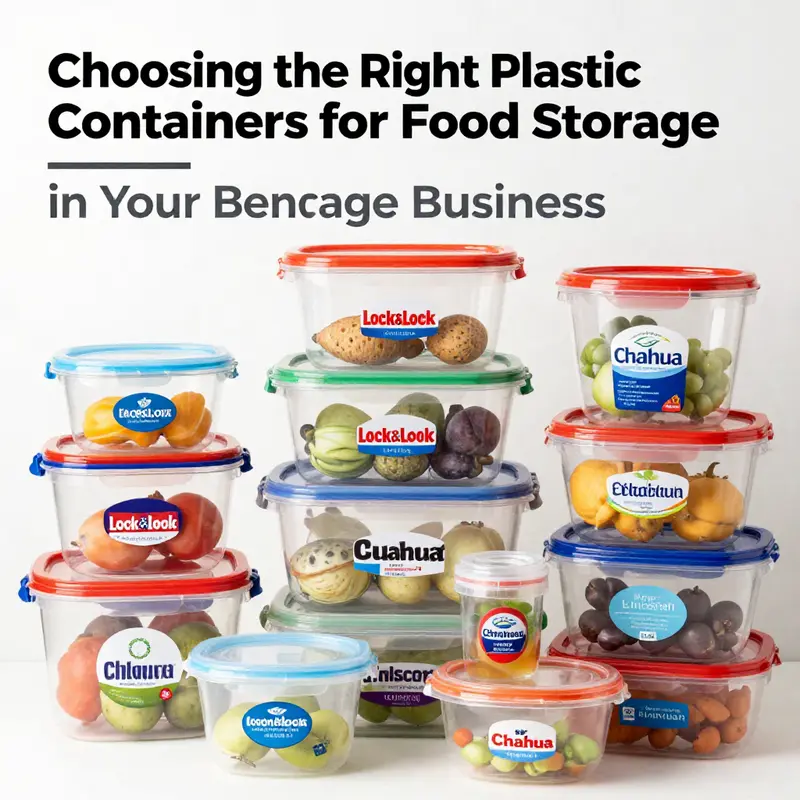
Choosing the right plastic containers for food storage is about safety first, then durability, and finally how well they fit your use cases. Prioritize food-grade polypropylene (PP) for heat resistance, chemical stability, and safety in contact with food. PP, often labeled PP, tolerates microwave heating and refrigeration and stands up to repeated use. Look for containers labeled BPA-free and microwave-safe to minimize leaching concerns. The labeling on the bottom or sides helps verify material and safety claims. Beyond material, lid design matters: an airtight, leak-proof seal protects flavors, reduces cross-contamination in the fridge or freezer, and minimizes odor transfer during transport. A durable gasket reduces leaks and supports safe travel, school lunches, and daily meal prep. Visibility through clear lids helps you identify contents without opening, supporting prudent reheating decisions. Shape and stackability influence kitchen workflow. Containers that nest neatly save space and preserve food by reducing air pockets. A range of sizes and modular designs supports leftovers, meal prep, and family meals. Lightweight yet sturdy walls enhance longevity under cold storage and daily use. The brand landscape includes global manufacturers with ISO9001 processes and food-contact safety certifications, regional specialists offering rapid service and local guidance, and sustainability-focused producers exploring eco-friendly materials and recyclable options. Each profile contributes to a balanced storage system for dry goods, refrigerated leftovers, and reheating needs. Three archetypal use cases can guide choices: high-volume operations needing certifications and customization; households needing reliable sealing, easy stacking, and strong value; and sustainability-minded buyers seeking transparent supply chains. The goal is to align your choices with scale, service level, and long-term goals. For hot, oily, or acidic foods or long-term storage, glass or stainless steel can outperform plastic. The recommended approach is a blended system: use PP containers for everyday tasks and reserve glass or steel for items where nonreactivity and odor control matter. When evaluating options, consider material safety, lid integrity, and compatibility with your routine. To illustrate, examine a typical product page that demonstrates a practical PP container with a reliable lid design for daily use and versatile reheating. External resources can help you compare features and safety statements. In summary, high-quality, food-grade PP containers with tight lids cover most daily storage needs, while glass or stainless variants suit highly perishable, acidic, or hot items. The best approach is a flexible, mixed-material system that aligns with your cooking patterns and storage goals, preserving flavor, nutrition, and safety across days and meals.
Foods That Should NOT Be Stored in Plastic Containers for Food Storage
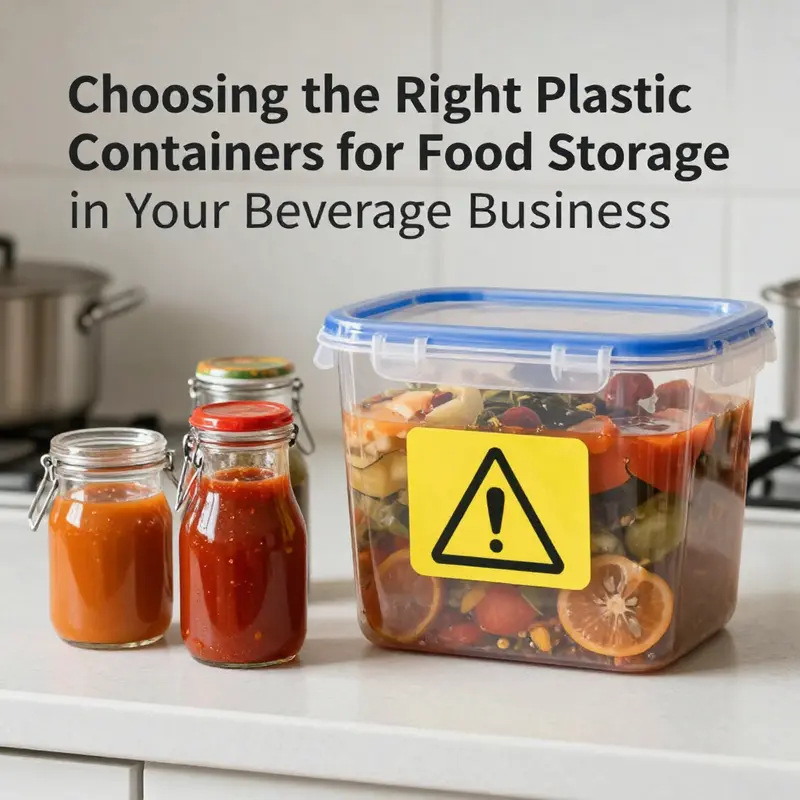
Storage science often sits at the crossroads between convenience and safety. Plastic containers offer a quick, lightweight way to keep leftovers, meal-prepped meals, and everyday ingredients accessible. Yet not every food plays nicely with plastic, and the choice of container can influence flavor, texture, safety, and even long-term shelf life. This chapter delves into the foods that should generally be avoided in plastic storage and why. The aim is not to cast plastic aside, but to illuminate when non-plastic options shine brightest and how to think through storage decisions so that food stays safer, fresher, and more flavorsome.
Hot foods and liquids emerge as the most straightforward caution. When a plate of hot soup, freshly cooked grains, or a steaming cup of coffee meets a plastic surface, the heat can accelerate the transfer of chemicals from the container into the food. This is more than a simple taste issue; it raises concerns about exposure to substances that plastics can release under heat, especially if the plastic is older or of a lower grade. The problem compounds with high-fat or oily components because fats can act as carriers, drawing additives from the plastic into the food more readily. The practical takeaway is simple: allow hot foods to cool to room temperature before transferring them to any plastic vessel, and if you must store hot items, prioritize containers designed to resist higher temperatures or, better yet, switch to glass, ceramic, or stainless options that tolerate heat without leaching.
Another category where plastic storage may prove problematic is foods rich in fats, oils, or grease. Oils interact with certain plastics in a way that can degrade the polymer matrix over time, softening or weakening the container’s structure and, in some cases, enabling residual compounds to migrate. This is not only about safety; it can also subtly alter the flavor profile of the stored product. Think of deli meats, oily dressings, fried components, or nut oils. The same principle applies to items that contain added fats or greasy residues. For such foods, a non-porous, non-reactive vessel—glass, or in some cases stainless steel—helps maintain quality and prevents the transfer of flavors or odors from the container back into the food.
Acidic foods present a different but equally important challenge. Tomato sauces, vinegar-based marinades, curries, and pickled items are inherently acidic. The acid can interact with certain plastics, leading to a slow breakdown of the polymer and the occasional staining or odor retention that can be stubborn to remove. Over time, that chemical interaction may contribute to flavor changes or, in some scenarios, a perception of off-taste. For these foods, glass or ceramic storage is often a safer long-term solution. These materials are non-reactive with acidic substances, resist staining, and do not transfer flavors, providing a stable environment that preserves the food’s original character.
Raw meat and fish deserve a special note. The risk here is cross-contamination, not merely flavor or odor concerns. While a clean surface and a sealed container can reduce surface contamination, microscopic scratches and crevices in plastic can harbor bacteria. This makes thorough sanitation difficult. Since raw animal products may carry pathogens, many people opt for sealed glass containers or keep meat and fish in their original packaging until cooking. If plastic is used for raw items, it’s crucial to choose high-grade, food-safe plastics and to ensure the container is easily washable and free of deep scratches. Nonetheless, many food safety guidelines favor non-plastic options for raw proteins to minimize contamination risk, especially in households with limited space for meticulous cleaning routines.
Dairy products introduce another layer of complexity. Milk, yogurt, and soft cheeses are highly perishable and sensitive to temperature fluctuations. Plastic containers, and even their lids, can contribute to micro-environment changes inside the fridge, potentially encouraging bacterial growth if the seal is not perfect. They can also absorb odors from strong cheeses and other dairy products, flavors seeping back into the next item stored nearby. Glass or ceramic vessels offer a more inert environment for dairy, providing stable temperature maintenance and easier odor control. In many households, dairy storage in glass helps preserve the delicate flavors and texture while reducing cross-flavor contamination in the fridge.
Fresh produce presents challenges tied not to safety alone but to moisture management and airflow. Many fruits and vegetables need to breathe. Plastic storage can trap moisture inside, promoting mold growth and sogginess—particularly for berries, leafy greens, and cut produce. Ethylene-sensitive items, such as apples, can also experience accelerated ripening when enclosed in plastic, as the gas builds up inside a sealed container. Onions and garlic, while less prone to immediate spoilage, require ventilation to avoid sprouting and rotting. For these items, breathable containers or simply using perforated storage options, or placing produce in a well-ventilated fridge drawer, helps maintain quality longer.
Eggs and egg-based products demand careful handling as well. The moist, enclosed environment of a plastic container can create an inviting habitat for bacterial growth if any trace moisture remains. While washing and drying eggs before storage is common in some regions, the risk remains that a plastic container’s surface may harbor residues, micro-scratches, or crevices that are hard to sanitize thoroughly. In many kitchens, the recommended approach is to use glass or non-reactive stainless steel for eggs and mayonnaise-like products, ensuring the storage environment remains sanitary and the risk of cross-contamination is minimized.
Finally, honey and nut butters illustrate a subtler interaction with plastic. Honey’s hygroscopic and viscous nature can become a problem if stored in certain plastics, potentially affecting flavor and the container’s integrity over time. Nut butters, rich and fatty, can leave residues that are more challenging to clean in certain plastics, potentially seeping into the polymer matrix and altering texture or scent. In both cases, moving to glass, ceramic, or stainless storage can preserve the product’s original flavor and prevent long-term odors or taste transfer from container to food.
The practical implications of these considerations are not purely theoretical. In everyday kitchens, the simplest approach is to reserve plastic for foods that are dry, cool, and non-acidic, or for short-term storage of items that will be consumed within a relatively brief window. For items that are hot, acidic, fatty, or prone to releasing or absorbing odors, or for raw animal products and dairy, non-plastic containers provide a more stable, safer alternative. The choice should hinge on the food’s chemistry, how long it will be stored, and how the container will be cleaned and reused.
To bring this advice into daily practice, consider how you organize your containers. If you routinely batch-cook and refrigerate meals, separate the kinds of foods into categories aligned with storage material. A clean rule of thumb is to use glass or ceramic for hot leftovers, dairy, raw proteins, acidic sauces, and produce that benefits from breathability. For dry goods and cold leftovers intended for short-term use, plastic can remain a practical option, provided the containers are food-grade, BPA-free, and microwave-safe where applicable. Yet the safest long-term approach emphasizes non-plastic options for items listed above. This is not a rejection of plastic as a whole, but a nuanced strategy that reduces risk and preserves flavor and texture over time.
In addition to choosing the right material, the lids and seals play a critical role. An airtight seal helps maintain freshness and prevents odor transfer, a feature that matters whether you’re storing dry staples or leftover sauces. However, a leak-proof seal is not a universal guarantee of safety, especially for the hot and fatty items discussed earlier. The takeaway is to pair the right material with a dependable lid design and to ensure that lids are clean, undamaged, and compatible with the storage temperature range you’re using. When the lid does not seal tightly or when the container shows wear, migration of odors, flavors, or residues becomes more likely, irrespective of the container’s basic material.
For those seeking practical, near-term storage options that align with these guidelines, a simple choice is to explore paper-based or kraft-paper alternatives designed for food contact. While these do not replace all types of plastic in every scenario, they can serve as attractive, low-odor, and microwave-resistant options for many non-acidic, non-fatty foods, dry goods, and certain leftovers. A well-chosen paper-based container can minimize cross-flavor transfer and odor absorption while offering a cleaner path for recycling or composting in appropriate settings. For readers who want a tangible example of this approach, consider exploring disposable kraft-paper containers that are designed for food-grade use and feature secure lids that help keep contents contained during transport or short-term storage. disposable kraft-paper soup cup with lid
Given the realities of daily life, the decision to store certain foods in plastic will likely persist in many households. The key is to balance convenience with precaution. Always be mindful of the types of foods you are storing, the expected storage duration, and the temperature conditions. When in doubt, opting for glass or stainless steel containers, or at least ensuring your plastic storage is high-grade, BPA-free, and designed for food contact, brings you closer to safer, longer-lasting results. It is also wise to revisit the foods in your fridge on a regular basis. If you notice lingering odors, unusual flavors, or changes in texture, consider whether the storage material could be contributing and adjust accordingly. The goal is not merely to prevent contamination but to maintain the integrity of flavors and textures so that meals remain appealing and safe from pantry to plate.
Understanding these nuances helps create a storage routine that respects both safety and flavor. It also reinforces the idea that plastic containers, though convenient for many everyday tasks, are not a universal solution. By recognizing which foods demand non-plastic storage—and by recognizing when high-quality, non-reactive materials deliver the most reliable protection—you can design a kitchen that supports healthier habits and more consistent outcomes. This chapter therefore serves as a reminder: the choice of container is not cosmetic; it is part of the food’s safety profile and its ultimate taste and quality.
External resource for further reading on plastic safety and leaching: https://www.fda.gov/food/chemical-contaminants-food/bisphenol-a-bpa-what-you-should-know
Smart, Safe, and Sustainable: Best Practices for Plastic Food Storage
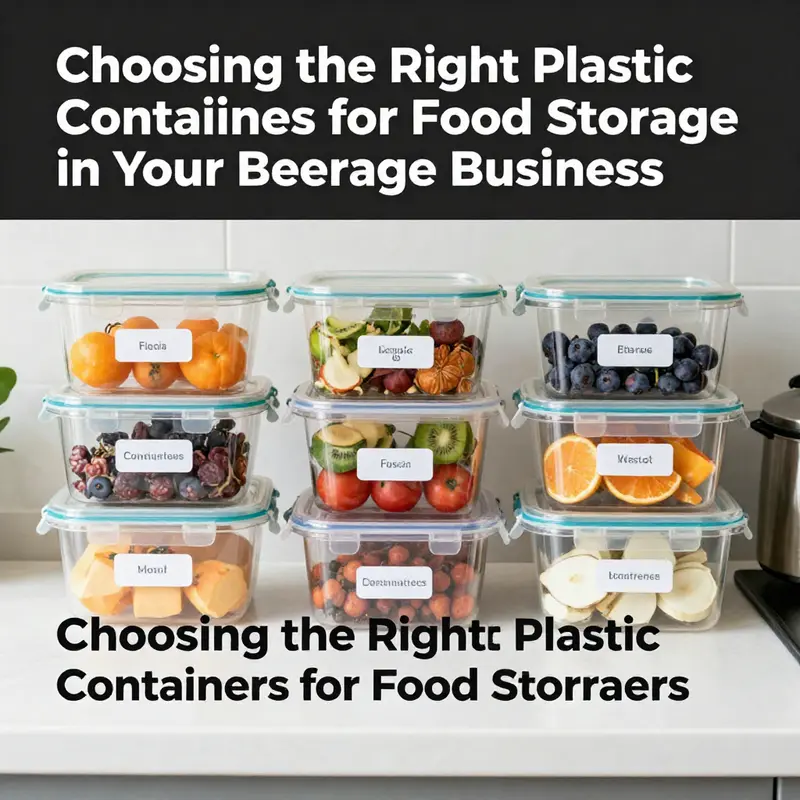
A well-organized kitchen starts with the containers you choose to store food in, yet the decision reaches far beyond looks or price. It touches safety, flavor, nutrients, and even the planet. When you select plastic containers for everyday storage, you are choosing a material that will cradle meals from lunchtime leftovers to meal preps that fill your week. The choices differ, and the consequences of those choices show up in how long food stays fresh, how cleanly it tastes after reheating, and how easily you can keep odors from migrating between containers. The central truth is simple: use materials that are explicitly designed for contact with food, offer stable performance under your typical use conditions, and minimize the potential for heat, acids, oils, or moisture to interact with the plastic. Among the vast landscape of plastics, two standouts arise repeatedly in safety-focused guidance: polypropylene, known in shorthand as PP, and high-density polyethylene, or HDPE. These two materials are favored because they resist heat and chemical attack better than many of their cousins, and they come with labeling that helps you interpret their use correctly. The resin identification codes, the tiny numbers found on many containers, guide you in knowing what you have and how to use it. Polypropylene carries the number 5 and HDPE the number 2. In practice, PP is the material most people turn to when they want a container that can tolerate warm or hot foods. It typically withstands temperatures up to about 130°C, which means it can be used for foods that have been heated in a microwave, provided the container is labeled as microwave-safe. The ability to resist heat is not a license to overheat or to use the container as a direct substitute for a hot pot. The moment you pour steaming liquids into plastic, you begin a careful balancing act between keeping the food safe, preserving the container, and avoiding any undesirable changes in flavor or texture. HDPE, by contrast, is often chosen for its chemical stability and nonreactive surface. It can be excellent for dairy, sauces, and certain non-fat foods when you want a sturdy, opaque container that resists absorbing odors. But its surface is typically less transparent, and it can be rougher to clean when there are stubborn residues. Both PP and HDPE have an important caveat for modern kitchens: look for labeling that confirms the product is BPA-free, and verify that it is microwave-safe if you intend to reheat directly in the container. These are not empty assurances; they reflect the modern safety standards that many manufacturers commit to in order to reduce the risk of unwanted substances migrating into food. A well-sealed lid is more than a nice feature. An airtight, leak-proof lid acts like a barrier against moisture loss, keeps flavors in one place, and prevents cross-odor transfer in the refrigerator or freezer. A good seal is especially important in a busy household where containers travel between kitchen, fridge, and office. A clear container, too, can be valuable. When you can see what’s inside at a glance, you reduce the need to open and open again, which in turn minimizes condensation, contamination, and the temptation to reheat or refreeze improperly. Yet visibility should not come at the expense of safety. The most transparent containers must still be designed with food-grade materials and reliable seals. The best designs also consider how they fit into the rhythm of a kitchen: stackability and a range of sizes that cover everything from a single portion of fruit to a week’s worth of leftovers. A modular approach can keep a fridge tidy and cut down on food waste by allowing you to portion meals ahead of time. In practice, your choices become a balance among heat tolerance, seal integrity, visibility, and space efficiency. The practical implications of this balance are profound. For hot meals or liquids you plan to refrigerate or reheat, PP-based containers with soup-safe, gasketed lids are often the most dependable. For dry goods or items stored in the pantry, a robust HDPE container can do the job while remaining affordable and durable. A careful shopper reads labels and seeks two kinds of assurances: that the material is food-grade and that the product has been tested for safety in contact with food. The emphasis on safety has grown in step with the public’s understanding of how plastics behave under different conditions. For hot foods, the heat exposure can accelerate the leaching of additives that may exist to stabilize the polymer. Although the best PP and HDPE products are designed to resist such effects, it remains prudent to follow a few simple rules. First, never treat plastic containers as a substitute for appropriate temperature control. Hot foods should be cooled to room temperature before transfer. This cooling step—often overlooked—reduces thermal shock to the container and helps preserve its seal. It also reduces the risk that a container will deform or start to leak after being placed in a refrigerator. A few minutes of patience can prevent a longer road of odor transfer and flavor carryover. Second, always consider the acidity and fat content of the food. Acidic foods like tomato sauces or vinaigrettes can, over time, affect some plastics if used repeatedly or stored for a long period. High-fat foods, such as fried items or rich curries, can also contribute to faster degradation of any plastic that’s not specifically designed for repeated use. In those cases, glass or ceramic containers, which do not react with acidic or fatty substances, may be a safer choice for long-term storage. This is not a critique of plastic—it’s a reminder that different foods require different storage solutions depending on their chemical and physical properties.
To navigate the choices with confidence, let your container do the talking. Look for indicators that the product is microwave-safe and BPA-free, and confirm that it is clearly labeled as food-grade PP or HDPE. The best containers also provide a robust lid design with a gasket that remains flexible over time. A seal that fails is not just a nuisance; it can compromise freshness, encourage moisture buildup, and invite the growth of odors that transfer to other items in the fridge. In addition to the material, you should consider how the container looks and how long it will last. A transparent or translucent PP container allows you to see its contents, but it should still feel sturdy and have a resilient lid. A well-designed container can be stacked, nested, or compartmentalized to facilitate portion control. For some households, modular trays with multiple compartments are invaluable for separating components of a meal. This reduces cross-contamination, keeps different ingredients organized, and makes it easier to plan meals for the week. The practical benefits extend to the way you prepare, pack, and store foods for daily life. The right container does not merely hold a meal; it helps maintain taste and texture, reduces waste, and supports a healthy, organized kitchen routine.
At the same time, there are foods that should be kept away from plastic storage, regardless of how well the container is made. Hot soups and stews poured directly from boiling liquids into plastic containers pose a risk of structural damage and leaching of additives. The same is true for highly acidic foods that can interact with lower-quality plastics. Raw meat and eggs are particularly sensitive because sealed environments may promote bacterial growth if not cooled properly before storage. Fresh herbs, garlic, onions, and citrus fruits can introduce strong odors and moisture that plastics absorb and later transfer to other foods. For these items, glass or ceramic containers often provide a safer long-term storage solution. Glass does not absorb odors, resists heat and acids, and is a non-reactive companion for dairy products, sauces, and fresh produce. Silicone, too, emerges in modern kitchens as a flexible, heat-tolerant alternative. It can fold away when not in use and tolerate a wide range of temperatures, making it a useful option for both baking and storage. These choices are not about abandoning plastic altogether but about recognizing when plastic is the right tool and when a different material offers a safer, more durable solution.
Another practical dimension is the care and lifecycle of the containers themselves. Reuse is not inherently bad, but it must be done with an awareness of the container’s design limits. One-time-use or disposable containers are not built to stand up to repeated washing, panic-free sealing, or repeated exposure to heat. Over time, the risk of cracks, leaks, or compromised seals increases, and with it, the potential for food contamination. This is not about fear; it is about prudent maintenance. If you frequently reuse a plastic container, inspect it for scratches, dulling of the seal, or warping. Scratches can harbor bacteria and accumulate residues that are difficult to remove, especially when it comes to dairy and fatty foods that cling to the inner surfaces. Even a sturdy PP or HDPE container may lose its integrity after repeated cycles of freezer, microwave, and dishwasher exposure if the temperature swings are large and frequent. Speaking of dishwashers, heat and strong detergents can degrade plastic over time. Whenever possible, hand-wash with mild soap and warm water, rinse well, and allow the container to dry completely before resealing. If you do use a dishwasher, place containers on the top rack away from heating coils, and avoid the hottest cycles.
In the broader context of sustainability, the conversation about plastic storage often leads to a natural question: when should you consider alternatives like glass, ceramic, or silicone? The answer is anchored in the risk profile of the food and how long you intend to store it. Dairy products, creamy dressings, or fresh fruit may benefit from glass storage where feasible, to avoid any risk of odor absorption or long-term interaction with the container material. A silicone container or bag can offer flexibility and lower space demands for certain tasks, such as portioning sauces for freezing or storing small portions of ready-to-use ingredients. Yet silicone, like any material, has its own caveats. It can absorb strong odors if not properly cleaned, and it can be less heat-stable than sturdy PP or glass for certain high-heat applications. The overarching guideline remains simple: match the material to the task, rotate your storage options as needed, and stay attentive to the signs of wear and tear in your containers.
To help you make informed choices, it’s useful to keep a few practical practices in mind. First, examine the labeling. A container labeled BPA-free and microwave-safe is a strong indicator of modern safety standards. Second, check the resin code and know what it means. PP (5) is preferred for heating and general storage, HDPE (2) offers stability and good chemical resistance for a wider range of items, while PET (1) and PS (6) are typically less suitable for repeated use and higher heat. PVC (3) is generally avoided in food contact applications due to potential leaching under certain conditions. Third, prioritize lids with reliable gaskets and secure closures. The seal is not a cosmetic feature; it ensures freshness, locks in flavors, and protects against leaks when you move containers from fridge to lunch bag.
There is also a social and practical dimension to this choice. The right containers can simplify routines, support healthier eating patterns, and reduce waste through better portion control. If you are often meal-prepping, consider multi-compartment containers that allow you to store ingredients separately yet in a single vessel. If space is tight, stackable designs help maximize cold storage and keep your refrigerator organized. Remember that convenience should not override safety; quick, casual decisions about storage can lead to avoidable risk if you ignore material limitations or food compatibility. If a product seems too inexpensive, it may pay to scrutinize its material claims, lid design, and long-term durability. You want containers that will endure the daily rhythms of your kitchen without compromising safety or flavor.
When you need a quick, concrete guide to a more diverse storage strategy, think of it as a short rule of thumb: look for high-quality, food-grade PP or HDPE with airtight lids, clear visibility when possible, and a thoughtful range of sizes. Use glass or ceramic for high-risk items, such as highly acidic or fatty foods, or when you expect extended storage in the fridge or freezer. If you take these steps, your leftovers, batch-prepped meals, and pantry staples can stay fresher longer, taste better after reheating, and pose fewer worries about chemical migration or odor transfer.
For readers who want an example of a packaging option that blends practicality with sustainability, consider exploring a range of containers designed for everyday use that prioritize windowed visibility and customization options. This approach can help households tailor storage to their exact needs while maintaining a careful balance with environmental considerations. eco-friendly disposable kraft food packaging bowls with window and customization options. While it focuses on a different material than plastic, the idea of clear labeling, appropriate use, and thoughtful design applies across materials. The core lesson remains: know what a container is made of, choose it to suit the food and the environment, and treat it as a safety tool as much as a convenience aid.
In closing, the simplest, most actionable guidance is to adopt a cautious, evidence-based approach: prioritize safety through the use of PP and HDPE labeled containers, avoid hot or highly acidic foods in plastics when possible, and reserve glass, ceramic, or silicone for high-risk storage scenarios. Regular inspection and mindful cleaning help extend the life of containers and preserve the integrity of your food. With these practices, you can fill your kitchen with containers that protect taste, safeguard health, and align with a more thoughtful, sustainable approach to everyday storage. For further assurance and practical examples of reliable, food-safe options, you can review external resources from established safety standards and manufacturers that publish test results and usage guidelines. As you refine your approach, keep your eye on the essential rules: look for the label, avoid high-temperature exposure, choose the right material for each food type, and swap to safer alternatives when needed. Additional guidance and vetted product ranges can be found at the Lock&Lock Official Website.
Final thoughts
Choosing suitable plastic containers for food storage is an essential aspect of ensuring your products remain safe and flavorful. By prioritizing high-quality materials, understanding the types of foods that should be avoided in plastic, and following best practices for storage and organization, businesses can enhance their operational efficiency and meet customer expectations. Remember, investing in reliable storage solutions not only protects your food but also uplifts your brand’s reputation in the competitive beverage industry.