

The use of plastics in food storage and handling has sparked significant debate, particularly in grocery stores and food service industries. As Bubble Tea Shops, Restaurants, Food Trucks, and Event Planners navigate their packaging choices, understanding the implications of plastic-contained food products becomes paramount. This article delves into various safety concerns linked to plastics, compares them to glass alternatives, examines chemical leaching risks, and discusses regulatory standards that ensure the well-being of customers. Together, these insights will enhance your decision-making on what to use in your culinary endeavors, ultimately elevating your brand and safeguarding public health.
Plastic in the Aisle: Unpacking Safety, Storage Realities, and the Push Toward Safer Packaging in Grocery Stores
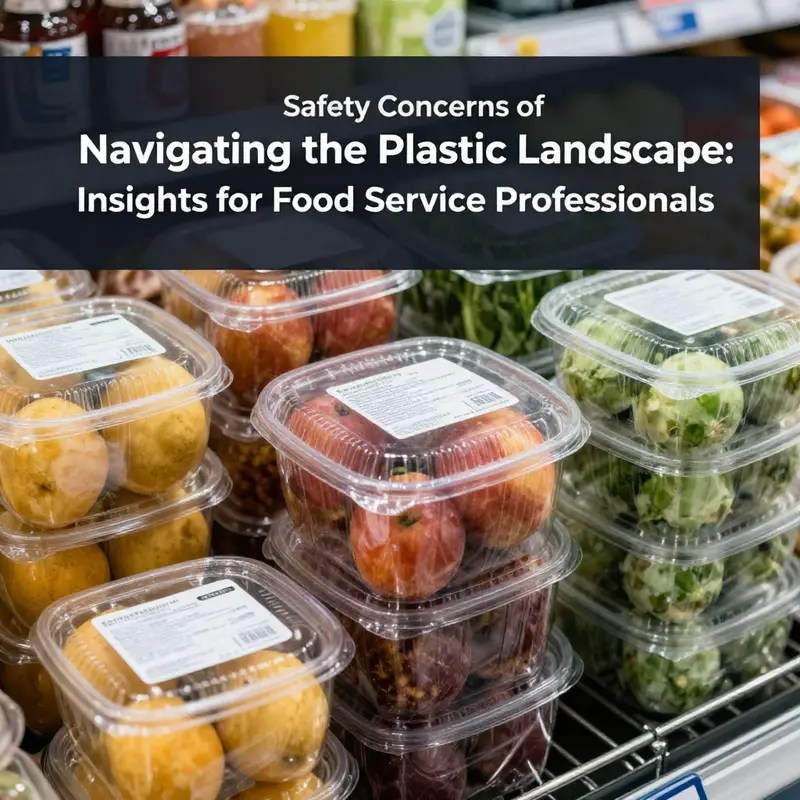
In the everyday rhythm of a grocery store, plastic is everywhere and yet rarely questioned beyond its price tag or convenience. It seals, shelves, transports, and sometimes heats. It shapes how long a product stays fresh, how easily consumers can reach for a ready-made meal, and how a consumer imagines safety from the moment a shopper picks up a container. The safety equation here is not a single line but a web of conditions: the chemistry of the plastic, the conditions it endures from production to plate, and the way humans interact with it through use, reuse, and cleaning. Even when a container is advertised as convenient or inexpensive, it does not automatically guarantee safety. The larger story is a balance between protective barriers that keep food from spoiling and the potential for those same barriers to introduce new risks if misused or misunderstood. This balance sits at the intersection of science, consumer behavior, and regulatory guardrails, and it matters most when the plastic in question is in contact with hot foods, microwaved meals, or leftovers that are stored for days in a home refrigerator.
A primary concern that frames the dialogue around plastic-contained food is chemical leaching. The term evokes a quiet transfer: molecules migrating from the container into the food we eat. It is a process that can intensify with heat, fats, or repeated exposure to microwaves. Even containers labeled as BPA-free have not eliminated concern. As Dr. Sarah Thompson, an environmental health scientist, emphasizes in the literature, “Even BPA-free doesn’t always mean safe. Some replacement chemicals, like BPS and BPF, behave similarly in the body and may pose comparable risks.” The warning is not merely about a single chemical but about how certain replacements act in biology, how they accumulate, and how they behave when the container and its contents share warmth. When a sauce or soup sits in a plastic container that is warmed, the probability of migration rises. The risk, though not always immediate or dramatic, is cumulative, potentially contributing to a longer-term exposure profile that science is still decoding. This is particularly relevant for grocery store practices where single-use packaging is common and where reheating in the container is a consumer habit or a standard preparation step provided by some retailers.
Against the backdrop of chemical migration stands the equally practical concern of microbial safety. Plastic containers, especially those bearing scratches, grooves, or a history of heavy use, can harbor bacteria and other microorganisms even after diligent washing. Over time, lids may warp and seals weaken, reducing the container’s ability to keep contents airtight or to resist leaks during transit. The perception of cleanliness can be illusory; a container might feel clean to the touch yet still carry trace residues or microscopic colonies that resist visible inspection. The risk escalates when plastics are subjected to dishwasher cycles, microwaving, or the presence of hot foods that can further stress the material’s integrity. In such conditions, not only does the risk of chemical migration persist, but the potential for cross-contamination grows as well. This layered threat—chemical and microbial—illustrates why the safety conversation around grocery store plastics remains nuanced and ongoing, rather than settled by a single guideline or cautionary phrase.
The variability in grocery store plastics adds another layer to the discussion. Not all plastic containers are created equal in terms of thickness, stability, or intended use. Some stores stock thicker, reusable variants designed for longer-term storage or repeated use, while others push ultra-thin bags or containers intended for one-time use. The thinner the material and the more it is reused or exposed to heat, the faster deterioration can occur. This degradation does not always present as a visible failure; it can manifest as subtle changes in barrier properties, a shift in heat tolerance, or a faint migration of additives into foods that might not be immediately noticeable. In practical terms, a consumer reusing a single-use container, or microwaving food inside a non-microwave-safe vessel, may be increasing risk in ways that are not obvious at the countertop. The grocery environment thus functions not only as a point of purchase but as a first line of defense—an area where packaging choices influence safety outcomes long before the product reaches a kitchen.
From the standpoint of risk management, the guidance for consumers emphasizes prudent use rather than universal condemnation of all plastic. The core recommendations revolve around the material’s stability under typical conditions and the cautions that accompany higher-temperature scenarios. When choosing containers, materials such as high-density polyethylene (HDPE) or polypropylene (PP) are generally regarded as more stable options within the spectrum of common food-contact plastics. These materials tend to resist leaching more than others under normal, day-to-day usage. Yet even these more stable materials are not immune to heat and wear; repeated microwaving or aggressive cleaning can alter their performance. A practical rule of thumb is to avoid reheating in containers that were not designed for heat, and to minimize reuse of single-use packaging beyond its intended purpose. For long-term storage and heating, alternatives such as glass or stainless steel can offer advantages in terms of inertness and heat resilience, though they bring their own trade-offs in weight, fragility, and cost. The public health conversation, therefore, centers on informed use: understanding what the container is made of, what conditions it is likely to encounter, and how those conditions might influence safety over time.
The regulatory landscape provides a framework for these considerations, yet it does not eliminate the complexity of individual consumer choices. The U.S. Food and Drug Administration (FDA) maintains guidelines on food contact materials, including what constitutes microwave-safe plastics and how substances are evaluated for migration into foods. The practical upshot for shoppers is not a rigid rulebook but a set of indicators—labels that indicate heat tolerance, cautionary language about reuse, and awareness that “BPA-free” labels do not automatically equate to absence of risk. For retailers and manufacturers, the challenge lies in selecting packaging that meets safety benchmarks while maintaining product quality, environmental stewardship, and cost-effectiveness. In the broader conversation, the emphasis falls on transparency and education: helping consumers interpret packaging labels, understand the conditions under which a container remains safe, and make choices aligned with both safety and sustainability goals.
To illustrate the push toward safer packaging, it is useful to consider the broader market shift toward materials that reduce reliance on plastics for certain applications. Some grocery stores and suppliers are expanding options that emphasize paper-based or bagasse-based packaging, which can provide barrier properties suitable for many foods while avoiding some of the migration concerns associated with conventional plastics. This shift reflects a growing recognition that safer packaging is not solely about chemical additives but about the entire packaging system—materials, design, and end-of-life considerations. The integration of such options into store shelves often involves a careful balancing act: preserving food quality and safety, meeting consumer expectations for convenience, and addressing environmental impacts. For consumers who are curious about these alternatives, a broader look at paper-based and compostable packaging options can illuminate how the supply chain responds to safety concerns without sacrificing practicality. In the context of ongoing research and regulation, retailers may experiment with different materials and configurations to determine what works best across diverse product categories and storage needs. For those who want to explore safer storage pathways beyond plastic, a glimpse at the available packaging options demonstrates that safer choices are not simply theoretical but increasingly real in the marketplace.
In the ongoing dialogue about safety and packaging, it is essential to connect the science with everyday actions. The safest approach for most households is to treat plastic containers as a transitional solution—use them for what they are designed to do, avoid prolonged heat exposure inside the container, and replace aging or damaged pieces promptly. When possible, choose containers with clear safety labeling and compatibility statements for microwave use or high-temperature storage. Don’t assume that a container labeled as “microwave-safe” is universally safe for every hot application; verify the temperature range and the type of food being heated. For leftovers, cooling food promptly and storing it in appropriate containers, with the lid sealed only to the extent that the seal remains reliable, can help minimize both microbial growth and material stress. For maintaining food quality over longer periods, glass and stainless steel storage options may offer a safer alternative, particularly when reheating is part of the plan. The overarching message is straightforward: safety arises from the right container for the right use, and vigilance increases with the temperatures and durations that the food experiences in everyday grocery-to-kitchen workflows.
Internal linkage note: as retailers and consumers seek to reduce plastic reliance, packaging innovations in paper-based and other non-plastic formats have become more visible on many shelves. For readers curious about these options and how they interface with everyday grocery needs, consider exploring kraft paper-based packaging options that mimic or replace plastic in certain applications. [kraft paper eco-friendly containers](https://cupbowlpack.com/product/senang-kraft paper-octagonal-bowl-pet-lid-waterproof-eco-friendly-disposable-customizable-snack-pet-food-salad-containers-1l/).
Externally, the FDA’s guidance on food contact materials remains a critical resource for understanding the safety landscape around plastics and their alternatives. It outlines the processes by which materials are evaluated, the kinds of migrations that are considered acceptable, and how consumers can interpret labeling on packaging. While the science continues to evolve, the practical takeaway for shoppers is clear: awareness of how packaging interacts with food, rather than a blanket judgment about all plastics, empowers safer decisions in the kitchen and at the checkout.
For those who want to delve deeper into regulatory resources, the FDA’s ongoing documentation on food contact materials offers a foundation for understanding how safety standards translate into everyday practice. This body of information is not only about compliance but about equipping consumers with the knowledge to assess risk in a familiar shopping environment. It is against this backdrop of evolving science and policy that grocery stores, manufacturers, and researchers continue to refine packaging choices, balancing safety, practicality, and ecological considerations as they shape what lands in our carts and, ultimately, in our homes.
External resource: FDA guidelines on microwave-safe plastics and food contact materials can be found at the U.S. FDA – Food Contact Materials resource, which provides foundational context for how migration is evaluated and what consumer actions are advised when heating or storing foods in containers. https://www.fda.gov/food/food-contact-materials/food-contact-materials
Between Aisles and Accumulations: Reassessing Plastic-Contained Food Packaging Against Glass in Grocery Stores
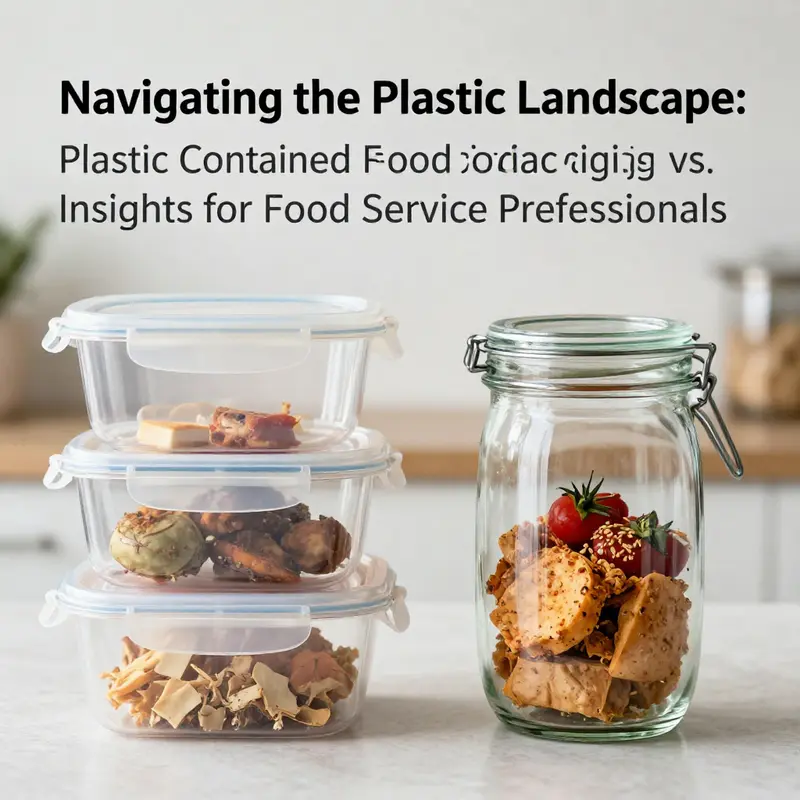
The grocery aisle has long been a theater of materials science in motion, where the choice of packaging shapes not just the first impression of freshness but broader outcomes for safety, storage, and the planet. In the contemporary landscape, plastic contained food packaging and glass alternatives perform a dance of trade offs. Plastic offers lightweight resilience, moisture control, and the convenience that consumers and retailers rely on for short term distribution. Glass offers chemical stability, inertness, and the potential for high visibility and reuse in certain loops. Yet neither material is universally superior; their usefulness depends on how a product is stored, how long it sits on a shelf, and how waste is managed after the purchase. As the latest research into plastic containing food in grocery contexts expands, it becomes clear that the question is not which material is best in a vacuum, but which packaging makes sense given a given supply chain, consumer behavior, and local waste infrastructure.
Environmental considerations ground the discussion in a stark reality. Plastic, particularly single use varieties such as polyethylene and polyethylene terephthalate, remains a dominant feature of modern grocery packaging. A 2026 review notes that plastic mulch films used in agriculture and plastic food packaging are established sources of microplastics that can enter the food chain through direct contamination and through degradation processes. The implications extend beyond the kitchen: MPs drift into soils, waterways, and even the air, creating a pervasive environmental footprint that touches food safety narratives in subtle but meaningful ways. Glass, conversely, is inert and non toxic with respect to leaching and microplastics. It does not shed fragments into foods in the same way, and its chemical stability is a boon for items that are sensitive to interaction. Yet glass production is energy intensive, and when shipped long distances it adds weight that translates into higher transportation emissions. The heavier mass means more fuel burn over long routes and more energy in handling at warehouses and stores. In short, glass implies high impact at the manufacturing stage but potential advantages later in reuse and inertness, while plastic lowers upfront energy use and transport weight but introduces end of life questions and ongoing microplastic considerations.
Functional performance layers another axis to the comparison. Plastic packaging delivers superior moisture retention and barrier properties that markedly extend the perceived freshness of perishables such as leafy greens and herbs. A study published in 2026 in Food Packaging and Shelf Life found that plastic bags could preserve crispness in lettuce for up to 48 hours after purchase, a window critical for short supply chains and for consumers who shop infrequently. Breathable fabrics or natural fibers performed differently, often leading to moisture loss and wilting. Glass, however, shines in chemical stability and non interaction with contents. It provides a reliable barrier against many forms of contamination and is especially well suited to acidic or fatty foods, where other materials may risk flavor carryover or interaction. The visibility offered by transparent glass allows a consumer to assess color and integrity without opening the container, a subtle but real trust signal in a retail setting. But glass’s fragility creates real costs in handling and transport, increasing the risk of breakage during stocking and checkout processes and complicating bulk or high-volume retail models.
In the realm of sustainability, the narrative becomes nuanced. Glass can be recycled indefinitely in theory, yet regional recycling rates swing widely. When collection, sorting, and remanufacture systems are strong, glass can close a loop with minimal degradation in quality. In many regions, however, insufficient recycling rates throttle that benefit, leaving glass as a material with high potential but uneven realization. Plastic, even when recycled, often cycles through more complex streams that progressively degrade quality, though new recycling technologies—mechanical and chemical—are expanding reuse possibilities in 2026. The cradle to grave picture thus shifts: in some geographies, glass is preferable because it stores energy used in recycling and supports a nearly closed loop; in others, plastic is favored because it reduces weight in transport and supports a low energy footprint through the value chain, especially when end-of-life infrastructure is weak. A broader life cycle assessment by the European Environment Agency in 2025 concluded that neither material is universally greener; the optimal choice hinges on usage patterns, regional waste infrastructure, and the degree of reuse or recycling achievable in a given system.
The store floor reveals further dynamics. Plastic packaging supports a broad spectrum of formats, from flexible pouches to rigid containers, enabling quick stocking and reduced breakage during handling. It also enables moisture control that helps maintain quality for a variety of perishable items. Yet the flip side is a long tail of waste that can resist simple recycling in many locales. Glass containers, including jars and bottles, offer tactile assurance and a sense of durability. For certain products, especially those stored for longer periods or in acidic contexts, glass can reduce the risk of chemical migration and maintain the integrity of flavor and aroma profiles. From a consumer interaction perspective, glass often communicates a premium or safety oriented narrative, even as its weight and fragility can deter certain shopping patterns. These observations echo broader findings that store managers must weigh when selecting packaging for a given category and a given store footprint. The decisions become even more complex when economies of scale are factored in. Plastic often wins on cost per unit and per pallet, while glass incurs higher handling costs and potential shrink from breakage. Still, glass offers opportunities for reusability where systems exist to collect, wash, and return containers in a closed loop. The feasibility of such loops depends on local policy, consumer participation, and the availability of centralized processing.
In examining reuse and end-of-life scenarios, the picture grows more interesting. Reuse rates are a pivotal determinant of overall environmental impact. In closed-loop systems, glass can perform exceptionally well when households and retailers share a robust take-back ecosystem. But where reuse rates are low and recycling infrastructure is not fully developed, the environmental advantage of glass can be diminished by the energy required for container cleaning and transportation. Plastic, despite often lower reuse rates and modest recycling yields in many places, can be reprocessed into new packaging forms multiple times with appropriate technologies. The dynamics here shift when considering microplastic generation. Plastic’s contribution to microplastic pollution is not limited to litter or disposal; it can arise during normal wear and tear, abrasion in production lines, and improper disposal. This is not a theoretical concern; it informs regulatory expectations around safety standards and consumer guidance on reuse. FDA guidelines and related public health perspectives emphasize that any material in contact with food should meet rigorous safety criteria and that migration of substances must be constrained within defined limits. This regulatory frame shapes what types of plastics are acceptable for various food categories and how they should be labeled for reuse. The question of reuse thus becomes a matter of policy alignment and practical feasibility as much as material properties.
One way to think about these trade-offs is to imagine a spectrum of grocery items arranged by storage duration, sensitivity to moisture, and susceptibility to chemical interaction. Short-term produce with moisture sensitive interiors might benefit from plastic, which can seal in humidity and delay wilting. Bulk dry goods may fare well in glass or in high quality recyclable plastics depending on the local system. Frozen and prepared foods, where shelf life and temperature stability are paramount, demand packaging that minimizes water activity changes while surviving transport stresses. In each case, store operations must consider not just the material choice but the entire chain—from supplier packaging practices to in-store handling, consumer transport, and downstream waste management. Even the design of the store environment matters. Temperature control in cold cases influences moisture retention and packaging performance. The choice of container can influence product visibility, consumer trust, and the perceived freshness of a product. A subtle yet powerful dynamic plays out when shoppers are presented with glass packaging in the same aisle as plastic: the visual contrast can steer perception of safety and quality, even when the underlying product content remains constant.
The narrative of packaging choice is not isolated from evolving material science and environmental policy. Advances in recycling technologies, including chemical recycling and enhanced sorting, promise to alter the life cycle calculus for plastics. These advances may reduce the net environmental impact of plastics and expand their compatibility with circular economy goals. At the same time, the glass story continues to appeal because of its inertness and durability in certain use cases and because glass has strong cultural associations with cleanliness and purity in many consumer cultures. The decision framework for grocery stores remains contextual. Region, consumer expectations, supply chain architecture, and the level of investment in take-back programs all shape which material makes most sense for a given category and store format. The European perspective summarized in the 2025 life cycle assessment underlines that there is no one size fits all. Rather, the most sustainable choice emerges from aligning packaging strategy with real-world reuse, recycling, and waste management capabilities.
As this chapter moves through the argument, it becomes evident that the conversation cannot be reduced to a single metric of environmental friendliness or a single stage of life. The trade-offs are dynamic and interconnected. For instance, a store that leverages a robust take-back loop for glass can minimize end-of-life emissions even if the manufacturing phase is heavier. Conversely, a city with highly efficient plastic recycling systems may reduce the long tail of plastic waste, offsetting higher energy use in production with high collection rates and advanced reprocessing. The consumer experience also matters. The tactile feel, weight, and reusability of glass can enhance perceived safety for certain foods, while the convenience and flexibility of plastic can support rapid turnover and reduce spoilage in fast-moving categories. Retailers facing these realities often adopt a hybrid approach: using glass where stability and safety are paramount, paired with plastics where moisture control and light weight are critical. They also experiment with alternative materials, such as reusable cloth or cotton bags and compostable or biodegradable packaging when feasible, though these options bring their own sets of performance and infrastructure considerations.
Within this evolving landscape, there is value in looking beyond the aisle and to the design of consumer behavior. For instance, packaging choices influence shopping habits, storage practices at home, and even attitudes toward waste. The diffusion of information about safety and environmental impact can shift consumer preferences toward certain materials or usage practices. This interplay between material properties, regulatory guardrails, and consumer choices is what ultimately determines the environmental and health outcomes of plastic contained food in grocery stores. A realistic assessment acknowledges that neither material can be universally declared superior; instead the goal is to maximize safety and freshness while supporting waste reduction through smarter packaging design, stronger end-of-life systems, and context-specific policy support. The literature increasingly supports a pragmatic stance: select materials to fit the storage profile and lifecycle infrastructure available, then invest in the systems that close the loop—whether through recycling streams that preserve material quality or through reuse programs that minimize waste generation.
To illustrate a concrete pathway, imagine a scenario in which a store prioritizes efficient preservation for perishables and reduces waste through targeted reuse measures. In such a scenario, plastic would be favored for items with short shelf life and high moisture needs, while glass would serve items where chemical stability is critical and sustained reuse is feasible within a closed loop. The store would also pursue collaborations with local recycling and reuse initiatives, invest in staff training on packaging disposal guidance, and facilitate consumer participation in take-back programs. In this integrated approach, the packaging choice becomes a lever for both operational efficiency and environmental stewardship. Acknowledging the heterogeneity of regional waste systems, the strategy remains adaptive, with periodic reassessment as recycling technologies mature and as consumer habits evolve. The final takeaway is not a condemnation of one material over the other but a call to align packaging choices with real-world conditions and to invest in the infrastructure that makes the chosen path genuinely sustainable.
For readers seeking a practical entry point into the discussion of alternative packaging formats and their implications, consider exploring a real-world example of eco-friendly kraft packaging solutions that illustrate the broader principles at play in durable, recyclable, and shipable options. One example centers on disposable eco-friendly kraft box packaging, which demonstrates how paper-based and coated cardboard formats can be designed for fast food and takeout contexts while addressing moisture and leakage concerns. Studies of these packaging streams show that embracing such options can reduce weight and extend shelf stability in some applications, while still requiring careful end-of-life handling to prevent unintended litter. See this example for a concrete illustration of how design choices interact with consumer expectations and waste management capabilities in modern grocery supply chains: disposable eco-friendly kraft box packaging.
In closing, the comparative image of plastic contained food packaging versus glass in grocery stores is not a simple dichotomy but a complex, context dependent decision. The environmental footprint, the functional performance, and the lifecycle implications all depend on how packaging is used, reused, and recycled in a given region. The 2025 European assessment reinforces this view and encourages planners to design packaging strategies that are responsive to the realities of local waste systems and consumer behavior. As the field evolves, the most robust path will likely combine the strengths of both materials, supported by smarter design, stronger regulatory guidance, and more effective take-back and recycling infrastructures. The grocery store, after all, is not merely a place to purchase goods; it is a system where material choices ripple outward, shaping environmental outcomes long after the shopper has departed the aisle. External research in this area continues to illuminate these links, guiding policy, industry practice, and consumer choices toward a future in which packaging supports safety, efficiency, and sustainability in equal measure. https://www.eea.europa.eu/publications/plastic-vs-glass-packaging-lca-2025
Veiled Leachables: Unpacking the Chemistry of Plastic Packaging in Grocery Store Foods
The grocery store corridor is a place where practicality often overshadows reflection. Shelves gleam with convenience, and plastic packaging is the silent enabler of both shelf life and easy transport. Yet the same plastic that guards freshness can also become a dialogue between food, heat, fat, acidity, and time. In this chapter, we trace the pathways by which plastic-contained foods interact with their packaging, and we ask what this means for everyday shoppers who assume that a bag or a container is a neutral vessel rather than a participant in the meal. The discussion does not hinge on sensational claims but rests on a careful reading of how materials science intersects with food safety, regulation, and consumer choice in the grocery aisle. It is a narrative that moves from chemistry to cart, from policy to practical habit, and back again, with the aim of clarifying what is known, what remains contested, and how shoppers can act with greater confidence in the face of uncertain little leaches and long-term exposure concerns.
At the core of the leaching question is a simple, durable truth: plastic does not exist in a vacuum. Food, especially if heated or stored for extended periods, interacts with the polymers that surround it. The most consequential leaching events occur when three conditions converge: a food item that contains fats or oils, a container or wrap that releases additives, and a thermal stimulus that accelerates molecular migration. When fatty or acidic foods press against plastic, or when plastic is warmed, the likelihood of substances migrating into the food increases. The culinary world often treats heat as an ally of flavor, but from a materials standpoint, heat can empower mobility. This is especially relevant in grocery settings where foods are preheated, packaged, and then transported to a consumer who expects the contents to arrive ready to eat or ready to heat.
Among the substances most discussed in public debates and regulatory assessments are phthalates, BPA, and related plasticizers that once populated the PVC and polycarbonate family. Phthalates, used as plasticizers in some PVC wraps and certain non-food-grade plastics, have a track record of migrating into fatty or acidic foods when in contact with oils or when heated. The health implications that accompany phthalates revolve around endocrine disruption, a concern dating back decades but reaffirmed by ongoing research. Reproductive health, development in children, and longer-term cancer risk are the threads that researchers pull when tracing potential impacts of chronic, low-level exposure. While highly precise risk quantification for individual consumer scenarios remains complex, the precautionary principle has prompted public health bodies to emphasize the avoidance of heating plastic-wrapped foods and to advocate for materials with lower leaching potential in situations where heat or fat content is high.
Bisphenol A, or BPA, has a parallel but distinct history. Once widespread in polycarbonate plastics and epoxy resins, BPA was scrutinized because of its tendency to leach particularly when heating or with long-term contact. Although restrictions have tightened, particularly for infant products, BPA can still migrate from older containers or non-compliant items. The concern centers on endocrine disruption, a risk that resonates most acutely with developing children. In the grocery store environment, this translates to careful attention to the age and type of containers used for foods that may be heated; it also underscores the importance of not reusing single-use plastic containers for hot liquids or for foods with high fat content. The practical consequence for shoppers is not to demonize all plastics but to understand that some plastic formulations and aging materials pose higher risks than others, especially under heat and oil-rich conditions.
PET, widely used for bottled water and soft drinks, presents another facet of the conversation. PET should not be reused for hot liquids or subjected to temperatures above about 70°C (158°F). In those scenarios, there is a real potential for the release of substances such as ethylene glycol and acetaldehyde. While PET is a staple for cold beverages, the caution against heat is a reminder that temperature has the power to unlock chemical pathways that would otherwise stay dormant. This is not a statement about PET as a universal hazard; it is a reminder that the safety profile of any packaging material is tied to its intended use and the environmental conditions to which it is exposed in the course of ordinary grocery operation and consumer handling.
A newer domain of concern is microplastics. These particles originate from the degradation of larger plastic items and have emerged as a contaminant in various foods and beverages. The health narrative around microplastics centers on their ability to accumulate in the gastrointestinal tract, potentially disturbing gut microbiota, impairing nutrient absorption, triggering inflammatory responses, and, in some theoretical scenarios, crossing biological barriers. While the clinical significance of microplastics at typical dietary exposures remains an area of active inquiry, the implications are clear enough to warrant a precautionary approach: reducing unnecessary plastic packaging, choosing less microplastic-prone options, and prioritizing packaging systems with lower fragmentation risk when possible.
In the face of these chemistry-driven concerns, what should a careful shopper do? The guidance that emerges from a synthesis of research and regulatory discussion emphasizes several pragmatic principles. First, check the recycling or material symbols on packaging, not as a final verdict on safety but as a navigation aid. Recycling codes offer clues about the material family and the appropriate uses for which the item was designed. PET (#1) is typically intended for cold liquids and single-use warmth is discouraged. PVC (#3) is generally not regarded as safe for direct food contact, especially for fatty or acidic foods. Polycarbonate (#7) items can contain BPA and are often better avoided for food storage, particularly for items that will contact heat. These symbols serve as practical reminders that not all plastics are interchangeable, and that the label on a package often encodes historical decisions about safety, reuse, and intended use.
Avoid heating food inside plastic containers unless the container is explicitly designed for microwaving and labeled as microwave-safe. The heat-induced leaching narrative is not theoretical; it translates into everyday choices like not microwaving leftovers in plastic wrap, not reheating takeout in packaging that is not microwave-compatible, and opting for safer storage options when there is any doubt about the material’s composition. The strategies extend beyond heating to the realm of storage duration. The longer a fatty or acidic item remains in contact with a plastic interior, especially in a warm environment, the more opportunities there are for a fraction of the plastic’s components to migrate into the food. While modern food-grade plastics are regulated to reduce risk, they are not inert. The container is part of the meal, sharing responsibility for the final safety profile of the food it carries.
From a consumer perspective, learning to navigate these concerns does not require a materials science diploma. It does, however, require a willingness to choose packaging that minimizes contact time, reduces heat exposure, and favors materials with lower leaching propensity. In practice, this means favoring glass, stainless steel, or ceramic storage when feasible, particularly for foods with higher fat content or items that will be heated. It also means embracing reversible, reusable options over single-use plastics for everyday storage. The broader implication for grocery sourcing is a shift toward packaging ecosystems that optimize safety without compromising convenience. Some retailers and manufacturers are responding by offering safer, more sustainable options that reduce reliance on plastics altogether for certain categories of food.
This chapter does not argue for a blanket rejection of all plastic in grocery contexts. Plastics enable safe, hygienic handling, reduce waste, and support shelf stability in ways that can benefit public health when used correctly. Instead, the emphasis is on informed use and conscious selection. Consumers can look for packaging that aligns with safer use patterns: clearly labeled microwave-safe containers, materials designed for high-fat foods, and containers that are intended for reuse rather than disposal after a single cycle. In the grocery setting, this translates into two practical habits. First, whenever possible, choose packaging that separates food from direct contact with heat during preparation or reheating. Second, when weight and convenience allow, lean toward packaging that minimizes oil-rich contact surfaces or reduces storage time between purchase and consumption. The goal is to keep the quality of the food intact while reducing exposure to leachables and microplastics through thoughtful packaging choices.
The move toward safer packaging is not merely a consumer preference but a confluence of regulatory science, industry adaptation, and evolving consumer expectations. Regulatory guidance, including general safety requirements for food contact materials, provides a scaffold for evaluating materials used in grocery contexts. While the core concept—that certain chemical additives can migrate under heat or prolonged contact—remains constant, the specific materials and permitted use-case scenarios vary across jurisdictions. It is essential for shoppers to understand that a given plastic item may be deemed acceptable under one regulatory framework and less favorable under another. This reality reinforces a broader message: safety is dynamic, and staying informed about the nature of packaging and its intended use is a practical form of self-care in the grocery aisle.
As this discussion unfolds, the grocery environment itself continually evolves. Emerging packaging technologies aim to reduce the risk of leaching and microplastics while maintaining the integrity of food. Substitution with alternative materials, reformulations that minimize plastic additives, and new barrier coatings on plastics are all part of a trend toward safer, more transparent packaging systems. At the same time, consumer demand for convenience, shelf-life, and ease of handling remains strong. The tension between safety and practicality is not easily resolved, but it is a tension that now occupies a central place in conversations about how food is stored, transported, and presented in stores. In this climate, each purchase decision becomes a small act of participation in a larger effort to align packaging technology with human health and ecological sustainability.
For retailers, the implications of leaching risk extend beyond consumer instruction. They touch supply chain design, product labeling, and showroom practices. When a store presents products in packaging that is more prone to leaching under realistic conditions, it invites questions about storage conditions in back rooms, the duration of display, and the temperatures recorded in cold and warm chains. It invites scrutiny of material choices for both perishable and non-perishable goods, and it invites a broader discussion about how to balance safety, cost, and environmental stewardship in a highly competitive marketplace. The path forward is not a simple switch but a gradual reconfiguration of the packaging landscape—one that emphasizes safer materials, clearer communication about usage, and options that empower shoppers to minimize exposure without sacrificing convenience.
It is worth noting that beyond the packaging itself, the broader food environment in grocery stores matters. Produce sections that minimize plastic-wrapped items, when feasible, align with both freshness and safety goals. The emphasis on fresh, locally sourced produce with minimal plastic packaging has gained traction in many markets, where the reduced plastic footprint dovetails with lower exposure to potential leachables and microplastics. This approach is not a universal remedy; it does not address all categories of foods that require packaging for protection against contamination and spoilage. Yet it represents a pragmatic strategy for consumers who are open to incorporating safer packaging ethos into their shopping choices alongside other protective measures.
In sum, the chemistry of plastic-contained foods in grocery stores is not a monolithic risk. It is a nuanced set of interactions among food composition, packaging material, processing temperatures, and storage times. The key takeaway for shoppers is to engage with packaging as an active participant in food safety rather than a silent, inert container. Keep in mind that safety is context-dependent: heat, fats, acidity, aging plastics, and repeated use all alter the likelihood of leachables entering food. By prioritizing safe usage patterns, choosing alternatives when appropriate, and supporting packaging options designed to minimize risk, consumers can participate in a practical, informed approach to grocery shopping that respects both health and convenience. For those seeking more technical grounding, the broader regulatory and standard-setting landscape offers formal guidance that connects laboratory findings to everyday practice. External references provide deeper detail on the general safety framework guiding food contact materials across different regions and standards. See the external reference for regulatory context and scientific rationale behind these general principles: https://www.cdc.gov.cn/.
Internal reference for further reading on sustainable packaging options in grocery settings can be found here: eco-friendly kraft paper serving bowls with lids. These packaging alternatives illustrate how stores are experimenting with materials that aim to minimize leachables while preserving the usability and convenience that customers expect. While no single packaging solution solves every concern, the trend toward safer, recyclable, and reusable options reflects a broader commitment to reducing potential exposure without compromising the practical aspects of food handling in retail environments.
External reference: Regulatory context and scientific rationale behind food contact materials can be explored through the China CDC standard and related safety literature, which provide a framework for understanding general safety requirements for materials and articles intended for food contact (GB 4806.1–2016). See https://www.cdc.gov.cn/ for details.
Safeguards on the Aisle: Navigating Regulatory Standards for Plastic-Food Containers in Grocery Stores
Plastic has become almost invisible in the modern grocery environment, yet it plays a pivotal role in preserving, displaying, and transporting food from the shelf to the hand. The regulatory frameworks that govern these plastic food contact materials (FCMs) are not monolithic; they are a carefully layered architecture built from international, regional, and national rules designed to protect public health while allowing innovation and efficiency in food handling. In grocery store practice, this means a constant alignment between the daily realities of cold storage, hot foods, prepared meals, single-use packaging, and the evolving science of material safety. The result is a demanding but navigable landscape that affects everything from the way a deli case clings onto its films to how a shopper’s yogurt cup is labeled for microwaving at home. Understanding these standards is essential not only for compliance officers and quality teams but for frontline staff who interact with packaging every day, and for consumers who assume that the plastic that touches their food has been vetted for safety under real-world conditions.
At the heart of US practice is the U.S. Food and Drug Administration, the agency responsible for ensuring that plastics used in contact with food meet stringent safety criteria. The FDA’s guidance and regulatory framework, particularly Title 21 of the Code of Federal Regulations, establish what constitutes food-grade plastic and outline the conditions under which additives and monomers may be present, how migration into food is evaluated, and what labeling should accompany these materials. The emphasis is on a clear boundary: materials intended to contact food must not release substances in amounts that could pose a risk to health under foreseeable conditions of use. In practical terms, this creates a risk-management system in which manufacturers, suppliers, and grocery retailers work together to verify compliance before a container or wrap reaches the shelf.
Several common polymers populate this space, each with distinct properties and regulatory narratives. Polyethylene terephthalate, commonly used in beverage bottles and some food containers, is approved for specific single-use applications with tight controls on monomer and additive levels. Polystyrene, frequently found in foam-style takeout containers or soup cups, carries limitations regarding microwave use and long-term liquid exposure because of potential degradation and leaching risks when subjected to heat. Polypropylene and high-density polyethylene remain widely approved for food contact, valued for heat resistance and durability in a variety of store environments—from cold case displays to hot food lines. The regulatory conversations around these materials are not only about what is allowed but also about what is safe under the most challenging conditions: high temperature, prolonged contact with fatty foods, repeated washing, or repeated reuse, all of which can alter migration profiles and, consequently, risk assessments.
Across the Atlantic, European Union rules add a layer of precaution and rigor that often informs global best practices. The EU framework rests on Regulation (EC) No 1935/2004, which covers materials and articles intended to come into contact with food, and Regulation (EU) No 10/2011, which provides a positive list of authorized substances. The EU’s approach emphasizes migration testing under various scenarios, including heating and extended contact with fatty foods, to ensure that substances migrate into food at levels that are strictly controlled and that the overall exposure remains within established safety margins. In practice, this means that a grocery store seeking to introduce a new plastic film, container, or seal must not only demonstrate that the material is compliant in general terms but also prove its performance under the real cook-and-serve conditions found on the store floor, in display cases, and during consumer reheating.
A key feature of these regulatory systems is the emphasis on testing and ongoing verification. The regulatory journey does not end with a manufacturer’s data sheet or a one-time certification; it requires robust testing programs, often involving third-party laboratories and certification bodies. In many markets, third-party testing and certification serve as the bridge between regulatory expectations and the practical realities of store operations. For example, global safety certification bodies assess material performance in scenarios that mirror the grocery environment: how a lid seals against leakage during transport, how a cling film clings and unclips under varying humidity in a display case, or how a container holds up to microwave or hot-fill conditions. These assessments help ensure that performance claims—such as heat resistance, leak resistance, or recyclability—are anchored in objective data rather than marketing language.
Within grocery store practice, the implications of these standards unfold in several practical dimensions. First is material composition. Store buyers and packaging coordinators must ensure that wraps, films, containers, and seals come from sources that can demonstrate compliance with both FDA and EU standards, including the permitted monomer levels and additive restrictions. This compliance is not just about what the material is made of, but about how it behaves under the full range of end-use conditions. For instance, a film used to seal fresh produce must not transfer components into the produce that could accumulate over time, whether through storage in a dark, refrigerated case or exposure to ambient temperatures during transport to a consumer’s home. Second is migration testing. Much of the regulatory work centers on the possibility that substances may migrate from packaging into food, particularly under heat or long storage. The concept of migration is straightforward in theory but complex in practice because it depends on the chemistry of the polymer, the specific additives used, the nature of the food (for example, high-fat content versus aqueous content), and the conditions of use (temperature, duration, and contact with microwaves or hot surfaces). Grocery stores rely on suppliers to provide evidence and certifications that address these migration concerns under realistic conditions. Third is labeling. Labels must convey, among other things, suitability for microwave use, heat tolerance, or whether a lid is leak-proof. The accuracy and clarity of labeling help ensure that consumers apply containers in ways that preserve safety and quality, reducing the risk of unexpected exposure or improper reheating that could alter the material’s performance and possibly its safety profile.
Regulatory compliance also interacts with broader public health considerations and consumer concerns about microplastics and potential endocrine-disrupting effects of certain additives. The regulatory framework is designed to respond to these concerns by tightening controls where evidence suggests risk or by encouraging the adoption of safer alternatives. This feedback loop—between science, regulation, and industry practice—fuels ongoing innovation while maintaining public trust. In practice, this has meant a surge of interest in safer alternatives and improved recyclability, including better considerations of how materials can be recycled at scale without compromising safety or migrating substances into foods during processing or consumer use. The UL Solutions and similar third-party bodies play a crucial role here by offering testing and certification services that help verify that emerging materials, such as advanced bioplastics or recycled-content plastics, meet the same safety benchmarks as traditional materials, even when subjected to more demanding end-use scenarios like microwaving or repeated washing.
For grocery stores, the result of this regulatory ecosystem is a careful balance between safety, performance, and sustainability. In the aisle, a store might rely on plastic wrap that has proven to meet cling performance requirements and is compatible with recycling streams, a lid design that resists leakage during refrigeration and transport, and a container that can safely endure the thermal demands of hot meals without releasing harmful substances. The store’s quality assurance program, in turn, encompasses regular audits, supplier verifications, and a partnership with third-party labs to confirm ongoing compliance as new materials and new uses emerge. The practical upshot is a living system that continuously adapts to new data, new consumer expectations, and new regulatory developments, while keeping food safety at the forefront of every packaging decision.
In the context of an ongoing shift toward more sustainable packaging, many grocers are exploring alternatives to conventional petroleum-based plastics. The regulatory landscape does not prohibit such innovation; rather, it requires that any new material or new process be demonstrated to meet the same safety and performance standards. This has translated into a growing interest in recyclable, biodegradable, or compostable options that can maintain food quality and safety while offering environmental benefits. The challenge remains to ensure that these alternatives do not compromise the very protections that the regulations exist to guarantee, especially in high-risk contexts such as hot foods, fatty foods, or foods stored for extended periods. The interplay between safety assessments, material science, and consumer experience is intricate, but it is precisely how modern grocery systems strive to deliver safe, convenient, and responsible packaging.
For readers who wish to explore a concrete example of how packaging choices intersect with store operations and consumer expectations, consider a look at kraft-paper-based packaging options that some stores employ as alternatives to plastic in select take-away contexts. The linked page provides a sense of how developers frame performance—such as robustness, moisture resistance, and labeling—within a sustainable packaging narrative. senang05-wholesale-brown-udon-thai-takeaway-soup-1250ml-pasta-packaging-16oz-kraft-paper-noodle-box-matt-lamination-embossing. This reference illustrates how packaging strategies align with regulatory goals while addressing practical concerns on the shop floor. The broader implication is that stores can pursue safer, more sustainable packaging without compromising safety or consumer trust when the regulatory scaffolding is understood and respected.
Ultimately, the regulatory standards for plastic contained food in grocery store practices are not merely abstract rules; they constitute a practical framework that informs every step from supplier selection to display, from cold storage to consumer use. They demand rigorous testing, transparent labeling, and diligent monitoring, ensuring that the materials touching food meet the highest standards of safety under real-world conditions. The compliance ecosystem thrives on collaboration among manufacturers, retailers, auditors, and regulators, all of whom share a common objective: to protect public health while enabling the conveniences and efficiencies that modern grocery shopping provides. As these standards evolve with scientific advances and shifting consumer expectations, grocery stores must remain agile, embracing robust testing regimes, clear communication with customers, and thoughtful packaging choices that honor both safety and sustainability without compromising the integrity of the food they help bring to the table.
External resources can offer deeper regulatory context and a comprehensive overview of how food-contact substances are evaluated for safety. For a foundational reference on US regulatory guidance, see the FDA’s guidance on Food Contact Substances. FDA Guidance on Food Contact Substances.
Final thoughts
The choice of packaging for food service businesses significantly impacts both safety and customer perception. By understanding the safety concerns associated with plastic containers, comparing them with glass alternatives, acknowledging risks of chemical leaching, and adhering to regulatory standards, food service professionals can make informed decisions that prioritize consumer health while enhancing their service offerings. This proactive approach not only prepares your business for future regulations but also builds trust with your clientele, ultimately setting you apart in a competitive market.