
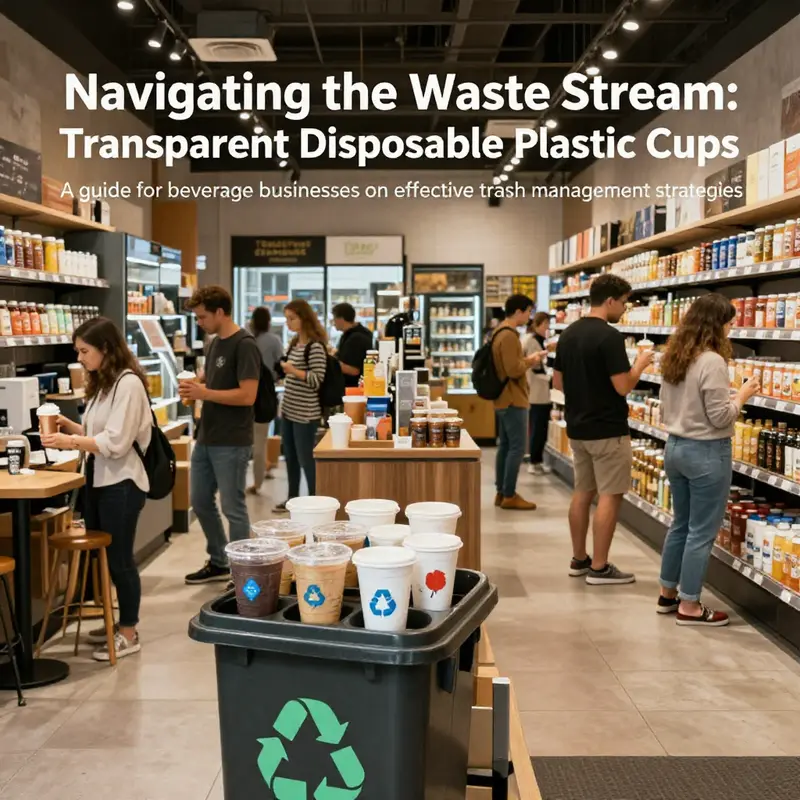
Proper disposal methods for transparent disposable plastic cups are essential for beverage-related businesses. The way we manage our waste affects the environment as well as our operational efficiency. Partly made from recyclable materials, many of these cups can be effectively recycled if handled correctly. Furthermore, knowing the difference between clean and contaminated cups is critical for reducing overall waste. In this exploration, we will discuss the optimal management of transparent disposable plastic cups—recognizing their impact and the necessary steps for recycling them appropriately. This guide will help Bubble Tea Shops, Beverage Chains, Restaurants, Food Trucks, Catering Services, Event Planners, and Corporate Procurement Teams understand their role in waste management.
Illuminating the Path: Navigating Waste Management Challenges for Transparent Disposable Plastic Cups

Transparent disposable plastic cups are ubiquitous in cafes, beverage outlets, and fast-food chains, and they hold a unique position in our daily experiences. Their clear, sleek design and practicality make them the go-to option for serving aesthetically driven beverages such as smoothies, layered drinks, and infused waters. Yet, as their convenience has grown, so too have the challenges associated with disposing of them correctly, especially in the context of waste management. This chapter delves deep into the multifaceted issues surrounding transparent disposable plastic cups, examining material composition, contamination concerns, recycling processes, local guideline variations, and emerging alternatives, while continuously emphasizing how informed practices can lead to a cleaner environment and a more sustainable future.
The environmental dilemma posed by these plastic cups begins with their basic material composition – often made from plastics like polypropylene (PP) or polyethylene terephthalate (PET). These materials are widely recognized for their strength, clarity, and lightness, and many municipalities advocate for their recycling. However, the reality is far more complex. Recycling facilities are designed to process plastics without contamination, and even a tiny residue of food, drink, or grease can derail the recycling process. When consumers dispose of these cups with remnants of beverages or food, the cups are rendered unsuitable for recycling, forcing waste management systems to reroute them to general waste streams or incineration processes. This contamination not only disrupts the recycling process but also increases the environmental footprint of these items, as the energy and resources allocated for recycling are wasted when products are not properly pre-cleaned.
Many waste management systems have guidelines that differentiate between clean, empty plastic cups and those that still contain traces of food or liquid. In cases where the cups are empty and visibly clean, they are frequently placed in recycling bins. Yet, the irony remains that even a slight contamination can complexify what would otherwise be a straightforward recycling process. Local councils and municipalities establish standards based on regional capabilities, leading to discrepancies where a cup accepted in one city might be rejected in another. This inconsistency can confuse both consumers and waste management personnel, creating a gap between intended recycling and actual recycling outcomes. The variability in recycling standards across geographical boundaries undermines the broader objective of sustainable waste management, emphasizing the need for standardized global guidelines or improved local communication regarding proper disposal practices.
At the heart of the matter is the interplay between consumer responsibility and systemic challenges. Many consumers are unaware that the seemingly benign act of disposing of a transparent cup may contribute to environmental degradation if the cup is slightly soiled or if the local recycling infrastructure cannot handle the complexities of the material. Recycling streams are highly sensitive, and even well-meaning actions, if not carried out precisely, can contribute to a contamination cascade. For example, many businesses and households mistakenly assume that all disposable plastic cups are fully recyclable, not recognizing that the polymer blends or coatings used in manufacturing might interfere with the recycling process. This uncertainty necessitates clearer labeling and robust consumer education programs. Educating users about the importance of rinsing cups after use can reduce contamination levels and, by extension, improve the effectiveness of the recycling process. This small but significant change in behavior can make a measurable difference, ensuring that recyclable materials are not unjustifiably consigned to landfills.
Beyond the immediate concerns of correct disposal, there is a larger conversation to be had about environmental stewardship and the future of single-use items. Waste management practices that strictly enforce cleanliness criteria for recycling are part of a broader system aimed at reducing landfill load and mitigating pollution. However, these practices are only as effective as the commitment of society to adhere to them. Many businesses are beginning to re-evaluate their reliance on disposable items. The adoption of reusable cup systems and other sustainable practices offers a promising avenue for reducing the overall volume of waste. Some innovative approaches have integrated deposit-return schemes for reusable cups, where businesses encourage customers to return used cups in exchange for incentives. Such programs not only reduce waste but also foster a culture of responsibility and recycling awareness. Even within the realm of disposable items, there is a growing market for alternatives that are designed with sustainability in mind. For instance, shifting to biodegradable or compostable materials is emerging as a potential solution. While these alternatives are not without their own challenges, such as proper industrial composting infrastructure, they offer a pathway away from the persistent environmental impact of traditional plastics.
On the production front, transparent disposable cups are evolving as manufacturers experiment with composite materials that could potentially be recycled more efficiently or even biodegrade under specific conditions. This innovation aligns with a global trend towards more sustainable product lifecycles. By designing products with their end-of-life in mind, manufacturers are contributing to a circular economy where resources are reused rather than wasted. This paradigm shift is crucial since the manufacturing and disposal of single-use plastics have long been associated with environmental harm. Advancements in material science have shown promise by offering alternative methods for producing clear, functional, and recyclable cups that can be better integrated into existing waste management systems. However, these advancements require both a commitment to research and a willingness to restructure the supply chain, commitment that many companies are just starting to embrace.
Consumer behavior also plays a central role in this complex issue. Awareness campaigns and visible labeling can influence how and where individuals dispose of these cups. In urban centers with robust recycling programs, consumers are often provided with plenty of information on which items belong in which bin. Nonetheless, even in regions with high recycling awareness, contamination remains a persistent problem. A slight residue from a cold drink or a small amount of grease from a snack can shift a cup’s status from recyclable to trash. Such nuances are not always communicated effectively to the broader public, leading to inadvertent mistakes that can have cascading environmental impacts. In addition, quick disposal routines in busy commercial environments may not afford workers the luxury of detailed cleaning prior to disposal, thereby increasing the risk of contamination. The challenge lies not only in establishing comprehensive guidelines but also in ensuring that these guidelines are accessible and practical for real-world application. Integrative steps such as adopting more intuitive disposal systems and placing reminders near recycling stations can help enhance proper sorting behaviors.
Another dimension worth considering is the role of policy and regulation. Governments and regulatory bodies have a responsibility to both incentivize proper waste management and penalize practices that lead to contamination. Regulatory frameworks at the local, national, or even international level can provide the structure necessary to manage waste more effectively. For example, legislation aimed at reducing single-use plastics and promoting recyclable materials directly influences how products are designed and marketed. When regulations encourage the use of materials that are easier to recycle or establish strict standards for food-contact materials, they help bridge gaps between manufacturing practices and waste management objectives. The European Union, for instance, has taken steps to improve transparency throughout the lifecycle of disposable items. Although not every regulatory measure addresses end-of-life product management, complementary policies aimed at waste minimization and circular economic principles can help reduce the environmental footprint of disposables. The interplay between public policy and consumer behavior is critical; when governments support recycling initiatives with incentives and waste reduction programs, the overall efficiency of waste management systems improves noticeably.
The practical challenges of recycling transparent disposable plastic cups have spurred discussions around alternative materials and innovative product designs. In light of these challenges, many organizations have begun to offer alternatives designed specifically for environments where recycling infrastructure is limited or non-existent. Consider, for instance, the rising popularity of eco-friendly alternatives like paper-based cups. These options not only support recycling efforts when properly managed but also help address issues of contamination inherent in plastic cups. One notable example involves the adoption of eco-friendly paper ice cream cups, which are designed from materials that can stand up to both aesthetics and environmental responsibility. While the transition to paper-based or compostable alternatives is not without controversy, especially when compared in cost and durability to traditional plastics, the environmental benefits cannot be overstated. These alternatives provide a roadmap for a future in which single-use items serve their purpose without permanently burdening waste management systems or the environment.
In summary, the issue of transparent disposable plastic cups in trash management is a tapestry woven from threads of material science, consumer behavior, policymaking, and innovative design. The central challenge lies in ensuring that recyclable items remain uncontaminated, and that local recycling streams can adapt to the material complexities of composite products. Educating that consumer and industry alike is essential to overcoming the obstacles posed by slight contaminations and varying regional guidelines. As we move into an era increasingly defined by sustainability, the dialogue surrounding waste management must expand to include both incremental changes, such as improved recycling practices, and transformative approaches, including policy reform and the development of sustainable materials. By integrating these elements, it becomes possible to reduce the environmental footprint of every transparent disposable plastic cup discarded. Enthusiasts and skeptics might alike recognize that the journey toward truly sustainable waste management is a collective effort. Each step, whether through improved recycling behavior, innovative policies, or the adoption of alternative materials, represents progress in a broader movement toward environmental responsibility.
Engaging with this issue means understanding that the life of a transparent plastic cup extends far beyond its moment of use. Every cup carries with it the potential for resource recovery, energy efficiency, and reduction in landfill waste – if handled correctly. The nuances of cleaning, sorting, and processing these cups underscore the critical role of meticulous waste management practices. As consumers, businesses, and policymakers further align their strategies, there is hope that future disposal systems will better accommodate the demands of modern life while mitigating environmental harm. For those looking for deeper insights into the recycling challenges and opportunities associated with plastic cups, the Environmental Protection Agency offers extensive resources and guidance on sustainable waste management practices (https://www.epa.gov/sustainable-management-plastic-waste/understanding-plastic-cup-recycling-what-businesses-should-know).
Ultimately, the message is one of careful consideration and proactive adjustment. The transparent disposable plastic cup, once simply a convenient vessel, has become a focal point in the ongoing conversation about sustainable materials and responsible consumption. Through renewed consumer awareness, strategic policy implementation, and the continuous evolution of manufacturing practices, there lies the potential to transform an everyday item into a symbol of the circular economy. Moving beyond cluttered disposal bins and environmentally damaging landfills, the clear, appealing nature of these cups might one day reflect not only their contents but also our collective commitment to a more responsible and sustainable future.
The Hidden Environmental Hazards of Disposable Plastic Cups

Transparent disposable plastic cups are often perceived as harmless, yet their life‑cycle creates a cascade of environmental problems. When a cup is used and then discarded, even a tiny amount of residue can render it non‑recyclable, sending it to landfill instead of the recycling stream. This contamination not only wastes the energy invested in collection and sorting but also burdens waste‑management systems with material that cannot be recovered.
In landfills, the cup’s polymer—usually polypropylene or PET—persists for centuries. Over time, exposure to sunlight, heat, and mechanical forces fragments the plastic into microplastics, particles smaller than five millimetres. These microplastics escape traditional waste controls, entering soil and water bodies where they are ingested by organisms, accumulate in food webs, and can ultimately reach humans. The physical presence of microplastics disrupts ecosystems, while the chemicals they carry—such as phthalates or PFAS—pose toxicological risks.
The production of each cup also contributes to climate change. Manufacturing relies on fossil‑derived feedstocks and energy‑intensive processes, emitting roughly 80 grams of CO₂ per 16‑ounce PET cup. When billions of cups are produced annually, the cumulative greenhouse‑gas emissions become a significant contributor to global warming.
Misleading marketing compounds the issue. Many manufacturers label cups as “eco‑friendly” or “biodegradable,” yet the underlying polymers remain resistant to natural degradation. Consumers, reassured by these claims, may be less vigilant about proper disposal, further increasing the environmental load.
Solutions exist. Switching to alternatives such as compostable paper cups made from renewable fibers can reduce landfill persistence and improve recyclability when managed correctly. Clearer labeling, public education on rinsing containers before recycling, and investment in advanced sorting technologies can also curb contamination rates.
In summary, what appears to be a simple, single‑use cup actually represents a complex web of pollution pathways—from landfill waste and microplastic generation to carbon emissions and chemical contamination. Addressing each stage of its life‑cycle is essential for mitigating the broader environmental hazards associated with disposable plastic cups.
Navigating the Complex Recycling Journey of Transparent Disposable Plastic Cups
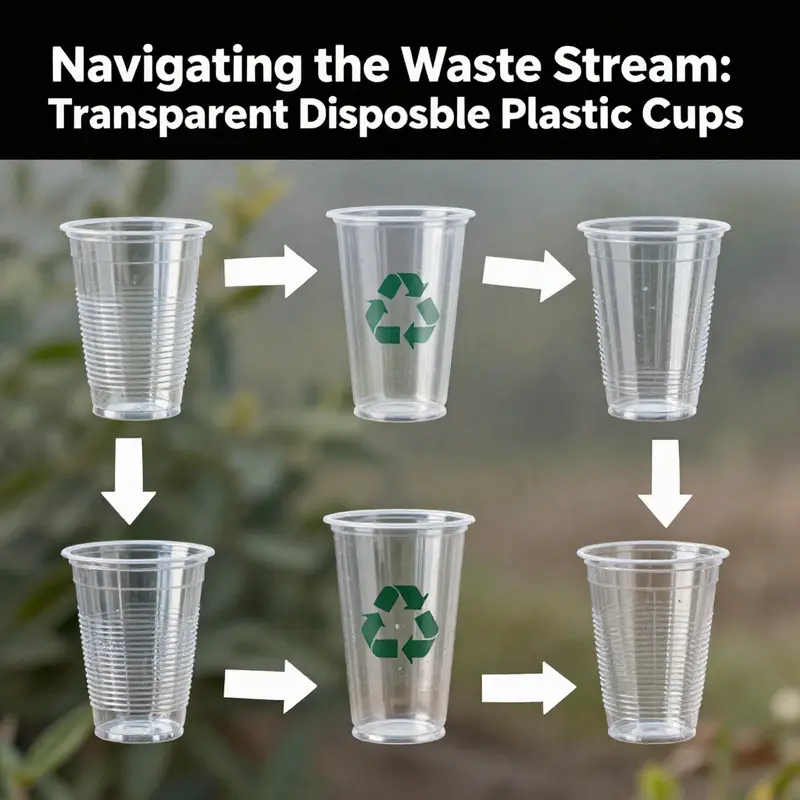
Transparent Disposable Plastic Cups: A Challenge for Sustainable Recycling
The recycling of transparent disposable plastic cups is much more complex than it may seem at first glance. Often crafted from materials such as polypropylene (PP) or polystyrene (PS), these cups traverse a labyrinth of sorting, contamination filtering, and mechanical as well as chemical processing steps before they can reappear as new materials in various consumer products. This journey is complicated by the fact that even a slight residue of food, liquid, or grease can significantly alter the recycling process. In many municipalities, cups that once held beverages or soups are no longer accepted in the recycling bin because contamination compromises the integrity of the recycled material. As recycling programs evolve to meet stringent environmental guidelines, understanding the entire lifecycle of these disposable cups becomes essential for manufacturers, consumers, and waste management systems alike.
When a transparent plastic cup is completely clean and free of contaminants, it is generally directed to the recycling stream. Municipal guidelines usually advocate that empty and rinsed cups can be recycled; however, many consumers inadvertently neglect this simple cleaning step. This oversight, although seemingly trivial, has a downstream effect on recycling efficiency. The unintended consequence is that even products designed with recycling in mind, like transparent cups, can become unsalvageable because the presence of even minimal residues causes chemical degradation in the recycling process.
The Mechanical Recycling Process and Its Limitations
The primary method of recycling plastics today is mechanical reprocessing. In this physical recycling method, plastic items are collected, sorted, and then cleaned excessively to remove impurities before being melted and reformed into new products. Unfortunately, transparent disposable cups often face a severe setback in this process because the melting and reforming stages demand a strictly uniform polymer structure. Food residues, liquids, or even traces of grease can disrupt this uniformity, resulting in a final product of diminished quality. As these cups move through mechanical recycling facilities, the contamination often lowers the polymer chain lengths, making them less suitable for high-grade applications. Instead, recycled cups frequently become downcycled into products such as park benches, outdoor furniture, or insulation, which do not require the same material strength or purity levels.
The mechanical recycling process itself is energy intensive and relies on the ability to maintain specific temperature parameters that can vary depending on the type of plastic. Transparent plastics, due to their chemical properties, are particularly susceptible to quality drops during repetitive thermal cycles. As they are melted and reformed repeatedly, the resultant material structure becomes compromised. This degradation is not always immediately visible and often results from subtle chemical changes introduced during the reprocessing steps. In many cases, instead of a circular economy where a product is constantly reused in its original form, the recycled plastic is downcycled—a process that loses some of its original value with each cycle.
Chemical Recycling: A Promising Yet Nascent Alternative
In response to the shortcomings of mechanical recycling, chemical recycling has emerged as a promising alternative. Chemical recycling entails breaking down plastics into their base monomers or hydrocarbons, effectively resetting the material back to its raw ingredients. For transparent disposable cups, this technology offers the possibility of restoring polymer quality to near-original levels. However, with chemical recycling still in a nascent stage in many regions, the technology is not yet applicable on a broad scale for consumer-grade disposable items. The infrastructure required for this process is complex, and the economic feasibility remains uncertain, particularly for items that have a short use-life and are inherently disposed of after a single use.
Even though chemical recovery promises a higher-quality reprocessing route, it faces several challenges. One of the primary constraints is the inconsistency in material composition. Transparent disposable cups may be composed of various types of plastics, each with its specific chemical backbone. Mixing these materials in a single collection stream demands highly sophisticated sorting technologies before any chemical process can commence. Moreover, complete decontamination is often difficult, and any residual food or drink can catalyze unwanted chemical reactions during the recycling process. Consequently, chemical recycling remains primarily a research initiative and a niche application rather than a mainstream solution.
Contamination and the Downcycling Dilemma
The presence of contaminants—ranging from food particles to grease and even micro-particles of dirt—poses one of the most daunting challenges in the recycling of transparent disposable plastic cups. Contamination not only hampers effective cleaning during the recycling process but also leads to a systematic degradation of polymer quality. Even small amounts of residue can cause significant issues during the melting process, as these impurities create byproducts that deteriorate the chemical structure of plastics. This contamination phenomenon forces recycling plants to err on the side of caution and, as a result, many cups are relegated to general waste rather than being reprocessed.
In many urban areas, detailed municipal waste management guidelines specify that any item with visible contamination should be considered non-recyclable. The everyday consumer, however, might not realize that the seemingly harmless act of disposing of a used cup in the recycling bin can lead to cascading failures in the sorting line. Local waste management systems are continually enhancing their recognition systems to detect contaminants more effectively, but the current state of technology still struggles with a fine balance between efficient recycling and improper inclusion of contaminated items. The dilemma is heightened by the rapid rate at which disposable items are consumed in modern society, making even minor missteps in waste segregation problematic on a large scale.
Overcoming the challenges of contamination requires not only advanced technological solutions but also a cultural shift in consumer behavior. Public education campaigns on proper recycling practices are essential. For those interested in exploring eco-friendly alternatives, there are resources that explain how to identify and handle recyclable items properly; for instance, one can refer to information on eco-friendly disposable cup designs which discuss the considerations of using products that might later enter the recycling stream with fewer contamination issues.
Economic and Environmental Considerations
The issues surrounding the recycling of transparent disposable plastic cups extend beyond the technical challenges inherent in the process. Economic factors play a critical role in determining the viability of recycling initiatives. Recycling facilities must invest in state-of-the-art technology and adhere to strict regulatory requirements, which in turn increases operational costs. The presence of contaminants can result in batch rejections, forcing recycled material to be either discarded or sold at a significantly lower market value. The financial implications of these inefficiencies often discourage recycling facilities from accepting entire batches if there is too much risk of contamination. As a result, many recycling plants opt for a conservative approach that prioritizes quality over quantity, indirectly pressuring consumers and regulatory bodies to adopt more stringent decontamination protocols before disposal.
Moreover, the environmental balance also gets disturbed when recycled material is compromised by contaminants. High-grade recycled material is essential for the production of new consumer goods, and the loss in quality due to contamination can force manufacturers to rely on virgin materials. This dependency on new raw materials contributes to a cyclic pattern of resource depletion, increased greenhouse gas emissions, and overall environmental degradation. Balancing the trade-offs between using recycled materials and maintaining product quality is a complex challenge that requires coordination between environmental agencies, manufacturers, and policymakers.
A clear understanding of the lifecycle of disposable plastic cups—from manufacturing to disposal—is imperative for rethinking waste management systems. Governments and business entities are now exploring economic incentives for proper recycling practices and investing in advanced waste sorting technologies. The aim is to reduce the overall environmental footprint by ensuring that even items prone to contamination are processed in a manner that maximizes their recyclability. However, achieving this requires alignment across multiple sectors, including technology, policy, and public participation, thereby creating a multifaceted approach to what is fundamentally a waste management problem.
Technological Innovations and Future Prospects
Recent technological advancements have begun to offer glimpses of hope in addressing the challenges associated with recycling transparent disposable plastic cups. Researchers are currently investigating novel sorting techniques that rely on optical sensors and machine learning algorithms to detect and separate contaminated cups from their cleaner counterparts. These systems, while still under development, promise to significantly improve the quality of recycled materials. One innovative approach involves the use of advanced imaging techniques to identify contaminants at a microscopic level, thereby ensuring that only the purest materials are directed towards mechanical or chemical recycling processes.
In parallel, chemical recycling continues to evolve as a promising option. Scientists are exploring catalytic processes that allow mixed or contaminated plastics to be broken down more completely, potentially enabling the recovery of high-quality monomers in a cost-effective manner. Although this technology is not yet widely available, pilot projects around the world are testing its viability on a relatively small scale. The combination of mechanical and chemical approaches may eventually lead to a hybrid process that can more effectively recycle transparent disposable cups without compromising on quality.
Moreover, research is exploring avenues to redesign disposable products to enhance their recyclability from the outset. By rethinking the material compositions and structural designs of these cups, manufacturers aim to create products that better withstand the rigors of recycling. Innovations in biodegradable and compostable materials are also in motion, though these alternatives present their own set of challenges such as the need for industrial composting facilities and potential interference with traditional recycling streams. The ultimate goal remains to strike a balance between consumer convenience, sustainable manufacturing, and effective recycling practices.
Aligning Policy, Technology, and Consumer Behavior
Ultimately, addressing the challenges inherent in the recycling of transparent disposable plastic cups requires a comprehensive strategy that aligns policy initiatives, technological advancements, and changes in consumer habits. Municipal waste management systems around the world are continually updating their guidelines to reflect the latest understanding of recycling processes and material science. Consumers play a pivotal role in this ecosystem; their ability to correctly clean and sort disposable cups before disposal can alleviate significant stress on recycling infrastructure.
It is also important for policymakers to create robust frameworks that incentivize manufacturers to invest in recyclable designs and for waste management facilities to adopt new technologies capable of handling contaminated plastics. Public awareness campaigns, educational programs, and community-based initiatives all contribute to a more sustainable recycling landscape. An informed public can better differentiate between items that are truly recyclable and those that require special disposal, thereby ensuring that systems designed to conserve resources are not undermined by inadvertent contamination.
In this broader context, the discussion about transparent disposable plastic cups is emblematic of a larger debate on sustainable consumption and waste management. The interplay between product design, consumer behavior, and recycling technology is crucial if we are to minimize environmental impacts. As researchers, industry leaders, and government officials collaborate, there is increasing hope that solutions will emerge that preserve material quality while simultaneously reducing the environmental toll of single-use plastics.
The challenges discussed here are not insurmountable. They require a concerted effort from all stakeholders to develop scalable solutions that are economically viable and environmentally sound. Continued investment in research and development, coupled with the adoption of best practices in waste sorting and recycling, can transform the current state of disposable plastic cup recycling. However, this process demands that consumers commit to small yet consistent actions like properly cleaning cups before disposal and adhering to local recycling regulations. Even the tiniest efforts, when aggregated across communities, can lead to transformative results in the way we manage waste.
While the journey towards enhanced recyclability of transparent disposable cups is fraught with challenges, it also opens up opportunities for innovation and systemic improvement. Future recycling facilities might leverage the power of AI-driven sorting technologies to dramatically reduce the incidence of contamination in their recycling streams. Such advances would not only increase the efficiency and output of recycled materials but also deliver economic benefits by reducing waste and lowering production costs for manufacturers reliant on recycled content.
In magnetic, large-scale waste management facilities around the world, changes are already underway. New processing lines designed to handle mixed and contaminated plastics are being trialed, and feedback from these pilot programs is being used to refine methods further. The integration of advanced separation techniques into traditional mechanical recycling processes is demonstrating that even difficult-to-recycle products, such as transparent disposable plastic cups, can eventually regain their value. At the same time, the environmental benefits of reducing landfill usage and conserving resources provide a compelling economic rationale for continued industry investment in these innovations.
In sum, the recycling process of transparent disposable plastic cups is a microcosm of the broader challenges facing the recycling industry today. The difficulty in reprocessing these items—primarily due to contamination and the inherent limitations of mechanical recycling—underscores the importance of adopting emergent technologies such as chemical recycling. Although chemical methods are still evolving and are not yet widely implemented, they hold the promise of reclaiming high-grade materials from what is often considered waste. Furthermore, the convergence of multiple strategies—ranging from improved consumer practices and enhanced sorting technologies to redesigning products from the ground up—can collectively generate a more sustainable and efficient recycling ecosystem.
As communities and industries continue to grapple with waste management challenges, it becomes evident that a collaborative approach is needed. Recognizing that every step in the lifecycle of a disposable plastic cup has implications for resource conservation encourages the adoption of holistic strategies that span design, usage, and recycling. With ongoing research, evolving technologies, and stronger policy frameworks, there is potential to transform even the most challenging waste streams into valuable resources in a circular economy.
For those seeking further authoritative insights into current recycling technologies and where they stand in today’s environmental context, the U.S. Environmental Protection Agency provides an extensive overview in their official resource at EPA’s plastics recycling page. This resource underscores the need for consistency in recycling practices and continuous technological advancement to support a cleaner, more sustainable future.
The path forward may require rethinking our relationship with single-use items altogether. Although transparent disposable plastic cups serve a convenient purpose, their end-of-life impact poses significant questions regarding resource utilization and environmental stewardship. Moving from a linear “use and dispose” model to one that embraces recycling and reusability is not only a technical challenge but a societal imperative. Fostering innovations in plastics recycling and engaging consumers in thorough, informed disposal practices will be integral to achieving a sustainable balance between convenience and environmental responsibility.
In conclusion, the complex challenges associated with recycling transparent disposable plastic cups highlight a broader narrative about the modern waste management crisis. The convergence of contamination issues, material degradation, economic pressures, and technological limitations creates a multifaceted problem that demands concerted efforts across disciplines. Whether through advanced chemical recycling processes, improved sorting technologies, or a shift in consumer awareness, the collective actions taken today will shape the recycling landscape of tomorrow. Recognizing that even the smallest item—like a transparent disposable plastic cup—can become a catalyst for change, serves as a powerful reminder of our shared responsibility towards building a more sustainable future.
Navigating Policy, Public Opinion, and Environmental Trade-offs in Transparent Disposable Plastic Cup Disposal
The landscape of waste management is evolving as environmental awareness intensifies and policy measures tighten around the use of single-use plastics. Transparent disposable plastic cups, long a staple in cafes and fast food outlets, now sit at the crossroads of convenience, environmental responsibility, and regulatory scrutiny. In recent years, both regulators and the public have taken a closer look at these ubiquitous items, prompting a reassessment of how they are disposed of, recycled, or replaced by more sustainable alternatives. The evolution of these perspectives reflects a broader trend where governmental authority meets grassroots consumer demand to jointly craft a more responsible approach to everyday products.
From a regulatory standpoint, the management of transparent disposable plastic cups has become a focal issue for environmental policy-makers worldwide. Many governments have recognized that the mere act of disposing these cups in trash bins—when contaminated with food residues or liquids—can lead to significant environmental harm. Policies that clearly define what constitutes recyclable waste versus contaminated waste serve a dual purpose. On one hand, they promote proper recycling practices; on the other, they aim to reduce the overall use of disposable plastics. For example, in Hong Kong SAR, legislative initiatives such as those outlined in the LCQ16 guidelines have placed a strong emphasis on minimizing the environmental footprint of single-use plastics. Authorities there are actively encouraging the public to segregate clean and empty cups for recycling, while categorizing cups with residual food or liquid in the general waste stream. This clear demarcation not only simplifies the recycling process but also underscores the larger regulatory focus on mitigating the flow of contaminated plastics into the recycling stream.
The roots of these regulatory shifts lie in a growing recognition of the need to balance convenience with sustainability. Transparent disposable plastic cups, which are often composed of polypropylene (PP) or similar recyclable materials, offer a low-cost, hygienic option for serving beverages and foods. However, when used, their potential for harm increases dramatically if not disposed of correctly. Even a small amount of residue transforms a recyclable item into a hazard for processing plants, contaminating entire batches and leading to greater waste accumulation. Policy-makers have thus responded by formulating detailed guidelines that emphasize the importance of ensuring that items destined for recycling are free from contaminants. This focus on cleanliness is underpinned by rigorous scientific research and practical waste management considerations, highlighting the intricate intersections between material properties, user behavior, and industrial processing capabilities.
Social perceptions also play a definitive role in how transparent disposable plastic cups are viewed and eventually managed in the trash. In an era where environmental sustainability is a prominent cultural value, the use of single-use plastics has come under intense scrutiny. Although many appreciate the immediate convenience and hygienic advantages of disposable cups, public sentiment is increasingly colored by the environmental consequences of widespread plastic waste. An emerging consensus favors rethinking the convenience of disposable products in light of their long-term impacts. In many communities, the conversation has shifted towards sustainable alternatives, fostering innovative product designs and a push towards reusable items. Academics and environmental activists alike point out that a transition to robust reusable options, while potentially requiring more resources for cleaning and maintenance, represents a more balanced approach when evaluated through the lens of life-cycle analysis. This analysis often suggests that the environmental impact of persistent use and recycling discrepancies might outweigh the transient benefits of disposable materials, thereby nudging public opinion towards more durable solutions.
As governments enhance their regulatory frameworks, social campaigns have been instrumental in reshaping consumer habits. Public awareness efforts often stress that preventing contamination is key to effective recycling. Clean, empty cups can be processed and repurposed, thereby reducing the overall waste burden. Conversely, the presence of even minor residues in disposable cups renders them inefficient for recycling, necessitating their categorization as general waste. The public is now more frequently encouraged to inspect and clean cups before disposal, reflecting a broader understanding of how individual actions can culminate in large-scale environmental benefits. This dual strategy, combining policy Regulation with community-led initiatives, exemplifies a holistic approach to managing waste streams.
In recent discussions within scientific and environmental communities, there is growing acknowledgment of the trade-offs inherent in shifting away from disposable plastics. For instance, while reusable alternatives have clear environmental benefits in reducing waste generation, they can have unexpected ramifications such as greater water and energy consumption during cleaning cycles. It is this complexity that has spurred multidisciplinary research, where life-cycle assessments incorporate production, usage, and disposal impacts to provide a more comprehensive understanding of sustainability. Studies have shown that while replacing disposable cups with reusable options significantly curbs the volume of trash, the overall net environmental benefit depends on various factors including the local availability of recycling facilities, cleaning infrastructure, and the materials used in reusables. The debate is nuanced, and policy-makers continue to grapple with creating regulations that fairly account for these factors without imposing undue burdens on consumers or businesses. It is within this context of intricate environmental trade-offs that both regulatory measures and consumer behavior are evolving hand in hand.
Furthermore, contemporary waste management strategies highlight the importance of accessible infrastructure to support the transition to sustainable practices. Local initiatives such as recycling bins specifically designated for clean disposable cups have begun to emerge in urban centers. Such measures ensure that items free from contamination are correctly recycled, reducing the risk of reintroducing contaminated waste into the system. On the other hand, many cities have invested in educational programs that remind citizens to separate their waste according to local guidelines. These initiatives are expected to create a ripple effect, encouraging consumers to conscientiously handle disposable plastics and consider the consequences of their actions. As part of this broader trend, businesses are increasingly exploring eco-friendly alternatives to single-use plastics. In some areas, products like eco-friendly disposable paper cups have gained traction as a viable alternative. For those seeking a closer look at innovative replacements, exploring options such as eco-friendly printed logo take-away coffee cups can offer insights into how alternative materials are being embraced in the marketplace. Such innovations underscore the delicate balance between functionality, hygiene, and environmental stewardship.
Within this broader context, it is important to examine how consumption habits interconnect with regulatory imperatives. Transparent disposable plastic cups, when clean and empty, are ideally processed in the recycling stream. However, when contaminated with food residues, they are relegated to general waste management channels—a seemingly simple distinction that carries profound consequences. This dichotomy is not only a technical requirement of waste processing plants but also a reflection of broader societal values. On one level, the clean cup represents a responsible consumption pattern that aligns with environmental goals and municipal guidelines. On another, a contaminated cup becomes emblematic of broader systemic challenges—issues of convenience, inadequate public facilities, and sometimes, gaps in sustainable planning. As these products penetrate every level of society, their regulation becomes a mirror reflecting the priorities of modern environmental governance.
Looking ahead, both regulatory frameworks and social norms seem poised to evolve further as scientific understanding deepens and public awareness grows. Policy-makers are increasingly committed to striking a balance between mitigating immediate environmental harm and encouraging long-term behavioral change. Surveys and academic studies have made it clear that sustained public education is critical. Campaigns that highlight the long-term sustainability of recycling processes and the importance of preventing contamination are central to these efforts. These campaigns are often bolstered by new research that provides granular insights into consumer behavior, recycling efficiencies, and the overall environmental impact of disposable plastics. By weaving together insights from environmental science, municipal planning, and consumer studies, policy-makers are better equipped to craft guidelines that are both practical and forward-looking.
In many ways, the story of transparent disposable plastic cups in trash encapsulates a broader narrative of environmental recovery and sustainable practice. It is a narrative that hinges on the interplay between technological innovation and regulatory foresight, between individual choices and community-wide initiatives. When viewed holistically, the evolution of waste handling practices for these cups represents a microcosm of the larger challenges facing modern waste management systems. In order to drive down the proliferation of plastic waste, systemic changes must be embraced at multiple levels—from local government policies to individual practices at the point of disposal. Emerging strategies that incorporate context-specific initiatives, accessible recycling infrastructure, and informed consumer behavior offer a promising path forward.
The role of technology and innovation cannot be overstated in this journey. New waste management technologies are enabling more efficient sorting and processing of materials, provided that strict standards for cleanliness and separation are met. Investment in state-of-the-art recycling facilities has already begun to yield dividends, as these centers can now better handle the complexities of contaminated waste. The growing interest in digital waste classification systems, which help citizens identify the correct disposal channels for various items, is another encouraging development. Such systems often include mobile applications and online resources that remind users of the importance of properly preparing disposables for recycling. They act as a bridge between regulatory intent and practical implementation, ensuring that even mundane items like transparent disposable plastic cups are disposed of in ways that maximize their potential for recycling.
Ultimately, the discussion surrounding transparent disposable plastic cups is emblematic of a broader societal shift where environmental consciousness drives both policy and practice. As regulators tighten guidelines to reduce plastic pollution and public attitudes shift towards sustainability, the future of disposable plastics—whether clear cups or otherwise—appears more intertwined with the principles of environmental stewardship than ever before. This intersection of regulation, innovation, and social awareness paves the way for sustainable practices that hold promise for a cleaner, healthier environment. For further insight into evolving regulatory measures and their implications, interested readers can explore detailed governmental resources such as the official press release from Hong Kong SAR here.
In summary, navigating the challenges presented by transparent disposable plastic cup disposal demands a multi-faceted approach. It is a challenge shaped by regulatory mandates that delineate acceptable waste processing practices, and by social norms that are increasingly geared towards environmental preservation. Both in policy and in everyday practice, the emphasis on cleanliness before recycling speaks to deeper values in waste management. When a clean cup finds its way into the recycling bin, it represents a collective commitment to sustainability. Conversely, a contaminated cup signals the broader systemic issues that continue to complicate waste management. As communities worldwide strive to reduce their plastic footprints, the dialogue surrounding these disposables represents a critical juncture where innovation, research, and public policy converge. The path forward is marked by a careful balance between regulatory control and individual responsibility—a balance that will shape the future of environmental stewardship.
The journey from disposable convenience to sustainable practice is one that demands both introspection and collaboration from all stakeholders. While the convenience of disposable cups has long been a convenient hallmark of modern living, it is now incumbent upon regulators, businesses, and consumers alike to reevaluate this convenience through the prism of environmental and social accountability. It is a transformation underscored by evolving technological advancements in recycling, rigorous life-cycle assessments, and an unwavering commitment to minimize waste. In the end, preventing the contamination of recyclable materials is a shared responsibility—one that if approached thoughtfully, can drive a significant shift in how society manages its resources. As research continues to illuminate the multifaceted impacts of our disposable practices, the collaborative efforts of governments, industries, and communities remain pivotal in steering us towards a more sustainable future.
Final thoughts
In conclusion, effective management of transparent disposable plastic cups is essential for any business in the beverage sector. By understanding the distinctions between clean and contaminated cups and familiarizing oneself with local recycling guidelines, companies can significantly reduce their environmental footprint. An investment in training staff and improving waste management practices not only leads to better recycling outcomes but also enhances the overall reputation of your business. As awareness around sustainability grows, it has never been more crucial to align waste management practices with eco-friendly initiatives.