
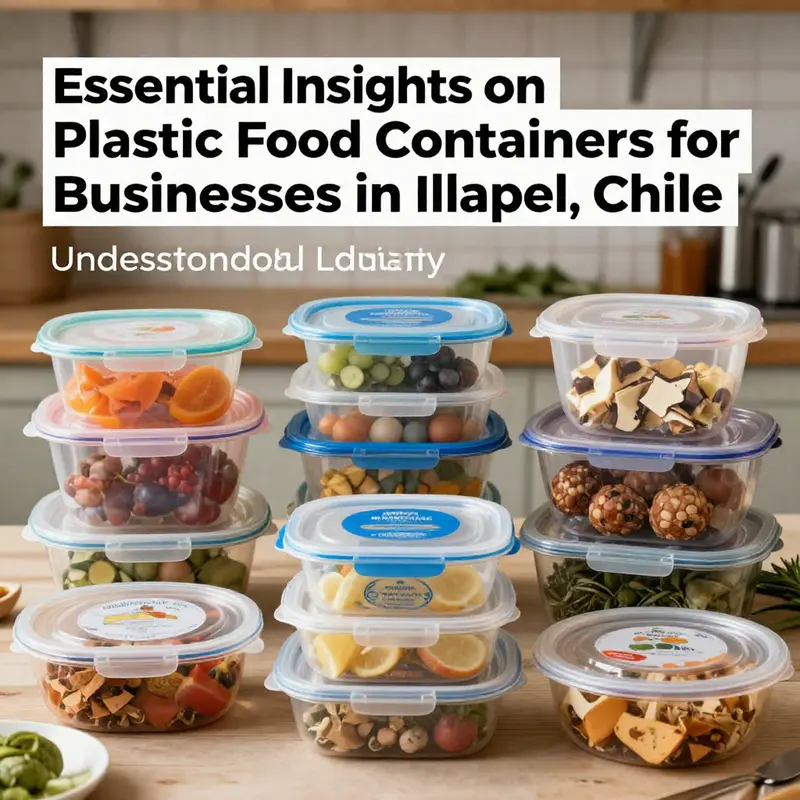
In the vibrant city of Illapel, Chile, the use of high-quality plastic containers for food is becoming increasingly essential for various businesses such as bubble tea shops, restaurants, and catering services. With an impressive variety of food-grade, BPA-free containers available, understanding the relevance of quality and safety standards, their economic impacts, and the environmental considerations surrounding their use will help you make informed decisions. Each chapter of this article delves into these crucial elements, ensuring you comprehend the significance of responsibly sourcing plastic food containers tailored to your specific needs in Illapel.
Quality by Design: Unpacking Illapel’s Plastic Food Containers Under Tight Safety Standards
In Illapel, a city cradled by the varied climate of Chile’s Maule region, the everyday act of storing and transporting food rests on a quiet yet vital technology: the plastic container. It is not merely a vessel for a meal; it is a shield that keeps food safe from contamination, preserves its taste and texture, and performs reliably from a bustling kitchen to a market stall, a school lunchroom, or a family kitchen shelf. The story of Illapel’s plastic food containers, therefore, is a story of design decisions informed by rigorous safety expectations, the realities of local supply chains, and the practicalities of how people actually use packaging in real life. It is a story that blends material science, regulatory oversight, and user behavior into a coherent system that protects health while supporting everyday meals on a regional scale. To read this as a mere compliance string would miss the deeper arc: safe containers are the outcome of a chain that starts with materials chosen for stability, endures through careful manufacturing, and finishes with clear labeling and responsible handling by consumers and businesses alike.
Central to this ecosystem is the governance framework that Chilean authorities and regional bodies uphold. In Illapel, as in the rest of the country, plastic containers intended for food contact are guided by national regulations administered by the Chilean Food Safety Authority, SENACSA. While some international packaging standards are adopted or mirrored in local practice, the Chilean standard most directly relevant to general food-grade plastics is NCh 2589:2020. This standard defines the requirements for plastic materials and articles that may come into contact with food, covering aspects from the composition of materials to their behavior under common use conditions. It embodies a philosophy of safety that aligns with principles found in European regulatory frameworks, ensuring that plastics do not transfer harmful substances to food, particularly when heat, acidity, or prolonged contact is involved. In Illapel, these provisions are not abstract; they translate into concrete expectations for manufacturers, distributors, retailers, and even home users who rely on containers daily.
When we zoom in on the practical implications, the materials most commonly used in Illapel’s plastic food containers reveal a thoughtful balance between performance and safety. Polypropylene, or PP, stands out for its heat resistance and chemical stability. This makes PP containers well-suited for storing dry goods and ready-to-eat meals and for accommodating acidic items like sauces under normal household conditions. PP’s ability to withstand moderate heat without warping or releasing substances is particularly valuable in a region where households may heat food in microwaves or reheated meals are common. High-Density Polyethylene, HDPE, is the other workhorse in the local toolkit. HDPE’s strength and chemical resistance make it ideal for larger, bulk storage containers, where durability matters as much as containment. In Illapel’s marketplaces and kitchens, HDPE often covers oils, dairy products, or bulk staples that travelers or families purchase in larger quantities. These two polymers—PP and HDPE—form the backbone of many consumer and commercial containers, balancing safety, cost, and practicality.
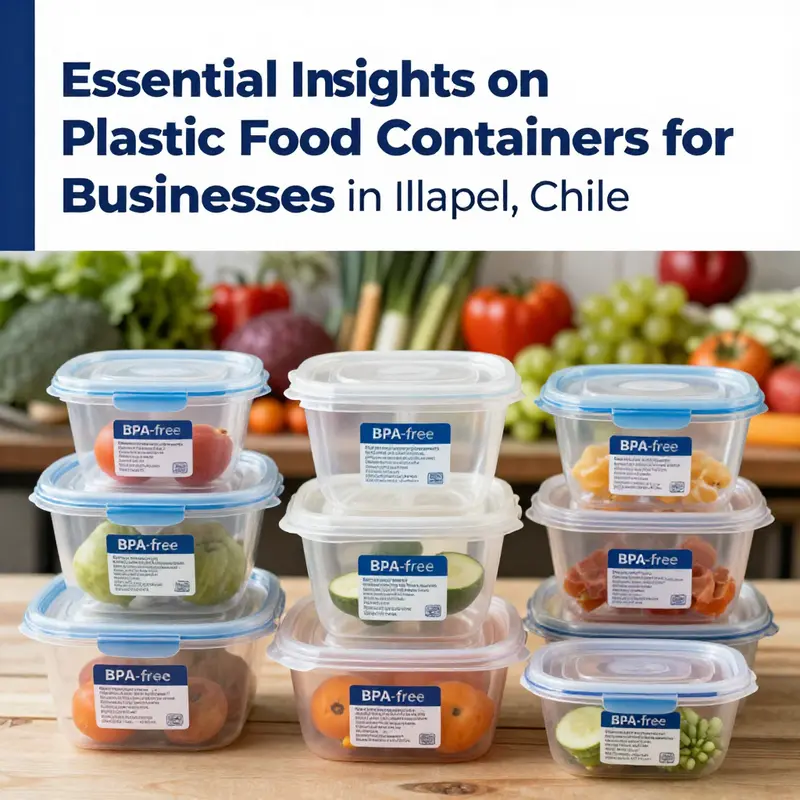
A defining feature of modern plastic packaging is not merely the material but how it is represented to the user. Labels play a crucial role in guiding safe use. Containers sold in Illapel are expected to clearly indicate their material type and the appropriate recycling code, such as #5 for PP and #2 for HDPE, along with warnings about temperature limits. This labeling is more than a formality; it is a practical tool that helps households decide when a container is appropriate for heating, freezing, or storing certain kinds of food. It also informs users about the container’s end of life, nudging them toward recycling or proper disposal. And because the Chilean market has moved steadily away from harmful additives, containers are expected to be free of restricted substances like phthalates and BPA. This restriction is part of a broader regulatory trend that seeks to protect vulnerable populations, including children and pregnant individuals, who may be more sensitive to chemical exposures.
For Illapel’s enterprises, the regulatory ecosystem goes beyond the consumer product level. In food processing plants and agricultural supply chains, containers must pass migration testing to verify there is no harmful transfer of substances into food over time. Migration testing is typically conducted by laboratories accredited or recognized by SENACSA, underscoring a robust ecosystem of verification that extends from raw material suppliers through to the finished product used in kitchens, warehouses, and distribution centers. This emphasis on migration testing reinforces that the safety of a container is not a one-time claim at the factory but an ongoing commitment to performance under varied storage and handling conditions. It invites manufacturers to adopt a lifecycle view of packaging, where material choices, molding processes, and even the design of the container influence how well the product performs under heat, acidity, or prolonged contact.
In Illapel’s context, a regional perspective on suppliers and manufacturers matters. The Maule region, which includes Illapel, is home to firms that specialize in producing food-grade plastic containers designed to comply with Chilean and international safety standards. A leading local manufacturer, for instance, emphasizes BPA-free formulations and adherence to strict safety guidelines, ensuring that containers used for everyday food storage and transport meet both national and global expectations. This regional emphasis helps minimize the distance between the point of manufacture and the end user, facilitating faster access to compliant packaging and supporting local food businesses by reducing supply-chain friction. While the exact mix of materials, sizes, and formats can vary, the overarching principle remains consistent: containers must safeguard health, support safe handling, and remain compatible with a wide range of foods and use scenarios.
The practical implications of these standards extend to heating practices and reuse behavior, which are especially salient in Illapel’s communities. Even with a robust regulatory framework, the ultimate safety of food in a plastic container depends on how people use the container. The guidance emphasizes that making heat and storage decisions should be consistent with the container’s labeling. For many PP and HDPE containers, heat resistance is adequate for reheating in certain conditions, yet direct oven use or heating with high-fat or highly acidic ingredients can cause undesirable migration or deformation. Reuse is another dimension of safety. Containers intended for single use often perform poorly when reused, particularly if they experience repeated heating, deep cleaning, or mechanical stress. The risk of micro-cracking or deformation can create niches for bacterial colonization or for the leaching of substances under adverse conditions. Public health guidance thus encourages users to heed manufacturer instructions regarding heat exposure, cleaning methods, and the container’s intended lifecycle. Such guidance is a practical translation of regulatory safety into everyday behavior.
Beyond materials and usage, the regulatory environment in Illapel prioritizes transparency and accountability through labeling and traceability. A container’s labeling should communicate its material type, the corresponding recycling code, and clear temperature or usage limitations. This reduces guesswork, which is particularly important in family households, where multiple generations may share a single kitchen and where language or literacy barriers could otherwise hinder safe use. The labeling system also helps local retailers and food service operators to implement consistent handling policies, such as preventing the use of certain containers for oven heating or for direct contact with highly acidic or fatty foods beyond what is specified. Such consistency is essential in a market where street vendors, school cafeterias, and home cooks may rely on the same category of containers to perform diverse tasks.
In Illapel, the connection between regulatory standards and consumer confidence rests on accessible, regionally relevant information. Consumers may not always read the fine print on packaging, but the presence of clear, standardized markings makes a meaningful difference. A container that bears appropriate material codes, temperature guidance, and a consumer-friendly message about safe reuse is more likely to be used correctly. For local businesses, this clarity translates into fewer negative outcomes—fewer complaints about spillage or heat damage, fewer recalls or regulatory interventions, and a more straightforward path to compliance in everyday operations. In a landscape where small and mid-sized food enterprises often juggle cost, safety, and speed, packaging that is both safe and user-friendly becomes a competitive asset. It is not only about meeting a standard; it is about building trust with cooks, vendors, and families who depend on reliable packaging for daily meals.
In discussing Illapel’s packaging ecosystem, it is also useful to recognize the role of regional manufacturers in shaping the local market’s safety culture. A representative of a Maule-based plastics producer notes that the company’s focus on food-grade materials and BPA-free formulations reflects a deliberate alignment with both Chilean standards and international best practices. While the technical nuance of migration limits or specific solvent interactions can remain within the purview of laboratories and regulatory bodies, the practical outcome—a packaging system that minimizes risk and maximizes food safety—rests on a shared commitment among manufacturers, distributors, and end users. This collaborative dynamic supports Illapel’s food landscape by ensuring that containers used for storage and transport are not only compliant but also resilient under the varied conditions of real life, including household microwaves, outdoor markets, and local kitchens where space and time can be limited.
A practical takeaway for readers who live or work in Illapel is the importance of selecting containers that are clearly labeled, appropriate for the intended use, and sourced from suppliers who demonstrate regulatory awareness and traceable safety practices. The intersection of standardization and practical use is where everyday safety becomes reliable. Consider the following mental checklist when evaluating containers: Is the material identified as PP or HDPE? Are the temperature limits visible and reasonable for intended use? Is there a clear statement about BPA- and phthalate-free formulations? Is the labeling compliant with local expectations and recognizable by the end user? Is there evidence of migration testing or certification by a competent authority? While individuals may not perform migration tests on their own, their choices can reflect how seriously they take safety and how much they value packaging that supports clean, safe, and efficient food handling.
The broader narrative is that Illapel’s packaging system embodies a convergence of science, regulation, and everyday practice. The science provides a foundation: stability, chemical resistance, and heat tolerance in materials that interact directly with food. Regulation translates that science into enforceable rules and practical obligations that protect health. Everyday practice—how people store, reheat, wash, and reuse containers—translates regulation into tangible outcomes: fewer hazards, more consistent performance, and a food system that people can trust. When these elements align, Illapel’s households, schools, businesses, and food services experience a packaging environment that is both safe and functional. This is not a distant ideal but a gradual, observable reality shaped by the choices of manufacturers who design with safety in mind, by regulators who verify and enforce, and by consumers who use containers with awareness and care.
For a deeper dive into the regulatory landscape that underpins these practices, readers can consult the official Chilean Food Safety Authority’s resources, which provide current guidance on food-contact materials and related compliance expectations. The authority’s website offers updates on standards, oversight activities, and the laboratories involved in migration testing. While regulatory texts can be technical, their core message is clear: safe packaging is a shared responsibility among producers, retailers, and consumers. In Illapel, this shared responsibility is visible in the steady stream of compliant packaging entering the market, in the clarity of labeling seen on shelves, and in the way local businesses integrate safety into daily operations.
To connect the discussion with practical examples in the local marketplace, a representative option for everyday use in the region can be explored through this internal page: senang05-food-grade-500-750-1000ml-take-away-bowl-with-lids-packing-food-single-wall-fast-food-salad-bowls. By examining a take-away bowl designed for food-grade safety, readers can visualize how product design translates into real-world performance—how a container’s geometry, wall thickness, and lid system contribute to reliability during transport and reheating, and how labeling supports safe use by diverse customers across Illapel’s communities.
In closing, the Illapel story of plastic food containers is a narrative of design informed by science, regulated by robust standards, and lived out in daily practice. It is a chapter in a larger framework that binds local health protection to the global quest for safer packaging. Consumers gain confidence when they see that jars, bowls, and boxes carrying their meals meet explicit material and safety criteria, while manufacturers gain clarity from clear standards and credible testing pathways. With ongoing adherence to NCh 2589:2020, continued emphasis on migration testing, and the active involvement of local producers and regulators, Illapel’s packaging ecosystem can continue to evolve—pushing for greater safety, sustainability, and usability in every meal carried through the city and beyond. For regulatory context and ongoing guidance, see the official SENACSA portal, which provides current information on food safety standards and the oversight of materials that touch food: https://www.senaca.cl
null
null
Rethinking Plastic Food Containers in Illapel, Chile: Safety, Waste, and a Path Toward Sustainable Packaging
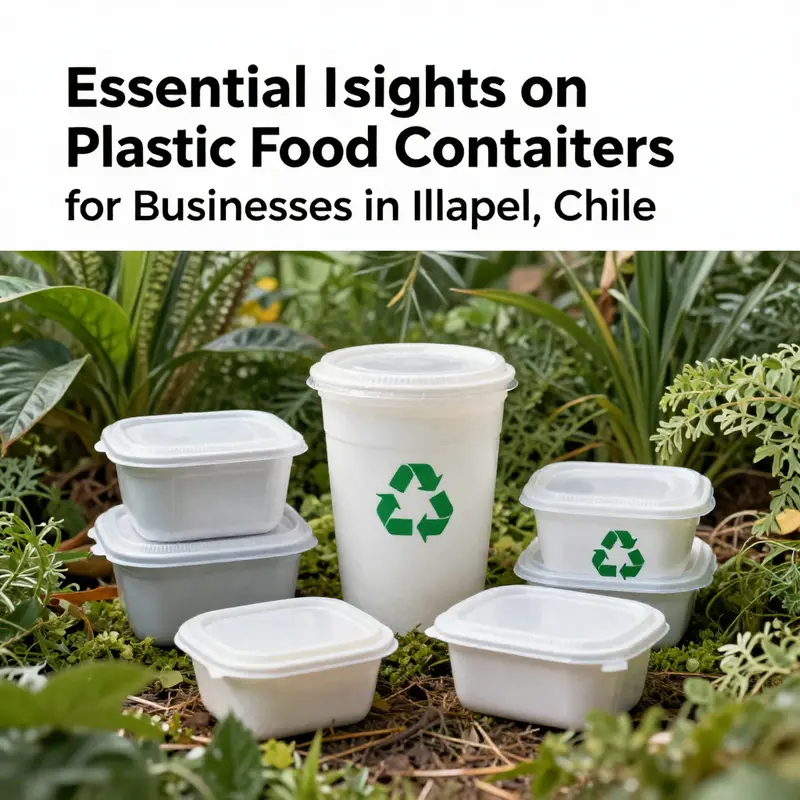
In Illapel, daily life centers on markets, kitchens, and farm stands. People store and transport food in plastic containers because these vessels are light, versatile, and affordable. Yet households balance convenience with safety and a growing awareness of waste. The story of plastic containers here is about how a small community negotiates health standards, waste systems, and a global material economy. Key questions include how to keep food safe while reducing litter and environmental impact.
The packaging landscape in the Maule region includes BPA-free, food-grade containers from a few regional producers. These products aim to prevent contaminants from entering food and to resist leaks during transport. At the same time, recycling programs are uneven and access to formal facilities is limited by geography and resources, so much plastic ends up in landfills or informal disposal sites.
Chemical considerations matter: even BPA-free plastics can release additives when heated or exposed to sunlight. Phthalates and other plasticizers can migrate into foods, especially with hot contents. Microplastics can form and travel through soils and waterways, raising concerns for farming and fisheries. Precaution and clear labeling help households navigate reuse and reheating choices.
National policy signals, including Chile’s plans to reduce single-use plastics, push markets toward reusable or recyclable options. For Illapel, the challenge is to align affordability with durability and supply reliability. Some retailers explore glass, metal, or durable paper-based packaging as substitutes or complements for certain uses. Local education and community engagement reinforce safer storage, proper cleaning, and practical disposal pathways.
The path forward requires collaboration among producers, retailers, and households. Better labeling on heat tolerance and reuse limits, accessible recycling streams or take-back programs, and affordable, reliable alternatives can help close loops in the packaging system. With clear information and community support, Illapel can reduce plastic leakage while preserving the conveniences families rely on for daily life.
Final thoughts
The exploration of plastic food containers in Illapel, Chile, reveals their pivotal role in the food industry. From stringent quality and safety standards to significant economic advantages and essential environmental considerations, it is clear that businesses must prioritize responsible sourcing of plastic containers. By being proactive in these areas, you can enhance your food services while aligning with modern consumer expectations. Embrace the right packaging solutions to ensure your success while making a positive impact on your community and environment.