
The takeout bag shirt, or T-Shirt Bag, is quickly becoming a staple for food service businesses looking to enhance their customers’ experience while fostering brand awareness. With their unique design, durable materials, and customizable options, these bags are ideal for bubble tea shops, restaurants, food trucks, catering services, and event planners. In this article, you’ll find an in-depth look at the materials and performance of these bags, ideas on customization and branding for your business, and insights into the current market and its applications. Each chapter will give you a fresh perspective on how to integrate this essential product into your operations effectively.
Stitching Strength and Simplicity: The Material Science of Takeout T-Shirt Bags
Takeout T-shirt bags are a compact case study in practical packaging: LDPE provides flexibility and clarity, while HDPE adds puncture resistance and stiffness. Bag performance depends on material thickness, reinforced bottoms, and a generous top that allows quick access without tearing. A blend of resins and precise extrusion yields a film that resists grease, moisture, and routine handling in busy kitchens and delivery scenarios. Design choices balance weight, cost, and durability with sustainability goals, promoting recyclability and recycled content where feasible and clear consumer disposal guidance. Printability and branding add value by turning a bag into a moving advertisement, while ergonomics and predictable opening/closing support fast service. Taken together, these factors explain why the classic T-shirt bag remains a reliable, scalable packaging solution for meals and goods.
Branding On the Fly: Customization and the Takeout Bag Shirt as a Movable Brand Ambassador
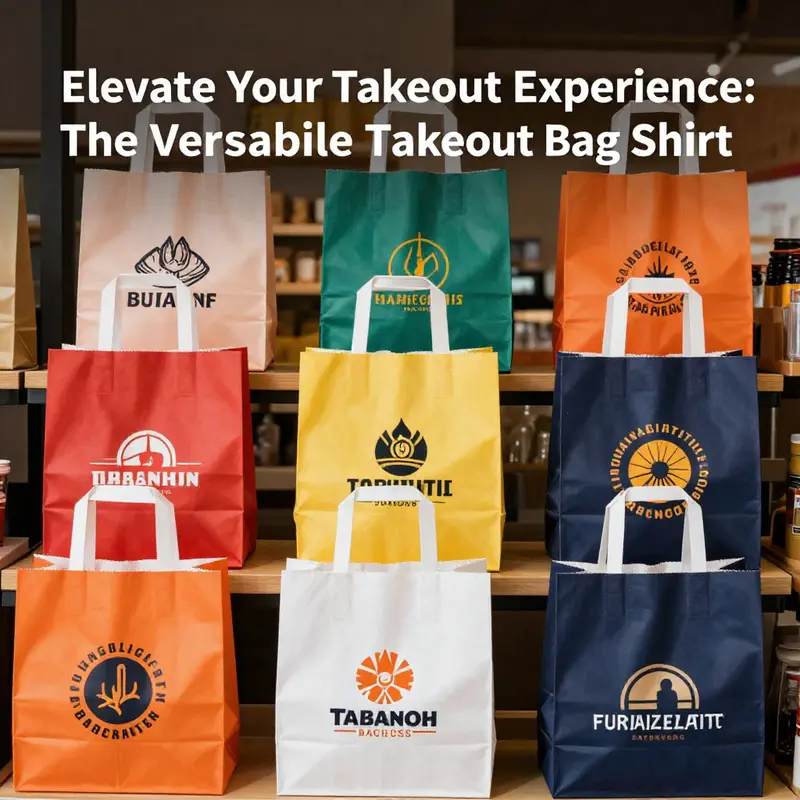
The takeout bag shirt, a design born of the practical need to carry goods with a simple, familiar silhouette, has evolved far beyond its original function. What began as a disposable carrier has become a canvas for brand storytelling, a small but potent surface where color, typography, and tactile choices converse with the consumer long after the purchase. When a bag assumes the shape of a T-shirt, with its soft lines and comfortable handle grip, it invites a different kind of engagement. The user carries not just a product but a message, an impression that lingers as the bag travels from storefront to doorstep, from the hand to the hand. In this light, customization shifts from a convenience add-on to a strategic asset. It becomes a bridge between the product inside and the identity the brand seeks to project. The materials that support this bridge contribute to its strength. Most takeout bag shirts rely on HDPE or LDPE, plastics that balance durability, cost, and recyclability. They are designed to be non-toxic and recyclable, with a core emphasis on tear resistance and load-bearing capacity. Yet even within those material constraints there is room for aesthetic and functional customization that can elevate the packaging from mere container to brand ambassador. By refining color schemes, allowing brand logo placement in deliberate zones, and fine-tuning typography to ensure legibility at a glance, a bag can reflect a brand’s personality long before the consumer examines the product inside or interacts with the service that delivered it. The opportunity lies not only in a single, bold imprint but in a cohesive visual conversation that travels with the bag through every handoff and handoff’s handoff thereafter. In this sense, the takeout bag shirt becomes a portable billboard that is also a practical good—one that communicates sustainability values, product lineage, and a style ethos, all at once. The effect is amplified when the design system is aligned with the brand’s broader packaging family, so that a customer who encounters the bag on the street experiences a familiar, well-judged extension of the brand’s identity. It is not simply about making a bag look good; it is about ensuring that every seam, color choice, and printed element carries meaning that resonates with the audience’s expectations and experiences. A well-executed customization program transforms the bag from a temporary wrapper into a long-lasting touchpoint that reinforces trust, recall, and preference. The logic here mirrors other packaging innovations: the more a brand can weave its values into the packaging narrative, the more durable that narrative becomes in the consumer’s memory. Designers increasingly think in terms of how a bag can tell a story—whether the story is about sustainability, craftsmanship, or the brand’s playful spirit—through surface design that respects the bag’s ergonomic and functional constraints while pushing the boundaries of what a simple carrier can convey. In practice, this means thoughtful choices about color psychology, typography, and the spatial choreography of logo and messaging. Color communicates mood and intent at a glance; a palette can signal premium positioning, ecological stewardship, or high-energy promotion. Typography should be legible and on-brand, scaled to work across sizes and lighting conditions, and chosen to complement the human scale of the bag’s use: the consumer’s spontaneous glance as they reach for groceries or a hot meal, the delivery person’s visibility from a distance, and the occasional barrier of distance or glare. The placement of the logo is equally important. A top-shoulder crest or a bottom panel print can become a subtle cue that reinforces brand recall without overpowering the bag’s primary function: to convey contents securely. When these design decisions are harmonized with the bag’s structural features, the result is a packaging experience that feels intentional and premium. Practical enhancements can further elevate the bag’s value proposition. For example, reinforced handles are not merely a safety feature; they enable confident carrying of heavier apparel items, groceries, or multiple items without discomfort. Perforations or breathable panels, while uncommon on standard grocery bags, can be explored for delicate fabric shipments or items requiring airflow to minimize moisture buildup. A compartmentalized interior, though more complex to manufacture, can reduce wrinkling of shirts or other apparel items, preserving presentation and reducing spoilage or returns due to wrinkled packaging. Each design choice can be layered to communicate durability, care, and respect for the product inside. As a channel for branding, the takeout bag shirt must also remain cost-conscious. Wholesale and bulk production options tend to favor plastics for their low unit price and high throughput, but the market increasingly rewards brands that can combine cost efficiency with responsible manufacturing. The appeal of a recyclable, non-toxic bag that still carries striking visuals is undeniable, especially in a consumer landscape that values sustainability as a core brand attribute. The ability to order in small batches, perhaps a few thousand units at a time, offers a practical path for startups and niche brands to experiment with packaging design, test market reactions, and gauge the logistics of scale without committing to an oversized upfront investment. This incremental approach aligns with modern, agile business models where feedback loops inform subsequent iterations. It also creates opportunities for seasonal or limited-edition collaborations that spark social media activity. A bag becomes not just a packaging item but a vehicle for co-creation with customers. The conversation around customization is not solely about what appears on the surface. It extends into the materials themselves and how those materials reflect the brand’s values. For instance, some suppliers highlight non-toxic, recyclable properties to reassure customers that the packaging is aligned with ecological commitments. Others emphasize durability and affordability to appeal to businesses seeking long-term value. The surface design must respect these material realities. The printing technique, the ink system, and the ink-to-plastic compatibility all influence the final appearance and durability of the design. A high-contrast logo must remain legible under warehouse lighting and during delivery, while a more intricate illustration or a brand motif must withstand handling and stacking. In a way, the customization of takeout bag shirts mirrors the broader trend of packaging as a strategic branding arena rather than as a passive wrapper. The most successful campaigns treat the bag as a mobile display, a tiny storefront, and a storytelling medium that travels across neighborhoods. The logistics of customization are not only about aesthetics but also about supply chain fluency. Brands must be able to order in small to medium batches, iterate quickly, and reconfigure designs without significant downtime. This flexibility is crucial for startups with limited budgets and for established brands testing new storytelling angles or product lines. The market thus rewards packaging providers who can offer scalable design ecosystems: a palette of standard shapes and sizes, a selection of material options, modular printing templates, and services for design consultation, color matching, and proofing. A well-orchestrated ecosystem helps brands align their packaging across channels—from shop floors to curbside pickup to fleet deliveries—ensuring consistency even as iterations occur. The strategic value of customization is not merely in the immediate recognition a bag creates. It also lies in the social currency a well-branded bag can generate. A bag that carries an inventive slogan, a hand-drawn illustration, or a witty tagline has higher potential to become a shareable asset. Consumers may post unboxing images or delivery photos showing their well-branded packaging, transforming a routine purchase into an experience that spreads through digital networks. In this sense, the takeout bag shirt becomes a catalyst for organic marketing. It invites customers to become participants in the brand’s narrative, to share a bit of its personality with their own social circles, and to create a sense of belonging around the brand. This is where case studies from the packaging world offer practical wisdom. A leading example, though not named here to keep within a generic framework, demonstrates how tailored bag design can significantly elevate brand recognition. A fashionable beverage brand experimented with hand-drawn, expressive graphics on kraft-paper bags and observed a surge in online exposures—exceeding one hundred thousand in a single month. Each bag, with its distinctive lines and slogans, became a shareable piece of content, turning ordinary deliveries into an unexpected marketing channel. The underlying takeaway is clear: when customization is authentic, thoughtful, and aligned with the brand voice, the packaging itself becomes a content asset that can travel far beyond the checkout counter. The discussion above is not merely about aesthetics; it is a blueprint for thinking about packaging as part of a brand system rather than a standalone item. A robust customization strategy for takeout bag shirts should begin with a grounded understanding of audience expectations and brand values. For some brands, the message is sustainability first; for others, it is premium quality and care; for others yet, it is playfulness and approachability. The design framework should accommodate these varied signals while maintaining a coherent visual language. The process typically starts with a design brief that outlines the core brand attributes, the preferred color families, typographic treatment, and the desired balance between visible logos and decorative or narrative elements. It continues with material selection, where the choice between HDPE, LDPE, or other polymers maps to durability, flexibility, recyclability, and cost. It moves into the realm of print technology—screen printing, flexography, digital printing, or a hybrid approach—each with its own implications for color fidelity, edge sharpness, and long-term performance under sunlight and moisture. The practical reality is that each bag is a micro-environment with its own wear-and-tear story: from the moment a customer receives it to the moment it leaves the last mile. The design and manufacturing teams must anticipate these conditions and plan for contingencies. That is why a layered approach to customization often works best. A brand might establish a consistent outer-shell treatment—color blocking, bold logo placement, and a signature tag or handle color—while allowing for on-demand interior variations to reflect temporary campaigns or seasonal items. Such a strategy keeps the core identity stable while enabling experimentation and personalization at a manageable scale. The consumer’s perception of value is influenced by how well a bag integrates form and function. If the bag feels sturdy and easy to handle, it signals reliability. If the print is crisp and legible, it signals professionalism. If the bag feels thoughtfully designed to accommodate contents without damage, it signals respect for the product and the customer. The best outcomes emerge when design and function are not in tension but in harmony. In the best packaging programs, a designer’s inspiration is augmented by a brand strategist’s clarity about business goals. The most compelling bag designs reflect a brand’s ethos—whether it is minimal and modern, lush and artisanal, or irreverent and bold—and translate that ethos into a tactile, portable medium. This translation requires collaboration among designers, suppliers, and marketers who share a common vocabulary for color, texture, weight, and shape. The result is a packaging system that is not only visually coherent but also operationally efficient and environmentally responsible. It is worth noting a broader implication: the capacity to customize at scale reflects a maturity in supply chains and partnerships. It implies flexible manufacturing lines, responsive procurement, and a willingness to experiment with new materials and printing methods. It also implies a sensitivity to consumer expectations around sustainability, recycling, and the lifecycle of packaging. In many regions, regulatory frameworks and market expectations push brands toward more sustainable options. The challenge, of course, is balancing environmental responsibility with the need for durability and presentation. The conversation around sustainability in takeout bag shirts invites consideration of whether a bag should be reusable, how easily it can be recycled, and how design choices affect end-of-life handling. Brands that want to emphasize a circular economy narrative may incorporate messaging about recycling, use biodegradable or compostable materials when appropriate, and design for easy separation of components at the end of life. This approach reinforces credibility and aligns with growing consumer awareness about waste and resource use. The practical steps a brand can take to initiate or advance customization initiatives include engaging with design partners who understand both packaging aesthetics and retail realities, testing multiple versions with modest quantities, and gathering feedback from customers and delivery partners. The data collected from these tests—customer reactions to color and typography, the durability of handles, the ease of stacking and transport, and the bag’s performance under varying weather conditions—will shape subsequent iterations. The path from concept to market often moves through a feedback loop in which insights from pilots feed into refinements across materials, print techniques, and structural details. A thoughtful approach to internal coordination is essential here. Marketing teams should articulate the brand story that the bag will tell, while product teams ensure that the physical product remains affordable, robust, and compliant with safety and environmental standards. Manufacturing partners should be invited into the dialogue early so that feasibility and lead times are understood and managed. The synergy among these disciplines is what ultimately delivers a takeout bag shirt that can endure daily use, travel, and the occasional awkward bag drop while still conveying a consistent brand message. In this sense, every element of the bag—from its strap geometry to the saturation level of the printed color—becomes a line in a shared brand script. The ultimate impact is measurable in several ways: brand recall, online engagement with packaging-driven content, and repeat business driven by a perception of quality and care embedded in everyday packaging. When a bag is designed with intention, it invites customers to become part of the brand story. A bag may be discarded or repurposed, but the moment it carries a logo and a message, it begins a new life as a brand touchpoint. The more that a design system aligns with customer expectations and emotional triggers, the more effectively the bag can perform as a moving piece of marketing collateral. In closing, the customization and branding of takeout bag shirts represents a practical evolution in packaging design. It is a discipline that blends visual communication with material science, logistics, and consumer psychology. It is about codifying a brand’s values into a portable, reusable medium that travels beyond the storefront and into daily life. It is about recognizing that a bag is not a passive container but an active participant in the customer experience. And it is about embracing small-batch flexibility, sustainable material choices, and thoughtful, impactful design to turn everyday deliveries into opportunities for connection, loyalty, and growth. For more context on how customized packaging solutions can drive brand growth, readers may consult the broader packaging solutions landscape, as well as industry case studies that illuminate the potential for packaging to function as a powerful brand ambassador in both food and apparel contexts. External resources can provide additional perspectives on the mechanics of packaging design, while internal suppliers expand the practical pathways for implementing these ideas at scale. One particularly instructive example from the packaging community demonstrates how a tailored design strategy can transform ordinary takeout packaging into shareable content, catalyzing online visibility and customer engagement. For readers seeking further exploration beyond the immediate scope of this chapter, an external reference that complements these insights can be found here: https://www.nanwangtech.com.
Carrying More Than a Message: The T-Shirt Takeout Bag in Modern Packaging Systems
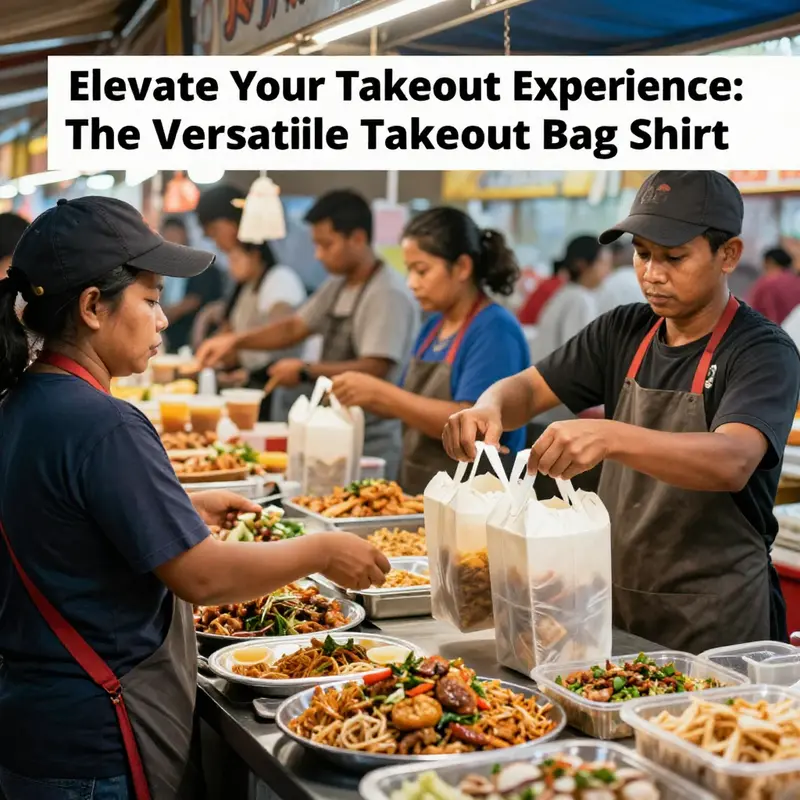
The takeout bag shirt – a simple, familiar carrier – has become a quiet workhorse in modern retail and food service. Its design, inspired by a T-Shirt, uses two shoulder handles, a shallow body, and a bottom that can be reinforced to carry heavier loads. This simple form excels in speed, ease of use, and adaptability across groceries, takeout meals, and even promotional campaigns. The bag’s modular design supports rapid packing and reliable handoffs in busy settings.
Material choices such as HDPE or LDPE provide a balance of light weight, strength, and barrier properties. These polymers resist tears and leaks while remaining compatible with recycling streams. The emphasis on non-toxicity and recyclability aligns with broader sustainability goals, even as cost and performance shape everyday decisions in stores and kitchens. Processing considerations—film extrusion, gauge, and potential for color printing—follow from these material choices.
The practical design offers clear benefits: two handles distribute weight more evenly; a reinforced bottom provides stability for heavier items; and a flat profile facilitates stacking and storage. In high-velocity environments, the bag enables quick packing, confident handoffs, and predictable travel for contents from produce to prepared meals.
Beyond function, the bag serves as a branding canvas. Logos, colors, and messaging on a mobile surface extend a retailer’s reach, turning a simple carrier into a moving advertisement and a touchpoint for loyalty programs and seasonal campaigns.
The bag’s versatility spans food service, grocery, and promotional applications. It supports hot foods, cold items, perishables, and household goods, while signals about recyclability and reuse help frame a sustainability narrative within the consumer’s routine.
From manufacturing to shelf, the supply chain emphasizes consistent gauge control, seal integrity, and print quality to deliver predictable performance at scale. The option to customize in bulk makes the bag a cost-effective form of brand exposure for multi-location operators.
Lifecycle considerations remain central: HDPE/LDPE materials are widely recyclable, and producers highlight non-toxicity and recyclability as core selling points. Clear disposal messages and recycling cues on packaging educate customers and support a circular economy.
A practical baseline size – approximately 29 cm by 16 cm by 53 cm – illustrates typical mid-size capacity, while larger bottom-heavy variants meet grocery needs and smaller options suit compact takeout orders. The bag’s simple geometry hides a web of processing, logistics, and consumer experience that can be tuned for efficiency and sustainability.
Looking forward, the next iterations are likely to emphasize higher recycled content, improved barrier properties, more durable prints, and guidance for responsible end-of-life management. The bag remains a flexible platform that scales with delivery volumes, retail footprints, and changing policies, all while maintaining the practical benefits that make it a constant in everyday life.
For readers seeking deeper context, supplier directories and case studies illustrate how bags are sourced, customized, and scaled across networks. The path from concept to shelf is one of coordinated design, procurement, and operations, where packaging decisions align with broader business objectives.
In sum, the T-shirt takeout bag embodies how a modest, well-engineered carrier can shape consumer behavior, reinforce brand identity, and support sustainable, scalable commerce.
Final thoughts
The takeout bag shirt stands as a perfect blend of functionality and branding potential, making it a vital asset for businesses in the food service industry. With their durable structure and customizable designs, these bags present an opportunity to not only meet customer needs but also boost brand visibility. By incorporating takeout bag shirts into your operations, you enhance the overall consumer experience while reinforcing your brand identity. Dive into innovation and elevate your service with these practical, eco-conscious bags today!