

In the world of food and beverage service, having the right tools can greatly enhance efficiency and organization. Plastic food storage containers are essential for maintaining food quality, managing inventory, and optimizing storage space. Costco offers a range of these containers that cater specifically to the needs of bubble tea shops, restaurants, food trucks, and event planners. This article explores the exciting variety of plastic food storage solutions available at Costco, analyzes their pricing, and discusses various use cases that can maximize your operational efficiency. Each chapter dives deep into how these products can become integral to your organization’s success.
Boxed Versatility at Costco: How Plastic Storage Containers Shape Everyday Organization and Value
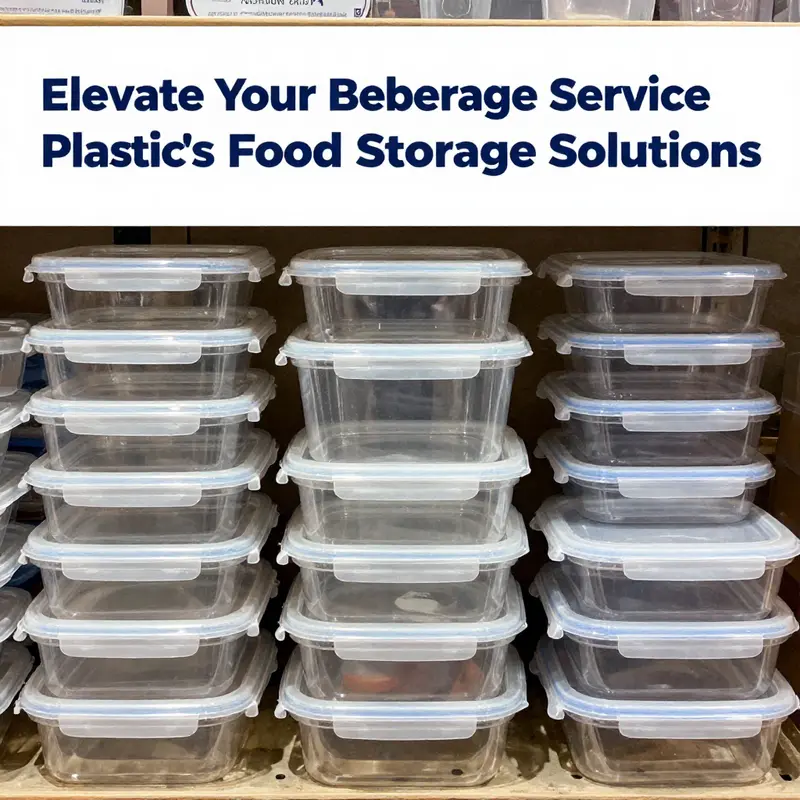
The aisles of a wholesale club have a way of turning the ordinary into the opportunity to rethink the ordinary. A row of plastic storage containers can look like simple tools, but when you walk the warehouse floor with a practical eye, those containers unfold into a quiet system for how households function. They are not glamorous gadgets; they are the kind of utility that remains invisible until you need it—then they become the backbone of a kitchen, a pantry, a workshop, and even a garden shed. In this context, Costco’s selection of plastic storage containers reveals more than a product lineup. It offers a lens on how modern households approach space, waste, and daily rhythms. The choices are not about novelty; they are about flexibility, durability, and value at scale. The logic that underpins these purchases—modularity, bulk pricing, and dependable functionality—speaks to a broader consumer mindset that prioritizes preparedness and efficiency, especially in a setting where the simplest solution often doubles as long-term habit formation.
One of the defining features of Costco’s plastic storage options is their breadth. There are sets built around the idea of airtight containment, with containers offered in a range of sizes and shapes that nestle into one another for compact storage. This modular design is not accidental. It mirrors the way real kitchens operate, where leftovers need to be sorted, dry goods require consistent containment, and snacks for the week must be portioned with care. Airtight seals, sturdy lids, and clear bodies that let you see what’s inside are common signals that these products are meant to perform daily chores with minimal friction. The emphasis on durability is key too. In a warehouse that champions long-lasting goods, the claim is not simply that a container can hold something. It is that it can withstand a routine of frequent use, dishwashing, and reorganization without losing clarity, whether that’s through a lid that remains snug after repeated snaps or a body that resists the grime of a busy family kitchen.
BPA-free and food-safe materials are another thread that runs through the discourse around these containers. The practical consequence of this emphasis is a quiet confidence: you can reuse these pieces for years, whether you’re storing leftovers, dry pantry staples, or prepped meals for busy weekdays. The materials chosen for many of these items are designed to resist staining and odors to some degree, which matters when you’re juggling multiple families’ worth of meals. It’s not just about preserving freshness; it’s about reducing the cognitive load of meal planning. When you know your containers won’t transfer flavors or degrade with time, you’re more likely to slip into a routine of batch cooking, portioning, and careful inventory. That consistency, over weeks and months, adds up in both time saved and food waste reduced. It is precisely this kind of reliability that makes a bulk store like Costco an appealing source for households seeking to align everyday practice with long-term goals.
A closer look at the range reveals a distinction that matters in real life: the more compact, drawer-friendly sets versus the larger, stackable bins intended for pantry corners or under-bed storage. The smaller containers cater to everyday needs—leftovers that must be preserved, lunches that travel to work, and ingredients that you want to keep within sight. The larger options, including stackable bins with lids, offer a method for organizing seasonal gear, crafts, or bulk dry goods that don’t need to be constantly accessed. The beauty of the mix is that it invites a person to curate a personal system rather than chase a single “best” product. The right combination can turn a cramped cabinet into a grid of labeled, easy-to-reach receptacles, which reduces the time spent hunting for things and increases the likelihood that forgotten items are used before they perish.
Alongside this functional logic, there’s a more pragmatic economic logic at work. Costco’s model—bulk-ready packaging, generous quantities, and price points designed to appeal to repeated purchases—nudges consumers toward a certain purchasing behavior. The math is straightforward: when a family faces a future need for organization, buying a set that covers a broad range of sizes can be cheaper per use than buying individual containers piecemeal from a regular grocery aisle. The concept of cost per use becomes more tangible in a warehouse environment where the perception of value is heightened by a low sticker price on bulk items. It’s not just about getting more for less in the moment; it’s about building a reservoir of ready-to-use tools that support ongoing routines—meal prep, freezer organization, and even the occasional project that benefits from a clear, protected space for components.
Yet a critical thread in this landscape is the reality of usage patterns. People do not live in a vacuum where a single container suffices. They often juggle multiple roles within a single household: parent, student, caregiver, professional, or hobbyist. The containers chosen at a warehouse club must therefore support a spectrum of activities: meal prepping for the week, storing fresh produce, keeping toddlers’ snacks organized, or packaging lunches for school and work. The versatility is the real selling point. A single set with a collection of sizes can replace dozens of mismatched containers that accumulate in drawers and cupboards over time. The containers become a platform for ordinary tasks performed with a quiet sense of order. They also become part of a recurring conversation about space and sustainability: choices that emphasize reusability, easy cleaning, and the ability to reconfigure storage as the family’s routines evolve.
Anecdotes circulating through online conversations and social feeds often center on the most practical, almost unglamorous, uses of such containers. A five-gallon white set, for example, has captured attention not for its novelty but for its flexibility. It’s not presented as a luxury solution but as a sturdy, economical option that people turn to for a range of activities outside the kitchen. Some use them for gardening, where the plastic’s heft and light color help protect soil and plants; others repurpose them as tools for organization in sheds or garages, where a confident snap of a lid can keep small hardware, nails, and screws neatly contained. Campers and hikers see the same items as a dependable base for packing gear. In those contexts, the price-per-unit and the straightforward design become significant advantages. A set purchased at a favorable price can support multiple adventures or seasons of reuse, which reinforces the broader idea that value in storage is not a one-off calculation but a pattern of use over time.
This is where the social dimension of cost and utility comes into play. The chatter surrounding these large, generic containers points to a broader consumer culture that prizes multipurpose, high-value purchases. When a product is easy to understand, easy to clean, and easy to restock, it becomes a candidate for daily use rather than a niche solution to a problem. The discussion extends beyond the item itself to the life it supports: the way people plan meals, manage leftovers, and arrange spaces to reduce clutter. In places where space is a premium and food waste is a concern, these containers offer a concrete way to extend the life of ingredients, portion out meals, and keep a pantry legible. The same logic applies to non-food storage: the same container can become a tidy bin for crafts or a weatherproof seal for seasonal gear. The flexibility is the selling point, but the value is in the repeated benefits of organization, time saved, and less frequent replacement.
Of course, any such bulk purchase invites practical questions about care and longevity. How often will lids snap back into place after a few dishwasher cycles? Will the containers resist staining from sauces or spices, and will the bodies retain clarity after repeated use? The marketplace offers reassurance in the form of durable construction and BPA-free materials. The emphasis on durability is not merely about resisting wear; it is about maintaining a clean, clear view of what you own. When you can see what is inside a container at a glance, you are less likely to mishandle your inventory, less likely to double-buy items, and more likely to rotate stock so perishables are used sooner. These small efficiencies accumulate over weeks and months, turning a shopping trip into a more predictable routine and a kitchen into a well-organized workspace rather than a chaotic catch-all.
Another practical facet is how these containers integrate with everyday cooking and food management. They can be arranged to support batch cooking, a pattern that many households rely on to save time and plan healthier meals. Prepared ingredients can be portioned into separate sizes to match weekdays’ schedules, then stored in the fridge or pantry with minimal waste and maximum visibility. The airtight designs offer a buffer against moisture and odors, which helps maintain the integrity of dry goods that would otherwise lose their freshness more quickly in a cluttered, disorganized space. The larger bins, while not always used for food, still play a critical supporting role by creating a dedicated zone for non-perishable gear—bulk snacks, cereal boxes, or even kitchen towels—that keeps the core food storage area free of clutter. The net effect is a kitchen that flows more smoothly because the storage system itself has a logic and a rhythm that people can rely on day after day.
As availability at Costco fluctuates with seasonality and stock, the decision to buy hinges not only on price but also on the readiness to use and reuse. The value proposition becomes most compelling when a consumer has a clear sense of how they will deploy a range of containers in the coming months. The best buys are those that can be repurposed as needs evolve: a set that serves for leftovers one week, then doubles as a tidy home for seasonal crafts, then helps organize a closet or a workshop the next. The time to buy is when the combination of size variety, sturdy build, and favorable price aligns with a genuine plan for reorganization, rather than a fleeting impulse. In practice, this means acknowledging that your pantry space is a finite resource and that a thoughtful, scalable storage system can turn that space into a living map of everyday routines.
For readers navigating this landscape, the guiding principle remains straightforward: match the container to the task, and the task will become simpler. Start with a basic layout: one or two standard sizes that cover most everyday needs, then add a few larger, stackable options for bulk items or seasonal storage. Consider how lids latch and how easy the containers are to clean, because that determines how often you will actually use them instead of leaving them to collect dust. Finally, weigh the intangible but critical factor—how much peace of mind comes from having a dependable system at hand. The more confident you feel about where everything belongs, the more you will rely on the containers as a routine instrument rather than a decorative accessory. In short, the value of Costco’s plastic storage solutions is not merely measured by their price tag or their materials but by how reliably they enable a household to function with less friction, more clarity, and a stronger appetite for organization.
As day-to-day life keeps shifting—new meals, new roommates or family members, new hobbies—it’s the flexibility of a container system that endures. The containers’ modular nature gives a household the chance to adapt without starting from scratch. You can swap lids, reorganize shelves, and reallocate sizes as needed, all without discarding a core investment. That adaptability is the quiet heart of value in this space. It’s not about owning one perfect box but about owning a toolkit that makes everyday routines work more smoothly. And when those routines work more smoothly, people feel less overwhelmed by the ordinary task of keeping food, supplies, and belongings neatly arranged. That sense of order—genuine, practical order—becomes a steadying force in homes where time, clutter, and competing demands constantly tug in different directions.
For those curious about the rest of the landscape, it’s worth noting that the conversation around these containers does not end with the kitchen. The same principles apply to offices, craft rooms, and recreational spaces where organization matters as much as utility. The capacity to store, stack, and seal becomes a generalizable approach to managing complexity in a world that often feels too busy for clutter. In Costco’s aisle, the containers become more than products; they become an invitation to reimagine how space can be managed with minimal waste and maximum practicality. The conversation continues online and in real life as people share tweaks to their setups, the small changes that deliver meaningful improvements in daily life. In that sense, the value of plastic storage containers lies not only in what they hold but in how they help shape patterns of use that keep homes in clearer, calmer states over time.
For readers who want to dive deeper into the practical side of these choices, the key is to assess your own space and routines honestly. What items do you reach for most often? Which areas frustrate you because they lack a simple, reliable organization system? Answering these questions helps you choose a set that fills gaps rather than duplicating effort. The goal isn’t to overfill your cupboards or to chase the latest trend. It’s to establish a core routine that makes everyday tasks easier, from preparing a week’s worth of lunches to tidying the pantry after busy weekends. When you approach purchasing with this mindset, the value of a bulk-set, modular, and durable storage system becomes clear. It’s a small investment that yields outsized benefits in time saved, waste reduced, and a home that functions with a steadier cadence, even as life’s pace quickens.
External perspective can also help. Food storage containers, especially in bulk retailers, remind us that the smallest improvements in organization can ripple through to less food waste, clearer meal planning, and more sustainable consumption patterns. The containers you choose today might end up supporting you through many seasons of cooking, gardening, crafts, and family life. They become the invisible scaffolding that holds together a home’s daily operations, enabling a smoother, more intentional way of living. In the end, Costco’s plastic storage options offer not only a practical toolkit but also a philosophy: in the midst of a busy household, order is not a luxury; it is a source of reliability, efficiency, and a calmer relationship with the everyday tasks that define life at home.
For readers who want a practical next step, consider taking stock of your pantry and storage needs this weekend. Measure shelf spaces and freezer zones, list the common sizes that would fit, and imagine how many of each you would actually use on a regular basis. Then compare that vision to the available options in a store that values bulk, durability, and versatility. The aim is to walk away with a coherent system rather than a cache of mismatched containers. When that alignment happens, the act of cooking, storing, and cleaning becomes less a series of chores and more a routine that supports your goals—whether that means reducing waste, saving time, or simply enjoying a more organized kitchen life. It is, in the end, a practical translation of a broader idea: that the right containers can transform space into an ally rather than a burden, and that value is not merely measured by upfront price but by the ongoing satisfaction of a home that runs with fewer frictions day after day.
External resource: For more information on a specific Costco option discussed in the broader marketplace, you can explore the official product page here: https://www.costco.com/5-gallon-food-grade-plastic-storage-container/product/100726437
The True Cost of Organization: Pricing Dynamics for Costco’s Plastic Food Storage Solutions
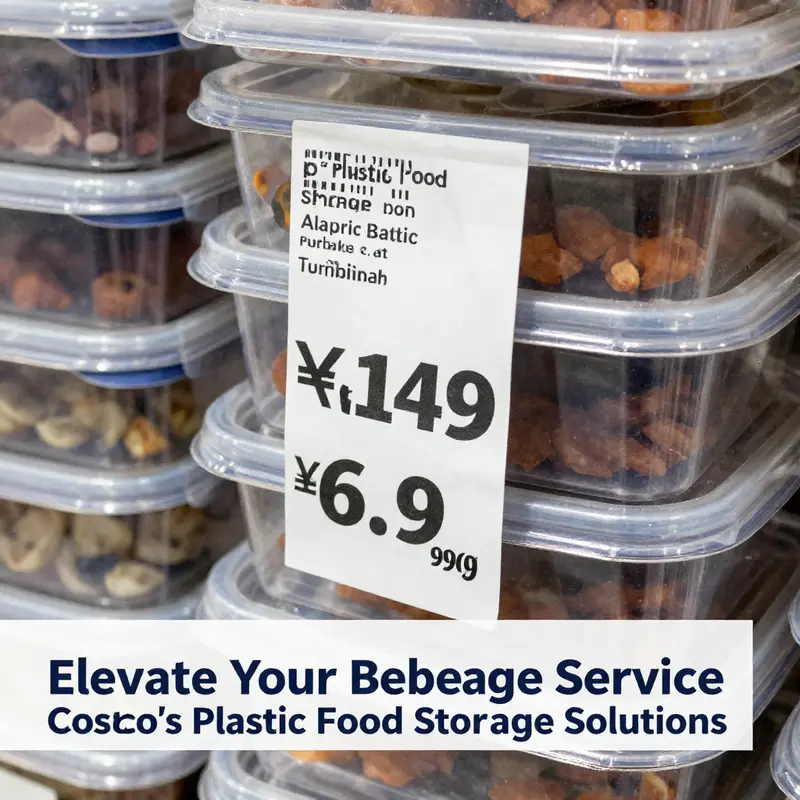
Costco’s approach to plastic food storage containers reveals more about a store’s pricing philosophy than it does about a single product line. On its shelves, an expansive range of airtight, stackable, and dishwasher-safe containers is designed to keep groceries fresh, lunches organized, and pantry spaces decluttered. The appeal is clear: more space, less waste, and a way to extend the life of everything from fresh fruit to leftovers. Yet beneath the surface, price is not a simple sticker. It is the result of a web of factors—membership economics, bulk packaging logic, material choices, and the way a warehouse retailer projects value through durability and convenience.
Per-piece cost is often understood in the context of multi-piece sets that mix different sizes. Buyers see a lower unit price when purchasing a kit rather than individual units, but the true savings come from how many times a container can be reused and how well the lids seal.
Material choices range from lighter polyolefins to more robust BPA-free plastics designed for freezing, microwaving, and repeated dishwasher cycles. The upfront price is higher for the durable option, but the long horizon often reduces the total cost of ownership.
Membership-driven framework: Costco’s model emphasizes bulk purchases, easy returns, exclusive promotions, and a steady supply chain—factors that shift perceived value beyond the sticker price. The price tag, therefore, reflects not just product cost but the broader access and convenience of shopping in bulk.
Seasonality and promotions: Price per set can swing with promotions aligned to meal-prep seasons, back-to-school, and post-holiday resets. Recognizing these cycles helps shoppers time purchases for better value.
Durability and warranty-like assurances: Returns, exchanges, and durable seals reduce risk and extend value. A well-sealed container that lasts years can make a higher upfront price economically sensible over time.
Practical guidance: First, estimate weekly storage needs; map those to typical set sizes; evaluate lid design and seal quality; consider replacement frequency; and calculate price per usable unit over a projected horizon. If the per-use cost stays below your personal threshold for organization and waste reduction, the bulk set delivers value. If usage is light, targeted purchases might be more economical.
Closing: In Costco’s plastic storage, price is a forecast of usefulness in a busy kitchen rather than a single number on a tag. The best value emerges when purchase decisions align with actual storage needs, durability expectations, and the willingness to use, reuse, and eventually recycle the containers.
Diversity, Design, and Daily Utility: Navigating Costco’s Plastic Food Storage Containers for Modern Kitchens
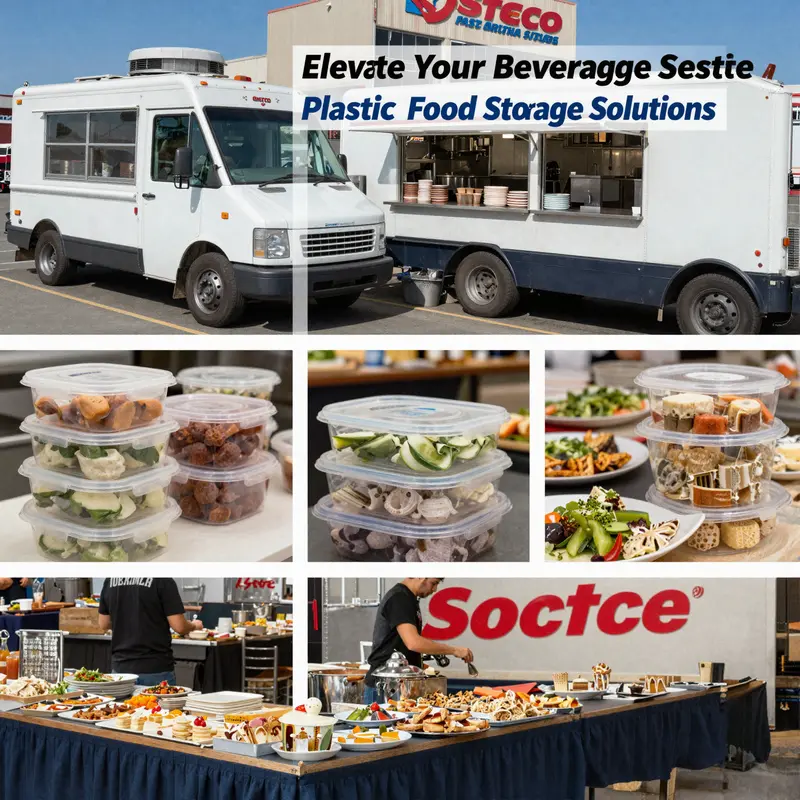
Costco’s shelves reveal more than a simple assortment of plastic storage boxes. They sketch a practical philosophy of how households manage food, organize clutter, and plan meals in a way that respects budget, space, and time. The broader appeal of Costco’s plastic food storage containers lies not only in their price points but in the breadth of design—how sizes, shapes, seals, and materials come together to support a family’s daily routines. In this space, a container is more than a receptacle; it becomes a tool for efficiency, a safeguard for freshness, and a signal of intentionality in the kitchen. The conversation around these containers often begins with safety and food compatibility, but it quickly expands to consider usability, durability, and how well a given system integrates with real-life schedules, from rushed weekday breakfasts to leisurely Sunday batch-cooking sessions. At the heart of Costco’s offering is a recognition that households are diverse in their needs and that a one-size-fits-all approach to storage rarely works. This is why the product lineup emphasizes variety—clear, airtight designs for visibility; stackable, space-saving options for crowded pantries; and dependable, leak-resistant systems for lunches on the go. It is this diversity that makes the aisle a useful barometer of how modern kitchens function when confronted with the daily triad of freshness, accessibility, and convenience.
A first, essential consideration is material safety and compliance. The containers sold through Costco typically rely on FDA-approved polycarbonate or polyethylene formulations that are designed for repeated contact with foods. The move toward BPA-free options has become more than a marketing line; it reflects a broader consumer demand for peace of mind about what comes into contact with meals, from the grains to the garnish. While polycarbonate historically carried concerns about certain additives, many contemporary designs emphasize BPA-free formulations and align with evolving safety standards. In practice, this means households can select containers with a clear conscience, balancing the need for a lightweight, affordable unit with the reassurance that it is suitable for everyday use around kids, busy professionals, and late-night snackers alike.
If you walk the Costco aisles or scroll the official site, you will notice that the value proposition stretches beyond a single container. The supermarket’s range speaks to the rhythm of modern life—bulk storage for pantry staples, compact solutions for small apartments, and specialized formats crafted for meal prep and batch cooking. The Snapware-set archetype—an all-in-one collection that includes multiple shapes and sizes—epitomizes this approach. Such sets offer a spectrum of capacities: small rounds and tall rectangles for spices and snacks, medium squares for leftovers, and larger options for dry goods like pasta, rice, or cereal. The value is not just in the variety of containers but in the way the lids and seals are designed to coordinate across the entire system. Airtight seals, snap-tight locks, and clear bodies work together so anyone can identify contents at a glance, track freshness, and minimize the time spent searching for the right container. This is not mere convenience; it is a practical framework for reducing waste and extending the life of staples, which is a cornerstone of cost-conscious home management.
In practice, the everyday utility of these containers shows up in three broad use cases: long-term pantry storage, short-term refrigeration, and in-between scenarios that bridge meal prep with on-demand eating. For long-term pantry storage, the clear designs excel because visibility reduces the amount of rummaging needed to find a particular item. When you can tell at a glance that the bag of flour is almost finished or that the rice is still fresh, you can plan your next grocery run with more confidence. Airtight designs help maintain dryness and prevent exposure to humidity, which is especially important for dry goods in fluctuating kitchen environments. In a Costco cart, this translates to an efficient kit for bulk staples—things that benefit from a fixed home and predictable rotation. The durable, stackable configurations then come into play, enabling a pantry that breathes rather than bulks up into a chaotic landscape of mismatched containers.
For short-term refrigeration, these containers offer practical advantages for leftovers, prepped meals, and lunch storage. The ability to seal tightly keeps odors from migrating through the refrigerator and helps maintain the original flavors longer. In many homes, leftovers are a weekday reality, and a reliable container that locks in moisture while preventing leaks is essential to maintain a clean fridge and a tidy kitchen counter. This is where the reputational strength of established brands—known for their durable seals and robust designs—manifests in real-world use. A well-designed container can help families avoid the dreaded midweek “what’s for dinner?” scramble by supporting pre-planned meals and portion control. It also reduces the likelihood of spills when bags are jostled in lunch bags or rush-hour commutes, a common scenario for parents packing school lunches or workers transporting prepared meals.
Another thread that runs through Costco’s container lineup is microwave-safe versatility. While not every container is designed for reheating, many are suitable for brief reheating periods, enabling a quick transition from fridge to table. This feature becomes especially valuable for busy households where meals are prepped in bulk but need to be served in smaller portions. The ability to reheat directly in the container eliminates an extra transfer step, which saves time and minimizes cleanup. It also reinforces the value proposition of batch cooking: you can prepare large quantities, portion them into containers, and reheat as needed without sacrificing kitchen cleanliness or meal quality.
Beyond the practicalities, the design language of Costco’s plastic storage solutions emphasizes transparency and organization. Clear containers let you instantly see what’s inside, which reduces the cognitive load of meal planning and inventory management. This visibility is complemented by labeling strategies—whether you rely on built-in graduations on the sides, removable labels, or color-coded lids—that help households implement a simple, scalable system. A pantry organized with compatible lids and uniform dimensions supports better stacking, which in turn makes the most of vertical space. In compact kitchens, this kind of efficiency can feel transformative. It isn’t just about having more containers; it’s about having the right ones that work together to create a coherent ecosystem for food storage, meal prep, and daily routines.
Not all containers are equal, and Costco’s catalog also reflects the need for flexibility. Some households demand a compact, space-saving option for a cramped apartment; others want a robust system for frequent bulk prep. The durability factor—how well a container withstands daily handling, dishwasher cycles, and repeated heating or cooling—varies across materials and lid designs. A take-along system, for instance, may prioritize leak resistance and portability. The capacity to move meals from home to office or school without fear of leaks is a meaningful advantage for families that balance work, school sports, and after-school activities. The same logic applies to on-the-go meals: a sturdy, well-sealed container reduces the risk of spills in backpacks or car seats, which is a small but meaningful contributor to everyday peace of mind.
A further dimension is the environmental and practicality narrative that surrounds plastic storage. Reusability is central to Costco’s appeal. Buying a durable, well-designed set means fewer single-use options over time, and this aligns with a growing consumer emphasis on waste reduction. Consumers often approach these purchases with a vision of a household where containers are reused across many meals, across seasons, and across generations. In practice, this means not only choosing the right size and lid type but also caring for the containers so they last. Proper cleaning in dishwashers or by hand, avoiding harsh solvents, and ensuring lids remain flexible and seals intact all contribute to longevity. The design of snap-on lids and the tolerance of hinges over repeated cycles become a barometer for how long a given system will remain effective in the kitchen. When a family can rely on a single, well-curated set for years, the upfront cost translates into long-term value, and that value grows as the containers accommodate an expanding repertoire of meals and storage needs.
If there is a throughline in Costco’s container assortment, it is the recognition that organization is not a luxury but a practical tool for everyday life. When households approach storage with intention, they reduce waste, cut down on prep time, and free up mental bandwidth for more meaningful activities. A smart pantry setup helps with planning—batch cooking becomes simpler when you can see all the options at a glance; prepped ingredients stay fresher when they’re stored in properly sealed, appropriately sized vessels. For families juggling school, work, and extracurriculars, this translates into a calmer kitchen and a smoother weekly rhythm. The array of shapes and sizes allows for situational decisions: a daily lunch container that fits in a compact bag, a larger vessel that accommodates a family-sized portion, or a slim, stackable option that tucks neatly into a cabinet. The right combination can turn storage into an organizer’s ally rather than a source of clutter, and Costco’s value here is less about a single best option and more about a thoughtfully curated spectrum that lets shoppers assemble a system that truly fits their lives.
To connect this broader perspective to a concrete decision point, consider the way lids seal and the way containers nest when not in use. Nested storage is an underrated space saver that reduces dust collection on shelves and makes it easier to rotate inventory. A well-designed system uses uniform dimensions to enable stacking, which then streamlines freezer or pantry organization. The result is a kitchen area that looks calm and controlled rather than chaotic. When you add in the option of airtight seals, you gain a layer of protection for foods with different moisture contents, from cereals to sugar to beans. The versatility of these containers becomes more apparent as you imagine a week of meals planned around prepped ingredients—beans cooked in advance, grains measured into portions, chopped vegetables stored for afternoon snacks. In such scenarios, the containers act as modular components of a larger workflow, each piece designed to slot into a routine that minimizes waste and maximizes freshness.
What, then, is the takeaway for someone navigating Costco’s plastic storage aisles? It is not a single best choice but a framework for decision-making. Start with a family’s typical storage needs: how many dry staples require a stable home, how often leftovers are generated, and whether a bulk approach to meal prep suits the schedule. Then match those needs to container families that offer compatible lids, good sealing performance, and easy-to-clean surfaces. Consider the vertical space you have and the ease with which you can access frequently used items. Finally, think about the lifecycle of the system: how easy it is to replace parts, how long it will last with daily use, and whether the set can adapt as needs evolve—such as expanding for holiday baking, or downsizing when kids move out. Costco’s breadth makes this approach feasible because it lets shoppers design a cohesive system without overspending on mismatched pieces.
In parallel with the practical considerations, it can be helpful to explore companion procurement ideas that extend the utility of plastic storage beyond the kitchen. For example, a well-chosen container system can cross over into garage organization for bulk dry goods or into laundry rooms for seasonal items and detergents. Durable, stackable bins with clear bodies are equally at home in a closet for seasonal apparel or in a utility room for tools and garden supplies. This cross-utility quality is part of why many households gravitate toward a single, well-chosen set rather than a scattershot purchase of unrelated boxes over time. The investment, therefore, is not only in food storage but in a broader organizational strategy that supports a home’s efficiency, reduce clutter, and improve overall quality of life. The subtle but meaningful payoff is a kitchen and home that feel prepared rather than reactive, where everyday routines flow with fewer friction points, and where the act of putting things away becomes a source of order rather than a chore.
As you become more deliberate about the containers you choose, you may also discover a surprising advantage: the containers that travel well. Take-along capabilities—whether for picnics, school lunches, or car trips—depend on seals, lids, and the containers’ ability to withstand movement without spilling. While this book is about Costco’s plastic storage solutions, the broader principle applies to any planning you do around meals and transport. In that spirit, you might encounter a widely used category of food storage that showcases a practical balance of durability, portability, and ease of use: food-grade take-away bowls with lids. These items exemplify how a practical container can support everyday meals away from home while still aligning with the home kitchen’s storage logic. If you want to explore this type of take-away container, you can learn more about a specific option here: food-grade take-away bowls with lids. This link provides a tangible example of how design choices—material safety, lid reliability, and compatibility with care routines—translate into real-world usability, whether you are packing a lunch for work or coordinating a family-sized batch of meals for the week.
Finally, reflecting on the broader ecosystem of storage solutions, Costco’s approach to plastic containers is not solely about the items themselves. It is about enabling households to enact a simple yet powerful practice: thoughtful storage that supports consistent meal planning and reduces food waste. It is about choosing the right tool for a given task—the exact shape for the exact item, the right seal for the right moisture level, the correct height for a shelf, the proper weight for easy handling. It is about a kitchen where organization feels natural, where you can find the item you need in seconds, and where leftovers can be enjoyed again without the usual frictions of containment and freshness. In this light, the act of selecting a storage system becomes an extension of daily decision-making, a small but meaningful habit that has lasting impacts on budget, health, and the sense of control that comes from a well-ordered home. The Costco experience, then, is less about a single product and more about a philosophy of form meeting function, a philosophy that helps modern families navigate the complexities of food storage with confidence, practicality, and a touch of everyday delight. For those who want to verify current availability or explore fresh stock, the official Costco site remains the most reliable starting point.
External resource for further context on current availability: https://www.costco.com
Final thoughts
Incorporating Costco’s plastic food storage containers into your operation is a strategic decision that can enhance organization, efficiency, and food safety. With the variety available, as well as the competitive pricing, food service businesses can better manage their ingredients and ensure fresh offerings. Whether you’re running a busy café or planning a large event, the right storage solutions can make a significant difference in maintaining quality and streamlining processes.