

In a world where convenience meets style, essentials disposable cups, especially plastic tumblers, have revolutionized the way beverages are served across various contexts. From bustling bubble tea shops to gourmet restaurants and vibrant food trucks, these tumblers offer a blend of quality and practicality that can enhance customer experience at every event. This article explores the types of essentials disposable plastic tumblers available, their many advantages, and their common uses in diverse settings. We also delve into their environmental implications and the innovative strides being made toward sustainability. By understanding how essentials disposable cups can serve your business effectively, you’ll be better equipped to meet customer demands while being mindful of the environment.
null

null
Practical, Portable, and Price-Smart: The Advantages of Essentials Plastic Tumblers

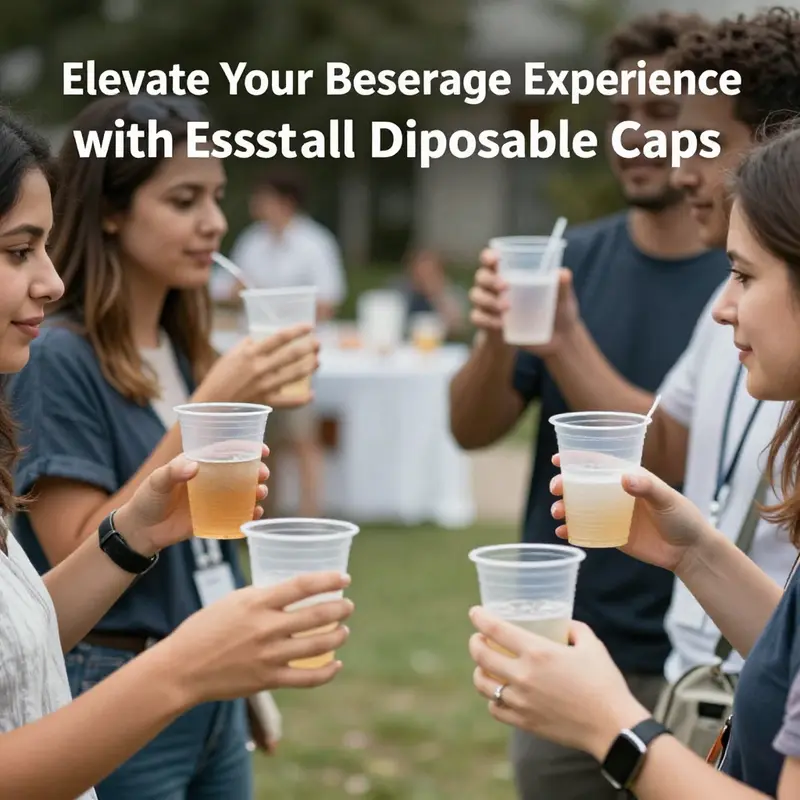
Essentials plastic tumblers sit at the crossroads of convenience, cost, and presentation. They enable reliable beverage service in large or small events without the fragility of glass. Their affordability extends from purchase to stocking, helping events scale up or down quickly. Durability and light weight reduce breakage and hazards, contributing to a safer environment and smoother service. The design supports leak resistance with lids or seals, making transport and on-the-go drinking more reliable. While disposable, many tumblers can be reused if cared for, offering a pathway to waste reduction when paired with proper cleaning and waste sorting. A range of sizes and styles lets organizers tailor beverage programs to different settings, from casual to semi-formal. The visual clarity of clear plastic enhances presentation and guest experience, while still requiring thoughtful waste management. For sustainability-minded hosts, paper-based or alternative options may be considered for specific contexts, and explicit planning around recycling or composting helps minimize environmental impact. In short, these tumblers are a practical choice when speed, reliability, and ease matter most, provided they are matched to the event’s needs and waste goals.
null
null
Plastic Tumblers Under the Microscope: Unpacking the Environmental Toll of Essentials Disposable Cups
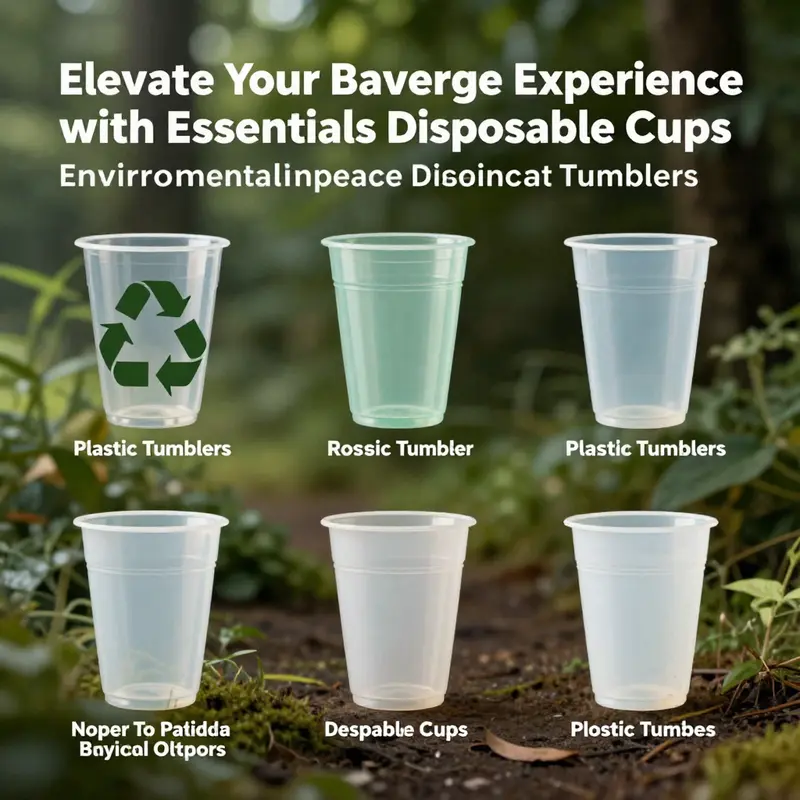
Plastic tumblers sit at the crossroads of convenience and consequence. They are prized for their clarity, lightness, and cost, making them a staple at events, offices, and casual gatherings. But the chapter of a disposable cup is longer than the brief moment it rests on a table. It begins with raw materials, travels through a factory and a logistics network, and ends in a waste stream that often outlives the encounter by decades or centuries. This chapter follows that arc, not to celebrate a product, but to illuminate how a single-use choice ripples through ecosystems, energy systems, and communities. The focus remains on the essentials—polypropylene and polystyrene tumblers, with their benefits and limits—while placing them firmly in a broader conversation about materials, waste management, and sustainable practice. The aim is to connect the everyday act of grabbing a cold drink with the larger challenge of reducing plastic pollution without sacrificing the hospitality experience that drives so many gatherings today.\n\nThe materials themselves reveal how an object as simple as a clear cup becomes an environmental signal. Disposable plastic tumblers are predominantly engineered from two resins: polypropylene (PP) and polystyrene (PS). The spectrum between these two is more than a technical footnote; it maps onto distinct environmental profiles. Polypropylene cups typically require less energy to produce than many plastics and, on balance, yield lower greenhouse gas emissions over their life cycle. Yet they still demand fossil fuel inputs and generate measurable emissions during manufacture, transport, and eventual disposal. Polystyrene, on the other hand, bears a heavier burden in several environmental metrics. Its production and post-use pathways are more prone to pollution concerns in some recycling streams, and it can produce toxic byproducts if incinerated. The practical implication for event planners is not a simple which is better, but a nuanced assessment of how material choice interacts with local recycling capabilities, waste sorting, and consumer expectations. The decision shapes the kind of end-of-life challenges a community will face, influencing the likelihood that cups themselves will be recovered and re-entered into productive cycles rather than ending up as litter or landfill. The contrast also underscores a broader truth: the visible appeal of a cup cannot be separated from the invisible costs embedded in its production and afterlife. In some cases, colorants, coatings, or other additives further complicate recyclability, nudging material flows toward less favorable outcomes even before a cup ever leaves the serving station. The chain from resin to residual waste is not a straight line but a braided path of supply chains, facility constraints, and regional policies that determine whether a cup is reprocessed, downcycled, or discarded.\n\nA robust look at the cradle-to-grave journey of these tumblers exposes the energy intensities and resource demands that accumulate with scale. Even in facilities designed to minimize waste, the production process consumes significant energy, uses water, and emits greenhouse gases. Transport adds another layer of carbon intensity, given the global reach of many hospitality supply chains. In recycling ecosystems, the picture becomes more complex. Polystyrene is frequently less welcome in curbside programs, and its recyclability varies widely by jurisdiction. Polypropylene enjoys broader acceptance in some regions, yet real-world performance depends on contamination levels, the presence of multilayer coatings, and the integrity of post-consumer streams. End-of-life outcomes are equally consequential. Hard plastics like PP and PS persist in landfills for long periods, resisting natural decomposition. In the environment, they can fragment into microplastics that pervade soils and waterways, with potential impacts on wildlife and, over time, on human health through exposure pathways. This reality reframes a casual snack or a party favor into a long tail of environmental stewardship, reminding us that decisions at purchase and use become responsibilities long after the event concludes. The rubble of discarded cups thus becomes a lens through which to examine waste governance, consumer behavior, and the design of a more circular economy. The literature consistently shows that disposal practices—whether a cup is recycled, incinerated, or landfilled—profoundly influence the overall environmental footprint. Yet the same body of work also highlights opportunities: improved sorting, better design for recyclability, and a shift toward materials and systems that align with local waste infrastructure. The UK Environment Agency’s comprehensive analysis serves as a key reference for these insights, offering a nuanced comparison across materials and end-of-life options. For readers seeking more depth, the report provides a structured view of how single-use cups perform in different waste contexts and what that means for policy and practice. The lesson is straightforward: the footprint of a disposable cup is a function of choices made from the moment of design to the moment waste is managed. A small change in material or in recycling capability can yield meaningful reductions in pollution, resource use, and energy demand over time. To translate this into everyday practice, communities and event organizers can pursue a balanced approach that respects both hospitality needs and ecological limits. This means recognizing when single-use cups are the most practical option and when reuse or alternative materials would deliver greater long-term benefits, always calibrated to local waste systems and cultural expectations. The conversation thus moves from abstract environmental metrics to concrete, context-sensitive decisions—where the cost to the planet is not counted in pennies saved, but in tons of avoided emissions, reduced resource extraction, and cleaner ecosystems. The result is not a single silver bullet but a spectrum of strategies that blend operational efficiency with environmental integrity, providing a framework for responsible hosting in a world still learning how to manage plastic in a post-pandemic, climate-conscious era. The practical implication for organizers is to build waste-aware routines into event planning: clear labeling for waste streams, accessible collection points, and staff training that emphasizes the value of recycling and proper disposal. These steps, while small, accumulate into meaningful reductions in the volume of cups that escape capture and into a culture that treats disposable items as a temporary footprint rather than a perpetual problem. In this way, the choice of a cup becomes part of a broader conversation about how societies meet social needs without compromising the ecological foundations on which future gatherings rely. The chapter’s throughline is clear: better materials decisions paired with smarter waste management can align convenience with responsibility, enabling celebrations that are as mindful as they are memorable. As brands and venues experiment with new designs and better systems, the conversation continues to evolve toward solutions that honor both people and the planet. The challenge remains to translate insight into practice, to ensure every cup used in a public setting is accounted for, recovered, or replaced with options that minimize harm while preserving the social rituals we so value. A practical takeaway is to recognize that small, repeatable actions—sorting, reducing, reusing when feasible, and choosing designs that favor recyclability—add up to a significant ecological dividend over time. The environment benefits when the hospitality sector embraces a more holistic view of cups—one that weighs cost against consequence and invites continuous improvement rather than static adherence to old habits. The path forward involves collaboration among suppliers, event organizers, waste managers, and policymakers to align product design with the realities of local recycling ecosystems and to encourage innovations that keep cups in productive cycles rather than in the waste stream. In shorthand: a better cup is not just a more attractive cup; it is a cup that is easier to recover, reuse, and reintegrate into the economy, reducing the overall burden on resources and ecosystems. For readers who want a concrete example of this shift, consider biodegradable or kraft-paper-based options that illustrate how packaging can be both functional and more environmentally attuned, provided local facilities support composting or proper separation. See the related product example here: disposable-biodegradable-kraft-paper-matt-lamination-clear-plastic-combo-pastry-dessert-tiramisu-cake-food-container-packaging. This linkage demonstrates how design and material choice can respond to the realities of waste streams and municipal capabilities, a theme that echoes throughout this chapter and across the broader discussion of essentials disposable cups. The interplay between material science, waste management, and consumer behavior remains the fulcrum on which future improvements will pivot, guiding the transition from disposable habit to sustainable practice. For those seeking deeper context on lifecycle impacts and policy implications, the UK Environment Agency’s report provides a rigorous, accessible synthesis of how cup materials compare across heat, moisture, durability, and end-of-life pathways. It is a reminder that the environmental toll of a simple cup is a collective outcome—one that we determine together through choices, investments, and shared responsibility. https://www.gov.uk/government/publications/environmental-impact-of-disposable-cups
Shaping a Cleaner Pour: Innovations in Plastic Tumblers and the Pursuit of Sustainability
Disposable plastic tumblers have long been the workhorse of casual gatherings, corporate events, and quick-service hospitality. They are lightweight, clear, and affordable, designed to survive the rough-and-tumble of event logistics while keeping beverages visually appealing. Yet beneath their practical sheen lies a swelling conversation about performance and responsibility. The modern disposable cup is increasingly envisioned not as a single-use stopgap, but as a element of a broader system that prizes safety, convenience, and, crucially, a reduced environmental footprint. In this evolving landscape, innovations in material science and product design are pushing disposable cups toward new thresholds of durability, customization, and sustainability, especially for cold beverages where clarity and rigidity are most valued. The interplay between these demands—efficiency, consumer experience, and ecological accountability—shapes every layer of the cup’s journey from factory floor to event table and eventually to disposal streams or end-of-life processing.
At the core of these developments is a pragmatic truth about materials. Traditional petroleum-based plastics—valued for clarity, stiffness, and shatter resistance—remain popular for cold drinks. They resist squashing in car trunks, stay transparent under bright event lighting, and hold up to carbonation without deforming. But as brands and venues seek to minimize waste, there is a growing willingness to blend classic performance with newer material choices. Plant-derived options and biodegradable formulations are entering the conversation, not as a radical replacement, but as complementary strands in a tapestry of choices that balance transportability, safety, and environmental considerations. The result is a spectrum where a clear, rigid cup can still support high-volume use, while an alternative composition offers improved end-of-life outcomes or reduced carbon intensity in the supply chain.
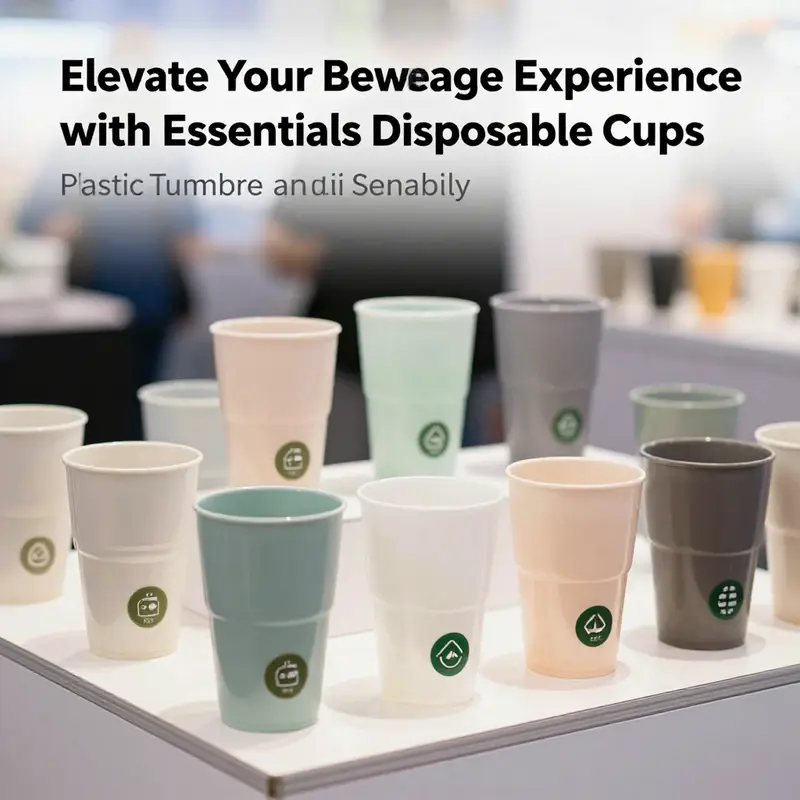
Material science is stepping up in tangible, design-driven ways. New generations of cups are engineered for enhanced temperature resistance and durability, addressing the older tension between biodegradable materials and rigid performance. These advances often hinge on advances in barrier coatings, animation of molecular structures, and processing techniques that yield consistent wall thickness and strength. The goal is not merely to resist cracking when dropped or stacked, but to hold up under the repeated handling and pouring sequences typical of events, while remaining compatible with common recycling or composting streams. Simultaneously, manufacturing capabilities are enabling greater customization without compromising integrity. Vibrant colors, intricate patterns, and even luxury finishes—think shimmering rims and metallic accents—can be embedded into disposable cups to align with branding or thematic aesthetics. These aesthetics, once reserved for reusable glass or high-end serveware, are now replicated in single-use formats, letting organizers deliver a preserved premium feel even in disposable contexts.
A notable design direction is the integration of features that transplant the feel of a reusable tumbler into a disposable format. Leak-proof lids that fit snugly and ergonomic, easy-grip textures on the cup body show how low-end convenience can approximate the confident handling of a durable tumbler. Double-walled insulation, while more common in higher-end products, is being explored in disposable lines to help beverages stay cooler longer and to reduce perspiration on the exterior. In parallel, improved lid designs reduce spill risk, a crucial consideration during bustling service at large gatherings. These advancements collectively widen the performance envelope of disposable cups, letting them better support hot or cold drinks, while keeping the single-use paradigm intact when that is the chosen option.
But performance without sustainability is no longer acceptable in many markets. The industry’s rhetoric has shifted from “function first” to “responsible functionality,” with a growing array of materials and lifecycle strategies aimed at reducing waste and environmental impact. Biodegradable and compostable options, for instance, are being developed with clearer disposal pathways in mind. Where feasible, these materials are engineered to break down in composting environments or under specific industrial conditions, rather than persisting indefinitely. Yet these same cups must still deliver the clarity, rigidity, and taste-neutrality that consumers expect for beverages ranging from sparkling water to iced tea and juice. The challenge is to strike a balance: ensuring material properties that satisfy the beverage experience, while also aligning with consumer and regulatory expectations around end-of-life outcomes.
Recyclability remains a central axis of sustainability. Some innovations focus on simplifying compositions to improve recyclate value, minimizing multi-material barriers that complicate sorting. In others, cups are designed for compatibility with widely accessible recycling streams or for curbside composting where available. Certifications and standardized labeling help guide consumers to the correct disposal path, a critical step in converting packaging choices into tangible environmental benefits. The shift toward recyclable or compostable designs is not just about material choice; it also encompasses packaging ecosystems, supplier transparency, and clear communication with users about how to dispose of the cup after its last pour.
From a branding standpoint, the versatility of disposable cups has grown with the demand for on-brand experiences at events, pop-ups, and promotional campaigns. The same event might showcase a clear or frosted cup that highlights a vibrant liquid color, while another scene calls for metallic rims, subtle texture, or a minimalist silhouette. The convergence of durability, aesthetics, and sustainability makes disposable cups more than vessels; they become tangible touchpoints for a brand narrative. In this context, the ability to customize—whether through color, pattern, or even logo printing on the cup—adds value, turning a simple serviceware choice into a branding opportunity without the heavier costs of traditional reusables.
The conversation around innovations in plastic tumblers also intersects with consumer behavior and education. Even the most advanced material can underperform if disposal practices are misaligned. Clear guidance on recycling or composting, coupled with transparent disclosures about material composition and end-of-life expectations, helps consumers participate in sustainable outcomes. In markets where take-home cups accumulate after an event, the materials’ fate matters. If a cup is designed to be recyclable, but the local infrastructure does not support such recycling, the benefit is diminished. Conversely, a compostable option paired with a compatible facility can realize real environmental gains. Manufacturers and venues increasingly recognize this, designing products and messaging to align with the realities of local waste streams and infrastructure.
The push for smarter, cleaner design also invites collaboration across the supply chain. Material suppliers, cup manufacturers, brand owners, waste processors, and regulators all influence how innovations translate into real-world impact. Lifecycle thinking—assessing raw material sourcing, manufacturing energy use, transportation emissions, user experience, and end-of-life processing—becomes a core framework for decision-making. Companies that transparently share data about energy intensity, recyclability, and post-use outcomes can build trust with customers who want practical, scalable solutions. In practice, this means selecting materials with lower embodied energy where possible, optimizing packaging to reduce weight and volume, and designing for modularity in branding options so a single platform can support multiple event types with minimal waste.
As innovation accelerates, the line between disposable and reusable continues to blur in helpful ways. Some models prioritize temporary stacking robustness and spill resistance so that cups can perform reliably in lively social settings, while others push toward post-use recoverability through better separation of materials and improved access to recycling streams. The aim is not to force a false dichotomy between sustainability and convenience but to offer a spectrum of choices that meet different use cases. In many cases, this means pairing a high-performance cup with a clear, efficient disposal pathway, even when the cup is used only once at a large gathering.
For readers seeking deeper technical insight into material specifications and performance benchmarks, industry guides and supplier resources provide a practical starting point. A comprehensive overview of high-quality plastic tumbler cup options, including a discussion of material properties, processing methods, and end-of-life considerations, can be found in widely used reference guides and trade publications. These resources help practitioners compare clarity, rigidity, heat resistance, and compatibility with branding techniques across a range of disposable cup formats. As the field evolves, such guides expand to include new bio-based polymers, barrier technologies, and lifecycle analyses, making it easier to align product choice with sustainability goals while preserving the user experience that makes disposable cups so appealing at events.
Within the broader discourse on sustainability, it is worth noting a practical reminder: even with innovations, single-use cups contribute to waste streams, and responsible disposal remains essential. When possible, choosing reusables for regular service where feasible, or selecting compostable or recyclable formats that align with local waste management capabilities, can substantially affect environmental outcomes. The trend toward smarter design—second-generation biodegradable materials, recyclable constructs, and better branding customization—signals a future where the essential disposable cup can serve both the moment and the planet with greater poise. Readers and practitioners will benefit from staying informed about evolving standards, new material families, and improving waste-management infrastructure as they navigate the balance between performance, cost, and responsibility.
As a practical takeaway, event planners and hospitality professionals can begin by cataloging their typical beverage offerings, the expected volumes, and the local disposal landscape. From there, they can evaluate options that maximize the cup’s functional fit—clarity for beverages, durability for handling, and compatibility with a disposal stream that supports sustainable outcomes. In this ongoing evolution, the cup remains both a consumer touchpoint and a canvas for innovation, a small but meaningful arena where design, physics, and environmental stewardship converge. For readers who want to explore further, internal resources on eco-friendly disposable paper cup options can offer context about branding and sustainability in related disposable formats, such as eco-friendly printed logo paper cups, which illustrate how branding and environmental considerations can coexist across cup types. eco-friendly printed logo paper cups
External references can provide a broader technical backdrop for these design decisions. For a detailed technical guide covering material properties, processing methods, and performance benchmarks in plastic tumbler design, consult industry literature and supplier reference materials available through established market guides. An authoritative external resource that delves into high-quality plastic tumbler specifications and related topics is available here: https://www.alibaba.com/product-detail/A-Complete-Guide-to-High-Quality-Plastic_1600485278379.html. This guide complements hands-on testing and field experience by outlining material choices, safety considerations, and the trade-offs that shape the modern disposable cup landscape, helping practitioners make informed decisions that balance experience, cost, and environmental impact.
Final thoughts
Essentials disposable cups, particularly plastic tumblers, are more than just a practical solution for beverage service—they embody convenience, style, and accessibility for a wide range of businesses. Their varied types and designs cater to the unique needs of bubble tea shops, restaurants, food trucks, and event planners, making them essential for creating memorable service experiences. While considering their environmental impact is vital, advancements in eco-friendly materials and recycling options pave the way for a more sustainable future. By choosing the right plastic tumblers, businesses can not only elevate their beverage offerings but also contribute positively to the environment. Now is the time to embrace the practicality and aesthetic appeal of essentials disposable cups as you meet the demands of your customers with style and responsibility.