
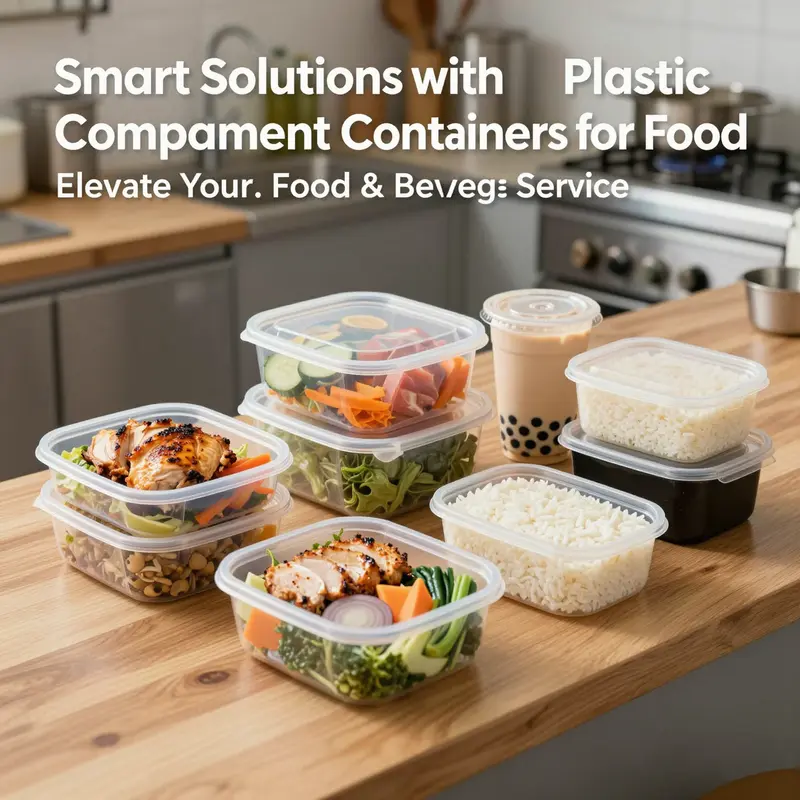
Plastic compartment containers for food have become an indispensable asset in the foodservice and beverage industry. Their ability to keep diverse food items separated, maintain freshness, and optimize storage space makes them an ideal choice for bubble tea shops, restaurants, food trucks, catering services, event planners, and corporate procurement teams. Selecting the right container is about balancing durability, safety, and design to meet specific business needs. This guide explores the essential materials and safety standards that guarantee product reliability, delves into the innovative design features enhancing functionality, and highlights typical applications across diverse foodservice settings. We pay close attention to environmental and health considerations to ensure sustainable and safe use. Lastly, industry trends and commercial options will empower you to make informed purchasing decisions that elevate both efficiency and customer satisfaction.
Materials, Safety, and the Quiet Architecture of Safe Multi-Compartment Food Containers
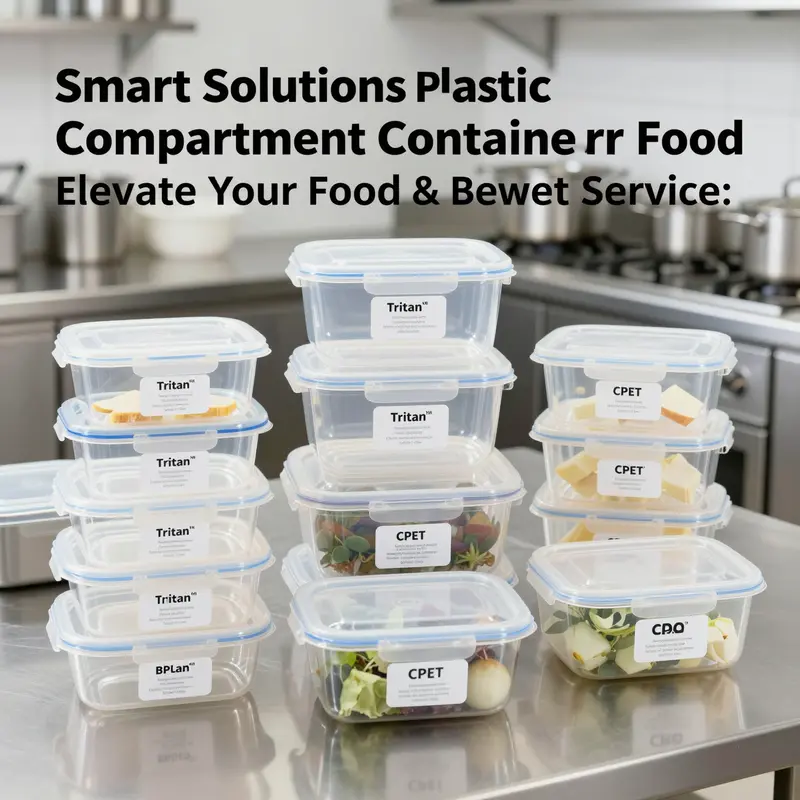
The material choices behind plastic compartment containers for food are not mere technical details; they shape safety, performance, and how meals travel from kitchen to table. In modern kitchens and busy operations, a tidy, organized plate rests on careful engineering of plastics. A well-designed multi-compartment container balances keeping proteins, grains, and vegetables separate with the demands of reheating, washing, and storing. At the core are a handful of material families, each with virtues and caveats, that together form a practical spectrum for different use cases. Understanding these nuances helps cooks and operators choose containers that preserve flavor, texture, and safety without surrendering convenience.
Among common materials is polypropylene (PP). PP is valued for its relatively high melting point, making it microwave-safe and dishwasher-safe. The chemical stability of PP under typical kitchen conditions resists warping and staining, supporting repeated use and long life cycles. PP can offer clear or glossy finishes that enhance the visual appeal of the food in its compartments.
Polystyrene (PS) is another option, especially in foam-style configurations that provide lightweight insulation for hot meals and soups. The low mass makes it attractive for disposables and takeout, but tradeoffs include odor absorption with repeated use and environmental concerns prompting shifts toward more sustainable alternatives.
High-density polyethylene (HDPE) rounds out the trio of common plastics. HDPE is strong and impact resistant, with chemical inertness for a broad range of foods, making it durable for larger, rugged containers used in bulk storage or institutional settings.
Crystalline polyethylene terephthalate (CPET) provides a robust moisture and gas barrier and rigidity for freezing conditions. The barrier properties and thermal performance can be tuned to fit different matrices, from delicate proteins to starchy sides, while maintaining separation across compartments.
Safety and regulation: Government agencies provide guidelines for materials contacting food to prevent leaching, with emphasis on compliance and standardized performance. When manufacturers describe compliance, they usually reference FDA or EFSA standards and use materials with established safety data. The guidance underscores using containers for their intended temperatures and foods, and not applying heat or storage methods outside specified ranges. In practice, choosing the right material helps preserve flavor and texture, supports easy cleaning, and reduces waste through durability and recyclability.
Design as a Driver of Freshness and Space Efficiency in Plastic Compartment Containers for Food
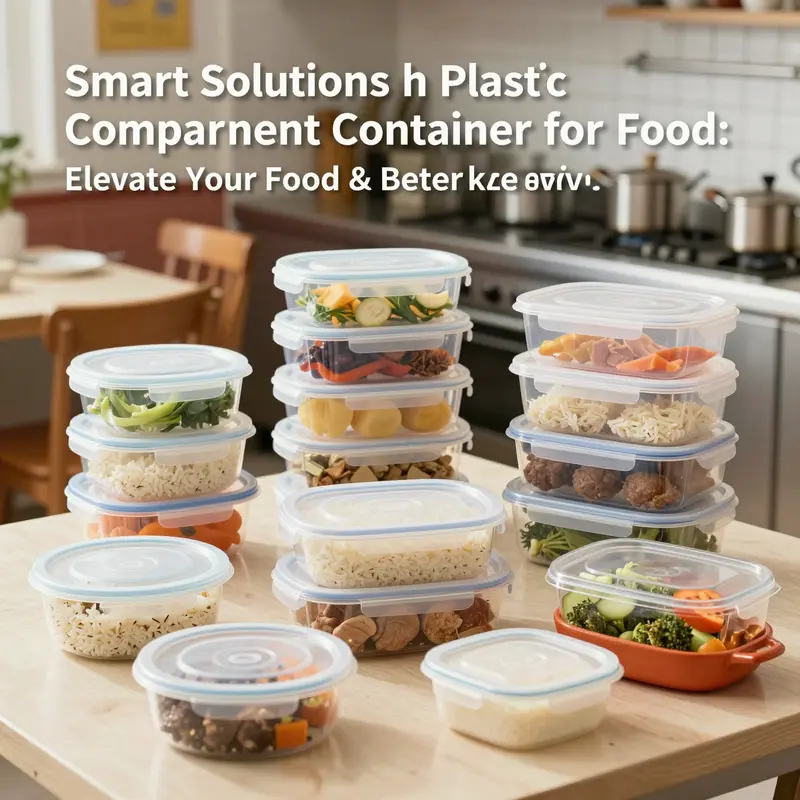
In modern kitchens, the humble plastic compartment container for food reveals itself as more than a simple receptacle. It is a deliberately designed instrument for orchestrating meals, preserving freshness, and streamlining storage. The idea behind these containers is straightforward: separate the elements of a meal yet keep them accessible, portable, and ready to eat. This modular mindset shapes how we plan, prep, and portion food, turning what could be a chaotic collection of containers into an orderly system. The compartments, often arranged in a three-, four-, or even five-section layout, function as tiny, dedicated rooms inside a single vessel. They keep proteins from overpowering delicate greens, sauces from washing over starch, and spices from masking the subtle aromas of other ingredients. The result is not just cleaner presentation; it is better flavor integrity, easier portion control, and a practical path to balanced meals for busy lifestyles. The design logic here integrates several threads: material science, sealing technology, geometric efficiency, visual clarity, and user behavior. Each thread reinforces the others, creating containers that feel almost invisible in use while delivering measurable benefits in freshness retention and space optimization. The choice of material anchors this logic. Food-grade plastics, especially polypropylene and copolyester variants, have become the standard because they blend safety with performance. Polypropylene offers durability and heat resistance, making it capable of withstanding the daily cycles of reheating and washing that a modern meal-prep routine demands. CPET, with its combination of clarity and heat stability, provides an attractive alternative for items that might be served near the borderline of hot and cold storage. Clarity matters. A transparent wall lets a user identify contents at a glance, reducing the need to open lids and disturb the seal. This is particularly valuable in a busy kitchen where decisions must be made quickly, whether for a family meal or a batch of grab-and-go lunches. Yet the design is not about visibility alone. It is about preserving the right conditions inside each compartment. Airtight seals and locking lids are central features. They do more than keep moisture at bay. They prevent leaks, protect against cross-contamination, and lock in the flavors and textures that define a well-prepared dish. When a container is sealed properly, sauces can travel without runaway splashes, soups can be stored alongside solid foods without fear of mingling, and leftovers can be preserved with a safety margin that reduces waste and the need for frequent repackaging. These sealing strategies naturally feed into broader use cases. For many, the containers serve as meal-prep workhorses, enabling portion-controlled meals that align with dietary plans such as high-protein, low-carb, or balanced macro goals. The compartments make it easier to plate a complete meal with distinct sections for protein, whole grain or starch, vegetables, and a small portion of a sauce or dip. The psychological impact of visible organization is real: when portions are premeasured and visible, adherence to a plan becomes simpler and more habitual. The design variations further reinforce this versatility. Shapes come in square, rectangular, or round forms, each chosen for a practical reason. Square and rectangular geometries maximize refrigerator and cabinet real estate. They nest efficiently when empty and stack securely when full, a small but meaningful space saver in kitchens where every inch matters. Round formats, by contrast, excel for liquids and foods that mix or that benefit from easier washing around curved corners. In addition to shape, surface design matters. Clear, flat walls simplify labeling and dating, a practice that supports careful meal planning and freshness tracking. Some lids provide flat, stampable zones for dates or ingredients, a detail that can reduce clutter on shelves and inside refrigerators. Stackability is another strength. Modern containers often embrace modular components that enable customizable configurations for different meals or serving sizes. A nested system can hold several days’ worth of meals in a compact footprint, while still allowing quick access to any single section without disrupting the others. The practical outcomes extend beyond home kitchens. In commercial and institutional settings, the same design principles apply, but at a larger scale. Hygiene and reuse are central to operations that value cost efficiency and sustainability. A well-designed multi-compartment container supports rapid turnover, simplifies portion control for catering, and minimizes waste by keeping items divided and properly sealed. The materials chosen are simultaneously robust and safe. Recyclability and compliance with food-safety standards are not afterthoughts but core requirements. The shift toward BPA-free manufacturing and FDA-compliant production reflects a growing consumer and regulatory emphasis on safety, cleanliness, and responsible use. If we look beneath the surface, however, a more human-centered set of considerations emerges. Cleaning remains a consistent challenge. Sharp corners and intricate junctions can trap stubborn particles and odors over time. This is not merely a maintenance issue but a hygiene one, especially for repeat use in daily routines. Designers respond with smoother transitions between compartments and easily cleanable corners, while manufacturing choices steer toward materials and finishes that resist staining and odor absorption. Yet even with careful design, heat and repeated washing can eventually lead to warped lids or softened seals. Guidance from manufacturers—such as avoiding prolonged exposure to extreme heat and following recommended microwave or oven use—helps extend life without sacrificing safety. The conversation around these containers also intersects with broader environmental and ethical considerations. The rise of reusable, recyclable plastics aligns with ecological awareness, while the insistence on food-grade, BPA-free materials reassures users about safety. This is more than a matter of convenience; it reflects a shift toward responsible consumption and waste reduction. The capacity to reuse, rather than dispose of, box after box makes a difference in how households manage shopping, cooking, and leftovers. In practice, this means users can take advantage of the design’s benefits without falling into patterns of careless disposal or unnecessary waste. The core takeaway is that these containers are designed to support a healthy cycle of preparation, storage, and reuse. They are not passive vessels but active enablers of better eating habits, safer handling, and more orderly kitchens. The combination of durable materials, intelligent compartmentalization, and user-centered features gives plastic compartment containers their enduring appeal. They meet the needs of a modern kitchen by balancing portion control with flavor integrity, offering a practical tool for families, professionals, and institutions alike. As we move forward, the ongoing refinement of materials, sealing technologies, and geometric configurations will likely continue to push the envelope. Advances may include even more efficient nesting systems, easier-to-clean corner radii, and seals that maintain their integrity longer under frequent reheating and washing. The overarching arc remains clear: design choices that honor safety, efficiency, and simplicity will shape how we interact with food on a daily basis. This is why plastic compartment containers persist as a core solution in meal preparation, storage, and transport. They transform a simple need—keeping food organized—into a cohesive practice that supports healthier eating, reduced waste, and more streamlined workflows in both home kitchens and commercial environments. For readers seeking deeper technical context, reference materials from leading packaging guides emphasize the safety, performance, and environmental considerations that underpin these containers, underscoring why material choice and sealing design matter so much in practice. External research confirms that a thoughtful blend of polypropylene or CPET, airtight lids, and clear walls creates a reliable platform for nourishing meals across a variety of settings. External resource: https://www.plasti.com/technical-guides/plastic-compartment-containers
Flavor and Order: The Expansive Reach of Multi-Compartment Plastic Containers in Food Storage and Service

Plastic compartment containers have become a quiet backbone of modern food routines, translating a simple idea—the separation of components—into a reliable practice across homes, kitchens, and retail settings. Their hallmark is the clear, practical logic of multiple dedicated spaces within a single shell. This design supports portion control, preserves the integrity of diverse items, and promotes orderly presentation from prep to plate. In daily life, that logic translates into meals prepped on Sundays, grab-and-go lunches at the office, and well-organized take-out or delivery experiences. In commercial landscapes, it underpins buffet stations, catering trays, and ready-to-serve platters where speed, hygiene, and consistency matter as much as taste. The appeal is not just convenience; it is a coherent system that aligns with how peoplethink about food preparation, storage, and transport, turning potential chaos into predictable outcomes.
At the heart of these containers is a simple but powerful premise: keep foods in their own lanes. Proteins stay firm, grains remain fluffy, vegetables retain color and moisture, and sauces stay where they belong. The compartments discourage cross-flavor mingling, which is especially valuable for mixed meals and for households with children or guests who have specific dietary needs. The separation also supports balanced nutrition by making it easier to visualize portion sizes and to assemble complete meals with measured quantities of each component. When meals are prepared ahead, that separation becomes a planning tool rather than a logistical afterthought, enabling individuals to portion, label, and refrigerate without sacrificing the sensory qualities of individual items.
Beyond personal kitchens, the reach of these containers extends into professional spaces where efficiency and consistency are essential. In commercial kitchens and catering operations, standardized multi-compartment formats streamline workflows. Chefs can portion ingredients or finished dishes into uniform receptacles, which aids inventory control and labeling while maintaining uniform presentation during service. In buffet and catering contexts, the segmented design offers a visually appealing display where guests can clearly see different components. Airtight or snap-on lids further enhance this functionality by preserving freshness during transport and protecting against leaks during service or movement. The lids also facilitate stacking, which is a practical feature in busy facilities that need to maximize storage and minimize space consumption.
Delivery services have amplified the importance of reliable compartment design. When meals travel, the container’s ability to keep items separate, retain texture, and prevent spillages becomes a critical factor in customer satisfaction. A well-sealed, multi-compartment system can help preserve the integrity of rice or pasta, crisp vegetables, and delicate sauces from the kitchen to the doorstep, where heat and handling could otherwise degrade quality. In industrial packaging and processing, standardized plastics—selected for their safety certifications and stability—support efficient throughput, labeling, and compliance with regulatory expectations. The ability to reuse or recycle these containers adds to their appeal in systems that prioritize waste reduction while maintaining product safety and presentation.
Material choice is central to the story of these containers. Food-grade plastics such as polypropylene, durable copolymers, and crystallized PET variants provide a balanced equation of safety, clarity, and resilience. The emphasis on BPA-free and FDA-compliant manufacturing reflects ongoing consumer and regulatory pressures to minimize potential health risks while sustaining practical performance. Clarity remains valuable for visual inspection of contents, yet the real strength lies in how the material holds up under common kitchen stresses: resistant to cracking or warping, able to tolerate repeated cycles of washing, and compatible with warming or cooling processes within defined temperature ranges. The interplay between clarity, strength, and safety makes the choices behind these containers a focal point for designers seeking to extend shelf life without compromising the sensory experience of the food inside.
This practical elegance also has a spatial dimension. The modular form aids nesting and stacking—empty and filled—so cabinets, refrigerators, and workstations stay organized. Nesting reduces the footprint during storage, and stacking improves bulk handling during transport or service. For households, this translates into crisper storage and easier access, as well as more efficient use of space in compact kitchens or lunch-packing routines. In settings with high throughput, such as cafeterias or meal-prep studios, the space-saving geometry translates into tangible logistics benefits, allowing more meals to be prepared, stored, and served with a consistent look and feel. The visual uniformity of matched containers also simplifies inventory tracking and reduces the cognitive load on staff who must quickly identify contents or expiration markers.
Care and cleaning are practical considerations that influence long-term satisfaction with these systems. The likelihood that food particles collect in corners or seams underscores the need for thoughtful design and conscientious cleaning practices. Proper material choices help resist staining and odor absorption, but no container is entirely immune to these challenges. Users often find that routine, thorough cleaning—employing appropriate washing cycles and avoiding extreme heat beyond specified limits—helps maintain both function and appearance. The ability to withstand repeated dishwasher cycles or microwave reheating, when approved for such use, adds a layer of convenience that aligns with busy daily rhythms. Still, the best outcomes come from clear manufacturer guidance and sensible operating practices, ensuring that the container’s performance endures across months of meal prep, service, and storage.
Sustainability and responsibility thread through the discussion as well. Reusability is a core virtue, with modular containers enabling households and businesses to reduce single-use packaging. When coupled with recyclable plastics and clear labeling about material safety and end-of-life options, these containers become practical, low-friction components of a broader move toward more sustainable eating habits. The balance between reuse and recyclability is not merely a material issue; it is a design ethos that influences consumer behavior. When users can reliably clean, store, and reuse containers without degradation, they are more likely to integrate them into routine practices, reinforcing a cycle of reduced waste and better meal management. Yet, transparency about care, storage, and disposal remains critical so that ecological benefits are realized in real-world use rather than as theoretical gains.
Despite the advantages, challenges persist. The corners and crevices of compartments can trap small food remnants, making cleaning more labor-intensive than anticipated. Odor retention is another risk, particularly with aromatic components or sauces. These concerns have steered improvements in sealing technology, material formulations, and seal geometries that resist residue buildup while maintaining an airtight barrier. The overall design objective is to deliver a package that feels effortless to use: easy to fill, easy to seal, and easy to clean, with enough resilience to withstand the daily rigors of kitchen life and the unpredictability of on-the-go dining.
In practice, these containers epitomize a philosophy that values both order and flexibility. They enable meal-prep routines that align with personal health goals, dietary restrictions, and time pressures. They support the routine of batch cooking, portion-controlled lunches, and planned leftovers, turning what could be a chaotic mix of ingredients into a disciplined system that respects texture, temperature, and taste. The capacity to accommodate a range of shapes and sizes—rectangular, square, or round—and a variety of compartment configurations allows kitchens and households to tailor the approach to their specific workflows and storage realities. In the broader arc of food preparation and consumption, multi-compartment containers represent more than containers; they are practical conveyors of habit, choice, and care about what we eat, how we store it, and how it travels from kitchen to table.
For readers seeking to connect practical usage with broader food-systems literacy, the implications extend beyond daily routines. Embracing well-designed, multi-compartment containers can influence shopping behavior, meal planning, and dietary adherence. The ability to visualize portions, control servings, and maintain freshness supports a more intentional approach to eating. It is not just about convenience; it is about aligning everyday practices with health, efficiency, and environmental awareness. The result is a living example of how design shapes behavior, and how simple containers can ripple outward to affect nutrition, logistics, and sustainability in meaningful ways. In this sense, the role of these containers transcends mere packaging; they become tools for a more organized, thoughtful approach to food across diverse contexts.
For those who want to see how this practice translates into tangible choices in the real world, a practical illustration lies in the everyday container that pairs a secure lid with a well-segmented interior. Such a setup exemplifies how a single shell can support a complete meal—portioning, preserving, transporting, and presenting with minimal fuss. This is the essence of the category: a designed harmony between form and function that makes food management easier while keeping flavor and texture intact. The ongoing evolution of materials, manufacturing standards, and consumer expectations will continue to refine these containers, ensuring they remain a dependable core asset in homes and workplaces alike. As the landscape of food storage and service evolves, these modular systems will likely adapt to new needs, new safety standards, and new aesthetic preferences, all while preserving the fundamental advantages of separation, security, and space efficiency.
External reference for safety standards and regulatory context supports the practical adoption of plastic containers in food systems. For safety and regulatory context, see the FDA guidance on food contact materials and plastic container standards: https://www.fda.gov/food/food-packaging-and-labeling/food-contact-materials-plastic-container-standards
Compartmentalized Considerations: Health Risks, Environmental Footprints, and the Future of Plastic Food Storage Containers

The modern kitchen often relies on plastic compartment containers to organize meals, portion out ingredients, and transport food with minimal mess. Their rectangular or square forms, divided into several discrete pockets, are designed to keep proteins separated from grains and vegetables, while their compact stacking makes efficient use of cabinet and freezer space. Beneath this everyday practicality lies a complex conversation about how these containers perform in real life, not only in terms of convenience but also in health and environmental impact. Material choice matters, as polypropylene and other common plastics are selected for food safety, clarity, and durability. When used as directed—avoiding exposure to extreme heat, persistent contact with acidic or fatty foods, and damage from rough handling—these containers can safely support routine meal prepping, storage, and reheating. Yet the safety profile is not absolute, and the conditions of use can alter how these plastics behave once in contact with food. The narrative, then, moves beyond convenience into the realm where chemistry, consumer behavior, and waste management intersect, shaping a more nuanced understanding of what “safe” and “sustainable” really means in everyday storage solutions.
The health considerations revolve largely around the potential for microplastic release and chemical migration. Polypropylene and polyethylene, two of the most common base materials for these containers, are generally deemed safe for food contact when maintained within recommended temperature ranges and not subjected to long-term, high-heat exposure. This is not a guarantee of immortality for the plastic, however. Repeated use, thermal cycling, and the physical wear of lids and seals can create micro-abrasions on surfaces where microscopic particles may detach and migrate into food. The literature on microplastics emphasizes that the rate of particle release increases under thermal stress and with harsher cleaning regimens. In practical terms, a container that tolerates ordinary microwave reheating and dishwasher cycles may still shed particles if its integrity begins to fail through cracks, warping, or stiffened seals from repeated use. The health narrative is further complicated by additives and processing aids that may be used in the manufacturing of these plastics. While many of these additives are screened for safety by regulatory authorities, their behavior under certain conditions—such as when fatty or acidic foods are held for extended periods—remains a point of ongoing inquiry. This is not a call to abandon plastic altogether but a reminder that safe use depends on informed handling, mindful storage durations, and attention to the condition of the container. A practical implication emerges: for high-temperature reheating or for storing highly acidic sauces, many guidance documents encourage shifting toward materials with more inert profiles and lower potential for leaching, or toward containers designed to minimize contact between aggressive foods and plastic surfaces.
From an environmental viewpoint, these containers contribute to a broader dialogue about plastic lifecycle, end-of-life fate, and the systems we rely on for recycling. Even when plastics are technically recyclable, the journey from curbside bin to recycled resin is riddled with challenges. Contamination during use—such as food residues, grease, or incompatible labeling—can compromise recycle streams. In some regions, recycling infrastructure remains uneven, leading to materials ending up in landfills or the environment despite an initial intention to recycle. The commonly cited codes for recyclability—PP often carrying a code associated with polypropylene and PET variants as widely accepted in many systems—do not guarantee universal acceptance. The lightweight design that makes these containers easy to transport and store also contributes to litter risk, as small items can travel long distances in wind and water before entering ecosystems. The persistence of plastics in the environment means that, even when containers are properly disposed of, fragments can accumulate in soils and waterways, slowly fragmenting into microplastics that enter food chains. This reality has sharpened the push toward safer alternatives and more robust waste management policies, alongside efforts to design products that are easier to recycle, reuse, or repurpose.
Within this environmental frame, newer pathways emphasize safer material choices and design innovations. Some advocates prioritize glass, whose non-porous surface resists odor, flavor migration, and leaching, and who offers a long, inert storage life with minimal risk of microplastic release. Glass is not without trade-offs; its weight, fragility, and higher energy costs for production and transport can temper its universal adoption for every use case. Stainless steel and bamboo-based systems are also gaining traction as durable, reusable options that can withstand daily handling while reducing reliance on single-use plastics. In every case, the underlying principle is clear: the safest choice is to minimize exposure to plastic where possible, especially for infants, pregnant individuals, and populations with higher sensitivity to environmental contaminants. Yet for many households, plastic remains a practical compromise, particularly in contexts where space is at a premium, where temperatures and handling practices are varied, and where the economics of safer alternatives remain a consideration.
For consumers who continue to use plastic compartments, certain best practices can help bridge safety and sustainability. First, select containers labeled BPA-free and made from high-quality plastics designed for repeated use. While these designations signal safer profiles, they do not absolve users from following usage guidelines. Do not heat plastic containers with tight lids sealed; venting is important to avoid pressure buildup and potential deformation that can create new crevices for food particles to lodge and for microplastics to detach. Second, avoid storing highly acidic or fatty foods for extended periods, especially if the container shows signs of wear. Third, inspect containers regularly for cracks, warping, or degraded seals, and retire any item that shows compromise. Fourth, rinse promptly after use and adhere to manufacturer recommendations for dishwasher or microwave compatibility. These steps help safeguard food quality and reduce cumulative exposure to microplastics or additives.
A nod toward responsible consumption also involves seeking packaging options that align with broader ecological goals. In this context, a concrete example of safer design thinking is the shift toward packaging that reduces reliance on single-use plastics and supports recyclable or compostable end-of-life pathways. For households seeking safer packaging alternatives while maintaining convenient meal storage, it can be instructive to consider options described in industry examples of eco-friendly, PLA-coated or kraft-based packaging that aim to balance functionality with a lower environmental footprint. For readers exploring such choices, a representative example of this direction can be explored through the following packaging concept: disposable eco-friendly kraft box with PLA coating for fast-food packaging. This link illustrates how design and material decisions interlink to reduce environmental impact while preserving practical utility, though it also highlights that alternatives may carry their own sets of tradeoffs—such as production energy requirements, end-of-life handling, and consumer adoption rates.
The broader scientific discourse, including contemporary syntheses of health and environmental risk, reinforces the need for an informed approach to plastic storage. The recent synthesis on microplastics from food packaging emphasizes that human exposure can occur through multiple pathways, and that mitigation requires a combination of safer materials, better product design, and stronger waste-management frameworks. It also underscores the importance of consumer education and policy innovations that align manufacturing realities with ecological and health objectives. In sum, plastic compartment containers function well within their niche, but their continued use calls for a deliberate balance among safety, practicality, and sustainability. The path forward will likely involve a mix of safer material choices, smarter product design to minimize particle release, and a robust shift toward circular economy models that close the loop on plastic waste rather than fragmenting it into the environment.
External reference: Microplastics from food packaging: An overview of human consumption, health threats, and alternative solutions. https://www.mdpi.com/2071-1050/15/2/1468
Sealed for Growth: Navigating Market Momentum and Global Access to Plastic Multi-Compartment Food Trays
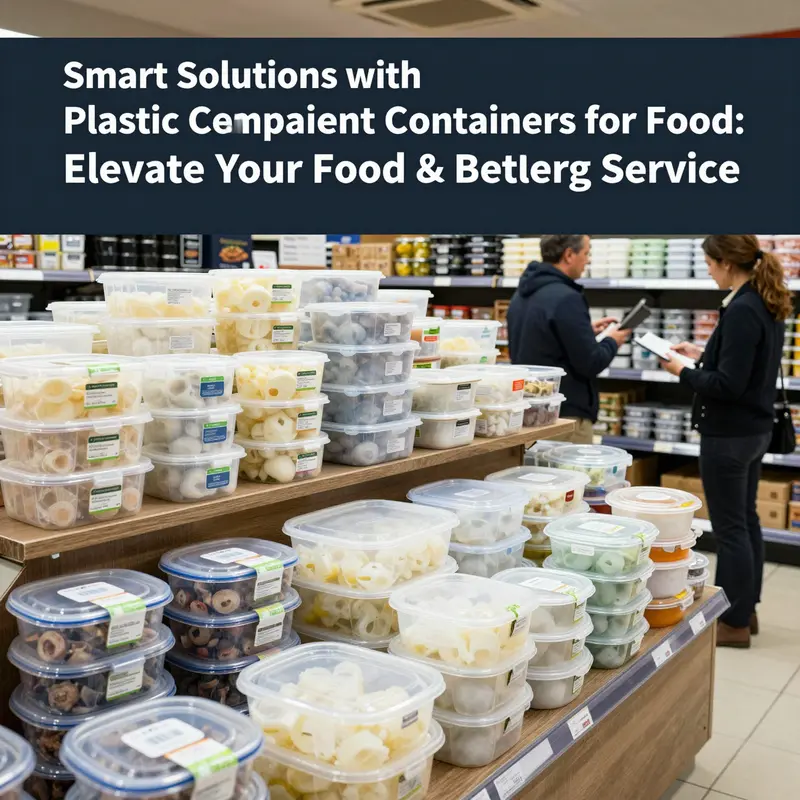
The market for plastic compartment containers for food is moving with the rhythm of modern life: faster meals, more organized kitchens, and a shared commitment to safety and freshness. This chapter threads together the market’s current scale, the channels through which these containers reach kitchens and households, and the material and regulatory forces that shape everyday choices. It is not a tale of a single product line but a narrative about how a practical design—multiple compartments, secure seals, and stackable forms—has become a backbone of meal preparation, storage, and distribution in both home and commercial settings. The data tell a story of expansion, with global value climbing from an estimated 35.54 billion USD in 2024 to roughly 49.55 billion USD by 2032, signaling a robust demand trajectory even as consumer attention shifts toward safety, sustainability, and cost control. In this landscape, plastic remains dominant, accounting for about 61.85 percent of volume in 2025, a status earned through a combination of affordability, design flexibility, and the efficiency of plastics in molding and forming complex, nested configurations that help kitchens maximize space. The momentum is not solely about keeping foods safe; it is about enabling precise portioning, reducing cross contamination, and simplifying the logistics of takeout, meal prep, and storage across a spectrum of users, from busy families to fleets of food service professionals. The drivers of growth go beyond convenience. They include the seamless integration of storage and transport into the workflow of meals and groceries, the ability to customize sizes and compartments to fit specific ingredients, and the assurance that the materials meet safety standards across markets. The scale of the opportunity is amplified by several factors working in concert. First, the material mix that underpins these containers—polypropylene, Tritan, and CPET—offers a practical blend of safety, clarity, and resilience that supports repeated cycle use and, in many cases, adequate performance in the freezer, microwave, and dishwasher. While CPET trays are especially favored for disposable packaging due to their clarity and stiffness, other polymers bring flexibility in thickness, seal integrity, and embossed or molded features that aid nesting and ergonomic use. The preference for BPA-free and FDA-compliant formulations has become a baseline expectation rather than a differentiator in a market where consumer confidence hinges on non toxic materials and clear labeling about heat tolerance and storage conditions. The market’s outlook in this context is anchored by a mix of continued demand for portion-controlled solutions and a sensible pivot toward sustainable packaging choices that still respect the economic realities of mass production. The growth calculus is straightforward in this sense: high volume production reduces per unit cost, design innovations improve the user experience, and regulatory frameworks provide a predictable environment for export, import, and cross border sales. In that equation, the role of multi-compartment configurations cannot be overstated. They deliver distinct pockets for proteins, grains, vegetables, sauces, or even complete meals, enabling a single container to replace several single-port containers and thereby reducing clutter and the chance of cross contamination. The packaging and food service sectors have embraced this logic, especially in meal prep and delivery ecosystems where efficiency, traceability, and speed are competitive advantages. The commercial channels supporting these containers are exceptionally diverse. In practice, the supply landscape features a robust ecosystem of manufacturers and suppliers who offer both standard formats and customization that scales with demand. CPET trays are a prominent example, widely used for disposable packaging in volumes ranging from a few hundred milliliters up to several liters, with multi-compartment variants available to suit a wide range of food formats. Turnaround times reflect a highly organized, vertically integrated supply chain in leading manufacturing regions, particularly in Guangdong, Zhejiang, and Ningbo. These hubs combine raw material sourcing, mold engineering, injection molding, and rigorous quality testing under one roof, producing containers with reliable performance traits for everyday use and for export to regulated markets. Typical lead times of 20 to 35 days underscore the efficiency of these ecosystems, a window that balances the need for customization with the realities of scale. The regulatory frame surrounding these products further anchors market confidence. Suppliers in this space frequently highlight compliance with FDA, EU 10/2011, and RoHS standards, signaling compatibility with both North American and European markets. In parallel, many products are BPA-free and designed to meet strict food safety criteria, reflecting a broader shift toward materials that prioritize non toxics and consumer protection. For buyers, these assurances translate into reduced risk and smoother onboarding into new markets, especially where regulatory audits and product testing are required. The leading providers in this domain consolidate trust through extensive portfolios that span a wide range of capacities—from small, individual portions to larger institutional sizes. An example of the breadth of options is the ongoing availability of FDA-compliant, BPA-free containers that range from about 1 ounce to several gallons, enabling customers to tailor solutions to every scale of operation. The breadth of customization extends beyond capacity. Designers can adjust the number of compartments, shape the tray to optimize nesting and stacking, and integrate airtight seals that preserve freshness and prevent leaks during freezing, refrigeration, or transport. This last feature is crucial for operations that deliver ready-to-eat meals or cold packs, where moisture migration and temperature stability influence quality. The practical benefits extend into storage efficiency and fridge organization. Multi-compartment trays are engineered to maximize vertical space and minimize wasted air around packed foods, which reduces spoilage potential and simplifies inventory management in both home cabinets and industrial cold storages. Yet the market also faces headwinds that temper the growth narrative. Cleaning remains a logistical challenge, as some compartments have corners or seams where food particles can accumulate, requiring deliberate cleaning and careful drying to avoid residual odors. Durability under high heat can vary by material, and repeated freezer exposure can, in some cases, lead to warping or deformation. These realities push designers to optimize wall thickness, corner radii, and seal geometry, ensuring performance parity across a spectrum of use cases. The dynamic between disposables and sustainability also continues to shape decisions. Reusable, recyclable plastics and BPA-free formulations align with consumer and regulatory expectations, balancing the convenience of single use trays with rising ecological awareness and waste reduction goals. In practice, this translates into a market where multiple business models coexist: disposable, recyclable options for quick service and catering; recyclable or returnable systems for meal prep and office use; and premium, durable variants designed for repeated consumer handling. The commercial availability narrative is also colored by the geographic distribution of manufacturing capability. The Chinese manufacturing backbone—centered in provinces that host mature injection molding ecosystems—drives scale and cost efficiency. This geographic setup supports a wide range of sizes, from compact containers to large, family-size trays, and enables rapid customization cycles that align with evolving menu formats and promotional needs. For customers, the implications are clear: a stable, adaptable supply chain that can pivot quickly in response to demand surges, seasonal menu changes, or regulatory updates. The market narrative is integrated with consumer preferences that now spotlight portion control and organized lunch routines. People want meals that stay fresh, travel well, and look appealing on the table. The presence of clear, shatter resistant materials helps preserve product visibility and attractiveness, which matters for takeout and display in retail contexts. At the same time, the need for nesting and efficient stacking remains a practical advantage in kitchens and warehouses, reducing footprint and enabling better cold chain management. The ecosystem’s maturity is reinforced by credible supplier credentials and documented compliance. Industry players emphasize FDA and EU approvals, RoHS conformance, and BPA-free design as baseline expectations. For procurement teams and culinary operators, this reduces the complexity of market entry and provides a transparent framework for supplier evaluation. An illustrative glimpse of market breadth is evident in the extensive catalog of containers available through prominent suppliers, where options span from minimalist single compartment trays to sophisticated multi-compartment configurations and combinations of lids, seals, and liners. Such variety supports diverse packaging needs—from restaurant takeout to bulk storage in institutional settings—while maintaining a shared emphasis on safety, ease of use, and space efficiency. The dynamic therefore rests on a triple axis: growth fueled by demand across meal prep, storage, and delivery; availability driven by a robust, geographically diverse supplier network with rapid turnaround capabilities; and credibility secured by rigorous safety and compliance standards that reassure buyers across borders. In conversations with industry observers, it is clear that the trajectory of plastic compartment containers will continue to align with the broader trends in food packaging: continual refinement of materials for safety and recyclability, smarter lid and seal systems to preserve freshness, and modular, compartmental designs that respond to a future in which meals are planned, packaged, and delivered with greater precision and less waste. A touchpoint for industry watchers is the reach and reliability of suppliers who operate with integrated production lines and a clear commitment to quality. For readers seeking practical insights into the commercial landscape, one useful reference is a leading supplier platform that aggregates FDA-compliant, BPA-free containers across a spectrum of sizes, a resource that reflects the scale and reliability now expected in export oriented packaging markets. This context helps explain why multi-compartment trays have become less a novelty and more a standard in both professional kitchens and home meal systems. It also hints at a future where automation, smarter materials, and design innovations converge to push the market toward even higher performance without sacrificing safety or affordability. The internal link below points to a representative example of the wide design language and packaging formats commonly encountered in this space, illustrating how the concept of a single, multi‑compartment tray can adapt to different aesthetic and functional requirements while preserving core benefits. best-selling-disposable-rectangle-kraft-paper-salad-bowl-with-pp-lid-750ml-for-cookie-and-sugar-takeaway-containers. While this particular link foregrounds a kraft based option, it serves to illustrate how the market embraces a spectrum of designs built around the same functional principles of compartmentalization, lid safety, and transport convenience. The overarching message remains consistent: whether for home meal prep, office lunch programs, or expansive takeout operations, plastic compartment containers for food have evolved into a reliable, scalable solution that aligns with safety standards and evolving consumer expectations. External resources provide additional breadth on market dynamics and supplier capabilities. For a broader market view, see the external supplier resource at the following link: https://www.epackagesupply.com/.
Final thoughts
Plastic compartment containers for food have emerged as a crucial asset across diverse foodservice operations, from bubble tea shops to large catering events. Their carefully selected materials ensure safety and durability, while thoughtful design features enhance convenience and food preservation. These containers meet the evolving demands of businesses seeking efficient organization, optimal storage, and customer satisfaction. Furthermore, increased attention to environmental impact and health has driven innovations toward recyclable, BPA-free, and FDA-compliant products, supporting a sustainable future in food packaging. Understanding the broad applications and current market trends empowers businesses and planners alike to choose packaging solutions that align with operational goals and consumer expectations. Embracing these containers isn’t just a practical choice — it’s a strategic step toward elevating food quality, safety, and environmental responsibility.