
Introduction
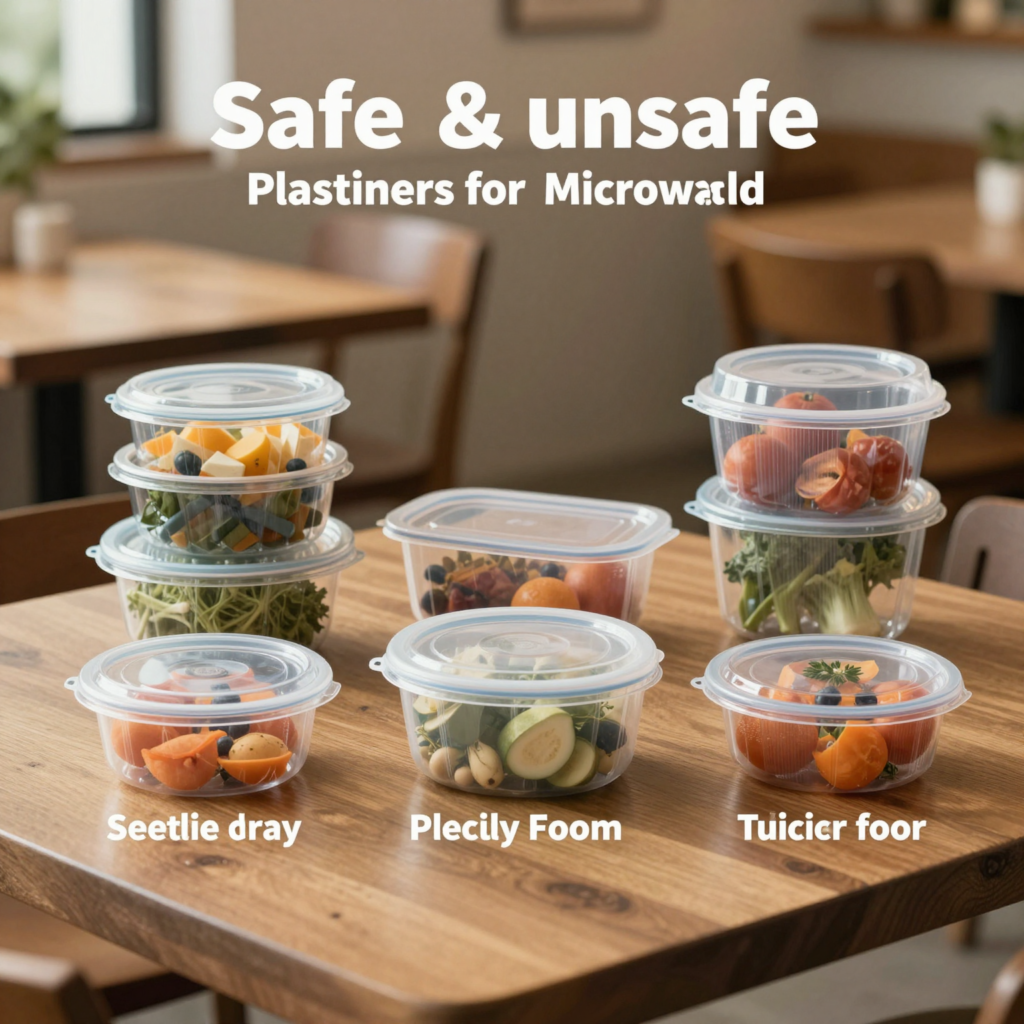
Microwaving food in plastic containers is a common practice, but it’s vital to understand the implications behind it-especially in the bustling world of food service. For businesses such as bubble tea shops, restaurants, food trucks, and catering services, the safety of using plastic containers in microwaves isn’t just a matter of convenience; it’s also a significant health concern. With the convenience of reheating food often paired with the risk of toxic chemicals leaching into the food, it’s essential for culinary professionals to know what types of plastics are safe for microwaving. Understanding these details not only helps maintain food quality but also protects customer health, which is paramount for building trust in today’s competitive market. For instance, using high-quality, microwave-safe containers can enhance food presentation while ensuring compliance with health standards. Dive deeper to learn more about choosing the right microwave-safe options and their benefits for your business!
Common Types of Plastic Containers Used in Food Service
Food service businesses rely on a variety of plastic containers for efficiency and safety. Here are some common types:
- Polypropylene (PP): Safe for microwaving (up to 130°C). Widely used for reusable food storage and takeout containers.
- Polystyrene (PS): Not microwave-safe; used mostly for cold items like salads and desserts. Should never be heated due to leaching concerns.
- High-Density Polyethylene (HDPE): Safe for cold items and some reheating, commonly used for milk jugs and rigid containers.
- Polyethylene Terephthalate (PET): Not recommended for microwaving; typically used for drink bottles and single-use containers.
- Low-Density Polyethylene (LDPE): Generally safe for cold applications, used in flexible packaging.
Learn more about paper and plastic packaging options here and explore customized bowl solutions for your business.
Safety Concerns When Microwaving Food in Plastic Containers
Microwaving food in plastic containers can pose significant health risks, particularly due to the potential leaching of harmful chemicals. A study published in Science Advances revealed that heating plastics, especially with fatty or oily foods, can lead to a substantial release of microplastics and toxins. For instance, heating polyethylene (PE) containers in the presence of oil increases the release of harmful substances byup to 125-fold compared to heating water. Additionally, heavy metals such as copper, lead, and zinc can leach into food at alarming rates-sometimes up to 309 times more than when heated with water. Such contaminants can have detrimental effects on health, including potential links to chronic diseases like cancer and cardiovascular issues.
To mitigate these risks, it is essential to adopt safe microwaving practices. Only use plastic containers that are explicitly labeled as “microwave-safe” to ensure they have been tested for chemical safety during heating. It is advisable to avoid microwaving takeout containers, which often lack this crucial labeling and may contain non-microwave-safe plastics like polystyrene or polypropylene. Whenever possible, consider transferring food to glass or ceramic dishes before reheating. Moreover, avoid using plastic wraps directly on food, particularly for high-fat meals, as this can further increase chemical transfer. For more information about safe options, check out these guidelines from the FDA.
Can I Microwave Food in a Plastic Container?
Microwaving food in plastic containers is a common practice, but safety concerns have emerged from various studies. Here’s a breakdown of recent findings to help businesses, such as bubble tea shops and catering services, make informed decisions.
Study Insights
-
Endocrine Disruptors
According to a study published in the Journal of Environmental Epidemiology and Exposure Science, microwaving food in regular plastic containers can increase the migration of various endocrine-disrupting chemicals by up to 55%. This study highlights that even containers labeled as “microwave safe” typically only indicate that they will not melt or deform, not that they don’t release harmful chemicals when heated. Many BPA-free alternatives, such as BPS and BPF, still exhibit endocrine-disrupting properties, posing similar health risks. Learn more about plastics here. -
Migration of Chemicals
Research by Environmental Health News indicates that heating plastic can cause chemicals like plasticizers and stabilizers to migrate into food, particularly when high-fat foods are involved, or when using old or scratched containers. While some plastics are marked as “microwave safe,” the standards for these labels do not account for chemical leaching under actual heating conditions, raising potential health concerns. Further information can be found here. -
Glass vs. Plastic
An article from Healthline reaffirms that glass containers, particularly borosilicate types, are the safest option for microwaving as they do not interact with food and do not release harmful substances. In contrast, certain chemicals in plastic containers are prone to migration upon heating, which can potentially disrupt hormonal systems and increase the risk of chronic diseases.
Conclusion
As professionals in the food industry, it is essential to recognize these insights when selecting microwaveable containers to ensure the health and safety of your clients.
Comparing Different Types of Plastics Used in Food Containers
When it comes to using plastic containers for food, especially in settings like restaurants and catering services, understanding the properties of different plastics is crucial. Here’s a friendly comparison of three common types of plastic – PET, HDPE, and PS – in terms of microwave safety, durability, and common uses in the food industry.
| Type of Plastic | Microwave Safety | Durability | Common Uses |
|---|---|---|---|
| PET (Polyethylene Terephthalate) | Not microwave-safe, can deform and release chemicals | Good durability; clear and shatter-resistant | Beverage bottles, clear food containers, meal prep containers, soups, and noodles |
| HDPE (High-Density Polyethylene) | Generally not microwave-safe unless labeled | Highly durable, resistant to chemicals and moisture | Milk jugs, fresh produce containers, bulk storage, laundry detergent containers |
| PS (Polystyrene) | Not safe for microwaving; can melt and deform | Less durable, prone to cracking when heated | Disposable takeout containers, coffee cups, cold drink cups |
Key Takeaways:
- PET is excellent for clear food storage but not safe for microwave use. It’s often used in beverage bottles and hot food containers but should not be reused due to potential chemical leaching.
- HDPE is durable and suitable for storing fresh produce but is typically not recommended for microwave use unless it explicitly states it is safe.
- PS is lightweight and used in many disposable applications. Still, it poses safety risks in the microwave, especially with hot food and liquids, as it can deform and release harmful substances.
For those running food service operations, it’s essential to choose the right type of plastic based on your specific needs and ensure that your containers are appropriately labeled for microwave safety.
If you want to explore further, you might find our article on customized octagonal paper bowls interesting! Also, check out the sugarcane cup benefits for sustainable options in your food business.
Best Practices for Microwave Safety with Plastic Containers
When it comes to microwave safety in the food service industry, utilizing plastic containers requires careful attention to best practices to prevent health risks and ensure product quality. First and foremost, always opt for plastic containers explicitly labeled as “microwave-safe,” preferably made from heat-resistant materials like polypropylene (PP) or PET. It’s vital to inspect these containers regularly, checking for scratches, warping, or any signs of damage that increase the risk of chemical leaching during heating. Businesses should avoid reheating high-fat or acidic foods in plastic unless approved by the manufacturer, as these types of foods can accelerate degradation. Moreover, operators must vent or remove lids while heating to release steam and prevent build-up pressure that may lead to melting. Implementing scheduled maintenance, including the replacement of plastic containers every 6-12 months, can mitigate risks associated with container degradation. Proper employee training is also crucial, covering labeling protocols, maximum temperature limits (ideally no higher than 160°C/320°F), and safe handling procedures to adhere to FDA guidelines and local health codes. Emphasizing these practices not only protects consumer health but also fosters a safety-conscious culture within establishments, ultimately benefiting the business’s reputation and operational efficiency. Learn more about microwave safety standards in food service.
Make the Smart Choice with Our Disposable Tableware
Are you running a bubble tea shop, restaurant, or catering service? Are you tired of worrying about packaging solutions that aren’t sustainable or convenient? Look no further! Our disposable tableware and packaging solutions are designed specifically for busy businesses like yours.
Why Choose Us?
- Eco-Friendly Options: Our products, including sugarcane cups and paper bowls, are made from sustainable materials, ensuring you contribute to environmental protection while serving your customers.
- Versatility: Whether it’s for hot drinks, snacks, or full meals, our diverse range of disposable tableware offers you everything you need for any occasion.
- Customization Available: Want your brand to shine? We offer customized options so you can showcase your logo on our packaging. Check out our customized octagonal paper bowls for a unique touch!
- Convenience: All of our products are microwave-safe and ready to serve your food quickly and efficiently, keeping your operations smooth and customer-focused.
Don’t compromise on quality or sustainability. Choose our disposable tableware today and experience the benefits firsthand. Join countless other satisfied businesses and let us help elevate your food service experience!
Ready to transform your packaging? Learn more about our sugarcane cups and the business benefits they offer today!
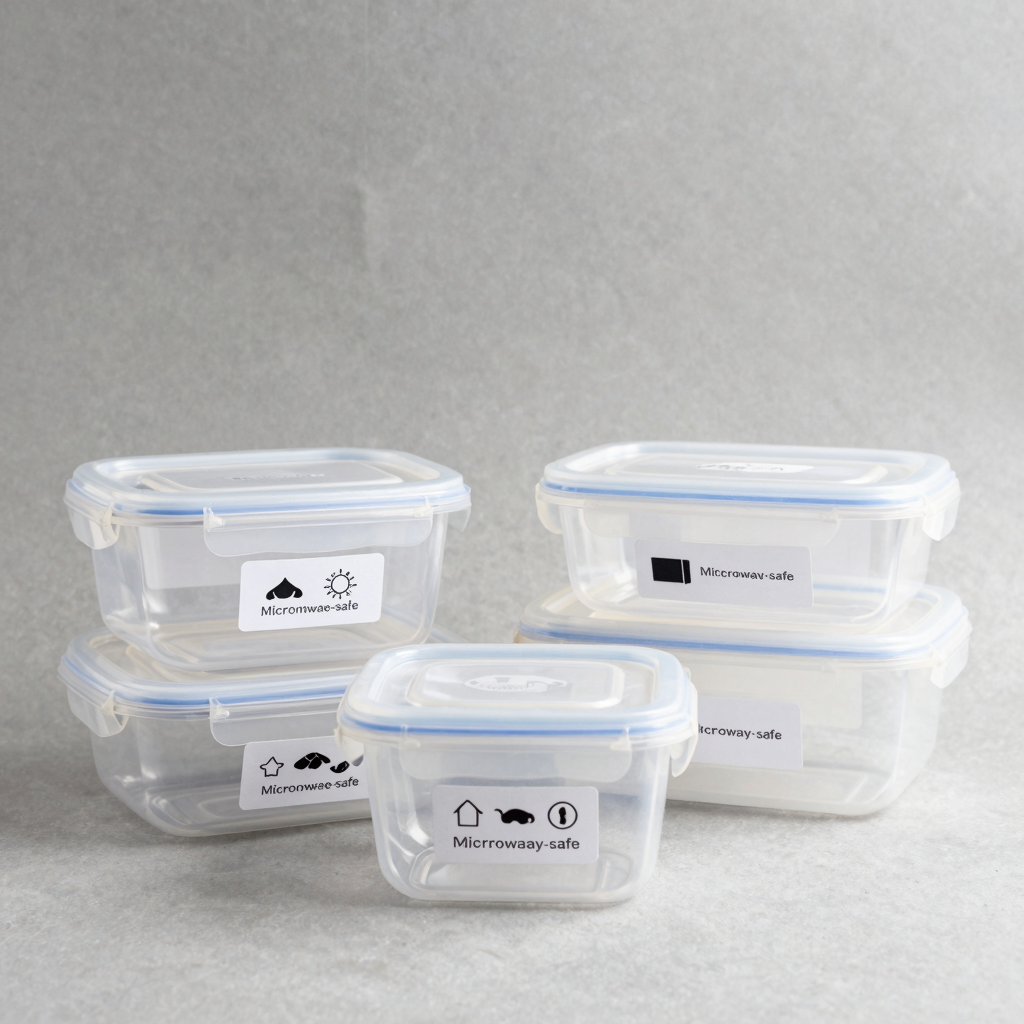
In conclusion, while microwaving in plastic containers is common in many food service settings, it is essential to prioritize safety. The research highlights significant risks associated with this practice, primarily due to the potential leaching of harmful chemicals into food. Studies have shown that even when using containers labeled “microwave safe,” there can still be risks, particularly related to temperature and the type of plastic used. For example, notorious substances such as BPA, BPS, and phthalates can migrate into food when heated, leading to various health risks over time, including hormonal disruptions and increased chances of chronic diseases. Therefore, to ensure safety, food service professionals should consider switching to alternatives, such as glass or ceramic containers, which science indicates are less likely to release harmful substances. By informed decision-making and fully understanding the materials used in food storage and preparation, businesses can better protect the health of their customers while maintaining high standards of food safety. For further insights on safe container choices, learn more about customized octagonal paper bowls and the benefits of using sugarcane cups.
“People assume ‘microwave-safe’ means safe for their health. It doesn’t. It means the container won’t melt or warp. There’s no regulatory requirement to test for chemical leaching under real-world heating conditions.”
- Dr. Sarah Janssen, Senior Scientist at the Natural Resources Defense Council
This quote illustrates the important distinction between a container being labeled as microwave-safe and its safety in terms of potential chemical leaching when microwaved. For food establishments, understanding these nuances can support better kitchen practices and enhance safety for consumers.