
In today’s fast-paced world, convenience trumps everything, and food packaged in plastic containers has become a staple in the lives of many. From bubble tea shops offering refreshing beverages in sleek, easy-to-carry cups, to restaurants using durable takeout containers for their delicious meals, the importance of plastic packaging cannot be overstated. It caters to the needs of food service businesses, especially in an age where takeaway and delivery services are booming. Catering services benefit immensely from versatile and reliable plastic containers, allowing them to serve large gatherings efficiently without compromising quality or portability. Furthermore, these products not only enhance the presentation of the food but also uphold hygiene standards-a critical factor in the food industry. If you’re in the food business, it’s essential to recognize how incorporating quality plastic packaging can streamline your operations and meet your customers’ needs. Explore our range of packaging options and discover how the right food containers can elevate your service.
Common Food Items Packaged in Plastic Containers
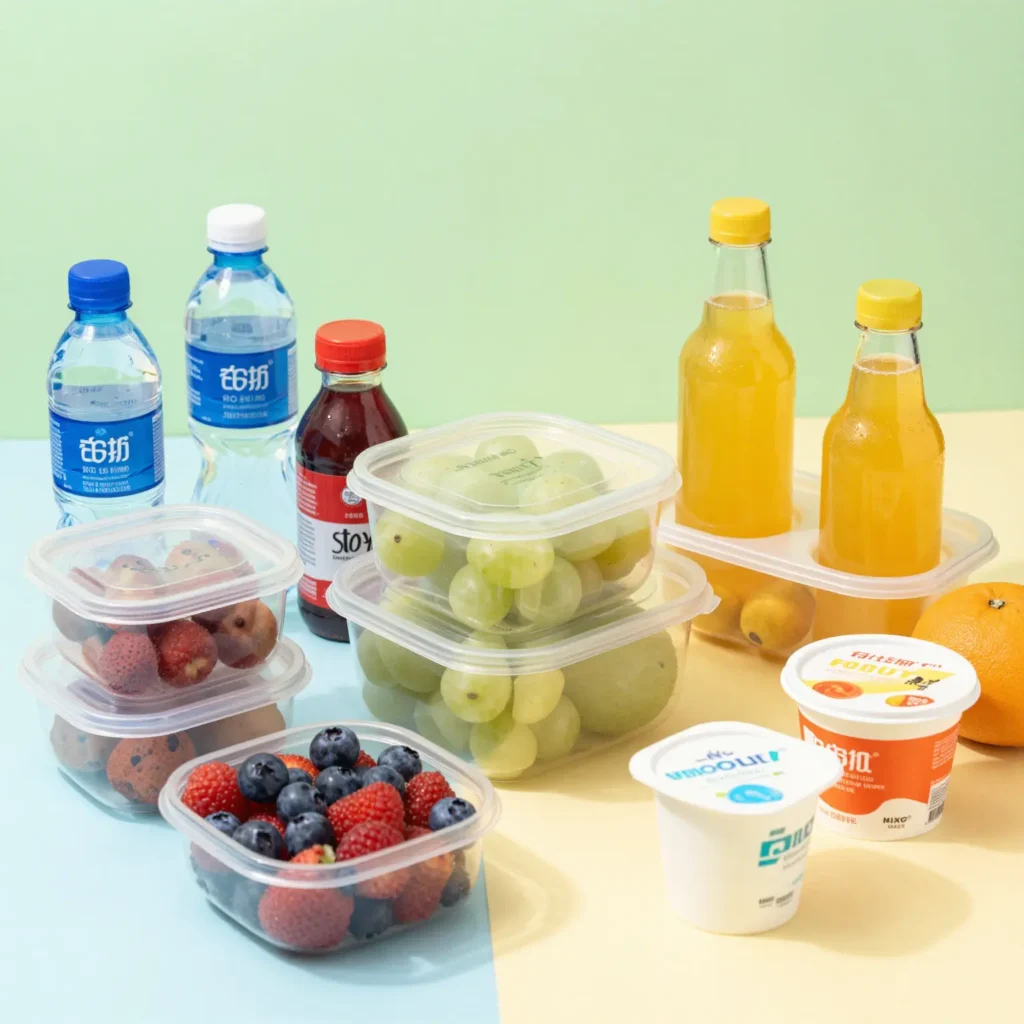
Food items packaged in plastic containers are a common sight in households, restaurants, and food service operations. Here’s a list of popular food items that are typically found in plastic containers:
- Bottled Water
- Soft Drinks (e.g., cola, lemon-lime soda)
- Fruit Juices
- Yogurt
- Ready-to-Eat Meals (microwaveable entrees)
- Frozen Vegetables
- Salad Dressings (like ranch and vinaigrette)
- Condiments (ketchup, mayonnaise, mustard)
- Snack Foods (chips, cookies, and candy)
- Pre-packaged Salads or mixed greens
These plastic containers are often favored for their convenience and lightweight characteristics. They not only help in preserving the food’s quality but also provide easy storage options. If you’re looking for quality packaging solutions for your food items, check out our packaging printing products for various needs.
The Benefits of Using Plastic Containers for Food Storage
In the bustling world of food service operations, plastic containers have emerged as essential tools for efficiency and safety. These containers offer numerous benefits that cater specifically to the needs of restaurants, food trucks, and catering services.
Safety First
- Shatterproof: Unlike glass, plastic containers are much less likely to break and cause injury. This makes them safer for busy kitchens full of active staff and constant movement.
- BPA-Free Options: Many plastic containers are now available as BPA-free and FDA-approved, ensuring they meet safety standards for food contact. This adds an extra layer of security when storing ingredients and prepared foods.
Incredible Durability
- Resistant to Breakage: Plastic containers can withstand the rigors of daily use in a busy kitchen, cutting down on replacement costs. They maintain their integrity even when dropped, unlike fragile glass alternatives.
- Temperature Tolerance: These containers are able to handle a wide range of temperatures, making them suitable for everything from freezing to microwaving. This versatility is invaluable for food prep and storage.
Cost-Effective Solutions
- Affordability: Plastic containers are generally lighter on the wallet compared to their glass or stainless steel counterparts. They provide an economical choice for food service operations, especially when buying in bulk.
- Stackable Designs: Many plastic containers feature stackable designs, which save space and enhance organization in storage areas.
In conclusion, the advantages of using plastic containers for food storage encompass safety, durability, and affordability, making them a favored choice in the food service industry. Embracing these benefits can enhance operational efficiency and contribute to a safer working environment. Learn more about packaging solutions to get started with the right food storage options!
Comparison of Different Types of Plastic Containers
When it comes to choosing plastic containers for various food applications, understanding the differences in material properties, safety, and environmental impact is essential. The following table summarizes the characteristics, suitability for different foods, and eco-friendly options available for popular types of plastic containers.
| Plastic Type | Characteristics | Suitable For | Eco-Friendly Options |
|---|---|---|---|
| PET (Polyethylene Terephthalate) | Lightweight, shatter-resistant, excellent clarity and gas barrier properties; poor heat resistance (deforms above 70°C/160°F) | Carbonated beverages, ready-to-eat foods | Highly recyclable (#1), widely accepted in curbside recycling programs |
| HDPE (High-Density Polyethylene) | Durable, chemically stable, opaque; superior impact resistance; safe for food contact; performs well in cold temperatures (-50°C to 80°C) | Milk jugs, juice containers, household cleaners | Widely recyclable (#2), eco-friendly when recycled properly |
| PP (Polypropylene) | High melting point (up to 160°C), microwave-safe, resistant to fats and acids; tough and reusable | Hot food packaging, yogurt tubs, medical applications | Recyclable (#5), less commonly accepted than PET or HDPE but increasingly recognized for sustainability |
This comparison highlights how PET is ideal for beverages while HDPE offers sturdiness for liquid storage, and PP serves well in hot food situations. Each type has its eco-friendly benefits when properly recycled, allowing businesses in the food industry, from bubble tea shops to catering services, to make informed packaging choices.
For more options on eco-friendly packaging materials, explore our collection of packaging solutions.
Industry Statistics on the Use of Plastic Containers in Food Service
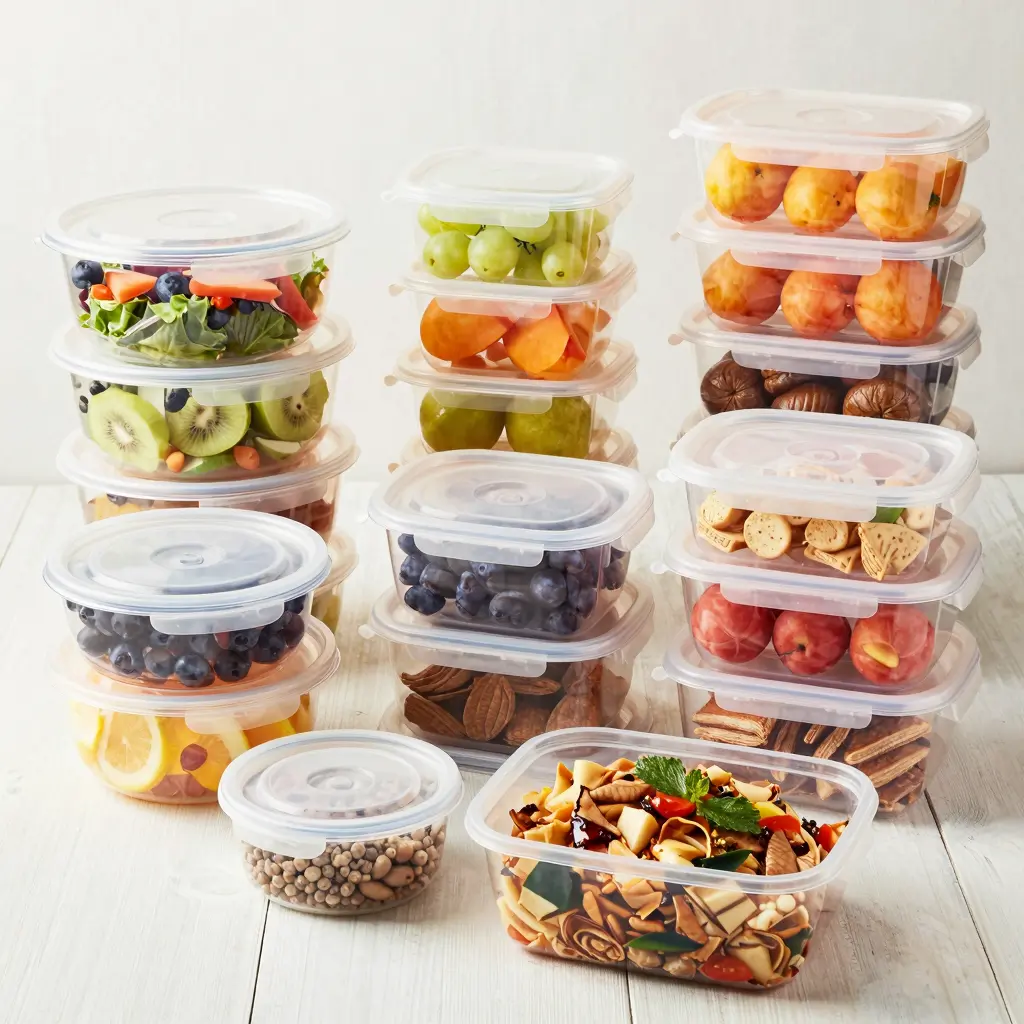
The reliance on plastic containers in the food service industry has been a significant trend, particularly emphasized during the past few years. Here are some key findings from recent industry statistics that highlight this dependence:
-
Prevalent Usage: A report from Grand View Research reveals that over 80% of quick-service restaurants are using plastic food containers for takeout, delivery, and in-house food handling as of 2026. This data reflects trends from 2023, demonstrating the prevalent role of plastics in food service.
-
Popular Materials: In 2023 and beyond, the most commonly used plastics in food service are Polypropylene (PP) and Polyethylene (PE). Polypropylene is favored for its heat resistance and structural integrity, making it ideal for hot beverages and microwaveable meals, while Polyethylene is used primarily for cold drinks and dairy products due to its cost-effectiveness and flexibility.
-
Massive Production: In a striking revelation, the Chinese takeaway market saw a staggering 1.2 trillion RMB scale in 2023, leading to the consumption of approximately 73,000 plastic containers every minute. Plastic containers constituted about 82% of the mainstream takeaway packaging, underscoring their significance in food delivery.
-
Health Concerns: An emerging concern from a recent study is the prevalence of microplastics in food stored in plastic containers, with significant amounts found when using polystyrene (PS) and polypropylene (PP), a potential health risk linked to their widespread usage.
-
Market Dynamics: Despite increasing environmental pressures leading to policies aimed at reducing plastic use, the market for single-use plastic food containers remains robust due to their low cost and convenience. There’s also a noted shift towards incorporating biodegradable materials and recycled plastics within the industry to combat environmental impacts.
For food service operators like bubble tea shops and catering providers, utilizing plastic containers can enhance operational efficiency and meet customer demand for convenience. However, staying informed about sustainable options and consumer health can be equally important in aligning with market trends.
For further insights into various packaging solutions, explore our packaging options and consider the benefits of paper packaging as an alternative at our paper packaging section.
Customer Testimonials
“Since switching to our new disposable leak-proof containers made from compostable PLA, we’ve seen a 40% drop in customer complaints about spills. The secure seal keeps soups and sauces contained, even during long deliveries. Plus, our eco-conscious customers love that the packaging is truly compostable-this has boosted our brand reputation significantly.”
- Manager, Food Delivery Service
Quality disposable food containers not only help in maintaining the integrity of the food during transport but also cater to the growing demand for sustainability in the food service industry. As businesses like bubble tea shops, restaurants, and catering services adapt to these needs, they can enhance customer satisfaction and improve their brand image. Learn more about sustainable packaging options here.
By choosing the right disposable options, you can ensure that your business stands out while also being kind to the planet. For example, insulated containers often keep meals at optimal temperatures, which reduces waste and increases customer retention. Explore more disposable container choices here.
As we’ve explored the various foods that often come in plastic containers, it’s clear that convenience doesn’t have to come at the cost of quality or aesthetics. Whether you operate a bustling bubble tea shop, cater special events, or run a food truck, having the right packaging is essential for maintaining the integrity and presentation of your delicious offerings.
At CofE Cup, we understand that your goal is not only to serve great food but also to provide an exceptional experience to your customers. That’s why our wide range of disposable tableware and packaging solutions is designed to meet the needs of various food service businesses like yours. From sturdy disposable bowls for your tasty snacks to practical plastic cups that showcase your signature drinks, we have everything covered.
We invite you to browse through our collection of disposable products. Choose from an array of options that not only complement your dishes but also align with your brand values. Don’t miss out-elevate your serving experience today! Shop now and discover how the right packaging can truly enhance your food presentation and drive customer satisfaction.
Let’s embark on this journey together to make your food offerings even more delightful for your customers!
Trends in Packaging Preferences in the Food Service Industry
Over the last five years, the packaging preferences in the food service industry have evolved significantly, driven by consumer demand for sustainability and legislative actions against single-use plastics. Here’s a look at how different packaging types have changed:
Global Food Service Packaging Market Share (2023)
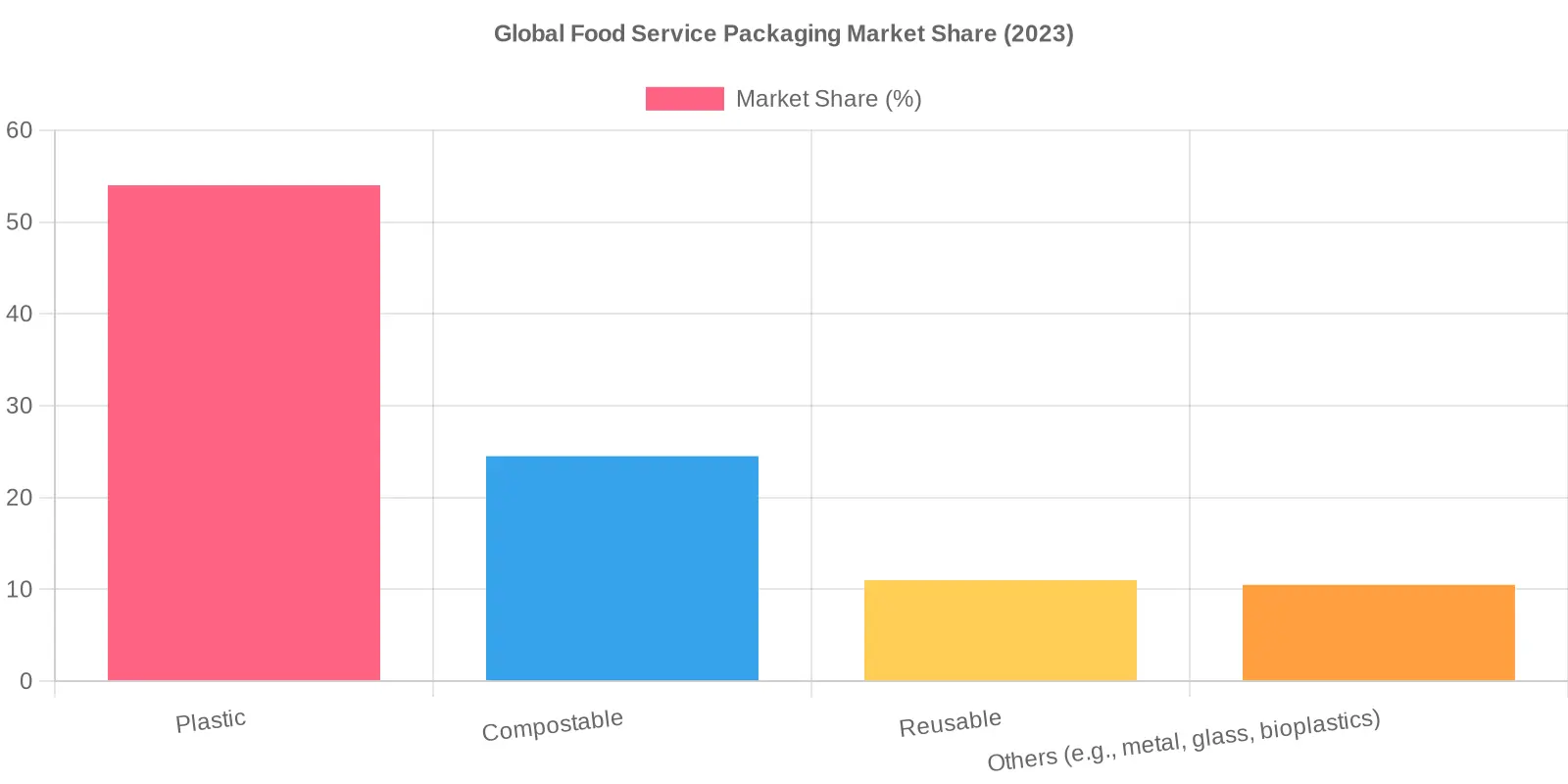
In 2023, we see the following trends in market share among various packaging options:
| Packaging Type | 2018 (%) | 2023 (%) | % Growth (2018-2023) | Key Drivers |
|---|---|---|---|---|
| Plastic | 65.0 | 54.0 | -16.9% | Regulatory bans, consumer backlash, environmental legislation |
| Compostable | 12.0 | 24.5 | +104.2% | Environmental awareness, sustainability mandates, corporate ESG goals |
| Reusable | 3.0 | 11.0 | +266.7% | Circular economy initiatives, delivery platform incentives, government policies |
| Others (e.g., metal, glass, bioplastics) | 20.0 | 10.5 | -47.5% | Shift away from non-recyclable materials; market consolidation |
Insights from the Data
- Plastic Packaging: While still prevalent, its market share has decreased significantly due to regulatory pressures and changing consumer preferences towards sustainable options.
- Compostable Packaging: This category has seen remarkable growth, more than doubling, thanks to rising environmental awareness and corporate sustainability initiatives.
- Reusable Packaging: Increased by over 266%, indicating a strong shift towards sustainable practices in the food service sector.
- Other Materials: The decline reflects a move away from traditional non-recyclable options.
Businesses in the food service sector should consider these trends in their purchasing decisions and service offerings, aligning with consumer preferences for sustainability and compliance with emerging regulations.
For more insights into various types of packaging options, you can explore our packaging printing category or check out our paper packaging solutions.
Sustainability Initiatives in the Plastic Packaging Industry
The plastic packaging industry is undergoing a significant transformation as it responds to increasing global awareness about environmental sustainability. It’s essential to understand that not all plastic is the same. While traditional plastics pose environmental challenges, many companies are now adopting eco-friendly alternatives.
One prominent initiative is the move towards bioplastics, which are derived from renewable sources. These materials not only reduce reliance on fossil fuels but are also designed to be recyclable or biodegradable. For example, companies like Tetra Pak are creating plant-based packaging that significantly lowers carbon emissions during production and encourages recycling practices. The company’s sustainability report highlights a 36% reduction in greenhouse gas emissions since 2021 due to such innovations.
Moreover, many businesses are investing in closed-loop recycling systems, aiming to create a circular economy. By facilitating the collection and recycling of plastic materials, brands are working towards reducing plastic waste. Lightweight designs are also being prioritized, which minimize the amount of material used without compromising product integrity.
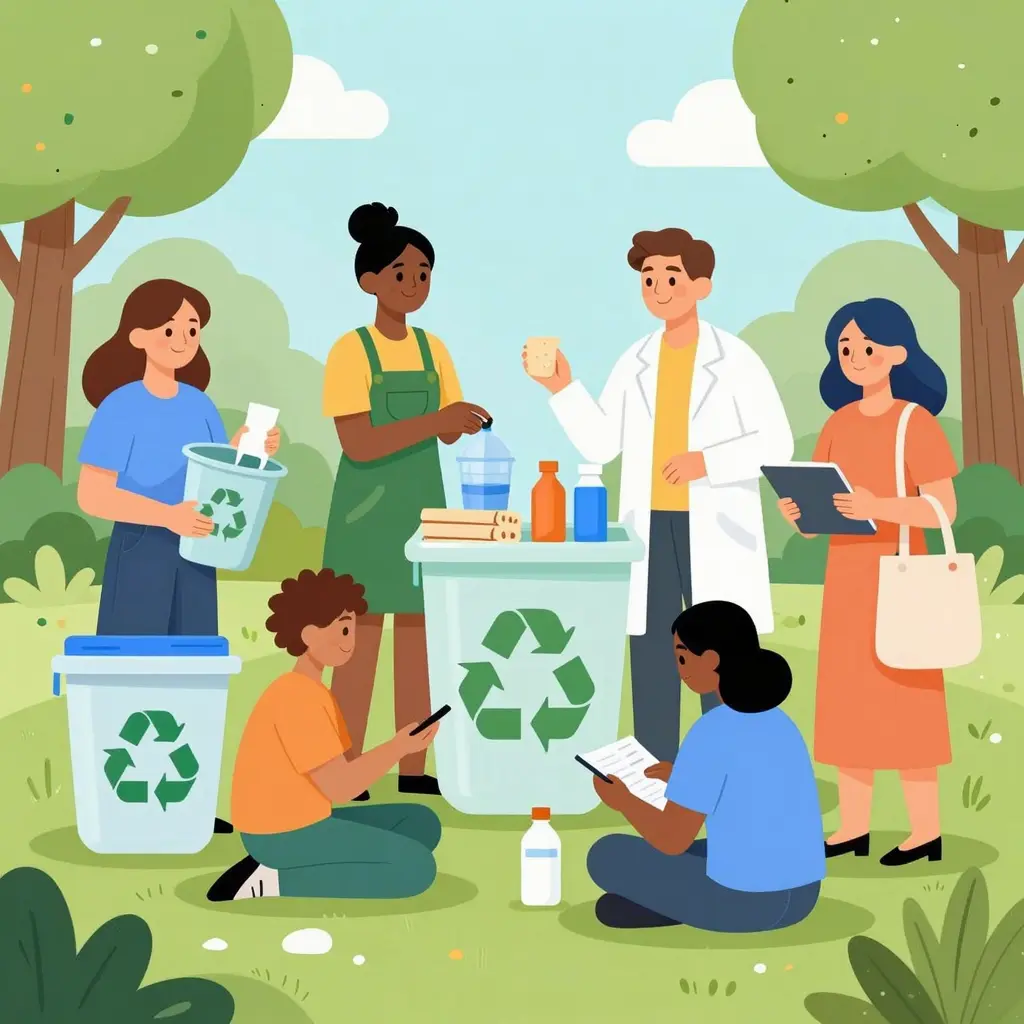
Collaboration across the value chain is key to achieving true sustainability in packaging. This includes partnerships between manufacturers, retailers, and consumers to promote recyclable products and proper waste disposal practices. As the industry leans more towards eco-friendly options, operators in food and beverage services can align their practices accordingly, adopting more sustainable packaging solutions from suppliers like Cofe Cup.
By making informed choices in their plastic container selections, businesses can contribute significantly to global sustainability efforts while meeting customer demands for environmentally responsible practices.
Explore more options in sustainable packaging by visiting Cofe Cup’s eco-friendly product range.