
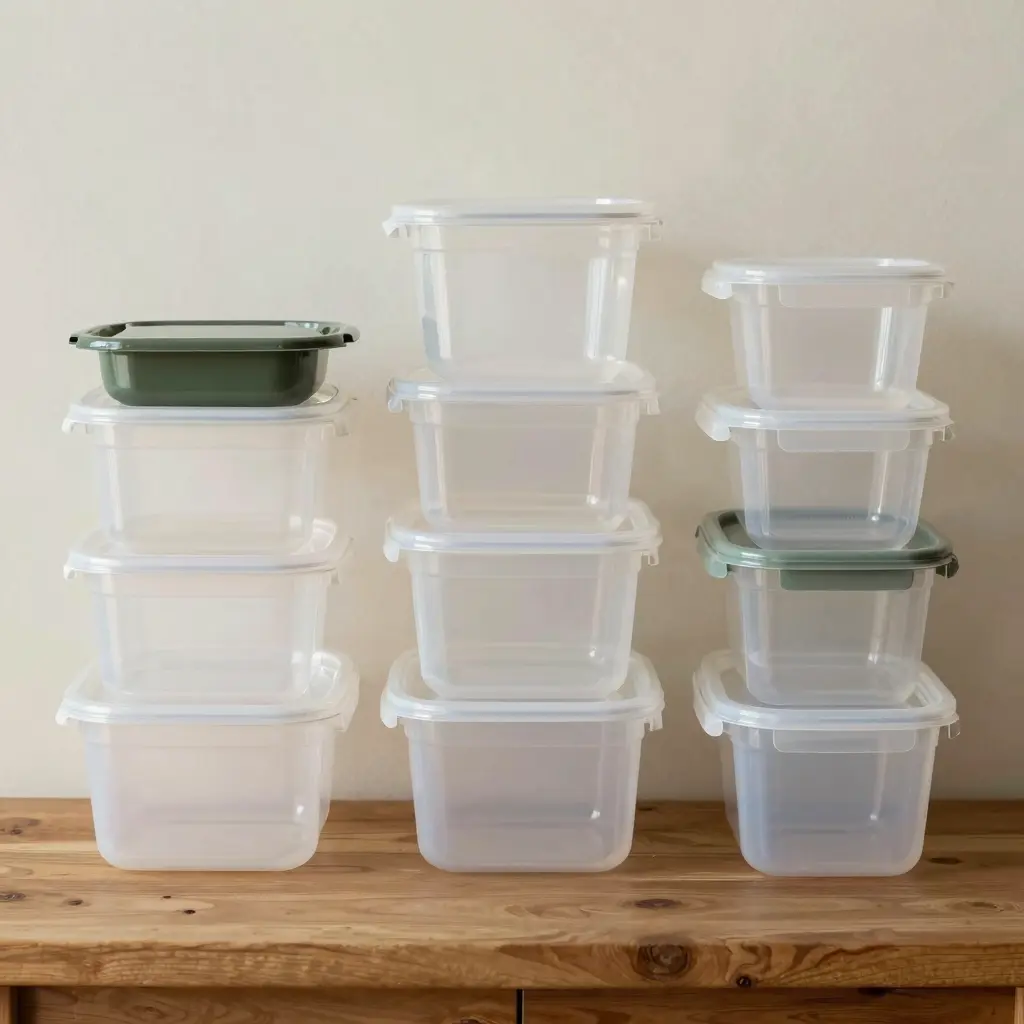
In today’s world, the growing issue of plastic waste has become a critical concern for businesses and consumers alike. As plastic pollution continues to affect our oceans and landfills, it’s imperative for industries, especially in the food and beverage sector, to find sustainable solutions. One exciting opportunity lies in repurposing plastic food containers-a practice that not only reduces waste but also innovates the way we think about packaging. For bubble tea shops, catering services, and restaurants, upcycling plastic containers can provide a cost-effective alternative while enhancing their eco-friendly image. Imagine turning discarded containers into stylish storage or creative serving solutions, making a statement about sustainability without sacrificing quality. This not only helps the environment but also resonates with customers who increasingly prefer to support environmentally conscious businesses. Embracing such practices can redefine how we view packaging and inspire others to follow suit. Explore more sustainable packaging options for your business today!
Benefits of Upcycling Plastic Containers for Businesses
Upcycling plastic food containers offers several advantages for businesses, particularly in the food and beverage industry. Here are some key benefits you can consider:
-
Cost Savings: By repurposing plastic containers, businesses can significantly reduce procurement costs associated with purchasing new packaging. This economic efficiency can translate to higher profit margins.
-
Environmental Impact: Upcycling helps to decrease the amount of plastic waste in landfills and reduces the consumption of natural resources needed to produce new items. By choosing upcycled materials, businesses contribute positively to the environment and can proudly promote their sustainable practices. Learn more about the environmental benefits of upcycling.
-
Unique Branding Opportunities: Utilizing upcycled containers can set your brand apart by highlighting social responsibility and innovation. This unique branding can attract eco-conscious customers and build customer loyalty.
-
Versatile Applications: Plastic food containers can be creatively transformed for various uses, such as organizing storage, display purposes, or even incorporating them into product design. This versatility allows businesses to utilize existing materials in innovative ways.
-
Marketing Appeal: The narrative surrounding sustainability and eco-friendliness resonates well in today’s market. Businesses that actively embrace upcycling can leverage this aspect in their marketing strategies to enhance their appeal.
-
Reduced Waste Management Costs: Reducing the volume of waste that businesses produce can lower waste disposal costs. By upcycling, businesses can decrease their overall waste output, contributing to substantial savings in waste management expenses.
Incorporating these benefits into your business strategy not only proves advantageous economically but also shows a commitment to sustainability that can enhance your brand’s reputation.
Upcycling Plastic Food Containers: Creative and Practical Ideas
Upcycling plastic food containers is an excellent way to enhance sustainability in your beverage or food business. With a little creativity, you can turn these everyday items into functional and attractive asset that can complement your operations. Here are some practical methods and step-by-step examples tailored for bubble tea shops, restaurants, food trucks, and event planners.
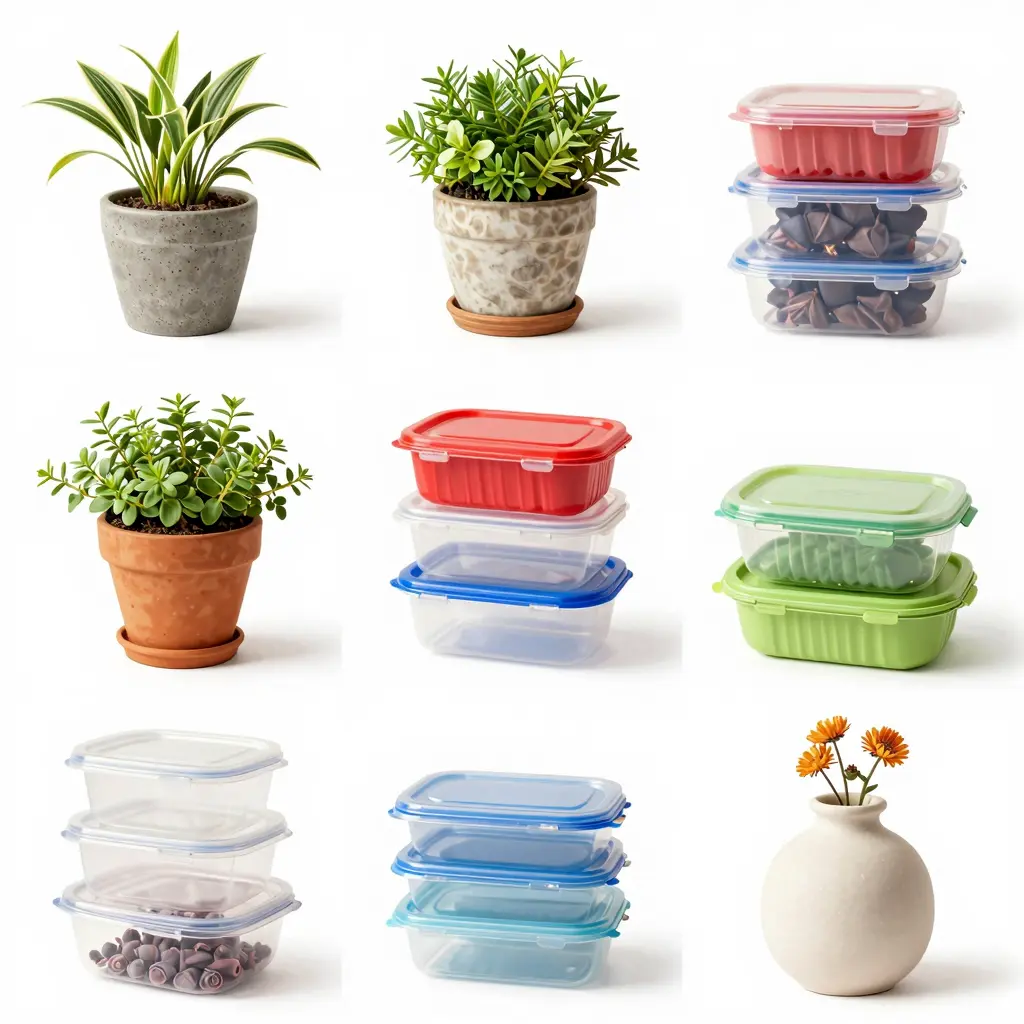
1. Herb Planters
Transforming plastic containers into herb planters is an ideal way to utilize them while also promoting a green ethos in your business.
- Step 1: Choose suitable containers (like yogurt cups or takeout containers) and make drainage holes in the bottom.
- Step 2: Fill the container with potting soil and plant your favorite herbs like basil or parsley.
- Step 3: Position these planters in sunny spots at your cafe or food truck, allowing customers to see how fresh ingredients can be sourced locally.
2. Storage Solutions
Efficiently organize your supplies using upcycled containers. This is particularly beneficial in busy food establishments.
- Step 1: Clean out containers and remove labels.
- Step 2: Decorate with labels or paint to identify what’s inside. For example, use one container for straws, another for napkins, and another for condiments.
- Step 3: Place these organized containers on your counters or shelves to streamline service.
3. Decorative Crafts
Give a personal touch to your space by turning containers into decorative crafts.
- Step 1: Collect larger containers and wash them thoroughly.
- Step 2: Apply decorative paper or paint the outer surface.
- Step 3: Use these containers to hold utensils or flowers on tables, enhancing the aesthetic of your venue.
Additional Ideas
Consider these other creative uses for plastic food containers:
- Use them as portable water bowls for pets during outdoor events.
- Create DIY paint palettes for community art projects.
- Organize small hardware or kitchen tools by repurposing containers as drawer organizers.
To dive deeper into how to effectively use and craft these ideas, visit Family Handyman’s guide to repurposing containers or Sum of Their Stories for decorative storage options.
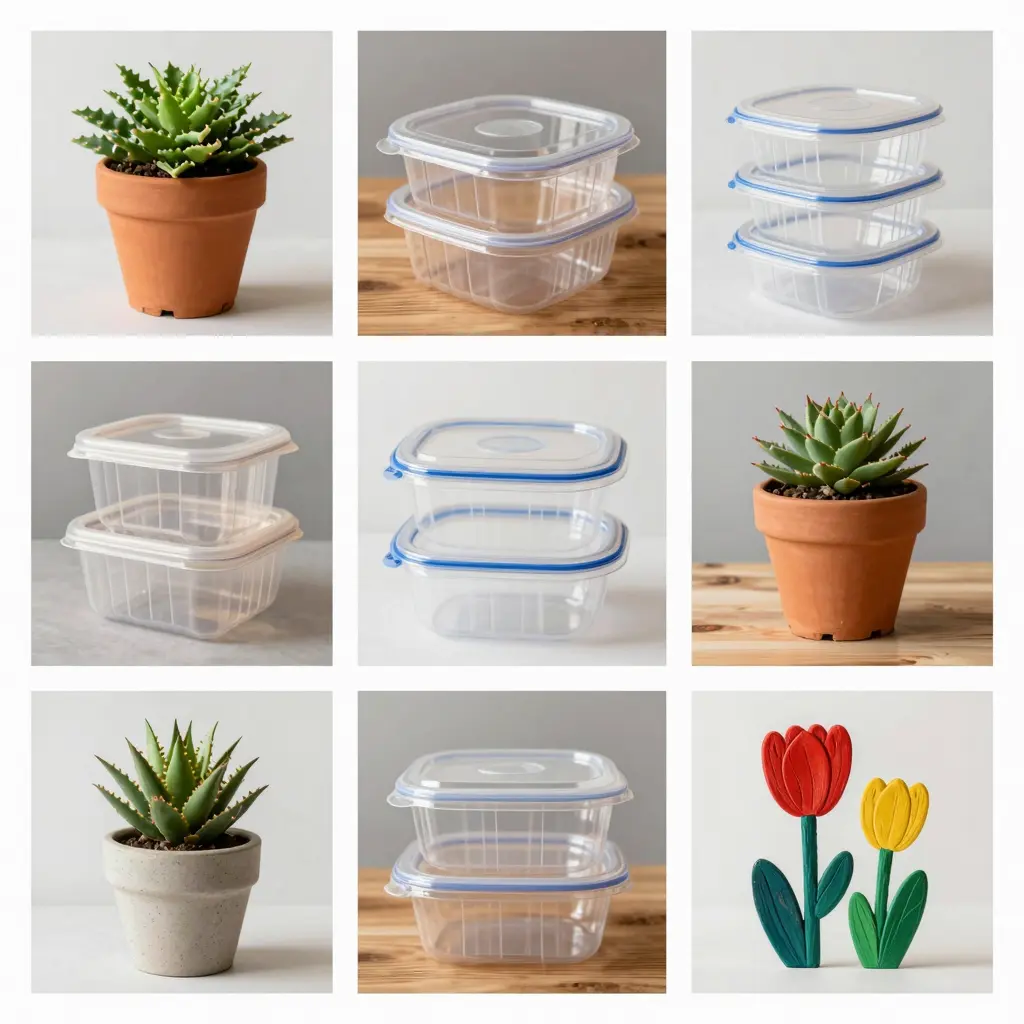
| Upcycling Idea | Potential Cost | Time to Create | Required Tools/Materials |
|---|---|---|---|
| Decorative Storage Containers | $5 – $10 (if glue is needed) | 1 – 2 hours + drying | Plastic tub, decorative paper, Mod Podge, scissors, brush |
| Garden Planters | Free (household items) | 20 – 40 minutes | Clean plastic containers, soil, seeds or plants, scissors, twine |
| Bird Feeders from Jugs | Free (if using existing materials) | 30 minutes | Plastic jug, scissors, awl, markers, glue |
| DIY Watering Cans | Free | 10 – 15 minutes | Plastic container, knife (for spout), scissors |
| Desk Organizers from Food Tubs | Free | 10 – 20 minutes | Old food tubs, scissors |
Sources & Further Reading
- Upcycling Plastic Food Containers into Pretty Storage
- How to Repurpose Plastic Containers for Smart, Sustainable Organization
Feel free to explore these ideas and see how you can creatively upcycle plastic food containers for practical and aesthetic purposes!
Case Studies of Successful Upcycling Businesses
Upcycling, the art of taking discarded materials and transforming them into higher-value products, has found its way into the hearts and minds of businesses worldwide, particularly within the bubble tea and catering sectors. Notable examples include ChopValue, a Canadian company that turns used chopsticks into stunning furniture pieces. This innovative approach not only reduces waste but enhances their brand image as a leader in sustainability, captivating environmentally conscious customers. In another inspiring case, Gomi, based in the UK, converts non-recyclable plastic waste into chic consumer tech gadgets such as speakers and power banks. Their products have fostered strong brand loyalty and a premium image, demonstrating that sustainability can drive customer satisfaction.
Moreover, a bubble tea shop in Hong Kong illustrated the power of upcycling by introducing reusable cups made from recycled plastic containers, which significantly boosted customer engagement and satisfaction. Their efforts to cut down on plastic waste resonated well with eco-conscious patrons, resulting in improved brand perception and loyalty. As more businesses explore upcycling, it’s evident that integration of these strategies can yield tangible benefits-a sentiment reinforced by findings from an academic study highlighting how sustainable practices enhance customer satisfaction through positive brand image. With case studies like these, it’s clear that upcycling plastic containers not only enhances operational sustainability but also solidifies brand allegiance among consumers who prioritize eco-friendly practices over conventional options.
For further information about eco-friendly packaging options for your business, check out our packaging solutions that can complement your upcycling efforts!
“Circular economy is absolutely exciting from an entrepreneurial point of view. Those who start doing it now will also be rewarded the most.”
- Carl Warkentin
This quote emphasizes the transformative potential of upcycling plastic food containers, particularly for businesses in the food and beverage industry. By embracing sustainable practices, such as utilizing upcycled materials, companies not only contribute to the environment but can also capture the market as eco-conscious consumers become increasingly prevalent in today’s society.
Conclusion
In conclusion, the upcycling of plastic food containers is not just a trend; it’s an essential strategy for modern businesses aiming to enhance sustainability and meet consumer demand for environmentally friendly practices. As demonstrated in this article, both upcycled plastic options and biodegradable alternatives confer significant benefits, spanning enhanced cost savings, reduced environmental impact, and alignment with consumer preferences.
Key Insights:
- Cost Efficiency: Upcycled plastic containers can save households up to $18 annually compared to traditional single-use plastics, while biodegradable options offer similar savings. This economic advantage presents a compelling case for businesses to transition to sustainable solutions.
- Environmental Responsibility: Utilizing upcycled materials can lead to a reduction of carbon footprints by up to 35%, while biodegradable alternatives can reduce this impact by an impressive 45%. As public awareness of environmental issues heightens, adopting these materials can significantly bolster a business’s reputation.
- Consumer Preference: Recent surveys show that 68% of consumers prefer upcycled plastic containers, with 74% favoring biodegradable options. Clearly, there is a growing market demand for products that reflect a commitment to sustainability.
By choosing disposable tableware from our extensive collection, businesses such as bubble tea shops, restaurants, food trucks, and event planners can not only align with these trends but also reduce their environmental impact. Furthermore, our products are designed with both functionality and aesthetic appeal in mind, ensuring that your customers enjoy their experience while you contribute to the planet’s well-being.
Don’t wait to elevate your business’s sustainability game and appeal to eco-conscious consumers-explore our innovative packaging solutions today!
Understanding Plastic Waste and Upcycling in the Hospitality Industry
Plastic waste has emerged as a significant environmental concern, particularly in the hospitality sector, which greatly contributes to plastic pollution. Over the years, both plastic production and waste generation have skyrocketed.
Historical Context of Plastic Waste Production
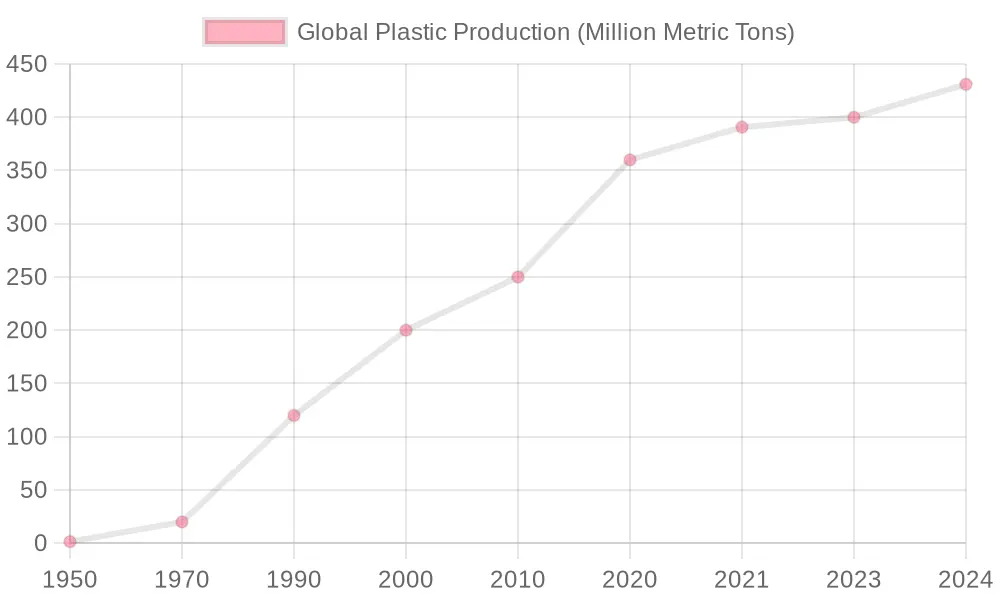
From the data collected, we can see a trend of increasing plastic production and waste from 1950 onwards, with projections suggesting this trend will continue well into the future. Here’s a summary of key statistics:
| Year | Global Plastic Production (Million Metric Tons) | Global Plastic Waste Generated (Million Metric Tons) | Contribution of Hospitality Industry to Plastic Waste (Estimated %) | Projected Global Plastic Waste (2025-2030, Estimated) | Estimated Impact of Upcycling on Hospitality Waste Reduction |
|---|---|---|---|---|---|
| 1950 | 1.5 | Not available | Not available | – | – |
| 1970 | 20 | ~20 | ~5% | – | – |
| 1990 | 120 | ~80 | ~8% | – | – |
| 2000 | 200 | ~140 | ~10% | – | – |
| 2010 | 250 | ~220 | ~12% | – | – |
| 2020 | 360 | ~300 | ~15% | 380 million metric tons (2025) 420 million metric tons (2030) |
Upcycling could reduce hospitality waste by up to 30% by 2030 |
| 2021 | 390.7 | ~320 | ~15% | – | – |
| 2023 | 400 | ~360 | ~15% | – | – |
| 2024 | 430.9 | ~360 | ~15% | – | – |
This table illustrates the dramatic increase in global plastic production over the decades, along with the hospitality industry’s substantial contribution to this waste.
The Role of Upcycling
Upcycling is an effective strategy to combat plastic waste, particularly in sectors that generate a significant amount of single-use plastic. It transforms waste materials into higher quality or value goods and helps reduce the total volume of waste produced. Estimates suggest that upcycling could lead to a reduction of waste in the hospitality industry by as much as 30% by the year 2030. Learn more about upcycling.
Visualizing the Data
Below is a chart showcasing the trend in global plastic production over the years, which highlights the urgent need for sustainable practices such as upcycling within the hospitality industry.
By adopting upcycling practices, businesses in the hospitality industry can not only contribute to a healthier planet but also position themselves as leaders in sustainability.
Conclusion
As the hospitality industry continues to grow, implementing strategies like upcycling can significantly reduce plastic waste output, thus contributing to environmental sustainability and positively impacting brand image and customer loyalty.
FAQs About Upcycling Plastic Containers
What is upcycling, and how does it work?
Upcycling is the creative process of transforming waste materials, such as plastic containers, into new products that have higher value. Unlike recycling, which breaks down materials into their raw components, upcycling retains the original material’s integrity, making it a sustainable and eco-friendly option. You can turn unused plastic containers into functional items or beautiful décor pieces, thus contributing to waste reduction and sustainability in your business practices.
How cost-effective is upcycling plastic containers?
Upcycling is often very cost-effective. By repurposing containers that you already have, you can save money on purchasing new supplies. Instead of investing in expensive storage solutions or decorative pots for your bubble tea shop or restaurant, consider using plastic containers that would otherwise go to waste. This approach not only saves money but also enhances your brand’s sustainability image – an ever more appealing factor for consumers today. For a deeper look into cost-effective packaging options, check out our packaging solutions.
What are some practical ways to upcycle plastic containers?
There are endless possibilities for upcycling plastic containers, including:
- Planters: Use containers to grow herbs or small plants, which can also serve as a unique décor element in your shop.
- Storage Bins: Organize supplies in your kitchen by using containers as labeled storage bins. This can help to streamline operations in busy environments like food trucks or catering services.
- Serving Bowls or Cups: Transform larger containers into serving bowls for snacks or sauces, reducing the need for additional dishware. Additionally, you might want to explore disposable drinkware to complement your upcycling efforts.
Are there any regulatory concerns with upcycling?
While upcycling is generally a positive practice, it’s important to ensure safety and compliance with health regulations, especially in the food and beverage industry. Check local regulations regarding the use of repurposed materials for food handling and serving. Always ensure that your upcycled products are clean, safe, and suitable for their intended use.
How can I engage my customers in upcycling initiatives?
Engaging customers in upcycling can enhance your relationship with them and promote your sustainability efforts. Consider:
- Hosting workshops or classes showcasing how to upcycle plastic containers into useful items.
- Running contests where customers can share their best upcycling projects.
- Featuring upcycled products in your offerings, like serving beverages in creatively transformed containers.
Why should I consider upcycling as part of my business operations?
Incorporating upcycling into your operations can significantly boost your brand’s image, promote sustainability, and connect with eco-conscious consumers. Furthermore, it can lead to cost savings and innovative product offerings, helping to differentiate your business in a competitive market.
By creatively reimagining plastic containers, you can transform potential waste into valuable assets for your business, ultimately making a positive environmental impact and standing out to customers who value sustainability.