

In the bustling world of food service, maintaining the highest standards of cleanliness is not just a practice-it’s a necessity, especially for businesses such as bubble tea shops and catering services. Sterilising plastic food containers is a fundamental part of ensuring food safety and hygiene. When food is stored or served in clean containers, it minimizes the risk of contamination and promotes the health of customers. Failure to keep these containers sanitized can lead to foodborne illnesses, compromising the very essence of your business. Furthermore, a commitment to cleanliness boosts customer confidence, making them more likely to return and recommend your services to others. In an age where health consciousness is significantly heightened, prioritizing hygiene reflects your professionalism and care towards your patrons. By investing in proper sterilisation techniques, not only do you protect your customers but also enhance your brand’s reputation in a competitive market. To learn more about maintaining proper hygiene standards, check out our disposable dinnerware options and eco-friendly packaging solutions.
Every step towards cleanliness is a step towards longevity and success in the food industry!
Common Types of Plastic Food Containers in the Food Industry
In the bustling world of bubble tea shops, restaurants, food trucks, and catering services, plastic food containers play a crucial role in food storage and presentation. Here’s a friendly yet professional look at some common types of plastic food containers used across the food industry, along with their sizes, use cases, and unique features:
-
Polypropylene (PP) Containers
-
Size: Various sizes; typically ranges from 250ml to 2000ml
-
Use Case: Ideal for salads, sandwiches, and ready-to-eat meals
-
Features: Microwave-safe, lightweight, and available with resealable lids, making them perfect for take-out orders.
-
Polyethylene Terephthalate (PET) Containers
-
Size: Commonly available in 500ml to 1000ml capacities
-
Use Case: Ideal for beverages like smoothies and bubble tea
-
Features: High clarity to showcase drink colors, lightweight, and recyclable; however, not suitable for hot contents.
-
Expanded Polypropylene (EPP) Containers
-
Size: Usually come in sizes of 500ml to 3000ml
-
Use Case: Perfect for packing hot dishes like stews or curries due to their excellent thermal insulation.
-
Features: Resistant to high temperatures, sturdy, and can stack for efficient storage.
-
High-Density Polyethylene (HDPE) Containers
-
Size: Typically 1L to 5L
-
Use Case: Commonly used for storing bulk items like sauces or dressings
-
Features: Strong and sturdy, suitable for refrigeration, but generally not microwave-safe.
-
Disposable Plastic Cups
-
Size: Ranges from 200ml to 700ml
-
Use Case: Widely used for serving drinks like coffee, bubble tea, or juices
-
Features: Lightweight, available in various designs, often with lids to prevent spills.
These containers not only optimize food storage but also enhance the customer experience by ensuring safety, hygiene, and presentation. To find the perfect packaging for your needs, explore our range of packaging options.
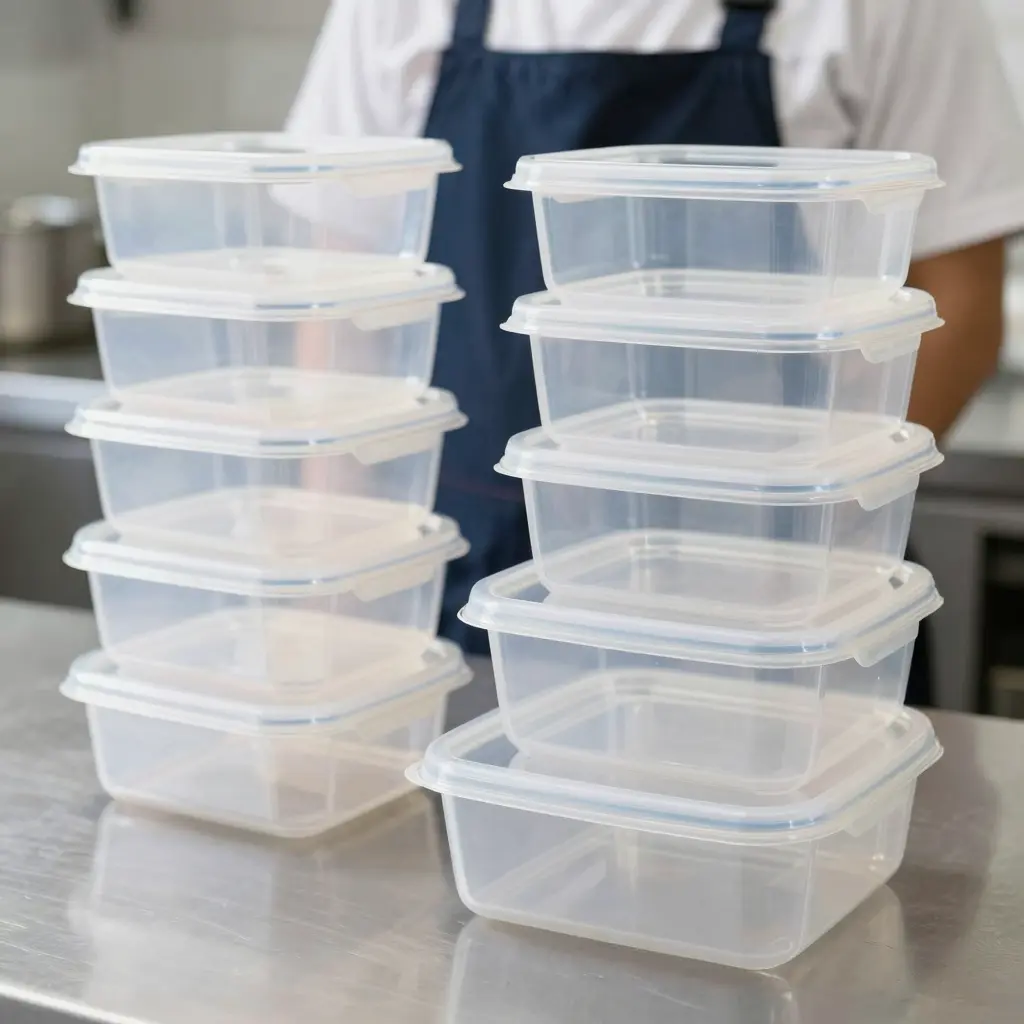
In this image, you can see a variety of clean plastic food containers showcased in a professional setting. Such containers are ideal for food service environments, ensuring both usability and hygiene, which are paramount for businesses like bubble tea shops, restaurants, and catering services.
Sterilization Methods for Plastic Food Containers
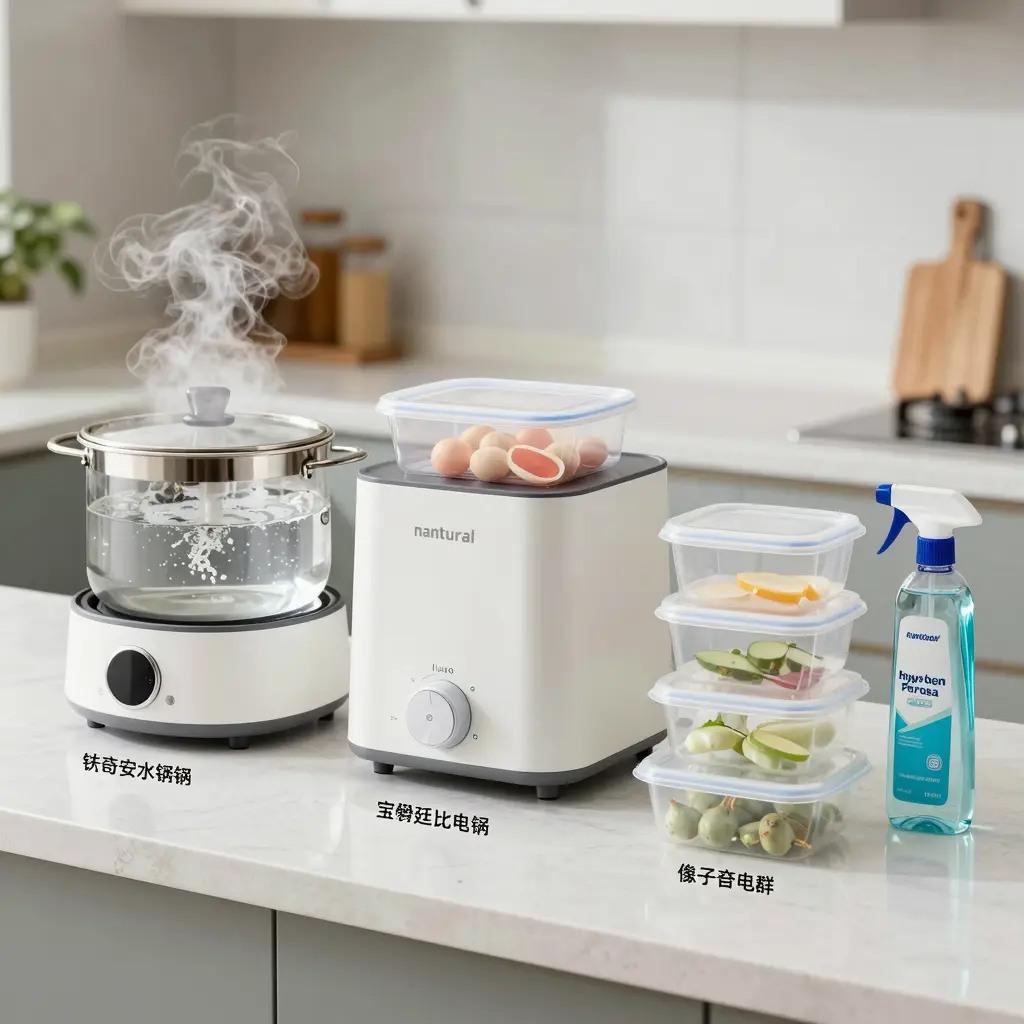
Keeping food containers clean and safe is crucial for any food-related business, from bubble tea shops to catering services. Here, we will explore various sterilization methods suitable for plastic containers, including hot water, steam, and chemical solutions. Each method has its pros and cons which we will discuss to guide you in making informed choices.
1. Hot Water Sterilization
Hot water sterilization typically involves immersing plastic containers in water heated to temperatures between 80°C to 100°C for a specified duration (often around 10 minutes). This method is straightforward and cost-effective.
-
Pros:
-
Effective for materials like polypropylene (PP) and high-density polyethylene (HDPE).
-
Minimal degradation of the container if performed correctly.
-
Simple and does not require specialized equipment.
-
Cons:
-
May not be suitable for low-melting-point plastics such as low-density polyethylene (LDPE).
-
Strenuous on containers that may warp or crack under high heat.
Learn more about food-safe containers here.
2. Steam Sterilization
Steam sterilization utilizes high-pressure steam (around 121°C at 15 psi) to kill bacteria and viruses effectively. This method is particularly beneficial for commercial food packaging and is often used in medical contexts.
-
Pros:
-
Complete microbial inactivation with thorough sterilization.
-
Suitable for heat-resistant materials and commonly used for sensitive food items, like infant formula.
-
Cons:
-
Requires special equipment such as autoclaves, which can be costly.
-
Certain plastics may degrade or crack under high steam pressure, so careful selection of container materials is essential.
3. Chemical Sterilization
Chemical sterilization involves using agents such as hydrogen peroxide or chlorine dioxide. This method allows for sterilization without extreme heat, suitable for a wider variety of plastics.
-
Pros:
-
Effective for non-heat-sensitive polymers.
-
Lower temperature processing minimizes the risk of harming the container’s structure.
-
Cons:
-
Potential for residue contamination if not rinsed correctly.
-
Chemical exposure poses health risks if safety protocols are not followed.
Explore various plastic packaging options suitable for your business here.
Conclusion
When choosing a sterilization method for plastic food containers, consider the type of plastic you are working with, the intended use, and any relevant health safety regulations. Hot water and steam sterilization provide effective results for heat-resistant materials, while chemical methods offer versatility for various container types. Understanding the pros and cons of each method will help ensure the safety of your food products while maintaining container integrity.
Overall, selecting the right sterilization technique can enhance your service offerings and ensure compliance with health standards, which is vital for any food business.
Comparing Sterilization Methods for Plastic Food Containers
When it comes to sterilizing plastic food containers, several methods are available, each with its own effectiveness, time requirements, and impact on durability. Below is a chart comparing these sterilization methods:
| Sterilization Method | Effectiveness Rating (1-5) | Average Time (minutes) | Durability Impact |
|---|---|---|---|
| High-temperature steam | 5 | 15-30 | Medium |
| Hydrogen Peroxide Vapor | 5 | 10-20 | Low |
| Radiation (Gamma/E-beam) | 5 | 1-5 | Low |
| UV-C Light | 2-3 | 5-15 | Low |
| Ethylene Oxide Gas | 5 | 4-8 hours | High |
Summary of Methods:
- High-temperature steam: Efficient for heat-stable plastics and commonly used in both food and medical applications.
- Hydrogen Peroxide Vapor: Ideal for heat-sensitive materials, effective with minimal residue.
- Radiation (Gamma/E-beam): Highly effective for sterilization without heat; requires specialized facilities.
- UV-C Light: Effective for surface decontamination but limited in penetration.
- Ethylene Oxide Gas: Highly effective; however, care is needed regarding residual chemicals and material compatibility.
For further resources on these packaging options, check out our range of packaging materials and learn more about biodegradable options.
The Importance of Sterilizing Plastic Food Containers
For establishments like bubble tea shops, restaurants, food trucks, and catering services, maintaining hygiene standards is crucial in preventing foodborne illnesses. The frequency of sterilizing plastic containers directly impacts the safety and quality of the food served to customers.
Recommended Sterilization Frequency
Based on current guidelines and best practices in the food service industry, here are some key recommendations for effectively sterilizing plastic food containers:
-
Daily Sterilization: Containers used for high-risk foods (like meats and dairy) should be sterilized immediately after use. This often includes a thorough clean followed by high-temperature sterilization methods such as steam or boiling, provided the materials can withstand such temperatures. For commercial settings, the FDA suggests using food-grade plastics that can be labeled as ‘microwave-safe’ or ‘dishwasher-safe.’
-
Weekly Routine: For lower-risk containers, such as those storing dry foods, it’s recommended to sterilize at least once a week using lower-temperature methods like ozone or UV-C treatments. This ensures any bacterial build-up is effectively managed without compromising the integrity of the plastic.
-
Post-Use Disinfection: After every use, especially if containers are used for holding food products that may be prone to spoilage, a thorough cleaning with warm water and detergent is essential. Following cleaning, hot water rinses (up to 90°C if approved) or chemical sanitizations with quaternary ammonium compounds are advisable. Containers should also be air-dried upside down in a clean area to mitigate contamination risks.
-
Regular Inspections: It’s crucial to regularly inspect plastic containers for any signs of wear, including scratches or discoloration. Containers displaying these signs should be removed from use to prevent any potential health risks as damaged containers can harbor bacteria.
Key Takeaways
- Use high-temperature sterilization for high-risk food containers and low-temperature methods for others.
- Weekly and post-use disinfection routines are vital for maintaining hygiene standards.
- Regular inspections ensure that containers used remain safe and effective.
Following such guidelines not only demonstrates a commitment to food safety but also enhances the reputation of the business by ensuring customer satisfaction with safe and hygiene-conscious practices. To explore various food-safe containers suited for your establishment, check out our range of disposable drinkware and disposable dinnerware that meet these safety standards!
“Sterilizing food containers is not just a procedural step-it’s a fundamental safeguard against pathogenic microorganisms like Clostridium botulinum, which can thrive in low-acid canned foods.”
- Food Processing Technology Blog
source
Incorporating such expert insights into your sterilization procedures will not only help ensure food safety but also enhance the reputation of your establishment.
For more information on food packaging and safety, check out our packaging products here.
In conclusion, the importance of sterilisation in maintaining food safety cannot be overstated, especially within the vibrant sectors of restaurants and food services. It plays a crucial role in reducing the risk of foodborne illnesses, as strict sanitisation procedures ensure that all food contact surfaces remain free from harmful microorganisms. By implementing rigorous sterilisation protocols, businesses not only protect their customers but also uphold their reputation and adhere to food safety regulations. Partnering with a reliable company like ours for packaging solutions brings additional layers of safety and efficiency to your operations. We provide innovative, eco-friendly packaging options that comply with the highest hygiene standards, ensuring that your products not only look great but also remain uncontaminated from production to consumption. To explore our wide range of packaging solutions that can elevate your business while ensuring food safety, visit our packaging printing section today! Together, we can enhance your food safety practices and support a healthier, more sustainable future for your customers.
Join us in making your food services safer and more efficient by choosing the right partners today!
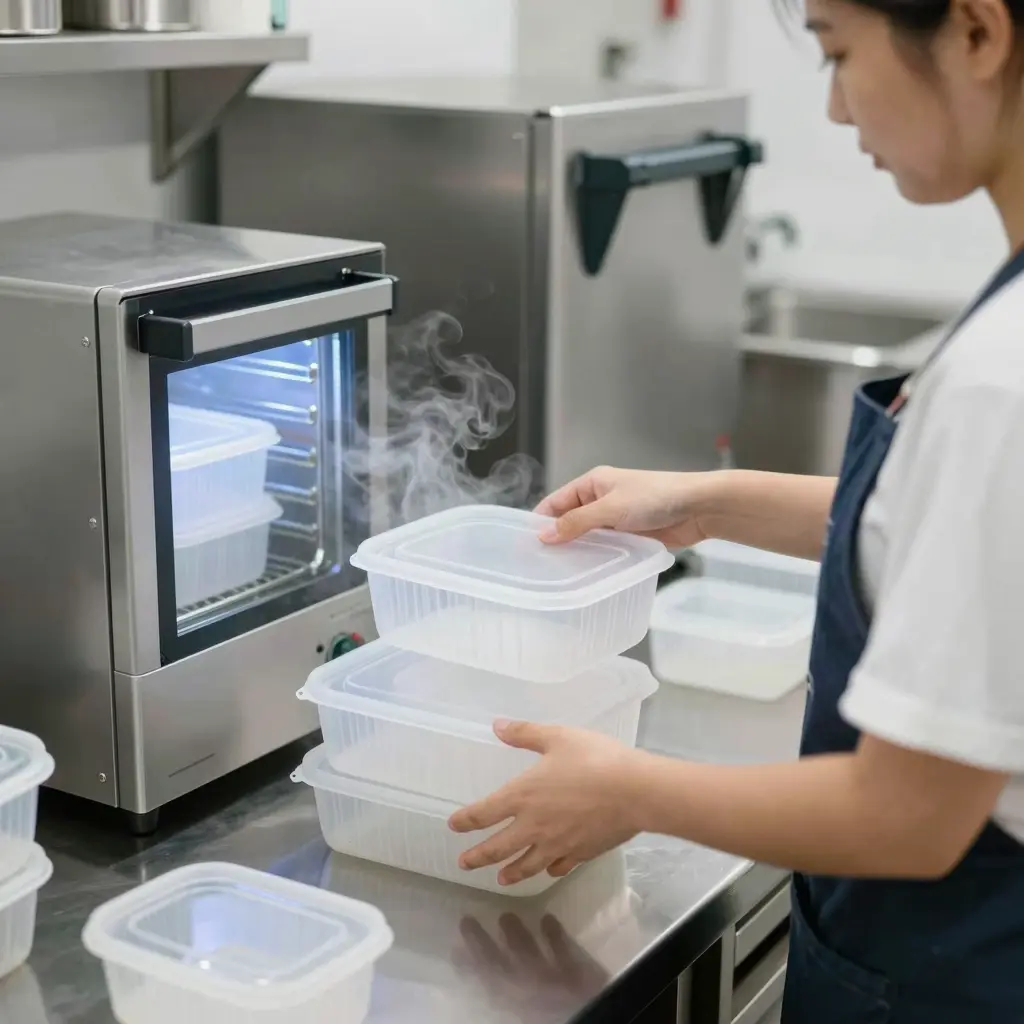
This image vividly illustrates the sterilisation process for plastic food containers in a commercial kitchen environment. It showcases best practices in hygiene and safety, essential for maintaining food quality and compliance with health standards.
Take Action for Superior Disposable Tableware Today!
When it comes to your business, providing a great dining experience begins long before food is served. The quality of your disposable tableware and packaging solutions plays a crucial role in your operation’s success. At Cofe-Cup, we understand that every aspect matters, which is why we offer top-notch disposable items designed specifically for the food industry.
Why Choose Us?
- Fast Delivery: We know you need your supplies in a timely manner. That’s why we prioritize rapid shipping to ensure you never run out of essential tableware-whether you’re running a bustling restaurant, a food truck, or planning a large event.
- Flexibility: Our range of products caters to any occasion. From vibrant paper cups to essential disposable cutlery and bowls, we’ve got you covered! Whether you need a little or a lot, we can provide quantities that fit your needs.
- Commitment to Safety Standards: Our products adhere strictly to the latest food safety regulations, ensuring your customers enjoy their meals with peace of mind. For example, our food contact plastic materials meet national safety guidelines, ensuring no harmful substances leach into food.
Ready to Upgrade Your Disposable Tableware?
Your customers deserve the best, and so does your business. Contact us today for durable, safe, and stylish disposable tableware solutions that can elevate your service while keeping logistics efficient. Whether you’re a food chain, event planner, or corporate procurement team, we have the perfect products to meet your needs!
Let’s make planning and serving easier together. Explore our wide range of disposable tableware options now!