
Introduction
In today’s world, where sustainability takes center stage, the importance of rigid paper packaging recycling in the beverage and food service industry cannot be overstated. This eco-friendly practice not only helps in reducing waste but also plays a crucial role in promoting an ecological balance. For businesses, adopting sustainable packaging solutions, such as rigid paper, offers a chance to resonate with environmentally conscious consumers, ultimately enhancing brand loyalty. By implementing effective recycling strategies, companies can minimize their carbon footprint while simultaneously benefiting from cost savings and improved operational efficiency. As food businesses-from bubble tea shops to catering services-embrace these ecological practices, they pave the way for a greener future, making a positive impact on both the planet and their bottom line. Explore our selection of sustainable packaging options and discover how you can contribute to a healthier environment while serving delightful products to your customers.
The Benefits of Recycling Rigid Paper Packaging for Bubble Tea Shops and Food Service Businesses
Recycling rigid paper packaging is not just a green trend; it represents a pivotal shift toward sustainability with significant environmental and economic benefits, especially for bubble tea shops and food service businesses.
Environmental Benefits
-
Reduction in Waste: The recycling of paper packaging has a substantial impact on the volume of waste entering landfills. A large part of landfill waste consists of paper products. By engaging in recycling, food service businesses can significantly reduce their waste footprint, contributing to a healthier planet.
-
Conservation of Resources: Recycling paper helps preserve vital natural resources. For instance, recycling one ton of paper can save about 17 trees, three cubic meters of landfill space, and 26,000 liters of water. This conservation is critical as it reduces the need for virgin materials and helps lower deforestation rates.
-
Energy Savings: The energy consumed in recycling paper is considerably less than that required for producing new paper from raw materials. Research indicates that recycling paper can save up to 60% of the energy necessary for manufacturing it from scratch. This reduction in energy consumption contributes to decreased greenhouse gas emissions, aligning with current sustainability goals.
Economic Benefits
-
Cost-Effective Packaging Solutions: Recycling not only minimizes waste but also lowers disposal costs for businesses. For bubble tea shops and restaurants, recyclable paper packaging can be a cost-effective solution. By reducing reliance on single-use plastics, businesses can tap into a growing consumer demand for eco-friendly products, ultimately driving sales.
-
Job Creation and Economic Growth: The recycling sector contributes significantly to the economy. Reports suggest that the recycling industry creates jobs in collection, processing, and selling of recycled materials. Investing in recycled paper packaging can thus support local economies and promote sustainable growth.
-
Consumer Preference: Today’s consumers increasingly prefer eco-friendly packaging. By adopting rigid paper packaging solutions, bubble tea shops not only contribute to environmental sustainability but also attract a customer base that values corporate responsibility and sustainability.
Conclusion
Incorporating recycling into operational strategies is paramount for food service businesses. Not only does it enhance environmental sustainability, but it also offers economic advantages by reducing costs and aligning with consumer preferences.
For those looking to explore effective sustainable packaging options, check out these paper packaging solutions that can revolutionize your packaging strategy.
Implementing recycling practices today fosters a more sustainable tomorrow for the beverage and food service industries.
Comparison Table of Rigid Paper Packaging Solutions
When choosing packaging solutions, especially for food service businesses, several factors such as specifications, eco-friendliness, and cost per unit play a crucial role. Here’s a comparison of three common types of rigid paper packaging:
| Type | Specifications | Eco-Friendliness Rating | Cost per Unit (USD) | Source |
|---|---|---|---|---|
| Paper Boxes | Biodegradable, grease-resistant | 5 | 0.30 | Source 1 |
| Paper Cups | Double-walled, poly-coated | 4 | 0.12 | Source 2 |
| Paper Plates | Sturdy, compostable | 5 | 0.25 | Source 3 |
For more details on the different types of packaging solutions available, you might want to explore our range of paper packaging options.
Eco-Friendliness Ratings Chart
In addition to the specifications and cost, it’s important to consider eco-friendliness ratings. Below is a visual representation of the eco-friendliness ratings for rigid paper packaging solutions:
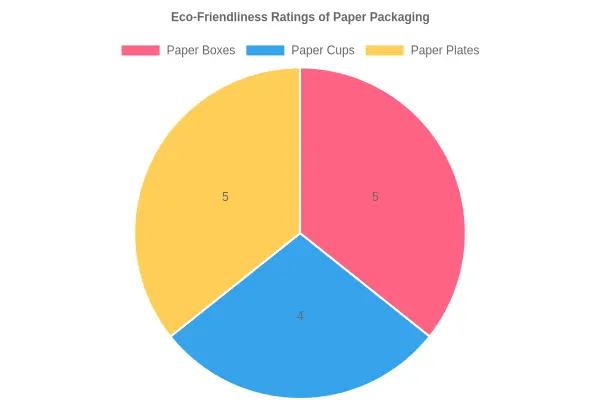
This pie chart provides insights into how each packaging type is rated for eco-friendliness, with Paper Boxes and Paper Plates leading with a rating of 5. This reflects their biodegradable and compostable nature, making them suitable choices for environmentally conscious food businesses.
For further inquiries or to see how these products can benefit your business, visit our packaging printing section.
The Recycling Process of Rigid Paper Packaging
Recycling rigid paper packaging is a crucial component in reducing waste and promoting sustainability, especially for businesses in the food and beverage sector. Understanding the journey from disposal to reprocessing can help enhance your company’s waste management practices.
Step-by-Step Recycling Process
-
Collection: The recycling process begins when consumers or businesses dispose of their rigid paper packaging products. They are typically placed in designated recycling bins that are separate from general waste.
-
Sorting: Once collected, the paper packaging is transported to a recycling facility where it is sorted by type and grade. Automated systems often perform this step, but manual sorting may also take place to ensure that any contaminants, such as plastic or non-recyclable materials, are removed.
-
Shredding: After sorting, the clean rigid paper packaging is shredded into smaller pieces. This process prepares it for pulping and ensures easier mixing in the next stage.
-
Pulping: The shredded paper is mixed with water and chemicals to break it down into a slurry, known as pulp. This pulp will form the basis of new paper products.
-
Cleaning: The pulp is then cleaned to remove any remaining contaminants like inks, staples, and plastics. This step is critical for recycling high-quality paper products.
-
Drying and Sheet Formation: The clean pulp is spread onto screens to remove excess water, forming sheets of paper. These sheets are pressed and dried, allowing them to be ready for the next stage.
-
Reprocessing: Finally, the sheets of recycled paper can be rolled out and transported to manufacturers, where they will be turned into new products such as boxes, bags, or even new containers for food items.
Implementing Recycling Practices in Your Business
- Educate Employees: Ensure all staff members understand the recycling procedures and the importance of proper disposal.
- Setup Recycling Stations: Have clearly labeled bins for different types of recyclable materials, including rigid paper packaging. Consider placing these stations prominently in food prep areas to encourage proper sorting.
- Partner with Local Recycling Facilities: Establish a relationship with local recycling centers to ensure that your materials are handled properly and to stay informed about any changes in recycling guidelines.
Tips for Proper Recycling Practices
- Cleanliness is Key: Always clean and dry paper packaging. Contaminants from liquids or food can ruin the entire batch of recyclable materials.
- Know Your Local Guidelines: Recycling rules differ by location, making it important to stay informed about what materials can be accepted by your local facilities.
- Flatten Packaging: Flatten any rigid boxes to save space and improve processing efficiency.
By implementing these steps and best practices, businesses in the food industry, such as beverage chains, food trucks, and restaurants, can significantly contribute to a sustainable future while optimizing their waste management.
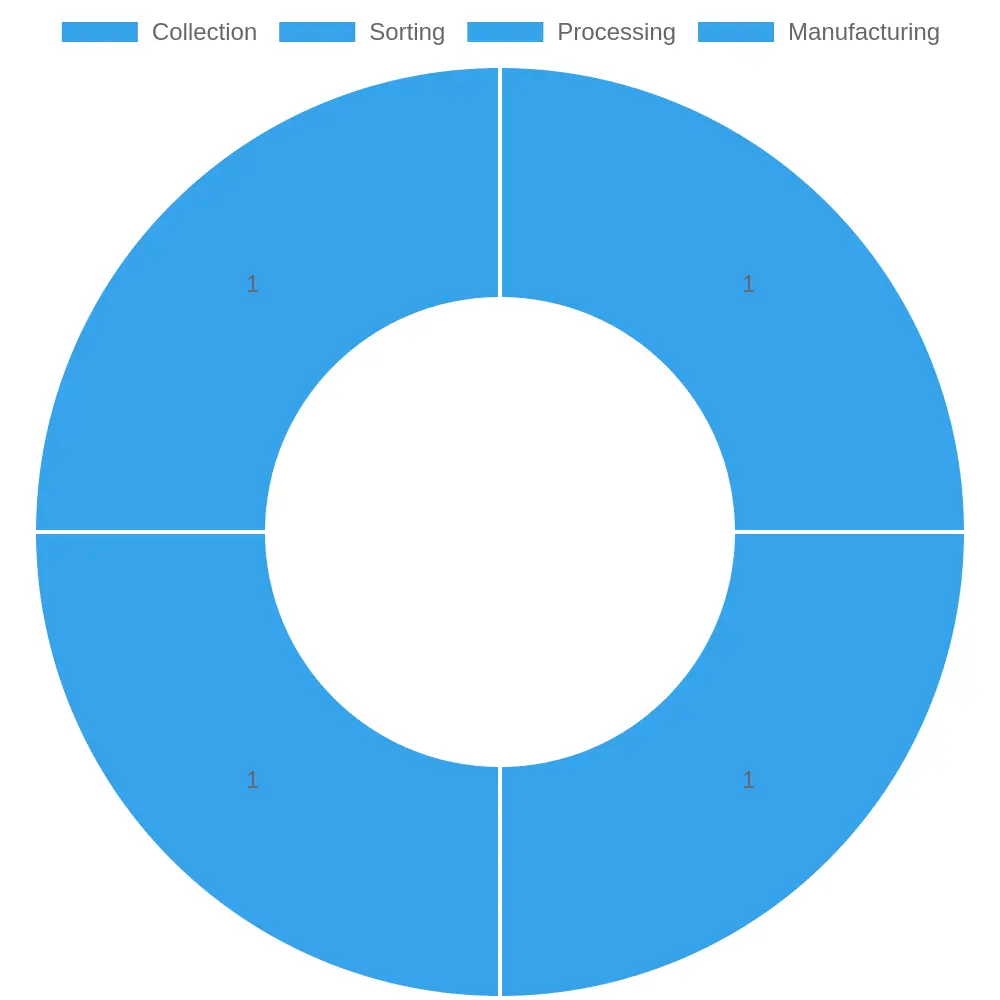
Here is a visual representation of the recycling process for rigid paper packaging. This image illustrates the four key steps involved: Collection, Sorting, Processing, and Manufacturing.
- Collection: Rigid paper packaging waste is gathered from various sources, including businesses and households.
- Sorting: The collected materials are sorted into different categories based on their type and material.
- Processing: The sorted materials are cleaned and processed to eliminate contaminants, making them ready for recycling.
- Manufacturing: The processed paper is transformed into new products, thus completing the recycling loop and creating new packaging.
This engaging visual serves as a guide for businesses looking to engage in effective recycling practices. For more information on sustainable packaging options, check out our paper packaging products.
Case Study: EcoSip Bubble Tea Shop’s Successful Recycling Initiative
Overview
EcoSip, a popular bubble tea shop in a bustling metropolis, embarked on a mission to reduce its environmental footprint by implementing a rigorous paper packaging recycling program. As the demand for eco-friendly practices grew among consumers, EcoSip recognized the need to align its operations with sustainability goals.
Challenges Faced
- Initial Resistance: Many customers were accustomed to plastic and often questioned the necessity of changing packaging types.
- Staff Training: Staff members needed comprehensive training on the new recycling protocols and how to communicate the changes effectively to customers.
- Overhaul of Supply Chain: Transitioning to suppliers that offered 100% recyclable paper packaging meant reassessing existing supplier relationships and negotiating new contracts.
Solutions Implemented
- Supplier Collaboration: EcoSip partnered with a local vendor specializing in environmentally friendly packaging. This not only ensured the paper was sustainably sourced but also built a local economy.
- Customer Education Campaigns: EcoSip launched ‘Sip Responsibly’ campaigns which highlighted the importance of recycling and how customers could partake in their eco-friendly initiatives. Discounts were offered to customers who actively participated in recycling.
- Staff Workshops: Regular workshops and training sessions helped employees understand the importance of recycling and equipped them with the tools to promote these practices.
Benefits Gained
- Enhanced Brand Image: EcoSip’s commitment to sustainability significantly boosted its brand reputation. Customers appreciated the eco-friendly shifts, leading to increased customer loyalty.
- Improved Operational Efficiency: Recycling practices streamlined operations, leading to reduced waste disposal costs. EcoSip noticed a 25% reduction in packaging waste within the first year.
- Community Engagement: The initiative led to community partnerships with local schools for recycling education programs, thus increasing brand visibility and community support.
Conclusion
EcoSip’s successful implementation of a rigid paper packaging recycling practice showcases that local businesses can favorably impact the environment while simultaneously reaping operational benefits. Their journey reflects the growing imperative for businesses in the food and beverage industry to adopt sustainable practices, echoing a broader commitment toward environmental stewardship.
By sharing their story, EcoSip not only contributes to a greener planet but also inspires other bubble tea shops and food service providers to implement similar eco-friendly practices. Explore more about eco-friendly packaging options here.
Blockquote
“We’re witnessing a significant shift in the food service industry towards sustainable packaging solutions. As consumer awareness increases, businesses that prioritize eco-friendly practices not only meet regulatory demands but also enhance their brand reputation and customer loyalty.” – Industry Expert
This statement highlights the growing trend towards sustainability and the strategic advantages it offers to food-related businesses, such as bubble tea shops and restaurants.
For further exploration on packaging options available, check our paper packaging products designed to suit your eco-friendly needs, or visit our packaging printing solutions for custom branding on sustainable materials.
In conclusion, the transition to rigid paper packaging recycling is not just an eco-conscious decision; it’s a smart business move for bubble tea shops, beverage chains, restaurants, food trucks, catering services, event planners, and corporate procurement teams. By adopting this sustainable practice, your business can enjoy significant cost savings through reduced disposal expenses while simultaneously lowering your environmental impact. Furthermore, implementing eco-friendly packaging not only enhances your brand image by appealing to environmentally-minded consumers but also helps you comply with increasing regulations surrounding sustainability. Additionally, engaging in recycling initiatives fosters community relationships and illustrates your commitment to social responsibility.
At Cofe-Cup, we understand the challenges and opportunities that come with transitioning to eco-friendly practices. That’s why we offer a wide range of paper packaging solutions designed to meet your needs while supporting a sustainable future. Let’s partner together to create a greener business landscape! Choose our products today, and take the first step toward a more responsible and eco-friendly tomorrow!
Visit our website to explore our eco-friendly packaging options and discover how we can support your journey to sustainability!
Recycling Statistics for Rigid Paper Packaging
To engage your audience and substantiate the importance of rigid paper packaging recycling, below are two compelling charts:
U.S. Paper Recycling Rates (1990 – 2023)
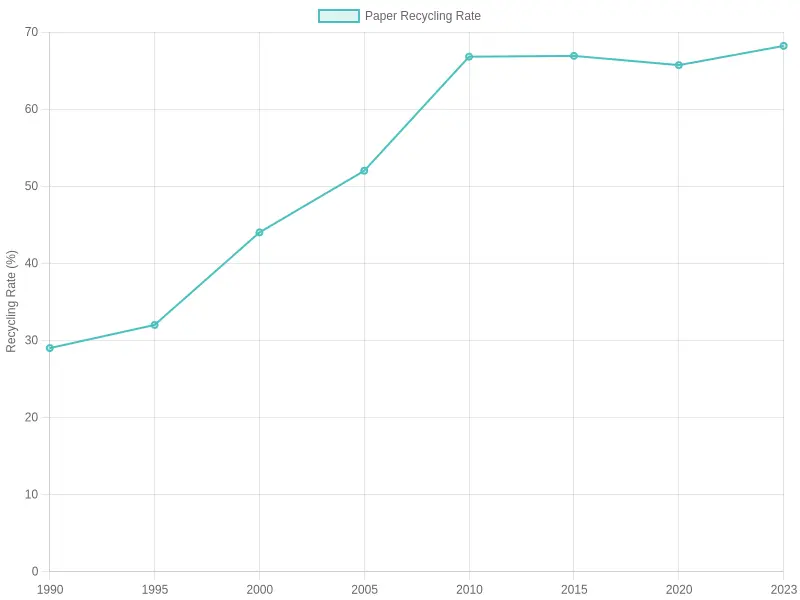
This chart illustrates the trends in paper recycling rates in the U.S. over the years, revealing that in 2023, the recycling rate reached 68.2%. This steady increase underscores the growing awareness and responsibility among businesses, including food services, to adopt eco-friendly packaging solutions.
Projected Market Growth for Paper Recycling
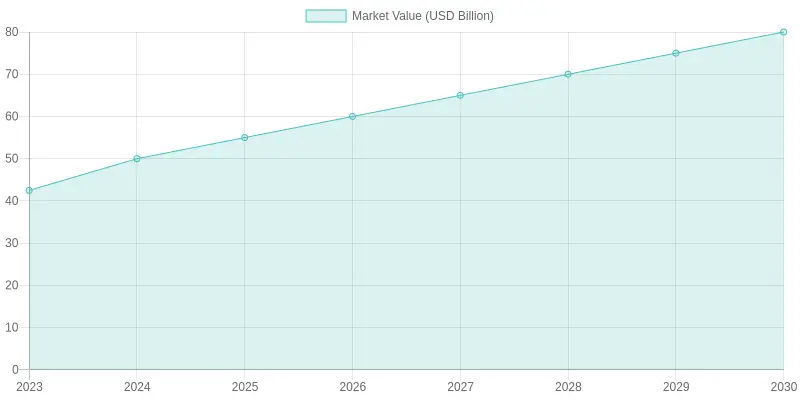
The market for paper recycling is expected to grow significantly, with projections showing an increase from $42.5 billion in 2023 to $68 billion by 2030. This anticipated growth aligns with heightened efforts in sustainability across various sectors, including food service and catering businesses.
As you can see, the recycling of rigid paper packaging not only has positive environmental impacts but also reflects a growing market trend that businesses can leverage for both sustainability and profitability.
For more information on different types of paper packaging options, check out our collections at Coffe Cup.