
Introduction
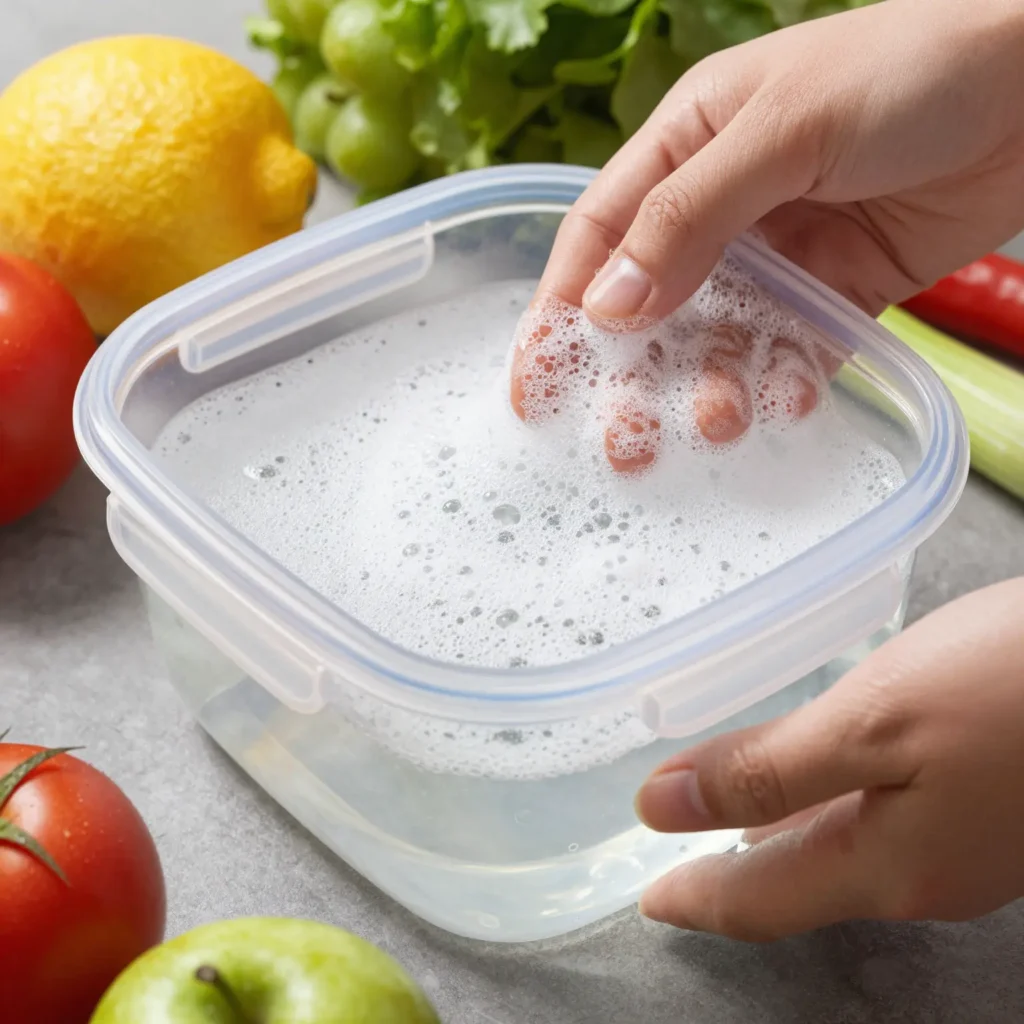
In the food service industry, maintaining high standards of safety and hygiene is non-negotiable, especially for businesses like bubble tea shops, restaurants, and catering services. One crucial aspect often overlooked is the importance of properly removing oil and grease from plastic food containers. Residual oil not only poses a risk to food safety, but it can also lead to customer dissatisfaction if it affects the taste and quality of meals. Additionally, excessive oil residue can interfere with the integrity of packaging solutions, potentially compromising food presentation. By ensuring that food containers are thoroughly cleaned, you not only promote hygiene standards but also demonstrate a commitment to your customers’ health and enjoyment. This dedication to cleanliness can lead to repeat business and positive reviews, which are vital in today’s competitive food landscape. As you explore effective methods for cleaning your plastic containers, consider how investing in proper cleaning practices can enhance safety, boost hygiene standards, and ultimately satisfy your customers’ expectations and needs. To find innovative solutions for your packaging needs, check out our wide selection of paper-based options and explore disposable tableware.
Common Types of Oils Found in Food Containers
When it comes to food storage, various oils can leave residues in plastic containers, often making them tough to clean. Here are some common types of oils that you might encounter:
- Olive Oil: A popular choice for dressings and cooking, olive oil can leave a slippery residue.
- Vegetable Oil: Commonly used in frying and baking, this oil can cling to container sides, requiring extra effort to remove.
- Sesame Oil: Known for its strong flavor, sesame oil can create stubborn stains and residue.
- Canola Oil: Often used for frying and sautéing, it can leave a greasy film.
- Coconut Oil: Solid at room temperature, coconut oil can be especially sticky, leaving behind a waxy residue.
- Peanut Oil: Frequently used in Asian cuisines, its density may make clean-up a challenge.
- Rapeseed Oil: This oil is similar to canola and can also leave a lasting greasy film on containers.
- Sunflower Oil: Common in food production, it can leave a slick residue that’s tough to wash away.
If you’re facing issues with stubborn oil residues, check out our packaging solutions for effective cleaning tips and storage options to help keep your kitchen efficient!
Why Oil Is Challenging to Remove
Removing oil from plastic containers can be quite the ordeal, largely due to the chemical properties of oils themselves. Oils are hydrophobic substances, meaning they do not mix with water. This property allows oil to cling stubbornly to plastic surfaces, forming a persistent layer that is challenging to eliminate. Additionally, oils have a tendency to create a film that can trap food particles and other contaminants, further complicating the cleaning process.
Here are some key reasons oil poses a challenge:
- Adhesion: The molecular structure of oils allows them to bind tightly to various surfaces, including different types of plastics. This strong adhesion means that conventional washing methods often fall short, as they may not provide sufficient agitation or chemical action to break the bond between the oil and the container.
- Re-deposition: When oil is partially removed during washing, it can re-deposit back onto the plastic surface, defeating the cleaning efforts. This is especially problematic in high-use environments like food and beverage businesses, where cleanliness is paramount.
This stubborn residue not only affects how well containers are cleaned but also has significant implications for hygiene standards. In food-serving businesses, proper sanitation is essential to prevent foodborne illnesses. Oil residue can harbor harmful bacteria, increasing the risk of contamination. According to hygiene best practices, maintaining clean food containers is crucial, as any contamination can lead to serious health issues among customers.
A pie chart (see below) illustrates how different factors, including oil residue, impact hygiene compliance in food service environments:
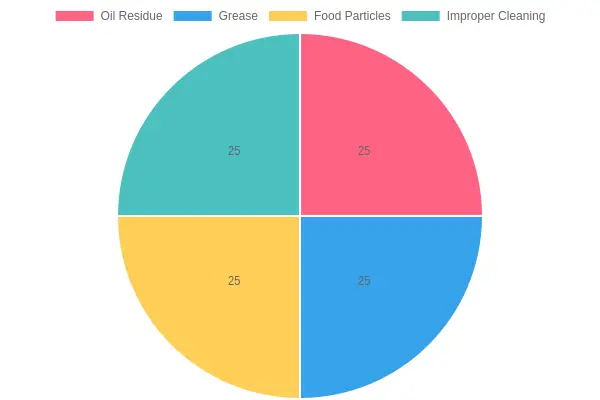
Maintaining high hygiene standards is essential in any food-related business. Proper cleaning techniques and the right choice of materials can help mitigate the issues associated with oil residues. Companies can explore better packaging options here to enhance their hygiene practices and ensure food safety.
Effective Methods for Removing Oil from Plastic Containers
Removing oil from plastic containers can be challenging, yet several methods can effectively clean residue and maintain cleanliness for your food storage needs. Below is a comparison table of common oil removal methods, outlining their effectiveness, time required, and materials needed.
| Method | Effectiveness | Time Required | Materials Needed |
|---|---|---|---|
| Soap & Water | High | 5-10 minutes | Dish soap, hot water, sponge |
| Baking Soda & Vinegar | Very High | 15-20 minutes | Baking soda, vinegar, sponge |
| Heat Treatment | High | 10-30 minutes | Hot water, dish soap (optional) |
| Alcohol or Rubbing Alcohol | Moderate to High | 5-10 minutes | Rubbing alcohol, sponge |
Descriptions of Each Method
- Soap & Water: This simple and effective method involves soaking the container in hot, soapy water. The heat helps to break down the oil.
- Baking Soda & Vinegar: This combination not only cleans but also deodorizes the container. Make a paste and let it sit to penetrate tougher stains.
- Heat Treatment: Heating water can help loosen oil quickly. This method is great for greasy stains.
- Alcohol: Rubbing alcohol can help dissolve oil but may require scrubbing to remove the residue completely.
Implementing these effective methods can greatly enhance cleanliness, especially in food-oriented businesses like bubble tea shops and caterers, ensuring your containers are always in prime condition for service. To explore more packaging solutions, feel free to check out our packaging printing options or browse through our paper packaging products.
Effective Methods to Remove Oil from Plastic Containers
Removing oil from plastic containers can seem daunting, especially in food establishments like bubble tea shops and catering services. However, with the right techniques and tools, this task becomes manageable. Below are detailed methods for effectively removing oil from plastic containers:
1. Dish Soap Method
Ingredients:
- Dish soap
- Hot water
Steps:
- Prepare the Solution: In a basin or sink, mix a few drops of dish soap with hot water. The soap should adequately disperse in the water, creating a bubbly mixture.
- Soak the Container: Submerge the plastic container in the soapy water and let it soak for about 30 minutes. This will help loosen the oil.
- Scrub Gently: Using a non-abrasive sponge, scrub the insides of the container, focusing on the oily spots. Rinse thoroughly with hot water.
Tips for Best Results:
- Always use hot water, as it will help to dissolve the oil more effectively.
- If residue persists, repeat the process or let it soak longer.
2. Vinegar and Water Soak
Ingredients:
- White vinegar
- Water
Steps:
- Mix the Solution: Create a solution of equal parts vinegar and hot water. Vinegar’s acidity can help break down grease.
- Soak the Container: Fill the container with this mixture and allow it to soak for 15-30 minutes.
- Wipe Clean: After soaking, use a cloth to wipe off the oil and vinegar mixture, rinsing well with warm water.
Tips for Best Results:
- This method is particularly effective for lighter oils and food residues.
- Always use white vinegar as it has a neutral scent compared to other vinegar types.
3. Baking Soda Paste
Ingredients:
- Baking soda
- Water
Steps:
- Create a Paste: Mix baking soda and water to form a thick paste.
- Apply the Paste: Spread the paste generously over the oiled areas of the container.
- Scrub and Rinse: Let the paste work for a few minutes before scrubbing with a sponge. Rinse the container thoroughly with warm water.
Tips for Best Results:
- Baking soda acts as a gentle abrasive, making it excellent for stubborn oil spots.
- Keep an eye on the paste’s consistency; it should be thick but spreadable.
Effectiveness Comparison
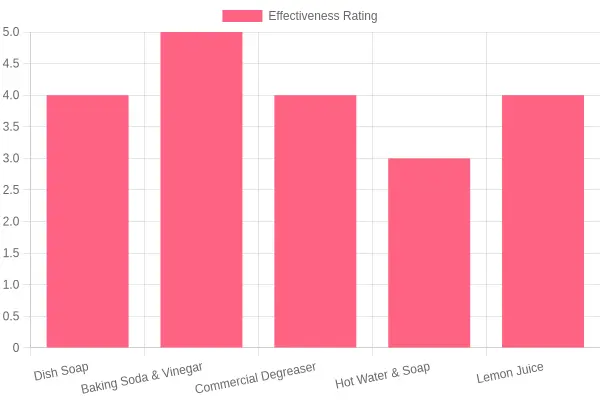
You may find a comparative chart including the effectiveness ratings of these methods:
For persistent oil stains, you can experiment with any combination of these methods for best results. To explore related products, check out our packaging options or disposable dinnerware for your business needs.
Improper disposal of oily plastic containers can have a significant negative impact on the environment. When these containers are discarded inappropriately, oil and other contaminants can leak into the soil and waterways, leading to a range of ecological problems. Here are some key consequences:
Contamination of Water Sources
Oily residues from discarded plastic containers can seep into local water bodies, polluting rivers, lakes, and even groundwater. This contamination can harm aquatic life, disrupt ecosystems, and make water unsafe for human consumption. The presence of oil in water leads to reduced oxygen levels, adversely affecting fish and other aquatic organisms.
Soil Pollution
When oily containers are improperly disposed of on land, the chemicals can leach into the soil. This can affect plant growth and harm soil microbes, which are essential for nutrient cycling. Furthermore, once contaminated, rehabilitating such soil can be a lengthy and expensive process.
Threat to Wildlife
Animals often mistake plastic for food, and oily containers can pose a particular risk. Ingesting or becoming entangled in plastic leads to injury or death. Additionally, the chemicals in the oil can accumulate in the food chain, as predators consume affected prey, posing risks to wildlife and potentially affecting human health as well.
Importance of Eco-Friendly Disposal
Following local regulations regarding the disposal of oily plastic containers is critical for environmental protection. Utilizing eco-friendly disposal methods, such as recycling programs that cater specifically to contaminated plastics, can reduce waste and minimize ecological damage. For food businesses, adopting practices that include effective cleaning methods and proper disposal procedures not only complies with the law but also demonstrates a commitment to environmental sustainability.
For your business needs, consider using eco-friendly packaging solutions that are designed for safe disposal and recycling. Making informed choices about packaging can contribute to a healthier environment and mitigate the effects of pollution from improper disposal practices.
By understanding the environmental consequences of careless disposal and committing to responsible practices, we can collectively work toward a sustainable future.
User Feedback on Oil Removal Methods
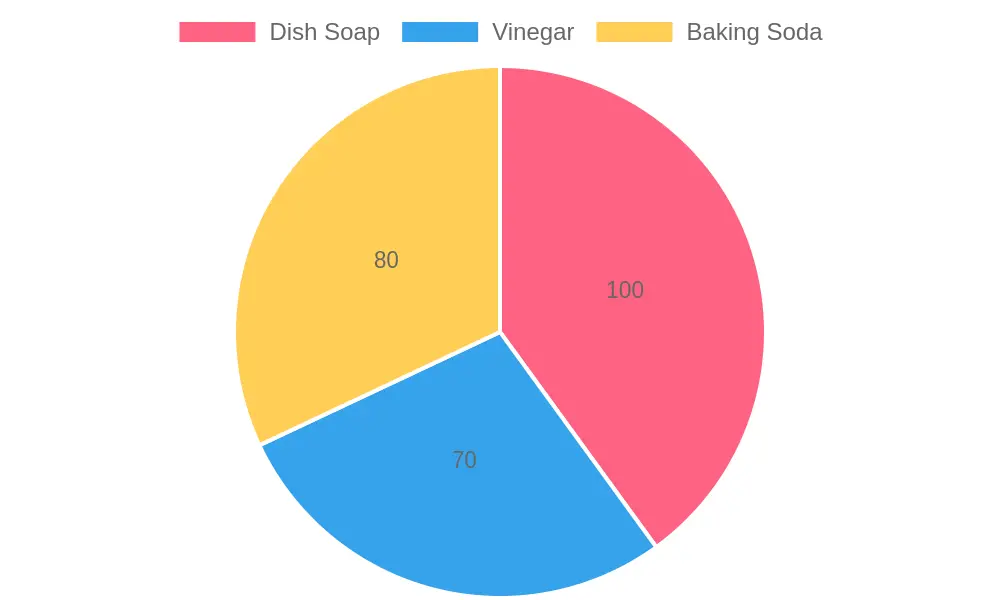
In our ongoing exploration of effective oil removal methods for food containers, we gathered user feedback to understand satisfaction levels. Below is a chart displaying user satisfaction ratings for three common oil removal methods: Mechanical Recovery, Bioremediation, and Chemical Dispersants. This chart illustrates the varying effectiveness ratings based on user experiences and expert reviews.
Effectiveness Ratings of Various Methods
- Mechanical Recovery: A method involving physical removal of oil using various tools that has shown mixed results depending on the application.
- Bioremediation: Utilizes microorganisms to break down oil, with users reporting varying satisfaction based on specific circumstances.
- Chemical Dispersants: Effective for larger spills but carry potential environmental impacts, as noted in user feedback.
For more insights on effective packaging and removal strategies, feel free to browse our packaging solutions.
If you’re looking for options that integrate cleanliness and functionality, check out our disposable dinnerware options that are designed with convenience in mind.
Conclusion: The Importance of Cleanliness and Compliance in Food Service
In conclusion, maintaining cleanliness and hygiene in food service industries is not just a regulatory requirement; it is vital for ensuring the health and safety of your customers. As discussed, proper hygiene practices help prevent foodborne illnesses and safeguard public health. This includes keeping food preparation areas spotless and adhering to necessary sanitation protocols, which is crucial in high-traffic environments like bubble tea shops, restaurants, and food trucks.
Furthermore, the adoption of disposable tableware solutions can significantly enhance hygiene standards, minimizing the risks associated with reusable items. With their convenience and efficiency, disposable options can streamline your service and ensure a cleaner dining experience for customers. If you’re looking to elevate your establishment’s compliance and cleanliness, consider exploring our selection of disposable tableware. Let us help you maintain the highest standards in your service!
By investing in cleanliness and proper food-handling practices, you not only comply with regulations but also build trust with your customers. Let’s prioritize hygiene together!
Commitment to Eco-Friendly Practices
At cupbowlpack.com, we understand the critical importance of sustainability in today’s world. Our unwavering commitment to eco-friendly practices defines our approach to producing disposable tableware and packaging solutions. We pride ourselves on using biodegradable and recyclable materials that not only minimize our ecological footprint but also align with the hygiene and safety standards vital in food service industries.
Eco-Friendly Materials
Our products predominantly feature materials such as bagasse-a byproduct of sugarcane processing-made into stylish and functional tableware alternatives. Additionally, we utilize plant-based plastics and recycled paper in our packaging, ensuring that our offerings are not just environmentally responsible but also effective in maintaining food safety and hygiene. These materials are designed to safely contain food items while degrading back into the environment after disposal, making them a sustainable choice for any restaurant, food truck, or corporate event planner.
Hygiene and Safety Standards
While dedication to eco-friendliness is paramount, we also prioritize hygiene and safety in our product range. Our disposable tableware is manufactured under strict health regulations, ensuring that they meet high standards of safety. This means that food service providers can have confidence that our eco-friendly products do not compromise on cleanliness or health regulations. Furthermore, our packaging solutions are designed to preserve food freshness, ensuring that your customers enjoy their meals as intended, without the negative impacts on the environment common with traditional plastic materials.
By opting for our biodegradable disposable tableware and eco-friendly packaging solutions, businesses can contribute to a greener future while still providing safe and hygienic options for their food service needs. Join us in making a conscious choice for our planet-one cup, one plate, one package at a time!