
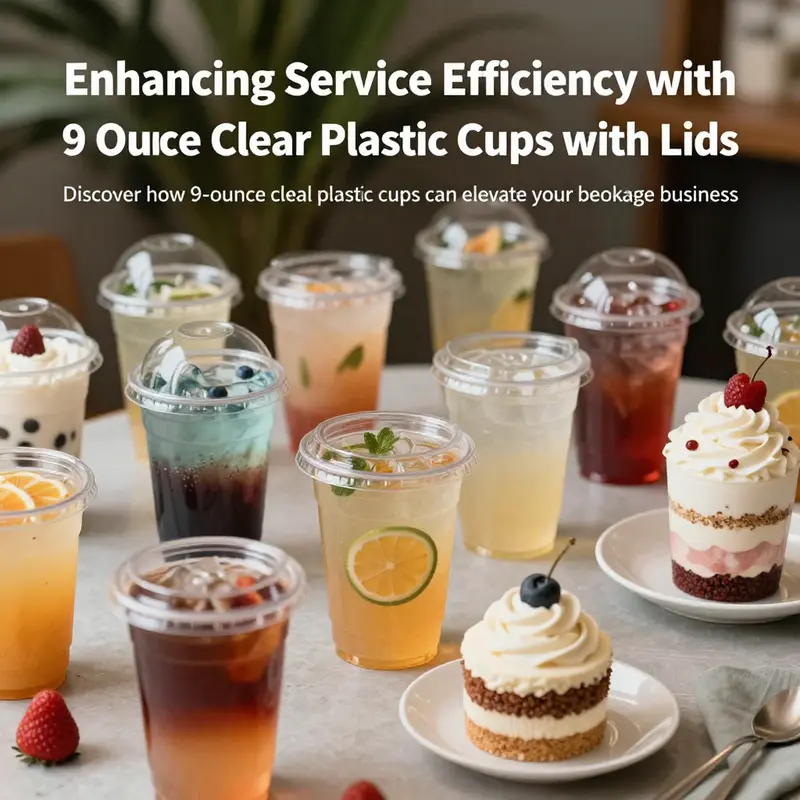
As the beverage industry continues to grow, so does the necessity for reliable, user-friendly packaging solutions. Enter the 9-ounce clear plastic cup with lids—a steadfast favorite for bubble tea shops, restaurants, food trucks, event planners, and corporate procurement teams. These cups offer not only flexibility and convenience but also a stylish presentation. In this piece, we will explore the diverse design variations, the materials that contribute to their durability, their commercial applications, the environmental impact they may pose, and the many customization options available to help businesses stand out in a competitive market.
Clear, Sealed, and Ready: The Design Story of 9-Ounce Cups with Lids for Drinks and Desserts
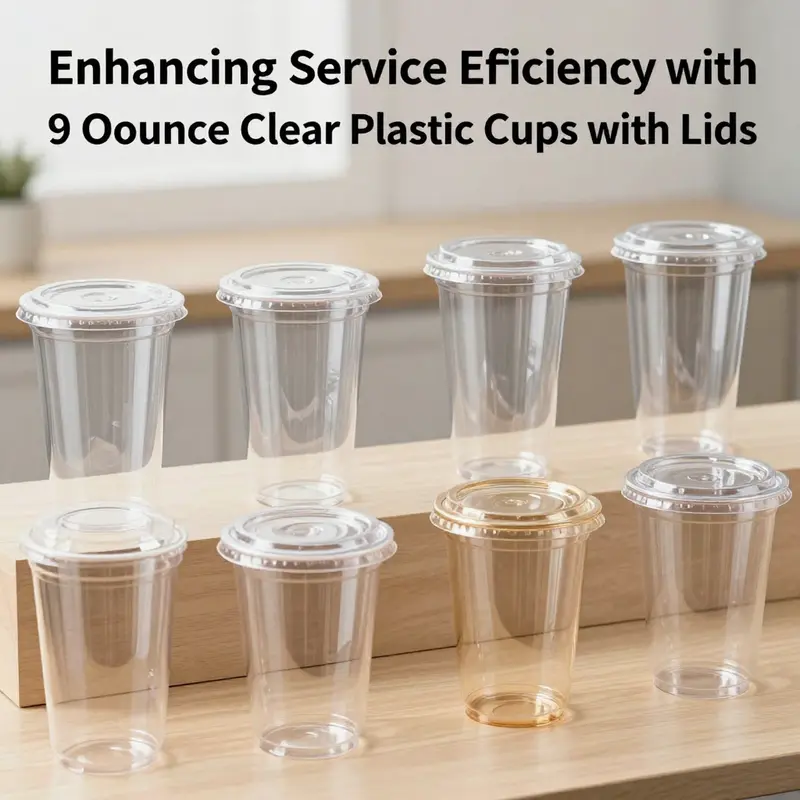
Clear, sealed, and ready, 9-ounce cups with lids are a quiet backbone of modern hospitality and home entertaining. They pack easily, protect contents during transport, and let guests glimpse the drink or dessert inside without breaking the seal. The design choices—from material and wall thickness to lid geometry and rim profile—are practical answers to problems of hygiene, clarity, and handling.
The 9-ounce scale is versatile: compact enough for home kitchens yet large enough for iced coffee, soft-serve swirls, fruit salads in syrup, and other cold or viscous items. Materials such as food-grade polypropylene (PP) and polystyrene (PS) are common because they balance clarity, dimensional stability, and resistance to cracking at low temperatures. PP provides good chemical resistance and a bit of pliability; PS often gives superior clarity and a firmer, more premium feel. Those material choices interact with wall thickness and rim design to determine insulation, durability, and mouthfeel.
Lid design shows how small changes alter the user journey. A flat lid with a hole minimizes leakage while allowing a straw or sipping without removing the lid—ideal for iced beverages and on-the-go orders. A fully enclosed flat (seal) lid maximizes containment and hygiene, protecting toppers and delicate desserts during longer transport. A dome lid with a hole creates extra vertical space for whipped cream, foams, or tall toppings and protects them from direct pressure, lending a ceremonial or indulgent presentation.
Beyond containment, lid geometry influences perception and logistics: whether the cup feels premium or purely practical, whether it stacks stably for catering, and how well it survives being jostled in transit. Rim design affects drinking comfort and stackability; a rounded rim improves mouthfeel and makes nesting more reliable, saving storage space and speeding service in busy cafés or at events.
Transparency is also a functional and merchandising decision. A clear cup showcases layers, color, and texture—boosting impulse appeal, simplifying inventory and fill-level checks, and helping staff spot preparation errors. For retailers and caterers, that clarity complements branding and reduces waste by making portions obvious at a glance.
Context drives choices: a dome lid with a hole suits a party where presentation matters; a flat lid with a hole is efficient for drive-thru coffee; a seal lid protects fragile desserts for catered transport. Customization—printing, color accents, branded lids—turns a disposable container into part of a coordinated table presentation. Sustainability choices (recyclable blends, biodegradable options) further shape material selection and storytelling to consumers.
These design trade-offs ripple beyond a single product: they affect how drinks look, how reliably they travel, how confidently consumers handle them, and how operations scale. Variants—hole versus no-hole lids, dome versus flat profiles, different rim geometries and materials—reflect a design language that prioritizes cleanliness, safety, and delight in small, everyday transactions. The 9-ounce clear cup with a lid is therefore a compact, engineered interface between product, process, and people, enabling memorable moments across many use cases.
Reference examples and variants can be found in product listings and spec pages such as: https://cupbowlpack.com/product/senang01-hot-sale-customized-disposable-single-wall-paper-ice-cream-cups-with-lid-eco-friendly-food-grade/ and retail offerings like https://www.amazon.com/dp/B0CJZ3N5PQ
Inside the Plastic: Materials, Safety, and Sustainability of 9‑Ounce Clear Cups with Lids
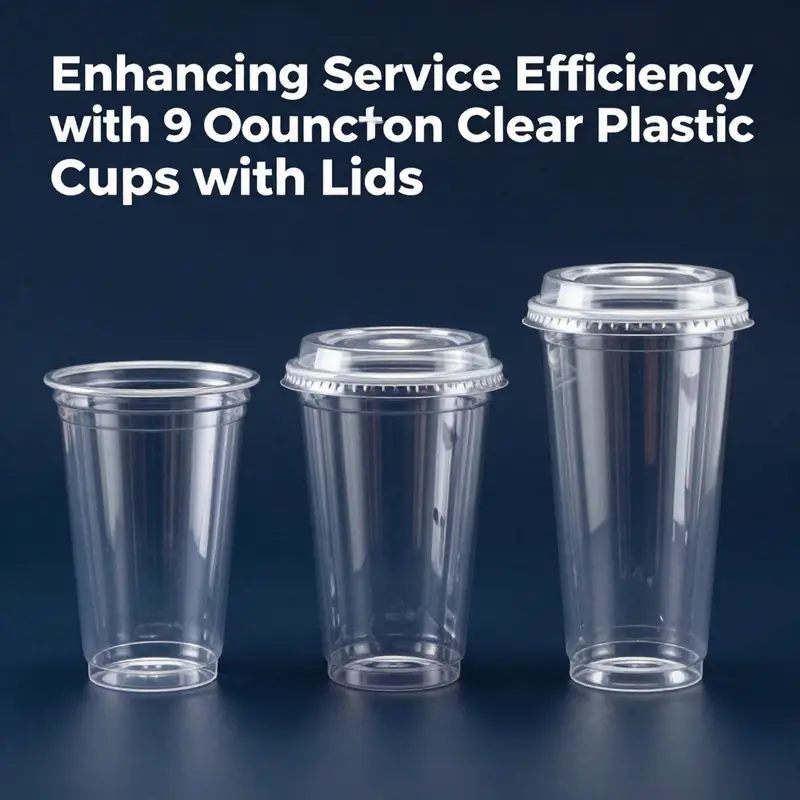
Materials, Safety and Performance of 9‑Ounce Clear Plastic Cups with Lids
A 9‑ounce clear plastic cup and its matching lid may seem simple, but the materials behind them determine clarity, strength, safety, and environmental footprint. Most clear single‑use cups in this size are made from a handful of thermoplastics chosen for optical quality, formability, and food safety. Understanding these polymers clarifies why some cups look glass‑like, why lids snap on tightly, and why certain alternatives are better for composting or recycling.
The most common resin for clear beverage cups is Polyethylene Terephthalate (PET). PET delivers high transparency, good stiffness, and resistance to breakage. It forms thin, crisp walls that showcase a drink’s color and texture. PET also resists odor and flavor transfer, which keeps beverages tasting as intended. Importantly, many manufacturers label PET cups as BPA‑free, meaning they do not contain bisphenol A, a monomer once used in several polycarbonate plastics and epoxy resins. For everyday cold and room‑temperature drinks, PET is an excellent choice.
Lids are often made from PET as well, but polypropylene (PP) is another frequent choice. PP offers a slightly higher heat tolerance and a different tactile feel. When lids and cups are made from compatible materials, manufacturers can design secure snap fits and leak‑resistant seals. Dome lids, flat lids with straw plugs, and snap‑on flat lids each rely on precise material properties. A slightly more rigid polymer helps a lid retain shape under pressure, while a more flexible lip provides a reliable sealing surface. Those engineering tradeoffs explain the different feel and function across lid types.
Aside from PET and PP, polystyrene (PS) appears in some clear cup offerings. PS yields excellent optical clarity and crisp rigidity. Its brittle nature, however, makes it less forgiving under impact. That is why PS is more common where sharp, glass‑like presentation is desired and handling is controlled. When durability and resistance to deformation are priorities, PET tends to outperform PS in commercial use.
Recyclability, biodegradability and compostability are central concerns. Traditional PET is widely recyclable where local streams accept clear PET (code 1). Still, contamination and collection gaps limit actual recycling rates. As a result, manufacturers have introduced variants such as biodegradable PET blends. These materials maintain clarity and performance but include additives or modified chemistries that allow breakdown under industrial composting conditions. Certification standards exist for these materials; one common certification confirms that a polymer will biodegrade in accepted composting facilities. Such options represent a compromise: they perform like conventional PET while offering improved end‑of‑life outcomes in appropriate industrial systems.
A few important caveats on compostable claims are necessary. Many so‑called biodegradable plastics require high‑temperature, controlled composting to break down, and they will not readily decompose in home compost piles or the natural environment. Mixing compostable plastics into conventional recycling streams can also cause contamination, so clarity on local disposal infrastructure is essential. For those seeking a genuinely plastic‑free experience, paper or bagasse alternatives exist. These alternatives often feature coatings or liners for liquid resistance, so it helps to compare full packaging specifications before assuming total biodegradability. For an example of plastic‑free single‑wall craft paper options, see the plastic‑free single‑wall craft paper cup.
Food‑grade certification is another material consideration. Cups and lids intended for direct food contact must meet regulatory standards for migration limits and ingredient safety. Food‑grade polymers use approved additives and stabilizers. Labels such as “food‑grade” or “BPA‑free” signal compliance with basic safety practices. That said, manufacturing quality controls and supply‑chain transparency matter. Residual monomers, processing lubricants, and colorants should be chosen and controlled to prevent taste, odor, or health issues.
Thermal limits influence material choice. PET performs well for cold or room‑temperature beverages, but it softens near hot temperatures. For hot drinks, specially formulated PP or thicker paper‑based cups are preferable. Reheating or microwaving single‑use PET cups is not recommended. When lids are PP, they may tolerate higher temperatures than PET, but mismatched thermal limits between cup and lid can produce warping or compromised seals under heat.
Manufacturing processes also shape final properties. Thermoforming and injection molding are common. Thermoforming stretches PET sheets into cup shapes, which can orient polymer chains and enhance strength and clarity. Injection molding suits more complex lid geometries and thicker rim designs. Processing parameters like cooling rate and stretch ratio affect clarity, stiffness, and barrier properties.
Barrier properties and additives matter too. Some cups receive thin barrier coatings to resist carbonation loss or to slow oxygen ingress. Additives to improve rigidity or clarity are used sparingly to preserve food safety. In recyclable designs, manufacturers try to avoid multi‑layer laminates that cannot be mechanically recycled. Clean, mono‑material designs simplify recycling and often enhance stackability and leak resistance.
On the topic of stackability and leak prevention, geometry and material elasticity work together. Slight flexibility in the rim and lip allows lids to create effective seals. Meanwhile, a stiff cup body maintains shape when stacked. Engineers balance these needs through polymer selection, wall thickness, and resin orientation during forming. The result is a cup that nests well for storage and presents few leak risks during short transport.
Printing and customization also intersect with material choice. PET and PP accept various printing methods, including pad printing, flexography, and heat transfer. Surface energy affects ink adhesion, so primers or corona treatments are sometimes applied. For businesses seeking branded packaging, understanding which inks and treatments are compatible with the cup material ensures vibrant, durable printing without compromising recyclability.
Finally, lifecycle thinking helps make practical decisions. A clear PET cup performs brilliantly for cold drinks where presentation matters. Compostable PET blends and plastic‑free paper options each offer advantages, depending on local waste systems. For large events, choose materials that align with collection and processing capabilities. For retail or branding, balance printability and visual clarity with end‑of‑life plans.
For readers wanting to explore commercially available biodegradable PET options, more information is available here: https://www.alibaba.com/product-detail/Fuling-9oz-Disposable-Plastic-Cups-with_1600582744387.html
Commercial Roles and Smart Selection of 9-Ounce Clear Plastic Cups with Lids
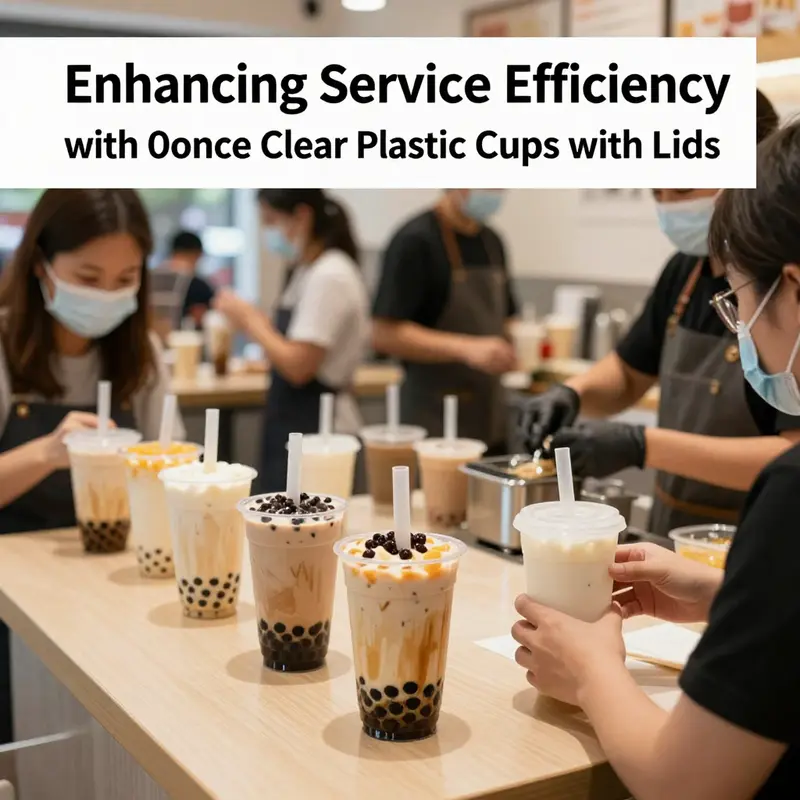
Commercial Roles and Smart Selection of 9-Ounce Clear Plastic Cups with Lids
Nine-ounce clear plastic cups with lids have become a quiet workhorse across many commercial settings. Their compact capacity suits a broad mix of beverages and small food portions. The transparent walls showcase color, texture, and garnish. The sealed lids protect contents during transport. These traits explain why operators in cafés, quick-serve counters, catered events, medical facilities, and retail sampling programs rely on them daily.
In beverage service, the 9-ounce size hits a practical sweet spot. It is large enough for a modest iced coffee or specialty tea with toppings, and small enough for portion-controlled smoothies and milkshakes. The clarity of the plastic turns every pour into a display. When a drink has visible layers, swirls, or toppings, the cup becomes part of the presentation. Lids with a domed profile are particularly useful when foam, whipped cream, or chunky garnishes need extra headroom. Flat lids, on the other hand, offer a low-profile seal that simplifies stacking and shipping. Choosing between dome and flat lids is therefore a decision about presentation, storage, and transport.
Food-service operators appreciate these cups for cold desserts and grab-and-go snacks. Single-serve parfaits, fruit cups, pudding, and individual ice cream portions travel well in clear cups. Lids prevent spills and contamination while allowing staff and customers to see what is inside at a glance. For delis and salad bars, clear cups can hold small side salads and antipasti without sacrificing visibility. Their utility extends to tastes and textures that rely on a visual appeal to sell — bright fruit, layered desserts, and beverages with suspended toppings all benefit from transparency.
For the fast-paced world of counter service and convenience retail, ease of handling is essential. Clear cups must be sturdy, but lightweight enough for single-handed carrying and efficient stacking. Snap-fit lids that click into place reassure staff and customers that the contents will remain secure during a brief commute. During peak hours, speed matters: lids that seat quickly without fumbling or separate sealing steps reduce bottlenecks. In addition, cups used for delivery or mobile vending benefit from lids that resist leaks. Suppliers often offer flat-lidded varieties designed specifically for cold drinks and delivery use, balancing spill resistance with efficient packing.
Event planners and promotional teams use clear cups as versatile vessels for sampling and service. At trade shows, small servings attract attention without wasting product. Catering teams rely on a uniform, clear vessel to create a cohesive look across stations. Clear cups can also be printed or paired with custom sleeves to support brand visibility. For short-term campaigns or seasonal activations, the cups present a cost-effective way to deliver a polished experience while keeping cleanup simple. When décor matters, decorative trims or accent labels can elevate a standard clear cup into a themed presentation item.
Healthcare, lab, and pharmacy settings find practical uses for small, sealed cups. Their transparency helps staff confirm contents quickly. Lids protect samples during transport between departments. When small measured doses are required, the cups perform as disposable, hygienic carriers. The ability to seal and label each cup makes them useful for specimen handling and for holding pre-measured liquid medications. In these contexts safety standards and food-grade certifications determine suitability, so operators typically opt for cups manufactured with appropriate regulatory compliance.
Customization options make these cups a marketing tool as much as a carrier. Many suppliers support printed logos, event messaging, or decorative patterns. A discreet logo on a clear cup reinforces brand identity without obscuring the product. For limited runs or special events, inexpensive stickers or sleeves can deliver the same effect. Operators who want a premium look often choose clear cups with a refined rim or thicker sidewall. Decorative variants with metallic rims or subtle textures allow events to feel upscale while keeping the practicality of disposable servingware.
Sustainability is a growing concern for many buyers. While traditional clear cups are plastic, several suppliers now produce biodegradable or BPI-certified options. Compostable polymers and alternative materials give businesses a path to reduce their environmental footprint. Operators must weigh trade-offs. Biodegradable options may require specific composting infrastructure. They may also perform differently under cold or warm conditions. When making a selection, consider the local waste-handling capabilities and the product’s certified claims. The best sustainable choice matches the operational reality of disposal and recycling where service occurs.
Operational considerations influence which cup variant a business chooses. Stackability reduces storage footprint and improves speed during service. Rim design affects comfort and sealing performance. Wall thickness determines both perceived quality and thermal behavior — thicker walls keep fingers insulated from cold liquids but increase material costs. Lids come in several styles: snap-on flat lids, fitted dome lids with straw holes, and flat lids without openings for a fully sealed option. Each style suits different workflows. For delivery-heavy operations, leak-proof flat lids or lids that can be heat-sealed to the rim are often preferred. For self-serve beverage stations, domed lids that accommodate straws and tall garnishes work best.
Cost and supply chain stability must not be overlooked. High-volume customers can realize savings by securing bulk packaging. Many suppliers offer sample quantities and OEM services for large orders. Lead times matter, particularly around busy seasons and events. Businesses should plan inventory around predictable spikes in demand and keep a small safety stock of lids. Testing is also important: a short-run trial evaluates lid fit, stacking performance, and how the cup behaves under refrigeration or during transport.
Finally, small operational choices can improve the customer experience. Pairing a clear cup with a complementary lid, using tamper-evident seals for takeout, or offering a small sticker to secure a lid can reduce spills and complaints. Clear cups also support upselling: visible toppings or fruit attract attention and encourage larger purchases when customers see what they will receive. For brands that care about presentation, the clear cup is an inexpensive stage that makes even simple offerings look intentional.
For a practical reference on a widely available flat-lidded 9-ounce clear cup product listing, see the external product resource below. For an example of alternative eco-friendly single-wall cup options, consider the linked supplier page on a comparable disposable craft paper cup: best-price 8oz plastic-free craft paper cup.
External reference: https://www.walmart.com/ip/500-Pack-9-oz-Clear-Plastic-Cups-with-Flat-Lids-Disposable-Iced-Coffee-Cups/1234567890
Clear but Contested: The Environmental Footprint of 9-Ounce Cups with Lids
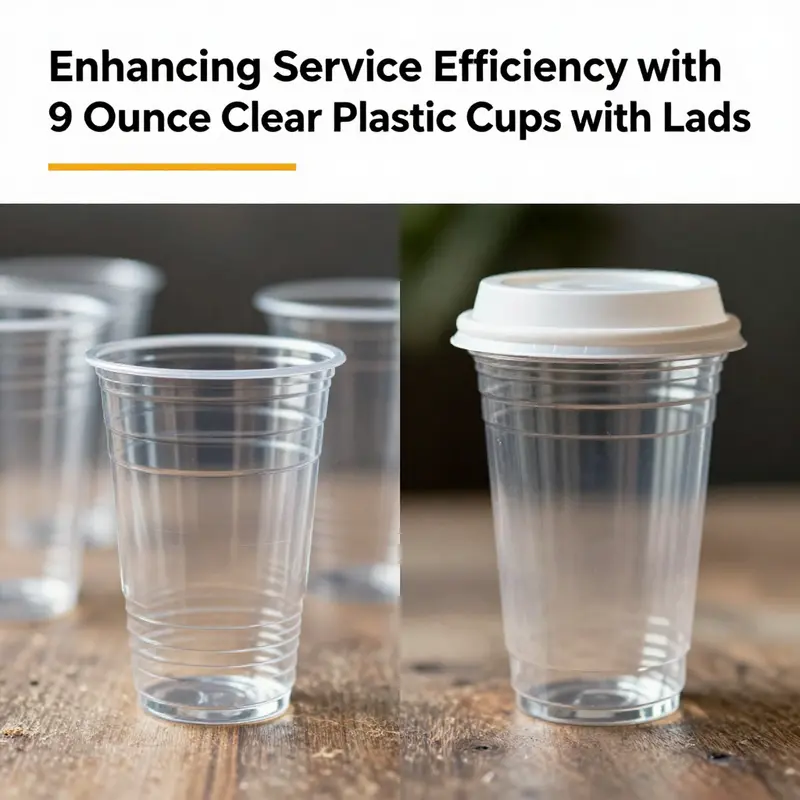
The sight of a row of 9-ounce clear plastic cups with lids at a party, a coffee station, or a catered event is almost universal. Their transparency showcases whatever is poured inside, their size fits a standard serving, and their lids promise a measure of spill resistance that reassures hosts and guests alike. Yet beneath the surface of ease lies a complex web of environmental trade-offs. This chapter follows that thread from material choices to end-of-life outcomes, tracing how a seemingly mundane item can reveal broader truths about waste, recycling systems, and the path toward more sustainable options. The goal is not to condemn a handy product but to illuminate the real-world consequences of its design and use, so that organizers, suppliers, and consumers can make more informed decisions without sacrificing hygiene, convenience, or visual appeal.
Material choice anchors the environmental conversation around these cups. Most 9-ounce clear cups are made from polystyrene (PS) or polyethylene terephthalate (PET). PS has long been a staple for disposable tableware due to its clarity and rigidity, but its end-of-life prospects are troubling. In many municipal recycling programs, PS is not readily accepted because it contaminates streams and markets with low recycling demand. When PS escapes proper collection, it ends up in landfills or as litter that scatters into streets and waterways. The material is prone to fragmentation, producing microplastics that persist in ecosystems for years and can migrate up the food chain. Even claims of eco-friendliness for some PS variants must be read with caution; truly effective degradation requires facilities that can process these plastics in controlled conditions, which are not universally available.
PET, by contrast, is widely praised for recyclability. In many contexts, PET cups can be collected, sorted, and reprocessed into new containers or other products, offering a route to lower net waste if the recycling system is functioning well and consumer participation is high. The environmental upside of PET relies heavily on robust curbside programs and effective collection, as well as minimal contamination. If households or venues contaminate PET streams with food waste, non-recyclable films, or other resins, the benefits diminish quickly. In short, the same PET cup that can be theoretically recycled may contribute to a larger ecological footprint if the local infrastructure struggles to keep streams clean and processable.
Lids add another layer of complexity. They are often made from polypropylene (PP) or similar resins and are selected for compatibility with the cup and the seal they provide. Yet different resins can complicate recycling, especially if the lid and cup are not collected together or if the mission of the recycling facility is to separate materials. A lid that makes a cup leak-resistant can reduce the need for secondary packaging during transport, a practical advantage. But it can also hinder recycling if programs lack the ability to properly separate or identify mixed materials. The net effect depends on local capacity and consumer behavior, which vary widely from city to city and country to country.
Design features further influence environmental outcomes. Some lids are vented to ease pressure changes during transit, especially for cold beverages or foamy concoctions. Venting reduces spill risk but may introduce small openings that can complicate full recycling or discourage reuse due to perceived cleanliness concerns. Other lids use thin walls or shallow rims that are more prone to cracking, increasing waste if cups fail during handling. Conversely, snap-fit lids can improve leak resistance with less material, potentially reducing waste from spills and the need for secondary packaging. Even seemingly subtle elements, like a domed lid that creates extra space for toppings or whipped cream, can affect consumer experience and the rate at which contents are consumed, thereby shaping disposal patterns.
Beyond the cup and lid itself, the lifecycle story hinges on end-of-life pathways and consumer habits. The environmental advantage of any single option improves dramatically when it is paired with reliable collection and processing. If a city has well-established recycling streams that can accurately sort PS, PET, and PP resins, the environmental penalties of dispose-and-forget practices are mitigated. If not, the same design features that boost usability may inadvertently lock in higher waste through contamination, spillage, or improper disposal. In some regions, the most sustainable choice may shift from disposal to reuse. Reusable cups reduce single-use waste, but they demand infrastructure for cleaning and sanitization, return logistics, and a mindset among event-goers that favors washing and reusing. The balance between convenience and sustainability thus hinges on the broader system that surrounds the cup, not on the cup alone.
On a practical level, this means decision-makers should weigh local recycling realities against the material and design attributes of 9-ounce cups with lids. If a venue serves mostly cold beverages with minimal toppings, PET-based options that are collected through a robust local program may be a superior choice. If the recycling system is fragile or if litter control is a priority during large events, a paper-based or plant-based alternative might reduce long-term ecological harm, provided the end-of-life options for those materials are clearly available and supported. Some brands and suppliers are responding with certifications and clearer end-of-life pathways, including BPI-certified biodegradables and other compostable solutions. Yet these pathways are only as good as the disposal infrastructure that can actually process them. Without industrial composting facilities or specialized recyclers, even compostable plastics can linger in environments where they do not degrade as intended.
In the broader conversation about design and sustainability, it is important to acknowledge the role of consumer expectations. The visual appeal of a crystal-clear cup can reinforce the temptation to choose single-use over reuse. The convenience of a leak-proof lid supports on-the-go consumption, which in turn fosters takeout culture and private consumption rather than reuse in communal spaces. These behavioral patterns matter because the environmental footprint scales with how often a given product is used, discarded, and not properly processed. In other words, even relatively small choices—such as selecting a cup with a more recyclable lid or opting for a slightly different material—can accumulate into meaningful differences when translated across thousands or millions of servings.
The conversation also touches on customization and marketing. In many cases, suppliers offer customization options, including branding and logos, which can promote consumer recognition and loyalty. Yet customization should not be pursued in isolation from end-of-life considerations. A batch of elegantly printed, leak-proof cups may delight customers in the moment, but if the cups arrive at the curb as mixed and contaminated streams, the environmental gains shrink. For event planners and retailers who wish to minimize their footprint, the best path blends practical performance with clearly communicated disposal options and a willingness to adjust based on local recycling realities. This is where education, convenience, and policy alignment intersect. When venues invest in staff training for proper separation of recyclables and when patrons receive clear reminders about recycling options, the likelihood that PET and PS materials enter productive streams increases substantially. This kind of alignment is not a luxury; it is a prerequisite for translating material advantages into real environmental benefits.
A useful way to examine alternatives while preserving the benefits of clear display and portability is to consider non-plastic options for specific contexts. For example, paper-based or plant-based cups with lids provide compostable or recyclable pathways in many communities, especially where municipal facilities support such streams. When choosing between disposable formats, it helps to look at the full lifecycle: resource extraction, manufacturing energy, transport distance, and the likelihood of proper end-of-life handling. The aim is not to eliminate all plastic from events but to reduce its footprint by selecting materials that align with local waste management capabilities and by encouraging responsible consumer behavior. In practice, this means prioritizing packaging with clearer recycling or composting plans, and designing event workflows that minimize waste and maximize recovery.
To close the loop with a tangible example of what responsible choice can look like, consider a venue that opts for an eco-conscious paper cup option for certain services or occasions where the end-of-life path is well-supported. The choice becomes part of a broader sustainability strategy that includes signage, staff training, and customer communication about disposal. Such an approach can offer a comparable level of convenience and visual appeal while steering waste away from landfills. It also creates an opportunity for brands and organizers to tell a coherent sustainability story, one that resonates with consumers who increasingly value transparency and accountability.
For readers who want to explore viable alternatives to plastic cups with lids, one internal resource that discusses eco-friendly, printed-logo paper cups is a relevant starting point. It provides insight into how material choices and branding intersect with sustainability considerations, helping planners balance aesthetics and environmental responsibility: eco-friendly, printed-logo paper cups. This kind of resource can guide decisions about when to transition to paper-based or bio-based options without sacrificing user experience. At the same time, it is essential to pair such choices with robust end-of-life programs and community recycling capabilities to ensure that the intended environmental benefits are realized.
In the end, the environmental impact of 9-ounce clear plastic cups with lids is not dictated by a single factor. It is the product of materials, design, disposal pathways, and human behavior acting in concert within local waste systems. By attending to each element with care—selecting materials that align with recycling capacity, designing for compatibility and minimal waste, and building programs that educate and empower users—hosts and suppliers can reduce harm while preserving the practical advantages that cups with lids provide. The goal is a practical sustainability that translates from the shelf to the curb, from a moment at a party to a pathway toward a more circular economy. External resources can deepen this understanding and point toward concrete steps, such as exploring biodegradable and recyclable options that align with regional infrastructure: https://www.alibaba.com/product-detail/Fuling-9oz-Disposable-Plastic-Cups-with_1602347857517.html?spm=a2700.gallery-10000022.0.0.3e9a5f8dFkVnZg
Designing Brand Moments: Customization Options for 9 Ounce Clear Plastic Cups with Lids
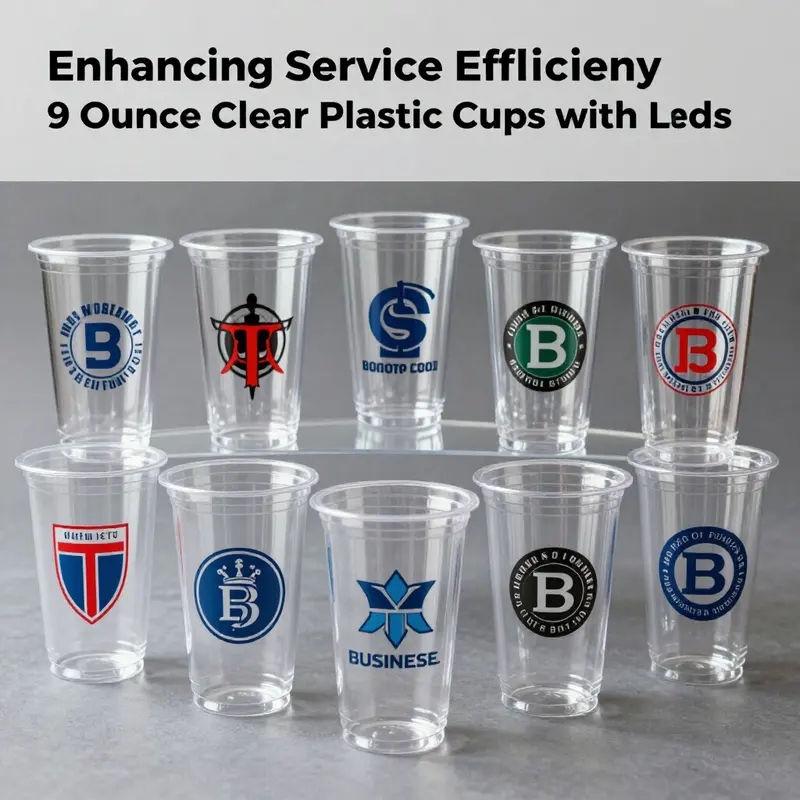
A 9-ounce clear plastic cup with a lid is more than a simple vessel. In busy service environments—whether a buzzing café, a wedding reception, a trade show, or a corporate gathering—it acts as a mobile billboard for your brand and a safeguard for the contents inside. The choice of material, the method of decoration, the shape of the lid, and even the size all contribute to the story you tell with every cup. This chapter moves through those decisions in a continuous arc, showing how customization can enhance both the user experience and the business outcomes you care about, without losing sight of practicality and hygiene.
At the core, these cups are designed for clear observation of their contents, a property that helps customers feel confident about what they’re drinking or serving. The common materials used for 9-ounce clear cups include food-grade options such as polypropylene (PP) or polystyrene (PS), chosen for their clarity, rigidity, and barrier properties. In parallel with traditional choices, there is a growing interest in eco-conscious alternatives. One notable direction is the use of biodegradable or compostable materials that carry certifications indicating end-of-life compatibility, designed to reduce environmental impact while preserving the essential benefits of portability and cleanliness. When a supplier markets eco-friendly options, buyers should weigh durability and transparency against compostability timelines and local disposal infrastructure. In some markets, moisture and heat resistance must be balanced with recyclability or biodegradability. This is the broader context in which customization takes place.
Printing and labeling are the most visible forms of customization. A cup can carry a brand’s logo, color palette, slogan, or event details in a way that remains legible from a distance and survives handling, stacking, and transport. The printing surface on a 9-ounce clear cup offers an opportunity to reinforce identity at the moment of consumption, turning a disposable item into a persistent reminder of the brand experience. The practical questions are about color fidelity, durability, and the allowed print area. Clear cups present a particular challenge and opportunity: the substrate itself is transparent, so the ink or print layer must be crisp enough to contrast against the beverage while not obscuring the content inside. Depending on the chosen process—whether a form of surface decoration, widely used printing techniques, or digital imprinting—color matching and ink adhesion must be tested across the full range of likely beverages and temperatures. In this context, a well-executed print not only promotes a logo but also imparts assurance about quality and consistency.
To illustrate how a brand can leverage customization, consider a scenario in which a client seeks a cohesive event look. A 9-ounce cup can be printed with a full-color logo, a concise tagline, and even a date or venue name for a wedding, trade show, or corporate gathering. The impact is not merely promotional; it creates a cohesive visual cue that attendees recognize when they reach for a beverage. For brands exploring logo printing on disposable cups, there is a helpful reference that demonstrates a similar approach to branding on cup-like vessels: senang-disposable-double-wall-craft-paper-cups-multi-size-6-24-oz-custom-logo-for-coffee-tequila. While this example focuses on paper cups, the underlying principle is the same: a printed surface that aligns with a larger packaging and event design system helps the brand stand out in a crowded space. The internal link is a reminder that customization is not a solitary act; it’s part of an integrated approach to brand touchpoints.
Beyond logos, the choice of lid influences both usability and the perception of quality. A dome lid provides extra headspace, which is essential for foamed beverages, whipped cream toppings, or dessert-centric presentations. In these contexts, the lid protects the topping while preserving the visual appeal of the beverage. A flat lid without a hole offers the strongest seal, ideal for long-distance transport or settings where hygiene and spill prevention are paramount. For scenarios where a straw is expected, a flat lid with a hole marries sealing with accessibility, keeping the drink contained while enabling easy sipping on the go. The lid design, therefore, is not a mere accessory; it is a functional extension of the drink experience and a silent guardian of presentation.
The 9-ounce size itself is a deliberate choice, striking a balance between portability and practicality. At approximately 267 milliliters, this capacity is well-suited for coffee, tea, juice, and even certain desserts or snack pairings. It’s small enough for easy handling and large enough to be satisfying for a single serving. For contexts that require different volumes—such as a compact sample size in a trade show or a larger serving at a casual event—other sizes are often available. The decision about size goes hand in hand with the event or venue, the target audience, and the expected duration of a service interaction. The goal is to ensure the cup supports the beverage or dessert without forcing customers into a choice that feels awkward or wasteful.
Because customization lives at the intersection of design and procurement, sourcing considerations matter. Modern buyers have access to a spectrum of options, from stock orders of preconfigured designs to full OEM services that let a company imprint its identity at scale. This is where procurement platforms and suppliers can add value—offering samples, color-matching trials, and turnkey services that cover design to delivery. In many markets, it is possible to obtain free samples or to pilot a design with a small order before committing to a larger rollout. The practical advantage is that a brand can test print clarity, verify how the logo holds up against condensation, and confirm that the lid type chosen performs reliably in transport and service environments. These checks help prevent misalignment between brand ambitions and the user experience.
Sustainability considerations also come into play in customization discussions. As brands aim to communicate responsibility through packaging, customers increasingly expect clarity about materials, recyclability, and disposal. Eco-friendly options—such as biodegradable PET or other compostable formulations—may be offered, but they also require careful communication about end-of-life pathways. Clear labeling about disposal and a transparent explanation of product life cycle can strengthen consumer trust and reinforce a brand’s value proposition in a market where environmental considerations influence purchase decisions. The design team must therefore balance aesthetics with regulatory and environmental realities, ensuring that messaging about sustainability aligns with actual performance and local waste management practices.
From a design perspective, the aesthetic of the cup should harmonize with the environment in which it will be used. A formal event may warrant a more restrained lid and a subtle logo that communicates elegance without overpowering the beverage. A casual setting could embrace bolder colors and more prominent branding, delivering a playful and memorable moment to guests. The material choice, print method, lid type, and size collectively shape this mood. The optics of a clear cup are forgiving in terms of content variety; it allows the beverage’s color and texture to shine, while the printed elements should remain legible across lighting conditions typical of venues like banquet halls, coffee shops, or exhibition spaces. In this sense, customization is not only about visibility; it’s about legibility, reliability, and the confidence that the product we hand to customers reflects the brand’s standards.
A practical note for buyers is to consider the total value proposition when evaluating customization options. The initial cost per unit may rise with printing, multiple lid choices, or specialized materials. However, these costs often translate into measurable returns in brand recall, perceived quality, and reduced leakage during transport. The best customization programs are those that connect the dots between on-site aesthetics, consumer experience, and back-end operations—production speed, inventory management, and compatibility with existing packaging ecosystems. In other words, the most successful 9-ounce cups with lids are those that align form, function, and brand narrative in a seamless loop.
In conclusion, customization options for 9-ounce clear plastic cups with lids enable brands to tell a compact, compelling story within a single, consumable moment. The material decisions set a foundation for performance and sustainability. The ability to print logos, slogans, and event information turns a disposable cup into a portable ambassador for a brand. The selection of lid styles ensures the presentation remains pristine and user-friendly, while the size offers the right balance between convenience and satisfaction. Sourcing strategies—from bulk orders to OEM partnerships—provide pathways to scale, test, and refine. As consumer expectations evolve toward more responsible packaging and more expressive branding, the customization of these cups becomes a practical frontier where aesthetics, hygiene, and logistics converge. For buyers, the ongoing task is to balance cost with impact, ensuring every cup not only carries a beverage but also carries the story of a brand well told. An external procurement resource can illuminate the practicalities of sourcing at scale and help translate these design considerations into a reliable supply chain: https://www.alibaba.com/product-detail/Fuling-9oz-Disposable-Plastic-Cups-with_1600548559221.html.
Final thoughts
In summary, 9-ounce clear plastic cups with lids are not just disposable containers; they are integral components of modern beverage service. Their design variations and material choices ensure adequate protection and presentation for your offerings, while their adaptability to various commercial uses makes them a go-to choice for beverage professionals. By addressing environmental considerations and offering customization, these cups can help your business not only satisfy customer preferences but also enhance your brand identity in a competitive market. Ultimately, embracing these versatile cups could lead your business toward increased efficiency and a stronger market presence.