
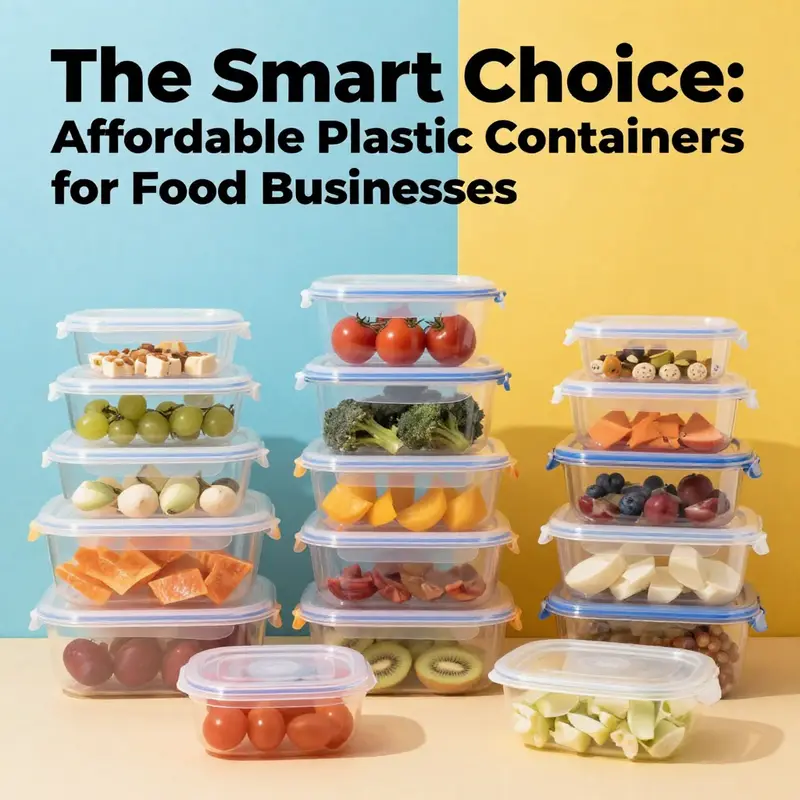
In the competitive realm of food service, effective food storage plays an invaluable role in maintaining quality while keeping costs down. For bubble tea shops, restaurants, food trucks, catering services, event planners, and corporate procurement teams, finding the right balance of affordability and functionality is key. This guide sheds light on various affordable plastic food containers available in the market. You will discover three distinct categories tailored to your needs: basic food storage options, innovative multi-compartment containers for optimal organization, and budget-friendly choices that meet your operational demands. Each chapter offers targeted insights to help you make informed decisions, ensuring your food items are well-preserved and your operations run smoothly.
Smart Budget, Safe Storage: Designing a Practical System with Affordable Plastic Food Containers
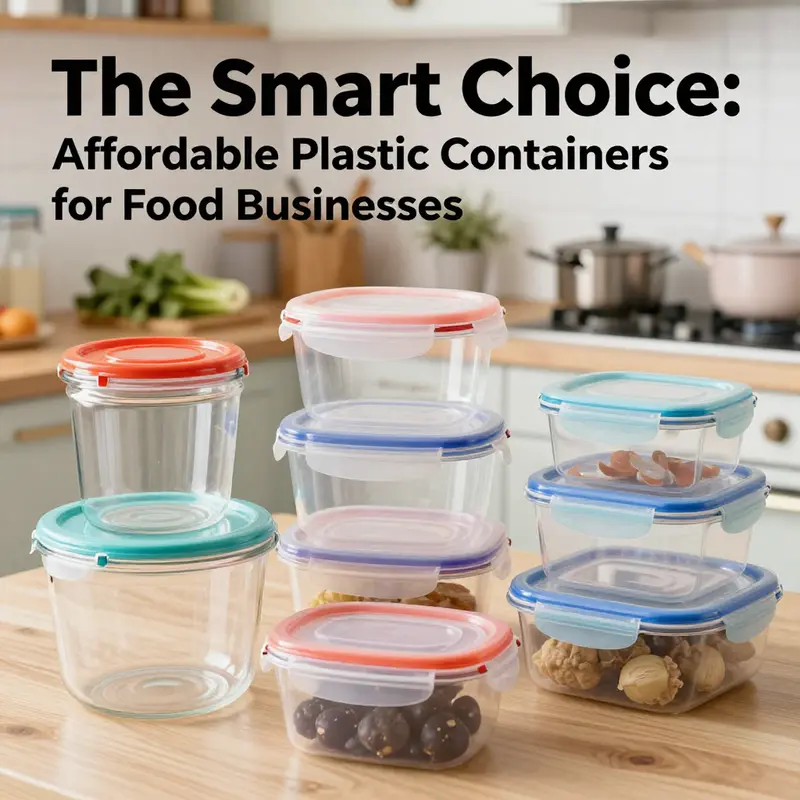
Choosing affordable plastic food containers is not just a matter of chasing the lowest price. It is a careful negotiation between cost, performance, and safety, especially when the end goal is daily convenience, reliable preservation, and a kitchen that stays orderly without a heavy environmental footprint. The research landscape around cheap plastic containers reveals a spectrum: basic storage solutions designed to keep everyday staples accessible, multi-compartment systems that help separate different foods to reduce cross-contamination, and ultra-budget options that tempt buyers with rock-bottom prices yet raise questions about durability and long-term safety. The numbers and examples cited in market analyses—such as the straightforward, two-piece sets of large transparent jars with sealable lids offered at modest sums, or the modestly priced multi-piece assortments aimed at dried goods—illustrate a market that is responsive to households seeking both simplicity and organization. A round look at these categories helps frame a decision-making process that blends practicality with prudence. In practice, this means recognizing not only what a container can hold, but how it holds, what it is made from, and how well it resists the daily stresses of kitchen life, including washing, reheating, and repeated stacking in a busy fridge or pantry.
At the core of this approach is material choice. BPA-free design is not merely a marketing label but a real health consideration. When plastics are heated or stored for extended periods, the presence of bisphenol A can become more than a theoretical concern. The current emphasis in practical guidance is on materials that minimize chemical migration while delivering predictable performance. The #5 polypropylene family, often highlighted for its heat tolerance and chemical stability, emerges as a standout in consumer-friendly packaging. Polypropylene-based containers are commonly marketed as microwave-safe and freezer-safe, a reassurance that enables the same container to transition from fridge to microwave to meal prep without repeated transfers. This seamless versatility adds value beyond the initial price tag, because it reduces the need for multiple specialized vessels and thus contributes to less clutter in the kitchen drawers and cupboards.
Equally important is the seal. Airtight or near-airtight containers, typically achieved with silicone gaskets or robust latch mechanisms, play a critical role in maintaining freshness and preventing leaks. A well-sealed lid reduces the risk of spills in transit and storage, which, in turn, supports a cleaner refrigerator and a reduced likelihood of cross-flavor contamination when different foods share a space. In the long run, the seal is a practical proxy for preservation: it slows moisture loss, inhibits odor migration, and helps keep the texture of grains, legumes, and dried goods closer to their original state. For households that juggle both liquids and solids—soups to snacks, grains to coffee—this aspect is not a luxury but a daily necessity.
Ease of cleaning and multi-functionality complete the triad of practical concerns. Containers that tolerate dishwasher cycles and can be frozen without becoming brittle or deformed are especially appealing for busy families, students, or anyone who wants to streamline cleanup. A practical system often favors a modular, stackable design; space efficiency in the cabinet or the fridge matters just as much as the containers’ immediate utility. When containers nest securely and occupy less vertical space, drawers and shelves stay orderly, and the chance of mismatches in lids and bases diminishes over time. The transparency of rigid PET or PP plastics is another unglamorous but highly valued feature. Being able to identify the contents at a glance reduces the time spent rummaging through the fridge and helps prevent forgotten items from lingering until they spoil. A clear container paired with a clear lid also reduces the cognitive load required to maintain an organized kitchen, which in turn supports more consistent meal planning and reduces waste.
Analyzing the practical spectrum helps illuminate a straightforward plan: if you are shopping on a budget yet want real utility, look for a basic tier that emphasizes BPA-free PP, clear visibility, airtight seals, dishwasher compatibility, and stackability. These features together create a reliable core set that can handle everyday staples—rice, pasta, oats, nuts, dried herbs, and even powders like coffee or formula—without encouraging a cluttered countertop. In parallel, consider a mid-range option that adds a dedicated multi-compartment configuration for more complex meal prep or bulk storage of mixed dry goods. The value here is not just in portioning but in reducing contamination risk and simplifying weekly organization, which, in turn, helps busy households keep track of what’s on hand and what needs replenishing.
Yet the spectrum also includes lower-cost alternatives that tempt price-sensitive buyers. Some of these ultra-budget containers exist for specific uses, such as sample-sized bottles or small-capacity containers intended for cosmetics or travel samples. While they may seem appealing on the price line, the caveats are real. The limited durability of such pieces, particularly under heat, dishwashing, or repeated use, can lead to degradation, potential chemical leaching, or deformation that undermines both safety and practicality. The core takeaway is that cost cannot be considered in isolation. The total cost of ownership—how many times you must replace an item, how well it preserves food, and how easy it is to maintain hygiene—often reveals a different value story than the sticker price alone. When a container is cheap but fragile, you end up spending more over time in replacements, waste, and frustration.
With these realities in mind, the purchasing guidance that emerges from the broader research landscape emphasizes a few universal checks. Packaging and labeling should clearly indicate microwave safety and freezer safety where applicable. BPA-free labeling is non-negotiable in today’s safety-conscious market. If a lid includes a gasket, verify that the gasket is made of a durable silicone or equivalent material and that the locking mechanism remains robust after repeated cycles in the dishwasher or under childproof use. Aesthetics matter less than reliability here, but a transparent design that allows quick content recognition tends to work better in daily routines. If space is a strategic concern, a design that optimizes stacking without compromising the seal is particularly valuable because it enhances storage density in crowded kitchens. Consumers who prioritize longevity will also find considerable value in choosing containers with high heat tolerance, so that reheating directly in the container does not tempt them to switch to disposable alternatives or to risk flavor transfer from previous meals.
In the practical world of options, researchers point to a tiered approach. For everyday use, a simple two-piece set of large, transparent sealable jars proves practical for staples—powders, grains, and seasoning blends. These are commonly priced to be accessible, yet their core utility remains in their simplicity and reliability. For households seeking more structured organization, mid-sized multi-compartment containers help manage different foods within a single footprint. These systems reduce cross-contamination risk and streamline kitchen routines, particularly for families preparing meals in advance or for students managing weekly lunches. Finally, ultra-budget choices exist for specialized applications, like single-use or short-term storage where durability is less critical. The caveat here is clear: avoid long-term storage or heating in these ultra-cheap pieces to minimize the possibility of leaching or material breakdown, especially in micro-ovens or dishwashers.
From a consumer education perspective, the guidance also includes a practical buying rule: verify that the packaging explicitly communicates the material’s safety and the manufacturer’s claims about heat tolerance. If the packaging does not carry clear statements such as “microwave safe,” “freezer safe,” and “BPA-free,” it is a signal to look elsewhere. These signals are not mere formalities; they reflect regulatory expectations and real-world safety assurances that influence how a container will perform under normal kitchen conditions. This becomes particularly relevant for families who frequently reheat leftovers or for households that plan bulk-prep meals in advance. In those cases, the container’s resilience under repeated heating cycles matters as much as its initial seal and ease of cleaning.
Embedded in this decision framework is a practical acknowledgement: affordable plastic containers are not synonymous with inferior performance. Instead, affordability, when matched with the right design traits, can deliver durable utility without excessive environmental or health risk. The critical balancing act is choosing materials and designs that minimize chemical exposure, maximize sealing integrity, and simplify daily routines. The result is a cohesive storage system that supports healthier, more organized kitchens while keeping costs predictable. A thoughtful approach helps homeowners distinguish between containers that will last through months of use and those that will soon be relegated to the back of a cabinet.
To illustrate how these principles translate into real-world choices, we can consider two concrete product archetypes that appear in market discussions. The first is a durable, impact-resistant container designed to store common kitchen staples—formula ingredients, spices, coffee beans, and light snacks. It employs a square or rectangular footprint to maximize space efficiency and features a transparent lid and a secure locking mechanism that preserves freshness and prevents leaks. The second archetype targets organized storage for dried goods—rice, pasta, and beans—offering a five-piece set with well-conceived internal compartments. This configuration enables better portioning and helps prevent cross-contamination between different dry items, which is particularly valuable for households with varied dietary needs or for those who like to keep grains separate from snacks. These archetypes reflect a practical synthesis of the research findings: clear visibility, reliable seals, modular design, and material choices that support both safety and convenience.
In the purchase path, the emphasis remains on standard indicators that signal compatibility with everyday life. Look for BPA-free on packaging, and confirm the material is strongly associated with high heat tolerance, such as polypropylene. A reliable seal is not merely an accessory but a functional cornerstone for preserving quality across storage, reheating, and transport. Dishwasher compatibility reduces the daily cleanup burden, while a stackable design improves pantry and fridge organization. The transparency standard that helps you identify contents at a glance speeds up meal preparation and reduces waste from forgotten items lingering in the back of the refrigerator. These are the practical equities that accumulate to deliver real value in a family kitchen.
In sum, the world of affordable plastic food containers does not force a compromise between cost and care; it invites a more intentional approach. By prioritizing BPA-free materials, choosing heat-tolerant plastics like PP, confirming airtight sealing, favoring dishwasher- and freezer-safe designs, and selecting transparent, stackable forms, shoppers can assemble a functional, durable, and affordable storage system. The result is not merely a collection of containers but a coherent, easy-to-maintain ecosystem that supports efficient meal planning, reduces waste, and preserves the integrity of the food you store. The research landscape, with its clear examples of basic storage sets, multi-compartment configurations, and ultra-budget options, reinforces a straightforward conclusion: affordability is a legitimate pathway to sensible storage—as long as safety and practicality are not sacrificed for the sake of a lower price.
Efficient On a Budget: The Power of Multi-Compartment Cheap Plastic Containers for Food Storage
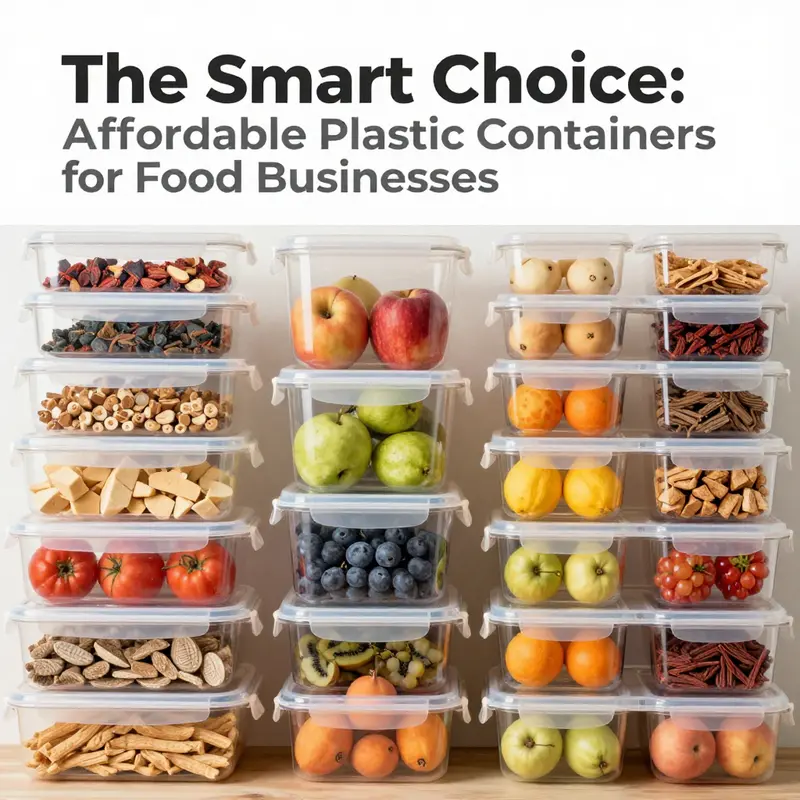
Beneath the clean lines of a well-organized kitchen, a quiet revolution unfolds in plastic. Cheap plastic containers, especially those built as multi-compartment systems, have become a practical backbone for households, meal prep hobbyists, and small-scale food operations that must balance cost with function. These containers do more than hold food; they embody a philosophy of organization, efficiency, and accessibility. When viewed through the lens of affordability, their value becomes clear: modularity, standardization, and rapid turnover of meals without a heavy price tag. The core appeal lies in a simple, almost modular mindset. Rather than stacking a jumble of bowls, bags, and lids, a few well-designed multi-compartment containers can segregate different components of a meal, preserve flavors, and streamline routines from fridge to desk to plate. The result is a kitchen that works smarter, not harder, even when every purchase is measured against a tight budget.
A defining feature of these containers is their modular design. The familiar 1-2-4 or similar compartment layouts provide a tangible framework for portioning proteins, grains, vegetables, and sauces. Because the compartments are part of a single vessel, the risk of cross-contamination or flavor transfer is reduced compared with stacking disparate containers or reusing mismatched lids. For home cooks, this means faster assembly of balanced meals and clearer presentation, which in turn can influence healthier eating patterns. For food-service contexts, the modular approach translates into structure: staff can plan, mount, and transport meals with predictable configurations, lowering training time and improving service consistency.
From a materials perspective, the performance hinges on the right combination of safety, heat resilience, and durability. The majority of high-performing budget models rely on food-grade polypropylene (PP) or high-density polyethylene (HDPE). These plastics are favored for direct contact with food because they resist staining and odor retention better than many other plastics, tolerate a wide range of temperatures, and maintain form under repeated use. In practice, that means a multi-compartment container can safely cradle hot foods, hold up in the freezer, and still provide a reliable seal when stored. In many cases, these containers are marketed as microwave-safe and freezer-safe, broadening their versatility for reheating and long-term storage. Their relative resilience makes them appealing for batch meal prep or catering operations that must move through dozens, if not hundreds, of cycles with minimal maintenance.
Yet every coin has a flip side. While the cost-per-unit can be astonishingly low—bulk purchases sometimes hover around a few cents per unit—the long-term questions about durability and environmental impact deserve attention. A container designed to be disposable or semi-disposable will inevitably bear a different lifespan than glass or higher-grade plastics. With cheery affordability, there is a parallel caveat: some of these containers may degrade more quickly under prolonged UV exposure or with repeated heating and cooling cycles. Even when a product is labeled microwaveable, the long-term integrity of the lid seal, the clarity of the plastic, and the risk of micro-cracking can influence performance over time. In short, the cheapness of the moment may come with trade-offs in longevity, especially if these containers are used in high-demand environments or subjected to harsh conditions.
From a safety and regulatory standpoint, the story remains reassuring as far as standard food-contact plastics go. PP and HDPE are among the most common options for consumer storage precisely because they meet widely accepted safety standards and are designed to be inert under typical kitchen use. Many manufacturers also pair these materials with clear, leak-resistant lids that maintain seal integrity during transport and storage. The potential for leaching is not a foregone conclusion, but it is a variable that conscientious buyers track. For hot foods, it is prudent to avoid highly acidic or fatty substances in thin-walled containers for extended periods, as extreme conditions can challenge even robust plastics over time. The responsible approach is to choose containers that clearly indicate suitability for the intended temperature range and that carry recognized safety certifications, such as compliance with relevant food-safety standards. This careful pairing of food type, heating method, and container specification helps ensure that the budget option remains a trustworthy workhorse rather than a source of future headaches.
Cost-effectiveness is the beating heart of the appeal. In bulk purchases, multi-compartment containers can drop to pennies per unit, a price point that makes them viable for schools, event organizers, meal-prep operations, and households that consistently batch meals. The appeal is not only the low unit price but also the time saved. The disposable or semi-disposable nature of many of these designs reduces washing and maintenance labor, a critical factor in fast-paced environments. When every minute saved translates to labor costs saved or more meals served, the economics of modular containers start to tilt decisively in their favor. The quick turnover of prepared meals—whether for school cafeterias, corporate catering, or a family that preps for the week—benefits from the ease of stacking, portioning, and transporting a standardized container family. It is a system designed for efficiency, predictable inventory, and a workflow that keeps pace with busy schedules.
Nevertheless, the affordability narrative raises important environmental considerations. The widespread adoption of cheap, disposable or semi-disposable plastic containers contributes to overall plastic waste, even when these products are technically recyclable. Recycling streams for plastics can be uneven, and not all facilities accept every type of plastic, especially when mixed with various lid designs or other packaging components. The environmental footprint becomes a balancing act: the savings in labor and time must be weighed against the end-of-life fate of the container. In response, manufacturers and researchers are increasingly exploring recyclable designs, simpler material blends, and better end-of-life pathways. Some multi-compartment options are positioned as recyclable after use, and a few producers emphasize circularity through take-back programs or post-consumer recycling certifications. The market’s evolution toward more sustainable options reflects growing consumer awareness and regulatory pressures, even as price remains a decisive factor in product choice.
For the budget-conscious consumer, one practical guideline is to prioritize containers that offer clear benefits beyond sheer cost. A strong lid seal, for example, reduces leakage during transport and minimizes the need for additional wrappings. Clear, transparent walls help users quickly identify contents, supporting efficient meal planning and reducing the likelihood of food waste caused by misplacement or forgotten leftovers. Stackability is another valuable trait; designs that nest securely save cabinet space and simplify inventory management, a particularly welcome feature in smaller kitchens or service operations where space is at a premium.
As with any storage solution, the food-safety dialogue should accompany the purchase decision. The cheap plastic container story should not be read as an invitation to cut corners. Instead, it is a reminder to balance cost with appropriate safety features, temperature tolerance, and compatibility with the intended food profile. A well-chosen multi-compartment container can support portion control, which in turn helps with dietary goals and reduces waste. It can also encourage organization by assigning specific compartments to different components of a meal, a tactile cue that supports mindful eating and better kitchen hygiene. In this light, the value proposition of these containers extends beyond affordability. They offer a scalable, practical framework for anyone seeking to manage meals, reduce waste, and keep food safe and presentable without overextending a budget.
The design landscape is continuing to adapt to consumer demand for sustainability without sacrificing the benefits of low-cost storage. New iterations emphasize recyclability and compatibility with more robust recycling streams, reduce material complexity, and improve end-of-life outcomes. Even within the budget tier, choices that prioritize 100% recyclability or that leverage recyclable blends can significantly alter the environmental calculus. For households and institutions alike, the decision often hinges on how the container will be used, how long it will be in service, and how reliably it can be recycled after use. When these factors align, a multi-compartment container becomes more than a cheap convenience; it becomes a smart, responsible component of daily life.
Within the broader ecosystem of food storage, these containers occupy a unique space. They are not designed to replace glass or premium storage in all scenarios, but they fill a critical niche. They offer quick, affordable solutions for batch cooking, school lunches, hospital or care settings, and event catering where uniformity and speed are valued. They are especially compelling in contexts that prize portability and hygiene. In such settings, the ability to prepare, portion, seal, and transport meals with a single vessel can produce meaningful gains in efficiency. The cost savings add up not only in the price tag on day one but across the lifecycle of meal preparation, transport, and cleanup.
The practical takeaway for readers who manage food storage on a tight budget is straightforward. Choose multi-compartment containers that balance a robust seal, clear visibility of contents, and the flexibility to accommodate a range of foods. Favor PP or HDPE options for their reliability with both hot and cold foods, and verify that the product specifications align with your heating method and storage needs. Look for products that promise recyclability or at least compatibility with common recycling streams, and recognize that true sustainability often comes from a combination of reduced waste, responsible usage, and clear end-of-life options. When you weigh these factors, the savings extend beyond dollars and cents. They translate into time saved, reduced mess, and a more organized kitchen that supports better, more efficient cooking and meal planning.
For readers curious about real-world examples of how these approaches translate into practice, consider the availability of modular, multi-compartment designs on international marketplaces. Such designs illustrate how a single vessel can adapt to a range of meals—from hot, hearty dishes to cool, fresh salads—without requiring a collection of separate containers. They highlight the practical benefits of standardization in a budget context: interchangeable lids, predictable sizes, and the ability to batch-produce meals for individuals, families, or teams. In this way, the story of cheap plastic containers is not merely a tale of frugality. It is a narrative about intelligent design choices that enable scalable, efficient food storage and service while keeping costs accessible for a wide spectrum of users.
As the chapter closes on this topic, the future of multi-compartment containers within the cheap-plastic category appears to hinge on two threads: continued affordability and a stronger emphasis on sustainable end-to-end solutions. Advances in material science and recycling infrastructure promise to reduce environmental impact without sacrificing the convenience that budget users rely upon. Meanwhile, designers will likely refine compartment geometry and lid integrity to further minimize cross-contamination risks and leakage, all while keeping production costs low enough to preserve the price advantage that makes these containers so appealing. The practical upshot is that budget-conscious households and organizations can increasingly find practical, safe, and efficient storage solutions that align with their financial constraints and environmental expectations. In this evolving landscape, the multi-compartment approach remains a compelling, affordable option for organizing, preserving, and transporting food—an everyday tool that quietly supports healthier eating habits and more efficient routines without demanding a premium price.
Internal link reference for further reading on related affordable packaging options can be found here: senang05 eco-friendly kraft paper disposable serving bowls.
External resource:
https://www.alibaba.com/product-detail/Factory-Cheap-1-2-4-Compartments-Disposable_1600583974577.html?spm=a2700.184941.breadcrumb.1.2c4f7e25jZqTtO
Practical Savings: How to Choose and Use Cheap Plastic Food Containers Wisely
Practical Savings: How to Choose and Use Cheap Plastic Food Containers Wisely
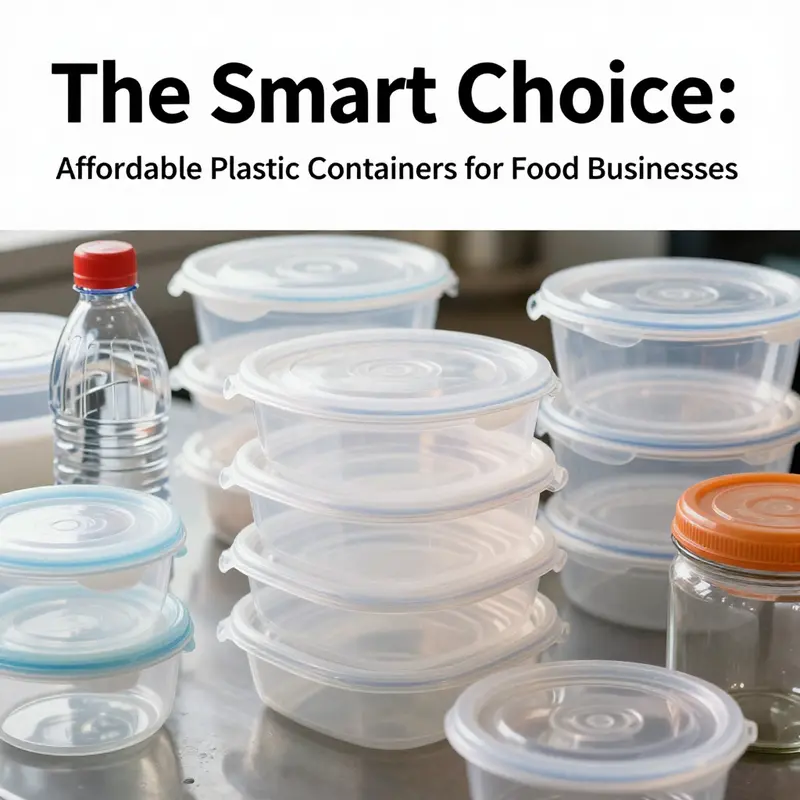
Cheap plastic food containers are often the first answer to everyday storage needs. They are inexpensive, light, and easy to buy in bulk. When chosen and used properly, they save money and reduce waste. But affordability carries trade-offs. Material limits, safety concerns, and environmental costs matter. This chapter guides you through practical choices. It explains materials, key features, typical applications, and safe use. It also covers customization, buying tips, and when to move on from plastic.
Plastic containers on the budget end usually share three traits: low unit cost, simple design, and common manufacturing methods. Injection molding and blow molding dominate production. Those methods keep prices down when orders are large. The most common polymers are polypropylene (PP), high-density polyethylene (HDPE), and polyethylene terephthalate (PET). Each offers different strengths. PP is light, heat resistant, and often microwave-safe. HDPE resists many chemicals and will not crack easily in cold. PET is clear and rigid, commonly used for bottles and thin-walled jars. Choosing between them depends on how you plan to use the container.
A basic understanding of these materials clears up many purchase mistakes. PP tolerates temperatures up to about 120°C for short periods. That makes it suitable for reheating when labeled microwave-safe. It resists many oils and acids better than thinner plastics. HDPE performs well in freezer conditions and resists impact damage. PET is prized for clarity. You see food clearly through PET, which helps for retail display and quick kitchen checks. However, PET can warp or soften under heat. It is not ideal for repeated microwave use.
Manufacturers often advertise key features that matter for daily use. Look for airtight seals, stackable designs, and lids with positive closure mechanisms. A gasket or silicone ring greatly improves an airtight seal. Containers with visible latching clips typically perform better than simple snap-on lids. Transparent bodies help with inventory control at home or in a food service setting. Clear containers make it easy to spot leftover sauces, frozen meals, or dry staples. Wide-mouth openings also aid filling and cleaning.
Budget containers vary widely in size. On the low end, small sample bottles and tiny jars offer minimal storage for condiments, samples, or cosmetics. They can cost mere cents each. Mid-range cheap containers are sandwich- or lunch-sized boxes, often with single or multiple compartments. Large buckets and canisters appear at higher volumes, ideal for bulk staples like rice or flour. Multi-compartment options are particularly useful when portion control or food separation matters. Bento-style inserts reduce cross-contamination and simplify meal prep.
Despite the low prices, safety remains non-negotiable. The single most important label is BPA-free. Bisphenol A has raised health concerns, and reputable manufacturers avoid it in food-contact plastics. Beyond BPA, you should seek evidence of food-grade certification. Regulatory compliance may be shown as FDA or EC statements, or as local food safety certificates. For imports and wholesale purchases, request material test reports. Those reports confirm the polymer grade and help avoid guessing about long-term performance.
Heat and acid exposure affect plastic differently. Even BPA-free plastics can leach chemicals if overheated or scratched. Avoid microwaving any container without a microwave-safe label. If a label permits microwaving, vent the lid to reduce pressure build-up. Do not use thin sample bottles for reheating. Also avoid sharp utensils inside plastic containers. Scratches trap oils and bacteria. Over time, scratches accelerate aging and increase the risk of breakdown.
Dishwashers can be convenient, but they accelerate wear. Heat, strong detergents, and repeated cycles can warp thin plastics. If a container is labeled dishwasher-safe, place it on the top rack. Hand washing with warm soapy water extends life. For stubborn stains and odors, a paste of baking soda and water helps. Sunlight will also bleach stains but may make the plastic brittle over time. Rotate containers used for oily or strongly colored foods to avoid permanent staining.
Airtightness and barrier performance determine how well a cheap plastic container preserves freshness. Airtight containers reduce moisture exchange and insect access. For dry goods, an airtight jar with a gasket and firm lid is better than a loose snap-fit box. For liquids and soups, test the lid by filling and tipping the container. Cheap lids sometimes look secure yet leak under pressure. If you store liquids for transport, prefer containers with locking clips and a soft gasket.
For frozen food storage, choose thicker walls and secure lids. Temperature cycling from freezer to microwave increases stress on lids and seals. Thicker PP containers handle thermal shock better. Thin PET containers may crack during rapid temperature changes. Also leave room for expansion when freezing liquids. Overfilled containers can crack open and contaminate other foods in the freezer.
Multi-compartment containers deliver value in two ways. They reduce the need for multiple single-use packages. They speed meal prep and portion control. They also reduce cross-contamination when designed with effective seals between sections. Look for designs where each compartment has its own lid or where the main lid touches the divider to maintain separation. Multi-compartment cheap plastics are common for snacks, salads, and dry mixes. They are less suitable for wet foods unless a gasketed seal is present.
Small-volume plastic bottles and pots are extremely economical. They serve sample distribution and small condiment portions well. But they are not built for long-term food storage. Their thin walls and lightweight caps make them vulnerable to heat, stress, and chemical migration. These units are practical for single-use or short-term reuse, such as distributing sauces at events. For everyday household storage of cooked food, larger containers with thicker walls are preferable.
Recycling and environmental impact are key considerations. Many PP and HDPE containers are recyclable where facilities accept them. However, recycling depends on local infrastructure and on the cleanliness of the items. Contaminated food packaging often becomes unrecyclable. If you plan to choose the cheapest option, check for recycling symbols and local acceptance. Some manufacturers now offer recyclable PP lines. These products balance low cost with a reduced environmental footprint.
Another choice is reusable disposable-style products. Some low-cost containers mimic disposables but are designed for multiple uses. They often pair a rigid base with a PP lid, making them more durable than fragile single-use trays. If your operation revolves around takeaway meals, reusable disposable-style containers can reduce long-term cost while keeping initial outlay low. They also offer printing and branding options for business customers at scale.
Customization and branding increase the apparent value of cheap containers. Printed logos, color lids, and molded shapes help a product stand out. Custom runs require minimum order quantities. When ordered in sufficient volume, customization adds little to unit cost. However, ensure customization does not mask poor material choice. A branded container that warps or leaks will harm brand perception more than a plain, reliable box.
Sourcing from wholesale platforms is common for cost-sensitive buyers. When ordering, request physical samples. Samples reveal feel, lid performance, and transparency. Ask suppliers for specification sheets. Key specs include polymer grade, wall thickness, temperature ratings, and migration test results. If you plan to fill hot food or ship internationally, verify compliance with relevant food safety standards. Quality control checks on arrival save money and time.
Longevity depends on use, cleaning, and heat exposure. Cheap plastics typically last for dozens to a few hundred uses with careful handling. Signs of end-of-life include visible cracks, crazing, persistent odors, or lid deformation. Replace containers when they show these signs. Continuing to use degraded plastics increases the risk of contamination.
Practical handling tips extend life and safety. First, avoid sudden temperature shifts. Thaw in the fridge or under cool running water instead of microwaving from frozen. Second, avoid acidic marinades in thin PET containers for long periods. Third, use wooden or silicone utensils instead of metal to limit scratches. Fourth, store open containers in a clean, dry cabinet to reduce dust and odor pickup. Fifth, label containers with date and content using removable labels to manage rotation.
Cost-driven buyers often ask when to switch to glass. Glass is heavier and costlier upfront. It resists staining and odor and has virtually no risk of chemical migration. For long-term storage, hot liquids, and reheating, glass is more durable. Use glass for acidic foods, long-term freezer storage, and repeated microwave reheating. Keep a mix of plastic and glass in your inventory. Cheap plastics occupy short-term and mobile needs. Reserve glass for long-term preservation and heavy use.
For businesses, evaluate lifecycle costs. Cheap plastic containers reduce initial expenses and handling weight. But calculate replacement cycles, customer experience, and waste disposal costs. In some cases, slightly more expensive injection-molded PP with a good gasket pays off through fewer replacements and fewer customer complaints. For branded takeaway operations, consider recyclable or compostable packaging alternatives for a stronger sustainability message.
A short checklist helps purchase decisions. Confirm material type and microwave rating. Test lids for airtightness. Request material test certificates. Order samples before bulk buys. Factor in labeling and printing costs when branding. Check local recycling facilities for acceptance. Plan for cleaning and replacement cycles. And finally, match container choice to food type: liquids, oily foods, acidic items, or dry staples demand different plastics and lid qualities.
For those curious about reusable disposable-style plastic options, consider products that pair sturdy PP lids with rigid bases. These combine low cost and improved durability. One example is a line of reusable square salad bowls that come with PP lids and food-grade construction. They show how low-cost plastics can be adapted for repeat use while maintaining convenience and stackability. You can explore such bowls and similar disposable-reusable hybrids for inspiration and comparison.
Safe practice and informed selection unlock the true value of cheap plastic containers. When you prioritize material quality, sealing, and intended use, low-cost plastics deliver reliable service. They are best for short-term storage, transport, and meal prep. For heavy reuse and long-term preservation, choose thicker materials or switch to glass. With careful sourcing, labeling, and maintenance, cheap plastic containers remain a practical part of a cost-aware food storage strategy.
For more on material composition and industry best practices, consult authoritative guidance on food packaging materials and standards: https://www.foodserviceindustry.org/food-packaging-materials/
Final thoughts
Selecting affordable plastic food containers is crucial for enhancing the efficiency of your food service operations. By leveraging basic storage options, multi-compartment solutions, and budget-friendly choices, businesses can optimize their food organization and preservation while keeping costs manageable. The health and safety of your patrons are paramount, so always prioritize the quality of materials. With these insights, you are better equipped to navigate the options and make choices that benefit both your bottom line and your culinary offerings.