

In an era where convenience and cost-effectiveness are paramount in the food service industry, cheap clear plastic coffee cups have emerged as a favored choice for businesses from bubble tea shops to catering services. Their versatility and clear design make them an ideal solution for serving a wide range of beverages. This article delves into the numerous benefits of these delightful cups, explores effective sourcing strategies to ensure affordability, and highlights the growing importance of sustainability amid evolving business practices. Each chapter will provide essential insights that cater to beverage chains, event planners, and corporate teams, equipping them with the knowledge needed to make informed purchasing decisions.
Why Cheap Clear Plastic Coffee Cups Win in Food Service: Value, Visibility, and Practical Choices
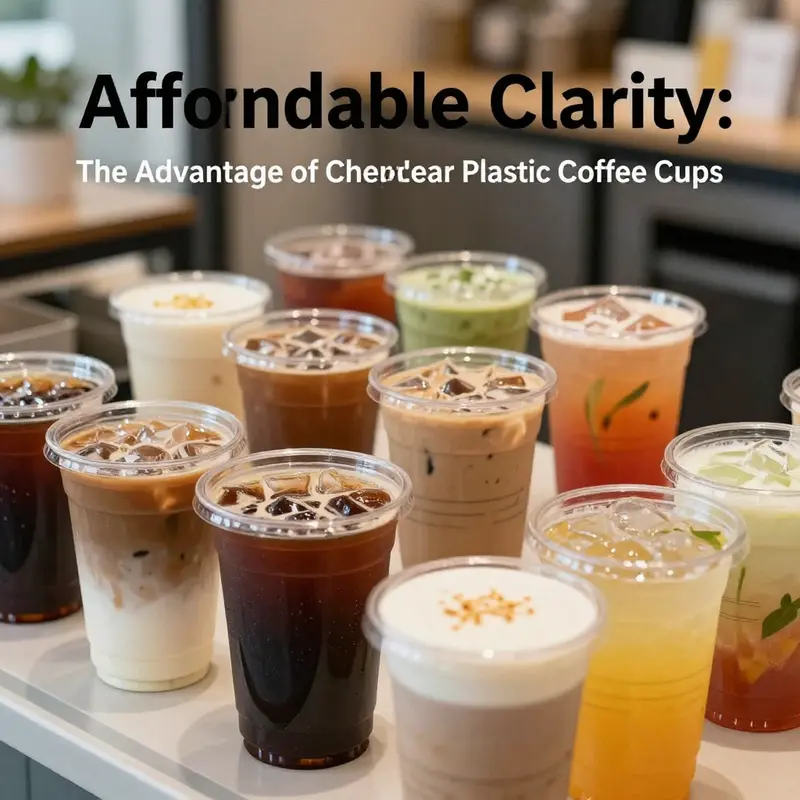
Why cheap clear plastic coffee cups matter in food service
Cheap clear plastic coffee cups deliver straightforward advantages that matter to operators and customers alike. They lower per‑unit costs while keeping service quick and reliable. Their transparent walls let drinks present themselves, turning simple refreshment into an attractive product. For businesses that serve high volumes, run temporary setups, or prioritize ease of use, these cups balance price, function, and presentation in ways few other single‑use options can match.
Cost is where the case often begins. Clear plastic cups are inexpensive to produce and ship. Materials such as PET and PP are widely manufactured, making per‑unit pricing highly competitive. When procurement teams compare total cost of ownership, the arithmetic favors disposable clear cups for many scenarios. Savings appear not just in purchase price but also in reduced labor, equipment, and utility costs tied to washing reusable vessels. When staff time and dishroom infrastructure are factored in, disposable clear cups become an economical choice for pop‑ups, festivals, quick‑service outlets, and large catered events.
Beyond price, their transparency is a constant selling point. Customers choose visually appealing beverages. The layered colors of an iced coffee, the swirls in a smoothie, or the vibrant tones of a cold brew are all visible through a clear cup. That visibility helps patrons make choices and boosts impulse orders. It also simplifies quality checks for staff, as orders can be verified at a glance. For operations that sell a large variety of cold beverages, presentation can be as important as flavor. Clear cups offer shelf appeal without additional packaging costs.
Functionality and durability are often misunderstood in a market driven by price. Cheap clear plastic coffee cups are lightweight yet resilient. Modern designs resist cracking and withstand being carried in hand or placed in cup holders. They are compatible with common lids and domes, which supports toppings like whipped cream or foam. For drive‑through lanes, outdoor seating, and busy counters, that robustness is crucial. A reliable single‑use cup reduces spillage, improves customer satisfaction, and limits waste from damaged containers.
Ease of use translates to speed. Clear plastic cups stack efficiently, are quick to fill, and eliminate the washing cycle needed for reusable glass or ceramic. In fast‑moving environments, those minutes saved per transaction accumulate. Faster service improves throughput during peak periods and reduces lines. Staff training is also simplified: fill, lid, hand off. For venues that rotate staff frequently or rely on seasonal workers, simplicity reduces mistakes and keeps operations steady.
Storage and logistics favor disposables as well. Boxes of nested clear cups take up little space and are light to move. For events with variable demand, this makes inventory planning flexible. A mobile vendor can carry a large number of cups without the bulk and weight of reusable ware. The same applies to businesses with multiple locations: centralized procurement of standard cup sizes streamlines ordering and reduces SKU management complexity.
There are also operational benefits tied to compatibility. Standardized sizes and dimensions mean clear plastic cups fit most dispensers, cup holders, and point‑of‑sale accessories. This reduces the need for custom tooling or adjustments when introducing a new product line. For catering teams that must pack beverages for delivery, clear cups with secure lids stack and transport predictably, minimizing damage in transit.
Health and safety considerations are essential. Reputable clear cups are made from food‑grade plastics, often free from bisphenol‑A and other problematic additives. PET and PP meet many regulatory standards for food contact. Some manufacturers provide certification showing compliance with migration limits and manufacturing hygiene. For businesses focused on liability and guest safety, choosing certified clear cups reduces risk. It also lets operators reassure customers about material safety when concerns arise.
Sustainability enters the conversation more frequently now. Cheap clear plastic cups are easy to criticize for potential environmental impact. They can be hard to recycle in mixed waste streams and may contribute to contamination if improperly disposed. Yet the landscape is more nuanced. Some clear cups are recyclable in areas with PET sorting systems. Others are offered in bio‑based formulations like PLA, which compost industrially under the right conditions. These alternatives can fit green initiatives while preserving the benefits of clarity and convenience.
Choosing the right material requires balancing performance and environmental goals. PET offers excellent clarity and strong recycling infrastructure in many regions. PP provides higher heat tolerance and lower cost. PLA gives renewable content and industrial compostability but lower heat resistance and limited municipal composting access. Each material brings tradeoffs in cost, usability, and end‑of‑life options. Making an informed selection involves examining local recycling and composting capabilities, expected service conditions, and product life cycle priorities.
Design and branding remain practical levers for operations that wish to elevate a basic cup. Clear cups offer visible canvases: logos, sleeves, and adhesive labels can showcase brand identity without hiding the product. For short‑run promotions, printed sleeves are cost‑effective. For longer term branding, custom‑printed bands or recyclable sleeves provide visibility while allowing the cup itself to remain a simple, low‑cost item. This hybrid approach keeps per‑unit costs down while delivering the marketing benefits of branded packaging.
From a procurement standpoint, volume discounts make a big difference. Suppliers often offer lower unit prices for large orders, with small‑quantity sample packs available for testing. For new menus or locations, ordering samples allows teams to evaluate clarity, rim strength, lid fit, and thermal performance. Negotiating flexible minimum order quantities or staggered deliveries helps manage cash flow. Good suppliers back orders with guarantees tied to damaged or missing shipments, which reduces risk for buyers.
Operational best practices amplify benefits while limiting drawbacks. Encourage proper sorting with labeled disposal stations, and offer clear signage about recycling or composting guidelines. Use lids and seals that cut down on spills and reduce food waste from accidental messes. Standardize cup sizes across similar beverage categories to simplify staff choice and inventory. Train staff to inspect lid seals and to reject cups that show warping or brittleness. These small controls preserve a professional customer experience and extend the practical life of each packaging run.
Waste reduction strategies can be realistic and effective. Where recycling is available, encourage rinsing or placing cups in appropriate bins. For events, provide waste stations staffed with attendants to direct materials to proper streams. Consider partnering with local recyclers or composters to close the loop. In settings where reusables are appropriate, blend strategies: offer discounts to customers who bring a reusable cup while using disposables for takeout or situations where washing is impractical.
The choice of a clear cup also affects menu engineering. Drinks that rely on layered presentation or colorful ingredients benefit from transparency. If a menu emphasizes visual appeal, clear cups enhance perceived value. Conversely, hot beverages or menu items likely to leak may call for alternatives with better heat resistance or double‑wall insulation. Many operators adopt a mixed approach: clear cups for cold drinks and insulated paper or double‑wall alternatives for hot beverages.
Choosing sizes and lid styles thoughtfully reduces waste and improves satisfaction. Offer a range of volumes that align with typical consumption patterns. For iced drinks, domed lids accommodate toppings, while flat lids serve stirred or covered beverages. Lid fit is non‑negotiable: a mismatched lid defeats benefits like spill resistance and stackability. Procurement teams should insist on testing lids across expected serving conditions, including iced‑to‑melting scenarios and transport tests.
Cost transparency helps managers make strategic decisions. Total cost should include unit price, predicted spoilage or damage rate, labor savings from reduced washing, and waste disposal costs. A slightly higher unit price may pay off if it reduces spills or improves customer retention. Use a simple model to compare scenarios: for each cup type, estimate daily volume, damage rate, labor hours saved, and disposal fees. The resulting figures guide choices that align with both operational needs and sustainability targets.
Finally, communication matters. Tell customers what you are doing about packaging. Simple messages on menus or at point of sale explain material choices, recycling options, and incentives for reusables. Customers respond to transparency. If a business opts for PLA or a recyclable PET option, share that information plainly. If local recycling is limited, offer guidance on where and how to dispose of cups properly. Clear communication reduces confusion and can bolster brand perception.
Practical guidance for choosing and using cheap clear plastic coffee cups
When selecting clear cups, start with material suitability. PET is ideal for clarity and cold service. PP works where slightly higher temperature tolerance or lower cost is needed. PLA suits businesses focused on compostable materials but requires access to industrial composting. Test cup and lid pairs under your normal use conditions, including transport and stacking. Check certifications for food contact compliance. Evaluate supplier terms for samples, MOQs, and damaged‑goods policies. Add reasonable waste‑management protocols to your workflow. Train staff to verify lids, monitor stock for damaged items, and place disposal signage where customers can act. Finally, measure outcomes. Track spills, returns, and complaints. Compare those numbers before and after switching cup types. Use the data to refine your strategy.
Clear plastic coffee cups are not a one‑size‑fits‑all solution. They shine where visibility, speed, and low cost are priorities. With smart selection, testing, and operational controls, they deliver reliable performance and predictable expenses. When paired with thoughtful waste management and clear customer communication, cheap clear plastic coffee cups can support both efficient service and responsible practices. For a deeper look at composition, standards, and industrial benefits related to clear plastic holders and cups, consult this industry resource: https://www.plasticindustry.org.uk/insights/cheap-plastic-coffee-cup-holder-composition-standards-industrial-benefits
For an example of an eco‑friendly paper alternative that complements clear cups in a mixed strategy, see this eco‑friendly disposable double‑wall craft paper coffee cup with lid: eco-friendly disposable double-wall craft paper coffee cup with lid.
Sourcing Smart: Practical Pricing and Supply-Chain Tactics for Cheap Clear Plastic Coffee Cups
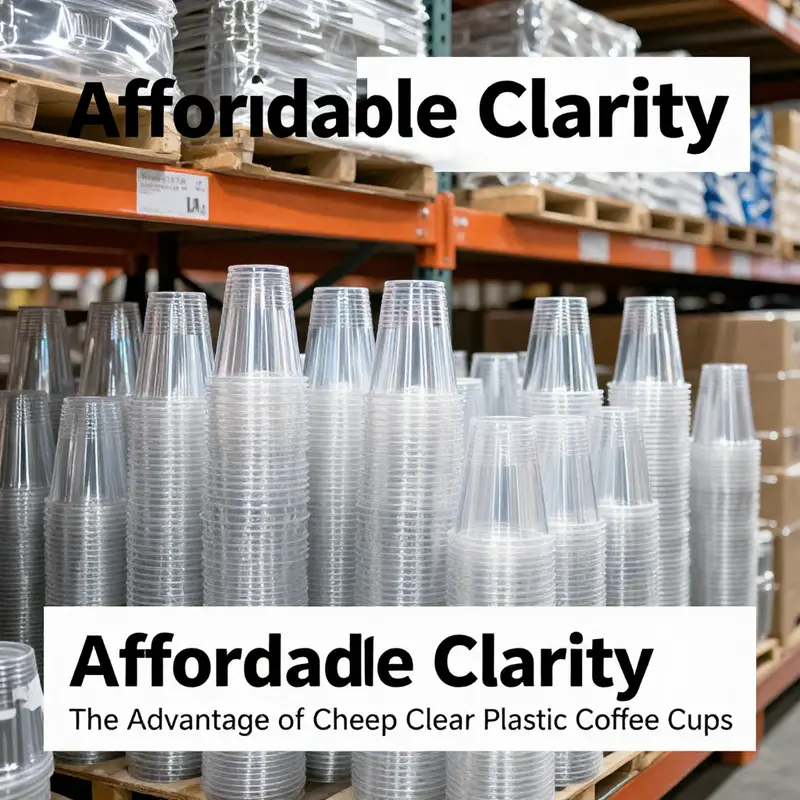
Sourcing Smart: Practical Pricing and Supply-Chain Tactics for Cheap Clear Plastic Coffee Cups
Sourcing cheap clear plastic coffee cups requires a plan that balances price, quality, compliance, and reliability. Costs may look trivial per piece, but small differences multiply quickly when you buy thousands. A pragmatic approach reduces surprises and preserves margins. This chapter lays out the tactics that purchasers use to secure the best unit cost while protecting their operations from supply disruptions and reputational risk.
Begin by defining the product profile with clarity. Specify the intended use, whether it will hold iced coffee, smoothies, or chilled brewed drinks. Note the sizes you will stock, such as 12oz or 16oz, and whether lids are needed. Decide on materials: PET, PETG, PP, or PLA. PET and PETG offer clarity and good cold-temperature strength. PP provides toughness and heat resistance but lower clarity. PLA is compostable and appealing to eco-focused customers but needs industrial composting to break down reliably. State finishes and printing needs upfront. Custom printing raises tooling and unit costs. Keep the specification document simple. A clear spec saves time during supplier evaluation.
Choose sourcing hubs with care. Manufacturing clusters in East Asia remain dominant for clear plastic cups. These regions combine materials suppliers, tooling shops, and experienced factories. The concentration reduces costs and speeds up tooling and adjustments. When you buy from these areas, you benefit from shorter lead times between prototype approval and mass production. Look for suppliers that operate vertically: they should handle molding, thermoforming, and the post-processing steps. Vertical integration reduces handoffs and errors. It also makes negotiating lead times easier.
Volume is your strongest lever. Unit prices drop markedly with order size. For many suppliers, a run of 10,000 to 30,000 units achieves a baseline discount. Prices fall further above 100,000 pieces. When you reach very large volumes, suppliers may offer exclusive die ownership or reduced tooling amortization. If you need a custom logo, expect a higher per-piece price than plain stock cups. To minimize cost, limit customization to essential branding and choose common sizes and lid styles. Standard dimensions and popular lid options are cheaper because tooling already exists.
Minimum order quantity and pricing lines vary, so request tiered quotes. Ask for pricing at realistic breakpoints: 5,000, 10,000, 30,000, 100,000, and any larger thresholds relevant to your business. Tiered quotes expose the economies of scale and allow you to model total landed cost. Landed cost includes unit price, tooling, shipping, duties, and warehousing. Request FOB and CIF quotes to see how logistics influence your cost. Small changes in shipping choice alter your per-unit landed cost significantly, especially on low-priced goods.
Samples are non-negotiable. Ask for pre-production samples and production-run samples. Use them to test clarity, wall thickness, fit with lids, and stackability. Also test how the cup performs with your beverages, ice, and any dispensing equipment. For biodegradable PLA cups, test at cooler and room temperatures. PLA softens sooner than PET or PP when liquid is warm. If the cups will be used with slushes or blended drinks, confirm that the material handles the stress without cracking.
Certifications matter. Insist on food-contact certifications such as FDA or LFGB. For export to the EU, check REACH compliance for substances of very high concern. Request test reports and lab certificates for any material claims. Verify that the factory follows good manufacturing practices and that their supply chain uses food-grade resins. If a supplier cannot provide certificates, treat their offer as speculative. Certificates reduce risk of recalls and legal exposure.
Quality control should be built into the contract. Define acceptance criteria for visual defects, dimensional tolerances, and performance. Decide on sampling levels and whether you require a third-party inspection at the factory. Inspections catch issues before shipment. Use a pre-shipment inspection to check random samples from production. Require photos of packaging and palletization. A clear acceptance checklist reduces arguments at delivery.
Packaging design influences unit economics. Efficient packing maximizes cartons per container, lowering shipping cost per cup. Ask suppliers for cartonization diagrams showing cups per box and boxes per pallet. Consider whether cups can be nested to save space. For orders with customized lids or sleeves, check whether additional packaging reduces container density. Minimal but protective packaging lowers both material cost and transport expense. For retail sales, balance presentation needs with space efficiency. Simple bulk packs are cheapest for foodservice buyers.
Negotiate payment and lead-time terms. Typical small-batch transactions use a deposit and balance against shipping documents. For trusted suppliers, longer-term agreements can offer better pricing and more flexible payment terms. Ask about lead times for tooling and production, and build buffer time into your planning. For seasonal demand spikes, secure production slots months ahead. If you face uncertain demand, negotiate smaller MOQs for initial runs and lock-in prices for future replenishments at pre-agreed tiers.
Mitigate logistics risks by diversifying. Relying on a single factory increases disruption risk from equipment failures, labor strikes, or shipping bottlenecks. Maintain relationships with at least two suppliers in different zones. If both are in the same country, diversify further into another region as insurance. Use freight consolidation for smaller orders to reduce costs. Track transit times and maintain safety stock levels that match lead-time variability.
Customs and tariffs add complexity. Know the harmonized system code for the cups and lids you import. Duty rates vary by material and finishing. For products marketed as biodegradable, verify tariff treatment in your destination country. Some customs offices require documentation proving compostability claims before allowing lower duty classifications. Mistakes in duty classification can create unexpected costs and delays.
Sustainability considerations are increasingly influential. PLA offers a marketing advantage for green-minded buyers, but it limits heat performance. Recycled PET reduces virgin resin use and may lower costs in some markets when rPET supply is abundant. Suppliers can often blend post-consumer recycled content into PET products, but you must request proof of recycled content and chain-of-custody documentation. Consider end-of-life options: are commercial composting facilities available locally for PLA cups? If not, customers may end up in landfill despite compostable claims. Honest marketing avoids reputational risk.
When negotiating price, use data and transparency. Ask suppliers for a cost breakdown if possible. Understand how raw material prices, labor, energy, and transport influence the quoted unit price. When resin prices spike, expect suppliers to adjust quotes or request surcharges. Include a clause for raw-material price review in the contract. Short-term fixed pricing can be advantageous, but it transfers commodity risk to the supplier. Use a balanced approach aligned to your appetite for risk.
Leverage consolidation and freight strategies. Full container loads minimize per-unit ocean freight costs. If your demand is too small for FCL, use less-than-container-load consolidation. Consolidators combine shipments from multiple buyers to fill containers. For urgent needs, air freight secures speed but at high cost. Use air selectively, such as for tooling samples or emergency replenishment. Multimodal logistics combining rail and sea can be cost-effective for inland destinations.
Protect your brand through packaging and documentation. If you require custom printing or logos, have the supplier send approved print proofs and test runs. Approve color matches and ink adhesion under expected refrigeration or cold-hold conditions. Define liability for printing defects and for mislabeling that could impact regulatory compliance. Ask for barcodes and labeling that match your distribution system to prevent handling errors.
Build supplier relationships beyond transactional talks. Frequent communication reduces misunderstandings. Share demand forecasts and listen to supplier capacity constraints. A collaborative supplier will suggest improvements in cost, lead times, and material choices. Establish regular performance reviews and track metrics like on-time delivery, defect rate, and responsiveness. Reward consistent performance with larger orders or preferred payment terms.
Plan for contingencies. Keep safety stock adequate for your lead times and variability. Create a playbook for supplier failure that includes alternative factories and freight options. Maintain a clear record of supplier capabilities, tooling specifications, and material certificates in a centralized file. This readiness speeds recovery in the event of disruption.
Use technology to streamline procurement. Digital platforms provide supplier verification, performance ratings, and trade protections. They also simplify payment and documentation flow. For larger buyers, integrating supplier ERP data allows automatic reordering when stock hits a threshold. Automation reduces human error and ensures timely replenishment.
Finally, remember that price is only one part of total cost. Quality failures cause waste and can damage customer trust. Late shipments can halt operations and cost more than higher unit prices would. A faster, reliable supplier that charges slightly more may be more economical overall. Balance unit cost with lead time, compliance, quality, and service when awarding contracts.
For further detail on strategic sourcing practices and supplier ecosystems for clear plastic cups, review industry sourcing resources that outline manufacturing clusters, tooling methods, and export logistics: https://www.alibaba.com/product-detail/Strategic-Sourcing-of-Clear-Plastic-Cups_1600378835535.html
For an example of combined clear plastic lids and eco-friendly packaging, see this product reference for pastry and dessert containers: disposable biodegradable kraft paper matt lamination clear plastic combo pastry dessert container.
From Impact to Innovation: Sustainability Trends in Cheap Clear Plastic Cups
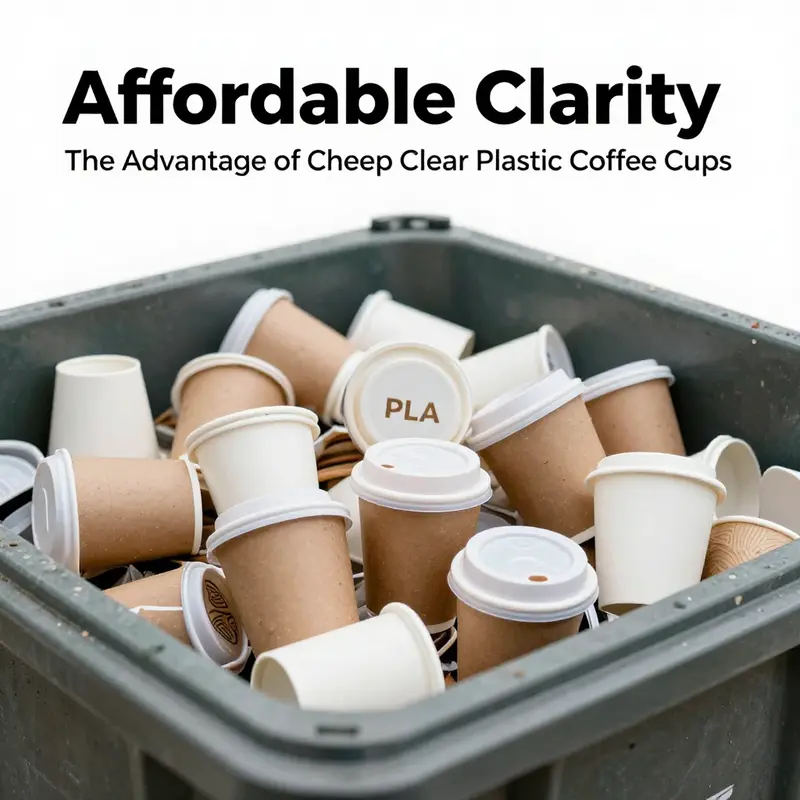
The cheap clear plastic coffee cup is ubiquitous for its convenience and price, but its environmental footprint raises important questions about design, recycling, and waste management. This chapter traces how material choice, end-of-life options, and local infrastructure shape the true sustainability of these cups. We examine trends in recycled-content plastics, design-for-recyclability, and the emergence of compostable alternatives where appropriate, while acknowledging regional limits to recycling and the challenges of contamination. The discussion also covers practical steps for brands, buyers, and policymakers: selecting materials that fit local recycling streams, supporting transparent labeling, enabling take-back or reuse programs, and measuring total lifecycle impact rather than just upfront cost. By connecting product design with waste systems, the chapter shows how affordable, clear beverage cups can become part of a more circular packaging ecosystem.
Final thoughts
Clear plastic coffee cups remain a cornerstone for many businesses, balancing affordability with functionality. They serve a crucial role in enhancing customer experiences whether in bustling beverage chains or large catering events. Sourcing these cups effectively not only maximizes savings but also ensures consistent quality and supply. As sustainability trends shape consumer preferences, businesses can make informed choices by considering eco-friendly options, such as biodegradable cups. By integrating these insights, companies can elevate their service quality and draw in environmentally-conscious clientele, all while enjoying the benefits of convenient and cost-effective beverage solutions.