
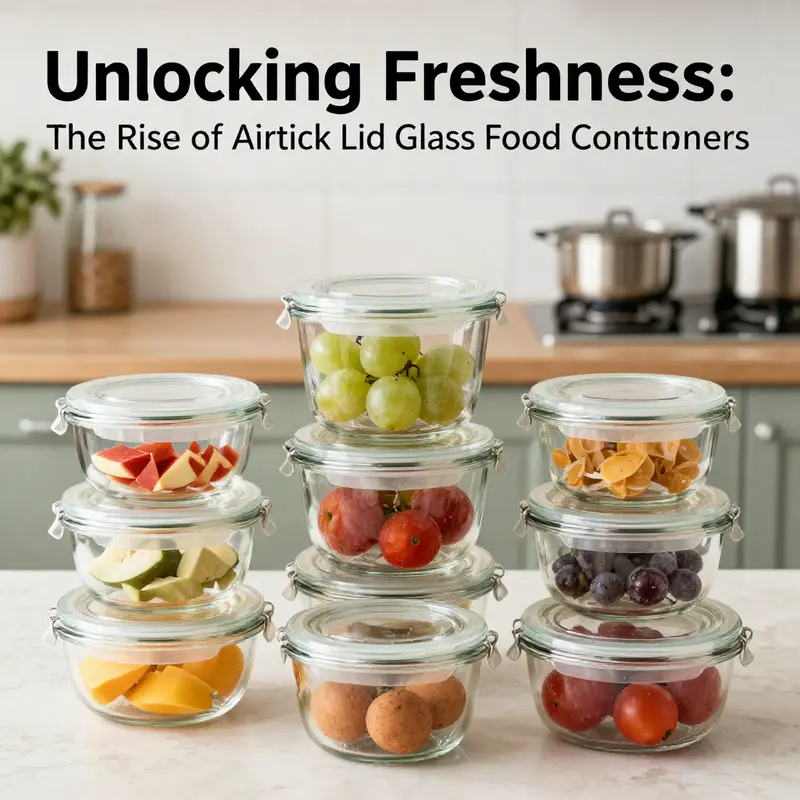
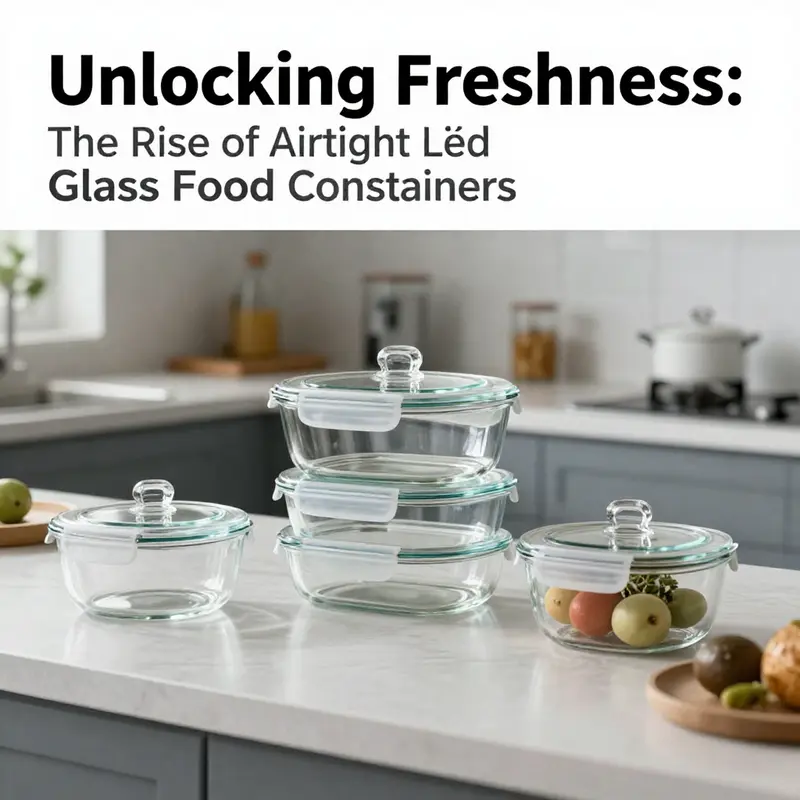
As businesses, ranging from bubble tea shops to gourmet restaurants, strive for efficiency and sustainability in food storage, the role of airtight lid glass food containers has never been more significant. These containers not only boast unparalleled durability and safety but also play a crucial role in preserving food freshness, ultimately enhancing customer satisfaction. In this article, we will delve into the market dynamics shaping the popularity of these containers, explore their key features and benefits tailored specifically for the food and beverage sector, detail essential sourcing and supply chain considerations, and highlight future trends and innovations that are set to redefine this space. Each chapter will build on the last to provide a comprehensive understanding of the opportunities available through effective wholesale partnerships.
Glass Without Compromise: Navigating the Global Wholesale Landscape for Airtight-Lid Glass Food Containers
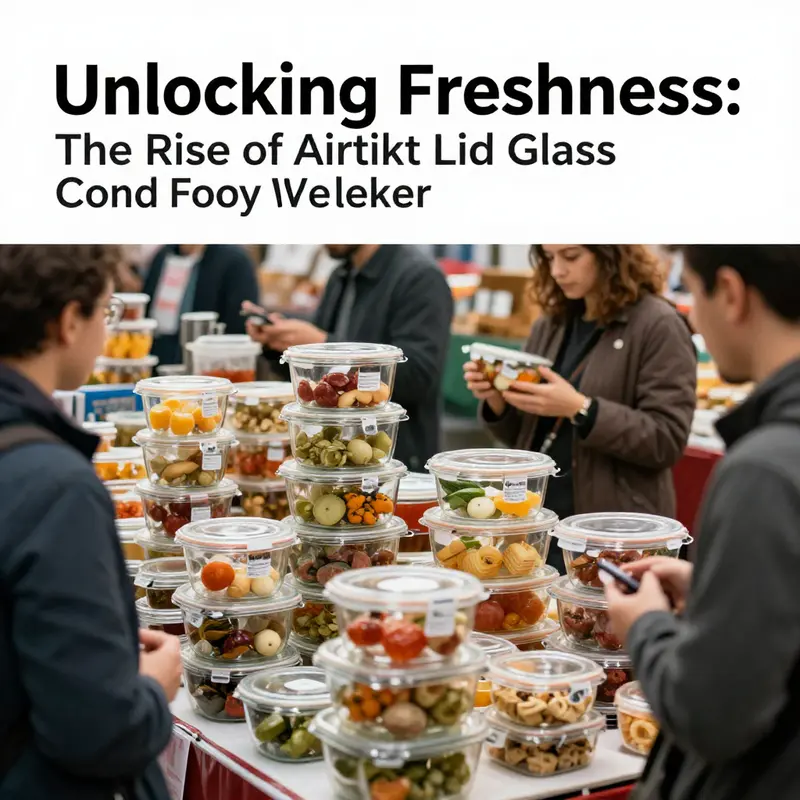
Airtight lid glass food containers are more than a storage solution; they are a rapidly evolving interface between health, sustainability, and practical kitchen design. The wholesale channel that moves these products from factory floors to retailers and brands is being reshaped by shifts in consumer preference, sourcing reliability, and the relentless push for better, safer packaging. In this chapter, we trace how wholesalers operate within this market, how demand is formed, and how product design and branding decisions ripple through the supply chain to influence what ends up on kitchen shelves and in commercial prep rooms.
The core appeal of glass with airtight lids lies in its combination of safety, durability, and long-term value. Glass is inherently non-porous and chemically inert, a feature increasingly prioritized as consumers scrutinize where and how their food is stored. The absence of BPA and phthalates—common concerns with some plastics—makes glass storage a compelling choice for oils, spices, and prepared meals. This health-forward mindset dovetails with a broader environmental narrative: durability, reusability, and recyclability take on larger significance as brands seek packaging solutions that align with circular economy goals. Wholesalers respond to this demand by curating inventories that emphasize borosilicate glass, a material known for resistance to thermal shock and chemical stability, while pairing it with lids designed to minimize waste and maximize lifespan. In practice, this means buyers encounter ranges that span everyday jars to premium sets that feature upgraded locking mechanisms or more environmentally friendly lid materials.
Across borders, the global supply chain that services these wholesalers centers on a few core dynamics. China, with its extensive manufacturing ecosystems and established trade platforms, stands out as a pivotal hub. Platforms that connect buyers with producers simplify the path from specification to shipment, enabling a broad spectrum of orders—from small runs for boutique brands to large-scale procurement for multi-location retailers. The result is a diverse supplier base offering an array of sizes—from compact 100 milliliters to expansive 2000 milliliters—and a range of lid configurations. Consumers increasingly expect choices that accommodate both pantry storage and refrigerator or freezer applications, leading wholesalers to stock containers that are not only microwave and dishwasher safe but also easy to stack and transport. In this environment, customization becomes a central value proposition. Wholesalers frequently provide decoration services, allowing retailers to imprint branding, logos, or color accents on the jars and lids. The appeal is twofold: it helps brands stand out on crowded shelves and promotes customer recognition through coherent, reusable product ecosystems.
A key market driver is the growing insistence on non-toxic packaging. Glass, being inert, is a natural fit for brands that want to minimize chemical interaction with food. This is particularly important for delicate items like spices, infused oils, or ready-to-eat meals that customers heat and serve. The intelligence of the wholesale market lies in recognizing that consumers are willing to pay a premium for packaging that signals purity and longevity, even when the upfront cost is higher than plastic equivalents. Wholesalers translate this into product assortments that emphasize high-quality borosilicate glass, with lids crafted from bamboo, wood, metal, or silicone seals designed to maintain airtight integrity without compromising aesthetics. The result is a product family that can suit casual households, upscale restaurants, and corporate meal programs alike, all while preserving flavors and textures over time.
In practice, the lifecycle of these products through wholesale channels is shaped by both design constraints and business pragmatics. Lids must provide an airtight seal that resists spills during transit and daily use, yet be easy to operate for a broad user base. Innovations in locking mechanisms—whether simple clamp styles, snap locks, or more sophisticated gaskets—emerge from the need to balance reliability with cost. Wholesalers, by aggregating demand, can justify engineering more robust lids at scale, spreading the development cost across larger orders while offering retailers a tangible upgrade in performance. This is where market dynamics and product design intersect: a slight improvement in lid integrity can translate into meaningful reductions in product returns and substitutions, a win for wholesalers seeking stable margins and retailers seeking dependable, long-lasting assets for their stock.
The customization arc is another vital feature of the wholesale market. Many buyers want to craft a branded presentation that aligns with their store concept or restaurant identity. Wholesalers meet this need by enabling silk-screening, decal applications, and labeling services that produce a cohesive line across sizes and lid configurations. Such customization elevates a standard glass container into a branded experience, reinforcing consumer trust and encouraging repeat purchases. It also allows eco-conscious brands to signal their values through design choices—natural lid materials, minimalistic silhouettes, and colorways that reflect organic or artisanal positioning. The operational implication is meaningful: customization commands higher minimums and longer lead times, but it also creates a competitive moat for wholesalers who can reliably deliver quality, consistency, and on-brand packaging at scale.
From a buyer’s perspective, the minimum order quantities (MOQs) typical of the wholesale market are a practical reflection of fabrication realities and the risk profile of glass products. MOQs can range from modest dozens to several thousand units, depending on the supplier, the complexity of the lid design, and the breadth of the size range being offered. For startups and boutique brands, lower MOQs with flexible terms can be enabling, allowing them to test concepts without tying up capital in inventory. For larger distributors, higher MOQs translate into cost efficiencies and more favorable pricing bands. Wholesalers that can offer predictable lead times, reliable quality control, and scalable customization stand out in a field where logistics and consistency are as critical as the product itself.
The supply chain story for airtight-lid glass containers is inseparable from the logistics of shipping, warehousing, and distribution. Glass, while durable, remains a fragile cargo category, demanding careful packaging, protected transport, and responsive after-sales service. Wholesalers invest in robust packaging standards, leak-proof secondary packaging, and damage-control protocols to minimize breakage in transit. They also build value through educational content for retailers and end users, explaining the correct care and usage of glass containers. Clear guidance around microwaving, dishwashing, and lid maintenance reduces misuse and extends the product’s lifespan, which in turn sustains consumer trust and the brand equity of the retailers selling these items. In turn, retailers reward wholesalers with repeat orders and longer-term partnerships as plateaus of demand are established and forecasts become more reliable.
The market’s evolution also reflects a broader shift toward data-driven decision-making among wholesalers. Observing order patterns, seasonality in consumer cooking trends, and the emergence of new culinary formats helps wholesalers stock smarter. They optimize assortments based on feedback loops from retailers and end users, aligning product families with the most demanded configurations—whether it’s a set of stackable, clear jars for dry ingredients or a range of larger, toughened-glass containers suitable for meal-prep services. The discipline of forecasting, inventory optimization, and quality assurance distinguishes modern wholesalers from earlier, more manual trading practices. It also supports a more resilient supply chain, capable of absorbing shocks and maintaining steady availability even as demand surges or global trade conditions shift.
In this complex ecosystem, the relationship between wholesalers, manufacturers, and retailers is more collaborative than adversarial. Manufacturers benefit from consistent demand and predictable production schedules, while retailers gain access to a spectrum of options that can be tailored to their customer base. Wholesalers anchor the chain by providing not only product breadth but also the services that transform raw product into market-ready offerings: branding, packaging customization, and logistical support. The market is thus less about a single perfect container and more about a family of containers whose design language and service model align with a retailer’s brand promise and a consumer’s expectations for safety, convenience, and sustainability. This alignment turns glass storage from a mere utility into a strategic differentiator for brands that want to convey care for health, the planet, and everyday practicality.
Together, these dynamics illuminate why the wholesale landscape for airtight-lid glass containers remains robust and increasingly sophisticated. As consumer awareness grows, demand condensed around non-toxic, durable materials that support reuse and recycling, wholesalers are not simply moving products; they are curating ecosystems. The most successful players anticipate shifts in kitchen culture—such as a renewed emphasis on meal-prep efficiency, eco-friendly packaging narratives, and the aesthetic appeal of clean, transparent storage—and translate those shifts into readily purchasable inventory. In doing so, they help retailers transform storage into a confident purchase, a small but meaningful step toward healthier homes and more responsible consumption. This is the heart of the market: a dynamic, practical, and increasingly branded space where glass, lids, and logistics converge to support safer, smarter, and more sustainable food storage.
External resource for further context on global supplier dynamics and verified product offerings in this space can be found here: https://www.alibaba.com/product-detail/Wholesale-Airtight-Glass-Food-Containers-with_1600738459792.html?spm=a2700.19656762.0.0.2b5d6a1cUJjvKp
Crystal Confidence: Weaving Value for Wholesale Buyers in Airtight Glass Containers
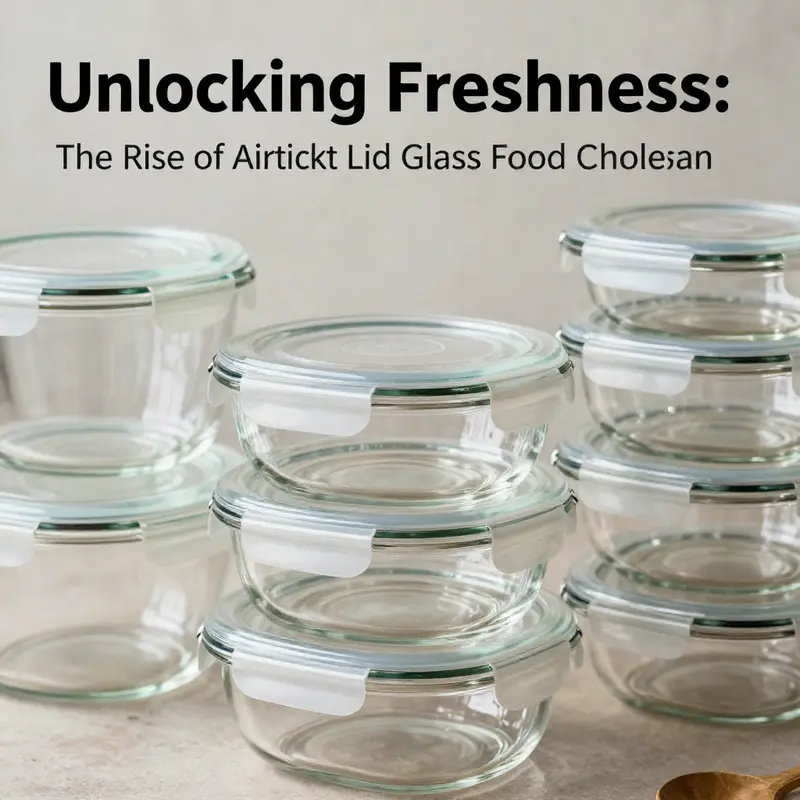
Across the wholesale landscape, airtight lid glass food containers occupy a strategic niche that blends safety, sustainability, and scalable opportunity. They are more than vessels for storage; they are enablers of efficiency, brand storytelling, and responsible consumption. In channels where retailers seek reliable margins and kitchens require dependable performance, these containers translate technical advantages into concrete business value. Their appeal rests on a careful balance of composition, construction, and presentation, a balance that wholesalers who understand the market can turn into durable partnerships with retailers, restaurateurs, and foodservice operators alike. What begins as a product specification becomes a measurable business outcome when the conversation shifts from features to outcomes: longer freshness, reduced waste, stronger in-store displays, and clearer supplier accountability.
The backbone of this value proposition lies in premium material safety and durability. High borosilicate glass is the core material that signals quality to buyers who must justify a higher unit cost in bulk. Its thermal resistance is a practical asset; it withstands rapid temperature shifts and supports a more versatile usage pattern than ordinary glass or many plastics. Containers can be moved from freezer to microwave to oven with confidence, an attribute that resonates with meal-prep services, catering operations, and home-storage enthusiasts alike. This thermal resilience reduces the risk of cracking or shattering during normal handling, which in turn lowers replacement rates and protects a retailer’s inventory integrity. Beyond performance, these containers carry certifications that speak to safety and compliance. LFGB, REACH, and EU food-safety standards are common milestones wholesalers highlight to reassure buyers that the containers are toxin-free and aligned with international regulatory expectations. For a wholesale buyer, that traceable compliance reduces due diligence time, strengthens retailer trust, and supports smoother shelf stocking and marketing claims.
Sealing technology is the other critical facet driving value. The lids, designed for an airtight fit, dominate the conversation around freshness and spill containment. In the field, a well-executed seal can dramatically cut oxygen exposure, an effect that translates into noticeably longer perceived freshness for a range of products—from marinated vegetables to cooked leftovers and dry goods. The best configurations create an effective barrier without sacrificing ease of use; a user should be able to open, scoop, and reseal with minimal effort, even in a busy kitchen or deli counter. In practical terms, an airtight system can extend shelf life by a meaningful margin compared to non-sealed alternatives. For a wholesaler selling into the retail foodservice ecosystem, that translates into reduced waste, steadier stock turnover, and more confident merchandising claims. And for the end consumer, it equates to fewer spoiled items in the pantry, which reinforces positive brand associations with the wholesale partner.
The versatility of design and customization options is another lever for wholesale buyers. These containers are available in multiple shapes—square, round, and rectangular—and capacities ranging from a half-liter up to two liters. That spectrum is crucial for tailoring solutions to distinct applications: spices and herbs, grains, dried snacks, or fresh-prepared meals. Customization can go beyond size and shape. Brands may opt for bamboo wooden lids to deliver a natural aesthetic, or choose clear glass lids to maintain uniformity with other glassware. The opportunity for branding extends to logos and packaging configurations, enabling a seamless visual identity across a retailer’s product line. For wholesalers, this versatility supports differentiation in crowded aisles and online catalogs. It also makes it easier to bundle sets for promotions, which can drive higher average order values and create cohesive merchandising displays that retailers can replicate in multiple stores.
In-store and online presentation matters as much as material performance. Glass provides a transparent canvas that showcases contents with clarity, which is particularly important in display cases, pantry setups, and online product photography. The ability to see the contents at a glance reduces the cognitive load for shoppers and improves shelf management for staff. This visual transparency aligns with broader consumer expectations for honesty and traceability in food storage, and it reinforces the perceived quality of the wholesale offering. A container that looks sturdy, clean, and modern naturally commands higher confidence from buyers who are curating an assortment that must stand up to daily use in kitchens and cafés.
From an environmental perspective, glass is an appealing choice for sustainability-minded buyers. It is inert and fully recyclable, and its durability means repeated use does not degrade performance. For retailers and foodservice operators measuring environmental impact, glass helps shift the narrative away from disposable, single-use plastics toward reusable, multi-use options. The lifecycle story matters in decision-making, especially as consumer demand leans toward products that support longer lifespans and lower waste. While the initial price point for glass containers may be higher than some plastic alternatives, the long-term savings—through reduced spoilage, fewer replacements, and more effective merchandising—often offset the upfront investment. In wholesale conversations, this long-term value equation becomes a powerful closing argument, particularly when paired with certifications and a scalable supply chain.
Pricing and scalability are practical determinants of wholesale viability. Market norms place wholesale unit costs in a broad range, typically reflecting size, design complexity, and the level of customization. Buyers will encounter a spectrum from low-cost bulk units to higher-priced premium configurations, with minimum order quantities (MOQs) that are designed to facilitate bulk purchases while still accommodating growing businesses. For wholesalers, the strategic implication is clear: offer a tiered ladder of options that enables retailers to field-test products with smaller orders and then scale up as demand grows. Flexible MOQs, cost savings on larger runs, and reliable shipping terms all contribute to a compelling value proposition. When wholesalers can pair competitive pricing with consistent quality and timely fulfillment, they reduce friction in procurement cycles and support retailers in meeting consumer demand with confidence.
Market dynamics are shaping how wholesalers approach product development. Eco-friendly considerations are moving beyond material choice to encompass packaging, branding, and end-of-life handling. Multifunctional designs—containers that can serve as prep vessels, storage boxes, and portioning tools—enter the market as a response to the pressure for efficiency and sustainability. The wholesale channel benefits from vendors who anticipate these shifts and invest in R&D that yields practical, scalable features: nesting designs for space-saving storage, stackable configurations for back-of-house efficiency, and compatible lids that snap securely while enabling quick identification of contents. In this landscape, wholesale partners become accelerators of trend adoption, helping retailers respond quickly to consumer expectations without sacrificing margins or reliability.
Quality assurance and supply-chain reliability are non-negotiable in wholesale outcomes. The practical value of airtight lid glass containers rests not only in the product itself but in the confidence buyers gain from a dependable supplier network. Robust supplier practices include pre-shipment inspections, batch traceability, and documentation that validates material composition and compliance with safety standards. For wholesale buyers, these mechanisms translate into lower risk—fewer returns, fewer compliance questions from retailers, and a smoother path to scale across multiple stores or regions. The ability to provide consistent lead times, transparent communication, and reliable post-sale support further cements wholesale partnerships. In markets where inventory turnover is rapid, and retailers rely on predictable replenishment, the supplier’s reliability becomes a differentiator as valuable as the product’s performance.
Operationally, wholesalers must balance the economics of bulk purchasing with the marketing and branding needs of their customers. The decision to stock a particular line is often driven by the ease with which it can be integrated into existing assortments and promotions. A well-structured offer—clear sizing options, several lid styles, and a straightforward customization path—can reduce sourcing complexity for retailers. Packaging and labeling can be aligned with a retailer’s seasonal campaigns, enabling faster go-to-market with co-branded or private-label possibilities. The ability to ship in bulk, with consistent packaging and unambiguous documentation, shortens the time from order to shelf and makes a partner indispensable in a busy supply ecosystem. This is where the wholesale channel demonstrates its true value: turning a technically sound product into a reliable, margin-friendly, and retailer-ready solution.
For buyers evaluating supplier options, the decision framework is pragmatic and process-oriented. They look for material integrity, seal performance, and design flexibility as the core pillars. They also assess the breadth of the SKU platform, which impacts how easily a retailer can consolidate orders across categories and campaigns. The most successful wholesale relationships are those where the supplier can translate a shared vocabulary of quality signals into measurable benefits: lower spoilage, more effective merchandising, cleaner storage solutions, and a consistent customer experience across channels. It is not solely about selling a container; it is about enabling a cohesive storage strategy that retailers can bring to their customers with confidence and pride. When a wholesale partner demonstrates this capability, it fosters trust, repeat orders, and evolving collaborations that extend beyond a single season.
As the market continues to evolve, one enduring takeaway remains clear: airtight lid glass containers, positioned thoughtfully within a wholesale program, offer a clear path to durable business outcomes. The combination of premium material safety, reliable sealing, versatile design, and sustainable appeal creates a compelling case for retailers seeking long-term value. The conversation with buyers can then shift from merely listing features to articulating a holistic lifecycle of storage, freshness, and presentation. That lifecycle resonates in daily operations, in shelf displays that invite a second look, and in the positive consumer experiences that translate into repeat purchases.
Internal link for further context on compatible lid-and-container packaging options can be explored here: food-grade take-away bowl with lids.
External reference: for material performance benchmarks and industry-standard expectations, see a leading supplier’s high borosilicate glass container reference here: https://www.alibaba.com/product-detail/LINUO-Glass-Food-Container-High-borosilicate1600678295436.html?spm=a2700.galleryofferlist.pimage.1.1a4d7e5fjJFgS2
The Silent Seal: Building a Resilient Global Supply Chain for Airtight Lid Glass Food Containers
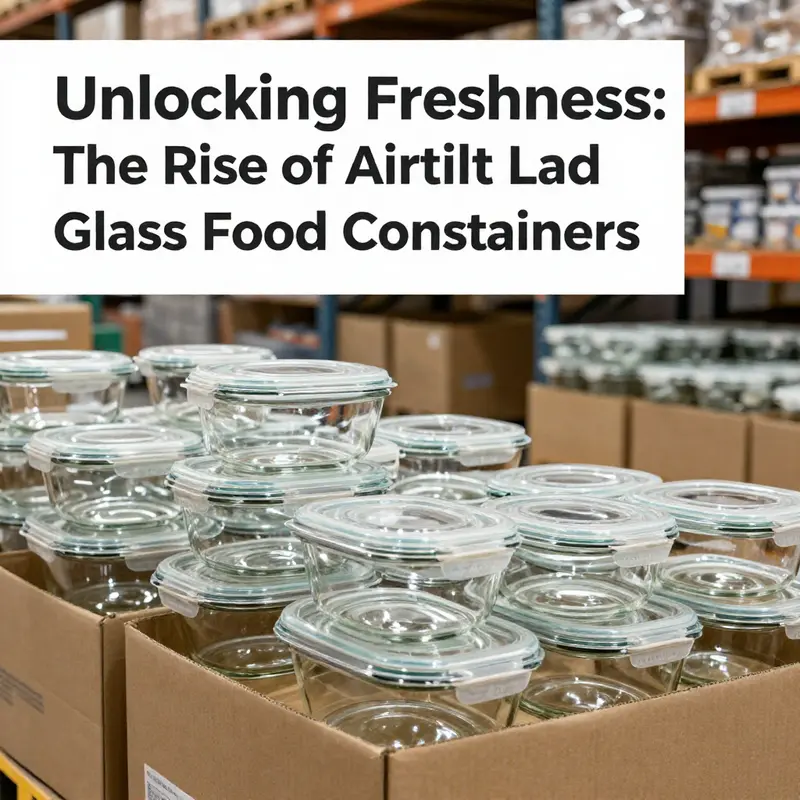
Airtight lid glass food containers sit at the intersection of safety, convenience, and sustainability. Their value is not merely in what you can store inside them, but in how effectively a wholesaler can source, verify, and deliver a product that remains faithful to its promises across borders, seasons, and order volumes. The journey from raw materials to finished, market-ready stock demands a disciplined, holistic approach. It starts with material safety and regulatory compliance, threads through supplier reliability and capability, and ends in a procurement strategy that recognizes cost is inseparable from risk, timing, and traceability. When a buyer places a bulk order for glass containers with airtight lids, they are not just buying glass and gaskets; they are purchasing a complex system of assurances that must hold under temperature changes, shipping delays, and the pressures of private-label ambitions. In this light, the path to a reliable supply chain resembles careful engineering: precise specifications, rigorous verification, and constant vigilance for deviations that might compromise performance or compliance over time.
Material safety and regulatory compliance form the bedrock of any successful wholesale program for airtight lid glass containers. Across major markets, food-contact materials are regulated to protect consumer health and to ensure that the products maintain their integrity throughout typical household use. Buyers should expect, and demand, documentation that aligns with recognized standards such as the FDA in the United States, LFGB in Germany, and the EU Regulation (EC) No 1935/2004 for overall food contact materials. Glass products deserve particular attention to composition; borosilicate glass is the preferred baseline because its superior resistance to thermal shock minimizes the risk of breaks during heating or cooling cycles. This reliability matters not only for consumer safety but also for brand reputation, especially when private-label programs seek to position themselves as premium and dependable.
Third-party testing and certification documents are not optional add-ons; they are the verifiable signals that a supplier’s claims about safety are credible. A thorough due-diligence process involves reviewing lab reports that confirm compliance with migration limits, glass integrity under heat cycling, and any relevant RoHS or REACH considerations for European access. The global market rewards transparency. When a supplier can provide batch-level certificates and traceable test data, it signals a mature quality management system and reduces the risk of late-stage regulatory surprises that can derail product launches or force costly reformulations. For buyers, this means asking for more than a certificate of conformity; it means seeking reproducible evidence of performance across multiple lots and over time. The assurance becomes more meaningful when paired with a historical record of incidents and a documented response protocol for any anomalies that arise in production or shipment.
Beyond the safety equation lies the practical reality of supply capability. Supplier reliability and capability are best assessed through a small, targeted lens that covers four core dimensions: quality assurance, scalability, compliance, and operational transparency. A supplier that can demonstrate robust quality assurance processes—such as in-house batch testing, seal integrity checks, and drop tests on finished products—offers a level of predictability highly valued by wholesalers. Scalability matters just as much. A facility with more than 3,000 square meters of manufacturing space, complemented by in-house mold design capabilities, tends to offer faster prototyping and more consistent production. Vertical integration—where manufacturers control upstream resin sourcing and downstream labeling and packaging—often translates into shorter lead times and tighter process control. This is especially pertinent for leading manufacturers who leverage integrated supply chains to stabilize cycles from concept to bulk production. Such advantages translate into fewer surprises when a retailer places a high-volume order or when private-label configurations require rapid changeovers.
Geographic location adds another layer of strategic nuance. Proximity to critical hubs reduces both transportation time and landed costs, which is particularly relevant for glass products that may carry higher value per unit and require careful handling. Provinces with established manufacturing ecosystems near major ports can offer a favorable mix of scale and logistics efficiency. For example, being near a large port complex can shorten ship-to-door times, simplify export documentation, and reduce the risk of backlogs that delay distribution to retailers in distant regions. Location also affects supplier responsiveness and the ability to sustain steady production during peak cycles. Buyers who map the supplier base against regional logistics capabilities tend to achieve more resilient performance, avoiding bottlenecks that can amplify delays and quality drift as volumes rise.
Innovative packaging technologies remain central to the market’s evolving expectations. Modern airtight containers increasingly couple durable sealing technologies with airtight, leakproof lids and gasket systems that perform consistently through repeated heating and cooling. The best suppliers invest in sealing innovations that are designed to deliver reliable performance in a variety of user scenarios—from home microwaving to busy commercial kitchens. The resulting product is not only safe and durable but also keeps contents fresher for longer, a quality that resonates with health-conscious consumers and sustainability-focused retailers alike. In the broader discourse of packaging, this engineering mindset extends to how products are presented and shipped. A well-sealed glass container reduces the risk of leakage and container damage during transit, which in turn lowers breakage-related losses and return rates for wholesalers.
Smart procurement strategy binds all these strands into a forward-looking plan. It requires balancing immediate price considerations with long-term value and resilience. Low unit costs are tempting, but they can mask hidden risks: delayed deliveries, quality variability between batches, or incomplete compliance documentation. A resilient procurement approach emphasizes suppliers with transparent internal quality control processes, including batch traceability, comprehensive seal integrity checks, and systematic drop testing. It also values suppliers that demonstrate regulatory foresight, maintaining documentation and process controls that facilitate market access in multiple regions. The procurement framework should thus prioritize not just the lowest price but the best overall value—the degree to which a supplier can deliver consistent quality on time, with complete compliance records, and with the flexibility to scale operations when demand surges.
In this context, the role of the wholesaler extends beyond sourcing. It becomes a partner in product lifecycle management, guiding retailers and manufacturers toward configurations that meet evolving consumer expectations. A smart procurement relationship emphasizes collaboration on quality improvements, documentation practices, and supply chain risk mitigation. It recognizes that a private-label project, for instance, may require tighter control over color consistency, lid geometry, and gasket materials as well as more rigorous batch traceability. A reliable supplier will offer not only raw data but also a clear action plan for addressing any deviations, including corrective and preventive actions, root-cause analysis, and verification testing for subsequent lots. Such alignment reduces the friction that can arise when product specifications shift during a season or when regulatory expectations change across markets.
The practical implications of these considerations extend to day-to-day purchasing decisions and long-range supply planning. Buyers will benefit from a structured approach to supplier evaluation that combines documented capabilities with an ongoing monitoring system. This includes reviewing production capacity, lead times, and the supplier’s capacity to absorb sudden order spikes without compromising quality. It means requesting evidence of batch traceability across multiple lots and maintaining a risk register that captures supplier health, political and economic factors in key sourcing regions, and contingency options for critical components such as lids, gaskets, and glass stock. The ultimate objective is a resilient supply chain that can weather disruptions, maintain consistent quality, and support retailers in delivering value to end customers—freshness preserved, leakage prevented, and trust reinforced with every purchase.
In the broader landscape of sourcing for airtight lid glass containers, it helps to acknowledge that suppliers rarely operate in a vacuum. They sit in ecosystems where packaging choices, sustainability commitments, and regulatory expectations intertwine. The move toward eco-friendly and minimally processed materials has spurred interest in packaging alternatives and configurations that still meet the performance standards required of glass containers. While glass remains a premium option for durability and safety, wholesalers should stay alert to advances in lid geometry, sealing elastomers, and testing methodologies that can further enhance product reliability without compromising cost or lead times. This broader awareness supports more informed supplier conversations and better-aligned product specifications when scaling up from a pilot program to full-market distribution.
As you build or refine a sourcing program for airtight lid glass containers, keep in mind that one well-chosen link in your supplier network can be a multiplier for overall performance. When suppliers demonstrate strong quality controls, scalable production, and transparent collaboration, they enable faster private-label launches, more consistent batch-to-batch results, and smoother audits across markets. Even as you balance price and speed, the strongest value proposition you can secure is trust—trust in material safety, process reliability, and the predictable delivery of high-quality containers that protect the integrity of food and the reputations of the brands they hold.
For a broader perspective on supplier capabilities and sourcing trends in this space, readers can consult an authoritative industry guide that provides deeper context on glass food container sourcing in China and beyond. This resource complements the chapter’s emphasis on compliance, capacity, and cross-border logistics, and it helps frame the negotiation and due-diligence steps essential to successful wholesale programs. In practical terms, you might explore the guide for concrete criteria to apply when vetting suppliers, from facility certifications to batch traceability systems. The insights can serve as a useful reference as you refine supplier selection checklists, audit questions, and onboarding frameworks for new partners. eco-friendly Kraft paper serving bowls.
The narrative of sourcing airtight lid glass containers is not simply about securing a physical product; it is about curating a reliable, scalable, and compliant supply system. It requires ongoing diligence, clear communication with suppliers, and a willingness to adapt to evolving regulatory landscapes and consumer expectations. When wholesalers invest in robust QA, pursue vertical integration where feasible, and thoughtfully map logistics alongside regional capabilities, they create a foundation that supports growth, protects margins, and sustains trust across the supply chain. It is this combination of safety, reliability, and strategic foresight that ultimately determines whether a glass container meets the market’s needs today and remains a dependable solution tomorrow.
External resource: https://www.alibaba.com/product-detail/In-Depth-Guide-to-Glass-Food-Container-China_1600582746569.html
A wholesale transformation: Glass, smart packaging, and circularity redefining airtight lid containers
The wholesale market for airtight lid glass containers is shifting from simple stock to a value-driven ecosystem.
Buyers seek not only durable vessels but also predictability, traceability, and sustainability across the product lifecycle.
Advances in glass chemistry, such as borosilicate with enhanced thermal resistance and UV-protective coatings, help containers withstand rapid temperature changes and protect light-sensitive contents.
Smart packaging features—QR codes, RFID, and embedded sensors—enable real-time inventory management, quality assurance, and consumer transparency.
In parallel, circular design principles encourage mono-material lids and recyclability, simplifying end-of-life processing and driving brand trust.
Personalization at scale, enabled by digital printing and flexible manufacturing, allows retailers and food brands to differentiate without sacrificing bulk efficiency.
For wholesalers, success hinges on aligning material innovation with regulatory compliance, robust supply chains, and end-to-end sustainability storytelling that resonates with retailers and consumers alike.
Final thoughts
As the demand for airtight lid glass food containers continues to rise, bubble tea shops, restaurants, and catering services stand to benefit significantly from understanding the inherent market dynamics, product features, and efficient sourcing strategies. By staying aware of emerging trends, businesses can position themselves advantageously in a competitive landscape, ensuring they meet customers’ expectations for quality and sustainability. This investment in superior food storage solutions not only enhances operational efficiency but also aligns with growing consumer preferences for eco-friendly and health-conscious options, ultimately paving the way for long-term success.