
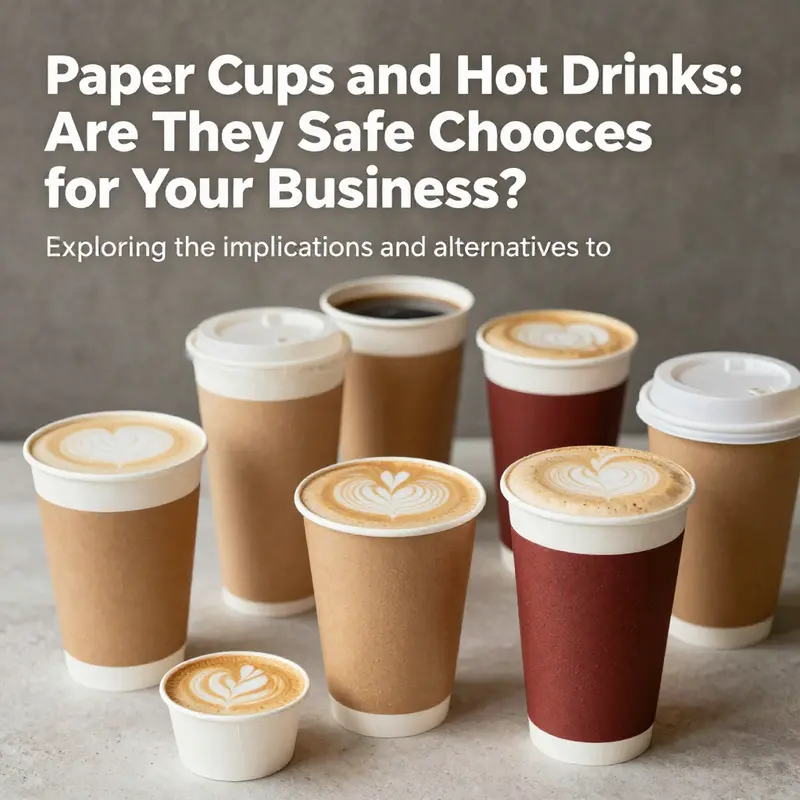
As businesses serve hot beverages, the safety and quality of their packaging materials have become paramount. In this exploration of paper cups designed for hot drinks, we’ll dive deeply into the crucial issue of microplastics, understanding how the type of coating affects not only the cup’s durability but also consumer health. We will also examine the health implications of using these cups, alternatives that can offer better safety, and actionable recommendations for ensuring safe consumption. By addressing these areas, any beverage-oriented business can make informed decisions about their drink service packaging, enhancing both safety and customer experience.
Hidden Microplastics in Your Hot Drink: The Real Risk of PE-Coated Paper Cups
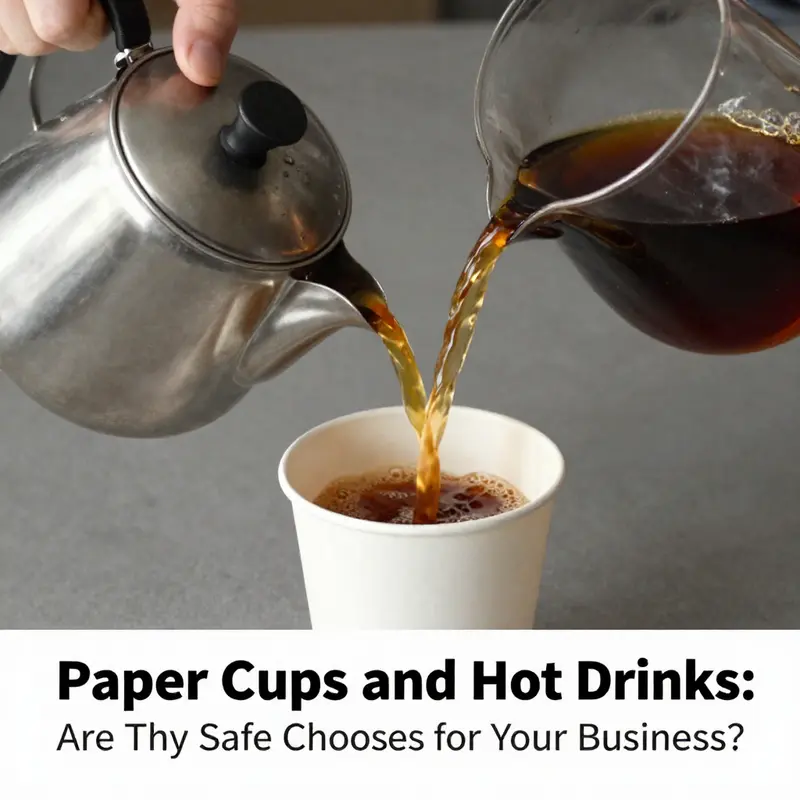
For many, a paper cup is a simple, convenient vessel—a temporary shield between hot liquid and the hand. Yet the reality behind hot-drink paper cups is more nuanced than the label on the sleeve implies. The inner lining, usually a polyethylene (PE) coating, is designed to resist soaking and to maintain a barrier between liquid and the paper. In practice, heat and repeated contact with hot beverages can gradually compromise that barrier. What starts as a routine act of pouring a hot coffee or tea into a cup can become a small, steady source of microplastics entering the drink. The strongest signal from the current research is not that every cup becomes a catastrophe, but that there is a measurable, temperature-dependent shedding of microplastics that builds over time and exposure. This dose-dependent reality matters because it reframes how we think about convenience versus long-term safety in everyday rituals like sipping a morning brew.
Numerical data from targeted investigations illuminate the scope of the issue. Microplastic release from PE-coated paper cups has been quantified across conditions, revealing a range that depends on temperature and exposure duration. At a glance, one might assume the number of particles would be minimal, especially at cooler temperatures. In fact, studies report microplastic release in the range of about 126 particles per liter to 1420 particles per liter, with the higher end associated with hotter liquids and longer contact times. The most striking condition identified was exposure to liquid at approximately 50°C for about 20 minutes, a scenario not unusual for a beverage left in a cup during a mid-morning pause. Conversely, the lowest observed release occurred at 4°C with no initial exposure, underscoring how temperature amplifies the wear and tear on the coating. Yet even at room temperature, these cups contribute to microplastic contamination, emphasizing that the issue is not confined to obvious heat.
Perhaps more striking still is what a single disposable cup can release under hot-liquid exposure. A commonly cited figure suggests that a 100 ml disposable cup can shed up to around 0.7 million microplastic particles in certain conditions. This magnifies the concern when one considers daily caffeine routines, mass usage at workplaces, or events where many cups are used in succession. The release mechanism has been traced to surface abrasion driven by the combination of heat and liquid contact. Scanning Electron Microscopy (SEM) images reveal visible wear on the cup’s inner surface after exposure to hot water, showing micro-tears and roughened textures that facilitate particle dislodgement. Complementary techniques like Fourier Transform Infrared (FTIR) spectroscopy provide physical evidence of surface degradation, with reduced absorbance intensities at specific wavelengths indicating chemical changes in the coating. Together, these lines of evidence build a coherent picture: heat accelerates microplastic shedding by wearing through the protective PE layer, creating fissures that trap and release particles into the beverage.
What does this mean for daily life and public health? The evidence supports a cautious view of PE-coated cups as hot-drink containers. The labeling often promotes a sense of safety for hot beverages, yet the microplastic data reveal a longer-term exposure profile that merits attention. The health implications of ingesting microplastics remain an area of active scientific inquiry. While the acute toxicity of microplastics is not fully established, the cumulative exposure across a year can be substantial. Conservative estimates based on the released particle counts indicate that annual human exposure from beverages in PE-coated cups could range into the tens of thousands of particles per person, depending on consumption habits and the specific cup design. Even if the worst-case scenarios are less universal, the recurring nature of hot-drink consumption means a sizeable, ongoing internal dose is plausible for many adults and children alike. The ethical question this raises is not whether a single cup will cause harm, but whether habitual use of disposable cups for hot drinks is compatible with long-term safety goals when safer alternatives exist.
To mitigate the risk, researchers have explored practical reductions in microplastic release. A straightforward intervention that shows promise is washing the cup with ultrapure water before use. This pre-wash procedure has been demonstrated to decrease microplastic release by roughly 52% to 65%. The logic is that rinsing removes loosely bound fragments from the inner surface, reducing the number of particles available to shed when hot liquid is later added. While this mitigation is helpful on an individual basis, it does not eliminate the underlying issue of the PE coating’s vulnerability to heat. From a population health perspective, it remains a partial solution, especially in high-use settings like cafes or workplaces where cups are rapidly cycled.
Even more important than the microplastic counts is the broader lesson about coating choice and cup design. The coating type matters. Wax-coated cups, for example, are not suitable for hot drinks at all because the wax melting point is relatively low. When hot beverages are poured into wax-coated cups, the wax can melt, leading to leaks and structural weakness that not only increases spill risk but undermines the cup’s barrier properties. Though the wax itself is food-grade and non-toxic if ingested, this compatibility issue defeats the purpose of having a waterproof cup. In contrast, PE-coated cups are marketed as safe for hot drinks, but the evolving science suggests that the protective layer may degrade under heat, releasing microplastics. The subtle but crucial takeaway is that every cup finished with a PE lining represents a trade-off between convenience and cumulative, long-term exposure to microplastics.
The practical implications extend into consumer behavior and environmental considerations. If the goal is to minimize disposable use altogether, the cleanest path remains opting for reusable containers made from inert materials such as glass, stainless steel, or ceramic. Glass offers inertness and ease of cleaning, stainless steel provides durability and heat resistance, and certain ceramic options—particularly those without glaze in the inner surface—can be compatible with hot beverages while avoiding metal reactivity concerns. These materials do not shed microplastics in the same way and generally withstand repeated use under normal care conditions. For those who still rely on disposable cups, the safest approach is to seek cups specifically labeled as hot-drink cups from reputable manufacturers and to be mindful of the broader evidence base rather than relying solely on generalized assurances.
For readers who are curious about practical options within the disposable category, there is a relevant resource illustrating a specific example of eco-friendly, disposable options designed for hot drinks. You can explore considerations around a double-wall craft-paper coffee cup with a lid by visiting a supplier page that highlights this design. The link uses a descriptive slug that aligns with the topic: senang07-eco-friendly-disposable-double-wall-craft-paper-coffee-cup-with-lid-12-oz-for-wine-tequila. This page presents a case study of how manufacturers attempt to balance insulation, leak resistance, and environmental considerations, offering a tangible reference point for debates about single-use containers. senang07-eco-friendly-disposable-double-wall-craft-paper-coffee-cup-with-lid-12-oz-for-wine-tequila
The chapter’s essential message is not to demonize all disposables or to declare hot drinks off limits. It is to recognize that the wide class of PE-coated cups used for hot beverages inherently carries microplastic shedding risk, especially under typical real-world conditions of heat and duration. This recognizes the difference between a controlled laboratory condition and everyday use, where cups sit on desks, are held briefly, or are warmed by a steaming cup sleeve. The direction forward is clear: for long-term safety and environmental alignment, minimize disposable use for hot drinks, and prioritize alternatives that do not introduce microplastics into the drink. When disposal is unavoidable, choose products with transparent, independent safety data and robust regulatory compliance, and consider supporting innovations that reduce coating degradation or substitute inert materials altogether.
For readers seeking the broader scientific context, the study Microplastic Release from Single-Use Plastic Beverage Cups offers a detailed methodological account of the mechanisms and exposure estimates. It provides a rigorous foundation for understanding how microplastics can migrate from cups into beverages and why temperature and exposure time are central to the risk profile. Access to this study and related data can be found in external scholarly resources, which underscore the need for ongoing evaluation as new materials and manufacturing practices emerge. https://www.ncbi.nlm.nih.gov/pmc/articles/PMC11349441/
In sum, PE-coated cups for hot drinks are a pragmatic convenience with a measurable, non-negligible microplastic footprint. The data do not imply immediate catastrophe, but they do call for a cautious approach to disposable hot-drink consumption and a preference for safer, more inert options where feasible. As research evolves, so too should our practices, embracing both greater transparency from producers and more intentional choices by consumers about how we savor hot beverages day after day.
Coatings Under Heat: How the Inside Layer Shapes the Safety of Paper Cups for Hot Drinks
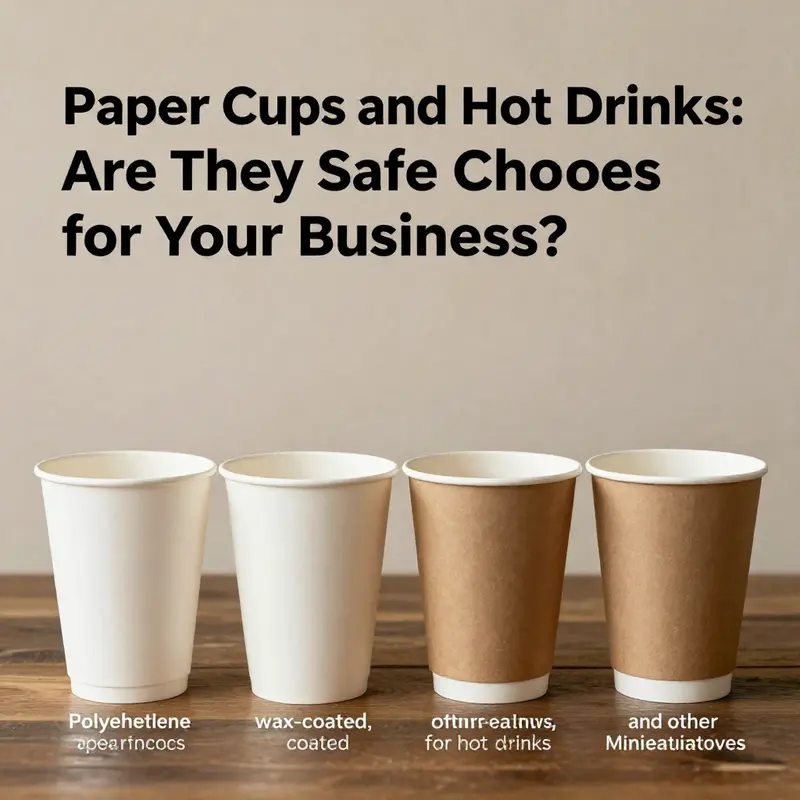
The inside layer of a paper cup is more than a simple slippery surface; it is the quiet negotiation between moisture, heat, and safety. When we pour a hot beverage into what looks like a familiar cup, we are really testing a thin, engineered barrier whose material choice dictates not only the drink’s dignity (whether it stays in the cup or soaks into the paper) but also what, if anything, might migrate into the liquid we are about to swallow. The coating that lines disposable cups is the deciding factor in whether a hot drink can be enjoyed without compromising health, comfort, or taste. In practical terms, the coating determines two things: how well the cup withstands heat and how the coating behaves when exposed to hot liquid. Wax coatings and polyethylene coatings sit at opposite ends of that decision, each bringing its own set of promises and risks. Wax-coated cups were long favored for their low cost and their moisture barrier. Yet they were never intended for the heat of a steaming coffee or tea. The wax layer, typically based on food-grade paraffin, has a relatively low melting point. When a hot beverage is poured, especially if the liquid nears or exceeds sixty degrees Celsius, the wax can soften or melt. The surface can become slick or even leak due to wax migration. This is not merely a cosmetic risk; it creates a real chance that the cup’s integrity is compromised, potentially leading to leaks or even skin contact with warm, waxy liquid. The wax itself is generally considered non-toxic if ingested in small amounts, but the experience of melted wax in a drink is unappealing and raises questions about contamination and consumer trust. The conclusion is straightforward: wax-coated cups are not appropriate for hot drinks. They were designed more for cold beverages or for short-term use, where the risk of heat-induced melting is minimized. The takeaway is not a verdict against all disposable cups, but a clear warning about using wax coatings for hot beverages. The other major option, polyethylene-coated cups, has become the standard for hot drinks in many settings. A polyethylene (PE) lining converts the otherwise porous paper into a waterproof, heat-tolerant vessel. The chemistry here matters: LDPE, the common form used for interior cup coatings, forms a barrier that can withstand temperatures well above boiling water. In practice, PE-coated cups are marketed as safe for hot drinks, designed to keep beverages from soaking into the paper and to preserve flavor by preventing direct paper contact. They also avoid phthalates and common controversial additives often discussed in other plastics, which contributes to a perception of safety. Yet the scientific conversation around PE coatings is more nuanced than a simple good-or-bad label. Heat is a driver of chemical processes, and the interaction between hot liquids and the polymer inside a cup can, under certain conditions, promote wear and fragmentation at the micro level. A study from 2020 highlighted a potentially troubling dimension of this interaction. When a hot liquid, around 85 to 90 degrees Celsius, sits inside a PE-coated cup, the heat can compromise the polymer matrix. Over time, this degradation may release microplastic particles into the drink. The researchers reported that, after a 15-minute exposure, a single cup could yield tens of thousands of microplastic particles per 100 milliliters of liquid. The image is unsettling: the very vessel designed to safeguard safety becomes a potential source of ingestion. It is essential to interpret these findings carefully. The microplastic release is a function of temperature, duration, and the specific formulation of the coating. It does not imply that every PE-coated cup will contaminate every hot beverage, but it does indicate a real risk that accumulates with repeated exposure and long drinking sessions. In other words, the coating matters not only for heat resistance but also for long-term exposure to hot liquids. The contrast between wax and PE coatings reflects a broader truth about disposable cups: there is no one-size-fits-all answer to hot-drink safety. The coating choice shapes not only the immediate experience of heat resistance but the longer-term considerations of health and exposure. For hot beverages, PE-coated cups remain the most common and practical option, yet the emerging microplastic data invites a more cautious approach. The implication for daily life is not to abandon the use of PE-coated cups outright but to acknowledge that a disposable option carries certain risks, especially when hot drinks are involved for extended periods. This realization nudges us toward practical strategies that prioritize safety without throwing away the convenience of single-use cups altogether. First, scrutinize the labeling. Manufacturers will often indicate whether a cup is intended for hot or cold beverages. When in doubt, choose a cup clearly marked for hot drinks and sourced from a reputable producer. Second, consider the context. A brief, one-cup coffee may carry a different risk profile than a long afternoon with multiple refills. If the aim is minimizing exposure to microplastics, shorter and fewer hot-drink sessions with disposable cups offer a lower cumulative dose. Beyond these considerations lies a broader question about what it means to rely on disposable vessels for hot drinks. The allure of convenience must be weighed against health uncertainties that are not yet resolved. For consumers who want to minimize potential exposure, alternatives exist that remove the infusion of plastics entirely. Glass, stainless steel, and ceramic cups provide inert or non-reactive environments for hot beverages. Glass cups, in particular, offer excellent chemical inertness and do not leach substances, though they lack the convenience and break-resistance of some other options. Stainless steel is durable and highly heat-tolerant, making it a favorite for travelers and office workers who want a robust solution. Ceramic cups, when free from problematic glazes, provide another non-reactive option with a pleasant thermal mass that keeps drinks warmer longer. Each alternative has its own caveats: glass can be fragile and heavy; stainless steel can react with highly acidic drinks if not properly finished; some ceramic glazes may contain trace elements if not fired under strict quality controls. In this light, the coating on a paper cup can be viewed not as a standalone feature but as a deciding factor within a larger system of safety, convenience, and personal habit. If paper cups are to be used, there is a cautious middle path worth considering. A cup specifically designed and labeled for hot drinks, backed by transparent testing and adherence to safety standards, offers a more reliable experience. The consumer then faces a balance between the comfort of disposables and the desire to minimize exposure to microplastics. A closer look at the coating landscape underscores how choices reflect trade-offs. Wax-coated cups are out for hot drinks, given the risk of melting and leakage. PE-coated cups, while designed for heat and widely used, carry the microplastic concern that has emerged in scientific literature. This does not render PE-coated cups universally dangerous, but it does complicate the narrative around hot-drink safety and invites a more nuanced appraisal of risk, duration, and cumulative exposure. It also highlights an important point for readers: coatings are not interchangeable, and assuming safety on the basis of heat tolerance alone is insufficient. For readers who want a practical way to navigate this landscape, the next step is to look for explicit hot-drink labeling, verify the coating type if possible, and consider alternatives for frequent hot-drink use. An additional layer of decision-making comes from the context in which those cups are used. In a café setting where many hot drinks are produced and consumed quickly, PE-coated cups may present lower immediate burn risk and higher containment of liquid leakage, but the broader health question about microplastics remains. In a home setting, where one might rinse and reuse a cup or choose a reusable vessel, the calculus shifts toward minimizing disposables altogether. The conversation also intersects with environmental considerations. While this chapter centers on safety and health signals, the coatings chosen for disposable cups influence not only human exposure but environmental persistence and waste management. Wax, PE, and other coatings each have distinct production footprints and end-of-life implications. Consumers, policymakers, and industry players alike may benefit from transparent labeling that communicates coating type, intended use, and any known health considerations. In the end, the question, are paper cups good for hot drinks, does not admit a single, simple answer. It asks for a thoughtful assessment of coating chemistry, heat dynamics, and personal risk tolerance. It invites readers to weigh the convenience of disposables against the precautionary principle, especially in situations of repeated hot-drink exposure. If you still choose to rely on paper cups for hot beverages, the guiding principle is to prioritize a cup clearly designed for heat, sourced from a trusted manufacturer, and to limit the number of hot-drink sessions you spend with a single-use vessel. And when possible, keep in mind a long-term strategy: leverage reusable options—glass, stainless steel, or ceramic—while reserving disposables for brief, occasional use. The more you understand the coating under the heat, the better you can make informed choices that align with both your daily habits and your health priorities. For readers who want a practical touchpoint, there are options that acknowledge the coating distinction without sacrificing convenience. Consider the availability of eco-friendly, printed-logo paper cups designed for take-away coffee, which can be used as a transitional choice for those who are transitioning away from wax or seeking clearer communication about hot-drink suitability. eco-friendly, printed-logo paper cups for take-away coffee. This kind of transparency helps users navigate a landscape where safety concerns, heat tolerance, and consumer expectations intersect. The broader public health message remains cautiously optimistic: paper cups can function for hot drinks, but the choice of coating matters, the heat exposure matters, and the consumer’s habits matter just as much. The growing body of research encourages a shift toward awareness and moderation, not panic. In that sense, the coating debate becomes a useful guide for practical living—reminding us to ask questions about what is inside the cup, how hot the drink is, and how long we intend to hold that cup in our hands. External research continues to probe these issues and refine recommendations. For readers seeking a deeper dive into the science and the evolving dialogue around hot-drink safety in disposable cups, an external perspective offers a grounded starting point: https://www.foodsafetynews.com/2022/04/are-disposable-paper-cups-safe-for-hot-drinks/.
null
null
Redefining the Warmth: Durable, Safe Alternatives to Paper Cups for Hot Drinks

The moment a hot drink meets the rim of a disposable paper cup is deceptively simple: a quick fill, a swirl of steam, and a moment of comfort in a busy day. Yet beneath that familiar ritual lies a web of health, environmental, and behavioral considerations that challenge the convenience of single-use solutions. The safety question surrounding paper cups for hot drinks hinges on something as small as a coating and as wide as our habit of convenience. The most widely used cups rely on a polyethylene (PE) lining to keep the cup waterproof and to resist the moisture of a steaming beverage. But heat can alter the structure of that lining, and with it, the potential for microplastic particles to leach into the drink. A study conducted in 2020 highlighted a concrete pathway by which hot liquids, at temperatures close to the range we’ll commonly encounter in coffee shops and home kitchens, interact with this lining. The findings were stark: within a fraction of an hour, microplastics could migrate from the lining into the beverage, turning a simple daily ritual into a potential daily exposure. Those numbers—thousands of particles per 100 milliliters in just 15 minutes—do not vanish when the cup is discarded; they echo in the ongoing questions about long-term health in a world where plastic is an everyday material. It is not simply a matter of whether a cup is labeled as “hot drink safe.” The looming issue is what happens under real use, where temperature, time, and material interactions accumulate with every cup. The practical response to this is not to panic, but to reimagine the way we drink hot beverages. We learn to choose materials that minimize chemical interaction, waste, and the chance of microplastics entering our system, especially when the drink is consumed many times a day. The breadth of alternatives is not a rejection of paper cups as a category; it is a thoughtful shift toward devices that preserve flavor, protect health, and reduce environmental impact over the long run. The emphasis, then, is on durability, reusability, and the physics of heat transfer as a way to keep hot drinks enjoyable without compromising safety or sustainability.
Among the most credible pathways forward is a move toward reusable vessels that are designed for hot beverages. Stainless steel emerges as the top recommendation for most people who want a durable, non-reactive container. Its appeal lies not only in its resilience and inertness but also in how it handles heat. A good stainless steel cup, especially a double-walled, vacuum-insulated model, can keep a drink hot for many hours while remaining comfortable to hold. The external surface does not become hot to the touch, thanks to the insulating layer, which means you can sip without worrying about burns. Maintenance is straightforward: most are dishwasher-safe, which simplifies daily use and promotes hygiene. The environmental logic is powerful as well. A single well-made stainless steel cup can replace thousands of disposable cups over its lifespan, moving the needle on waste reduction in a way that a paper cup, even when recycled, cannot. The caveat is subtle but meaningful. If the stainless steel vessel includes any plastic lining or coatings inside, particularly when you pour highly acidic beverages, there is a non-zero chance that the liner could degrade over time. In most cases, pure stainless steel remains safe, but it pays to verify that any interior lining is absent or explicitly rated for hot, acidic drinks. In practice, this means reading product descriptions with attention to materials and choosing models that emphasize metal-to-liquid contact, without unnecessary plastic barriers.
Glass cups, particularly thick borosilicate varieties, offer a different kind of purity. Glass is inert, meaning it does not unload additives or react with beverages. For hot drinks, borosilicate glass is known for its heat resistance, which helps maintain flavor and aroma without introducing metallic notes or chemical interactions. Protective sleeves or handles become practical accessories because they shield hands from heat and reduce the risk of breakage during transport. The environmental math for glass is favorable in the long run; while manufacturing glass can be energy-intensive, its durability and the ease of cleaning—often in a dishwasher—mean repeated use translates into a small footprint per cup over many years. The drawbacks, however, are real. Glass is more fragile than metal, and while sleeves mitigate risk, the occasional drop can be costly or injurious. For active lifestyles or travel, that fragility makes glass a less versatile choice, which is precisely why many households keep multiple vessels for different contexts: a robust stainless option for commutes and office days, a glass piece at home for a quiet, undisturbed morning ritual.
Ceramic mugs occupy a special place in the conversation about hot drinks. Ceramics are naturally non-toxic when produced to high standards, and interiors can be glazed with food-safe coatings that resist leaching. What makes ceramic appealing is the tactile comfort—warmth in the hand and a sense of ritual that mirrors traditional coffeehouse culture. The interior glazing of high-quality ceramics, ideally lead-free and free from certain colored glazes, plays a crucial role in safety. Plain interiors are safest because they minimize the risk of any glaze-based migration. Ceramic keeps a drink hot and a mood steady, but the weight and brittleness cannot be ignored. For home use, ceramic mugs excel, offering a long life if treated with care. For travel or outdoor use, the risk of chips or cracks rises, and a break becomes a hazard. The environmental argument for ceramic is solid if sourced responsibly and used for many years, distributing the upfront carbon cost across numerous cups of coffee and tea.
Plant-based alternatives—bamboo fiber or other plant-derived composites—are at the frontier of sustainable design. These cups often come with a thin, food-grade PLA coating to provide waterproofing and a food-safe barrier. In theory, they reduce reliance on fossil-fuel-derived plastics and offer a more compostable profile, especially when designed for industrial composting. The ecosystem benefits hinge on how and where the cups are disposed of. Home composting of PLA-coated products is not always reliable, and industrial facilities with the necessary heat and time are often required. While the overall environmental footprint is smaller than traditional PE-coated cups, the practical realities of compostability—access to the right facilities and consumer behavior—mean these options require infrastructure to realize their full potential. In hot-drink scenarios, plant-based cups tend to perform well, yet they may not match the heat retention and strength of metal or glass in every situation. They represent a meaningful step toward sustainability, but not a universal fix.
For those who still rely on disposables in high-volume settings, the chapter’s guiding principle shifts toward reducing exposure through a two-pronged approach. First, where a cup must be used, choose options that are explicitly designed for hot beverages and minimize the duration hot liquid stays in contact with any polymer lining. Second, leverage practical techniques that can lessen exposure without sacrificing convenience. One such technique, the rinse-and-pour method, asks for a quick pre-rinse of the cup with hot water before pouring the actual drink. This simple step can remove a portion of the loose particles and residual film that may contribute to microplastic migration. In a café setting, another approach is to request a transfer of your drink into your own reusable container as soon as possible. While it may feel awkward in the moment, it eliminates the disposable cup from your intake entirely and aligns with a broader commitment to waste reduction. If you must use a disposable option, seek a cup that is certified as compostable or plant-based and supported by credible recycling or composting streams in your locale. The idea is not to demonize disposables, but to elevate the decision-making framework around hot beverages so it prioritizes long-term health and planetary well-being.
The overarching narrative, then, is less about a binary choice and more about a shift in everyday behavior. The hot-drink ritual can be harmonized with sustainability by adopting a durable, reusable vessel for daily use—the stainless steel mug that keeps heat, flavor, and hands safe; a glass or ceramic option for at-home sipping; or a plant-based cup in circumstances that demand disposables, with the understanding that end-of-life disposal matters. This approach reduces the collective risk associated with microplastics in hot beverages, which is not merely a hypothetical concern but a measurable exposure that grows with the routine consumption of hot drinks from PE-coated cups. The health implications, while still under study, point toward caution and a precautionary bias: minimize exposure wherever feasible while maintaining a comfortable and enjoyable drinking experience.
In reflecting on the practical realities of daily life, accessibility and convenience remain essential considerations. The simplest path forward for many households is to curate a small, reliable set of reusable vessels that fit different contexts. A robust stainless steel cup for commuting or office use, a glass tumbler with a protective sleeve for home or indoor spaces, and a ceramic mug for slow mornings can cover most needs. For families with children or caregivers who travel, the plant-based options can offer a gentler, more sustainable alternative to single-use plastics, provided the disposal stream supports composting where feasible. Education around care and cleaning is crucial; reusables must be cleaned properly to prevent residue buildup and to maintain a pleasant drinking experience. When a café or workplace is involved, a respectful conversation about alternatives can encourage larger-scale shifts—more widespread adoption of durable cups, better recycling or composting infrastructure, and a culture of responsible consumption.
Ultimately, the science and the lived experience converge on a single, actionable takeaway: the best way to enjoy hot drinks with confidence is to prioritize reusables—stainless steel, glass, or ceramic—while acknowledging that disposables have a role in certain settings. If you continue to rely on paper cups in the short term, choose ones marketed specifically for hot drinks and pair them with practices that reduce exposure and waste, such as rinsing and transferring when possible. For those who want to deepen their commitment to safer, more sustainable habits, the path is clear: one thoughtfully chosen cup, used again and again, can replace thousands of disposable cups over time. This is not just a personal health decision; it is a practical, scalable approach to breaking the cycle of disposable waste and to rethinking how we drink in a world increasingly aware of microplastics and their long-term implications. For readers seeking concrete options in the meantime, consider exploring paper-cup alternatives and procurement practices that align with hot-drink safety and environmental responsibility, including the possibility of sourcing hot-drink-specific cups from reputable suppliers. And if your aim is to explore a purchase that supports the broader shift toward durable, reusable drinkware, you can find options that suit your style and needs here: paper coffee cups for take-away. The conversation continues beyond this chapter, inviting readers to weigh the trade-offs of each option and to choose a path that keeps warmth, flavor, and health at the center of daily rituals.
External Resource: For a broader overview of microplastics and container safety, credible sources discuss how materials interact with hot liquids and the implications for public health and environmental policy. See general coverage on plastic pollution and health considerations for consumer products for additional context and evolving guidance.
null
null
Final thoughts
In conclusion, while paper cups are a convenient choice for hot beverages, their safety depends on the coatings used and their potential to leach harmful microplastics. As businesses, it is crucial to consider the long-term health effects not only on customers but also on brand reputation. Transitioning to safer alternatives, such as glass, stainless steel, or ceramic, can enhance customer trust and satisfaction. By prioritizing safe consumption practices, you can ensure that your services stand out in a competitive market, focusing on both quality and health.