
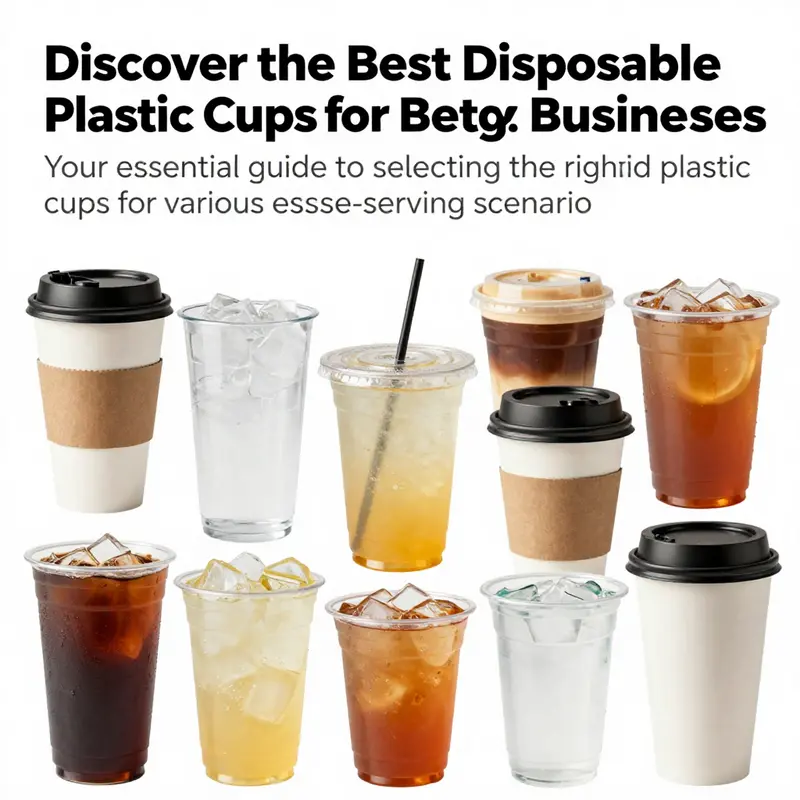
In the dynamic beverage industry, choosing the right disposable plastic cups can significantly impact customer experience and brand image. From bubble tea shops to outdoor catering services, the perfect cup not only serves functional needs but also reflects your commitment to quality and sustainability. This comprehensive guide targets businesses seeking the best options, detailing the most suitable types of disposable plastic cups for various settings, including their materials, benefits, and ideal use cases. Explore in-depth insights across five distinct chapters, each focusing on specific cup types, selection criteria, and emerging market trends.
The Clear Winner in Disposable Coffee Cups: Why a High-Transparency PET 98mm Cup with Lid Sets the Standard
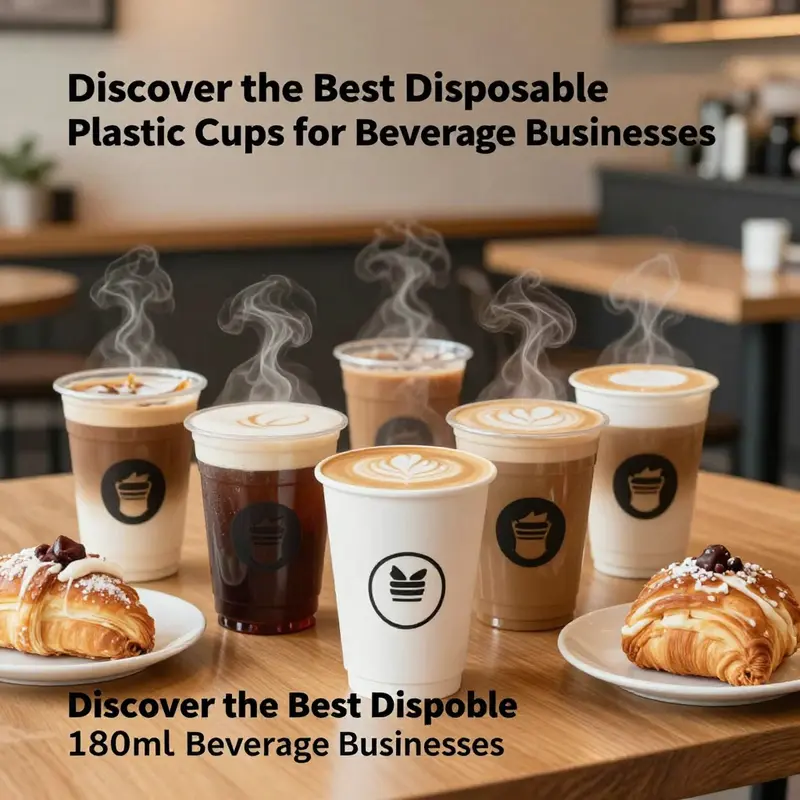
In a marketplace crowded with options for single-use drinkware, the decision of what cup to choose rarely rests on a single attribute. It hinges on a balanced blend of visual appeal, strength during transport, safety for consumers, and the economics of procurement at scale. When these factors are weighed together, one solution rises to the top in practical, real-world terms: a high-transparency PET cup with a 98 mm opening, accompanied by a reliable lid. This combination delivers a compelling mix of clarity, durability, and versatility that aligns with the needs of busy cafes, office breakrooms, and fast-casual venues alike. It is not merely about looking good on a display shelf; it is about ensuring the beverage arrives in the same condition it left the barista’s station, while also presenting the drink’s color and character with the utmost fidelity to the creator’s intent. In this sense, the 98 mm PET cup with lid embodies a kind of working ideal—one that holds up under the rigors of production, packing, and customer handling, and does so without compromising safety or fatigue on the supplier’s end.
The material story behind this choice deserves close attention. PET—polyethylene terephthalate—offers superb clarity, which translates directly into enhanced product presentation. The transparency of PET is not a cosmetic feature alone; it serves a practical purpose. When a cold brew, a fruit-infused tea, or a layered artisan beverage is poured into a near-invisible container, the drink’s color, crema, or gradient becomes part of the brand’s visual language. The cup thus becomes a canvas for storytelling, an impact moment that can influence consumer perception and impulse purchases. In addition to its optical advantages, PET is renowned for robust physical performance. Its resistance to shattering and its stability against typical beverage-related oils and fats mean that the cup endures normal handling, stacking, shipping, and consumer transport with a lower risk of cracks or leaks. This resilience is particularly valuable in distribution networks that run on tight schedules and broad geographic reach, where every container must perform consistently from warehouse to storefront.
From a safety and regulatory perspective, PET is positioned as a food-grade option that adheres to widely recognized safety standards. It is designed to withstand contact with a broad spectrum of beverages, including those with acidic or mildly alkaline components, without imparting flavors or contaminants. This is a critical consideration for operators who rely on consistent product quality and who want to minimize the chance of any off-taste or aftertaste arising from the container itself. In practical terms, retailers and food-service operators can confidently source PET cups with lids knowing that the material aligns with consumer expectations for safety and quality, while also enabling strong branding possibilities through surface-printing and customization.
The 98 mm diameter—often described as a universal standard in the cup-assembly ecosystem—adds another layer of practicality. This opening size is widely compatible with a broad array of beverage equipment, from standard coffee machines to smoothie dispensers, and it works in harmony with a diverse range of lid designs. The lid’s sealing capability is not a luxury but a necessity; it plays a crucial role in preventing leaks during transport and in preserving beverage integrity during a customer’s walk to the register or out to a curbside pickup. A well-designed lid that fits tightly reduces the risk of spills, which translates into a better customer experience and fewer incidents for staff to manage. The combination of a transparent PET cup with a secure lid thus becomes an efficient, reliable pairing for operators who need to scale their beverage service without sacrificing quality.
The market signals that support this choice are as important as the technical properties themselves. In online marketplaces and supplier catalogs, the segment featuring PET cups with lids in the 98 mm category shows high demand and strong turnover. This is not merely a reflection of aesthetic preference; it is evidence of practical acceptance by buyers who require predictability in both performance and price. The economics of scale come into play here as well. When sourcing at volume, the per-unit cost of PET cups with lids in this size range tends to be competitive, enabling operators to offer consistent price points while still maintaining margins. The material’s recyclability relative to some alternatives and its relatively straightforward processing for printing and branding further reinforce its appeal to operators who seek a clean balance between function, cost, and environmental considerations.
Branding and customization are not peripheral benefits in this discussion. PET cups lend themselves to high-quality, flexible decoration methods, including flexible-printing on the exterior surface. For beverage brands seeking to reinforce their visual identity, the ability to apply crisp, multi-color logos or promotional messages on the cup surface can be a decisive factor. This is particularly valuable for seasonal campaigns, limited-edition beverages, or partnerships where a strong, consistent presentation across channels reinforces customer recognition and recall. The flexibility of the PET cup—with its smooth, printable surface and compatibility with common printing processes—means operators can realize impactful branding without stepping outside tight production timelines or increasing complexity at the point of sale.
Of course, any evaluation of the best disposable cup must acknowledge alternatives and the occasions when they may be preferable. For hot beverages, some operators lean toward materials with greater heat resistance, such as certain polypropylenes or co-polymer blends, which can offer enhancements in thermal stability. Yet the exception does not erode the general case for PET in the broader portfolio. The standout advantages of transparency, impact resistance, and straightforward branding remain compelling for scenarios dominated by cold or ambient drinks, as well as for beverages served at moderate temperatures. Moreover, the PET option can be complemented by sustainability considerations that align with corporate responsibility goals. While a fully compostable or PLA-based cup represents a different category with its own production and disposal requirements, PET remains a strong choice in contexts where the priority is clear presentation, dependable performance, and scalable procurement.
For buyers who want to optimize the combination of performance and footprint, several practical guidelines emerge. First, prioritize suppliers who provide clear food-grade certifications and documentation, including any relevant regulatory assurances. A cup that carries credible certificates reduces risk and helps maintain consumer trust. Second, consider wall thickness and lid geometry as part of the overall design; slight increases in thickness can yield meaningful improvements in stiffness and leak resistance, especially during cold-fill or gradient beverages. Third, ensure printing compatibility with your branding strategy. A cup that accepts high-resolution decoration without peeling or fading supports lasting brand resonance. Fourth, verify compatibility with your existing equipment and packaging. The 98 mm diameter is broadly compatible, but cross-checking with your cup sleeves, dispenser, and lid stock will prevent misalignment in busy service moments.
The broader sustainability conversation is not optional, even as we celebrate the practicality of PET. For brands prioritizing upcycling or cradle-to-grave environmental narratives, alternative options such as biodegradable or compostable cup designs can be appropriate for certain campaigns and venues. These options, however, require dedicated composting infrastructure and may incur higher unit costs. In many cases, operators can implement a hybrid approach: deploy the high-clarity PET cups for routine service and reserve compostable variants for events or venues that actively promote circular practices and have access to industrial composting facilities. The result is a flexible program that honors both performance and responsibility, while preserving the essential advantages of the PET cup—clarity, strength, and a reliable fit with lid systems.
From a sourcing perspective, the practical takeaway is clear. The best-in-class option is a high-transparency PET cup with a 98 mm opening and a well-sealed lid, representing a balanced convergence of presentation, durability, and cost efficiency. This combination is particularly well-suited to hot-leans and cold beverages delivered through a standardized supply chain, where rapid turnover and minimal breakage are critical success factors. The market reality reflects this preference: large-volume buyers routinely favor this size and material due to its compatibility with standard equipment, strong consumer appeal, and predictable procurement dynamics. When framed against the full spectrum of options, the PET 98 mm cup with lid stands out as a practical and versatile default that can satisfy the majority of operator needs while offering room for branding and scalable deployment.
For readers who want deeper exploration or a wider catalog of related products, the Disposable Drinkware category provides a curated view of related items, from basic one-time-use cups to other caps, lids, and accessories that complement a complete beverage service system. This internal resource mirrors the idea that choosing a single cup is rarely the end of the decision; it is part of a broader strategy for menu presentation, customer experience, and operational efficiency. Disposable Drinkware offers a gateway to that broader ecosystem without leaving the flow of the article.
To advance the conversation with concrete, external performance data, readers can consult detailed technical resources that discuss the behavior of PET cups in real-world conditions. This external reference provides a deeper look at the material’s performance characteristics, including clarity retention, impact resistance, and compatibility with common beverage formulations. External resource: https://www.amazon.com/dp/B0CZJXK4R2
In sum, the best overall disposable cup solution for a broad range of service contexts is a high-transparency PET cup with a 98 mm opening and a secure lid. It excels in visual appeal, transport resilience, and branding versatility, while delivering competitive procurement economics at scale. It also remains flexible enough to accommodate sustainability considerations through selective use of compostable alternatives where infrastructure and program goals align. This balanced profile makes it an enduring reference point as the article guides readers toward a strategic, data-informed approach to selecting disposable cup solutions that fit both current operations and future opportunities.
Crystal-Clear Confidence: The Leading Transparent Lid Cups for Cold Beverages
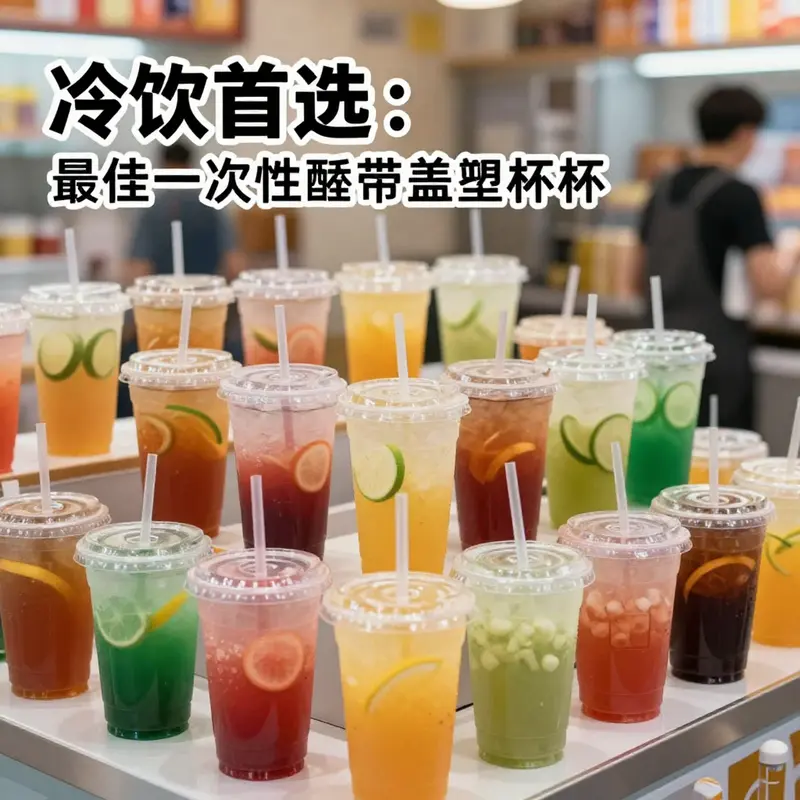
In the world of cold beverages, the cup is more than a vessel; it is an extension of the drink’s identity. Clarity, seal integrity, and a dependable capacity all play into the customer’s perception of quality. When a brand serves iced tea, milk tea, smoothie, or chilled coffee, every sip begins with the first glance at the cup and ends with the final swallow that travels through a reliable lid. The best disposable transparent cups with lids for cold drinks strike a balance between visibility, practicality, and cost. They must allow the drink’s color to shine through, while preserving the beverage’s temperature and preventing leaks during transport. In the current market landscape, this balance is most reliably achieved by a mainstream format that pairs a transparent cup with a secure lid and a practical mouth diameter that suits the common bottling and serving infrastructure. The core recommendation emerging from recent supplier data points to a 90 mm mouth-diameter PP cup with a lid as a practical, widely adaptable choice for many hospitality settings. The material—food-grade polypropylene—offers a calm intersection of safety, clarity, and performance. PP’s chemical stability and inert surface resist odors and stains, which matters when multiple flavors are mixed across a single day. Equally important is the lid design. A flat or domed lid that seals effectively minimizes spill risk during delivery and in transit from the counter to the customer. The pairing works with a broad array of cold drinks, from bubble-tea-based creations to fruit-infused iced beverages, and even the occasional chilled dairy option. The value proposition rests not only in safety and utility but in reliability. A supplier from the Guangdong region reported a repeat rate of nearly 24 percent for this exact cup design, a metric that speaks to consistency and customer satisfaction. Repeat purchases at that level suggest operators are returning for cups that perform predictably under the rigors of high-volume service, regardless of whether the day brings a heavy lunch rush or an outdoor promotional event. For practitioners, this kind of data matters: it is a practical signal that a particular configuration can weather the usual cycles of demand, while maintaining the presentation that customers expect when they pick up a cold drink.
From a functional standpoint, the 90 mm mouth size is a practical sweet spot. It is wide enough to accommodate pour accuracy from standard cold-drink dispensers or manual fills, yet not so large as to introduce undue slosh or instability during transport. The lid design—whether a straightforward flat lid or a slightly domed variant—adds a belt-and-suspenders layer of security for carry-out orders. This compatibility with common equipment is crucial for operators who rely on automatic filling lines or stackable storage, where deviations from standard sizes can complicate inventory and increase waste. In a real-world setting, such cups often become a backbone of the cold-beverage program, particularly in quick-service restaurants, campus cafes, and convenience stores where speed and presentation matter in equal measure. The transparency is not merely aesthetic; it is a diagnostic tool for staff and customers alike. A clear cup makes it easy to gauge fill levels, monitor ingredient layering, and confirm the integrity of the seal before a drink is handed over. When customers can see the beverage’s hue and texture, they feel more confident about its freshness and quality.
Beyond safety and practicality, cost dynamics cannot be ignored. A cup with a 90 mm mouth-diameter is typically offered in high-volume packaging at a price point that supports aggressive promotional strategies and consistent daily turnover. For operators seeking to optimize waste and order cadence, the ability to leverage bulk purchases or multi-pack offerings helps stabilize cost per cup and protects margins in a market where beverage pricing is often under pressure. The practical outcome is straightforward: for many cold-drink programs, a dependable, well-understood cup size and material can translate into predictable supply cycles, fewer stockouts, and a smoother buying experience for procurement teams. It also reduces the complexity of training staff on multiple cup formats, allowing teams to focus on speed and quality in service.
In addition to the core recommendation, there are several high-quality alternatives that merit consideration for specific branding goals or service contexts. One option is a 350 ml transparent cup with a lid, a size frequently favored by operators who emphasize visual impact or who frequently run promotions that hinge on a strong brand image. The clear plastic, often a combination of PP or PS, emphasizes color and gradient, which can enhance social-media-ready drinks and festive menu themes. This class of cup is especially popular for cross-border or online-order programs where guests expect aesthetically appealing packaging that travels well across geographies. While these cups may carry a premium in some supply chains, their visual appeal and broad marketing utility can yield a strong return when used with seasonal campaigns or limited-time flavors.
Another worthy option is a thicker-walled transparent “space cup” with a lid. This design prioritizes durability and a premium feel, which can be attractive in office lounges, boutique cafes, or family-friendly venues where customers may reuse cups for longer periods or require enhanced resistance to accidental impacts. The added robustness often comes with a modest increase in material cost, but this can be justifiable in environments where breakage risk is higher or where cups are part of a gift-with-purchase strategy. For operators evaluating these choices, it helps to weigh the tangible benefits of sturdiness and presentation against the incremental expense, while also considering whether the more premium appearance aligns with the brand’s positioning and the drink’s perceived value.
There is also growing interest in customizable ice-cup series that support logo and theme printing. For events, festivals, or large promotional campaigns, a cold-drink cup that offers print-ready surfaces can become a moving billboard for a brand. Customization is most often offered on standard PET or PP bases, with options for in-mold labeling or flexographic printing. These approaches enable a consistent, high-visibility brand message that complements the beverage itself. In terms of feasibility, customization tends to be more viable for longer-running campaigns or for venues that regularly roll out seasonal ranges. The end result is a cohesive experience where the packaging reinforces the drink’s story—from color and aroma to the marketing narrative that surrounds it.
For teams seeking to anchor their selection in a broader category, the internal catalog of disposable drinkware offers a spectrum of options. In our own product ecosystem, a well-curated range of clear, lid-equipped cups exists to meet different temperature profiles, sizes, and branding needs. The goal is to pair the right cup with the right drink and the right moment—whether it is a fast-paced takeaway line, a campus kiosk, or a party event where cups become part of a themed experience. Within this framework, a practical rule of thumb emerges: start with the core 90 mm PP lid cup for day-to-day cold-drink service, and layer in higher-visibility or more premium options only when brand strategy, seasonal demand, or special events justify the additional cost. This approach helps maintain a stable baseline while still offering opportunities to elevate the user experience when it matters most. For broader exploration of our catalog offerings and to see how the disposable drinkware category can be utilized in various service contexts, you can browse our collection under the disposable drinkware section of our site.
A note on safety and sustainability remains essential as the discussion of best options continues. Even though plastic cups offer unmatched convenience for single-use service, managers should verify that the products carry recognized food-contact certifications, such as FDA compliance in the United States or EU food-contact regulations elsewhere. In an era where sustainability remains a priority for many brands, it is also worth considering environmentally friendlier blends or compatible end-of-life strategies. Some programs now enable industrial composting for PLA/PP blends, which can align with brand commitments to green initiatives and environmental storytelling. While these streams are not universally available, they offer pathways to reduce environmental impact where facilities exist. In practice, the choice among the best options should be guided by a balance of safety, performance, cost, branding goals, and local waste-management capabilities. The goal is to deliver a cold-drink experience that is visually appealing, reliably sealed, and financially viable, while keeping in mind that packaging choices can influence customer perception and loyalty.
From a practical standpoint, operators often need a bridge between product performance and procurement realities. A compact, widely compatible 90 mm PP cup with a lid provides a dependable baseline that suits most beverage lines and equipment footprints. It accommodates typical distribution paths—from counters to delivery—to ensure that the drink arrives in near-pristine condition. When a brand seeks to differentiate its cold drinks through packaging alone, the emphasis shifts toward design clarity and lid reliability, paired with an eye-catching presentation that can stand out in crowded retail spaces. For teams that want to explore the landscape further, our internal catalog offers a selection of compatible disposable cups across sizes and materials that can be mixed and matched to address evolving menus and promotional calendars. You can explore our broader disposable drinkware range here, which aligns with the expectations of high-volume service while accommodating specialty formats when needed.
For those who want to dive deeper into a concrete supplier example of the core cup discussed above, a representative listing on a major wholesale platform illustrates the practical viability of the 90 mm PP lid cup in real-world operations. This page highlights the material’s food-safety profile, the seal performance of the lid, and the product’s fit with standard dispensing and packaging equipment. While the specific listing is just one instance in a crowded market, it reflects the core attributes that make this cup a reliable choice for cold beverages in many service contexts. If you are evaluating options for your own operation, this kind of supplier data can serve as a benchmark for lead times, repeat orders, and overall performance expectations. As you consider your next order, remember that the right cup is not only about appearance; it is about reliable service, consistent branding opportunities, and a seamless customer experience from the first glance to the last sip. For a practical illustration of the core option, you can refer to the supplier page linked here: https://detail.1688.com/offer/654321098765.html
In summary, the best overall choice for cold drinks remains the 90 mm mouth-diameter PP cup with a lid, given its safety profile, reliable seal, compatibility with common fill equipment, and favorable repeat-order metrics. It delivers clarity and confidence, helping operators present cold beverages in a package that communicates quality without overshadowing the drink itself. For brands that want to lean into visuals and storytelling, the broader spectrum of options—from larger transparent cold-drink cups to premium-space cups and customized print variants—offers a scalable path to elevate the customer experience while maintaining a practical backbone for daily operations. The goal is not to chase novelty at the expense of usability, but to harmonize form and function in a way that keeps service swift, presentation pristine, and costs predictable across the lifecycle of a beverage program. Leveraging this approach, designers and operators can craft a cold-drink program that feels cohesive, trustworthy, and refreshingly simple for customers who value both style and substance in their takeaway experience.
绿色转型下的杯具革命:洞察最佳一次性可生物降解塑料杯的现实与潜力
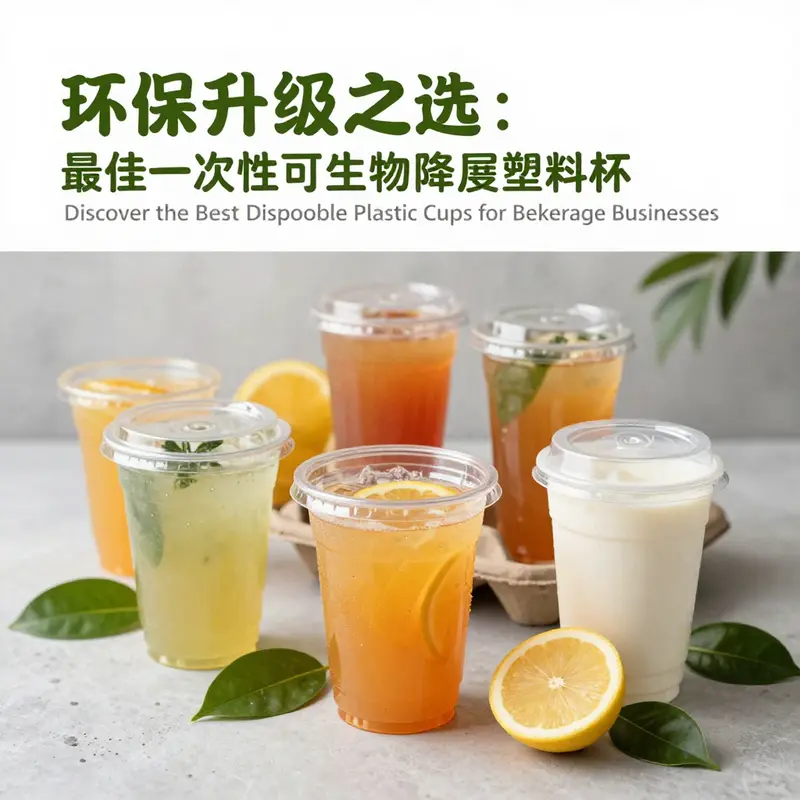
在全球餐饮与活动场景对效率与体验的双重追求中,一次性杯具的角色正在经历深刻转变。过去,它们以极致的便利性主导市场,但随之而来的是对环境代价的日益清晰的认知。如今,品牌与消费者共同推动从简单的“一次性”走向更负责任的选择,这一趋势把可生物降解杯具推到了前台。此类杯子以可再生资源为原料,承诺在合适的处理条件下实现真正的降解,减少对陆地和水域的长期污染。作为读者,你会发现这并非单纯的替代品,而是一种以材料科学、生产工艺、回收基础设施和消费习惯共同作用的综合方案,它为日常饮品供应链注入了新的价值观与运营策略。要真正理解这场杯具的绿色升级,必须从材料、性能、认证与末端处理的多维度来审视,并把它们放在真实的商业场景中考量。只有在这些层面全面对齐时,生物降解杯才可能实现从理念到实际应用的稳健落地。
Choosing the Best Disposable Plastic Cups: A Safety-First, Sustainability-Smart Guide for Modern Serving
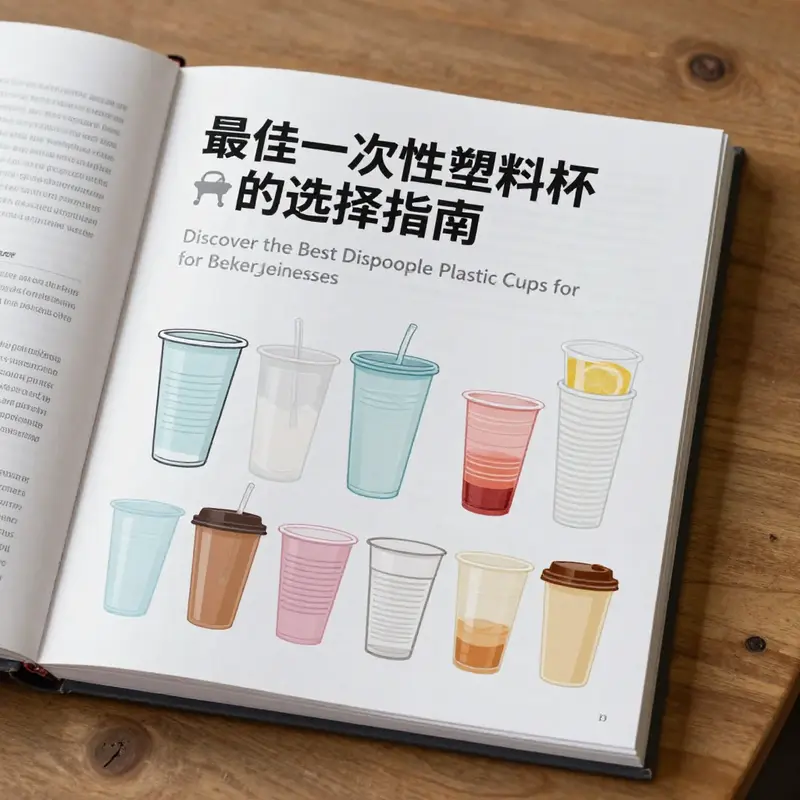
When teams plan to serve beverages at scale, the choice of a disposable cup becomes more than a matter of capacity or cost. It sits at the crossroads of safety, performance, brand perception, and environmental responsibility. The latest market insights through early 2026 underscore a simple truth: there is no one perfect cup for all situations. Instead, the best choice emerges from a careful alignment of the beverage type, temperature exposure, handling logistics, and the brand’s sustainability commitments. In practical terms, this means recognizing how materials respond to heat, how reliably a cup can seal and transport a drink, and how clearly the product communicates safety and quality to customers. The human factor—your baristas, your supply chain, your event coordinators—also matters. A cup that is easy to fill, easy to print with brand colors, and easy to recycle will reduce waste, protect reputations, and simplify daily operations in cafes, offices, and in the field during events. This chapter synthesizes the most relevant, up-to-date considerations, translating technical standards into actionable guidance for managers, procurement teams, and front-line staff alike. It also highlights practical nuances that separate good cups from great ones, including when and why to favor certain materials, how to interpret certification marks, and what trade-offs to expect across different serving scenarios. For those who want an integrated shopping path, remember that the best choice often comes down to understanding the material science behind the cup and the real-world workflow that your operation requires. A good cup must perform under hot service as reliably as it does under cold service, while also supporting your brand’s environmental storytelling with honest, verifiable claims. To keep the discussion grounded, we can anchor this narrative in three guiding questions: safety and regulatory compliance, material performance and suitability for the beverage type, and environmental impact along with waste-management practicality. Each question threads through the choices at hand, helping you move from a crowded marketplace to a compact, decision-driven selection that serves both customers and the planet. In the realm of safety and regulatory compliance, the most trusted cups clearly identify their food-contact status and resin codes. Standards such as GB 4806.7—2016, which governs food-contact plastics, and QB/T 4049—2021, specific to plastic drinking cups, provide essential guardrails. These documents emphasize that consumers and operators should look for explicit statements about food-grade safety, validated manufacturing practices, and traceability. They also remind buyers to be wary of materials that can migrate under heat, or that may leach substances when in contact with acidic drinks or extended exposure to high temperatures. In this sense, the choice flags a broader commitment: cups that carry clear safety assurances and robust testing history tend to perform more consistently in busy service environments, where beverages must be poured quickly, capped securely, and transported over varying distances. Yet safety is not the only driver. Material performance has a decisive role in shaping the daily user experience and the brand narrative. Polypropylene, the resin commonly labeled as “PP” and assigned the code 5 in recycling streams, stands out as the material best aligned with hot beverage service. It tolerates temperatures well above the boiling point of most teas and coffees, resists deformation, and accepts precise printing methods such as flexographic processes for branding with up to three colors. The durability of PP under heat helps minimize seepage and leakage risks, an essential consideration for takeaway service in high-volume settings and for cups that travel through couriers and delivery networks. The printability aspect is not merely cosmetic. A cup that can reliably bear a crisp logo, legible lot numbers, and safety marks reduces friction in packaging architecture and lowers the likelihood of counterfeit or mislabeled products entering service. Hydrophilic and hydrophobic balances, as well as surface energy, influence how inks bond and how well the branding remains legible through repeated wash or use in a composting environment—all of which matter for brand integrity. By contrast, cups made predominantly from PET excel in transparency and cold-drink performance. They offer a clean, crystal-like clarity that enhances product presentation for beverages such as iced coffee, fruit-based drinks, and sparkling beverages. However, when PET is subjected to higher temperatures—beyond roughly 70°C—risk of deformation increases. For venues relying on hot beverages, PET’s strength in visual appeal must be weighed against potential thermal softening during service with hot liquids. This is where safety and practical usage converge: the trade-off is visible in how a cup performs on a busy line when customers request both hot and cold options. A growing segment within the market seeks environmental stewardship through biobased or compostable blends. Materials such as polylactic acid (PLA) or PP blends offered in PLA/PP combinations present a greener narrative by enabling industrial composting in specialized facilities. These cups can be attractive for brands that emphasize sustainability and experiential marketing at eco-conscious events. Yet the practical reality remains nuanced. PLA-based cups require access to industrial composting infrastructure to realize their environmental benefits. In settings lacking such facilities, the cups may end up in landfills where the anticipated advantage is diminished. The higher cost relative to traditional plastics can further influence procurement decisions, especially for budget-sensitive programs. It is also important to acknowledge persistent concerns about legacy plastics, such as certain polycarbonates or polystyrene-based cups used for rapid prototyping or short-term displays. While these materials can deliver strong visuals or tactile reliability, growing health safety considerations and evolving regulatory expectations have led many operators to steer away from them, particularly for hot beverages. The practical consequence for buyers is to favor cups that combine proven safety with predictable performance and clear labeling. In several instances, the market signals a preference for containers that lend themselves to efficient branding and streamlined supply chains. The flexo printing capability, for instance, supports a compact color range that aligns with brand identities while preserving legibility at typical serving sizes. From a purchasing perspective, this means seeking cups that offer straightforward customization options, reliable color fidelity, and robust supply commitments, as well as clear documentation of food-contact compliance. It also means contemplating the temporality of the business relationship: where possible, establishing relationships with suppliers who can accommodate small pilot orders (to verify fit with your beverage line), sample programs to test drinking experience, and predictable lead times for large campaigns. For many operators, the ease of procurement is as crucial as the material choice. A cup that can be produced and delivered with short lead times reduces the risk of service gaps during peak seasons or promotional campaigns. It also supports rapid iteration when a brand needs to adjust its cup choice in response to customer feedback or evolving sustainability targets. The brand story you tell your customers—whether it centers on heat resilience, clarity of beverage presentation, or environmental commitments—depends on selecting a cup whose material currently aligns with those promises. An internal reference point that some teams find helpful is to regard the ecosystem of disposable cups as a three-tier decision framework: safety and regulatory compliance, material performance matched to beverage type, and end-of-life practicality. When you align the cup with these pillars, you can design a service model that minimizes risk while maximizing the perceived value of the beverage experience. In practice, this means three concrete steps. First, always verify the resin code and the stated food-contact assurances printed on the cup or accompanying documentation. Second, align the beverage type with the material’s heat tolerance and structural expectations—hot beverages paired with PP, and cold beverages where visual appeal or rapid cooling is valued with PET or PP blends as appropriate. Third, assess end-of-life pathways. If your operation claims sustainability, you should be able to articulate how the cups are recycled, whether composting is possible on-site or via a partner, and what the recycling stream will accept. This holistic approach will also influence your branding strategy. The ability to print in multiple colors, the depth of branding, and the consistency of color across batches all contribute to a premium perception that can elevate your product’s stand at the point of sale. In this regard, collaborating with suppliers who provide clear certifications—such as FDA or EU food-contact compliance—and who can share batch-specific test results helps protect your brand from regulatory and reputational risk. For teams exploring more sustainable narratives, the market also offers alternative serving modalities that can complement disposable cups. Silicone collapsible cups, for instance, present a reusable option that can travel with customers and dramatically reduce waste in the long term. Likewise, encouraging customers to bring their own reusable cups aligns with broader environmental goals while preserving the convenience of a one-time-use option when necessary. However, these alternatives are not always feasible in every context, especially when the objective is to minimize handoff friction in high-volume environments or when a fast-paced service model is essential. To bridge these realities, the recommended path often emphasizes selecting a PP-based cup for hot beverages during peak service hours, paired with a cold-drink option built around PET or PP where transparency and affordability are prioritized. The broader message remains clear: the best disposable cup in a given context is the one that reliably performs its role, is safe for the intended beverage, and contributes to a brand narrative that customers trust. For teams tasked with sourcing decisions, a practical takeaway is to review the disposable-drinkware category page for a consolidated view of options and capabilities. This resource consolidates the range of drinkware, printing capabilities, and the materials most commonly deployed in today’s service environments. The link provides a convenient entry point to compare technical features, certifications, and lead times in a single location, helping teams to move swiftly from evaluation to procurement. When possible, request samples to assess heat performance, leakage resistance, and print quality under your specific beverage temperatures and handling conditions. Practical tests—pouring hot and cold drinks, sealing with lids, simulating transport, and tracking any changes in the cup’s shape or color—will illuminate subtle differences that a spec sheet cannot capture. In the end, your cup choice communicates a message as much as it protects health and supports sustainability as it supports your operational realities. The right cup should feel like a natural extension of your service, reinforcing safety, efficiency, and brand integrity with every sip. External standards viewpoints anchor these choices, but daily practice roots them in your team’s routines and your customers’ expectations. For teams eager to explore the standards and official guidelines that shape this landscape, the following references offer foundational context: GB 4806.7—2016 and related food-contact plastic safety standards, along with industry practice guides that describe how to interpret resin codes, session closures, and labeling requirements. As you refine your purchasing criteria, remember that the best disposable cup is not merely the one with the lowest unit cost but the one that consistently meets safety criteria, performs under real-world conditions, and aligns with your brand’s stewardship goals. If you want to dive deeper into the materials landscape and see how the market is organizing around these priorities, you can explore the broader disposable drinkware category for additional context and options. For further regulatory detail, consult the official standard documentation and recognized civil-safety resources, which will help you interpret the implications of resin codes, heat tolerance ranges, and printing constraints across different beverage programs. https://std.samr.gov.cn/gb/2016/4806_7-2016.html
绿色升级与智能制造驱动下的可一次性塑料杯市场趋势与前景
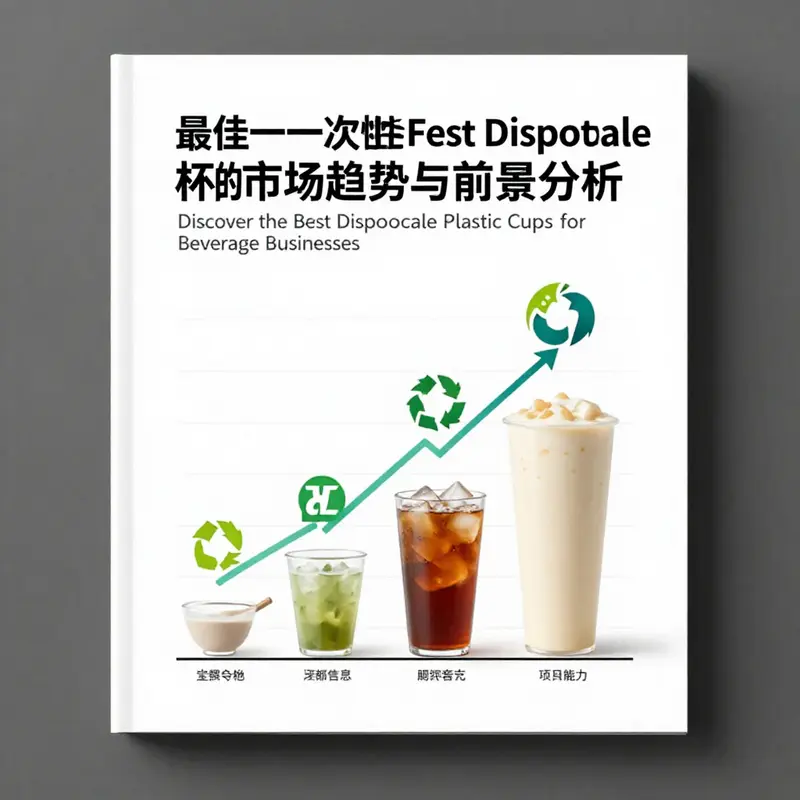
在中国,一次性塑料杯行业正处在从粗放扩张向高质量、低环境负担的转型期。市场规模的增长仍在继续,但驱动因素已经从单纯的产量扩张,转向对品质、功能性和可持续性的综合追求。这种转变不仅改变了企业的生产逻辑,也重新定义了行业的竞争边界。在近年的统计和行业观察中,2025年的市场规模已达到一个新水平,尽管不同口径的口径口径会带来数字浮动,但核心趋势清晰可辨:增长来自消费升级与环保政策共同推动的质量提升,而非简单的产能叠加。企业在此过程中需要把握三个维度的协同:材料与工艺的升级、印刷与定制能力的提升,以及对全生命周期的管理能力。热饮与冷饮的需求分化也在加速产品矩阵的扩展,促使企业在同一座城邦里,形成对不同场景的精准解决方案。对行业而言,这种趋势意味着从“量多速快”的时代走向“质优价新、绿色可追溯”的阶段,谁能在这场结构性变革中保持持续性创新,谁就能在未来的竞争中保持领先。
市场规模的稳步攀升与结构性调整之间的关系,可以从法规、消费、技术三条主线来解读。首先,环保法规的强化成为核心驱动力。政府对塑料污染治理的行动方案持续推进,特别是针对餐饮外卖领域的降解与替代要求日益严格。到2025年底,地级以上城市对不可降解餐具的消耗强度提出明确下降目标,这直接引导企业加快向可降解材料、可回收设计以及端到端回收闭环的转型。企业不仅需要在配方层面选择更友善的材料,还要在生产与包装上实现更高的标准化和可追溯性。其次,消费者需求的升级推动从对成本的单一追求,转向对品质、卫生安全、气味、热阻及品牌形象的综合考量。品牌方越发重视杯具在场景中的心理与感官作用,要求杯体在视觉呈现、印刷品质、耐热性以及防漏结构等方面达到更高的一致性。第三,技术迭代加速,为行业打开新的增长路径。生物基可降解材料如PLA的应用受到越来越多头部企业的关注,尽管成本更高,但其在绿色品牌形象和高端市场中的价值不可忽视。同时,PBAT等共聚材料的加入有望改善性能与可降解速度之间的平衡。智能制造与自动化在生产线上的普及,也让批量化定制成为现实,使得企业能够在确保质量的前提下实现小批量、多品种的快速响应。
从市场结构看,行业呈现“强者恒强”的集中态势,但同时细分领域的机会也在不断扩展。前十大生产企业的市场份额持续攀升,行业集中度的提升带来规模经济、合规性与质量控制的显著优势。年产能超过10万吨的头部企业,凭借完善的供应链、严格的质量体系和对法规的快速适应能力,在价格波动与原材料不确定性中表现出更高的抗风险能力。与此并行的是,数量庞大但更多以中小型为主体的厂商正在经历整合压力。面向未来,行业的竞争不会再局限于成本优势,而是演变为在高端化、定制化、循环经济与回收处理能力方面的综合对比。
在高端化与定制化方面,杯具的设计不再仅仅是容纳液体的工具,更成为品牌传达、场景适配与功能提升的载体。企业通过提升杯体的耐热性、防漏结构、密封性以及可重复使用与一次性使用的混合策略,来实现对热饮、冷饮及专业场景的全覆盖。容量分布也在发生变化,小容量热饮杯的稳定性与防漏性正在成为门槛,而大容量冷饮杯则需要在透明度、印刷表达力与携带便捷性之间取得平衡。对品牌方而言,定制化不仅意味着外观图案的个性化,更涉及材料选择、印刷工艺与功能性协同的全链路优化。对制造商来说,这意味着生产线要具备更高的柔性,以适应不同容量、不同材料组合以及不同印刷需求的快速切换。
循环经济与回收利用则成为行业未来的蓝海。品牌方在追求绿色形象的同时,也在探索从生产到回收的闭环模式。具备回收处理能力和可追溯性的企业,往往能在政策导向和市场认可中获得更高的溢价与社会资本。与此同时,堆肥产业的扩张和与之配套的认证体系也在逐步完善,尽管工业堆肥设施的覆盖率仍有提升空间,但这已经成为可降解材料走向市场的关键路径之一。对材料本身的选择也在发生变化:PLA/PP复合杯在某些应用场景中具备较好的生物降解潜力,但需要对堆肥条件和温度、湿度的要求有清晰的认知,避免因条件不符而导致降解效果不达标。
新兴应用场景的拓展同样驱动着产品创新。除了传统的餐饮外卖场景,便利店、酒店、活动现场、户外促销等多元场景对杯具提出了更广的性能需求。耐热性、密封性、抗跌落性、易印刷性以及对品牌视觉的即时传达能力,成为评估杯具优劣的核心维度。企业在扩展产品矩阵时,应把握场景整合的全局性思考,确保供应链在不同场景下的稳定性与一致性。为帮助读者理解不同场景下的产品组合与设计原则,可以参考可一次性饮具的集合页面以获得系统性概览:disposable-drinkware 的入口页面提供了从材质到形态的全类型矩阵,帮助品牌在策略层面做出更明晰的选择。
与此同时,投资与风险并存的现实不应被忽视。原材料价格波动、尤其是聚丙烯等基础塑料价格的波动,正在对成本结构产生直接影响。技术变革带来的替代品压力,如纸质杯和可降解杯的竞争,也在不断改变市场定价与利润空间。宏观经济波动、汇率波动、以及政策导向的变化,都会影响行业的投资节奏与资本投入路径。对企业而言,关键在于如何在确保合规与质量的前提下,通过材料组合优化、生产自动化程度提升、以及对回收体系的参与,来建立更具韧性的商业模式。
综观全局,未来的赢家将是那些将“绿色、智能、品质”三要素有机融合的企业。他们不仅要在低成本生产的基础上实现更高的产品附加值,还需要在品牌传播、供应链透明度与回收闭环上建立差异化优势。这意味着从研发到制造再到端末的全链路协同将成为不可或缺的核心能力。行业的集中度提升并不排斥创新分化,而是通过强者的规模效应来释放更多的系统性创新潜力。对读者而言,理解这一趋势,意味着在评估未来采购、投标或品牌策略时,需要把关注点从单一的杯具性能,转向“杯具+材料+回收体系+场景适配”的综合价值评估。只有如此,才能在复杂多变的市场环境中,捕捉到绿色升级带来的长期收益。
在这场转型中,品牌方与制造商的关系也在重塑。品牌方需要更深的供应链协同来实现可追溯、可验证的绿色承诺;制造商则需要通过升级工艺、扩展功能性材料、以及提升定制化能力来服务多元化的客户需求。两者的协同,不仅能够提升杯具本身的商业价值,也有助于建立行业的长期可持续发展模式。未来,随着监管的进一步完善、回收技术的持续进步以及消费者对环保与品质的并重关注,最佳可一次性塑料杯的市场前景将取决于谁能最有效地把绿色理念、智能制造与品牌诉求结合起来,形成完整的、可复制的价值链。
外部参考与进一步阅读将帮助读者理解市场的宏观趋势与区域差异。对于希望深入研究的读者,可以参考行业研究机构对 disposable cups 的规模、结构与前景分析,以及关于材料选择、回收体系与法规要求的权威解读。
外部参考:Grand View Research 提供了关于一次性杯市场的全球性分析,涵盖材料、应用与区域等维度,帮助读者把握宏观趋势与未来发展路径。
外部资源链接(示例):https://www.grandviewresearch.com/industry-analysis/disposable-cups-market
内部链接提示:如果你需要查看更多关于“可一次性饮具”的产品矩阵与设计范例,可以参考可一次性饮具集合页面,以获取从材质选择、容量设计、印刷工艺到回收方案的综合信息与灵感。 disposable-drinkware
Final thoughts
Selecting the right type of disposable plastic cups is essential for any beverage-related business aiming to enhance customer satisfaction while aligning with sustainability goals. The diverse options available today, from high-quality coffee cups to eco-friendly alternatives, enable businesses to cater to various beverage needs effectively. Understanding these options not only informs better purchasing decisions but also reinforces brand commitment to quality and responsibility. As the market continues to evolve, staying informed about trends will further aid in making choices that resonate with consumers and adapt to changing preferences.