
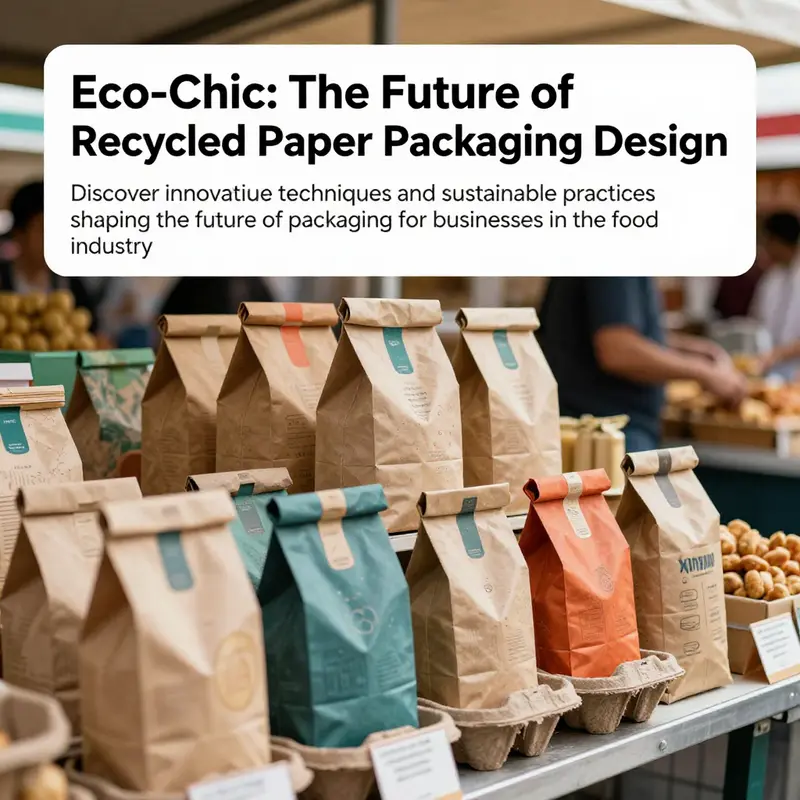
Recycled paper packaging design is emerging as a vital aspect of the food industry’s commitment to sustainability. As consumers increasingly prioritize eco-conscious choices, businesses in bubble tea shops, restaurants, food trucks, catering services, event planning, and corporate procurement are finding innovative ways to incorporate recycled materials into their packaging. This guide aims to explore the innovative techniques being employed, the sustainability impact on both businesses and the environment, the market trends shaping consumer preferences, a comparative analysis of recycled paper packaging versus traditional methods, and unique creative inspirations across the field. Understanding these elements not only bolsters a brand’s environmental credibility but also enhances aesthetic appeal, driving customer engagement and loyalty.
Circular Craft: Innovative Techniques in Recycled Paper Packaging Design
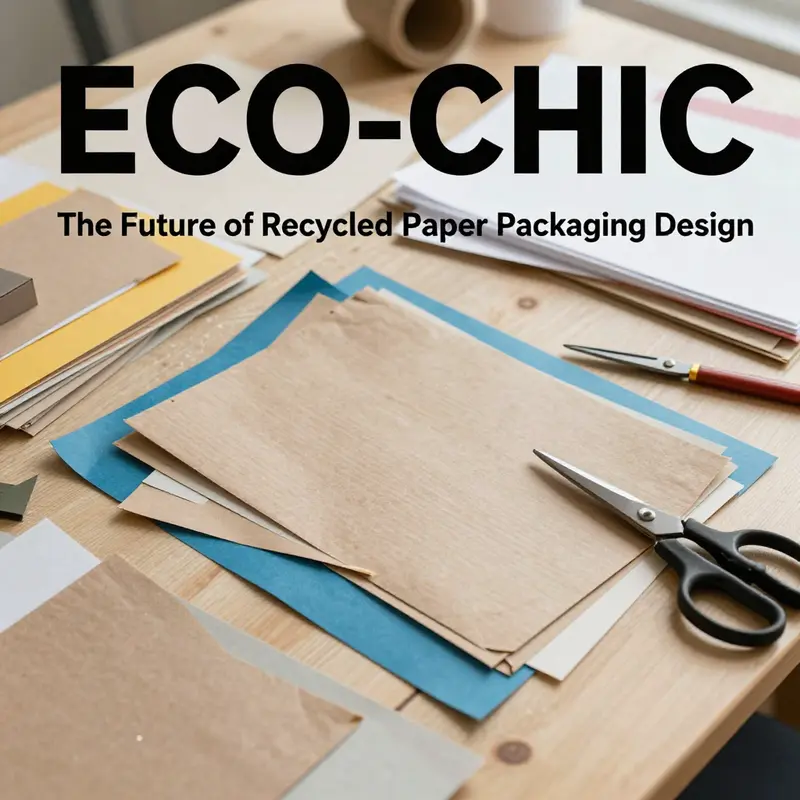
In recycled paper packaging design, waste-stream realities become design opportunities. The medium itself carries a memory—the grain of old newspapers, the faint ink traces, the rough edges that come with post-consumer fibers. When designers lean into these characteristics, texture becomes narrative, not flaw. The result is packaging that feels crafted rather than produced, a tactile invitation to care for materials that once would have been discarded. This approach aligns with broader values of sustainability and accountability, offering a visible promise that a product lives within a closed loop rather than a linear one. A successful piece communicates not just what it protects but how it came to be—how a surplus of paper becomes a thoughtful, usable object rather than waste masquerading as convenience. In practice, this means packaging that slows the discard impulse. It invites customers to keep and reuse, or to repurpose the container for a future life.
Advances in recycling technologies have begun to change the game for fiber quality and performance. Modern processes recover higher-quality fibers from post-consumer streams, enabling durable stock that can shoulder packaging duties once reserved for virgin material. The practical effect is clear: strength and resilience can coexist with environmental responsibility. Brands are increasingly able to specify recycled content at meaningful levels while maintaining reliable performance, supported by forest-certification schemes that guard against deforestation. This technical shift frees designers to push aesthetics without compromise. You can craft an envelope, carton, or wrap that feels substantial under hand and still fits within a circular system. The challenge remains to balance cost, availability, and recyclability, but the trajectory is toward packaging that looks and performs like premium paper even as it repurposes waste into something useful again.
Digital printing and smart packaging extend this balance between form and function. Recycled fibers take ink differently than virgin stock, so printers have developed workflows that preserve color, detail, and legibility while minimizing waste. Short runs become feasible, enabling flexible branding and experimental motifs without excess inventory. More than decoration, embedded codes and sensors add value. A quick scan can reveal how to recycle the package, share the product’s sustainability credentials, or unlock an interactive experience tied to a brand story. These features do not require heavier packaging or new materials; they optimize the information layer, giving consumers a clearer sense of responsibility. In practice, digital and smart approaches help companies learn about their own lifecycle impacts while inviting buyers to participate in a circulating economy rather than a disposable one.
Structural innovations redefine what paper can do in protective packaging. Molded pulp uses the same fibers to create supportive forms that substitute for plastic inserts, trimming weight and waste. Origami-inspired folding patterns optimize space, reduce bulk in transit, and allow modular configurations for different products. When these designs rely on a mono-material palette, they stay within straightforward recycling streams and cut energy devoted to separation and processing. The payoff is a package that is sturdy, recyclable, and visually expressive in a way that reinforces a sustainable ethos. This is not retro packaging; it is a rethinking of how form, function, and end-of-life behavior can align. Each crease, each panel, speaks to an intention: to protect the product with minimal ecological cost while offering a tactile, memorable customer experience.
A circular-economy mindset reframes material choice as strategy. Designers favor mono-material solutions because they minimize contamination and complexity in the recycling stream. The goal is to design for recovery: selecting fibers compatible with existing systems, anticipating how the packaging will move through supply chains, and imagining end-of-life channels that keep resources circulating. Packaging becomes a system, not a single object, with sourcing, manufacture, distribution, use, and disposal conceived as a loop. The aesthetics respond to this logic with restrained beauty: earthy tones, visible texture, and an honesty about the material’s origin. Yet simplicity does not mean sameness. Through selective printing, hand-finished details, and careful type, designers can convey personality and brand story without undermining recyclability. The challenge is to maintain a clear, actionable pathway for consumers to recycle and reuse, turning every exchange into a small stake in the circular economy.
Craftsmanship within recycled paper packaging centers on texture, tactility, and restraint. Layering different papers creates depth and rhythm, guiding the eye across a surface. A panel of light recycled pulp paired with a darker, speckled sheet can introduce subtle contrast that reads as intentional design rather than accidental variation. Natural twine or jute ties add a human scale to the package, inviting hands-on interaction rather than a quick tear. Dried botanicals provide a gentle scent and a horticultural cue to sustainable sourcing. Hand-drawn labels and embossed marks become a signature, a human trace in a factory-age process. Imperfections—color variance, slight roughness, irregular edges—are no longer flaws but features that signal authenticity and care. This language of imperfection is what makes recycled paper feel premium and alive, a product that ages with a shelf presence and carries a quiet, collectible charm.
Where designers seek practical inspiration, social platforms remain fertile ground. A well-followed Pinterest board dedicated to recycled paper packaging design gathers thousands of saves, reflecting a diverse spectrum of approaches. From minimalist wraps to intricate foldings, creators demonstrate how to marry texture, typography, and narrative within a sustainable framework. The board also offers a reminder that eco-friendly packaging can be expressive, not austere. Studying these projects helps designers note how color relationships behave on recycled stock, how surface details catch light, and how small marks—handwritten notes, stamps, or brushwork—signal a maker’s intent. The overarching lesson is that sustainability does not require austerity; it invites abundance of texture and story. In the moment of unboxing, the packaging becomes part of the product’s identity, a first conversation about care for materials and the world that holds them.
Turning concept into production demands disciplined choices and collaborative practice. The material palette stays focused: a spectrum from bright white to warm brown recycled fibers, with occasional inclusions that highlight texture. Sourcing emphasizes fiber recyclability, avoids non-recyclable coatings, and respects forest stewardship when wood fibers appear. Designers must also consider how the consumer will interact with the package: ease of opening, ability to separate components, and clarity of disposal instructions. A well-designed mono-material system lowers contamination risk and streamlines recycling, producing tangible environmental benefits and simpler messaging for users. Cross-functional teams—from design and procurement to packaging engineering—help ensure that imaginative ideas remain feasible at scale. In this way, aesthetics survive the rigors of manufacturing and logistics, the loop remains intact from fiber to disposal, and experimentation stays anchored to real-world constraints. The result is a resilient platform for future exploration rather than a temporary aesthetic moment.
For readers seeking deeper context, the conversation benefits from both hands-on exploration and scholarly framing. Designers blend observation with testing, building a library of textures, folds, and marks that can be deployed across product families. Digital tools simulate lighting, weight, and recycling outcomes before prototypes are produced, saving resources and guiding iteration. The research results emphasize a holistic shift: packaging should be recyclable, compostable, or reusable by design, not as an afterthought. This mindset reframes waste as a resource in a continuous loop, a raw material with second and third chances. The dialogue among designers, manufacturers, retailers, and consumers keeps the circular economy moving and ensures that every packaging choice reinforces responsibility while supporting delight in everyday exchanges. For practical materials options, explore the paper-packaging category to see how suppliers interpret these ideas in tangible forms. External resource: Packaging Design for the Circular Economy – Coursera.
Weaving Sustainability into Every Fold: The Lifecycle and Impact of Recycled Paper Packaging Design
Recycled paper packaging design sits at the crossroads of ethics and craft, where reuse becomes a design language. The sustainability impact emerges not from a single decision but a chain of choices across sourcing, fabrication, use, and disposal. When a label or wrapper is born from post-consumer waste rather than virgin fiber, the story begins differently. The cycle reduces demand for fresh wood, lowers energy use, and cuts greenhouse gas emissions compared with conventional paper production. Yet the gains matter most when the materials are designed to perform at every life stage. The best designs treat recycled stock not as a compromise but as a feature—an authentic texture that communicates resourcefulness and care for the craft of packaging itself. In this light, sustainability is a guiding principle that shapes form, function, and the unboxing experience.
Material sourcing anchors the conversation. Modern recycled paper packaging leans toward closed-loop systems, prioritizing post-consumer waste as the primary raw material. This focus reduces dependence on virgin fibers and curbs energy and emissions associated with new pulp. But closed-loop success depends on purity and compatibility. Paper streams must be curated to minimize contamination and to maintain printability and strength without heavy chemical processing. The result is a material palette where color variation, faint ink marks, and subtle roughness are not imperfections to be erased but characteristics to be celebrated. These irregularities become design cues, inviting tactility and warmth into packaging that would otherwise resemble a mass-produced surface. Designers often layer different paper grades to create depth and texture, letting inherent differences tell a story of resourcefulness and care. Such layering can transform a simple box into a narrative object—a keepsake rather than a disposable shell—while still respecting the material’s environmental logic.
The manufacturing stage offers further opportunities to extend environmental performance. Even with recycled feedstock, the footprint of production can be reduced through thoughtful design. Optimized envelope shapes, streamlined cutting patterns, and careful nesting reduce waste and energy use. When a package uses less material for the same protective function, transportation impact also falls. The design’s geometry becomes a lever for sustainability: tighter packaging, fewer layers, and smarter packing configurations translate to fewer trucks on the road and less fuel burned per shipment. In this light, the envelope is more than a container; it is a system component that drives efficiency across the supply chain. The choice of coatings and finishes becomes equally critical. Coatings that resist moisture can protect a product but may complicate recycling or composting. Likewise, solvent-based inks can undermine environmental gains, while water-based inks offer a lower-toxicity option that aligns with broader waste management goals. When possible, eliminating unnecessary coatings and adhesives improves recyclability and simplifies end-of-life processing. The potential benefit is not merely compliance but a clearer path to circularity, where the package re-enters production cycles with minimal contamination.
Design choices thus become practical commitments to a circular economy. Modular structures that can be easily disassembled support recycling and reuse, a principle that gains momentum as brands seek to minimize waste in high-volume sectors. When a package can be taken apart without forceful tools, its components—paper stock, inks, and adhesives—are more readily separated for recycling or composting. This modularity also invites adaptability, enabling designers to respond to varying product shapes and sizes without resorting to new materials. In some cases, coated recycled paper envelopes remain recyclable if coatings are biodegradable or easily separable. The design thus holds a dual responsibility: to protect the product during transit and to safeguard the environment after use. The careful choice of inks, where water-based options replace solvent-based formulations, strengthens this alignment and reduces the potential for harmful residues that complicate downstream processing.
Consumer behavior sits at the fulcrum of impact. Packaging can be aesthetically pleasing, durable, and functional, yet its true value emerges when it prompts reuse or responsible disposal. A well-designed recycled package can encourage consumers to save it for storage, to reuse it as a delivery or gifting vessel, or to return it through take-back programs. The psychology of design—the tactile sensation of the surface, the clarity of labeling, the readability of instructions—directly influences how people treat a package after unboxing. When the experience is satisfying, it reinforces circular behavior and reduces disposal anxiety. This alignment matters especially in high-volume channels such as e-commerce and retail, where scale can magnify both benefits and risks. If a consumer perceives a package as sturdy, elegant, and easy to recycle, they are more likely to keep the packaging out of the trash and into the appropriate recycling stream or reuse channel. In this sense, sustainable packaging is not merely about materials; it is about cultivating habits that sustain the resource loop and reduce environmental impact over time.
A holistic approach binds engineering, aesthetics, and user experience into a coherent strategy. Sustainable packaging design must transcend material choice alone. It integrates how a product is shipped, how it protects its contents, how difficult it is to recycle, and how enjoyable it is to handle. The act of choosing layered papers, natural twine, or delicate botanicals as embellishments communicates respect for the material and for the person who will interact with it. Natural fibers like jute or twine can replace plastic ties, while dried botanicals lend a sensory cue that evokes craft and care without compromising recyclability. Hand-drawn labels and stamps can convey a handmade ethos, reinforcing the message that sustainability is part of the story rather than a marketing afterthought. The tactile asymmetries of recycled stock—faint ink impressions, speckled textures, uneven edges—become a design language, signaling authenticity and a slower, more thoughtful production process. Designers who embrace these traits often converge on packaging systems that are not only functional but emotionally resonant, offering a sense of continuity between sustainable practice and everyday life.
To translate theory into practice, designers can consider pragmatic steps that preserve the integrity of the material while enhancing its appeal. Begin with material selection that prioritizes post-consumer waste streams and minimizes coatings that hinder recyclability. Favor water-based inks to reduce hazardous emissions and explore coatings that can be easily separated or biodegraded. Design for disassembly, crafting packaging pieces that can be separated with minimal effort at the end of life. Layer textures strategically; use a few compatible paper grades to create visual interest without complicating recycling streams. When possible, integrate natural decorations or draw attention to the craft of production rather than masking it. The goal is a packaging system that performs in transit, delights in use, and returns cleanly to the waste stream or repurposing loop. For practitioners seeking concrete inspiration and practical ideas, the paper-packaging category offers a range of options and materials to experiment with, serving as a useful starting point for translating sustainability principles into tangible forms.
Beyond the immediate effects of material choice and design tactics, ongoing research emphasizes that reusable and recyclable packaging systems are crucial for reducing the environmental burden of packaging at scale. A comprehensive review in the Sustainability journal highlights how a holistic approach—one that combines engineering, aesthetics, and user experience—maximizes environmental benefits across the lifecycle. The insights underline that sustainability is not a static target but a dynamic dialogue among producers, consumers, and waste management systems. As design teams experiment with modular envelopes, layered stock, and double-sided labeling, they contribute to a broader shift toward circularity. They push for systems in which products are designed with their afterlife in mind, where disassembly becomes as natural as assembly, and where the warmth of recycled fibers is paired with the clarity of responsible disposal. For researchers and practitioners alike, maintaining this dialogue is essential to advancing packaging that is not only less harmful but also more inspiring to handle, reuse, and eventually re-enter the production cycle.
External resource: For a broader, data-driven perspective on current trends and best practices in reusable and recycled packaging systems, see the Sustainability journal’s comprehensive review. https://www.mdpi.com/2071-1050/17/13/4852
Rethinking Kraft: Market Trends and the Craft of Recycled Paper Packaging Design
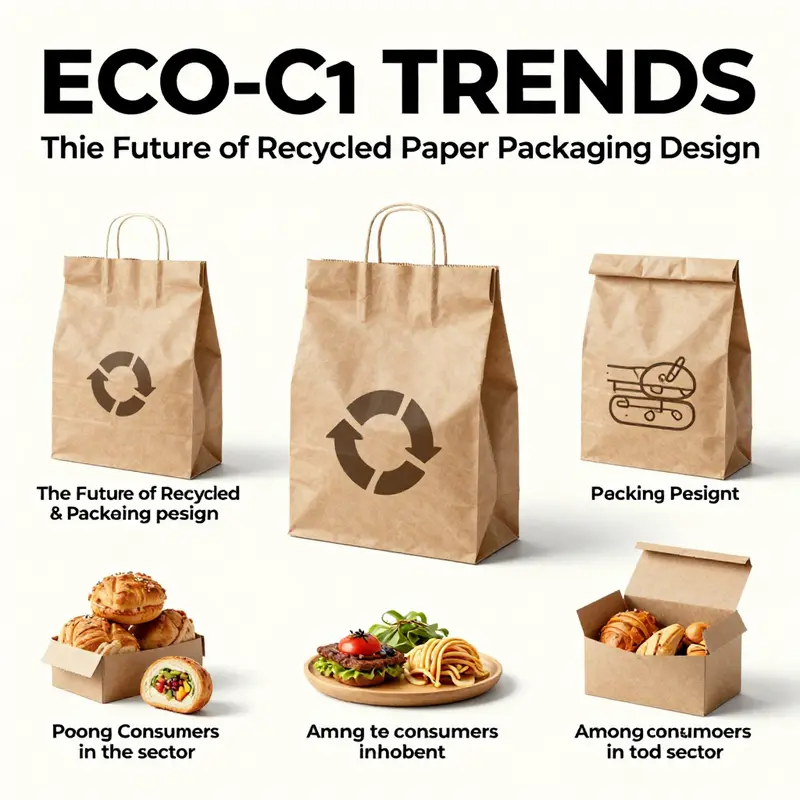
Across markets, brands are reshaping packaging to reflect responsibility and craft. The rise of recycled paper packaging is not merely a preference; it mirrors a broader shift in how products are valued and how resources are managed. In 2024, the recycled paper and paperboard segment captured a dominant 43.60% share of the global market, signaling that both consumers and companies see recycled fiber as a reliable backbone for sustainable packaging. Designers face a twofold task: protect the product and its journey, while also providing a surface that communicates care and character. The inherent textures of recycled paper—color variations, faint ink traces, and a touch of roughness—are not flaws but features. When harnessed thoughtfully, these traits create a tactile warmth that mass-produced wrappers rarely offer. The challenge becomes how to elevate material truth into design vocabulary, ensuring that every surface tells part of the sustainability story rather than suppressing it. This approach invites designers to imagine packaging as a conversation with the planet, where craft and responsibility meet in practical, everyday objects.
Three currents shape contemporary design in this space. Minimalism and functional clarity push brands toward simpler visuals, fewer layers, and less ink, all of which improve recyclability. Digital printing supports vibrant branding at a lower environmental cost than older processes, allowing expression without waste. Transparency and traceability demand honest signals about origin and disposal. Packaging now carries clear, legible disposal guidance and compact cues that connect the product to its end-of-life path. In design terms, these cues become a partner to imagery, not a distraction. The third current is material science—recycled paperboard is being strengthened, moisture resistance improved, and barrier properties enhanced. Plant-based coatings and water-based inks reduce contaminants and emissions, keeping the recycling stream clean while enabling more complex formats like rigid boxes and protective inserts. Designers who navigate these constraints can push creative boundaries without compromising the circular economy.
Minimalism is not about austerity alone. It is a strategic reduction that allows the fiber to tell its own story. Layering light-weight sheets creates depth and structure without adding bulk or solvent-heavy finishes. The natural grain and color shifts of kraft and recycled papers become graphic accents, guiding the eye and signaling authenticity. At the same time, choices in print and finish can be restrained yet expressive, with crisp typography and carefully considered color to avoid overprinting. The result is packaging that feels contemporary and premium, aligning aesthetic quality with ecological responsibility. Such restraint also simplifies recycling, since fewer coatings and inks mean smoother pulping and fewer contaminants. In practice, this translates into forms that are comfortable to hold, easy to open, and straightforward to recycle, reinforcing the idea that sustainability can be beautiful and practical at once.
Transparency and traceability reshape not only content but form. Designers allocate space for origin statements, material notes, and disposal instructions without crowding the visual language. When color and texture remain honest—without masking the material’s natural quirks—the packaging becomes a map of its life. A compact set of labels can stand in for a multitude of claims, reducing noise while still informing. The inclusion of removable or scannable cues invites consumer engagement with the product’s story, linking it to responsible sourcing and sustainable practices. The QR code can guide a curious shopper toward details about sourcing, manufacturing standards, and correct recycling steps. This approach respects the consumer’s desire for clarity and strengthens trust in the brand’s commitments. Practically, it also yields a neater end-of-life process, as standardized disposal instructions accompany the main packaging, decreasing confusion and contamination in recycling streams.
In material science, progress translates into tangible packaging performance. Recycled paperboard formulations are being engineered to resist moisture and carry heavier contents, broadening the range of usable formats. Barrier properties can be improved through innovative coatings, while still keeping coatings compatible with recycling. The shift toward plant-based and water-based systems reduces the environmental footprint of production and helps keep the end-of-life stream clean. With stronger and more versatile materials, designers can conceive rigid boxes, inserts, and protective layers that maintain recyclability. The visual language can embrace bolder forms and more elaborate packaging concepts without sacrificing recyclability, because the underlying fiber is designed to participate in the loop. This integration of performance and sustainability broadens what is possible in consumer packaging, enabling formats that offer protection and display value in equal measure, while remaining easy to separate and recycle during the next life cycle.
Practically, the design discipline centers on coherence across touchpoints. Texture is embraced as a branding cue rather than an aesthetic accident. The slight roughness of the surface can signal eco-conscious choices, while layering different paper stocks creates contrast without complicating recycling. Natural fibers, when used for ties or wrappers, add a tactile note that remains recyclable. Hand-drawn labels and stamped marks convey a bespoke feel without glossy coatings that hinder recyclability. The aim is a package that feels handcrafted yet trustworthy, a balance of warmth and responsibility. When design aligns with practical constraints—weight, stackability, and pack-out efficiency—the result is a supply chain that wastes less and delights more, from shelf to recycler.
Inspiration travels through maker communities and curated platforms. A widely followed board focusing on recycled paper packaging design demonstrates the breadth of interpretation, from restrained minimalist boxes to intricate wraps. Those examples remind practitioners that the material’s irregularities are a source of charm, not imperfection. The authenticity conveyed by natural fibers, simple typography, and hand-drawn details resonates with buyers who want brands to prove their environmental commitments. The storytelling potential of packaging grows as more companies embed narrative into wrappers, turning opening into a moment of connection with a brand’s values. The synergy between craft and commerce here enables small studios and large operations alike to participate in a shared language of stewardship, where design is the instrument through which sustainability becomes everyday experience. This ethos also invites smaller brands to participate in a global conversation about care, not waste, making sustainability feel accessible and aspirational. When packaging carries such intent, the moment of unboxing becomes a shared ritual of responsibility rather than a solitary choice.
As markets move toward greater circularity, the language of recycled paper packaging will continue to mature. Smarter coatings, clearer disposal guidance, and smarter printing will let designers push for richer textures and more expressive typography while keeping end-of-life considerations central. The trend favors modular forms, simpler layering, and designs that can be disassembled for recycling without compromising user experience. For practitioners seeking current options and examples, explore the paper-packaging category to see how different producers translate these ideas into real products. For a broader perspective on market momentum and forecasts, the following external resource provides updated analysis: https://www.grandviewresearch.com/industry-analysis/recycled-paper-packaging-market
From Page to Purpose: A Deep Comparative Look at Recycled Paper Packaging vs Traditional Materials
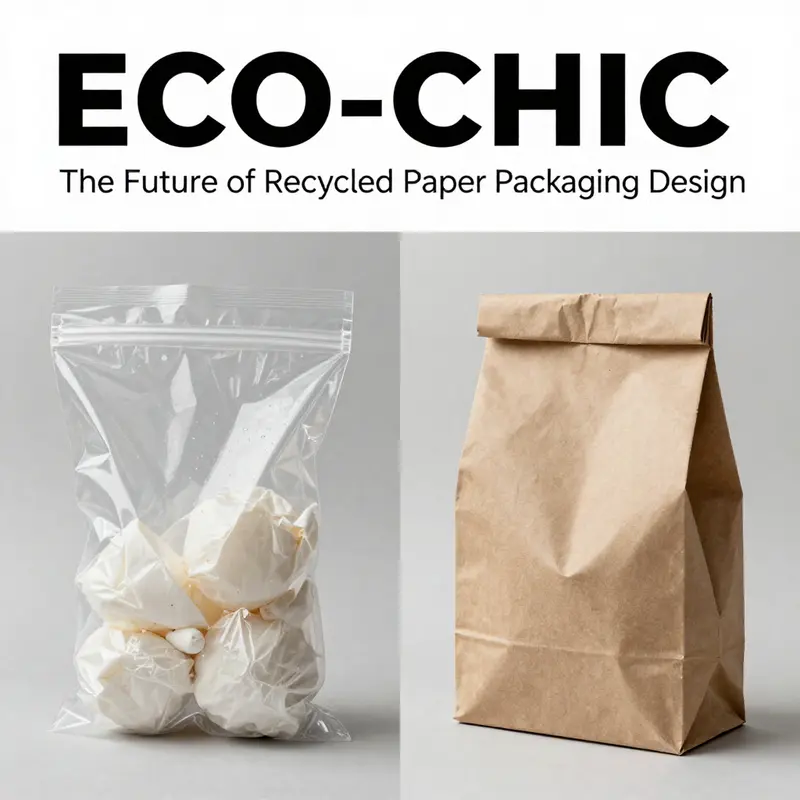
Design rarely happens in a vacuum, and in packaging design the conversation between sustainability and desirability has grown louder in recent years. The shift from conventional plastics and composites to recycled paper is not merely a material swap; it is a reframing of how products speak to consumers, how brands tell their stories, and how waste becomes value. When you pull a package from the shelf, you are not just handling a container—you are handling a narrative about responsibility, craft, and possibility. In this light, a comparative look at recycled paper packaging versus traditional packaging reveals a cohesive pattern: the more carefully the design addresses environmental priorities, the more it can deliver on function, aesthetics, and lifecycle clarity without sacrificing the emotional impact of a well-made wrapper. The discussion below threads together environmental realities, practical performance, visual and tactile appeal, cost dynamics, and end-of-life considerations in a single, flowing arc, so the reader feels the logic of choosing one path over the other as a holistic decision rather than a series of isolated trade-offs.
Environmental impact sits at the heart of the conversation. Recycled paper packaging begins with the premise of reuse: materials that would otherwise contribute to landfill are redirected into new products. This approach reduces deforestation, conserves water, and lowers greenhouse gas emissions associated with virgin paper production. A key, widely cited figure from a major environmental agency highlights the scale of savings when post-consumer paper is recycled. It’s a reminder that half the battle is in the choice of starting material, not just the final form. In contrast, traditional packaging—often built from plastics and multi-material films sourced from fossil-fuel chains—entails carbon-intensive production and long persistence in ecosystems. While plastics offer moisture resistance and a familiar integrity in certain contexts, the lifecycle story is less forgiving: even with recycling efforts, globally only a small fraction of plastic is ultimately repurposed, and the remainder contributes to pollution and ecological strain. The contrast is not simply about end-of-life; it is about the entire loop—from the energy used to make the material to the way the product re-enters the system after use. For readers who want a concise environmental framework, the EPA’s overview of recycling benefits provides a rigorous baseline for understanding these dynamics in a broader context. The broader point is that recycled paper tends to reduce the resource footprint across the board when measured against virgin plastic-based packaging, especially when it is designed for recyclability at the end of its life.
But environmental metrics do not live in a vacuum. Functionality and performance illuminate where recycled paper packaging stands today and how it has evolved. Traditional packaging often delivers a predictable, sometimes unmatched, moisture barrier or shelf-stable performance. Yet modern recycled paper designs have caught up in many important ways through smart construction and thoughtful material choices. A notable development is the adoption of layered solutions that separate paper from inner barriers in ways that keep recyclability intact while meeting practical needs. For instance, product-packaging systems now employ a two-layer concept where an outer paper shell is paired with a separable inner component that can be processed independently at disposal. This kind of design enables consumers to recycle the outer carrier with minimal contamination while ensuring the inner material can follow appropriate end-of-life paths. Other configurations use a single sheet that wraps multiple components, removing the reliance on adhesives that complicate recycling streams. These engineering choices demonstrate that recycled paper can be engineered to deliver durability and reliability at a scale that rivals traditional materials when the design intent is clear and the production system supports it. The practical takeaway is that a modern recycled-paper solution does not have to compromise function to honor sustainability; it can be optimized to perform under real-world use through deliberate structural logic rather than through heavy coatings or complex laminates. For designers and brands, this reframe opens opportunities to innovate around how a package behaves—how it folds, tears, holds moisture, or reveals a brand story—while still aligning with circular economy goals. If you want to explore practical pathways for integrating these ideas into your own product lines, our paper-packaging category offers a curated starting point for compatible options and design ideas. paper-packaging category.
Aesthetics and consumer appeal form the most visible axis of comparison. Recycled paper naturally carries texture, color variation, and the faint marks that speak to a second life. Rather than being perceived as flaws, these characteristics can become design features—proof of authenticity and a tactile narrative that mass-produced, pristine surfaces often lack. Designers are increasingly layering different paper types to create depth, using natural fibers, vintage book pages, maps, or botanical elements to craft unique surfaces. Hand-drawn labels, hand-stamped patterns, and even dried botanicals can transform a simple wrap into a small piece of handmade craft. The charm lies in the imperfect beauty—the texture and imperfect alignment that remind us of human touch and craft. For a consumer, this aesthetic signals responsibility and care, while for a brand, it conveys a story: the product has a history, the packaging has a future, and both are part of a shared journey toward sustainability. In contrast, traditional packaging often aims for uniformity and sleekness, which provides immediate visual clarity but can feel impersonal and generic. Premiums built on traditional materials typically rely on high-gloss coatings or rigid forms that deliver a crisp appearance but may underdeliver on narrative depth. The opportunity with recycled paper is not to imitate plastic’s shine but to craft a compelling visual story that leverages texture, typography, and natural finishes to evoke warmth and thoughtfulness. Aesthetics thus becomes a strategic tool for differentiating products on crowded shelves, turning a sustainable choice into a perceived premium experience rather than a compromise. This is where sustainability and elegance align, reinforcing that beauty and responsibility can reinforce each other rather than compete.
The economics of recycled paper packaging presents a nuanced picture. On the surface, the upfront cost of recycled materials and the processing steps needed to ensure recyclability can be higher than traditional, mass-produced packaging. However, the long-term financial dynamics tell a more complete story. When regulation tightens around single-use plastics and when consumer demand widens for eco-friendly products, brands can realize savings through waste-management efficiencies, avoidance of certain environmental penalties, and stronger market differentiation. In practical terms, a package designed with circularity in mind can reduce contamination, simplify recycling streams, and lower the risk of disposal-related issues that erode margins over time. The cost advantage, though sometimes gradual, compounds as supply chains scale and as consumer expectations shift toward environmental stewardship. The overarching lesson is that the economics of recycled-paper packaging improve as the system around it matures—policy, consumer behavior, and infrastructure all catching up to design decisions. It is not a one-off premium but a strategic investment that grows with the brand’s sustainability narrative and the market’s willingness to reward responsible packaging.
End-of-life management provides perhaps the clearest signal of how the two approaches diverge and then converge. Recycled paper packaging is built to be recyclable, compostable, or biodegradable where feasible, turning the end of a product’s life into the start of a new life. Innovations in the space emphasize flat-pack storage and easy decomposition after use, reducing the burden on landfills and easing the path to a true circular loop. The contrast with multi-material traditional packaging is stark: when coatings, laminates, or mixed materials complicate separation, the likelihood of effective recycling drops dramatically. In practice, the best recycled-paper designs are those that align with local waste-management capabilities and that maintain simplicity in the disposal process. The narrative of end-of-life is not merely about technical recyclability; it is about how communities can accommodate present-day systems and how design can anticipate those systems, guiding consumers toward responsible choices without imposing additional cognitive load. The environmental stakes remain high, and so the path forward is to pursue packaging that keeps materials within a closed loop with minimal contamination. In this sense, recycled paper packaging advances beyond an eco-friendly option to a design philosophy that foregrounds responsibility as an aesthetic choice and a practical obligation.
Where do these insights leave us in practice? The answer is not a binary verdict but a spectrum of considerations that weigh environmental outcomes, performance needs, emotional resonance, and lifecycle pathways. For brands, the challenge is to translate sustainability into a compelling, coherent experience that shoppers can feel as they touch, unwrap, and ultimately dispose of a package. For designers, the opportunity lies in rethinking form and process—how a sheet of paper can become a carton, a sleeve, or a wrap that holds and reveals its contents while telling a story of care. The most persuasive packaging designs are those that honor the material’s history yet project a thoughtful future—a future where a product’s story continues beyond its shelf presence. The comparative lens applied here is not to diminish traditional materials but to reveal how recycled paper, when designed with intention, can meet or exceed performance while expanding the brand’s ethical latitude. It is a reminder that sustainability is not a constraint but a design parameter—one that can drive innovation, sharpen differentiation, and invite consumers to participate in a broader conversation about how products live in the world after the moment of use.
For those seeking empirical grounding as they plan transitions or pilot programs, the broader environmental data and policy context offer useful guardrails. External resources summarize the energy and water savings associated with recycling and explain how evolving regulations steer packaging toward reuse and recyclability. These references reinforce the practical logic of choosing recycled-paper packaging as part of a long-term strategy, aligning production realities with consumer expectations and regulatory trajectories. A balanced approach recognizes that while recycled paper can meet many functional requirements, success depends on deliberate design, clear messaging, and a coherent system for end-of-life management. As design thinking continues to evolve, the conversation around recycled paper packaging becomes more than a sustainability checkbox; it grows into a strategic differentiator rooted in authenticity, local narrative, and responsible consumption. The result is packaging that is not only kinder to the planet but also richer in texture, story, and possibility. In this sense, the future of packaging design is visible in the grain of the paper itself: imperfect yet intentional, humble yet capable of making a statement, and endlessly recyclable in a world that increasingly values clarity, care, and circularity.
External resources provide broader context for these shifts. See the EPA’s overview of recycling benefits for additional data on energy and water savings and the role of recycling in reducing environmental impact: https://www.epa.gov/recycling/benefits-recycling
Weaving Stories from Recycled Paper: Craft, Courage, and the Ethics of Packaging
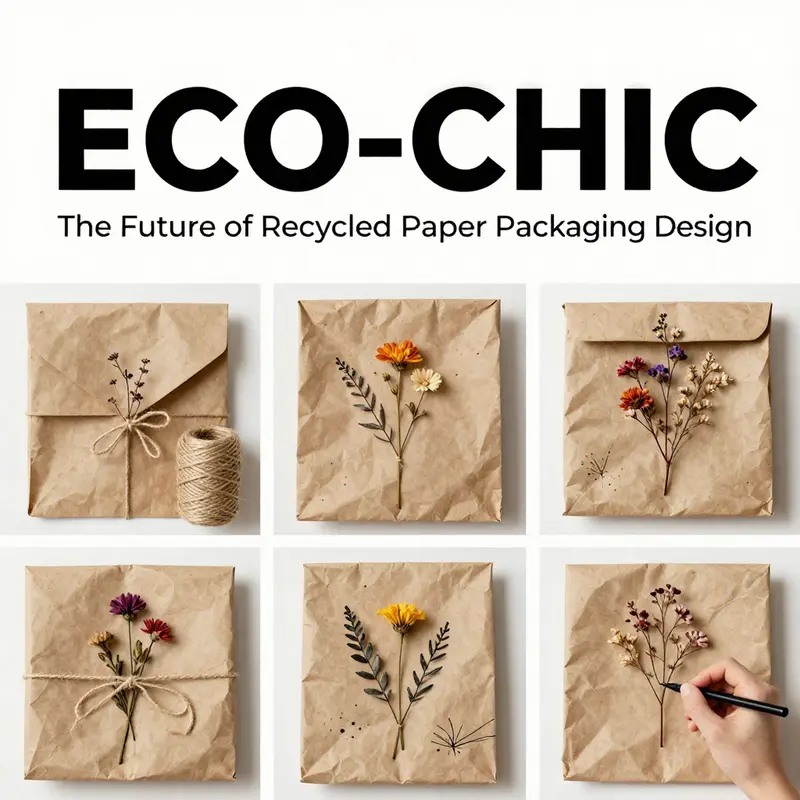
Recycled paper packaging design is not merely a material choice; it is a narrative device that frames the product within a broader conversation about responsibility, craft, and the everyday rituals of unboxing. Designers who work with repurposed sheets—old newspapers, magazines, book pages, and kraft paper bags—aren’t just selecting textures. They are curating memories, marks of time, and the faint echo of who handled these sheets before. The inherent variations in color, the residual ink smudges, and the slightly rough surface are not flaws to hide; they are assets to celebrate. Each fold or wrap becomes a fingerprint of sustainability, a tactile testament to care that mass-produced packaging often misses. In a marketplace saturated with glossy sameness, recycled paper packaging invites a slower, more intimate experience—one that rewards curiosity, invites touch, and promises a product that comes with a story rather than a warranty alone. The consumer, sensing that story, may feel connected to a broader ecosystem of makers, materials, and mindful consumption that is increasingly valued by audiences who want their purchases to align with their ethics as well as their aesthetics.
This narrative opens up a field of creative practice where texture is king and imperfection is a guiding principle. Designers can lean into the natural irregularities of recycled fibers—color drift, faint ink specks, and the tactile grain of paper—as design features rather than flaws. The result is packaging that feels authentic and warm, a contrast to the clinical precision of mass production. The beauty of this approach lies not in concealing the material’s history but in revealing it. Layering different paper types can create a subtle mosaic of light and shade; stacking whisper-thin pages with sturdier kraft yields a palette that feels both earthy and alive. And when that palette is paired with natural hardware—twine or jute, dried botanicals, and hand-drawn labels—the packaging acquires the aura of a small, humane workshop rather than a factory line. The story that emerges is one of careful handcraft, environmental stewardship, and a belief that beauty can be gleaned from reclamation rather than from newness.
To translate these sensibilities into practice, designers increasingly embrace origami-inspired folding techniques. These methods transform simple sheets of recycled paper into elegant, functional forms that require little to no glue. The act of folding becomes a gesture of restraint and precision, reducing waste while elevating the unboxing ritual. The resulting boxes and wraps carry a sense of play and discovery, as if the consumer is unwrapping a gift that was made for them in a studio rather than in a warehouse. This approach also democratizes packaging; the folds can be taught, replicated, and scaled without sophisticated machinery, allowing small studios and larger brands alike to participate in sustainable design without coasting on novelty alone. Layering remains essential here. A single sheet can become a modular system when combined with divisions, pockets, or overlapping flaps; the eye sees rhythm in the creases, and the hands feel the careful geometry of the form. In tandem with folding, simple embellishments—hand-drawn labels, stamps, and a touch of plant-based ink—mark the item with personality while preserving the clean, recyclable lineage of the box.
An equally charming trend in this field is the repurposing of existing objects, which demonstrates how far sustainability can extend beyond the paper itself. Mason jar lids repurposed into miniature boxes exemplify a nostalgic yet modern twist. What might have languished as scrap becomes a pocket-sized presentation piece, bridging craft and memory. The practice speaks to a broader design philosophy: maximize utility, minimize waste, and celebrate the unexpected reuse of everyday objects. Such repurposing softens the line between packaging and artifact, inviting consumers to view the packaging not as a disposable shell, but as a keepsake that retains value beyond the product it once protected. When these ideas are executed with care, the packaging becomes a conversations starter—an opening line that invites customers to reflect on consumption, longevity, and the possibility of second lives for materials that would otherwise vanish into waste.
Inspiration for these explorations is readily found in the vast, visual world of design communities online. Pinterest remains a leading resource for discovering contemporary manifestations of recycled paper packaging design. The platform hosts boards that curate a spectrum of projects—from minimalist kraft wraps to more intricate origami-inspired constructions. The engagement patterns on these boards—likes, saves, and re-pins—signal a growing interest in sustainable aesthetics that do not force a compromise between form and function. Designers often reference these boards as practical repositories of ideas, color experiments, and technique notes. Notably, a widely followed board featuring “Recycled Paper Packaging Design” has garnered tens of thousands of saves, underscoring a global appetite for slow, handmade approaches to packaging. The richness of these sources lies not only in the visuals but in the accompanying captions and tutorials that reveal how to reproduce a look or adapt it to different product categories. The conversations there reflect a shared ambition: to demonstrate that eco-conscious packaging can be inventive, collectible, and genuinely joyful to interact with.
Within this ecosystem of ideas, notable concepts crystallize into tangible forms. The Origami-Inspired Folded Paper Box stands out as a compelling example of how traditional craft can be reimagined for contemporary sustainability goals. Its design characteristics are deceptively simple: a strong yet flexible recycled paper construction, a precise folding choreography, and a packaging system that minimizes waste through interlocking panels rather than adhesive bonding. The elegance of the approach lies in its economy—the same sheet of paper serves multiple purposes, acquiring strength through clever geometry and a disciplined sequence of folds. The result is a container that is at once light, strong, and aesthetically refined, capable of housing gifts, products, or stationery in a way that communicates care and consideration. The experience is tactile and visual: crisp lines, soft textures, and the quiet drama of negative space formed by the folds. The box becomes a small sculpture, a proof that sustainability and artistry can coexist without compromising practicality.
To visualize these ideas, many designers turn to curated collections and step-by-step guides that demystify the techniques involved. While the breadth of content across platforms can be overwhelming, it is within these hands-on resources that the practical heart of recycled paper packaging design emerges. A steady thread through successful projects is the thoughtful integration of form and message: the packaging not only protects the product but also carries a narrative about resourcefulness, heritage, and care for the planet. The choice of paper itself—the weight, the color, the visible fibers—acts as a design element, shaping how the package feels in the hand and how it communicates its values to the recipient.
As practitioners refine these ideas, they often treat the packaging as an extension of the brand’s story. The tactile language—textured surface, visible crease lines, natural jute tying, and hand-stamped labels—speaks to a culture that values honesty and craft over glossy perfection. In this approach, the packaging does not merely carry the product; it embodies the ethics of the brand, signaling commitment to sustainable practices at every turn. The design thereby invites the consumer into a shared practice: noticing, appreciating, and potentially repurposing. The conversation expands from aesthetics to behavior, encouraging reusability, repair, and thoughtful disposal, all anchored in the understanding that packaging can be a responsible first impression and a lasting reminder of better design choices.
Within this evolving landscape, one can navigate a pragmatic path that keeps sustainability at the core while still delivering on the wow factor. Designers might start with a restrained palette—natural krafts, off-white pages, and soft gray inks—to reduce dye loads and to honor the natural character of the materials. They can then layer textures and forms to add depth without increasing complexity or waste. The packaging can be designed for recyclability or even for easy disassembly, so that the consumer can separate paper components from any non-paper materials with minimal effort. The balance is delicate but achievable: craft that feels personal, processes that respect resource limits, and products that reveal their care through every touchpoint. Building this balance requires curiosity, experimentation, and a willingness to learn from both success and failure, just as in any artisanal craft.
For practitioners seeking practical pathways, the broader catalog of packaging formats provides a ready-made framework to adapt these ideas. In particular, the paper-packaging category offers a spectrum of solutions that can be harmonized with upcycled aesthetics while remaining compatible with recycling streams. paper-packaging offers formats that can host a wide range of products, from gift-ready wraps to compact, foldable boxes, all designed to be friendly to both the environment and the consumer’s experience. The key is to treat the packaging as an integrated system rather than a decorative afterthought: how the wrap folds, what kind of closure is used, and how easy it is to open and reuse all contribute to a coherent story of sustainability.
As this creative exploration continues, designers will increasingly strike a balance between artistry and practicality. The ethical dimension—knowing that the material came from a resource that deserves respect—will remain a compass guiding choices about adhesives, inks, and finishings. Water-based inks, minimal coatings, and thread closures can all be deployed without severing the link to recyclability. The result is packaging that feels inevitable: a natural extension of a brand’s identity that respects both the environment and the consumer’s desire for beauty, meaning, and provenance. In this ongoing conversation, recycled paper packaging design emerges not as a trend to chase but as a disciplined approach to making, seeing, and sharing, where every crease and stamp is a deliberate act of care.
For a broader industry perspective on how these ideas are evolving into scalable practices, a professional resource offers up-to-date insights on trends for 2026. https://www.sustainablepackaging.org/recycled-paper-packaging-design-trends-2026
Final thoughts
The movement towards recycled paper packaging design is more than a trend; it represents a burgeoning commitment to sustainability within the food industry. By harnessing innovative techniques, understanding the true impact of their choices, recognizing prevailing market trends, conducting thorough comparative analyses, and seeking creative inspiration, businesses can not only enhance their packaging aesthetics but also align themselves with the values of environmentally conscious consumers. As the demand for sustainable practices grows, those adopting recycled paper packaging stand to gain not only a stronger brand loyalty but also a significant edge in an ever-competitive market.