
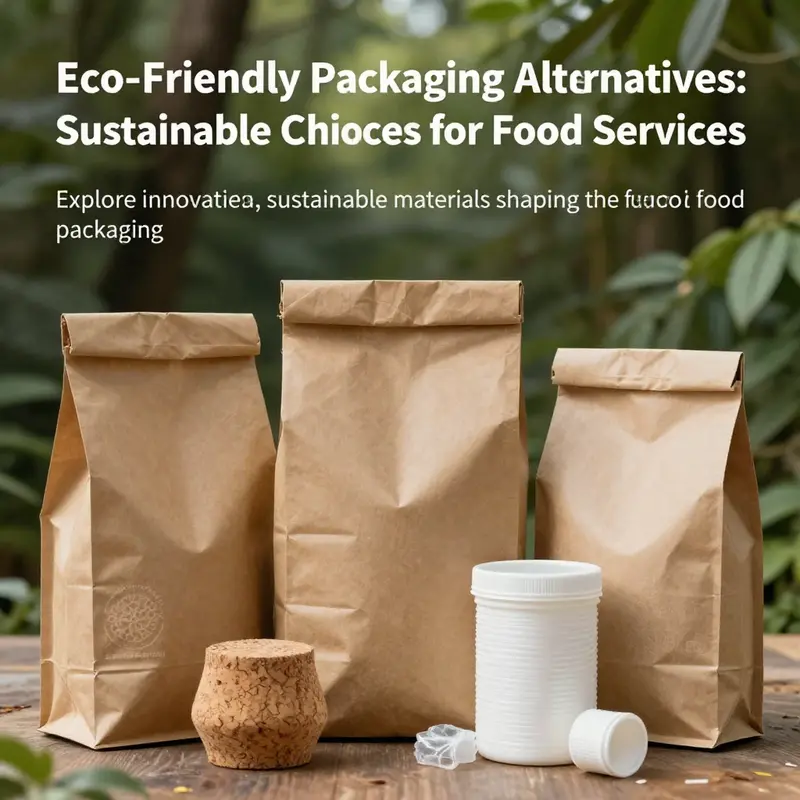
As consumers become more environmentally conscious, the demand for eco-friendly packaging materials in the food industry is on the rise. Bubble tea shops, restaurants, food trucks, catering services, event planners, and corporate procurement teams are increasingly recognizing their role in sustainability. By opting for packaging that is renewable, biodegradable, and compostable, businesses can not only appeal to eco-minded customers but also contribute to a healthier planet. This article delves into three of the best sustainable packaging materials: Bagasse, Cork, and Kraft Paper combined with Plant-Based Bioplastics. Each chapter focuses on these materials, examining their benefits and discussing their practical applications in the food sector.
Bagasse as a Practical Standard: How Sugarcane Fiber Transforms Eco-Friendly Food Packaging
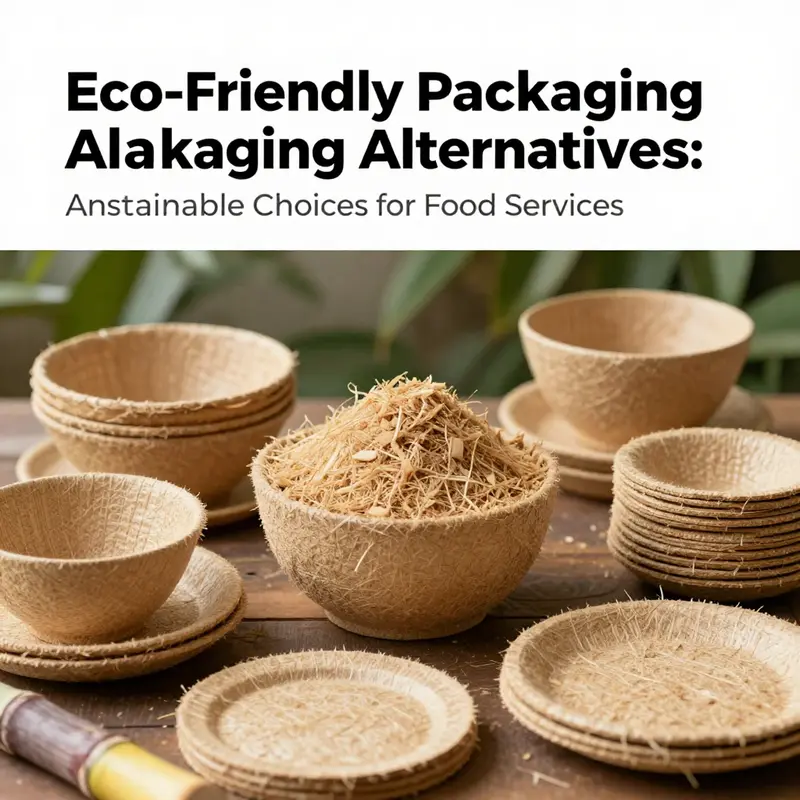
Bagasse has become a cornerstone in the shift away from fossil-fuel plastics toward genuinely renewable packaging for food. Created from the fibrous residue left after extracting sugarcane juice, it is not an exotic laboratory material but a workhorse of sustainable packaging. Its appeal is practical and multidimensional: it repurposes agricultural waste, offers strong thermal and grease resistance, meets food-contact safety expectations, and fits into industrial composting systems. This chapter examines bagasse in a continuous narrative—how it is made, why it works for food, how it performs across the supply chain, where it falls short, and how manufacturers and brands can design with it to maximize environmental benefits.
At its core, bagasse is cellulose-rich fiber. After sugarcane stalks are crushed to extract juice, what remains is a dense mat of fibrous material. That mat is processed—cleaned, pulped, formed, and thermally pressed—into sheets and molded items. The resulting products look and feel like paperboard or molded fiber tableware, but their structure and performance are defined by the original plant fiber: strong, porous, and capable of being heat-formed without adding petrochemical binders. Because it is sourced from a crop that regenerates annually, the feedstock is renewable on a human time scale rather than geological.
The physical properties of bagasse make it especially well suited to common food uses. Its cellulose matrix bonds under heat and pressure, creating rigid items such as plates, bowls, clamshells, and takeout containers. Those items withstand handling stresses and retain shape when carrying heavy or saucy foods. Bagasse also displays good grease resistance compared to plain paper—this is due to the dense fiber network and manufacturing processes that reduce porosity. Thermal performance is another practical advantage: many bagasse containers tolerate temperatures up to 212°F (100°C), which covers typical hot-holding and reheating scenarios. Because of this heat tolerance, bagasse is often safe for microwave use in short bursts and well suited for hot meals served in cafeterias, food trucks, and delivery services.
From an environmental perspective, bagasse excels in two interconnected ways: waste diversion and lifecycle emissions. The material is a byproduct of sugarcane agriculture, so using it converts what would otherwise be burned, landfilled, or left to decompose into a valuable resource. Eliminating open-field burning of bagasse for disposal reduces local air pollution and greenhouse gas emissions. When a packaging lifecycle is modeled, replacing virgin petroleum-based plastics with bagasse typically lowers fossil energy input and reduces the carbon intensity of the packaging. Importantly, bagasse items are compostable and biodegradable under industrial conditions; many facilities report decomposition times between 45 and 90 days. That rapid breakdown prevents long-term accumulation in landfills and reduces the risk of microplastic pollution that accompanies conventional plastic packaging.
Safety for direct food contact is a key requirement for any food packaging material. Bagasse products are commonly free from BPA and PFAS and do not require synthetic chemical coatings to achieve performance in many applications. That said, some manufacturers apply thin coatings or treatments to improve moisture or grease resistance. Where coatings are used, choosing plant-based or certified compostable coatings preserves end-of-life options. Uncoated or appropriately coated bagasse typically meets regulatory standards for food contact and does not leach harmful chemicals at typical use temperatures. This combination of inherent safety and functional performance makes bagasse attractive for everything from single-serve meals to reusable-like disposable dinnerware.
Yet bagasse is not a universal panacea. The difference between industrial and home compostability is important. While bagasse decomposes rapidly in the controlled, high-temperature, moist environment of industrial composters, decomposition in a home compost bin can be much slower and depends on conditions such as temperature, moisture, and microbial activity. Therefore, labeling should clearly indicate whether a product is certified for home composting or only for industrial composting. Another limitation arises when packaging requires prolonged barrier protection for long shelf-life dry goods; bagasse is best applied to short shelf-life or prepared-food situations rather than multi-month dry storage unless combined with other materials or coatings designed for moisture and oxygen barriers.
Supply chain and scalability matter when assessing any sustainable material. Sugarcane is widely cultivated in many tropical and subtropical regions, and the existing processing infrastructure in those regions often yields large quantities of bagasse. This local availability can translate into lower transportation emissions if processing plants and packaging manufacturers are co-located. Furthermore, the production of bagasse packaging can be integrated into circular agricultural models: sugar mills can supply fiber to nearby molding facilities, reducing logistical complexity. Still, regional variations in sugarcane production, competing uses for bagasse (such as bioenergy), and market demand can create price fluctuations. Companies assessing bagasse should map feedstock availability, transportation distances, and potential competition for raw material to ensure stable sourcing.
Design plays a key role in unlocking the environmental benefits of bagasse. Minimalist designs that avoid unnecessary layers, coatings, or mixed-material laminates preserve recyclability and compostability. Mono-material structures are easier to process in compost facilities and reduce contamination in recycling streams. For foodservice items, engineering choices such as wall thickness and ribbing can optimize strength while minimizing material mass. Surface treatments that provide grease or moisture resistance should be chosen carefully; plant-based or certified compostable coatings help maintain end-of-life compatibility. Clear labeling that indicates whether an item is industrially compostable, home compostable, recyclable, or best disposed of in organic waste streams helps consumers and waste managers route materials correctly.
The economics of bagasse packaging are increasingly favorable. As technology for molding and forming has matured, production efficiency has improved and the cost premium over single-use plastics has narrowed. When evaluating total cost, organizations should consider not only purchase price but also waste-management savings from diverting compostable materials out of landfills, potential regulatory incentives, and customer preference for sustainable packaging. In institutional settings—universities, corporate cafeterias, event catering—the ability to process large volumes of organic waste through centralized composting often makes bagasse a financially sound choice, especially when paired with well-designed waste collection flows.
Certifications and standards reinforce trust in bagasse products. Look for third-party verification of compostability from recognized programs and clear compliance with food-contact material standards in the relevant jurisdictions. Certification ensures that a product will break down within expected timeframes and that any coatings or additives do not inhibit composting. Suppliers that provide documentation on fiber sourcing and manufacturing emissions also support more accurate lifecycle assessments, enabling brands to substantiate environmental claims.
Real-world deployment highlights how bagasse fits into modern food systems. In foodservice, bagasse clamshells and bowls replace foam and plastic containers for takeout and delivery. For catering, molded plates and serving trays offer a compostable alternative to disposable plasticware while maintaining a premium look. In institutional dining, bagasse trays and bowls reduce landfill contribution when paired with organic waste collection. For retailers and producers of ready-to-eat meals, bagasse offers a credible route to cut plastic while meeting convenience demands. The tactile and visual qualities of bagasse—neutral earthy tones and a matte finish—also align with consumer expectations for natural, sustainable packaging, supporting brand storytelling without heavy embellishment.
Integrating bagasse into packaging lines requires attention to production handling and quality control. Because bagasse is a fibrous, plant-based product, it can be sensitive to humidity and mechanical stress in transit. Proper stacking, protective packaging during shipment, and conditioning in production environments help prevent warping or deformation. From a filling and sealing perspective, bagasse containers are compatible with many standard food packaging operations but may need adaptation for high-speed automated lines, especially where heat sealing is used. Collaborating with suppliers early in product development helps align container specifications with production realities.
End-of-life management is where bagasse achieves much of its environmental promise—but only when infrastructure exists. Industrial composting facilities provide the conditions for rapid breakdown, converting bagasse into nutrient-rich compost. Where such facilities are available and accessible, the circularity benefits are clear: organic waste from meals and the packaging itself can return to soil. In regions lacking industrial composting, municipal organics programs, commercial composting, or community-scale solutions can fill the gap. Absent these options, bagasse placed in general waste may still be preferable to plastic, but the full environmental advantage is diminished. This makes local waste-management assessments a critical step before committing to bagasse at scale.
Comparing bagasse to alternative sustainable materials clarifies when it is the best choice. Kraft paper with plant-based coatings works well for resealable pouches and long-dry goods where barrier performance is essential. PLA and other bioplastics offer clear, lightweight alternatives for transparent packaging or specialized uses, but they often require industrial composting and can confuse recycling streams if not labeled clearly. Cork, a regenerating bark material, offers excellent insulation and durability for niche packaging applications. Recycled and recyclable materials reduce virgin resource use but rely heavily on effective recycling systems. Bagasse stands out when compostability, heat resistance, and strength for prepared foods are priorities. It is not a universal replacement but a highly effective solution within a broader toolbox of sustainable materials.
Practical steps for brands considering bagasse include piloting product runs in the target market, confirming local composting capacity, and testing packaging under real-world handling and serving conditions. Engage with suppliers to understand coating options and certification status. Be transparent in labeling, stating whether items require industrial composting or are suitable for home composting. Finally, design waste-collection systems that make it easy for consumers and staff to separate bagasse items into organic streams.
In summary, bagasse marries agricultural waste reuse with functional packaging performance. Its renewable feedstock, biodegradability under industrial conditions, suitable thermal and mechanical properties, and relative safety for food contact make it a compelling choice for many food packaging scenarios. Where industrial composting infrastructure exists and product designs avoid problematic coatings or mixed materials, bagasse can dramatically reduce the environmental footprint of disposable food packaging. Thoughtful procurement, design, and end-of-life planning ensure that bagasse delivers on its promise: a practical, scalable, and circular alternative to conventional disposables.
For examples of how molded paper products are used in practice, explore a range of paper plates and bowls made from sustainable materials. For further technical comparison of bagasse’s environmental performance versus other materials, see this study on lifecycle and environmental impact.
External reference: https://www.sciencedirect.com/science/article/pii/S095605422300187X
Internal resource: https://cupbowlpack.com/product-category/paper-plates-bowls/
Cork in Focus: Regenerative Bark, Remarkable Insulation, and the Future of Eco-Friendly Food Packaging
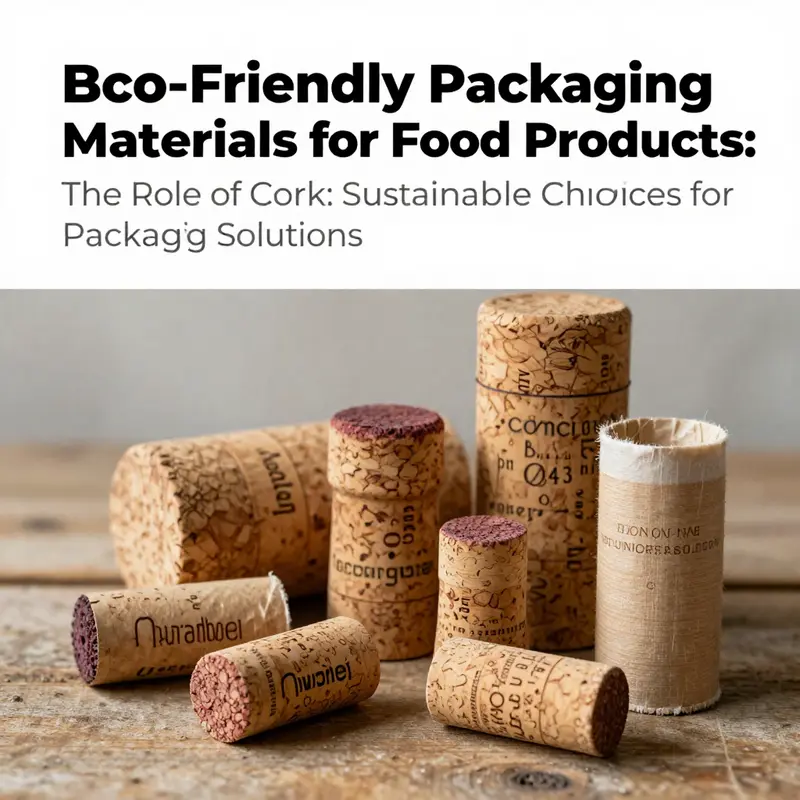
Cork sits at the intersection of biology and design in a way few materials do. It is harvested from the bark of the cork oak tree without harming the tree itself, and the tree remains alive to regrow new bark for the next nine to twelve years. This simple fact carries profound implications for sustainability. In a packaging landscape increasingly guided by circular economy principles, cork provides a natural bridge between performance and responsibility. The Mediterranean regions that cradle cork oak forests have learned to value this material not only for its immediate utility but for the long arc of ecological services these forests deliver. Biodiversity thrives among cork forests, water cycles are stabilized, and carbon is stored in the living tree and in the forest floor. When packaging decisions favor cork, they do more than protect a product; they honor a landscape that sustains communities, supports wildlife, and helps maintain a climate-stable future. The regenerative rhythm of cork trees exemplifies a shift toward materials that do not exhaust ecosystems but instead intertwine with them in a beneficial loop. This alignment with natural cycles makes cork an emblematic choice for brands seeking authenticity in their environmental storytelling and a credible pathway toward reduced footprints in food packaging.
The harvest method itself deserves attention as a cornerstone of cork sustainability. Trained harvesters remove the outer bark using traditional, low-impact techniques that avoid tree damage. Because the tree survives, the bark regenerates, offering a renewable feedstock that grows back on a rhythmic schedule. This regenerability translates into predictable supply contingent on well-managed forests. In many parts of the Mediterranean, cork oak forests are protected not only for timber or tourism but because their existence maintains soil stability, preserves biodiversity, and anchors local economies. When a packaging program centers cork, it often unlocks rural employment, skills development, and a source of income that incentivizes forest stewardship. The result is a broader positive externality: thriving landscapes that sequester carbon, filter air and water, and provide habitat for a range of species, from insects to birds and mammals that depend on mature tree cover and the complex understory that cork ecosystems sustain. In this sense, cork packaging becomes part of a landscape-based strategy rather than a single product choice, linking functional performance with planetary health in a tangible, measurable way.
From a materials science perspective, cork offers a distinctive blend of properties that align with food safety and durability requirements. It is lightweight, yet surprisingly strong, which reduces energy costs in transport and lowers the carbon intensity of distribution. Its cellular structure provides robust natural insulation, helping to keep foods at stable temperatures during handling and transit. This thermal buffering matters for products that are sensitive to temperature swings, such as delicate ready-to-eat items or products with short shelf lives. Cork is also highly resistant to moisture, a critical feature for maintaining quality in humid environments or during storage in transit where condensation can occur. Its impermeability to liquids and gases helps preserve flavors, aromas, and textures by limiting ingress and egress of moisture and volatile compounds. In addition, cork exhibits natural antimicrobial properties, a characteristic that can contribute to safer handling and storage environments by reducing microbial growth on the packaging surface. While the antimicrobial effect is not a guarantee of shelf life on its own, it complements other sanitization and packaging system controls to support product safety.
These intrinsic properties translate into broad applicability. Cork finds its way into clamshells and lids, into lightweight bags and wraps, and into single-use items designed for food service. The material’s moisture resistance, combined with its barrier tendencies, makes it suitable for dry goods as well as some semi-solid items that benefit from a breathable yet protective exterior when appropriate coatings are applied. It is especially well suited to formats where a premium, tactile encounter with the packaging reinforces brand values while delivering function. In practice, cork packaging often pairs with other sustainable materials to balance cost, performance, and end-of-life outcomes. For example, cork can be used in conjunction with paper-based substrates, where the paper contributes rigidity and printability while cork adds thermal and moisture-handling advantages. This collaboration helps create packaging solutions that reduce reliance on fossil-based plastics without sacrificing user experience or product integrity. For complementary packaging formats and broader material choices, see the paper packaging category paper packaging.
Beyond the laboratory bench, cork also resonates with consumers who increasingly seek products that align with environmental values. The visual and tactile cues of cork, along with its perceived natural origin, tend to reinforce a brand narrative centered on stewardship and responsibility. In a marketplace where packaging choices can influence consumer perception as much as product quality, cork offers a credible story about long-lasting materials, forest stewardship, and a commitment to low-impact design. Brands that embrace cork often find it easier to articulate a holistic sustainability message, one that ties the packaging to tangible ecological and social benefits rather than abstract promises. This alignment can catalyze loyalty among environmentally conscious customers who want their purchases to reflect their values, while still enjoying packaging that communicates quality and care through its material presence.
From an environmental lens, the environmental and social advantages of cork are not isolated to the tree or the forest but ripple across the wider supply chain. The economic value of cork promotes land conservation; when the cork oak forest has economic relevance, landowners are more likely to preserve it rather than convert the land to other uses. This protective effect helps maintain landscape-scale carbon sinks and habitat continuity, contributing to climate regulation and biodiversity protection. The forest acts as a living laboratory for sustainable forestry, with management practices that balance harvest yield with ecological resilience. The social dimension is equally important: cork harvesting provides consistent work and livelihoods in rural communities, often in regions where alternative employment opportunities are limited. The result is a resilient rural economy that supports education, infrastructure, and local services, all of which contribute to broader social well-being. The intertwined nature of ecological health and human flourishing in cork forest regions reinforces the argument that sustainable packaging is not a solitary act but part of a broader commitment to responsible land use and community prosperity.
As consumer awareness around sustainability grows, cork packaging also offers a brand imagery advantage. The material signals a willingness to invest in high-value, low-impact packaging to protect the product and the planet. This image is particularly compelling for products that aim to emphasize naturalness, craftsmanship, and responsible sourcing. The cork narrative dovetails with a broader movement toward circular design, where end-of-life considerations shape material choice from the outset. In this framework, cork is positioned not merely as a renewable resource but as a component of a system designed to minimize waste, maximize reuse, and enable recycling or composting where feasible. The lifecycle intent guides packaging developers toward design features that simplify end-of-life management, such as mono-material structures or separable components that improve recyclability and compostability for the consumer. The ongoing evolution of cork processing and treatment is likely to unlock additional pathways for integration into mainstream packaging formats, further strengthening the alignment between sustainable packaging and responsible consumer engagement.
However, the path to widespread cork adoption is not without its considerations. The pace and scale of cork supply depend on forest management, harvesting efficiency, and the development of processing capacities that can transform harvested bark into food-grade packaging formats. This involves ensuring that coatings, adhesives, and surface finishes meet food contact safety standards while maintaining the material’s intrinsic advantages. In some cases, natural or plant-based coatings are explored to preserve the integrity of cork and to avoid introducing petroleum-based components. The combination of cork with compatible coatings and inks remains a critical area for ongoing research and industry collaboration. Ensuring that inks and printing do not compromise safety or performance is essential to preserve cork’s appeal as a clean, natural option for food packaging. These technical considerations are not merely about compliance; they shape the real-world viability of cork as a mainstream packaging material in diverse markets with varying regulatory landscapes. The dialogue between forest stewardship, material science, and regulatory alignment will define how quickly cork can scale while preserving the qualities that make it unique.
The life cycle of cork packaging also invites a nuanced discussion about end-of-life pathways. Cork is biodegradable and can be composted under appropriate industrial conditions, and it can be recycled into new forms or repurposed into cork-based products such as agglomerates for insulation or other components. The suitability of composting depends on the presence of coatings, adhesives, and inks, all of which must be carefully selected to ensure compatibility with composting streams. In some contexts, cork packaging may be designed for reuse, especially in food service or retail settings where durability and repeated handling are valued. This reuse potential aligns with the broader aim of reducing single-use waste and extending the life of packaging components before their ultimate disposal. The end-of-life considerations emphasize that cork packaging can contribute to a lower overall environmental burden when designed with a clear lifecycle strategy in mind, one that prioritizes recyclability, compostability, or reuse wherever feasible. When end-of-life streams are organized and accessible, cork packaging can participate in a circular economy that keeps materials in use and reduces the demand for virgin resources.
The broader implication of cork in sustainable food packaging lies in its capacity to coexist with other eco-friendly materials in hybrid configurations. Designers can leverage cork’s insulating and barrier properties alongside other renewable fibers, such as those derived from bagasse or kraft paper, to tailor performance for specific product categories and storage conditions. This collaborative approach allows for creative packaging solutions that meet shelf-life requirements while minimizing environmental impact. The challenge is to balance performance, cost, and end-of-life outcomes in a way that resonates with consumer expectations and regulatory requirements. The narrative of cork in packaging is not about a single miracle answer but about building a resilient portfolio of approaches. Cork can serve as a keystone material in formats where its unique properties create meaningful advantages, while other renewable options fill different roles within an optimized, circular packaging ecosystem.
For those seeking further insight into cork’s environmental performance, there is growing scientific validation of its benefits. A lifecycle assessment published in a leading waste management journal provides a rigorous examination of cork-based packaging and underscores its renewability, low embedded energy, and potential for carbon sequestration within forest ecosystems. This research reinforces what practitioners observe in the field: cork offers a compelling combination of ecological integrity and functional performance that aligns with the goals of sustainable food packaging. While no material is perfect in every context, cork’s living forest source, renewability, and end-of-life options position it as a strong candidate for responsible packaging design in the years ahead. For a deeper dive into the lifecycle case for cork, see the referenced external resource.
In summary, cork is more than a material choice; it is a statement about how packaging can harmonize with nature. Its regenerative harvest cycle, its natural resilience against moisture and temperature fluctuations, and its capacity to support forest conservation and rural livelihoods together create a narrative that resonates with brands seeking credibility in sustainability. The material’s antimicrobial tendencies, while modest on their own, complement a broader system of clean handling and storage that prioritizes food safety alongside ecological stewardship. As consumer demand for greener packaging grows, cork offers a tangible path forward for those who want to demonstrate commitment through material decisions that are both scientifically sound and socially meaningful. The future of sustainable food packaging will likely feature cork not as a niche experiment but as a viable, scalable option that integrates with a holistic approach to design, supply chain responsibility, and lifecycle thinking.
External resource: https://www.sciencedirect.com/science/article/pii/S0956053X24004784
Kraft Paper and Plant-Based Bioplastics: A Sustainable Duo Reshaping Food Packaging
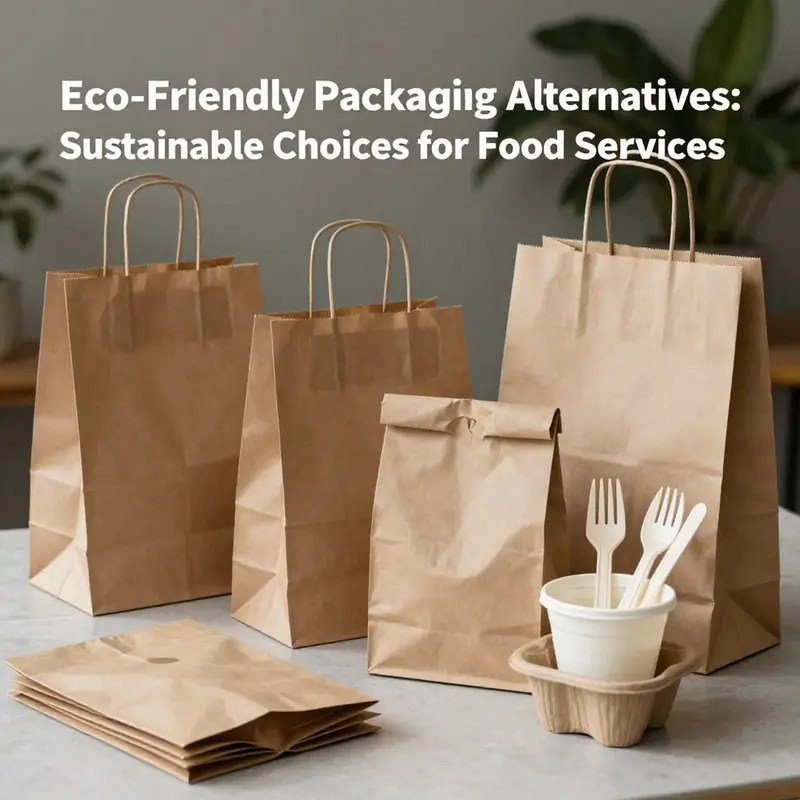
A growing chorus in the food industry is calling for packaging that does not merely protect products but also honors the ecosystems that sustain them. In this landscape, kraft paper and plant-based bioplastics stand out as a pair that combines authenticity, performance, and responsibility. This chapter follows the arc of how these materials behave in the real world, how they align with consumer expectations, and how businesses can design packaging that minimizes environmental impact without sacrificing safety or convenience. The story begins with kraft paper, a material whose appeal rests not only in its rustic aesthetics but in a straightforward, biologically honest relationship with the environment. Kraft paper emerges from wood pulp through processes that prioritize strength and resilience, producing a sheet that is inherently renewable and, more importantly, biodegradable and compostable. Its fibers are long and robust, which gives the paper a natural ability to withstand handling, storage, and light mechanical stress on shelves. The material’s compostability under appropriate conditions means that, when the packaging reaches the end of its life, it can re-enter the organic cycle, returning nutrients to soil rather than lingering as persistent waste. In addition, kraft paper’s recyclability is a critical feature. It can be recovered, re-pulped, and remade into new paper products multiple times, reducing the need for virgin wood fiber and diminishing energy use across successive cycles. This closed-loop potential is a core advantage for brands seeking to minimize both carbon footprint and resource depletion. The environmental narrative of kraft paper is not framed in absolutes but in performance-weighted trade-offs. Its biodegradability and recyclability offer clear paths to waste reduction, yet these benefits hinge on careful supply chain decisions. Where does the wood come from? Is the mill operated under sustainable forest management practices? Are inks and coatings non-toxic, and do they suit the intended end-of-life pathway? These questions matter because, while kraft paper itself is inherently benign in terms of toxicity, the coatings that make it moisture- or grease-resistant can complicate downstream processing if not chosen with care. The modern answer is to pursue uncoated or plant-based coated kraft paper for food packaging that requires dry goods or light moisture barriers. In these cases, coatings derived from natural polymers or plant-based resins can preserve the compostability and recyclability profile while still offering the surface properties needed to preserve freshness and prevent grease migration. The aesthetic of kraft—its warm, natural hue and tactile grain—has a persuasive effect on consumers who are increasingly connecting product appearance with environmental values. The packaging tells a story before the consumer reads a label. This narrative resonance translates into tangible market advantages: brands can convey a commitment to sustainability through design language that aligns with consumer identifications, even before performance data is reviewed. The kraft-based narrative also supports consumer education. Clear labeling that communicates compostability or recyclability helps users participate more effectively in circular waste streams, reducing contamination in recycling and ensuring compost facilities can handle the material as intended. Beyond aesthetics and end-of-life, kraft paper serves practical needs in the food sector. It demonstrates respectable grease resistance in many formulations and, with careful selection, can withstand the warmth of hot foods for a limited period without compromising integrity. This makes it suitable for disposable plates, bowls, and certain take-out containers, particularly when paired with compatible inner linings or coatings that do not undermine the entire packaging system. The balance between performance and sustainability is iterative: researchers and designers continuously explore plant-based coatings that improve moisture barriers without introducing persistent plastics into waste streams. The result is a family of solutions that keeps the packaging lightweight, uses renewable input, and maintains a favorable energy profile in production. Yet even as kraft paper earns trust, it exists within a broader toolkit. Plant-based bioplastics, most notably polylactic acid or PLA, complement kraft by filling design gaps that kraft alone cannot address. PLA is derived from renewable resources such as corn starch or sugarcane and offers a route to single-use forms that can be composted under industrial conditions. The key environmental leverage of bioplastics is the reduction of fossil fuel dependence. When bioplastics replace conventional petrochemical plastics in single-use items—think clamshells, wraps, or cutlery—the manufacturing footprint shifts away from fossil resources toward biogenic feedstocks. The energy intensity of producing these polymers is an essential factor: while plants capture carbon during growth, processing steps still require energy. In the case of PLA, the energy mix and the efficiency of industrial composting infrastructure significantly influence the net environmental benefit. This is where the synergy with kraft paper becomes most compelling. Laminated or multilayer packaging that combines kraft with a plant-based plastic can deliver improved moisture and oxygen barriers, extending shelf life and protecting sensory attributes without resorting to traditional plastics. The trade-off is nuanced. Multilayer structures can complicate recycling unless designed with mono-material strategies in mind. The industry’s movement toward mono-material constructions seeks to preserve recyclability while maintaining barrier performance. Even in laminated configurations, the goal is to ensure that the materials can be separated easily or, alternatively, that the entire laminate remains compatible with a single end-of-life stream, such as industrial composting, rather than creating a walled garden of disposal options that consumers may find confusing. In practical terms, the pairing of kraft with PLA or other plant-based polymers offers a path to packaging that supports cleaner waste streams and reduces reliance on fossil-derived polymers. For products with longer shelf lives or that require more robust barrier properties, this combination can be optimized to minimize overall environmental impact without sacrificing food safety or consumer convenience. It is not merely about choosing one material in isolation but about orchestrating a system that aligns material properties with product needs, consumer behavior, and available waste-management infrastructure. This orchestration includes careful attention to packaging design, including the choice of inks, adhesives, and coatings. Non-toxic inks and adhesives that do not compromise recyclability are essential. The packaging should be labeled with straightforward, honest end-of-life guidance, empowering consumers to contribute positively to waste streams. The goal is to create a packaging ecosystem where the material composition, manufacturing energy use, and end-of-life pathways all converge toward a reduced environmental footprint. The certification landscape reinforces this direction. Food-contact safety standards must be upheld, which means materials marketed as food-grade must comply with stringent regulatory frameworks that govern migration of substances into food. In many jurisdictions, this involves compliance with FDA regulations for food-contact materials, EFSA guidance for safety assessments, and relevant regional standards that ensure consumer protection. Compostability certifications—where applicable—provide additional assurance that products will break down in appropriate facilities. These certifications typically specify both the material and its end-of-life conditions, clarifying whether home composting is feasible or if industrial facilities are required. In practice, this means choosing kraft papers and bioplastics that are explicitly labeled as food-grade and compatible with the intended disposal pathway. The decision is not simply about materials in isolation; it is about the entire packaging system and the infrastructure that supports its afterlife. Some chains of thought converge on a central insight: the most sustainable packaging is not always the most glamorous or technologically complex. Often, the simplest approach that respects renewability, biodegradability, recyclability, and safety yields the best environmental performance. Kraft paper offers a robust foundation for this philosophy, while plant-based bioplastics provide the flexible edge needed to meet barrier and form-factor demands without defaulting to fossil-derived plastics. The combination supports a practical, scalable path for many food products—from dry goods and snacks to ready-to-eat meals that require moisture control. When the two materials are harmonized, they can also reduce life-cycle energy usage. Kraft paper requires relatively modest processing energy compared with plastics, especially when sourced from sustainably managed forests. Plant-based bioplastics, while more energy-intensive than simple paper, replace fossil-based polymers in contexts where plastics are unavoidable. The net energy balance depends on the feedstock, processing technologies, and the efficiency of the waste-management system in place. Consumers increasingly respond to packaging that looks and feels natural. The tactile experience of kraft, the perceived closeness to nature, and the calm, earthy signaling it provides can drive preference and willingness to choose products with sustainable packaging. This preference is not merely cosmetic; it reflects a buyer’s recognition that materials matter and that the packaging can influence a product’s lifecycle from production through post-consumer fate. In recognizing this, brands can align their packaging choices with broader sustainability narratives—without compromising on safety, shelf life, or consumer convenience. The practical application of kraft and plant-based bioplastics is visible in a portfolio of packaging formats that many manufacturers already deploy. For dry goods such as tea, coffee, cereals, or snacks, white kraft paper pouches—uncoated or with plant-based coatings—offer a clear, recyclable path. These pouches can be designed with resealability, reusability, and reclosure features that extend product freshness while keeping the material stream straightforward for recyclers. For hot or oily foods, where grease resistance becomes a challenge, carefully chosen coatings or inner linings can preserve performance without turning the package into a disposal problem. The design principle remains: keep the structure as simple as possible while delivering the required barrier properties. Innovation in coatings plays a central role here. Plant-based coatings derived from starches, celluloses, or biopolymers can offer grease resistance and moisture handling while remaining compatible with composting or recycling streams when properly formulated. Such coatings enable a seamless transition for products that previously relied on petrochemical-based plastics for barrier functions. The research results cited in this chapter emphasize two pillars: first, the clear environmental advantages of kraft paper as a renewable, biodegradable, and recyclable substrate, and second, the meaningful role of plant-based bioplastics in substituting fossil-based plastics for specific form factors and end-use environments. The combination yields a packaging system that can satisfy regulatory requirements, meet consumer expectations, and contribute to a circular economy when the entire lifecycle—from forest management to end-of-life processing—is well managed. In the practical realm, companies considering this path should begin with a material assessment that analyzes source sustainability, supply stability, and compatibility with existing manufacturing lines. Pilot runs help identify process adjustments needed to handle the rigidity or pliability of kraft and the processing behavior of PLA or other bioplastics. The environmental benefit is amplified when these materials are produced with minimal energy input and transported through efficient logistics networks. The downstream impact depends on waste-management infrastructure; without accessible composting or effective recycling streams, even the most environmentally friendly packaging can underperform in real-world scenarios. This is why collaboration across supply chains, municipalities, and waste-management providers matters. Industry-wide standards and consistent labeling can reduce confusion and improve consumer participation in recycling or composting programs. The narrative is not about one perfect solution but about a resilient, adaptable system. Kraft paper and plant-based bioplastics, when chosen and implemented with care, deliver a packaging option that is both credible to eco-conscious consumers and practical for producers. They support the shift away from single-use plastics toward materials that belong in bio-based and recycled streams. They also enable brands to communicate a serious commitment to sustainability through packaging that looks and feels right to a modern shopper who wants to see concrete environmental action reflected on shelves. Such alignment is essential because consumer trust hinges on transparency. Clear labeling and consistent performance across product formats help ensure that the packaging system works as intended over time. Certifications, product declarations, and standardized end-of-life instructions help prevent misinterpretation and misplacement in recycling or composting streams. This chapter does not pretend that kraft paper and PLA will solve every packaging challenge. Rather, it argues that when used judiciously, these materials offer a credible, scalable, and less wasteful alternative to conventional plastics. They enable a packaging narrative that is both honest about trade-offs and optimistic about the possibility of a greener economy. As supply chains mature and recycling technologies advance, the adoption of kraft paper and plant-based bioplastics stands to accelerate. Businesses can reduce the environmental burden of packaging if they pursue straightforward design, high-quality material sourcing, and reliable end-of-life pathways. The result is a packaging ecosystem that aligns with consumer expectations, regulatory realities, and the bold objective of reducing plastic pollution. Readers seeking practical examples can explore the Paper packaging category for kraft-based options, where a range of sustainable formats and coatings are showcased to meet different product needs. This internal resource serves as a starting point for teams aiming to translate the theory of sustainability into concrete packaging solutions on the factory floor and on retail shelves. A holistic approach also means acknowledging the broader ecosystem in which packaging operates. The circular economy is not a tagline; it is a workflow that requires collaboration among farmers, mill operators, converters, brand owners, retailers, and waste-management providers. Each link in that chain must be oriented toward resource efficiency, minimal environmental impact, and safety for consumers. For instance, if a company sources kraft paper from forests certified under recognized sustainable practices, it reinforces the environmental integrity of the entire packaging system. If coatings and inks are designed to be non-toxic and compatible with a given end-of-life pathway, they reduce the risk of contaminating recycling streams. The interplay of these considerations determines how far a packaging solution can travel—from a thoughtful design in a lab or pilot plant to widespread adoption in stores and homes. The field remains dynamic, with continuous research into more efficient pulping processes, more durable bioplastics that still compost or biodegrade, and more effective coatings that deliver moisture resistance without compromising recyclability. In this dynamic, kraft paper and plant-based bioplastics offer a robust baseline that can adapt to diverse product formats and regulatory environments. They support a pragmatic, scalable response to the pressing need to reduce plastic waste while maintaining product safety and shelf life. The best outcomes arise when packaging decisions are informed by lifecycle thinking, good data, and clear communication with consumers about how to dispose of packaging correctly. If there is a single guiding insight from this chapter, it is that sustainable packaging emerges from thoughtful material choices, rigorous testing, and an openness to align packaging design with the realities of end-of-life infrastructure. Kraft paper provides a grounded, renewable foundation, while plant-based bioplastics extend the scope of what is possible without locking us into fossil-based polymers. The dialogue between these materials—how they meet, separate, or blend in various formats—offers a blueprint for the future of food packaging that honors both the product and the planet. For readers who want to dig deeper into practical opportunities and case studies, the Paper packaging category serves as a starting point for exploring kraft-based formats and their many permutations in real-world applications. This chapter has sketched a vision that is tangible, scalable, and increasingly relevant as consumers demand packaging that aligns with a sustainable ethos. The journey from forest to food to waste stream is not linear but circular, and kraft paper plus plant-based bioplastics marks a sensible, achievable path along that circle. External resource: https://www.alibaba.com/product-detail/eco-friendly-resealable-snack-packaging-white-kraft_1600547238965.html
Final thoughts
Incorporating eco-friendly packaging materials into your food services can significantly influence consumer choices while fostering a sustainable ethos. Each of the materials discussed—Bagasse, Cork, and Kraft Paper combined with Plant-Based Bioplastics—offers distinct benefits that enhance product appeal and operational efficiency. As the food and beverage industry continues to evolve toward more sustainable practices, understanding and utilizing these packaging solutions will empower businesses to thrive in an environmentally responsible manner. By choosing these eco-friendly materials, you not only meet the demands of your customers but also contribute positively to the planet.