
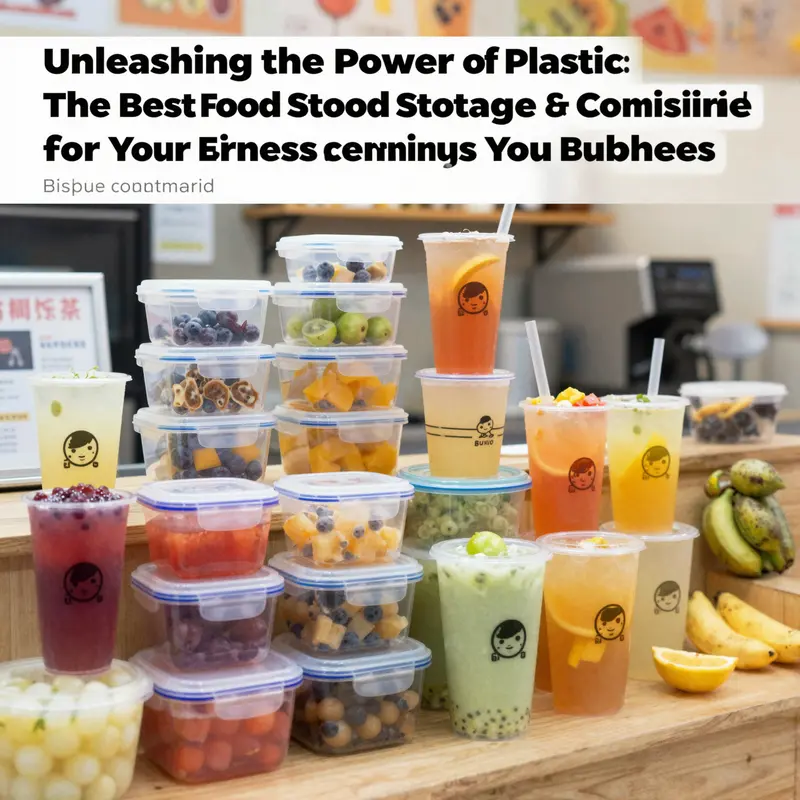
Choosing the right plastic food storage containers can significantly impact operations in bubble tea shops, restaurants, food trucks, and catering services. Reliable containers are vital for preserving the freshness and quality of your products, ensuring customer satisfaction. Focus on sealing mechanisms, material rigidity, and rigorous testing standards to choose containers that meet your needs. This article delves into these critical aspects, helping your business invest in containers that offer true leakproof performance and robust durability.
Sealing Mechanisms that Make or Break Freshness: How the Best Plastic Storage Containers Sustain Leak-Proof Freshness

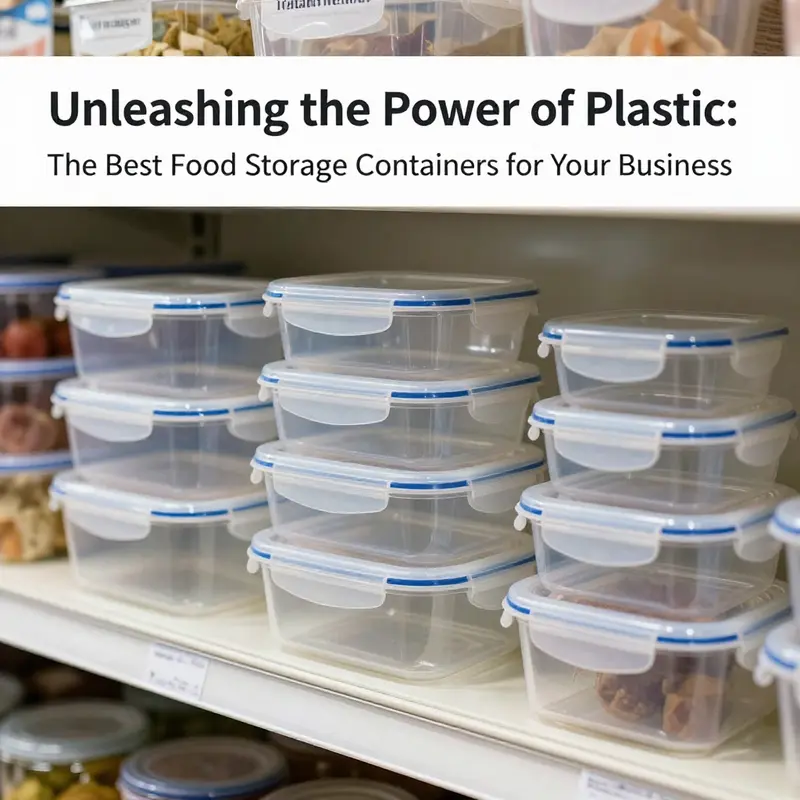
Sealing mechanisms are the quiet backbone of plastic food storage. They don’t call attention to themselves with flashy claims; they earn trust through performance that remains consistent from the first use to years of daily cycling. In practice, the best plastic containers do more than close; they create a controlled microclimate inside that guards flavor, texture, and nutrition against the relentless pressures of storage, transport, and time. This chapter unpacks how sealing systems work as an integrated whole, why certain designs routinely outperform others, and how readers can translate those design cues into smarter, more reliable kitchen choices. The discussion is grounded in the context of 2026’s leading approaches to leakproof performance, where rigid materials, precise tolerances, and transparent testing converge to deliver real-world reliability. For readers who want a concrete example of sealing in action, consider the concept of a food-grade take-away bowl with lids as a practical touchpoint for on-the-go meals and organized fridge storage. See an example here: food-grade take-away bowls with lids.
At the heart of any reliable seal is the airtight barrier that blocks air and moisture from exchanging with the contents. The gasket, whether a dedicated silicone strip or an integrated ridged seal along the lid’s inner rim, is not merely a ring of material. It is engineered to compress evenly, rebound after pressure, and resist staining or chemical attack from sauces and acids. In the best systems, air molecules are forced to move through a defined, predictable pathway rather than leaking through micro-gaps created by warped rims or misaligned lids. The choice of material matters as well. A high-grade, rigid plastic such as Tritan—an BPA-free copolyester renowned for shape retention—plays a critical role. When the container body resists deformation under load, it keeps the gasket aligned with the sealing surface. By contrast, flexible plastics have a tendency to creep, warp, or deform with temperature changes or repeated washing, slowly undermining the seal. The result is a system in which the integrity of the seal becomes a function of both gasket performance and the rigidity and precision of the body that houses it. In this sense, the best containers treat sealing as a property of the whole design, not a single component.
Another dimension of seal quality emerges in interlocking lids with gaskets. A lid that interlocks with multiple locking arms around the rim distributes pressure evenly when closed, reducing the chance that a single weak point can compromise the seal during tipping, shaking, or stacking in a crowded fridge. The mechanical advantage of several locking arms matters more than most shoppers realize. When the arms are well-distributed, the lid remains square to the rim, and the gasket remains flush, avoiding edge gaps that would become pathways for air or odors. Some lids add subtle enhancements—raised sealing ridges that compress the gasket more firmly as you close, or a slightly recessed lip that guides the gasket into position—so the seal becomes not merely airtight but resilient to the dynamic forces of transport. The result is a more forgiving system: you can seal confidently even if you’re hurried, and the lid’s retention earns the container a longer service life under daily use. This is especially true for containers designed to hold liquids or sauces, where even small deviations in closure can translate into leaks during a commute or a trip to the office.
Screw-top designs offer another path to reliability, particularly for liquids and semi-liquids. A screw-top lid with a reinforced sealing ring provides a pressure-based seal that can outperform snap-fit closures when temperature and motion are factors. Turning the cap tightens the gasket against the rim with a consistent compression that tends to resist prying or lifting. The mating geometry—how the lid seats into the body, whether the lip is machined to present a uniform sealing surface, and whether there is a guide channel to prevent cross-threading—can be the difference between a container that leaks when bumped on a bus and one that keeps its contents securely tucked away. The sealing ring itself is often shaped to distribute compression evenly around the circumference, and its material choice matters under different conditions of heat, cold, and moisture. In practice, screw-top systems shine when there is a real expectation of liquid contents, frequent transport, or exposure to temperature swings that could otherwise drive condensation into seams.
Interiors with seamless, curved interiors also contribute to sealing reliability in subtle but important ways. Rounded walls and a lack of sharp corners are not just aesthetic choices. They reduce crevices where food residues can accumulate and press against the lid’s mating surface, which over time can alter the seal’s geometry. A 750 ml container that uses a smooth interior radius, for example, is easier to clean and less prone to harbor moisture in hard-to-reach places. When moisture sits in a corner or along a seam, it can expand or contract with temperature changes, slowly pushing the lid away from the seal or creating a micro-gap that undermines airtight performance. Curved interiors thus help ensure the seal remains true after repeated cycles of washing, freezing, microwaving, and refreezing—a common pattern in households that meal-prep or batch-cook.
The smallest capacities in the lineup employ snap-lock or push-button closures to deliver quick, confident seals for on-the-go use. These mechanisms are prized for speed and user-friendliness. A one-click closure can seal a compact 200 ml container in moments, which is ideal for portion-controlled meals and snacks. The trick, however, lies in maintaining performance as contents shift. The locking arms must engage cleanly with a rim that remains undistorted, and the gasket must stay in its intended channel without creep. The more robust the system—more arms, tighter tolerances, a gasket that resists drying and cracking—the more resilient the seal will be under the daily chaos of commuting, gym bags, and school lunches. Yet even the best quick-seal designs can deteriorate if the gasket ages, becomes brittle, or is exposed to heat that softens the material. Routine inspection and timely replacement, when available, help preserve the fast-seal advantage without sacrificing reliability.
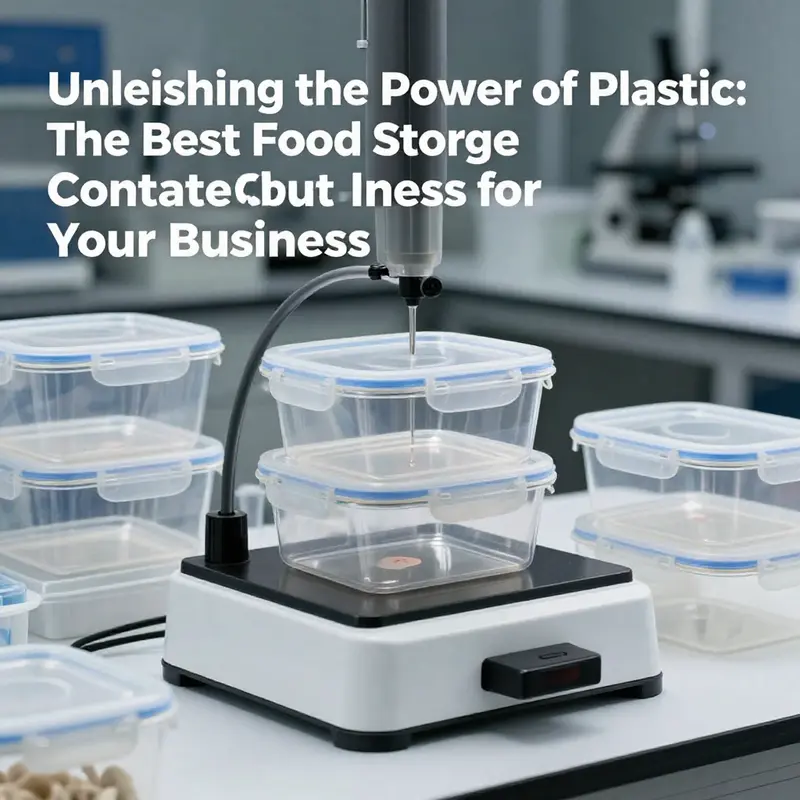
Testing standards and transparent reporting are the ultimate barometer of true leakproof performance. The most credible brands publish results from tilt tests, shake tests, and pressure tests that mirror the kinds of stresses containers experience in real life. Tilt tests simulate what happens when a bag tips over or a container sits on its side in a crowded fridge; shake tests reproduce the messy reality of a lunchbox tossed into a gym bag; pressure tests apply gentle compressive forces that reveal whether the lid maintains its contact with the gasket under squeeze. The common thread across credible results is clear communication about protocols, pass/fail criteria, and the conditions under which the tests were performed. When a product line openly shares its testing approach, it invites consumers into a meaningful, apples-to-apples comparison against other options. In this light, leakproof performance is better understood as a system outcome rather than a single feature—an approach that aligns with the view of materials scientists who stress that leakproof depends on how all parts interact under stress. The takeaway is instructive: the more transparent the testing, the more confidence a consumer can place in the seal’s durability over time.
In practical terms, the sealing design shapes how households implement storage across a wide spectrum of tasks. For meal prep, airtight seals safeguard moisture and flavor when foods chill or reheat, and they prevent cross-contamination of odors as multiple items share the same refrigerator. For snacks and portable meals, interlocking lids with gaskets ensure freshness and minimize leaks during transit, which reduces the risk of odor leakage and helps keep bags and compartments clean. For leftovers, reliable seals contribute to safer storage, especially for soups, sauces, or gravies whose aromatic compounds can migrate across a fridge if the lid isn’t tight. In a broader sense, sealing quality influences how often containers are replaced, how much plastic waste is generated, and how efficiently a kitchen runs. A dependable seal translates to fewer open containers or crusty rims, which in turn correlates with tidier shelves and less time spent on cleanup.
From a safety and material standpoint, the choice of polymer matters as much as the geometry of the seal. Rigid, BPA-free Tritan provides a sturdy backbone that holds its shape under temperature extremes, preserving the alignment of the lid against the body. This rigidity is essential because a deformed container can push the lid away from the seal, creating an unintended leak path. Tritan’s performance under cold and heat means it can withstand typical kitchen cycles—from freezer to microwave—without compromising the seal’s seating. Yet the best designs anticipate that no polymer lasts forever. A gasket that loses elasticity or a ring that slowly sags will degrade the seal’s resilience. This is why some manufacturers design gaskets to be replaceable or offer lids that can be swapped without replacing the entire container. The design philosophy here is a practical one: plan for longevity, not just peak performance in a showroom setting. Regular, gentle cleaning helps preserve gasket resilience; harsh cleaners and heat that degrade elasticity can shorten the seal’s life. In other words, the long-term reliability of a leakproof container depends on both material selection and thoughtful maintenance.
Care and maintenance, then, become an extension of the seal’s design intent. A quick routine—washing gaskets separately when possible, inspecting for cracks or flattened areas, and replacing worn parts when feasible—keeps the system faithful to its original performance. It is also wise to store the lid and body in a way that preserves gasket geometry and prevents warping. When a gasket detaches for cleaning, users gain the opportunity to remove residues that can harden and obstruct a proper seal. If a gasket is integrated into the lid and replacement is not practical, investing in a new lid can restore seal integrity without having to replace the entire container. The practical upshot is straightforward: treating the seal as a living, maintainable component of the system yields the longest-lasting, most reliable performance. The payoff is measured not in a single successful test but in years of dependable storage, fewer spillage incidents, and easier fridge organization.
To connect these design details to the broader choices a consumer makes, it helps to view sealing quality as a signal of overall value. The strongest containers do not rely solely on clever marketing for their appeal; they emphasize tested performance, durable materials, and clear maintenance guidance. A well-designed seal communicates a commitment to longevity, reduces the need for frequent replacements, and supports a cleaner, more organized kitchen. This is why many households gravitate toward systems that promise real-world resilience: a true seal is not a cosmetic feature but a core design objective that shapes everyday behavior—from how we portion meals to how we manage leftovers.
Finally, it is useful to keep a practical reference in mind when evaluating options. The seal is most informative when considered alongside other design choices, such as interior geometry, locking mechanism complexity, and material safety. The best plastic containers crystallize a philosophy of measurement and honesty: rigorous testing, transparent specifications, and designs that remain faithful to performance through repeated cycles of use. In the realm of take-away and meal-prep, this means selecting containers that demonstrate reliable airtight performance across liquid and dry foods, that tolerate dishwasher cycles and microwave use without degradation, and that maintain seal integrity even after months of daily handling. For readers who want a tangible, current frame of reference, the take-away bowl category offers a clear example of how a robust sealing approach supports practical, everyday needs—from quick meal prep to confident fridge organization. See a representative example here: food-grade take-away bowls with lids.
As readers continue to explore the landscape of plastic storage, the conversation about leakproof performance should center on systems, not slogans. A truly leakproof container succeeds because its gasket, lid, and body operate in concert under stress—tilt, shake, temperature shifts, and the jostling of daily life. This holistic view aligns with the evolving standards in materials science and design. It also invites a broader reflection on how kitchen tools shape behavior: better seals encourage better food stewardship, minimize waste, and simplify daily routines. For those who want to dig deeper into technical and quality standards that underpin modern reusable plastic storage, a comprehensive external resource offers a detailed synthesis of leakproof designs, testing methods, and performance metrics. https://www.sustainablekitchenlabs.com/leakproof-plastic-containers-2026
null
null
null
null
Final thoughts
Selecting the right plastic food storage containers is crucial for food businesses to ensure quality and performance. Prioritize sealing mechanisms, material rigidity, and rigorous testing standards to find the best options. Businesses can significantly improve their operational efficiency and customer satisfaction by making informed choices. A thoughtful investment in premium containers reflects a commitment to quality that your customers will appreciate.