
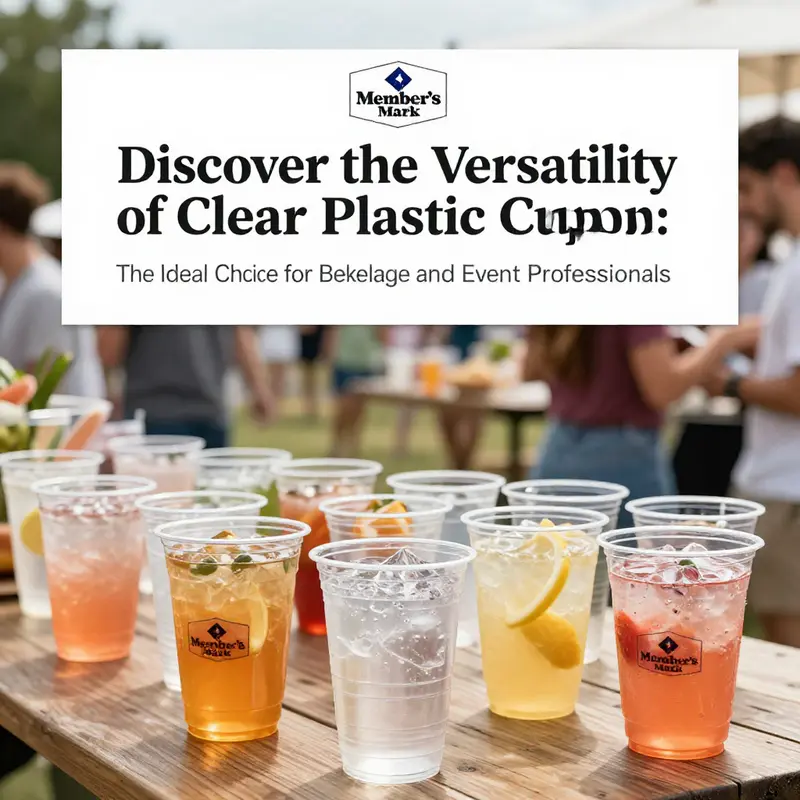
In the dynamic world of beverage service and event planning, the choice of disposable tableware can significantly affect both operations and customer satisfaction. Member’s Mark Clear Plastic Cups, designed with a 9 oz capacity and packaged in a convenient 264-count pack, offer a reliable solution for bubble tea shops, beverage chains, restaurants, food trucks, catering services, and corporate events. This article delves into the features and applications of these cups, highlighting their aesthetic appeal and functionality, while also addressing important aspects of sustainability and a comparative analysis with other disposable options. By understanding these elements, businesses can make informed choices tailored to their needs.
Crystal Clarity for Everyday Gatherings: The Practical Case for 9-Ounce Bulk Clear Cups
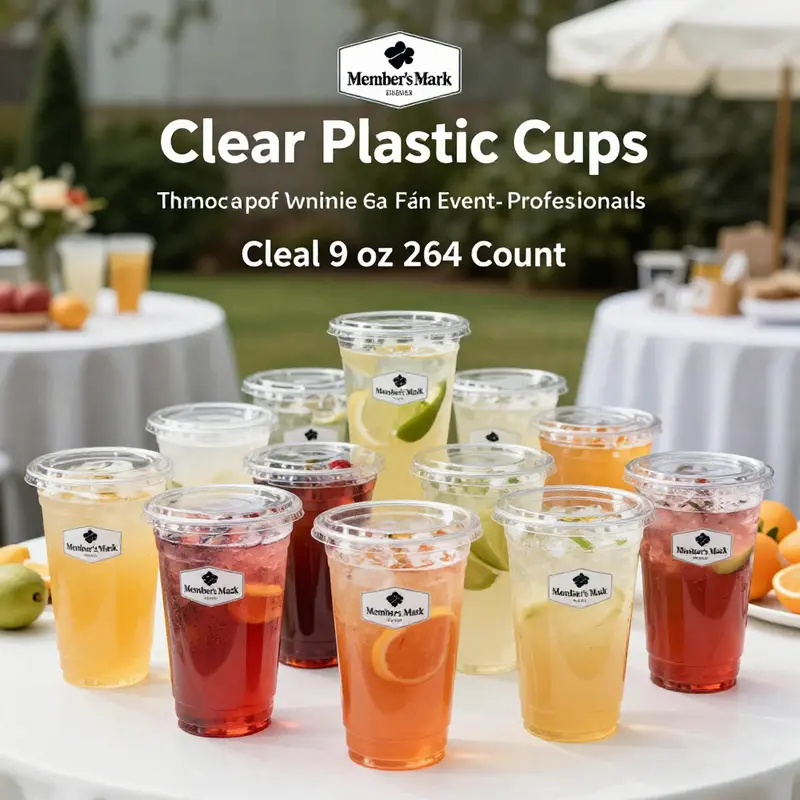
When planning gatherings, be it a family barbecue, a casual birthday, or a simple get-together with friends, one quiet workhorse tends to do more than you might expect: the bulk pack of clear 9-ounce cups. These cups, sold in sizable quantities, are designed to strike a balance between practicality and everyday elegance. They arrive in a package that makes sense for homes that host often and for small events that can crop up without warning. The 9-ounce capacity is modest enough to encourage reasonable portions, yet generous enough for a generous glass of water, juice, or a chilled beverage. In this sense, they become a default setting for serving, a reliable baseline that keeps hospitality simple and predictable. What makes a bulk 264-count pack especially compelling is not just the sheer number, but how it reshapes the rhythm of hosting. There are no last‑minute runs to the store in the middle of a party; there is a cushion of readiness. The pantry or storage closet becomes a small, well-ordered supply chain, where a single box contains a long enough sequence of cups to meet unplanned visits or an unanticipated surge in guests. It is not merely about having enough; it is about preserving the smooth flow of service, the unspoken promise that a guest won’t have to wait while disposables are tracked down or cups are ferried from another room. In this light, the bulk 264-count option is a thoughtful compromise between size and manageability, designed to reduce trips to the store while still being easy to handle and store at home.
The physical design of these cups is as important as the quantity. They are crafted from a clear, shatter-resistant plastic that mirrors the appearance of glass while offering the practicality of disposables. The transparency is more than a cosmetic feature; it is a practical aid. Visibility of the contents helps both hosts and guests assess the drink at a glance, making it easier to enforce portion control and to differentiate between beverages when several options are on the table. This clarity reduces the guesswork that often accompanies self-serve setups at parties. With a crisp, crystal-like look, the cups contribute to an uncluttered, organized presentation on the table. The round rim and smooth surface invite comfortable sipping, and the overall silhouette preserves a tidy, uniform line along the edge of a table or a serving bar. In short, the design language of these cups emphasizes ease of use without sacrificing a clean, appealing aesthetic.
Beyond aesthetics, durability matters in daily life. A reliable cup withstands the bumps and nudges of a busy gathering. A shatter-resistant construction matters not only for the safety of guests, especially children, but also for reducing waste caused by accidental drops. The material choices aim to strike a balance between sturdy performance and lightweight convenience. The cups are designed to hold cold drinks with confidence, maintaining shape and clarity even as condensation collects on the outside. They stack well for storage, too, a practical detail that saves kitchen drawer space and makes restocking straightforward after a party. This stacking capability is not flashy, but it is essential for keeping a home setup organized. A host can keep a large supply within reach, then wheel out a neat stack of cups without disrupting the flow of the event. The practical benefits of bulk purchases become most evident in this moment: a single, well-considered package can deliver weeks of hosting without additional trips to replenish supplies.
Cost efficiency is another critical dimension of bulk cups. A pack of this size reduces per-cup cost, making it easier to budget for routine hosting or for events where the guest list is uncertain. When the total count is enough to cover multiple gatherings, the incremental cost per cup tends to be lower than the cost of buying smaller quantities more frequently. It is a straightforward calculation that resonates with anyone who hosts regularly: buy in bulk, save in the long run, and avoid the temptation to skimp on quantity just to save a few dollars in the short term. This economic logic aligns well with a practical mindset about entertaining. It is not about sacrificing quality; it is about aligning the right quantity with the rate at which cups are consumed. The bulk pack helps prevent the awkward moment of running out, ensuring that hospitality remains uninterrupted and comfortable for guests.
Pairing the cups with a bulk strategy also invites a broader conversation about how households manage disposable materials. Some households aim to minimize waste by exploring compostable or recyclable options, while others prioritize the convenience of disposables for time and labor savings. The reality is nuanced: disposal and recycling policies vary by region, by municipality, and by the specific materials used in a given product. In many neighborhoods, clear plastic cups can be recycled or recycled with certain streams, but in others, the market for recycling is different, and waste management guidelines may require different handling. The bulk approach can thus be part of a larger plan that weighs convenience against environmental considerations. Hosts may decide to pair bulk disposables with recycling bins in visible locations, placing emphasis on clear labeling and quick disposal to keep the serving area tidy and efficient. In this sense, the bulk 264-count pack becomes a practical piece of a broader sustainability and hospitality strategy rather than a standalone decision.
For everyday use, the cups accommodate a range of beverages that families routinely serve. Water remains a staple, of course, but juices, iced tea, lemonades, and sodas populate the lineup when guests arrive and when early morning or afternoon gatherings take place. The clear plastic helps guests see what they are drinking, which can reduce confusion at a busy table where multiple beverages are represented. It also allows hosts to visually showcase beverage choices, another small but meaningful touch in the choreography of service. When the cups are stacked neatly and the beverages are presented with care, a table or buffet line acquires a sense of order that can calm a room even in the midst of a bustling crowd. The cups themselves become quiet partners in the event, doing their part without demanding attention or complicated setup.
When planning a shopping list or a restock plan, the bulk option also translates into practical, real-world logistics. It is easier to estimate how many cups will be needed for a week of family meals, school events, or weekend gatherings. The 9-ounce size is a versatile sweet spot: it is large enough to accommodate a satisfying drink but compact enough to avoid overgenerous pours that lead to waste. The volume of a 264-count package means that it will last through many sessions, decreasing the frequency of replacement orders and the time spent gathering supplies. For households that have a habit of hosting with little notice, a bulk supply becomes part of the toolkit that supports spontaneous hospitality, transforming what could be a minor obstacle into a smooth, seamless experience.
The choice to shop for bulk cups online reflects a broader trend in how modern households stock up for social occasions. Online marketplaces provide visibility into price, quantity, and delivery timelines, enabling a thoughtful comparison across options. It is easy to see how a bulk 264-count pack stacks up against other bulk configurations, and it is possible to read reviews from other hosts who have tested the cups in real-life settings. The digital marketplace makes it feasible to align purchases with seasonal demand, school events, and community gatherings, which often occur with predictable timelines. Even for those who host only occasionally, a bulk option offers peace of mind: a single purchase that covers several opportunities to gather and connect with others. For hosts who enjoy experimenting with presentation, the clear cups also support creative display ideas, such as color-coded drinks or themed beverage stations, where the transparency of the cup helps guests focus on the visual appeal of the beverages themselves.
In the spirit of connected, well‑documented shopping, one may also explore related options that complement the bulk cup purchase. For example, a linked suite of disposable serving items, from lids to straw-compatible designs, can streamline the setup and cleanup workflow. While not every event requires a full package, some hosts find value in a coordinated approach where cups, lids, and sleeves are sourced from the same family of products to guarantee consistent sizing and a cohesive look on the table. For readers curious about broader packaging ecosystems, a related resource delves into disposable options that pair well with cups and other serving containers, offering practical guidance on selecting compatible accessories without sacrificing convenience. See more in the linked resource above for a sense of how packaging ecosystems can support a smooth hosting experience. [disposable single-wall paper ice-cream cups with lid]
External resource: In considering the practicality of bulk disposables, it is helpful to compare with other markets and product formats that share the goal of delivering reliable serving solutions. A recent listing on a major online marketplace illustrates how bulk clear cups are positioned within a wider spectrum of disposable tableware. The listing highlights the balance of clarity, durability, and cost, which aligns with what many hosts seek when planning for recurring events. This external reference offers context for how bulk disposables are marketed and valued in real-world retail environments. https://www.ebay.com/itm/393871897787
Clear Convenience at Scale: How 9-Ounce Transparent Cups Shape Service, Style, and Cleanup at Events
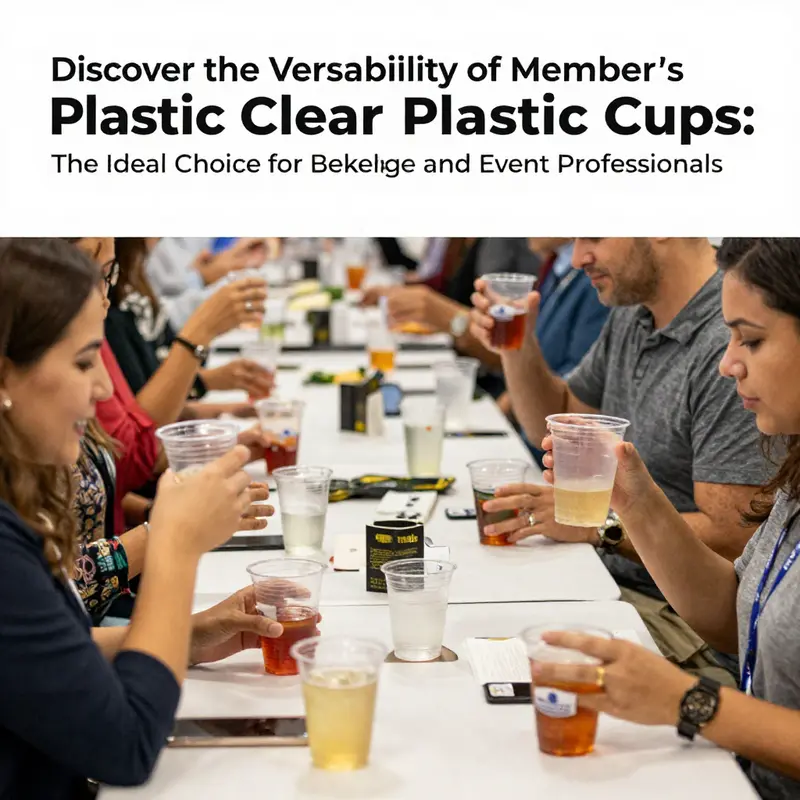
The simple, clear plastic cup is more than a vessel for beverages; it is a logistics instrument, a tactile cue of professionalism, and a small theater prop that influences how guests experience an event. In the orchestration of gatherings—from formal weddings to bustling corporate functions, from intimate rehearsals dinners to outdoor festivals—the choices around drinkware quietly determine the rhythm of service, the ease of cleanup, and the overall impression left on attendees. A 9-ounce capacity with a transparent, shatter-resistant profile, packaged in a large 264-count bundle, embodies a balance between reliability, presentation, and cost efficiency that many event planners seek but few pause to articulate. When these attributes converge, the cups become a quiet backbone of event operations, enabling service teams to move with efficiency while preserving an elevated, almost invisible, level of polish in the guest experience.
The clear design matters in subtle yet meaningful ways. First, it preserves the visual integrity of the beverage and the colors it carries. In a setting where beverages range from pale lemonades to deep iced teas and the occasional cocktail, transparency lets the liquid’s hue do the talking. Guests can quickly identify what they’re choosing, which speeds up line flow in buffet or bar-adjacent stations. There is also a confidence factor that comes with seeing the contents clearly. A well-lit beverage under a transparent cup signals cleanliness, absence of residue, and a sense of control in the service environment. In a sea of small choices that guests make at a party or conference, the cup’s see-through nature reduces guesswork and reinforces a sense of trust in the overall event quality.
Beyond aesthetics, the practicalities of a disposable cup that holds nine fluid ounces perform a quiet calculus of service dynamics. Nine ounces is a versatile mid-range size: large enough to be satisfying for most cold beverages, yet compact enough to keep guests from overindulging or wasting product in a tightly timed schedule. It is a size that pairs well with pre-made batch beverages such as iced teas, lemonades, and light cocktails, where a single serving is easily measured and controlled by the serving staff. The value proposition of the 264-count pack becomes most apparent at scale. When an event anticipates dozens to hundreds of attendees, a single bundle can cover a substantial portion of demand, reducing the frequency of restocking. This translates to smoother service lines, less interruption in the flow of guest interactions, and fewer interruptions to the event’s pacing as staff move between stations, refilling cups and restocking napkins.
The durability angle should not be overlooked, especially for events in outdoor or multi-station environments. Shatter resistance is not simply about preventing breakage; it is about enabling more forgiving logistics. Catering teams transport, stage, and place beverage stations in different zones, often with limited protection from wind, foot traffic, or accidental bumps. A cup engineered to resist cracking under typical handling adds a margin of safety for both guests and workers. It means fewer incidents of cups slipping from hands during a quick pour, fewer spills during a crowded reception line, and less concern about fragile serviceware becoming a safety hazard on busy tabletops or buffet lines. That durability, paired with the clarity of the cup, helps maintain a consistently clean presentation across the event—an element that guests subconsciously associate with the event’s overall care and attention to detail.
Another advantage of this combination—clear visibility and sturdy construction—is the ease of inventory control for event hosts and caterers. When multiple beverage options are offered at a single event, staff members can quickly verify which cups are used for which station by the presence of lids, color-coded garnishes, or the glass-like glow of the container itself. A standardized 9-ounce format across all beverage offerings simplifies the setup, reduces confusion among service staff, and accelerates the re-stocking process. The large-count packaging directly addresses the” run-out” risk that often punctuates the late portions of an event, ensuring that the service team can maintain momentum even as guest counts peak. In practice, this translates into steadier throughput at bars and buffet lines, fewer bottlenecks, and a more seamless guest journey from arrival to toast to departure.
The cups’ simple form also integrates smoothly with a broad range of beverage strategies. Cold beverages—whether traditional iced tea, classic lemonade, or freshly mixed cocktails—perform reliably in a clear, rigid cup designed for short-term use. The glassy transparency complements a cocktail hour’s visual presentation, where guests can assess the level and color of drinks at a glance. For non-alcoholic reception options, the cups help emphasize the freshness and purity of ingredients: slices of citrus ring the rim, mint leaves float on lemonade, and the true color of the drink remains unmasked by colored or opaque containers. In buffet or self-serve contexts, the cups’ neutral silhouette prevents distraction from the food display, allowing the culinary presentation to remain the focal point. In all these cases, the user experience stays smooth because the cups are designed to endure the typical detours of event service—hand-offs between servers, transfers to guest tables, and occasional gusts of breeze that could otherwise toss a lighter container around.
The value proposition extends beyond the event day itself. For planners and venues, the economics of a large-count pack of disposable cups in a standard 9-ounce size translate into predictable budgeting and reduced waste from overstock. The efficiency of bulk purchasing is twofold: it minimizes the number of separate orders and reduces the time staff spend on replenishment during the event. In turn, that efficiency supports a more relaxed, attentive service approach. Staff are less likely to rush between tasks simply to avert a shortage, and managers can allocate bandwidth to more guest-centric tasks, such as customizing beverage stations or ensuring allergen-safe stations stay clearly labeled. The aggregate effect across countless events is a more scalable service model in which the same packaging and the same cup dimension underpin a consistent guest experience, whether the setting is a casual reception or a formal, multi-day conference.
From a design perspective, the neutral, transparent aesthetic offers flexibility for branding and decor while preserving the primary function of the cup. Even if the event team keeps branding out of the cup itself, the cups harmonize with a wide range of tableware, linens, and color palettes. They can be integrated into a cohesive table-scape with minimal effort, letting the beverage and its presentation take center stage without competing with others for attention. When organizers want to add a branded touch, the typically neutral canvas of a clear cup helps ensure branding elsewhere—such as menus, napkins, or signage—reads clearly and remains legible against the backdrop of a lively reception. In this way, the cup acts as a quiet facilitator of style rather than a loud prop that demands attention. The result is a balanced environment where the practicalities of service coexist with an elevated, tasteful guest experience.
The discussion of these cups offers a broader reminder about event planning and the choices that often go unnoticed until they fail to perform. The best disposable drinkware, in essence, disappears into the event’s rhythm while quietly supporting its visible elements—the way guests move through spaces, the speed of service at each station, and the calm feel of a well-organized gathering. That is the core of why a 9-ounce, crystal-clear, sturdy cup in a generous bulk holds a meaningful place in event supply lists. It represents a pragmatic optimization: a reliable tool that reduces friction, supports rapid service, and helps deliver a cohesive, professional experience from the first handshake at the entrance to the last toast at the exit.
For readers exploring related disposable ware options, a supplier’s range includes eco-friendly, multi-purpose serving bowls and cups that emphasize durability and ease of cleanup in a kraft-paper environment. These items, while distinct from plastic cups, share a common objective: to enable service teams to move efficiently, maintain a clean presentation, and offer guests a seamless experience across different beverage and food service contexts. The alignment across product families illustrates how modern event ecosystems are built on modular, dependable components that can be mixed and matched to meet diverse format and budget requirements. In planning for an upcoming gathering, a thoughtful assessment of these components—clarity, durability, capacity, and pack size—helps ensure that every station remains fluid and every guest feels well attended.
External reference: For a broader look at disposable drinkware in practice and to explore how similar products perform in real-world settings, see the external resource provided by retail listings that document the attributes of clear, 9-ounce cups widely used in events.
External resource: https://www.amazon.com/dp/B07XW3RZKQ
Internal reference (example of related disposable ware): To see how other eco-friendly, large-batch serving options are presented in online catalogs, you can explore a related product page focused on kraft-paper serving bowls with lids, which demonstrates how durable, single-use ware can be paired with sustainable design features. Read more here: eco-friendly-1000ml-noodle-soup-salad-bowl-kraft-paper-disposable-serving-bowl-with-lid-best-selling-product.
Clear Choices, Hidden Costs: The Environmental Footprint of 9 oz Clear Plastic Cups
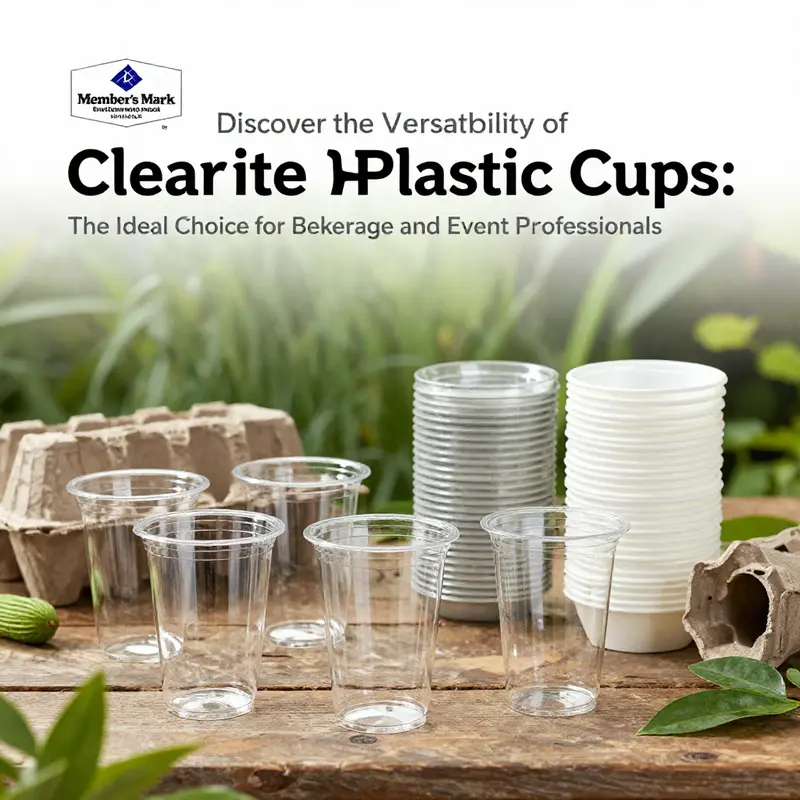
The promise of a clear, everyday disposable cup is simple at first glance: a 9 ounce capacity, a transparent shell that shows the drink inside, a bulk pack built for routine gatherings and spontaneous parties alike. Yet when the lid comes off and the clinking of ice fades into the background, a more complicated conversation begins. The cups in question are marketed as BPA free and food safe, shatter resistant for everyday handling, and designed to disappear after one use with minimal fuss. In many households and caterings, that ease translates to speed and convenience. In the broader ecosystem, that ease translates into a particular footprint that depends on how the cups are produced, what they are made from, how they are disposed of, and the state of local recycling and waste infrastructure. If we are to assess the sustainability of these clear cups, we must look beyond the gloss of safety and sturdiness and ask what happens after the last toast and the final clink of plastic on a table.
The product’s physical form is a case study in standardization. A round, clear cup offers visibility of its contents, which is aesthetically pleasing for beverages at a party or a casual gathering. It also signals broader design driven convenience: not needing to match lids to cups in many sizes, not worrying about seasoning and flavor masking through opaque containers. In high volume contexts coffee dens festivals office break rooms the bulk quantity such as a 264 count bundle reduces packaging frequency and distribution costs per unit. The ecological arithmetic, however, does not resolve itself into a neat equation with one variable. The core question remains: what is the cup made of, and what happens to it after it has served its purpose?
On the safety front, the BPA free claim is reassuring to many consumers who associate BPA with older polycarbonate drinkware and the potential leaching of bisphenol A. In disposable cups of this kind, the underlying polymer is typically either a form of polystyrene PS or polypropylene PP, with PET polyethylene terephthalate also appearing in some clear beverage containers. The data presented in the research materials do not explicitly reveal the exact resin, nor do they confirm the presence or absence of post consumer recycled content. This lack of specificity matters. Without a clear statement about recyclability, resin type, or recycled content, shoppers and retailers face a limit on predicting the cup’s lifecycle impacts. The absence of end of life information also makes it difficult to assess how recycling streams will handle these cups in different regions, where municipal guidelines can vary dramatically. Consumers who prioritize circularity may find themselves navigating a patchwork of local policies rather than a uniform, easy path to waste diversion.
The sustainability attributes of disposable clear cups become even more nuanced when we consider the broader waste landscape. Single use cups, in general, contribute to plastic waste streams unless they are properly recycled or composted where facilities exist. The typical curbside environment often treats clear plastic cups as recyclable only if they are made from materials accepted in the local program and if the cups are clean and uncontaminated. In practice contamination from sugary beverages or leftover residues can complicate recycling, and some materials might not be accepted in all districts. In other words, the decision to reuse these cups for a subsequent occasion is at odds with their intended single use design. That tension between practicality and sustainability frames many conversations around disposable serveware.
From a lifecycle perspective, the durability of the cup as a disposable item is a double edged sword. Its shatter resistant quality is a virtue in the moment of use; it reduces the risk of accidents and spills during a party or a catered service. But this same durability translates into a more persistent material presence once discarded. A product designed to perform reliably for one night or a handful of events may persist in the environment longer than intended if not properly recycled. Even if a cup is made from a material that allows recycling, the actual end of life outcome is highly dependent on the proximity and practicality of a recycling facility, the volume of mixed plastics in the local stream, and the consumer’s willingness and ability to separate and dispose of items accordingly. In short, the environmental footprint of these cups is not solely a function of their chemistry; it is a function of the systems in which they circulate after use.
The gaps in publicly available information about material composition and end-of-life options suggest a compelling need for more transparent disclosures from manufacturers and retailers. If a product can claim safety on one axis but offers scant guidance on recyclability or post consumer content, it becomes harder for informed consumers to compare options. The absence also challenges sustainability minded retailers who wish to communicate clearly with their customers about environmental tradeoffs. For shoppers who want more than convenience, this lack of detail can be a practical barrier to aligning personal consumption with broader environmental goals. In the absence of explicit commitments such as a stated percentage of recycled content, certification by third party sustainability programs, or explicit end-of-life guidance, consumers must weigh the tradeoff between everyday ease and long term ecological responsibility.
Against this backdrop, several prudent pathways emerge for readers seeking to navigate the practical realities of disposable cups. First, seek out products that publish material specifications and end-of-life options. A cup that discloses its resin type and whether it contains post-consumer recycled content provides a clearer basis for evaluating its overall sustainability profile. Second, calibrate expectations around recycling. Where local programs accept clear plastics, ensure that the items are clean and free of food residues; residual contamination can derail recycling efforts. In communities with limited recycling capabilities or where the program excludes certain plastics, the environmental advantage of using disposable cups quickly erodes. Third, consider alternatives when possible. Reusable cups made from durable materials like glass, stainless steel, or certified Tritan like plastics can dramatically reduce waste over time, especially in homes, offices, and event settings that occur repeatedly. While the upfront cost and the care required for cleaning may be higher, the long-term waste reductions and potential improvements in resource efficiency can be meaningful. And for occasions where disposables are necessary, seek options that minimize the overall footprint, whether through higher recycled content, compostability with certified facilities, or designs that encourage refillability within a single-use framework.
In contexts like the one described by the research materials, it is not enough to narrate a dichotomy between convenience and sustainability. The meaningful path forward requires a combination of transparency, policy alignment, and consumer education. Retailers who choose to stock and market these cups can play a crucial role by providing clear labels on resin type, recyclability, and any available post-consumer content. They can also support or promote purchases of higher clarity consumer guidance—perhaps through easy-to-understand disposal instructions tailored to local recycling rules. For consumers, the decision-making process benefits from access to straightforward, region-specific information about whether an item can be recycled in their community and what the end-of-life options really look like on the ground. Without this, the convenience of a bulk 264 count pack remains appealing, but the environmental cost remains uncertain and unevenly distributed.
The dialogue surrounding these cups also intersects with broader questions about how retailers articulate sustainability as part of their product narratives. Are there credible commitments behind what is marketed as a premium disposable option? Is there a pathway to reuse in some contexts, such as offering a durable alternative for events that aim to minimize waste, or at least a clear signal about end-of-life practices? These are the kinds of questions that move a consumer product from a simple purchase decision to a responsible consumption choice. The absence of explicit information should not be interpreted as a failure of accountability; it can also reflect the complexity of supply chains, the variability of regional recycling infrastructure, and the different priorities of stakeholders in the value chain. Yet it also creates an opportunity: a chance for retailers and manufacturers to be more explicit, to collaborate with waste-management systems, and to empower buyers with meaningful, locally actionable guidance.
As this chapter threads together the practicalities of handling a 9 ounce clear plastic cup with a bulk-pack convenience and the environmental realities that follow disposal, it becomes evident that there are no easy answers. There is, however, a clear expectation that consumers deserve clarity about what happens after the party ends. The narrative can branch toward more responsible procurement, more transparent labeling, and a more consistent public conversation about how single-use items fit into a future of more sustainable living. The cups themselves may be ordinary in form, but the questions they raise are anything but. They invite shoppers to think about the materials beneath the surface, the end-of-life journeys they embark on, and the ways in which small choices, made repeatedly across households and venues, shape the environmental landscape.
Within this broader context, one small but tangible step can help illuminate the path forward. For readers drawn to eco-conscious options yet bound to the realities of everyday usage, exploring a broader spectrum of servingware options such as compostable or recyclable designs with clear disposal guidance can offer practical contrasts to standard clear cups. The choice of what to serve with and how to serve it is never purely technical; it is also ethical. If sustainability is defined by a commitment to reducing harm and enhancing recoverability, then the information gap becomes a shared responsibility to fill. Producers owe it to customers to provide robust, accessible data about material composition and end-of-life outcomes. Retailers owe it to communities to align product offerings with local waste-management capabilities. And consumers owe themselves the task of asking hard questions, weighing options, and choosing paths that minimize waste without compromising everyday practicality.
External resource: To deepen the understanding of the practical realities of these products within established retail ecosystems, readers may consult the official product page maintained by major retailers. This resource provides context on safety disclosures and approved usage, alongside the standard guidance customers expect when evaluating disposable serveware in bulk quantities. https://www.target.com/p/members-mark-clear-plastic-cups-9-oz-264-count/-/A-12345678
The Clear Standard: How 9-Ounce Bulk-Clear Plastic Cups Shape Everyday Hosting
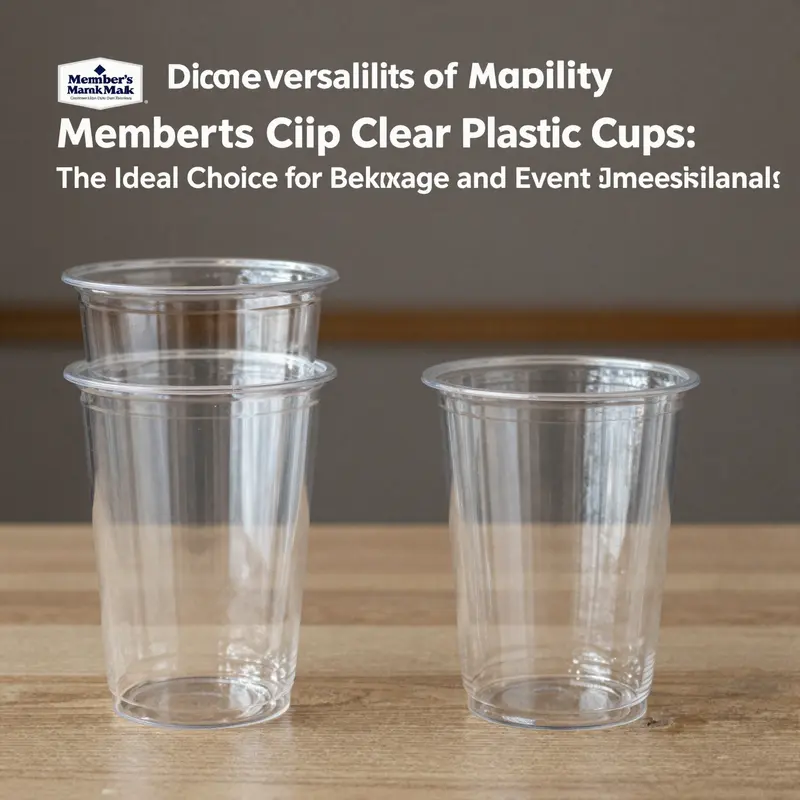
Clear plastic cups that hold nine fluid ounces and come in a bulk footprint of 264 units are a staple in many hosting arsenals. They sit at the intersection of practicality and presentation, proving useful for everything from casual family gatherings to impromptu office events. The key to their enduring appeal is not only the transparency that reveals what is inside but also the reliable performance that keeps a host from having to redraw the evening around the cups themselves. When guests slide a glass from a tray, what they notice first is that the cup is clean, unobtrusive, and designed to let the color and texture of the drink speak for itself. This is the through line that defines their value: a simple, honest vessel that disappears into the social moment while quietly supporting it with steadiness and clarity. In a world where clutter and waste can dominate a scene, the right disposable cup can make it easier to maintain order, focus on hospitality, and extend the sense that every detail was considered even in the rush of a gathering.
What makes a 9-ounce clear plastic cup particularly well suited to everyday use is the combination of form and function that these items routinely deliver. The packing dimension—large enough to be convenient for quick dessert or beverage service, yet compact enough to fit in standard storage—means a host does not have to calculate a precise number of servings before an event. A bulk pack of 264 units translates into fewer trips to the store and fewer interruptions during setup, whether the occasion is a small backyard barbecue or a midweek office celebration. The sheer practicality of bulk sizing matters as much as the look itself. When guests reach for a drink, the experience should feel seamless; a cup that maintains its shape and clarity as it reaches the table helps preserve that sense of ease. This is not merely about aesthetics. The material choice matters for how the cup behaves under common conditions—how it handles condensation, how it stacks, and how it performs when a drink is poured quickly in a crowded space.
The design is straightforward and deliberate. The cup is formed from a crystal-clear plastic that emphasizes translucence rather than opacity. This transparency is more than cosmetic; it makes it easy to identify the contents at a glance, which reduces potential delays in service and minimizes the chance of misplacing a beverage among other items on a party spread. The round mouth and uniform walls contribute to a predictable drinking experience, letting beverages flow smoothly without the awkward tilt or splash often associated with cheaper, less uniform options. Durability sits alongside clarity in the reason many hosts rely on this format. The cups are described as shatter resistant, which is a meaningful distinction when compared to traditional glass or more fragile alternatives. In practical terms, that means a crowded table or a hurried pickup line at a buffet is less likely to yield a cracked cup that interrupts the flow of service or risks spills. The implication for gatherings big and small is tangible: a dependable cup reduces the cognitive load on the host, freeing attention to be directed toward the people, not the vessels.
Capacity, of course, is a fundamental factor. Nine ounces is a sweet spot for many beverages, offering enough volume for a generous serving without becoming unwieldy in a single hand or in a crowded waste stream. It straddles the line between a sturdy, easy-to-grip serving size and a portion that remains manageable for kids and adults alike. The public display inherent in a clear cup also invites a certain social behavior; it makes it possible to exhibit color, layers, or ingredient variety in a way that can enhance the overall mood of the event. A bright orange juice, a layered mocktail, or a simple iced coffee can become more visually engaging when presented in a pristine, transparent vessel. The practical effect is subtle but real: guests feel attended to, and the host gains a tool that supports both function and ambiance without calling attention to the tool itself.
From a logistical perspective, bulk packaging carries its own set of considerations. A pack of 264 is not just about the initial checkout price; it speaks to a rhythm of stocking and replenishment. For hosts who host frequently or for events that grow beyond initial estimates, the bulk approach reduces the risk of running out mid-service and minimizes the moment when someone has to pause to locate a new container. Storage space becomes a factor as well. These cups are designed to be stacked and stored in a manner that preserves their clarity and structural integrity over time, provided they are kept dry and free from crushing pressure. The wise host will keep the pack in a cool, dry place and ensure the stack is accessible but not immediately exposed to potential knock-overs. In practice, this translates to a set of small habits that, together, preserve the value of the bulk purchase: consistent labeling of the storage location, a simple count-backcheck before events, and a quick refill plan so beverages never have to wait for a missing vessel.
An important counterbalance in any discussion of disposable tableware is the environmental footprint. Biodegradable or compostable options exist, but they often come with trade-offs. Eco-friendly alternatives can be more expensive and may not offer the same rigidity or optical clarity as traditional clear plastic. For hosts who need to balance convenience with responsibility, the decision often hinges on context. If the priority is a straightforward solution that reduces preparation time and keeps service smooth for a large crowd, bulk clear cups perform reliably within those constraints. If the priority is minimizing single-use waste and maximizing compostability, then the trade-offs in cost, durability, and performance can become more pronounced. In those moments, it can help to widen the frame of comparison beyond cost and sturdiness to include lifecycle considerations, disposal options, and the intended end use. The same choice can differ dramatically based on whether the event is a one-off family gathering, a recurring community meetup, or a corporate function with a distinct sustainability policy. Each scenario nudges the decision in a different direction, and the bulk format often remains a strong option where convenience and consistency are valued most highly.
When weighing these cups against alternatives such as paper cups or other plastic options, a few practical distinctions emerge. Paper cups may hold up better against moisture in some cases, but they tend to sog and deform more quickly when wet, especially if a beverage sits too long or if the event involves hot liquids. In contrast, the clear plastic version typically retains its shape and transparency across a range of temperatures, which can be important for both hot and cold drinks. Other plastic cups may vary in thickness, rigidity, and clarity, and the difference becomes noticeable at busy moments—during high-volume service or when beverages are being filled rapidly. The choice thus becomes a balance between a clean, neutral aesthetic and the measurable benefits of durability and visibility. In many settings, that balance tips in favor of the bulk clear option because it aligns with the practical realities of hosting: quick service, dependable performance, and a presentation that stays consistently neat throughout the event.
For readers who want to explore a broader set of disposables, including eco friendly options, there is a reference point that delves into the world of single-wall paper cups with lids and other paper-based solutions. You can explore a representative example here: senang01-hot-sale-customized-disposable-single-wall-paper-ice-cream-cups-with-lid-eco-friendly-food-grade. This link offers a lens into how non-plastic alternatives shape the conversation about convenience, appearance, and environmental impact. It is not a direct argument for one material over another, but a reminder that the material choice in a serving vessel echoes broader priorities, from speed and reliability to sustainability and end-of-life considerations. In the end, the decision rests with the host, the setting, and the expectations of the guests. The bulk nine-ounce clear cup stands as a dependable default in many contexts, precisely because it aligns with a straightforward set of needs: ease of use, clear visibility, durable performance, and the capacity to serve a sizable crowd without complicating the logistics of cleanup and refill.
The broader takeaway for readers is that the value of a bulk, clear plastic cup lies not only in the unit itself but in how it integrates with the flow of an event. It supports a social atmosphere rather than complicating it. It complements a host who wants to offer choices without becoming bogged down in container management. It stands as a reminder that sometimes the simplest tools do the most work when they are well designed, thoughtfully packaged, and used in a way that respects both guests and the environment. As you plan future gatherings, consider how such a cup might fit into your own hosting rhythm. It may be the dependable backbone of service that lets you focus on what matters most—the people around the table and the conversations that fill the room.
External resource: https://www.ebay.com/itm/134758909934
Final thoughts
Member’s Mark Clear Plastic Cups, with their robust design and clear transparency, stand out as a valuable choice for various beverage service needs. From casual gatherings to formal events, these cups provide not only functionality but also the opportunity to enhance the customer experience through visual appeal. Addressing the essential aspects of sustainability further reinforces the significance of selecting the right disposable products. As professionals in the food and beverage industry continue to seek high-quality solutions, the Member’s Mark cups represent a reliable, stylish, and responsible choice.