
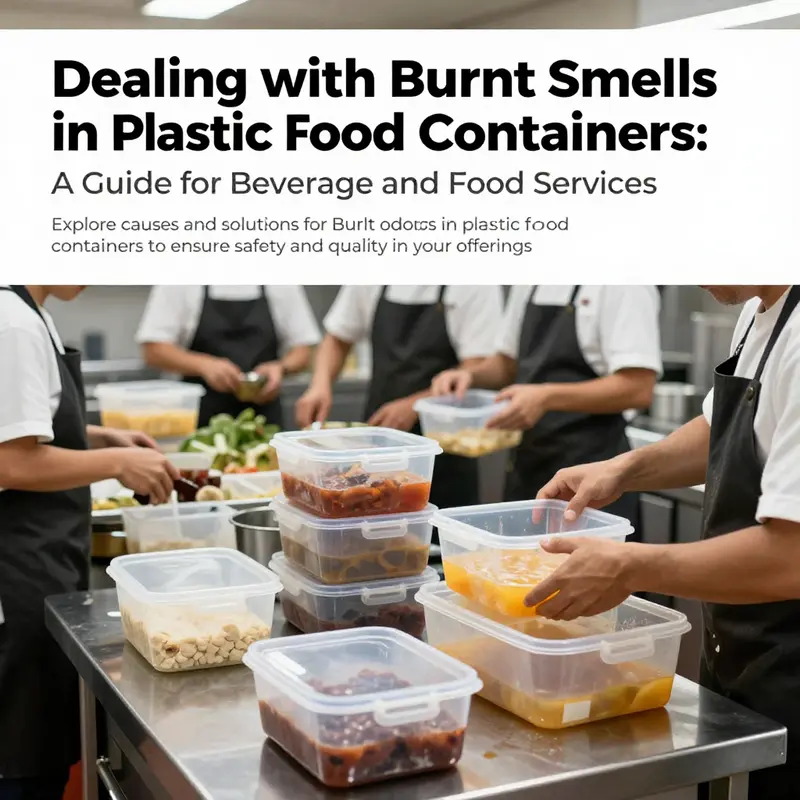
For Bubble Tea Shops, Restaurants, Food Trucks, and Catering Services, ensuring the quality of your food storage is paramount. One common issue that can arise is the burnt smell emanating from plastic food containers, which can be off-putting for customers and compromise food safety. Understanding why these odors occur—whether from overheating, residual food debris, or the quality of materials—is vital for maintaining high standards. This article will delve into each aspect: from the causes of burnt smells to effective cleaning solutions, and safe practices to avoid these issues altogether.
Burnt Odor in Plastic Food Containers: How Overheating Unravels Safety and What You Can Do

A burnt smell wafts from a plastic food container and climbs into the kitchen like a warning flare. It is more than an unpleasant odor; it signals that heat has altered the container’s chemistry and possibly released compounds that should not be ingested. In homes, where convenience often drives choices, the scorch of plastic can feel like a minor mishap. Yet behind that smell lies a physical process worth understanding. When a plastic container is subjected to heat beyond its design, its polymer chains can break. This process, called thermal degradation, changes the material’s structure and creates volatile organic compounds, or VOCs, that we can smell and, in some cases, taste. The most common plastics used for food storage, including polypropylene and related copolymers, are designed for safe use at typical temperatures. But high heat, especially from microwave exposure or direct contact with hot surfaces, can push them past their safe boundary. Even seemingly brief heating can cause noticeable changes if the temperature crosses roughly 120 degrees Celsius (248 degrees Fahrenheit). At that level, molecular fragments can crack open and release odors that resemble burnt plastic or chemical scorch. The scent is not just a nuisance; it can be a cue that the container has endured thermal stress and may be releasing substances into the food or air. In practical kitchen terms, the burnt aroma often arises in one of two ways. The container may have overheated due to direct exposure to heat during microwaving, baking, or stashing near a heat source. Alternatively, a smoldering odor can begin in situations where food residues have burned onto the surface. Oily or sugary residues can caramelize and char when heated, then cling to the plastic, producing a persistent burnt scent long after the initial heating. The distinction matters because it guides the next steps: you may be dealing with a degraded plastic that has released VOCs, or you may simply have stubborn residues that need to be removed. Either way, a strong burnt odor should not be ignored. It is a signal that the container has experienced thermal stress, and if used again, it could contribute to food contamination or chemical exposure over time. The science behind the smell traces to the chemistry of the polymer materials themselves. Polymers are long chains of molecules that, under heat, can break apart or reconfigure. When chains fracture, they form smaller volatile molecules. Some of these molecules have recognizable nose-feel: a burnt, plastic-like, or chemical scent that can become stronger with continued heating. The material quality matters, too. Lower-grade plastics or non-food-grade formulations may contain additives—stabilizers, plasticizers, curing agents, or residual monomers—that volatilize sooner or more aggressively when heated. These additives can contribute to the odor and, in some cases, raise health concerns if they leach into food or air. In such cases, the problem is not just the smell but the potential exposure during repeated use. The research into thermal degradation of plastics used in food contact emphasizes that odor is a practical red flag. It means the container has undergone structural changes, and what remains may not provide the same barrier or stability as before. The presence of a persistent burnt smell is a warning that the container’s integrity may be compromised. The same logic applies to physical damage. Warping, discoloration, or visible melting are clear signs that a container should be retired. Delaying replacement increases the risk of further chemical release and possible migration of degradation products into food. The call to action is straightforward: stop using the container, inspect for damage, and consider replacement with a more heat-tolerant option. When considering replacements, many families gravitate toward glass or stainless steel as safer, more durable options. Glass does not degrade under heat in the same way as many plastics, and stainless steel resists heat far more reliably. These materials generally provide a more inert surface, reducing concerns about chemical leaching, odor retention, and long-term degradation. It is not merely about avoiding odors; it is about reducing exposure risk in daily meals. The odor itself can also come from a combination of heat and residue, especially when a microwave is involved. Food particles left inside a container can carbonize with repeated heating. The burnt smell may become a stubborn presence that seems to reappear with every use, even after washing. In practice, cleaning becomes a critical part of the response. A thorough wash with warm water and mild dish soap helps remove surface residues. A soft sponge or brush is essential to avoid scratching the plastic, which could create micro-sites where heat concentrates in future uses. If the odor lingers, a more proactive deodorizing approach is useful. A solution of equal parts white vinegar and water, left to soak for one to two hours, can help dissolve oily residues and neutralize odors. After soaking, rinse thoroughly and air dry. For stronger or older odors, a baking soda or lemon juice approach can work. Place a bowl of baking soda or lemon juice inside the container, cover it, and let it sit overnight. The baking soda acts as a mild base to absorb acids and odors, while lemon juice provides a fresh citrus aroma and additional acidic cleaning action. It is important to limit these treatments to containers that are clearly marked as food-safe. The goal is to restore cleanliness without introducing new residues. While cleaning can be effective for immediate odor control, the deeper lesson is about how heat interacts with the material. If the burnt smell persists after cleaning, the safest course is replacement. An introduced chemical scent is sometimes not completely removed by cleaning alone. Continuous odor presence may indicate that degradation products or leached compounds have formed and are now embedded in the plastic matrix. Longevity also comes into play. Even if a container seems structurally intact, repeated exposure to heat can gradually erode its properties. Scratches and micro-abrasions from prior heating act as heat-concentration sites, accelerating breakdown in those zones. In this light, prevention becomes a practical art. First, always use microwave-safe containers that are explicitly labeled for such use. Labels that read microwave-safe or oven-safe are not guarantees; they are indications that the manufacturer has tested for typical consumer use. Second, avoid heating foods directly in plastic containers unless the product is designed for it. Stovetops, broilers, and conventional ovens reach temperatures well beyond what most plastics can safely endure. Third, permit hot foods to cool slightly before transferring them into plastic containers. Pouring or spooning hot meals into plastic containers can generate a thermal shock that strains the polymer and accelerates degradation. Fourth, practice mindful heat exposure. Do not leave containers in hot cars or near ovens, and store them away from direct sunlight. All of these steps reduce the likelihood of reaching the threshold where the polymer breaks and VOCs emerge. The research also notes the health caution that a burnt odor should raise concerns about potential chemical leaching. While a single off-gassing episode is not automatically dangerous, persistent odors signal more substantial exposure could occur over time. The presence of certain additives, such as stabilizers or monomer remnants, can contribute to this risk, especially when containers are subjected to repeated heating. For households that routinely heat or reheat meals, selecting materials with robust heat resistance and safer additive profiles becomes a central decision. In the broader context of kitchen safety, a burnt smell in a plastic container intersects with broader guidelines about food-contact materials. Regulatory bodies emphasize that using food-grade materials and following labeled usage instructions is essential. The emphasis on safety does not end with initial purchase; it extends to daily habits, cleaning practices, and timely replacement when signs of wear appear. The chapter also touches on a practical nuance: new containers may emit a temporary odor when first used. This off-gassing phase can be more noticeable with new plastics, but a strong, lasting smell should not be dismissed. If the scent remains after several thorough cleaning cycles, it is prudent to treat the container as compromised. A final note helps bind the practical guidance to everyday life. When the burnt smell arises, it is not merely an annoyance. It points to a material undergoing heat-induced change. The safest response is to replace the container with a product designed for higher heat exposure and with a proven history of safe food contact. In this way, the kitchen remains a place of nourishment rather than a concern for chemical exposure. For those who want to explore safer design options and a broader set of containers, one practical path is to consider durable, food-grade options for everyday use. food-grade take-away bowls with lids can serve as a reference point for quality and safety standards, especially for meals that require reheating or quick storage. While no single product guarantees perfect performance in every scenario, relying on materials with clear safety labels, robust heat resistance, and easy, thorough cleaning reduces risk. This approach aligns with the broader body of guidance from food safety authorities and environmental health research. The underlying message is clear: heat, not food alone, drives the chemistry of containers. A burnt odor is a practical alarm bell. It invites inspection, thoughtful cleaning, and prudent replacement. It also invites a shift toward materials that resist heat better and maintain their integrity with repeated use. In everyday practice, be selective about what you heat, how you heat it, and how you care for the vessel that holds your meals. When in doubt, favor safer materials, and treat a stubborn odor as a sign to reassess. The kitchen is a daily laboratory, but it should be a safe one. External references can help anchor these practices in recognized guidelines. For authoritative guidelines, consult established food-contact material resources such as the FDA. https://www.fda.gov/food/food-contact-materials/food-contact-materials
Trace, Heat, Odor: Unraveling the Burnt Smell in Plastic Food Containers Through Residual Debris
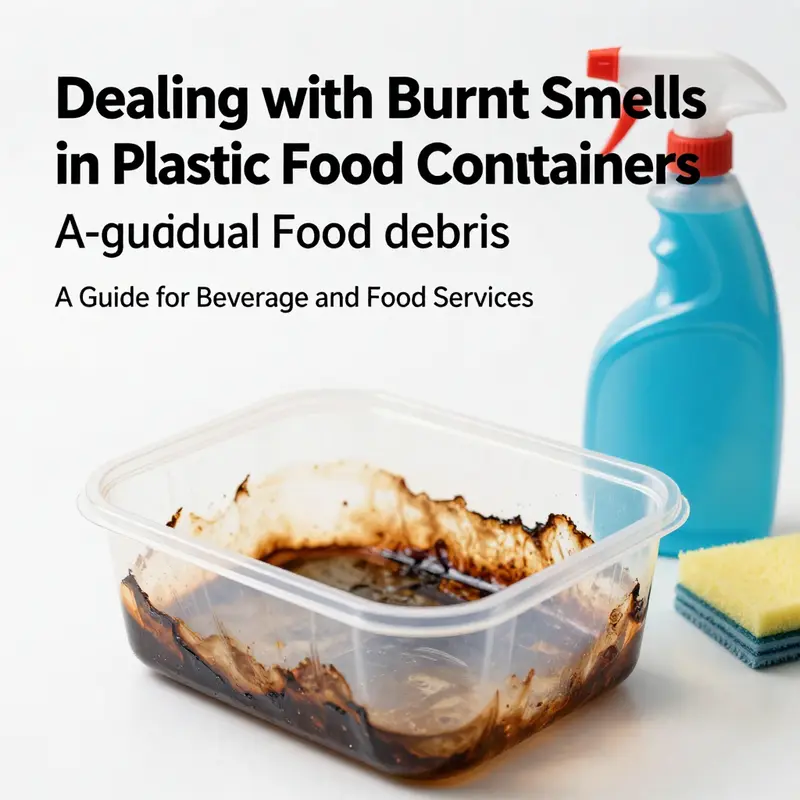
A burnt smell emanating from a plastic food container is a familiar domestic moment, yet its roots are often subtler than a simple heat failure. In many kitchens, the aroma is less a sign that the plastic itself has given up and more a signal that stubborn, unseen debris has found a way to transform under heat. Residual food debris, especially traces of fatty or sugary foods left behind after storage or serving, can cling to the container’s interior—especially in tight corners, along the lid gasket, and in the seams where a sponge struggles to reach. When the container is heated, those traces can carbonize. The charred film acts like a tiny odor factory, releasing a burnt scent that clings to the plastic and then to the air you breathe. What makes this pattern insidious is that the plastic surface may appear clean after a quick rinse, while microscopic pockets of residue persist. The odor, then, is less a symptom of a single catastrophic plastic failure and more the cumulative result of imperfect cleaning meeting cumulative heat. The result is a repeating cycle: a reheated meal carries forward the scent, the container clings to more residue, and the next use re-warms this stubborn remnant into a more pronounced burnt aroma.
From a practical standpoint, the burnt scent linked to residual debris is strongest when fats and sugars are involved. Fatty residues can leave a slick film that deepens with each reheating, while sugary residues caramelize and darken in the micro-environments where heat concentrates. These substances have a lower burning threshold than dry food particles, so a small smear can become a smoky layer after a brief stint in the microwave or under a hot appliance. The odor you notice is the confluence of several micro-reactions: the breakdown of food oils, the oxidation of sugar-rich residues, and the sorption of volatile compounds into the plastic matrix itself. The net effect is not simply a smell; it is a persistent, evolving scent profile that can intensify with each reuse if the container is not thoroughly cleaned. The household reality is that many containers hide residues that are invisible to the eye but accessible to heat and moisture, creating a feedback loop of odor that can be hard to eradicate without deliberate intervention.
What makes residual debris a particularly worrisome culprit is the way it travels within the kitchen ecosystem. The same container often serves multiple meals, and odors can migrate between containers through shared storage space, especially when containers are nested, stacked, or stored while still damp or warm. The lid gasket, in particular, becomes a magnet for microscopic crumbs and film. Scratches and micro-roughness provide nooks where food bits lodge and where a sponge’s reach is insufficient. When the container is warmed again, those trapped particles reheat and reignite the burnt scent, sometimes in a more diffuse way, sometimes as a sharper, more persistent odor. This is why a burnt smell can linger even after what seemed like a thorough washing. The real-world implication is straightforward: if you suspect residue is driving the odor, the cleaning process must be thorough, targeted, and sustained across multiple cycles of use to break the cycle. In the broader public-health discourse, this pattern reinforces a simple principle: odor is not just a nuisance; it is a diagnostic signal that the interior environment of your container is not fully neutralized and may be evolving under heat exposure.
The cleaning response to residual debris must be deliberate and thorough. Begin with a prompt rinse immediately after use to dislodge loose particles. Then wash with warm water and mild dish soap, paying careful attention to hard-to-reach zones—corners, seams, and the lid’s gasket. A soft sponge or brush is essential, because a stiff scrubber can scratch the plastic and create more crevices for debris to cling to. For stubborn odors, a deeper treatment helps. Soaking the container in a warm water solution with baking soda—about one tablespoon per quart—for several hours or overnight can neutralize acidic and basic residues and shift the odor balance away from the burnt spectrum. After soaking, rinse thoroughly and allow the container to dry completely. If odor persists, a vinegar-and-water soak is a valuable alternative; the acetic acid in vinegar can help break down oils and residues without harsh chemical interventions. This method should be used with caution on older plastics that may be more brittle and with containers showing no visible damage. Another simple tactic is placing a halved lemon inside the container, sealing it, and letting it rest overnight. The citric acid from the lemon acts as a gentle deodorizer and can brighten the interior surface. Taken together, these approaches form a practical, non-toxic toolkit for recapturing the fresh feel of a clean container.
Beyond cleaning, the story of burnt plastic odor must be anchored to how the container is used in the broader kitchen workflow. Heating plastic is inherently risky unless the container is explicitly labeled microwave-safe or oven-safe. Even then, prolonged heating or extremely high temperatures can cause the plastic to soften, deform, or release volatile compounds. A prudent practice is to heat foods in glass or ceramic containers and only transfer to plastic for short-term storage after the heating process is complete and the container has cooled. This ritual—reheating food in appropriate vessels and limiting heat exposure to plastics—reduces the likelihood that residues will burn and that the plastic will degrade in a way that compounds the odor problem. It also aligns with a precautionary approach to food safety: if there is any doubt about the integrity of a container after repeated heating, its safety for contact with food should be reassessed.
If the burnt odor persists despite diligent cleaning and careful heating practices, replacement becomes a sensible, even necessary, action. Odor retention can reflect micro-scratches or micro-porosities that harbor residues and are resistant to routine cleaning. In such cases, transitioning to non-plastic alternatives for reheating and storage can be the most reliable option. Glass and stainless steel containers tend to resist odor absorption more effectively and maintain structural integrity under heat. When choosing replacements, focus on materials with clear heat-tolerance labeling and food-contact assurances. This is not merely about convenience; it is about ensuring that the storage and reheating process does not introduce new odors or potential chemical migration into food. If a shift away from plastic is not immediately feasible, it is wise to retire any container that shows warping, discoloration, cracks, or hazing, because these signs signal that the barrier properties of the container may be compromised and odor or chemical transfer could occur under future heat exposure. In this landscape of choices, a non-plastic option often stands out for households that heat and reheat foods regularly, providing a practical means to reduce odor retention and minimize risk.
For those curious about safe, non-plastic reheating and serving options, consider a durable alternative such as an eco-friendly kraft paper option designed for take-out and serving scenarios. The idea is to minimize heat exposure to the container material while maintaining practical handling and stacking. If you are exploring non-plastic reheating and serving solutions, you can learn more about a non-plastic option described as an eco-friendly disposable kraft paper bowl with lid. eco-friendly disposable kraft paper bowl with lid](https://cupbowlpack.com/product/senang-1200ml-heavy-duty-eco-friendly-disposable-waterproof-kraft-paper-octagonal-bowl-with-lid-for-snack-candy-pet-food/). This type of container is designed to withstand typical meal-service scenarios without relying on plastics, which helps eliminate the risk of chemical leaching or odor carryover associated with repeated heat exposure.
Amid these practical steps, it is helpful to keep the broader evidence base in view. The burnt odor linked to plastic containers is not only a home kitchen concern; it sits at the intersection of food safety and materials science. Authorities emphasize the importance of using materials that are explicitly labeled for the intended heat exposure and of avoiding heat applications on plastics that lack clear safety labeling. The principle is straightforward: if a container is not designed for heating, do not subject it to high temperatures, and opt for safer, odor-resistant materials for frequent reheating. This framework helps households reduce odor problems and protects the integrity of meals from the kitchen to the table.
In sum, the burnt smell associated with plastic food containers is most often a consequence of residual debris left behind after prior uses, compounded by the heat of reheating. Thorough cleaning, careful handling, and prudent material choices together form a robust strategy for mitigating odor formation. When cleaning fails to extinguish the scent or when physical signs of damage appear, replacement with safer materials offers a reliable long-term solution. The goal is not merely to erase a fleeting odor but to reduce residue in places where heat concentrates, to prevent polymer degradation that can release new compounds, and to safeguard the sensory and safety aspects of everyday meals. By embracing deliberate cleaning routines, careful usage practices, and thoughtful material choices, households can maintain a kitchen environment that is both pleasant and safe, with fewer encounters with the telltale burnt aroma that once seemed inevitable in the presence of residual debris. External resource: https://www.acs.org/content/acs/en/education/whatischemistry/landmarks/plastics-and-food-safety.html
Heat, Odor, and Material Truth: How the Quality of Plastic Food Containers Shapes Burnt Smells
A burnt smell wafting from a plastic food container often feels like a nuisance, but it carries a deeper message about what that container is made from and how it is used. When a scent of char or chemical breadlines the air, it is typically not merely the result of a single careless moment. It is the product of interaction between heat, material composition, and aging. Understanding this interaction helps consumers, cooks, and researchers alike distinguish between a temporary nuisance and a genuine safety risk. It also clarifies why some containers retain a stubborn odor long after washing, while others emerge from the same kitchen with little more than a memory of last week’s lunch. The scent is a clue about quality, and quality, in turn, is a policy of careful design, strict manufacture, and disciplined use. In the end, the path from odor to safer choice rests on recognizing three core realities: first, the temperature tolerance of the plastic; second, the presence and behavior of additives; and third, the consequences of wear and incomplete polymerization over time. Each of these elements can alone or in combination produce the unmistakable, sometimes unsettling, burnt aroma that arrives when heating food in a plastic container beyond its comfort zone.
High on the list of culprits is overheating. Plastic containers are engineered to handle heat, but within strict limits. Most food-grade plastics used for containers rely on polymers such as polypropylene (PP) or polyethylene (PE). These materials are chosen for their inertness, durability, and relatively stable interaction with common foods. Yet they are not cooking vessels. When a container is placed in a microwave, near a hot stove, or in an oven, the heat can push the plastic beyond its safe threshold. The result is a cascade of molecular changes. The polymer chains may begin to break, the additives may migrate or volatilize, and the surface can soften or warp. Even brief exposure to temperatures at or above about 120°C (248°F) can initiate chemical processes that release volatile compounds. These volatile byproducts are often responsible for the characteristic burnt or acrid odor. The more a container is exposed to heat—repeatedly or for longer durations—the greater the chance that the odor will intensify or become persistent.
A second dimension involves what remains inside the container after the meal is finished and the container is closed for storage. Residual food debris, particularly oily or sugary substances, can burn when heated again. If a container is not cleaned thoroughly and is then heated, the burned residues may stick to the interior surface. As heating continues, these residues can break down and release their own distinctive odors, which can mix with or amplify the burnt plastic scent. This is not a purely cosmetic issue. Burned residues can emit complex organic compounds that may become more pronounced after a few uses. The implication is simple: proper cleaning between uses is a practical defense against stubborn odors. A quick wash is often not enough; in some cases, a more deliberate soak or scrape is necessary to remove sticky residues that can char during reheating.
The third factor is the inherent quality of the material and how it ages under heat. Not all plastics are created equal in terms of safety and odor. High-quality, food-grade resins are formulated to minimize odor release as they approach their thermal limits. They use additives that are intended to be stable under heat and to resist leaching. In contrast, lower-quality plastics may rely on recycled content, improvised blends, or resins that are not fully compatible with food contact. In such cases, three mechanisms come into play. First, plasticizers—substances added to make plastics flexible, such as certain phthalates—can migrate out of the material when heated. As they degrade, they emit volatile organic compounds that contribute a sharp, chemical, or burnt smell. These substances are more likely to appear in older containers or those mislabeled as food-safe. Second, residual monomers or oligomers left over from imperfect polymerization can volatilize upon heating. If the container is not properly cured or finished, trace amounts of raw materials may accompany the aroma. Third, thermal decomposition products arise when the polymer itself begins to break down under heat. Aldehydes, benzene derivatives, and other volatile compounds can emerge, creating a distinct burnt or charred odor signature that often accompanies aging or overuse.
The quality story is not just about the resin. Surface condition matters, too. A container with scratches, micro-cracks, or discoloration presents more surface area where heat concentrates and where degradation can initiate. In practice, wear accelerates chemical changes and fosters odor release. Pigments and printed designs can also influence odor by releasing additional off-gases when heated. The cumulative effect is that even with the same base resin, a worn container may emit a stronger or longer-lasting burnt odor than a pristine one. This is why the lifecycle story matters: aging containers accumulate micro-impacts from repeated use, cleaning, and thermal cycling, all of which can shift their odor profile toward the burnt spectrum.
Given these realities, what should a careful consumer do when faced with a burnt smell from a plastic container? The first course is clear and non-negotiable: stop using the container for heating. The strength of the odor often signals that the chemical processes are underway, and continuing to heat may release more compounds into the food or the surrounding air. Next, inspect the vessel for damage. Warping, discoloration, or cracks are red flags that the material has been compromised. If deformation or melting is evident, the container should be discarded. A thorough cleaning follows, but it must be grounded in an honest appraisal of whether the odor persists after washing. Warm water, mild dish soap, and a soft sponge are standard, but stubborn odors may demand more deliberate steps. One practical approach is a soak in a solution of white vinegar and water for an hour or two, followed by thorough rinsing. The acetic acid can help neutralize some organic residues and reduce odor. Another option is to place a bowl of baking soda or lemon juice inside the container, seal it, and let it sit overnight. The alkaline or citric action can absorb and neutralize odor-bearing compounds. These methods are not guaranteed to remove all smells, but they are consistent with minimizing exposure to potential toxins and reducing the odor intensity.
If odor persists or if there are any signs of material fatigue, replacement becomes essential. The safest path is to switch to containers designed for higher heat tolerance and with clear labeling that they are food-safe and microwave-safe where applicable. In many households this means turning to alternatives that offer better resistance to heat and chemical stability, such as glass or stainless steel. These materials are mechanically robust and generally do not harbor the same propensity for releasing volatile compounds when heated. They also tend to be easier to clean and less prone to accumulating residual organic matter that can burn during reheating. The broader takeaway is straightforward: material quality matters. The better the material is engineered for food contact and the more faithfully it adheres to relevant standards, the lower the risk of burning odors and chemical migration during heating.
From a broader perspective, this topic sits at the intersection of consumer safety, product design, and regulatory oversight. Standards for plastic materials and articles in contact with food play a critical role in shaping how containers are made and tested. For instance, when manufacturers adhere to recognized standards, such as those that govern safe temperatures and migration limits for additives, the likelihood of emitting a burnt odor during legitimate use diminishes. In regions where these standards are well defined and enforced, the average consumer benefits from more consistent performance and clearer labeling. The literature on material quality reinforces a practical ethic: invest in well-made, clearly labeled containers and retire any vessel that shows wear or persistent odor after thorough cleaning. This approach aligns with a precautionary mindset that prioritizes health and comfort in everyday cooking and storage.
To bridge the gap between practice and choice, consider the alternative packaging options that emphasize safety and sustainability. For readers who want to explore non-plastic alternatives or at least lower-risk options, an example is the use of recyclable kraft paper containers for take-away meals. These products, marketed as environmentally friendlier and increasingly designed for food contact, offer a different odor profile and heating behavior compared to many traditional plastics. See one practical example of recyclable kraft paper containers that adapts to take-away needs without relying on conventional plastics: recyclable kraft paper containers.
Ultimately, the burnt odor you notice is not merely an irritant; it is a diagnostic clue about the container’s material story. When a container smells burnt after heating, it is a signal that the polymer may be nearing the end of its safe life, that additives may be volatilizing, or that hidden residues are becoming problematic. Embracing this insight means prioritizing safety and choosing products that meet explicit food-contact standards, ensuring that the vessels you heat your meals in are designed to withstand the temperatures you actually use. It also means recognizing when cleanup alone cannot restore safety and odor quality, and that replacement with proven, higher-quality, heat-tolerant options is the prudent course.
For readers seeking authoritative guidance on materials, formulations, and safety, it is helpful to consult formal standards and regulatory resources. The GB 4806.7—2023 standard, for example, outlines the national safety framework governing plastic materials and articles in contact with food. It provides guidelines that help explain why certain plastics are treated as safe for contact and how resistance to thermal degradation is measured under defined conditions. This standard, and others in the same family, informs manufacturers and informs consumers who demand clarity about what is safe to heat and what should be avoided. The practical upshot is a clearer path to safer kitchen practices, backed by recognized regulatory principles.
In sum, the burnt odor from a plastic container emerges from a confluence of heat exposure, material quality, and wear over time. High-quality, food-grade resins like PP or PE, used within their safe temperature boundaries, tend to perform with minimal odor. Lower-quality or non-food-grade plastics, especially those with additives like plasticizers or those compromised by aging, are more prone to releasing strong, burnt smells. The mitigation strategy is straightforward: stop heating in suspect containers, inspect for damage, clean thoroughly with proven methods, and replace when necessary with safer, more durable alternatives. The scent, in its own way, invites a conversation about design intent, practical use, and the ongoing commitment to safer cooking and storage practices. As standards and consumer education continue to evolve, the path toward odor-free heating becomes not just a preference but a matter of informed choice and public health.
External reading for further context on food-contact materials and safety standards can be found at the following resource: https://std.samr.gov.cn/gb/search/gbDetail?gbCode=GB%204806.7-2023
Beyond the Scent: Understanding Burnt-Plastic Odors and Practical Cleaning for Food Containers
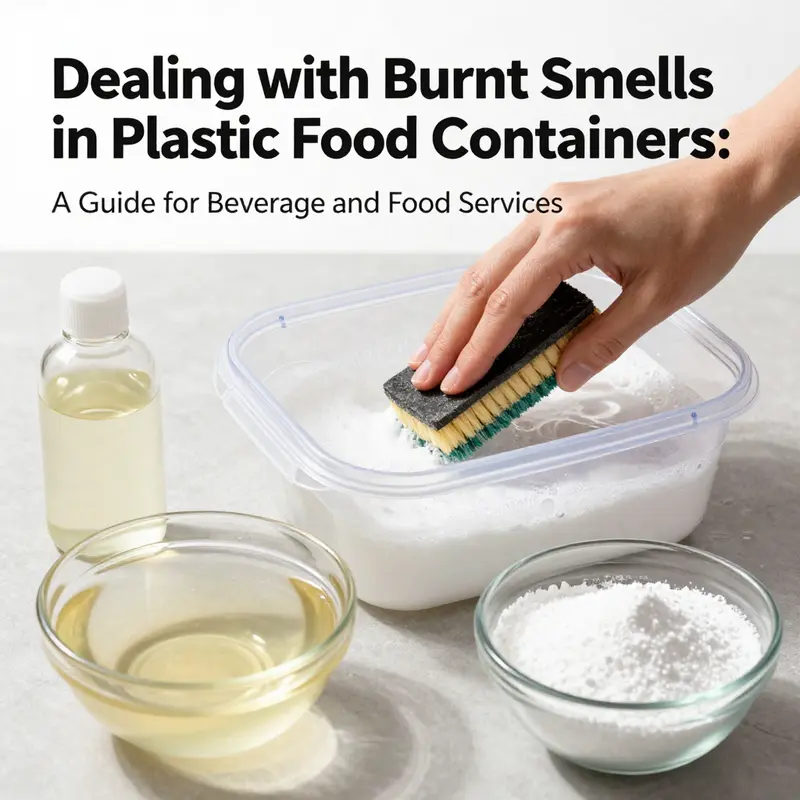
A burnt smell rising from a plastic food container can feel like a small domestic mystery, but it’s rarely merely a quirk of odor. It is, more often, a signal about how heat interacts with the materials we rely on to store and heat our meals. When plastic containers are exposed to high temperatures—even briefly—the polymers can soften, degrade, and shed volatile compounds that emit a burnt or acrid scent. The odor is not just a nuisance; it can indicate the release of substances formed by molecular breakdown. The same principle applies when a container is used in a microwave, an oven, or placed near a hot stove. The smell lingers because plastic surfaces have microstructures that invite odors to become trapped, especially if the container has residual food residue that burns during heating. Over time, this combination of heat, trapped molecules, and imperfect cleaning can turn a simple container into a persistent source of aroma you would rather avoid, and, in some cases, a potential chemical exposure risk that warrants caution.
The science behind these smells points to three common culprits. First, overheating or repeated high heat exposure is a frequent offender. Plastics are designed for uses that involve low to moderate temperatures, and even containers marketed as microwave-safe have limits. High heat can cause the surface to soften and the polymer chains to rearrange, releasing volatile organic compounds (VOCs) that carry the burnt note. Second, residual food debris that burns during heating can coat the interior with charred fats, sugars, or proteins. Once the heat dries these residues, they bake onto the plastic in a way that becomes stubborn to remove. Third, the material itself—especially lower-grade plastics or those with additives not intended for frequent heating—can degrade over time. Additives such as certain plasticizers or colorants may break down and emit smells when stressed by heat, leading to a smell that can feel stronger or harsher than expected. Understanding these mechanisms helps explain why simply rinsing a container often fails to fully restore its original odor after a mistaken high-heat moment.
What follows is a practical approach to breaking down trapped smells and deciding when a container has crossed a line. The method centers on two principles: open the pores of the plastic to release trapped molecules and introduce neutralizing agents that can chase away the stubborn odors. Steam cleaning with vinegar leverages the penetrating power of steam and the acidity of acetic acid to destabilize odor compounds. The method is straightforward and can be surprisingly effective at loosening any lingering film inside the container. The procedure calls for equal parts white vinegar and water, filling the container, and microwaving on high until a rolling boil occurs. The steam should fill the kitchen, a sign that the liquid is releasing vapors from the plastic’s interior. After a pause to allow penetration, the container is emptied and washed with warm, soapy water. The acetic acid in vinegar not only helps break down odor molecules but also provides a degree of surface disinfection, which is a practical bonus when the container has seen many meals.
A complementary approach is a baking soda soak. Baking soda has long been a home deodorizer, prized for its ability to absorb odors rather than merely mask them. The recommended ratio—one tablespoon of baking soda per quart of water—creates a mild, non-abrasive soak that can draw embedded smells out of the plastic’s micro-pores. Overnight soaking gives the baking soda time to equilibrate, releasing cleaner surfaces after a thorough rinse. The combination of vinegar steam and baking soda soaking works because it engages both the surface chemistry of the plastic and the tough, embedded molecules that have found a home in the microstructures of the material. Together, these steps can shift a container from “still smells like burnt plastic” to “ready for another round of safe use.”
Of course, there are cautions to observe. Repeated exposure of certain plastics to heat and acidic solutions can cause some degradation over time. The method is not a green light to heat non-microwave-safe plastics or to rely on acidic treatments as a routine cleanser for every container. In the long run, prevention matters as much as remediation. Whenever the container’s integrity is compromised—warping, discoloration, visible melting—discarding it is the safer choice. For foods with strong odors or highly aromatic ingredients, choosing storage options that resist odor absorption can save a lot of cleaning effort and future headaches. In this regard, glass and stainless steel are popular alternatives because they are more resistant to odor absorption and are easier to deodorize when needed.
The logic behind the cleaning steps is rooted in how plastic traps and retains odor compounds. Plastic’s porous microstructure forms tiny recesses where VOCs can settle and persist even after a normal wash. Unlike glass or metal, which offer smooth, non-porous surfaces, plastic holds onto molecules more tenaciously. The “open up the micro-pores” idea thus becomes a practical metaphor for odor removal: heat and a deodorizing agent work together to loosen the bonds that keep the smell imprisoned inside the surface. Steam acts as a carrier that pushes into narrow crevices, while the vinegar and baking soda react with odor molecules to neutralize or convert them into less volatile forms. The combined effect is not dramatic chemistry-class theater, but a quiet, effective cleansing that reduces the risk of re-emission during future use.
A note from researchers and environmental health advocates reinforces the kitchen’s chemical reality. The principle articulated emphasizes that natural acids and absorbents found in everyday kitchen staples are highly effective at breaking down organic residues and deodorizing appliances without introducing new toxins. This insight underlines the practical advice that household deodorizing with vinegar and baking soda can be a safe, toxin-minimizing strategy when used judiciously. It also suggests a broader philosophy for kitchen hygiene: leverage simple, familiar agents that offer dual benefits—deodorization and disinfection—without complicating the chemical landscape of your kitchen.
If the smell persists after a thorough cleaning, or if the container shows any sign of damage or deformation, replacing it becomes a prudent choice. Odors that refuse to fade can indicate more persistent internal changes or chemical leaching that can contaminate future meals. In such cases, turning to safer storage options—like glass or stainless steel—reduces the risk of chemical leaching and makes odor management more predictable. Guidance from food safety authorities endorses using materials that are design-approved for specific applications, and many experts advocate for avoiding heating any food in plastic containers not explicitly labeled for microwave or oven use. The practical consequence is a shift toward storage containers with robust heat resistance and easier deodorization when needed. For those who want to align everyday practices with broader safety standards, consulting trusted sources such as the FDA or NIEHS provides authoritative context on food-contact materials and their safe use.
For readers who want a broader perspective on alternatives to plastic or ways to diversify kitchen storage, there are practical pathways. One option is to explore eco-friendly packaging solutions made from kraft paper and related materials. These options can offer a lower risk of odor transfer and easier cleaning. A relevant example in this space is an eco-friendly disposable kraft paper packaging line that emphasizes customizable size, color, and embossing options, which can serve as a viable alternative to traditional plastic storage when heat tolerance is appropriate for the product design. [Eco-friendly disposable kraft paper packaging]. This approach is not a blanket replacement for all uses, but it highlights how thoughtful material choices can reduce odor complications and support sustainable practices while still meeting practical needs in a busy kitchen.
In practical terms, the cleaning sequence described—steam with vinegar followed by a baking soda soak—has a longer-term effect when used with awareness of its limits. It helps open and refresh the micro-pores in the plastic, reducing the likelihood that the burnt odor will re-emerge during a subsequent heat cycle. When applied with proper care, these steps can restore confidence in a container that has endured more heat than it was designed to handle. Yet the method should not be exploited as a habit for all containers. Each container should be evaluated for structural integrity, especially if it has been subjected to repeated high heat or shows signs of aging. The goal is to preserve a safe kitchen while minimizing unwanted odors and avoiding any potential exposure to degraded materials.
As you continue to navigate the daily use of plastic containers, remember that odor management is as much about prevention as it is about remediation. Observing labeling that indicates microwave- or oven-safety, avoiding direct heating of contents in plastic, and practicing thorough cleaning after every meal can help maintain both the odor profile and the safety profile of your kitchen tools. The guidance here is about building a habit of mindful use rather than chasing a miracle cure for a burnt smell after the fact. The essence is simple: understand how heat interacts with plastic, respect the limits of your containers, and use safe, proven deodorizing practices when needed. For ongoing reference and broader context on safe kitchenware practices, trusted external resources provide detailed guidance to help you navigate these decisions with confidence. External resource: https://www.today.com/food/how-get-burnt-smell-out-microwave-quick-kitchen-hacks.
From Burnt Odor to Safer Storage: Understanding and Eliminating the Burning Plastic Smell in Food Containers
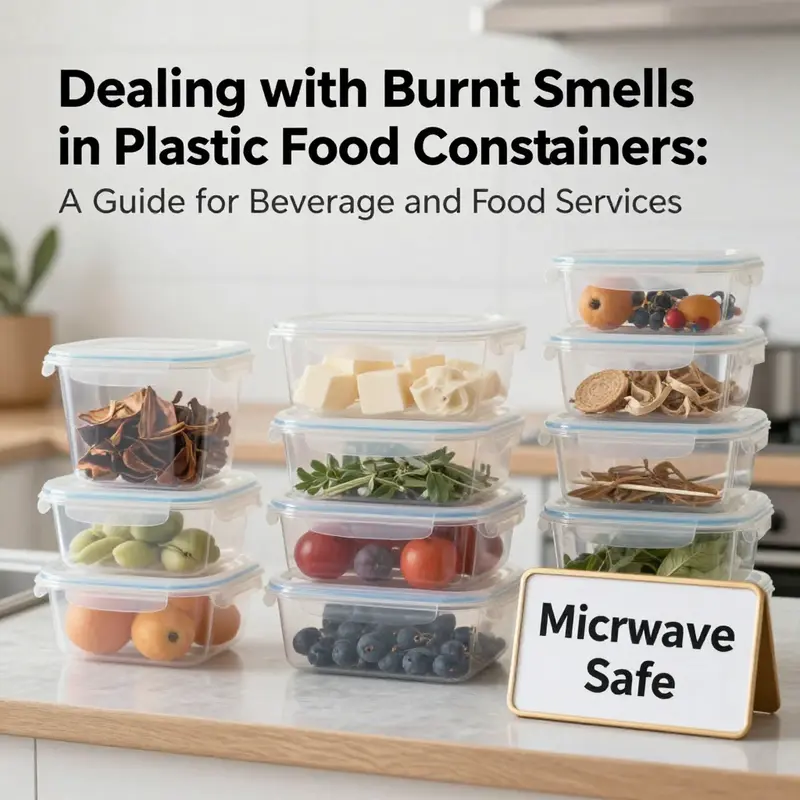
A burnt smell rising from a plastic food container is more than an unpleasant note in the kitchen chorus. It is a signal that heat, material quality, and cleanliness have interacted in a way that can release volatile compounds into our food and air. To truly address the aroma, we need to move beyond quick-fix scrubbing and toward an integrated understanding of what causes the odor, how plastics respond to heat, and what that means for everyday cooking and storage practices. The core of the issue lies in three converging factors: overheating, residues that burn, and the inherent quality of the plastic itself. When any one of these elements goes awry, the container becomes not just a passive vessel but a potential source of off-gassing and unwanted flavors that linger long after the meal is over. The research landscape on burnt plastic smell points to practical steps that are both simple and scientifically grounded. Overheating or high heat exposure is the most common culprit. Plastic containers are designed for storage, not for direct contact with high heat. If a container has spent even a brief moment in a microwave, oven, or near a hot stove, the plastic can soften, degrade, or release volatile compounds. These changes can produce a burnt plastic odor that might resemble a chemical singe or burned sugar and fat. The danger here is not only the smell but also the potential release of additives used to stabilize or color plastics. Even temperatures above 120°C (248°F) can trigger molecular breakdown in some polymers, leading to off-gassing and a noticeable change in aroma. The second pathway is residually burned debris. When food particles—especially oily or sugary substances—are left inside a container and then heated, they can burn and stick to the surface. If cleaning happened after the initial heating, the odor may persist because the burned film acts as a continual source of aroma, slowly releasing fumes as the container warms again. This is a common scenario in households where containers are reused without thorough cleaning. Third, the container’s material matters. Not all plastics are created equal. Lower-grade plastics or non-food-safe materials may contain additives such as phthalates or bisphenols, sometimes referred to as plasticizers, which can break down under heat and contribute to a burning or chemical smell. These substances can migrate into foods under certain conditions, especially when heat is involved. This triad of causes—overheating, residue combustion, and material quality—frames the practical guidance that follows, and it also helps explain why simply washing a container and continuing to use it can fail to eliminate the odor. The guidance built from reputable sources emphasizes stopping use when a strong burnt odor is detected and inspecting for signs of damage. Warping, discoloration, or cracks indicate that the container has degraded and should be retired. In such cases, the risk of leaching heat-activated chemicals increases, and replacing the container with safer options becomes the prudent choice. The immediate actions then flow into two streams: removal of the odor source and prevention of future occurrences. Cleaning is effective for residual odors only when it is thorough and targeted. A straightforward method begins with warm water and mild dish soap, using a soft sponge to avoid scratching the surface. Scratches can trap residues, creating a hidden reservoir for odors. For stubborn smells, a soak in a 1:1 solution of white vinegar and water for 1–2 hours can help break down residues that cling to the surface. After soaking, rinse thoroughly and dry completely. A more hands-on odor management approach uses household deodorants that are non-toxic and compatible with plastics. Placing a bowl of baking soda or lemon juice inside, covering the container, and letting it sit overnight can help absorb lingering odors. These steps align with expert principles that emphasize natural deodorization without introducing new toxins. The overarching goal is to minimize chemical leaching risks while preserving the container’s integrity for future use. The practical recommendations extend beyond cleaning to how we heat and store foods. The guidelines advocate avoiding high temperatures with standard plastic containers. Most plastics are not meant for hot foods or prolonged exposure to heat. If plastic must be used for heating, it should be explicitly labeled as microwave-safe and, even then, heating should be brief. A conservative rule of thumb is to limit microwave time to no more than three minutes and to leave the lid slightly ajar to allow steam to escape, reducing pressure buildup that can deform the container and accelerate off-gassing. For hot foods and beverages, alternatives such as glass, ceramic, or food-grade stainless steel are preferred. If plastic is used, it should be of a type known for better thermal stability, and even then it is wise to avoid heating fatty or sugary foods directly in plastic containers, since fats and sugars can accelerate chemical reactions within the plastic’s matrix. The materials science behind these recommendations often highlights polymers such as polypropylene (PP) or Tritan as safer choices in terms of thermal stability and leaching potential. These materials tend to resist degradation better under normal kitchen temperatures than lower-grade plastics. Still, even high-quality plastics have limits. As color changes or wear appear, degradation accelerates, and the risk of chemical leaching increases. That is why replacing damaged or old containers is a pro-active step. The guidance is clear: if a container shows signs of wear, or if odors persist after cleaning, it should be retired from service. The chapter then turns toward a broader, non-technical perspective: safe storage habits that minimize risk and improve kitchen hygiene. Drying and storage conditions are often overlooked but play a crucial role in maintaining odor-free containers. After washing, containers should be dried completely before storing. Trapped moisture can foster mold and bacteria, which contribute to foul smells that complicate any future odor-removal attempts. Storage should occur in a cool, dry, well-ventilated area away from direct sunlight. Direct sunlight accelerates aging and can contribute to the breakdown of plasticizers, increasing odor risk. A modest, practical tip is to place activated charcoal or dried coffee grounds in the storage area near containers to absorb residual odors. This is a simple, low-risk approach that aligns with the principle of using natural deodorizing agents without introducing additional chemicals. The theme of replacement leads naturally into a discussion of alternatives. The safest long-term strategy for hot or fatty foods is to shift away from plastic altogether in favor of glass or stainless steel. These materials provide superior heat resistance, are less prone to chemical leaching, and generally do not carry the same odor concerns as many plastics after heating. Even in cold storage, glass or stainless steel can offer odor stability and a longer service life, reducing the overall environmental impact by decreasing the need for frequent replacements. The conversation about safety is anchored not only in consumer experiences but also in public health guidance. Official sources emphasize minimizing exposure to potential toxins by preferring non-plastic options for hot foods and by selecting containers certified for food contact. A plain, actionable rule is to evaluate the packaging and materials before heating. Labeling that explicitly states microwave-safe or oven-safe should be a non-negotiable criterion when choosing containers for cooking or reheating. This is not merely about taste; the underlying concern is chemical exposure during heating, which can be especially problematic for children or those with heightened sensitivities. Dr. Lena Torres, an Environmental Health Scientist cited in the materials, points to natural acids and absorbents in everyday kitchen staples as effective tools for breaking down organic residues and deodorizing appliances without introducing new toxins. This principle underpins the practical cleaning strategies discussed above and reinforces the idea that safer, natural methods can be surprisingly effective for both cleaning and odor management. As the chapter navigates toward a practical threshold—when to replace—the guidance remains consistent: persistent smells after thorough cleaning, or any persistent physical damage, warrants disposal. Safe alternatives, such as glass or stainless steel, provide durability and peace of mind, along with ease of cleaning and a lower risk of chemical leaching. The bigger picture is a kitchen system designed to minimize risk: heat-aware preparation, careful selection of containers, consistent cleaning routines, and thoughtful storage. The chain of actions—from heat exposure to odor, through residue buildup and material degradation, to cleaning and replacement—helps explain why the burnt smell persists in some households even after seemingly thorough washing. The practical, science-informed approach aims to extinguish the problem at its source rather than merely masking it with stronger cleaners or repeated scrubbing. For readers who seek further, officially vetted guidance on safe kitchenware practices, public health agencies offer resources on food contact materials and packaging to help inform safer choices. In this chapter, the emphasis has been on translating that guidance into everyday actions that reduce odor formation and potential chemical exposure. A final reminder ties back to the core reasons for the burnt smell: heat, material quality, and cleanliness. Awareness of these factors invites a more cautious approach to heating foods in plastic containers and prompts a more proactive stance on cleaning and replacement. If you are exploring safer storage solutions while keeping a flexible, low-friction kitchen routine, consider neutral, non-plastic options for hot meals and fatty foods, and keep heat exposure within the tested limits. The aim is not fear but informed care: a routine that protects food integrity, supports health, and minimizes avoidable odors. For a closer look at durable, safer storage options, you can explore related storage solutions that align with the need for reliable coverage and moisture control, such as kraft-paper octagonal bowls with lids, which offer an alternative that is both practical and aesthetically versatile to fit various kitchen workflows. kraft-paper-octagonal-bowl-with-lid. In parallel, readers may consult authoritative sources on plastic food contact materials to ensure decisions are grounded in the latest safety standards. As a starting point, the U.S. FDA’s guidance on food contact materials provides a structured overview of what is acceptable, how to interpret labels, and how to minimize risks when choosing containers for food storage and heating. External resources can be found at https://www.fda.gov/food/food-contact-materials/food-contact-materials-and-packaging to support readers who wish to verify recommendations or explore related safety considerations. A careful, informed approach to plastic containers, heat, and odor ultimately supports healthier cooking habits and more reliable, odor-free storage.
Final thoughts
Maintaining the integrity of plastic food containers is crucial for any food-centered business. By understanding the causes of burnt smells—whether from overheating, food residue, or material quality—and taking proactive measures through proper cleaning and safe practices, you can ensure the quality of your service. Ultimately, investing time in proper container management not only elevates your culinary offerings but also enhances customer satisfaction.