
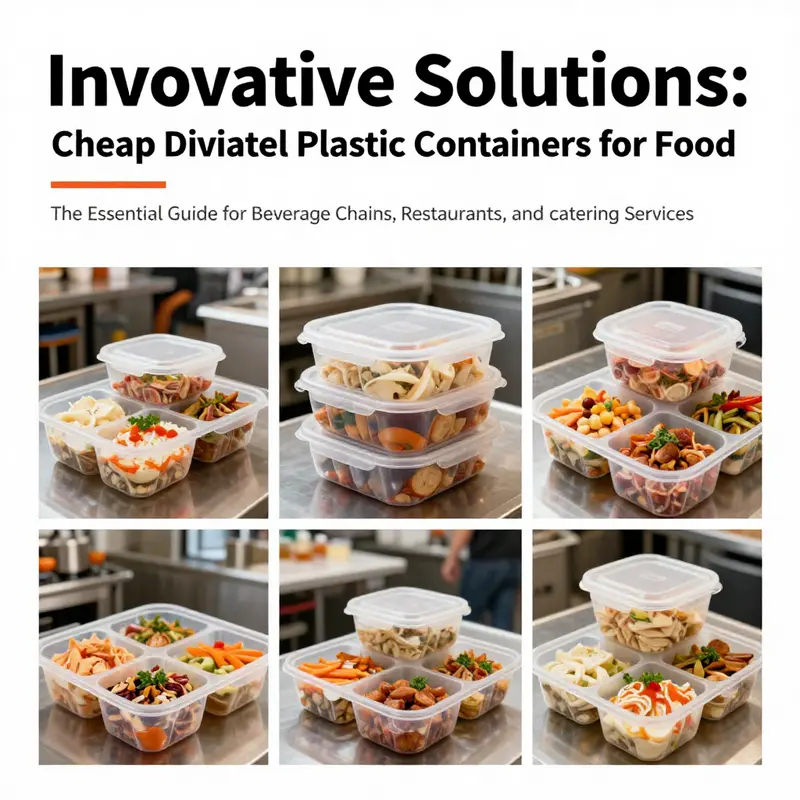
In today’s dynamic food service industry, cost-effective solutions are more important than ever. Cheap divided plastic containers for food stand out as a versatile tool, catering to a range of needs from meal preparation to safe food storage. These containers comply with health and safety standards while offering practical benefits such as portion control and easy organization for varied food items. Each chapter in this guide delves into different aspects of these containers—from their applications in meal prep to their environmental impact, and market trends. By the end, readers will appreciate not only the utility of these containers but also their role in shaping a sustainable future for food service providers.
Portioned Efficiency: How Cheap Divided Plastic Containers Shape Modern Meal Preparation
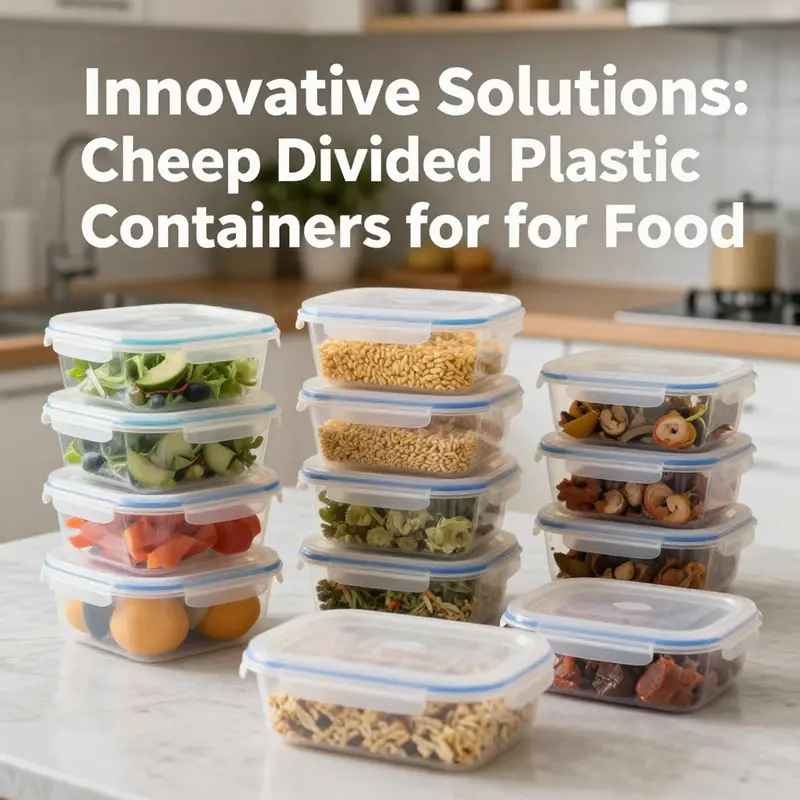
When people plan meals, the container often does the quiet heavy lifting. Cheap divided plastic containers, with two or three compartments and secure lids, create an organized framework for portioning, reheating, and transporting meals. Most use food-grade plastics such as polypropylene (PP) for a balance of toughness and cost, or Tritan for clearer visibility and enduring performance. The compartments keep proteins separate from starches or vegetables, reducing cross-flavor contamination and simplifying meal planning. Lids with snap seals minimize leaks in transit, while clear shells speed service and inventory checks. These designs are microwave-friendly and often freezer-safe, helping to move from prep to plate with less cleanup. Reuse and dishwasher compatibility contribute to long-term value, especially in schools, offices, and small catering outfits. The economics matter: even small per-unit savings scale up in high-volume settings while still enabling home cooks to adopt structured meal prep. Material quality, certifications (such as FDA compliance), and the ability to withstand repeated heat and washing are key considerations. From a sustainability standpoint, reusability is the main lever, paired with mindful cleaning. In practice, the aisle of divided containers reveals a landscape of choices: two- or three-compartment layouts, various lid designs, stackability, colors, and labeling surfaces that support branding and organization. Ultimately, these containers are tools that reduce cognitive load, support portion control, and streamline the daily rhythms of meal prep, delivery, and reheating.
Guardians of Freshness: Health and Safety Standards for Cheap Divided Plastic Containers for Food
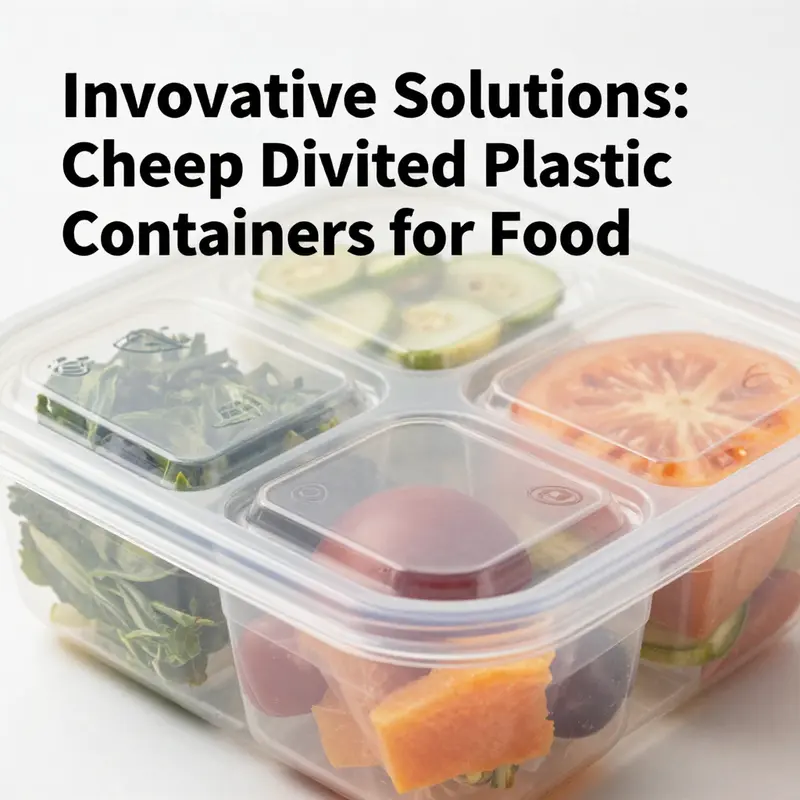
When a kitchen or a catering operation seeks efficiency on a budget, cheap divided plastic containers often appear as the practical backbone of daily workflow. They promise organization, portion control, and quick turnaround from storage to serving. Yet the promise of affordability cannot be separated from a fundamental question: are these containers safe for contact with food, especially when heat, oils, or acidic ingredients are involved? The short answer is that safety is not an afterthought but a core design parameter. The long answer, which this chapter unpacks, weaves together material choices, regulatory expectations, and real-world usage to reveal how health and safety standards shape what counts as a good value in divided plastic containers for food.
At the heart of safety in these containers lies the material itself. Food-grade plastics used for storage must resist migration of substances into food under typical use conditions. In practice, that means choosing resins that are less prone to leaching when exposed to warm temperatures or acidic foods. The guidance from reputable health authorities centers on a few resilient choices. Polypropylene, often designated as resin code 5 (PP), stands out for its balance of durability and chemical resistance. It is commonly used for lids and compartments because it can endure moderate heat and resist many oils and acids found in everyday meals. High-Density Polyethylene (HDPE, code 2) and Low-Density Polyethylene (LDPE, code 4) also appear in the recommended group for their relatively low tendency to migrate to food under normal conditions. Collectively, these plastics tend to align better with safety expectations than other resins when used in contact with food.
In contrast, certain plastics are discouraged for food contact in the context of budget, mass-produced containers. PVC (code 3) and Polystyrene (code 6) have historically raised health concerns due to their chemical composition and potential migration under heat or with acidic contents. While some everyday packaging may still employ these materials, the general health guidance emphasizes avoiding them for regular, heat-exposed, or long-term storage scenarios. The distinction matters for a consumer choosing between an ultra-cheap, single-use option and a more thoughtfully designed, reusable container meant to withstand repeated use. The difference is not merely about keeping foods fresh; it is about reducing the risk of exposing consumers to substances that could compromise safety over time.
The design and construction of cheap divided containers further influence safety outcomes. A well-made container should guard against contamination during storage and transport while maintaining its structural integrity under routine handling. Unfortunately, the term cheap is often a proxy for a container that dents, warps, or even cracks after a few cycles of use. Such defects are not cosmetic; they can create micro-crevices that harbor residues, complicate thorough cleaning, and, in the worst case, initiate material breakdown that accelerates leaching under heat. A practical consequence for kitchens and households is that a seemingly economical choice can become more costly if it fails prematurely or requires more careful handling and washing to avoid safety risks.
Food safety also intersects with how these containers are used in practice. A good portion of the low-cost market is not intended for heavy microwave use or aggressive dishwashing cycles. Repeated exposure to high temperatures can accelerate the aging of plastics and increase the rate at which additives or residual monomers migrate into food. For hot meals, sauces, or gravies, this is a real consideration. The pattern is that some of these containers may be safe for cold storage or gentle reheating, but not all are designed to tolerate the thermal stress of microwaving or dishwasher cleaning without compromising their structural and chemical safety profile.
Regulatory and certification expectations add another layer of assurance and risk management. In many jurisdictions, containers intended for direct contact with food must meet standards set by federal or regional authorities. A common thread across these standards is the emphasis on compliance with approved food-contact materials and processes. Containers that advertise food-grade status or compliance with safety guidelines typically reference established regulatory frameworks. These may include certifications that the resin, additives, and manufacturing practices meet health and safety requirements for intended use. In practice, this translates into a few critical questions for buyers: Is the material PP, HDPE, or LDPE? Is the product stamped with a recognized code that confirms its suitability for food contact? Are there any warnings about heating in a microwave or cleaning in a dishwasher? Is there mention of bacterial resistance, non-toxicity, and compliance with applicable health standards?
The specific guidance from health authorities generally emphasizes minimized chemical migration under normal use. Migration tests, though not always visible on product packaging, underpin the confidence that a container will not transfer harmful substances to food during typical storage or reheating. For a consumer choosing among cheap divided containers, this translates into looking for containers whose material codes align with safer resins, who avoid those with known migration concerns, and who offer clear guidance on safe usage. The practical upshot is that a container labeled and tested for food contact using PP, HDPE, or LDPE is a more reliable bet than one that makes no explicit safety claim or relies on recycled content without passing migration testing. In many regions, reputable guidelines also urge buyers to verify that the finished product bears appropriate certifications or is manufactured under controlled conditions that minimize contaminants and ensure consistency across batches.
Yet, the landscape of cheap divided containers is not solely about raw material selection. Even with the best materials, margins of safety rely on how the product is used and maintained. Reusability introduces another set of considerations. Reusable containers are increasingly favored for sustainability and lifecycle cost, but their safety hinges on rigorous cleaning and careful storage. Dishwashers, especially, can subject plastics to high temperatures and aggressive detergents. If a container warps, cracks, or loses its integrity, it may become a haven for bacteria or a site of chemical migration from degraded surfaces. Therefore, users who opt for reusable divisional containers should prioritize models designed to withstand repeated washing and to resist staining from strongly colored foods. While staining itself is not a direct measure of safety, it can indicate surface wear and trapped residues that complicate sanitation and subsequent use.
Another layer to safety emerges when considering the broader supply chain and market options. In the realm of cost-conscious purchasing, buyers often encounter a mix of disposable and reusable varieties, each with distinct risk profiles. Disposable options, by design, reduce cleanup time and may be attractive for high-volume operations like catering events or large takeout services. However, even disposables can carry safety concerns if they are not intended for extended reuse, or if their materials are not suited for food contact when exposed to heat or acidic ingredients. Reusable containers, while environmentally friendlier in the long run, demand rigorous cleaning protocols and proper storage to prevent staining and material degradation that could compromise safety or aesthetics over time.
To navigate this terrain effectively, it helps to approach the decision with a structured mindset. Start with material identification: determine whether the container is PP (code 5) or another recommended resin, and look for explicit statements about food-contact safety and heat tolerance. Next, examine the usage guidelines. If reheating in a microwave is anticipated, confirm whether the container is rated microwave-safe. If the plan is to run the dishwasher, review the manufacturer’s recommendations on whether the product is dishwasher-safe. Third, consider the environment and volume of use. A high-turnover setting with frequent washing will demand greater durability and clearer guidance on safe operation than casual home storage. Finally, validate any certifications or compliance claims. Certifications or references to standards give greater confidence than generic assurances. Although the exact standards may vary by region, the underlying principle remains consistent: safety is achieved not only by the material itself but by the confidence that the product has been evaluated against food-contact safety criteria.
In the practical world of budget-conscious meal prep and serving, a thoughtful choice about divided containers means balancing immediate cost against longer-term safety and performance. A container that uses PP or HDPE is more likely to tolerate regular handling and hot contents without compromising safety. It is reasonable to be skeptical of ultra-cheap options that lack clear material identification or that advertise heat tolerance without substantiation. The safety conversation, then, becomes a transparent dialogue between material science, product design, and user practices. It is about choosing containers that are not just inexpensive in the moment but dependable across multiple meals, weeks, or even seasons. When consumers and businesses adopt this approach, they protect both their customers and their bottom line as they scale their operations.
For readers who want to explore concrete examples of how this translates into real products and procurement decisions, one internal supplier listing presents affordable, food-grade, multi-compartment options that incorporate plastic components in a controlled manner. While the exact configurations vary, they reflect a broader pattern: cost-effective, multi-compartment designs can be engineered with food safety in mind when the right materials and manufacturing controls are in place. As you review options, consider the trade-offs between single-use convenience and reusability, and prefer products that clearly communicate food-contact safety, heat tolerance, and cleaning compatibility. A clean, well-structured decision framework will help you maximize value without compromising safety, whether you are preparing meals for a school cafeteria, a corporate wellness program, or a home kitchen.
For readers interested in seeing an accessible example of an affordable, partially plastic option, you can review a supplier listing that showcases kraft-based takeout bowls with plastic lids designed for versatility and reuse. This example demonstrates how a blended-material approach can offer cost savings while still aligning with basic food-safety expectations when the plastic component is properly chosen and properly disclosed. cheap-eco-friendly-disposable-kraft-paper-salad-bowl-with-pp-lid-camping-use-multi-size-customizable-logo.
In sum, health and safety standards for cheap divided plastic containers for food are not a barrier to affordability; they are a guide to smarter purchasing and smarter use. The safest path is to prioritize resins with proven safety records for food contact, seek products that come with clear usage guidelines and certifications, and adopt cleaning and storage practices that preserve integrity over time. When consumers understand the science behind material choices and the practical realities of everyday use, they can enjoy the benefits of organization and efficiency without compromising on health or safety.
External reference for deeper reading on safety: NIH’s Plastic Food Container Safety guidelines offer a comprehensive overview of how chemical migration can occur and what factors influence safe storage and heating. This resource provides a foundational understanding that complements product-level claims and helps buyers make informed decisions in a crowded market. NIH Plastic Food Container Safety Guidelines
Between Convenience and Consequence: Reassessing the Environmental Footprint of Cheap Divided Plastic Food Containers
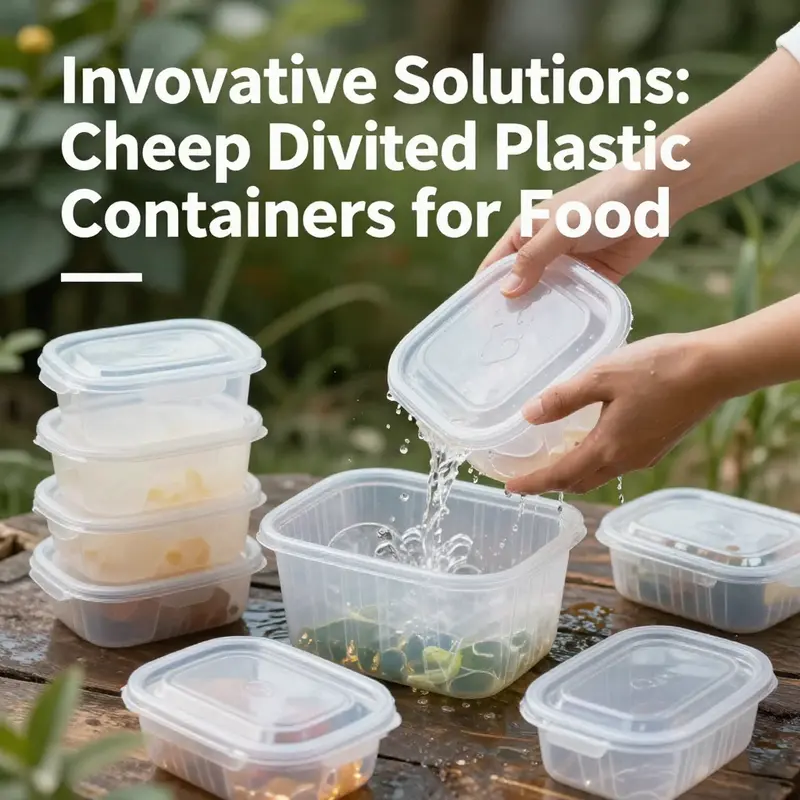
The allure of cheap, divided plastic containers for food rests on a simple calculus: they organize meals, separate flavors, and make portion control effortless. They slide into lunch boxes, catering trays, school cafeterias, and home kitchens with a light, stackable efficiency that feels almost neutral in impact. Yet the environmental story behind these containers runs deeper than convenience. It is a story of material choices, energy and fossil-fuel use, end-of-life pathways, and the tangled realities of recycling systems that struggle under contamination, mixed streams, and incomplete infrastructure. When we look at cheap divided plastic containers from a life-cycle perspective, we begin to see how a product designed for practicality can simultaneously accumulate ecological costs and shape consumer behavior in ways that compound waste and emissions over time. The chapter that follows threads these observations together into a cohesive picture of how material design, consumer habits, processing networks, and policy signals interact to determine whether the daily act of portioning becomes a step toward sustainability or a reminder of a broader plastics challenge.
At the heart of the environmental conversation is material composition. Many of these containers are produced from polypropylene (PP), a durable, heat-resistant plastic favored for its ability to withstand temperatures near the upper limits of hot foods and to tolerate cold storage. PP’s compatibility with microwaves and freezers makes it a convenient choice for reheating meals and preserving leftovers, while its light weight and clear or translucent appearance aid in quick visual identification of contents. However, the environmental footprint of PP is not constrained to its performance in kitchens. Even when PP is technically recyclable, the actual recycling rate for these containers remains disappointingly low. Contamination from food residues, the presence of multiple materials in a single product (for instance, blends with polystyrene or other plastics to boost rigidity or cost-effectiveness), and fragmented collection infrastructure create barriers that thwart recycling efforts at scale. The global statistic about plastic recycling is sobering: only about 9% of all plastic ever produced has been recycled. That figure has remained stubbornly low despite decades of public campaigns, advanced sorting technologies, and ambitious corporate pledges. The implication for cheap divided containers is clear: a large share ends up as waste, occupying landfills or informal dumps, and contributing to the persistence of plastics in the environment for years, if not centuries.
This dynamic is intensified by the economies of scale that drive consumer pricing. The allure of low upfront cost often translates into higher aggregate waste when consumer habits favor single-use or short-term reuse. In many settings—office break rooms, schools, or event catering—these containers are chosen for their disposability. The reality is that disposable designs, marketed as convenient and hygienic, frequently displace more durable reusable options that could reduce long-term waste. The tension between low cost and long-term responsibility becomes more acute when one considers the full lifecycle. The production phase consumes fossil fuels, emits greenhouse gases, and generates waste streams of its own. Even brands that promote recyclability frequently face the challenge that the streams for polypropylene are not uniformly organized or sufficiently clean to guarantee high-quality recycling outcomes. In practice, the promise of recyclability often dissolves into a gap between intention and execution, especially in systems with inconsistent separation, low domestic processing capacity, or limited consumer access to reliable recycling channels.
The end-of-life story for cheap divided containers is not uniform, because it hinges on local waste management realities. In contexts with robust curbside recycling programs and industrial facilities capable of handling polypropylene, plastics may be collected and re-melted into new products. Yet contamination from sauces, oils, or dyes can degrade the quality of recycled PP, forcing processors to down-cycle it into lower-value applications that are less likely to close the loop. In other settings, particularly where formal recycling is weak or informal waste streams predominate, containers may be burned or landfilled, with leachate, air emissions, and persistent plastics in landfills becoming long-term concerns. This complexity helps explain why overall recycling rates for plastics lag far behind the growing production of single-use containers. The 9% recycling figure serves as a stark reminder that even well-intentioned designs can falter if the supporting infrastructure and consumer practices do not align.
Against this backdrop, sustainable alternatives have gained traction, even as they complicate the narrative. Bioplastics derived from renewable resources, such as cornstarch, have been developed to offer compostability under industrial conditions. Industrial composting facilities can degrade these materials within months, reducing their persistence in landfills compared with conventional plastics that may linger for centuries. Yet the story is not straightforward. Compostable materials require proper disposal channels; if they end up in regular landfills or inadequate industrial facilities, their potential to reduce environmental harm is diminished and may resemble conventional plastics in behavior. Some manufacturers also combine small percentages of PP with proprietary additives intended to accelerate degradation. The intention behind such blends is to lower the long-term environmental footprint, but the magnitude of the impact depends on acceptance by the waste system and consumer adherence to disposal guidelines. In short, the environmental advantages touted by some “eco-friendly” formulations are highly conditional on the waste-management context in which they are used. When policy and practice align—standardized labeling, clear resin codes, reliable composting or recycling streams—the potential gains can be meaningful. When alignment is weak, the same products may simply replace one problem with another that the system cannot easily resolve.
Production impact adds another dimension to the overall footprint. The manufacture of plastic containers entails energy use, emissions, and fuel consumption associated with extracting and processing fossil resources. Even when producers label products as recyclable or reusable, the reality is that many single-use containers are designed for short-term use and immediate disposal. The result is a cycle in which the convenience of today’s meal segment comes at the cost of tomorrow’s waste management burden. This is not merely a matter of personal choice; it reflects structural dynamics in packaging design, supply chains, and consumer culture. The zero-waste movement has amplified demand for reusable options, yet the affordability and availability of cheap divided containers continue to reinforce a behavior pattern that favors disposability in many contexts. The tension between affordability, convenience, and ecological responsibility becomes a central question: can systems be designed to preserve the benefits of portioning and meal organization while reducing material intensity and waste generation?
To move toward answers, it helps to examine the practical pathways that individuals, institutions, and industries can pursue. A first strand involves rethinking usage patterns rather than simply swapping one plastic product for another. For households, offices, and schools, the decision landscape now includes a broader spectrum of container options, each with distinct trade-offs. Reusable containers, when properly maintained through regular cleaning, dishwasher-safe design, and careful storage, can dramatically cut waste over time. Yet they require routine upkeep, durable construction, and a culture of reuse that may not translate equally across all environments. In settings with high turnover or limited access to reliable dishwashing facilities, even reusable options can underperform in environmental terms if they fail to be consistently cleaned or mismanaged in storage. This is where education, clear labeling, and convenient, standardized care instructions can make a real difference. A more informed user base can shift the balance away from disposable cycles toward durable, maintainable systems that maximize the lifetime value of a container.
Second, the role of waste systems in shaping outcomes cannot be overstated. Container designers and manufacturers can contribute by aligning product design with end-of-life realities. This includes selecting materials with proven recyclability in common municipal programs, reducing the presence of multi-material laminates that complicate processing, and adopting labeling that reduces contamination risks. The development of standardized recycling streams, improved sorting technologies, and better consumer guidance about washing and preparing plastics for recycling could collectively raise the effective recycling rate of PP containers. In parallel, policies and incentives that support extended producer responsibility, deposit-return schemes, or subsidies for durable, reusable options can nudge both suppliers and buyers toward choices that reduce waste generation and conserve resources.
A crucial reality for procurement and consumption is scale. Wholesale and bulk channels often advertise affordability and a wide array of configurations to meet institutional needs. For those evaluating procurement options, wholesale listings reveal that affordable, multi-compartment designs are widely accessible through global marketplaces. Consider, for example, a readily accessible listing that showcases cheap 1-2-4 compartment disposable plastic food containers with lids, highlighting the appeal of low upfront cost for large-volume operations. This kind of availability underscores the tension between short-term savings and longer-term environmental considerations. When institutions purchase at scale, a marginal price decrease per unit can translate into a significant environmental impact if it increases total waste. Conversely, bulk orders that prioritize durability, easy cleaning, and recyclability can still deliver cost efficiency while reducing the environmental burden. The challenge, then, is to align procurement strategies with a sustainability lens without sacrificing operational efficiency. One practical approach is to implement a blended system: favor reusable containers for daily meals and partitioned, easy-to-clean designs for events or short-term use where imports and disposables are temporarily preferred, paired with robust recycling and composting or industrial biodegradation options where available.
From a consumer behavior perspective, the way people store, transport, and dispose of food containers matters as much as the containers themselves. The visual identity of a product—the clear, separable compartments that keep foods from mingling—can foster healthier eating patterns by enabling portion control and balanced plate design. Yet the same separation can become a barrier to recycling if the contents are not properly cleaned before disposal. The role of education, labeling clarity, and accessible disposal guidance is central here. If a household or workplace can reliably separate contaminants, rinse containers, and understand whether their local program accepts PP plastics, the likelihood of successful recycling increases. The knowledge infrastructure around packaging—how to care for containers to prolong their life, how to determine whether a product is recyclable in a given city, and how to participate in take-back or return programs—plays a decisive part in turning design intent into environmental benefit.
In conversation with sustainability goals, the corporate and policy communities have recognized that a narrow focus on material substitution is unlikely to deliver transformative change. Instead, the most effective progress emerges when design, disposal, and behavior are coordinated through system-level thinking. This means designing for recyclability, standardizing materials and labeling, expanding accessible recycling infrastructure, and promoting reuse models that are not just theoretically appealing but practically feasible in diverse contexts. It also means acknowledging that some contexts may benefit from compostable or biodegradable alternatives, while others may find the existing infrastructure ill-suited to process these materials at scale. In such cases, the prudent path might be to maintain PP-based solutions for particular applications where reuse and cleaning are manageable, while investing in better end-of-life pathways and educational programs so that the environmental burden does not accumulate unchecked across generations of products.
The overarching takeaway is nuanced: cheap divided plastic containers for food deliver undeniable short-term benefits in terms of organization, hygiene, and cost. They also pose meaningful environmental costs when viewed through the lens of materials, energy, and end-of-life management. The path toward sustainable practice does not demand an abandonment of practicality but rather a reconfiguration of how we design, purchase, use, and dispose of these containers. It invites a shift from a simple dichotomy of disposable versus reusable toward a more sophisticated portfolio of options that balance function with stewardship. In practice, this means embracing reusable designs where feasible, ensuring robust cleaning regimes, supporting recycling and composting where possible, and aligning procurement decisions with the realities of local waste streams. It also means recognizing that consumer education and transparent labeling are essential enabling conditions for better choices. When a consumer can confidently identify a product’s recyclability, cleaning requirements, and lifecycle impacts, choices become less about price alone and more about responsible stewardship.
Ultimately, the environmental story of cheap divided plastic containers is not a single verdict but a continuum of possibilities. Some users will rely on disposables for reasons of convenience and hygiene, especially in high-volume or time-constrained environments. Others will adopt a predominantly reusable approach, seeking containers that endure, endure well in a dishwasher, and reliably retain their integrity through repeated cycles. In both cases, the endgame is to minimize waste, reduce energy use, and lower greenhouse gas emissions associated with production, transport, and disposal. Achieving that endgame requires a concerted effort across design, procurement, and policy, supported by informed consumer choices and an infrastructure capable of turning waste streams into feedstock for new products rather than letting them accumulate in landfills or the environment. The objective is not to vilify ease and cleanliness but to enable smarter, system-aware decisions that preserve the benefits of portion-controlled meals without compromising the planet’s health.
External resource for further reading: https://www.epa.gov/sustainable-management-plastics
Internal link (example of wholesale accessibility for multi-compartment containers): Alibaba listing for cheap 1-2-4 compartments disposable plastic food containers with lids
Pricing, Demand, and the Sustainability Shift in Cheap Divided Plastic Food Containers
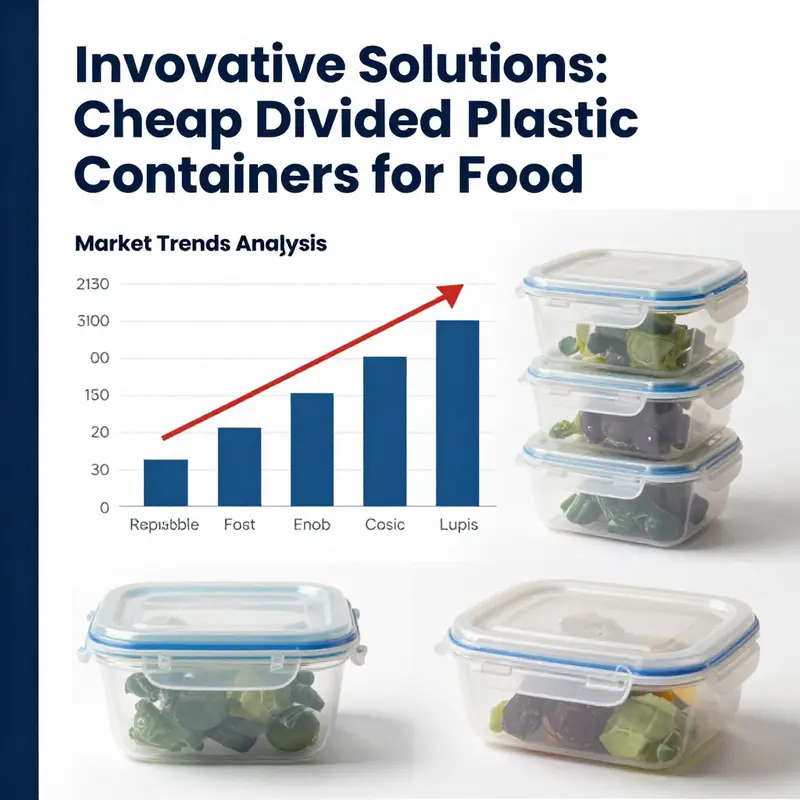
Market dynamics and cost pressures are reshaping the cheap divided plastic container sector. Demand patterns now reflect a blend of traditional cost-sensitivity and rising expectations for sustainability and performance. Buyers still prize low unit prices and reliable supply. At the same time, purchasers expect materials that meet food-safety rules, withstand heat, and minimize environmental impact. This chapter traces how those forces interact, how costs break down, and what buyers and suppliers can reasonably expect when choosing divided plastic food containers.
The first factor driving price and demand is scale. Mass production brings dramatic cost reductions. When manufacturers achieve high throughput, fixed costs spread over many units. Tooling and die costs fall per unit. Logistics and packaging efficiencies improve. The result is a wholesale price that can be extremely low for large orders. For operations that use millions of trays annually, per-unit prices can drop into the low cents. That price point underpins much of the appeal for fast-food chains, meal-delivery platforms, and event caterers.
Material selection is the second major cost element. Food-grade polypropylene (PP) is the dominant choice for divided trays. PP offers a balance of low raw-material cost, heat resistance, and chemical stability. It withstands microwave temperatures and resists many acids and oils. These functional properties let suppliers produce thin-wall designs that still perform. Thinner walls reduce material consumption and lower price, without sacrificing required strength if the part design is smart. However, when buyers demand recyclable, compostable, or partially biobased variants, raw material costs rise. Bioplastic feedstocks and certified compostable blends are pricier than commodity PP. Manufacturers often mix a small proportion of PLA or other biopolymers with PP to create hybrid products. These blends attempt to deliver better environmental credentials at manageable costs, but they typically increase unit price versus pure PP.
Manufacturing choices add another layer to cost. Injection molding and thermoforming dominate production for divided containers. Thermoforming suits large flat sheets and high-volume runs with low per-part cost. Injection molding provides precision, consistent wall thickness, and robust sealing features but needs higher tooling investment. When procurement favors low unit cost, thermoformed trays with simple lids are common. If sealing integrity and reusability gain importance, the balance can shift toward injection molded designs, which raise per-unit price but reduce leakage and improve customer satisfaction.
Logistics and packaging also shape the final price. Compact, stackable tray designs minimize shipping volume. That reduces freight costs per unit and improves storage efficiency. Suppliers that optimize nestable geometry and pallet configurations pass savings through to buyers. Conversely, custom colors, branded printing, or molded logos increase cost. Each additional customization step—printed lids, tamper-evident features, or bespoke inserts—adds to production time and unit price. Buyers must weigh the marketing value of customization against the direct cost increase.
Quality expectations influence economics too. Low-cost trays must still perform. Critical features include tight sealing, non-stick interiors, temperature tolerance, and resistance to oils and acidic dressings. When trays fail these expectations, indirect costs appear: returned orders, product waste, customer complaints, or reputational damage. Smart buyers evaluate suppliers not only on price per unit but on lifecycle cost per meal served. A slightly higher price for a reliably leakproof tray can lower total operating cost by avoiding spoilage and customer dissatisfaction.
Procurement strategy drives achievable pricing. Bulk contracts, multi-year agreements, and consolidated purchasing across locations unlock discounts. Consolidating orders with a single supplier reduces administrative overhead and can secure priority production slots. Many suppliers offer tiered pricing that significantly favors higher volumes. Minimum order quantities often determine whether a buyer accesses the lowest cost bands. For many small food businesses, cooperative buying groups provide a practical way to tap factory pricing without the capital requirement of huge direct orders.
Regulatory compliance and certification add cost but also reduce commercial risk. Compliance with food-contact regulations and recognized certifications gives buyers confidence. Testing for migration of additives, heat resistance, and overall safety entails laboratory expense. Suppliers that invest in testing and certifications can command higher prices, but they remove uncertainty for large buyers and reduce risk of costly recalls.
The sustainability dimension is reshaping both demand and cost structure. A growing segment of restaurants, caterers, and meal-prep services prefer containers that claim recyclability or compostability. However, the reality is nuanced. Truly recyclable PP requires proper municipal recycling streams, which are not uniformly available. Compostable materials frequently need industrial composting facilities, not home compost piles. Hybrid approaches are emerging: trays that use a thin PP layer for sealing over a fiber-based compartment, or trays of recyclable PP designed for local recycling streams. These innovations typically increase manufacturing complexity and cost, but they reduce environmental impact when managed through appropriate waste systems.
Price comparisons must therefore consider end-of-life handling. A cheap tray with poor recyclability may generate hidden costs if the client must pay for special disposal or faces regulatory restrictions in certain markets. Conversely, a higher-priced compostable tray that is accepted by local industrial compost services can offer true lifecycle benefits and reduce regulatory exposure. Buyers should map local waste infrastructure before selecting an environmentally marketed product.
Market segmentation clarifies buyer priorities. For high-volume, low-margin food operations, the lowest feasible unit cost and supply reliability dominate decisions. For branded meal-delivery services and premium caterers, presentation, sealing integrity, and sustainable claims become more important. Schools and public institutions often emphasize safety and cost together, and they may require specific certifications. Understanding each segment’s priorities helps suppliers develop offerings that align price with perceived value.
Innovation and value engineering are active responses to these market pressures. Manufacturers refine tooling to reduce waste and improve cycle times. Design choices—such as optimized ribbing for strength, thinner sealing flanges, or integrated vents for reheating—deliver better performance with minimal material increases. Some suppliers add value through packaging improvements that reduce breakage in transit. Others offer modular systems that let buyers mix and match lids, inserts, or external packaging, maintaining economies of scale while offering customization.
Financially, the lowest per-unit price often appears in factory direct, high-volume listings. That pricing reflects efficient production, long runs, and minimal marketing overhead. Yet, buyers must balance the unit price against supply chain risk, lead time, and quality guarantees. Small buyers paying slightly more for manageable minimum order quantities and shorter lead times often realize better operational agility.
Looking ahead, the market will likely continue to bifurcate. One track will remain focused on the cheapest possible tray for large-scale, cost-driven buyers. The other will focus on improved environmental performance, higher quality, and design differentiation. Mid-market solutions that balance cost and sustainability will expand, driven by improved material economics and more accessible recycling and composting infrastructure. Products that can demonstrate both food-safety compliance and credible end-of-life pathways will capture growing share.
For procurement teams, practical steps improve outcomes. First, specify the functional requirements clearly: temperature tolerance, sealing, stackability, and desired compartments. Second, request cost breakdowns that show tooling amortization, raw-material costs, and logistics allowances. Third, evaluate suppliers on certifications and testing records rather than price alone. Fourth, consider total cost per meal served, not merely unit price. Finally, map local disposal and recycling capacity to ensure claimed environmental benefits are achievable.
Manufacturers and designers should continue value engineering while investing in credible sustainability claims. Transparent material declarations, proof of compostability under recognized standards, and realistic recycling guidance will differentiate reputable suppliers. Those who can lower the cost premium of greener materials will unlock new demand among price-sensitive buyers.
A practical reference point anchors these dynamics. Factory-level wholesale listings illustrate the low end of the price scale and the minimum volumes required to obtain it. Buyers and analysts can use such references to benchmark negotiations and to model total cost scenarios.
For suppliers and purchasers alike, the evolving balance between price, performance, and sustainability will define competitive advantage. Smart procurement aligns short-term cost goals with long-term operational and environmental realities. Design and manufacturing innovation aim to reconcile these demands, producing divided containers that remain cheap to buy and responsible to use.
For an example of a recyclable, paper-based alternative with a PP lid that reflects the sustainability trends discussed, see the recyclable kraft paper rectangular takeaway salad bowl with PP lid.
External reference: https://www.alibaba.com/product-detail/Factory-Wholesale-Takeaway-Food-Container_1600754854544.html
Final thoughts
Cheap divided plastic containers for food go beyond just affordability; they represent a blend of practicality, safety, and sustainability. Their diverse applications across meal preparation, food service, and catering reflect an essential part of modern operations. With rising consumer awareness about sustainability and safety standards, these containers not only enhance efficiency but also contribute to a more eco-conscious approach to food service. Embracing these containers can lead to improved organization, enhanced food safety, and a positive environmental impact, ensuring businesses stay competitive and responsible in their practices.