

Clear plastic tumbler cups with lids have quickly become a staple for beverage vendors, including bubble tea shops, restaurants, food trucks, and catering services. Their transparency showcases colorful drinks, while robust materials ensure durability and hygiene. Whether it’s for iced coffees at an event or smoothies on-the-go, the right cup can enhance the customer experience. This guide will take you through the key aspects: from materials and lid designs to performance, benefits for businesses, and customizing options that help create a unique branding opportunity.
Clarity by Design: The Material Composition Behind Clear Plastic Tumbler Cups with Lids
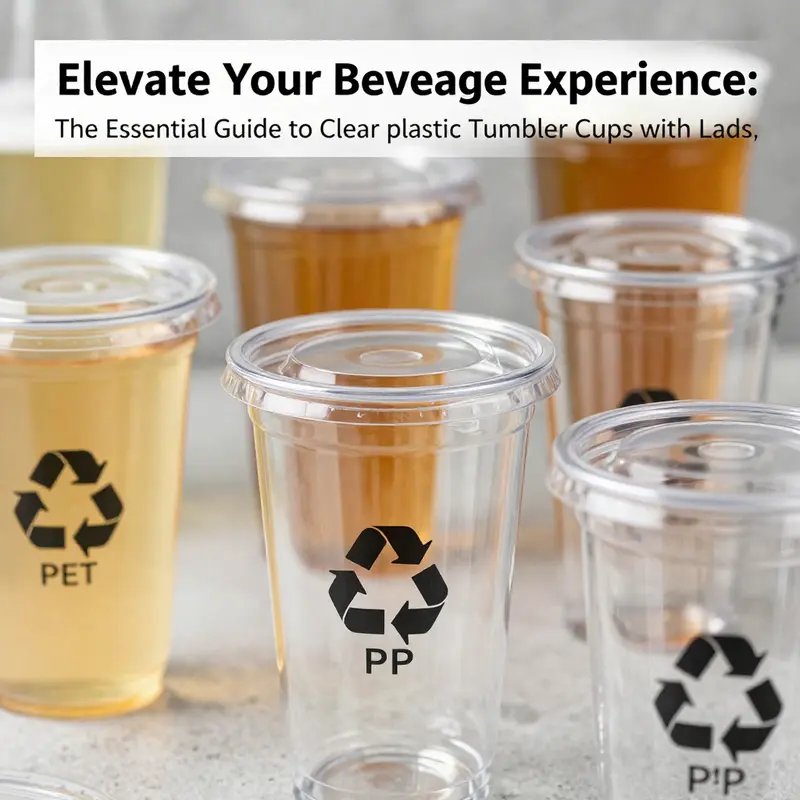
Clarity, temperature resilience, and dependable containment are not afterthoughts in a clear plastic tumbler. They are the core performance metrics shaped by material choice and lid design. In this chapter, we explore how the chemistry of the plastic used in cups and the physics of the lid come together to define what a modern, go-anywhere tumbler can do. The transparent body reveals color and layers, but it also carries the burden of heat, abrasion, and environmental concern. Understanding this material story helps brands select cups that look pristine while standing up to daily use.
Polypropylene, or PP, is the workhorse of disposable clear cups. It is light, economical, and surprisingly heat resistant for its price. When used for iced coffee, soft drinks, or smoothies, PP maintains clarity long enough for an appealing presentation. It also tolerates the chill of refrigeration and the mild heat of hot beverages, making it versatile for street vendors, event spaces, and office kitchens. Its melt point and toughness reduce cracking, while its chemical inertness helps keep flavors true and customers satisfied. The trade-off is that the clarity, while excellent, may dim slightly with aggressive abrasion or long-term exposure to sunlight.
Polycarbonate offers a different balance. Its clarity is exceptional, and its impact resistance is among the best in the family. Reusable or premium cups often leverage PC where durability matters, such as for travel mugs and longer service life. Yet concerns about bisphenol A, or BPA, and regulatory restrictions have shrunk PC’s role in many disposable lines. Manufacturers respond by offering BPA-free PC variants or by reserving PC for reusable products. In practice, PC’s strength pays dividends when cups must survive repeated drops or harsh handling, but the public health conversation pushes brands toward safer choices for single-use packaging.
Acrylic is another clear option, though it sits a step outside the disposable market. Reusable clear cups frequently adopt acrylic for its glass-like brilliance and tough surface. Acrylic resists cracking and maintains a pristine optical profile even after many washings. It is typically BPA-free and supports both hot and cold beverages, with superior thermal stability compared to standard plastics. For brands seeking a premium experience, acrylic communicates durability and quality. The downside is higher cost and heavier weight, which can matter in bulk purchases and event logistics. In practice, acrylic cups serve niches where long-term reuse and a high-end feel justify the investment.
PLA introduces a sustainability proposition by moving to plant-based feedstocks. Clear PLA cups can offer a bright, glass-like appearance while presenting compostability under appropriate industrial conditions. But heat tolerance is a limitation; PLA softens at relatively modest temperatures, so hot beverages are not ideal unless the design includes a liner or insulative shell. For cold drinks, desserts, or short-term serving, PLA aligns with eco-conscious branding and corporate responsibility goals. The trade-offs extend to supply chain performance, as industrial composting infrastructure is not universal, and consumer patience for composting varies. Designers increasingly pair PLA with other materials to balance clarity, rigidity, and compostability while setting clear disposal instructions for end users.
Across these cups, the lids follow suit with compatible materials, typically PP or PET. Dome lids create space for whipped cream, foam, or layered toppings, while flat lids seal tightly to prevent leaks during transit. Some lids feature precise straw holes for sipping without wobble, others rely on spill-resistant mechanisms that click into place. The material and geometry influence not just leaks but thermal performance. A snug lid minimizes heat loss and condensation while keeping contents visible and inviting. In premium lines, double-wall constructions pair a PP body with an inner acrylic or PET layer, creating a barrier that holds temperature longer and suppresses moisture on the outside of the cup. The result is a more confident consumer experience, even in outdoor settings or bustling venues.
Double-wall designs raise the bar further. By sandwiching a second wall around a vacuum or air gap, manufacturers reduce heat exchange and dampen condensation, preserving beverage heat or chill without external dampness. PP pairs well with double-wall configurations for cost efficiency, while acrylic can be used for high-end, durable options that endure repeated washing. These insulation strategies expand use cases from hot coffee to chilled smoothies, ensuring that the cup remains comfortable to hold even when the drink is piping hot or frigid. But insulation adds weight and sometimes reduces stackability, influencing storage in bars, cafés, or event kits. The choice becomes a balance between tactile comfort, presentation, and logistical practicality.
From a safety standpoint, all these materials are selected for food-contact compliance, ensuring that migrations of additives or colorants stay within established limits. The choice of plastic affects flavor neutrality, odor control, and surface cleanliness. For many brands, the decision also hinges on regulatory trends restricting certain substances or encouraging recyclability. Even when a material delivers pristine clarity, supply chains must assure consistent resin quality, color stability, and resin batch traceability. Labels may indicate recycled content or compostability, guiding buyers toward responsibly managed consumption cycles. The evolving conversation around packaging sustainability pushes manufacturers to disclose material composition, processing methods, and end-of-life pathways with greater transparency so that consumers can make informed choices about the cups they use for beverages, desserts, or on-the-go treats.
End-of-life considerations weigh heavily in the decision matrix. PET and PP, the most common in clear tumblers, enjoy established recycling streams in many regions. When a cup is made predominantly from PET, it can re-enter the market as new bottles or sheets, closing the loop in a circular economy. PP is similar but may face regional constraints or limited collection. Recyclability can be complicated by dyes, ink, or lid attachments; packaging must be kept clean and free from contaminants. Biodegradable options such as PLA require separate industrial facilities to realize their advantage, and consumer missteps can undermine the environmental benefit. In practice, brands communicate disposal instructions and partner with recyclers to maximize material recovery. The material story thus includes not only performance under heat and wear but a path back into productive use rather than a landfill.
Ultimately, the material composition of clear tumblers with lids is about clarity that stays true, safety that travels with the product, and a lifecycle that respects resources. The same PP infrastructure that handles iced tea in a drive-thru now travels in a reusable cup with a reinforced lid. When brands align their packaging choices with the beverage experience—foregrounding the interplay of content visibility, temperature management, and responsible disposal—the cup becomes more than a vessel. It is part of a larger system that supports brand storytelling, hygiene, and convenience. In the next section, we will explore how lid design choices complement material properties to shape spill resistance, straw compatibility, and consumer interaction, all while keeping a practical eye on production costs and sustainability goals.
External resource: https://www.fda.gov/food-packaging-materials
Seal, Sip, and Show: The Engineering of Lids on Clear Plastic Tumbler Cups
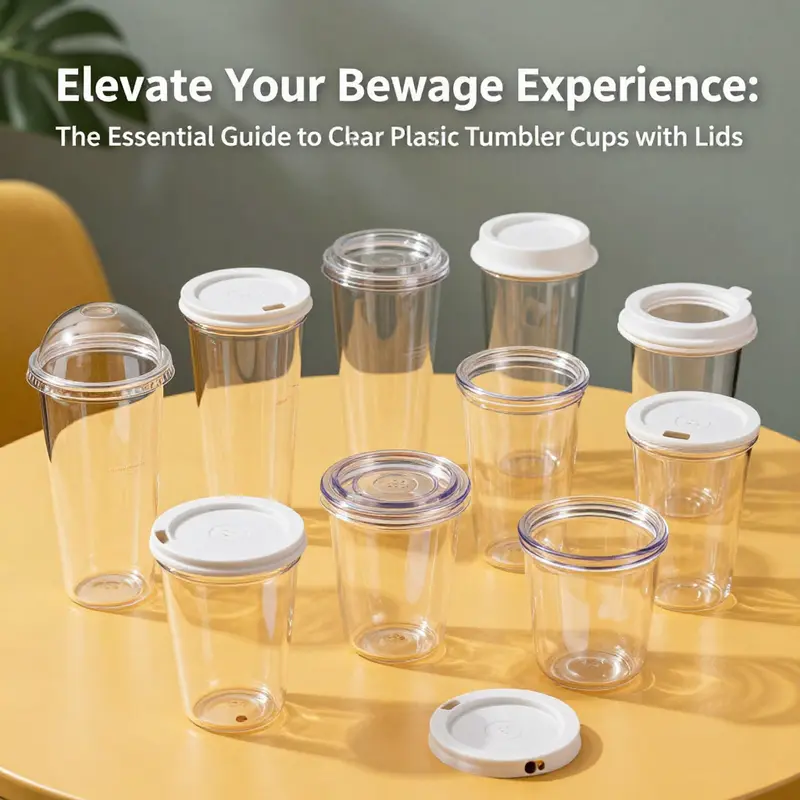
Lids do more than keep beverages contained; they shape the experience from the moment a hand reaches for a clear plastic tumbler to the last lingering taste after the final swallow. In a world where clarity is prized for its ability to reveal color, texture, and even the micro-sparks of foam, the lid becomes a silent co-creator. It quiets the potential chaos of a spill, controls the pace of the user’s interaction, and subtly communicates the intended use of the cup itself. When we study lid design, we are really studying how form reinforces function, how material choices influence feel, how engineering anticipates real-world use, and how aesthetics harmonize with practicality. The simplest lid can be the most influential, guiding a drink from the counter to the commute with hardly a second thought. The most complex lid, in contrast, negotiates temperature, flavor perception, and even the sensory cues that tell a consumer this cup is built for a journey, not a quick stop at a desk or a kiosk.
From a design perspective, the common lid typologies can be understood as a spectrum rather than a gallery of isolated options. At one end sits the screw-on lid, a heritage design that threads securely onto the cup body. Its reliability in sealing is well documented in practice, especially for travel or long commutes. The thread system distributes pressure evenly around the rim, reducing the chance of a leak when the cup tips or bounces in a crowded car, on a bus, or in a busy office corridor. The user experience is straightforward: twist to close, twist to open. This predictability translates into trust, which matters when a beverage is expensive, or when a business wants to project consistency across dozens or thousands of service touches per day.
Next comes the snap-on or push-pull variant, a hinge-driven lid with a more forgiving closure mechanism. The act of pushing down seals the cup, while pulling up reveals a drinking port. The advantage here is one-handed operation, a quality highly valued by customers who balance coffee cups while navigating doors, driving, or dialing a phone. The snap-on design often pairs with shallow lips and a direct sipping path, which can affect the perception of flavor and aroma. When a lid is designed with ergonomics in mind, the user’s palate can sense the beverage more clearly, unobstructed by the lid’s geometry. The interaction is tactile: a quick press, a clean seal, and a confident tilt that invites the drinker to take in color, aroma, and texture without interruption.
A third category—spill-resistant lids with straw holes—speaks to a more dynamic usage scenario. Here the lid functions as both a containment system and a sipping enabler. The straw port is often coupled with a small internal flap or valve that closes when not in use, reducing spill risk during movement. This arrangement supports beverages that aren’t just sipped but drawn through a straw, such as smoothies, iced beverages, or creamy concoctions that invite foam and toppings. The engineering challenge is to balance an unimpeded straw path with a secure seal for travel. The result is a lid that feels forgiving during sudden accelerations or stops, yet precise enough to keep a foam-tlecked lid from dislodging in transit. In this sense, the lid becomes a co-pilot for the drinker’s journey rather than merely a cap.
Insulated lids designed for double-wall cups introduce another layer of sophistication. These lids aren’t just about shutting in the contents; they are part of a thermal system. An insulating layer, sometimes a separate cap, works with the cup’s double-wall construction to minimize heat exchange with the external environment. The lid’s design supports extended temperature retention, enabling hot beverages to reach the mouth with a tempered, controlled release of steam, while cold drinks stay cooler longer without sweating on the outer surface. The physics of heat transfer—convective currents inside the cup, conduction through the lid, and the boundary layer that forms at the rim—interact in subtle ways. A well-made insulated lid preserves aroma, mitigates temperature shocks when a drink is taken from a refrigerator to a warm room, and adds a premium feeling to the overall product experience. It is the kind of lid that signals “serious performance” without shouting about it.
Some designs incorporate integrated handles, especially on larger tumblers intended for office or outdoor use. The lid with a built-in handle concentrates on portability and ergonomics. The handle reduces grip fatigue during long stretches of carrying or walking and can also stabilize the lid against accidental opening as the cup is transported. This feature is more than convenience; it reflects a broader concept of user-centric design that recognizes how a cup is carried, stored, and retrieved in busy environments. In daily routines, a lid with a handle can mean the difference between a spill-free commute and a distraction-filled scramble to catch a dripping cup. It aligns with a philosophy that long-use cups should feel like an extension of the hand, not a separate accessory.
As sustainability becomes a central axis in product design, compostable and eco-friendly lid options have gained momentum. Biodegradable or compostable materials, designed to meet recognized standards, offer a more responsible end-of-life story for a product that is frequently treated as disposable. These lids often rely on plant-based polymers that break down in commercial composting facilities, reducing long-term plastic waste. The challenge lies in ensuring compatibility with hot beverages, maintaining a reliable seal, and achieving a comfortable tactile feel. Consumers increasingly expect lids to perform reliably while also aligning with environmental values. This dual expectation pushes manufacturers to balance barrier properties, clarity, and strength with a minimal ecological footprint. The evolution of lid materials mirrors a broader shift toward responsible packaging, a trend that permeates not just the consumer realm but the industrial supply chain as well.
In practice, choosing the right lid for a clear plastic tumbler hinges on the end-use scenario. A travel setting with constant movement benefits from a seal that resists leakage even when the cup is jostled in a bag or car cup holder. A retail or on-site service context might prioritize quick, one-handed access with a simple, reliable closure, ensuring rapid turnover without sacrificing spill resistance. Outdoor events demand durability, weather resistance, and ease of cleaning, since cups may be reused across many guests or attendees. For cold beverages, the lid’s design reduces condensation on the outer surface, which keeps the cup comfortable to hold and prevents water from pooling around decals or branding. For hot beverages, the lid must limit heat transfer in a way that protects the user from sudden burns while delivering the aroma and flavor profile that makes a coffee or tea moment distinct. The interplay of these considerations—leak resistance, ease of use, thermal performance, and the sensory cues of drinking—creates a spectrum of choices rather than a single best option.
Beyond function, lid design also shapes perception. A clear plastic tumbler with a screw-on lid may be seen as sturdy and practical, signaling reliability and reusability. A snap-on lid can feel modern and convenient, appealing to busy on-the-go lifestyles. A straw-hole design communicates versatility with different beverage formats, from smoothies to citrus-infused drinks. An insulated lid with a double-wall cup elevates the product into a premium tier, one that promises temperature consistency and a refined drinking experience. Even the smallest details—how smoothly the lid fits, whether there is any wobble when the cup is shaken, the sound of a secure seal—convey a brand’s attention to quality. Brands can reinforce identity through the lid choice, customizing elements like color, grip texture, or even branding on the lid’s surface, provided the material and process support these touches without compromising usability or safety. In this sense, the lid becomes a canvas for brand storytelling as much as a functional component of packaging.
The integration of lids with clear plastic tumblers also raises practical considerations for production and logistics. A screw-on system, because of its threading, demands precise tolerances in both the cup body and the lid rim. A snap-on system relies on hinges and a mating lip that must not deform under repetitive use. Spill-resistant designs with straw holes require careful valve mechanics and a lip geometry that prevents fiber and beverage residues from building up along the seal. Insulated lids often add an extra component layer, which may impact assembly time and packaging density. The eco-friendly options introduce new challenges in material sourcing, compostability testing, and certification processes, while still needing to maintain heat and cold performance. Across all variations, the goal remains the same: to deliver a reliable, pleasant drinking experience that aligns with the cup’s transparency and its visual invitation to the consumer. The lid, in short, is a quiet engineer of user satisfaction, temperature harmony, and brand perception all at once.
For professionals who design and source these cups, the lesson is to treat lids not as an afterthought but as an integral part of product strategy. When a business considers customization, the lid becomes a powerful element of storytelling and market differentiation. The option to print or emboss on the lid surface, the decision to pair a particular lid style with a family of cup sizes, and the choice to offer biodegradable materials all feed into the buyer’s confidence and the end-user’s experience. In the conversation about clear plastic tumblers with lids, the lid is not only a function but a narrative device—the moment a beverage becomes a color story, a memory of a shared event, or a reminder of a brand promise delivered with every seal and every sip. The most successful lid designs are those that blur the line between engineering and emotion, marrying precision with everyday delight, so that a simple cup becomes a reliable companion through work, play, and everything in between. To explore one pathway for customization and eco-conscious branding, you can learn about eco-friendly printed-logo cups with lids.
As this chapter closes on the topic of lid variations, it underlines a broader point about clear plastic tumbler cups with lids: the best designs respect the clear, visual promise of the cup while delivering on the practical needs of users. The lid becomes a bridge between the beverage and the person, between the store counter and the street, between the moment you pour and the moment you savor. In that sense, lid design is not merely a hardware detail but a core component of the user journey, shaping perception, safety, and satisfaction with every seal, click, or twist. By paying attention to these variations, manufacturers and retailers can craft options that feel intuitive, perform reliably, and allow the cup’s transparency to take center stage in every pour. The lid, finally, is a small but mighty mechanism—the hinge that connects flavor, function, and fond memories into a seamless drinking experience.
null

null
Seeing Through Value: The Industrial and Commercial Advantage of Clear Plastic Tumbler Cups with Lids
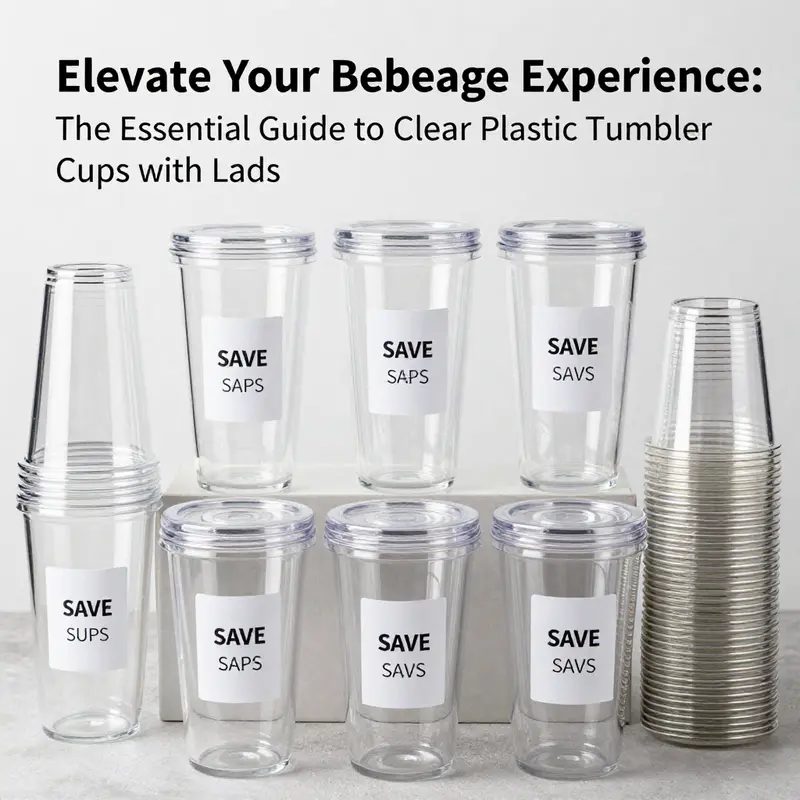
Clear plastic tumbler cups with lids are more than simple vessels; they are interfaces that connect beverage creativity with supply chains, brand engagement, and the daily rhythms of offices, events, and transit. In the world of serving and dispensing, clarity matters as much as containment. When a drink is poured into a transparent cup, color, texture, and layering become part of the experience. That visual honesty helps customers judge freshness, quality, and composition in an instant. It also makes the cup a canvas for color and contrast, turning a standard service into a moment of display. The materials chosen for these cups—typically PET or PP—must deliver not just vivid clarity but reliable performance. PET offers stiffness and excellent transparency, while PP contributes a lightweight, heat-resistant profile. Both materials must meet food-safety standards and resist the occasional temperature swing that accompanies a busy service line, a crowded event, or a doorstep delivery. The result is a practical tool that honors both form and function: a cup that shows what it contains, while protecting what sits inside from contamination, leakage, or runaway heat when needed. In many dining environments, this combination is not merely convenient; it is essential to maintaining workflow, reducing waste, and enhancing customer trust. The durability of these cups under typical usage scenarios means they withstand the rigors of transport from kitchen to curb, from booth to car, and from event hall to home. They resist minor impacts that can occur during stacking, loading, and small-scale drops, preserving a clean edge and an unobstructed view of the beverage inside. This reliability is complemented by a calm confidence in temperature management. While many users associate these cups with cold drinks, the right formulations permit hot beverages as well, broadening the range of applications—from iced coffees and lemonades to soups and hot chocolates at different service points. The versatility is not just about hot or cold; it also encompasses the practicalities of the everyday work environment. In offices, for instance, a single-use yet sturdy cup can streamline a break room routine, offering a hygienic solution that minimizes cross-contamination risks and reduces the time employees spend cleaning up spills or decanting beverages into other containers. On the manufacturing floor or in a high-volume catering operation, the predictability of a standardized cup shape becomes a quiet driver of efficiency. Standardization enables seamless integration with automated filling and sealing lines. The cups’ consistent dimensions ensure reliable feed rates, accurate volume control, and smooth interfacing with lids, whether the closure is a dome lid designed to accommodate whipped cream and foam or a flat lid that provides a tight seal for travel and outdoor use. The durability and design synergy of the lid itself is central to performance. Dome lids add headspace for toppings and foams, preserving visual appeal without compressing toppings. Flat lids, often sealed and straw-ready, prevent leaks in transit and during outdoor service. Spill-resistant and leak-proof designs with secure locking mechanisms are particularly valued in on-the-go contexts, where the cup sits in a car cup holder or a commuter’s bag, minimizing mess and protecting the contents. In terms of production efficiency, the clear tumbler’s geometric uniformity plays a crucial role. The standardized cylindrical shape minimizes variation that could disrupt automated systems, while clear walls enable quick visual checks for bubbles, sediment, or contamination at multiple stages of production. This transparency aids quality control well beyond the filling line: finished cups can be inspected for clarity, smooth edges, and the absence of cosmetic defects that could impact consumer perception. In parallel, the lids’ profiles—whether snap-on, hinged, or threaded—contribute to line efficiency and waste reduction. Snap-on and leak-proof lids reduce the risk of spills during handling and transport, while compatibility with car cups or in-vehicle cup holders makes these products practical for delivery services, catering fleets, and mobile vendors. The consumer-facing benefits are matched by a robust set of commercial advantages that drive procurement decisions across sectors. Branding opportunities, for instance, are especially potent with clear plastic tumblers. The transparent surface acts as a clean backdrop for logos and messaging without compromising legibility or aesthetic balance. Businesses can choose to print or emboss branding directly on the cup, or employ external labeling strategies that align with campaigns or seasonal events. The transparency allows large, boldly colored logos to sit behind the beverage’s hue, creating a dynamic interplay that reinforces brand recognition with every sip. This is where customization becomes more than a decorative option; it becomes a strategic instrument for market differentiation and customer engagement. For organizations seeking branded solutions, options exist to tailor cups through OEM/ODM services that include custom printing and logo applications. A practical example of branded versatility can be seen in the broader ecosystem of cup design, where suppliers offer custom-logo capabilities on various cup formats, supporting cohesive brand experiences across take-away and dine-in channels.1 The potential to align cup design with a brand’s color scheme, typography, and messaging can yield a cohesive customer touchpoint—from the packaging to the final presentation of the beverage itself. The financial logic of such decisions rests on the tension between material cost, unit price, and the savings generated by scale. Clear tumblers with lids are typically lightweight, reducing freight costs per case and enabling efficient palletization and storage. Bulk purchasing—often in thousands of units—lowers per-unit costs and streamlines procurement for large events, corporate programs, or retail distribution. The combination of reduced waste, improved throughput, and strengthened branding creates a compelling economic argument for adopting clear plastic tumblers as a standard service tool in a wide array of settings. Beyond pure cost considerations, the hygienic advantages of single-use cups merit attention. In contexts where cross-contamination risks must be minimized, especially in high-traffic venues or seasonal pop-ups, single-use clear cups provide a straightforward solution. They support clean handling and quick turnover, and many come with lids that further reduce exposure to dust and airborne contaminants during transport or outdoor service. For businesses exploring sustainability, there is also a growing emphasis on recyclability and eco-friendly certifications. PET and PP cups can be manufactured with attention to end-of-life options, and some lines are designed to be recyclable in communities with appropriate infrastructure. In every case, it remains essential to consult local recycling guidelines and to communicate clearly with customers about disposal. The interplay of clarity, durability, and branding culminates in a product that functions as both workhorse and canvas. It is a tool that supports fast-paced service without compromising presentation or safety. It enables operators to showcase the color and layering of beverages, which can be a deciding factor for customers choosing between similar offerings. And it provides brands with a flexible platform for storytelling through color, logo, or seasonal graphics, reinforcing recognition even before the first sip is taken. For practitioners seeking reliable sourcing and customization, the landscape includes suppliers and platforms that can facilitate OEM/ODM collaborations, ensuring that the cups meet technical specifications while delivering on visual identity. A practical pathway toward branding success lies in selecting a lid and cup combination that aligns with the intended use, whether it is a dome-lidded smoothie for a campus event, a spill-proof flat-lidded cup for commuters, or a leak-resistant option for outdoor festivals. The right pairing reduces waste, minimizes downtime, and elevates the consumer experience from practical to memorable. In summary, the industrial and commercial benefits of clear plastic tumbler cups with lids rest on five pillars: visibility and appeal, manufacturing and packaging efficiency, branding potential, operational reliability, and cost-effectiveness at scale. When these elements converge, the cup becomes more than a container; it becomes a strategic asset that supports brand consistency, reduces friction in the supply chain, and enhances the everyday rituals of customers and workers alike. For organizations pursuing branding deployments that extend across diverse channels, exploring customized cup options can unlock additional value and coherence in customer interactions. custom-logo cups can be a starting point for thinking about how printed branding meshes with the clear container’s advantages. As standards and safety guidelines continue to evolve, practitioners should reference recognized resources to inform material selection, testing, and performance criteria. For those seeking external guidance on overarching specifications and testing protocols, see the ASTM guidelines. External resource: https://www.astm.org
Tailored Sourcing: Customization, Compliance and Supply Strategies for Clear Plastic Tumbler Cups with Lids
Customization and Sourcing Strategies for Clear Plastic Tumbler Cups with Lids
Choosing clear plastic tumblers with lids for a business is as much about design and brand expression as it is about logistics and compliance. A strong sourcing plan begins with clear priorities: material performance, lid style, brand visibility, regulatory compliance, and total landed cost. Focusing on these elements at the same time saves time and prevents costly redesigns or shipment rejections.
Start by clarifying material priorities. PET and PP are common choices because they deliver high clarity, food-safe performance, and predictable manufacturing costs. PET offers excellent transparency and is widely recycled; it is ideal for showcasing colorful or layered drinks. PP is slightly more heat-resistant and more forgiving in production for thicker-walled designs. When clarity and glass-like presentation are essential, consider co-polymer blends or higher-grade resins that reduce haze. Specify your expected temperature range, intended reuse or single-use scenario, and whether dishwasher resistance or microwave tolerance is required. Those details shape resin selection and determine whether the supplier needs to run specific production tests.
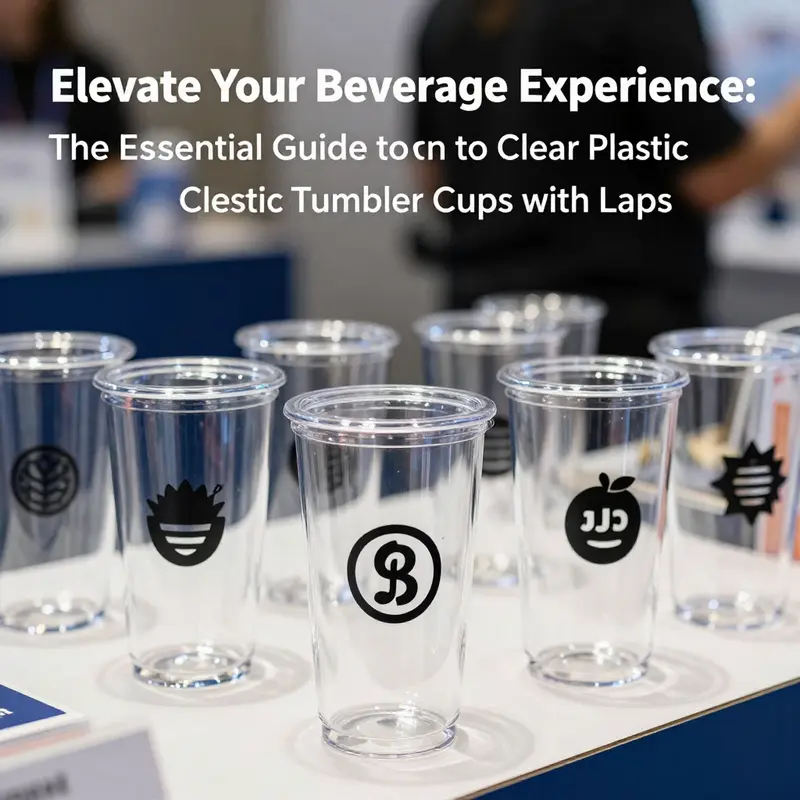
Design customization is the next major decision. Branding typically involves logo placement, color accents, and optional printing techniques. For clear tumblers, consider subtle printed art on the exterior to preserve transparency while boosting recognition. A minimal, high-contrast logo on a clear field works well for premium positioning. For high-volume promotional runs, pad printing or silk-screen printing are cost-effective. Embossing or debossing on double-wall designs gives a tactile premium feel while leaving the inner volume transparent. If color is a priority, translucent tinted cups are possible, but remember tinting affects visibility of contents.
Lid selection must align with both user experience and packaging logistics. Dome lids create volume and allow whipped toppings or foam without compression, making them ideal for smoothies, shakes, or layered desserts. Flat lids with straw holes support easy sipping and efficient stacking for boxed delivery. Sealable, leak-resistant lids are essential for on-the-go beverages and reduce customer complaints for delivery or travel use. When requesting custom lids, specify closure geometry, material compatibility, and whether the lid will be produced from the same resin family as the cup to avoid differential shrinkage during thermoforming.
Practical customization also includes size, shape, and secondary features. Decide early on capacity ranges and wall thickness so tooling can be scoped correctly. Straight-sided cups are easier and cheaper to tool, while tapered or contoured shapes attract premium buyers but increase unit cost and production complexity. Consider adding measurement markings, integrated handles, or insulated double-wall construction. Each feature changes molding requirements and may influence minimum order quantities.
Sourcing options span local manufacturers, overseas factories, and third-party sourcing platforms. Overseas suppliers often provide lower unit prices and broader customization capabilities. Local suppliers offer faster lead times and simpler quality oversight. Balance unit price against freight, duties, and delay risk. When sustainability matters, ask suppliers for eco-certifications and whether they can produce recycled-content resin blends or BPI-compliant items. If you need small runs or prototype sampling, prioritize suppliers that offer low minimum order quantities and sample pieces.
Supplier vetting is a critical step that reduces supply chain risk. Request documentation up front: food-contact certifications, material safety data sheets, and process-control reports. Ask for photos of tooling, factory lines, and finished goods. Where relevant, request test reports demonstrating compliance with local food-contact regulations and any regional restrictions on certain resins. For example, some jurisdictions restrict certain polycarbonates in infant products. Clarify these constraints so your supplier can advise on acceptable materials.
Order economics and negotiation depend on volume, lead time, and tooling needs. Tooling is often the largest upfront cost for a custom shape or lid. Negotiate tooling amortization into per-unit pricing or request a split arrangement where tooling is paid in stages. Confirm what constitutes acceptable cosmetic defects and whether the supplier provides inspection reports. For batch orders, request a pilot production run and pre-shipment samples. Pre-shipment samples allow you to approve lid fit, sealing performance, print quality, and stacking behavior before full runs.
Quality control keeps shipments consistent. Create a clear inspection checklist covering dimensions, clarity, wall thickness, lid fit, leak tests, and print alignment. Where possible, require third-party inspection at the factory before shipment. Random-sample leak testing, pressure tests for travel lids, and drop tests for durability reduce consumer complaints. For printed logos, request Pantone color matching and specify acceptable color tolerances. Ask the supplier to photograph sample batches and to include batch identifiers inside packaging for traceability.
Regulatory and regional compliance cannot be an afterthought. Verify the supplier understands your market’s regulations for food-contact plastics. Obtain written confirmation that the product meets local standards for migration, heavy-metal limits, and allowable additives. If you sell in regions with bans on non-degradable single-use plastics, plan for alternatives—reusable-grade polypropylene, recyclable PET, or paper/plastic hybrid solutions. When selling through airlines or venues with specific rules, confirm allowed materials and any labeling requirements.
Logistics, packaging, and shipping details shape final cost and customer experience. Decide on inner packaging format that protects prints and keeps rims from damage during transit. Bulk-packed trays reduce handling damage but may increase volume and freight costs. Flat-packed lids nested inside cups save space but require precise tooling tolerances. Include packing lists with batch numbers, and plan for customs paperwork early. Lead times for custom tooling plus production typically range from several weeks to a few months, so align launch dates with realistic manufacturing schedules.
Sustainability and end-of-life planning are increasingly important to buyers and regulators. If recyclability is a selling point, design with mono-materials where possible. Avoid combining dissimilar polymers in ways that complicate recycling. For compostable or bio-based scenarios, validate claims with third-party certifications and test the product under realistic composting conditions before committing to large production runs. If you aim to reduce single-use waste, consider offering a reusable version with reinforced walls and dishwasher-safe ratings.
For small brands or experimental products, sampling and small MOQs make testing feasible. Many suppliers provide prototypes or free sample cups for evaluation. Use those samples to trial branding options, lid preferences, and pack-out formats. Run small-scale consumer tests to measure acceptance of lid types, straw holes, and dome versus flat aesthetics. Gather feedback on spill behavior and perceived premium value.
When ready to place a larger order, document every specification in an order agreement. Include material grade, color tolerances, print specifications, lid models, QA tolerances, packaging format, delivery terms, and penalties for non-conformance. Clear contracts prevent misunderstandings and protect both parties. Maintain ongoing relationships with two or more qualified suppliers to mitigate supply disruptions.
If you want more detail on food-grade lid and bowl options that illustrate practical packaging choices, see this reference for food-grade take-away bowls with lids: senang05 food-grade take-away bowl with lids.
For supplier verification and to explore manufacturing capabilities that support custom clear plastic tumblers and lids, review the supplier profile available here: https://www.alibaba.com/showroom/liaoning-jinrong-packaging-products.html
These sourcing and customization strategies help ensure that your clear tumblers meet brand expectations, perform in real use, and comply with regulations. Thoughtful specifications, careful supplier selection, rigorous quality control, and clear contractual terms reduce risk and deliver consistent, attractive products to your customers.
Final thoughts
In conclusion, clear plastic tumbler cups with lids are more than just containers; they are versatile tools that can enhance your beverage offerings. With varied materials, innovative lid designs, and numerous applications, these cups serve as a practical solution for any beverage business. Their benefits in hygiene, customization, and cost-effectiveness not only boost your brand’s market presence but also cater to the diverse needs of your customers. Investing in the right packaging solutions will streamline service and elevate customer satisfaction.