
Introduction
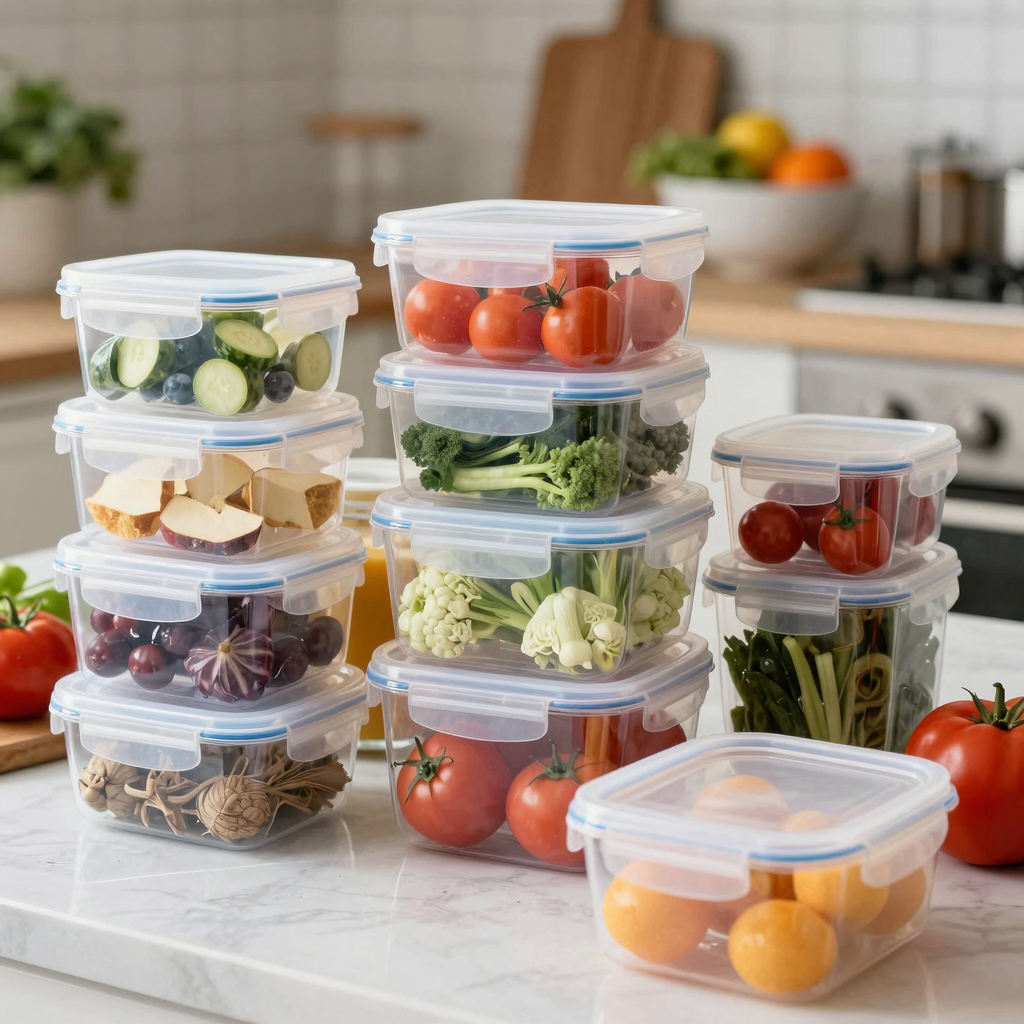
In today’s fast-paced food industry, the quality of service and the preservation of food are paramount. Whether you’re running a bustling restaurant, a trendy bubble tea shop, or a mobile food truck, the efficiency of your operations often hinges on the materials you choose. Plastic containers are not just a convenience; they play a crucial role in maintaining the integrity of your culinary creations.
These versatile containers ensure that food stays fresh and delicious while allowing for easy handling and transport. With features like airtight seals and durable construction, they minimize spoilage and waste, enhancing overall service efficiency. Moreover, when used creatively, plastic containers can also help in branding-making a lasting impression on your customers’ minds. It’s not just about function; it’s about creating an experience.
As businesses are increasingly focused on sustainability and cost-effectiveness, the use of the right materials becomes even more critical. Additionally, exploring other options like sugarcane bowls or customized containers can further elevate your brand’s appeal. Embracing plastic containers, along with an open mind towards alternatives, can lead your establishment to new heights of operational success and customer satisfaction.
Benefits of Plastic Containers for Food Businesses
Using plastic containers in bubble tea shops, restaurants, food trucks, catering services, and event planning offers several key advantages:
-
Durability: Plastic containers are designed to withstand the rigors of food transport without breaking, making them ideal for food trucks and mobile operations. Their resilience ensures that ingredients and meals arrive safely at their destination without leaks or spills.
-
Cost-Effective: Being lightweight, plastic containers reduce transportation costs by minimizing fuel consumption. This is essential for businesses like catering and food trucks, where every penny saved contributes to the bottom line.
-
Food Safety: Many plastic containers are made from materials that meet FDA and EU regulations for food safety. They are resistant to moisture and grease, which helps maintain food quality and extends shelf life. Options like clear and leak-proof designs inspire confidence in customers.
-
Customization Opportunities: Businesses can leverage custom-printed plastic containers for branding, enhancing visibility and engagement. This feature is particularly useful for event planners and catering services looking to create a lasting impression.
-
Hygienic and Easy to Clean: Plastic containers can be easily sterilized, ensuring hygiene standards are met. Many are also reusable, making them a more sustainable option for businesses that prioritize environmental responsibility, such as those using recyclable or compostable materials.
By embracing plastic containers, food businesses can enhance their operational efficiency, maintain high food safety standards, and improve their branding efforts. For more insights on sustainable packaging, you can learn more about sugarcane cup benefits or check out the importance of customized octagonal paper bowls.
Safety Standards for Food-Safe Plastic Containers
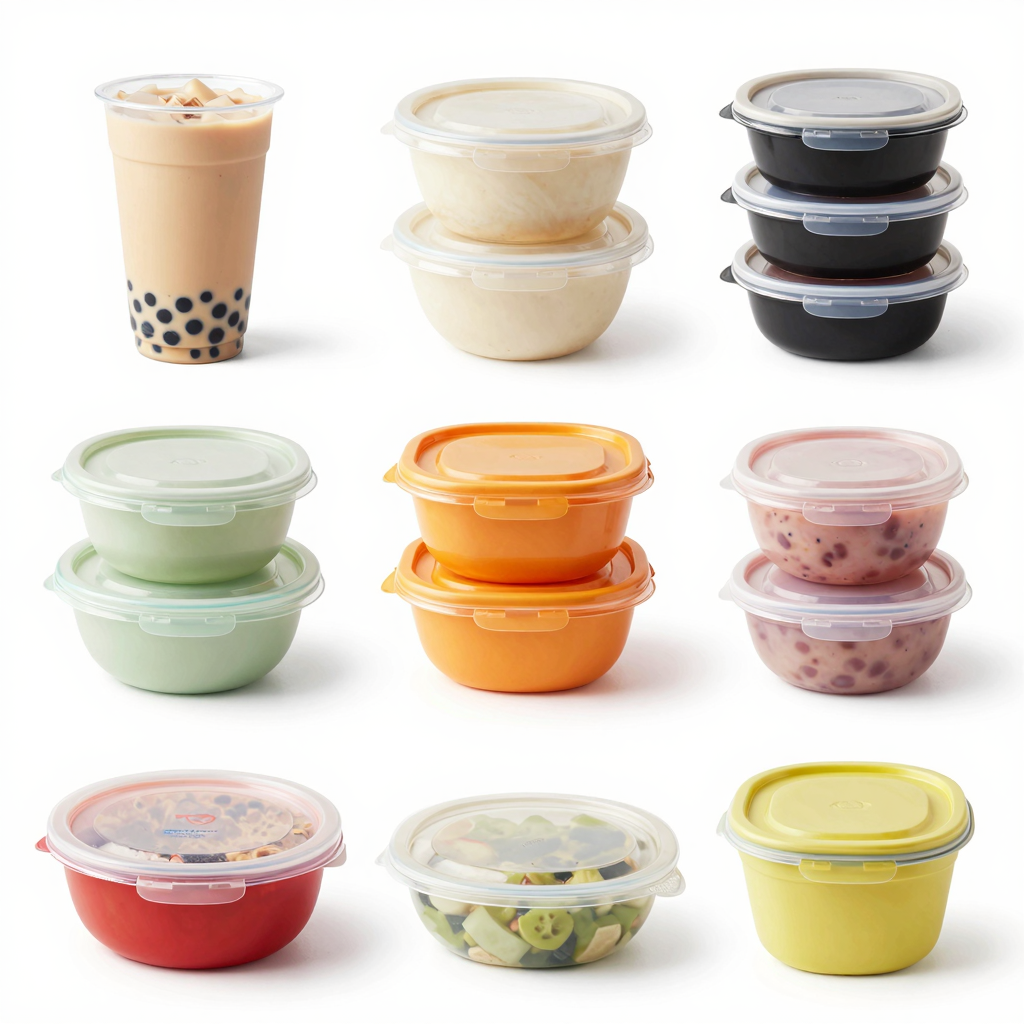
In the food and beverage industry, ensuring safety and compliance with regulations is paramount, especially when using plastic containers for food contact. Food-safe plastic containers must meet stringent safety standards set by regulatory bodies like the U.S. Food and Drug Administration (FDA). This section covers the key safety standards that all food containers should adhere to, providing reassurance to businesses and consumers alike.
FDA Compliance
The FDA regulates food contact materials under Title 21 of the Code of Federal Regulations (CFR). Key aspects of compliance include:
- Approved Substances: Only FDA-approved substances can be used in food-contact plastics. This ensures that no harmful chemicals can migrate into the food. For instance, there are strict limits on the use of bisphenol A (BPA) and certain phthalates in containers intended for children.
- Migration Limits: Containers must have scientifically established limits on the migration of substances into food. This is essential for protecting public health by preventing the consumption of harmful toxins.
- Good Manufacturing Practices (GMP): Manufacturers are required to adhere to GMP to ensure consistent quality and safety in production.
Material Safety and Assessments
Current FDA guidelines emphasize thorough safety assessments for new food contact substances. These assessments must include:
- Chemical Composition: Detailed documentation on the chemical makeup of the materials used.
- Migration Potential: Testing to measure the likelihood of substances transferring into food under normal use conditions.
- Toxicological Profiles: Comprehensive data outlining any potential health impacts of these materials.
Consumer Reassurance
Safety standards not only protect consumers but also enhance the credibility of businesses using food-safe plastic containers. By adhering to FDA compliance, manufacturers can ensure that their products are suitable for food contact, instilling confidence in their customers while complying with federal regulations. For businesses in the food industry, using certified food-safe containers is not just a requirement; it’s part of building a trustworthy brand that prioritizes safety and quality.
For additional insights, you can learn more about food packaging safety and how to select appropriate materials for your needs.
Comparing Different Types of Plastic Containers in the Food Industry
Understanding the types of plastic containers available is essential for businesses in the food industry such as bubble tea shops, restaurants, and food trucks. Below is a comparison of three common types of plastic containers: PET, PP, and HDPE.
| Type | Features | Benefits | Ideal Uses |
|---|---|---|---|
| PET (Polyethylene Terephthalate) | – High clarity and strength |
- Lightweight and cost-effective
- Not suitable for heating above 70°C | – Excellent for showcasing products
- Safe for single use
- Prevents contamination | – Ideal for beverages, cold food items, and takeaway containers |
| PP (Polypropylene) | – High heat resistance (up to 167°C) - Microwave and dishwasher safe
- Durable and flexible | – Safe for reheating
- Suitable for repeated use
- Good barrier against moisture | – Best for take-out containers, baby bottles, and food storage |
| HDPE (High-Density Polyethylene) | – Good chemical resistance - Rigid and lightweight
- Suitable for recycling | – Durable and sturdy construction
- Effective for packaging liquid and powdered items | – Commonly used for milk jugs, detergent bottles, and food storage containers |
For more information on food packaging materials and safety standards, check this detailed guide.
For additional insights on disposable food containers, you can read this article on sustainable packaging.
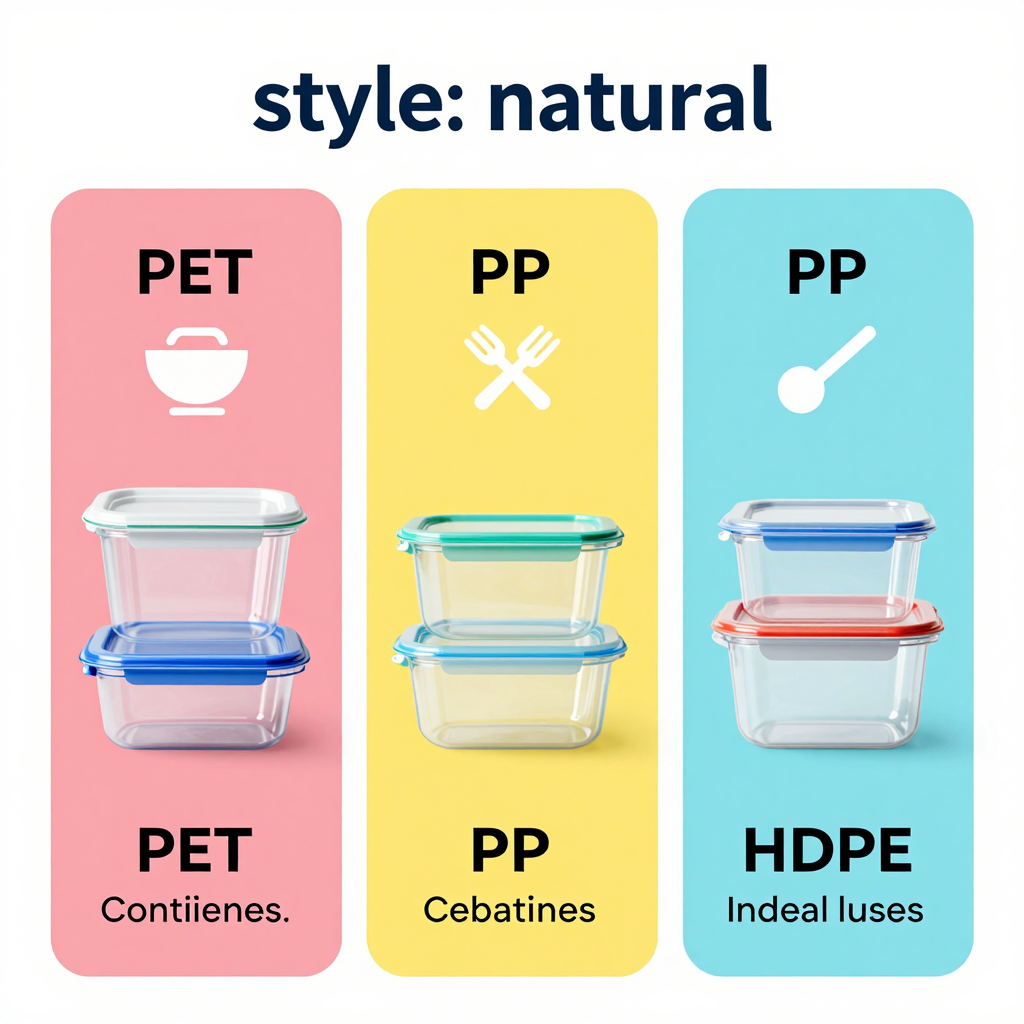
An infographic illustrating the comparison of different types of plastic containers used in the food industry.
Eco-Friendly Practices for Plastic Containers in the Food Industry
As the food industry shifts toward sustainability, the use of plastic containers is evolving to meet eco-conscious consumer demand. Plastic packaging traditionally has long been regarded as a significant environmental concern due to its impact on waste and pollution. However, innovative practices are emerging that enable businesses to adopt eco-friendly measures successfully.
1. Transitioning to Biodegradable and Compostable Materials
To reduce plastic waste, many companies are replacing conventional plastic containers with biodegradable and compostable alternatives made from plant-based materials like cornstarch and sugarcane. These materials break down naturally, minimizing landfill impact. For example, brands are now opting for sugarcane cups and containers that offer a sustainable choice without compromising on quality.
2. Implementing Reusable Container Systems
Businesses can enhance sustainability by adopting reusable container systems. This not only reduces the volume of single-use plastic but also builds a loyal customer base who appreciate the eco-friendly approach. For instance, food trucks and catering services can encourage consumers to bring back containers for a discount on their next purchase.
3. Emphasizing Recycling and Circular Economy
Designing packaging for recyclability is fundamental. Companies like BASF are pioneering innovations like coextruded PE/PA multilayer films that can be recycled efficiently, supporting a circular economy. By educating consumers about proper recycling practices, businesses can help reduce contamination and improve recycling rates.
Conclusion: Reaching Eco-Conscious Customers
By adopting these eco-friendly practices, food-related businesses can appeal to environmentally conscious customers. Not only do these practices enhance brand reputation, but they also lead to long-term cost savings and compliance with increasingly stringent regulations. As consumer awareness grows, those who lead the charge toward sustainability will undoubtedly gain a competitive edge in the market.
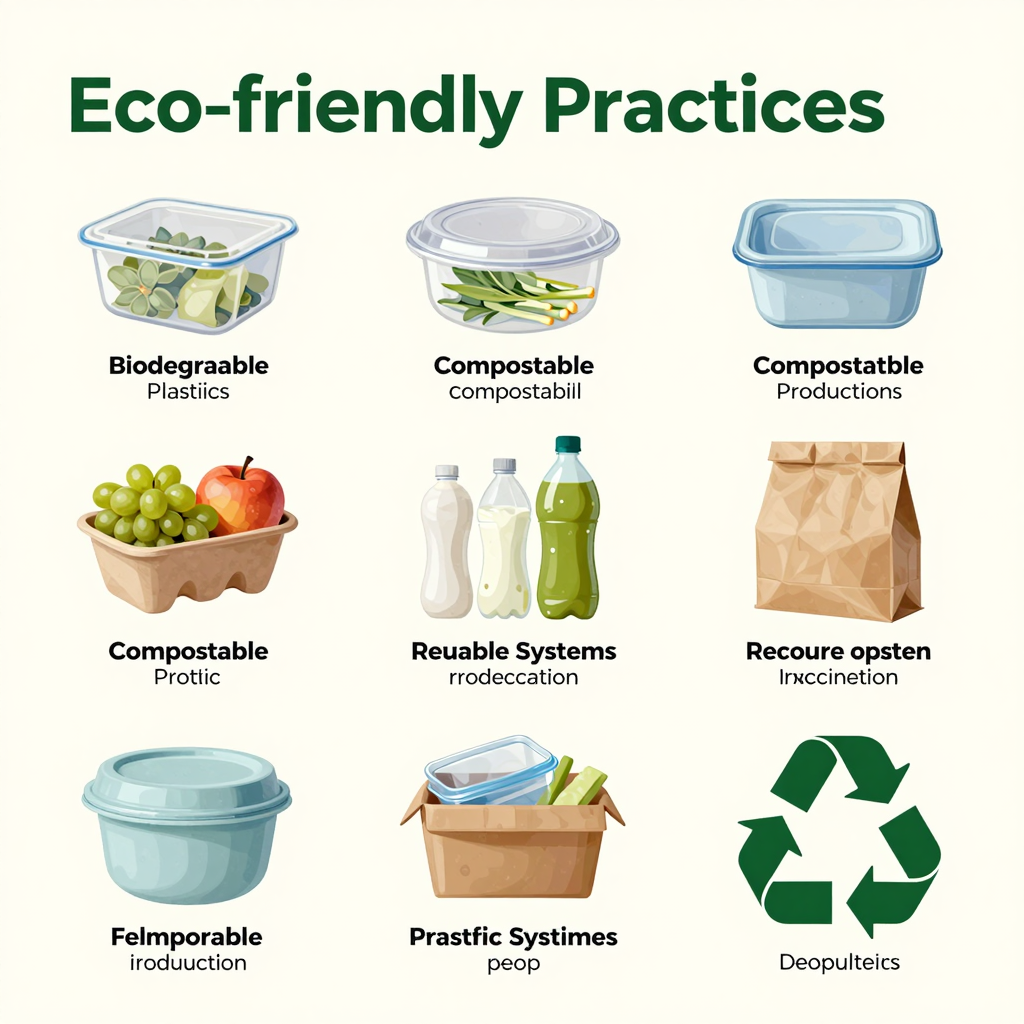
Businesses should keep pace with sustainable innovations in packaging to ensure they meet consumer expectations and contribute positively to environmental responsibility.
Flexible Ordering Options for Plastic Containers
When it comes to sourcing plastic containers for the food industry, flexibility is key. Businesses of all sizes can benefit from various ordering options that accommodate their unique needs. Here, we’ll explore the flexible solutions available for plastic container orders, including bulk purchasing, customization, and delivery options.
Bulk Purchasing
Bulk purchasing is a popular choice among restaurants, catering services, and food trucks. It allows businesses to stock up on essential supplies at competitive prices, reducing per-unit costs and ensuring availability during peak seasons. Many suppliers, like those featured on Alibaba, offer extensive options for bulk buying, catering to both small and large operations. With minimum order quantities ranging from dozens to thousands, businesses can find a suitable package that aligns with their consumption forecasts.
Customization
Customization of plastic containers can set businesses apart by providing a personal touch to their packaging. Options for customization include:
- Branding: Adding company logos to containers enhances brand visibility and customer recognition.
- Design Variations: Different colors, shapes, and sizes can be tailored to suit specific menu items or customer preferences.
- Functional Features: Custom lids, tamper-evident seals, and environmentally friendly materials can provide added value.
Delivery Options
Flexible delivery options further enhance the ordering experience, allowing businesses to streamline their supply chains. Suppliers now offer:
- Direct Shipping: Many companies provide shipping directly to locations based on operational needs, whether that’s rapid delivery for last-minute events or scheduled deliveries to maintain stock levels.
- Just-in-Time Delivery: This model minimizes storage costs while ensuring that containers arrive at the right time, preventing waste and ensuring freshness for food items.
- Subscription Services: For businesses that require regular supplies, subscription models offer an automated solution, allowing for hassle-free inventory management.
Catering to Various Business Sizes
By offering bulk purchasing, customization, and versatile delivery options, suppliers can cater to businesses of all sizes-from small bubble tea shops to large catering services. These features enhance operational efficiency, decrease costs, and improve customer satisfaction, making them essential elements of modern food service management.
For those interested in how customized containers can benefit their business, explore options like customized octagonal paper bowls that can elevate food presentation while offering flexibility in ordering.
Market Trends for Disposable Plastic Food Containers
Understanding the demand trends for disposable plastic food containers is essential for industry professionals like bubble tea shops, restaurants, food trucks, and catering services. The global market for disposable plastic food containers is witnessing significant growth due to the increasing preference for convenience in food consumption.
Demand Growth
Recent statistics indicate that the global disposable food containers market was valued at approximately $277.3 billion in 2023 and is expected to reach $390 billion by 2030, reflecting a Compound Annual Growth Rate (CAGR) of 5.01% during this period.
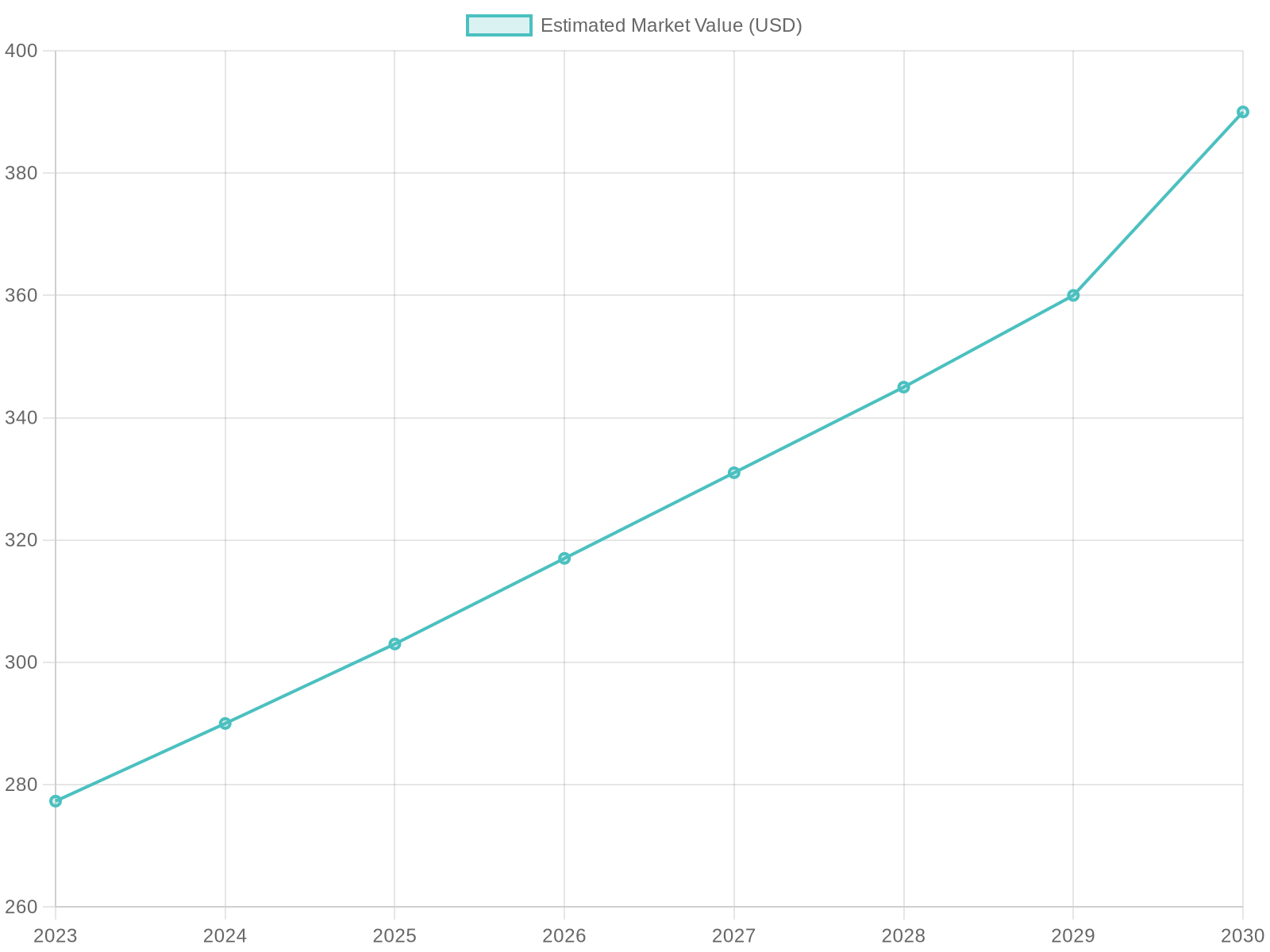
This growth is primarily driven by the expanding takeaway and delivery sectors, which have become integral to modern dining experiences. For a closer look at specific numbers:
- 2024: $290 billion
- 2025: $303 billion
- 2026: $317 billion
- 2027: $331 billion
- 2028: $345 billion
- 2029: $360 billion
For more insights, you can check out our articles on customized octagonal paper bowls and the benefits of sugarcane cups.
“Plastic food containers, particularly those made from PET, PP, and PS, are widely used in the food industry for their superior performance. They offer excellent moisture and grease resistance, are durable and shatter-resistant, and clear or white variants allow for product visibility-key advantages that support branding, consumer appeal, and food safety in retail and fast food applications.”
- Source: Packaging Digest
The effectiveness of plastic containers in the food industry is well-documented. They provide essential benefits such as:
- Moisture and grease resistance
- Durability and shatter resistance
- Transparency for product visibility
These advantages make them ideal for various applications, ensuring that food remains fresh, safe, and appealing for consumers.
For more insights on packaging solutions for your business, check out our blog on sugarcane cup benefits!
Conclusion and Call to Action
Choosing the right plastic containers for your food business is more than just a matter of convenience; it reflects your commitment to quality, sustainability, and brand identity. With a wide variety of options available, from traditional plastic containers to eco-friendly biodegradable choices, it’s essential to understand which solutions best meet the specific needs of your restaurant, catering service, or beverage shop.
In today’s competitive environment, packaging not only preserves food but also serves as a canvas for your brand’s message. Using tailored and stylish packaging can elevate customer experiences, leading to repeat business and positive word-of-mouth. It’s crucial that you select containers that align with both your operational requirements and your environmental goals.
We invite you to explore our diverse offerings tailored for the food industry. Whether you’re looking for stylish disposable tableware or innovative packaging solutions, we are here to help. Reach out to us today for personalized quotes that fit your needs. Together, we can create a sustainable packaging strategy that benefits your business and the planet.
For more insights into packaging solutions suitable for your operations, check our blog post on the benefits of sugarcane containers or learn more about customized octagonal paper bowls here.