
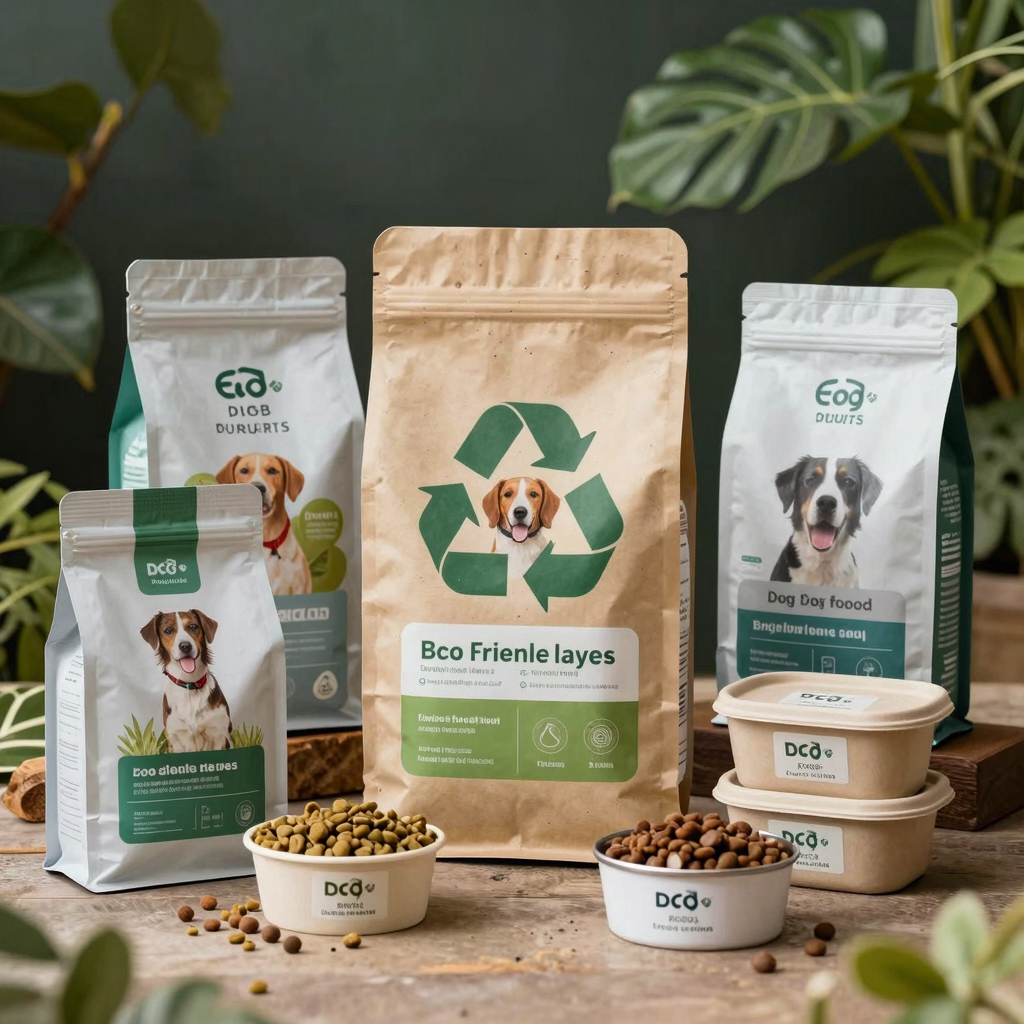
As the global trend towards sustainability gains momentum, businesses across various sectors are embracing eco-friendly practices, and the pet industry is no exception. The demand for eco-friendly dog food packaging has surged, driven by conscious consumers who seek products that not only nourish their furry companions but also protect the planet. In a world where plastic waste and environmental impact are critical concerns, sustainable packaging solutions offer a path towards reducing carbon footprints. Adopting biodegradable materials, recyclable options, and innovative designs not only appeals to eco-minded pet owners but also sets brands apart in a competitive market. By prioritizing sustainable packaging, businesses can significantly contribute to environmental stewardship while enhancing their brand image. Learn more about customizable solutions for sustainable packaging to keep up with this significant shift in consumer preferences.
Current Trends in Eco-Friendly Packaging for Dog Food
The pet food industry, particularly dog food packaging, is undergoing a significant transformation as it shifts toward more eco-friendly practices. This evolution is driven by increasing consumer demand for sustainable products and heightened awareness of environmental impacts.
Eco-Friendly Packaging Materials
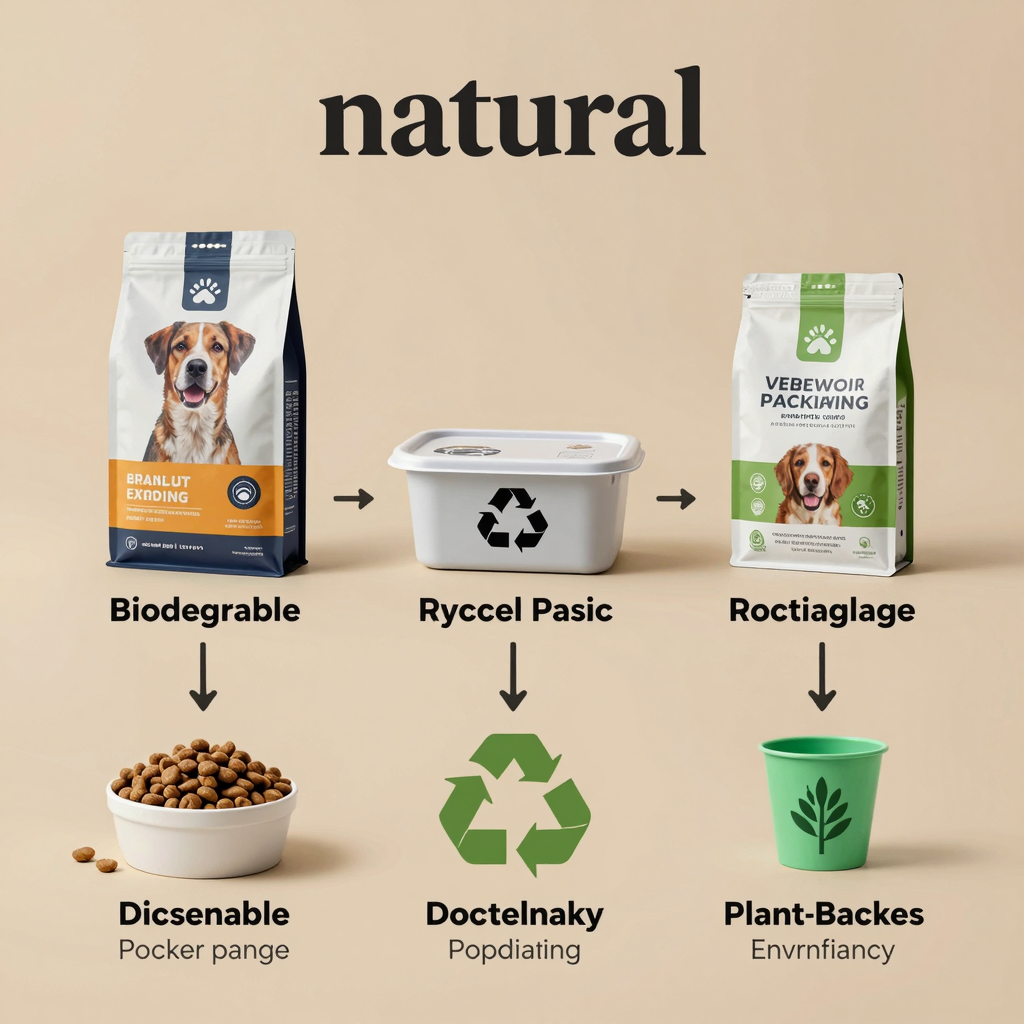
In 2023, the use of eco-friendly materials in dog food packaging expanded, focusing on biodegradable and compostable options such as PLA (polylactic acid) and cellulose-based films. Overall, biodegradable materials have seen usage rates between 8-12% globally, primarily among premium brands in North America and Europe. Recycling initiatives are also gaining momentum, with recycled plastics (rPET) comprising about 45% of all sustainable packaging by volume. Additionally, niche segments are embracing metal packaging, with aluminum accounting for roughly 7% of the market. These shifts indicate a substantial move from traditional plastic to more sustainable alternatives, significantly reducing the packaging’s long-term environmental footprint.
“The shift to biodegradable packaging is not just cost-driven; it is about aligning with consumer values and promoting a responsible brand image.” (Source: LinkedIn)
Consumer Preferences
Recent surveys reveal that consumer preferences are evolving significantly towards sustainability. In a 2023 global survey, 68% of dog food consumers expressed a preference for packaging that is labeled as “sustainable” or “eco-friendly.” Notably, 54% of participants indicated they would be willing to pay a premium of 10-20% for products featuring recyclable or compostable packaging. Moreover, 42% actively check for sustainability claims on packaging before making a purchase, highlighting a growing trend in consumer awareness and responsible buying practices.
“Pet food brands are now adapting their packaging strategies to meet customer demands for sustainability, reflecting a broader shift in consumer consciousness.” (Source: FDL数食主张)
Environmental Impact
Evaluating environmental impacts is crucial for packaging decisions. Studies reveal that using recycled materials can significantly reduce environmental burdens associated with packaging production. For instance, recycled plastic packaging achieved an average environmental impact score of 62/100, whereas compostable PLA scored around 69/100. In comparison, conventional plastic (virgin LDPE) scored much lower at 85/100, underscoring the environmental benefits of opting for recyclable and compostable options.
Conclusion
The trends in eco-friendly packaging for dog food reflect a substantial shift in materials, consumer preferences, and environmental impacts. As brands increasingly prioritize sustainable options, this focus not only enhances their market appeal but also contributes effectively to environmental conservation efforts.
Visual Insights
Further Reading
For businesses interested in sustainable practices, consider exploring the benefits of sugarcane packaging or learning about customized paper bowls that can enhance your green initiatives beyond just dog food.
Benefits of Customized Eco-Friendly Dog Food Packaging
Adopting customized eco-friendly packaging for dog food offers various advantages that can enhance a business’s image and performance in a competitive market. Here’s how customized eco-friendly packaging can benefit your dog food business:
1. Brand Loyalty and Recognition
- Utilizing eco-friendly packaging that is tailored to fit your brand identity helps establish a solid connection with your consumers. When customers see a familiar design on sustainable materials, they’re more likely to remember your brand and become repeat buyers.
- Eco-conscious packaging sends a strong message about your commitment to sustainability, fostering deeper brand loyalty among environmentally aware customers. According to recent statistics, 85% of consumers express that sustainable packaging significantly influences their buying decisions, highlighting the value of brand consistency in eco-friendliness.
2. Customer Appeal and Market Differentiation
- Consumers are increasingly favoring products with eco-friendly packaging. A recent study indicated that 76.62% of consumers are more likely to purchase products that utilize sustainable materials. This trend signifies that businesses adopting green packaging can stand out in the marketplace, appealing particularly to a younger demographic that values sustainability.
- Customized designs not only capture attention but also enhance perceived product quality. Packages that reflect uniqueness and care in design can lead to higher sales, as noted by marketing discussions.
3. Environmental Responsibility
- Using eco-friendly materials reduces the environmental impact and aligns your business with sustainability goals. This is increasingly important, as 43% of consumers associate eco-friendly packaging with higher value, further driving product preference.
- Supporting sustainable practices through packaging encourages consumers to feel good about their purchases, contributing positively to your brand reputation.
4. Cost-Effectiveness in the Long Run
- Although the initial costs of customized eco-friendly packaging might be higher, businesses can benefit financially over time through reduced material costs, lower waste disposal fees, and a potentially higher sales volume driven by consumer preference.
- Businesses can also tap into tax incentives for sustainable practices, enhancing overall profitability.
Conclusion
Transitioning to customized eco-friendly packaging for your dog food products not only supports environmental efforts but also boosts your brand’s appeal and fosters customer loyalty. With more consumers gravitating towards sustainable products, these strategic packaging decisions are essential for staying competitive and relevant in today’s eco-conscious market.
For more insights on environmentally friendly alternatives, check out sugarcane cup benefits and customized octagonal paper bowls.
Eco-Friendly Materials for Dog Food Packaging
When customizing eco-friendly dog food packaging, several sustainable materials can be utilized to minimize environmental impact. Here are some common options:
- Biodegradable Plastics: Made from sources like cornstarch (PLA) and other plant materials, these plastics break down more easily than traditional plastics, reducing pollution.
- Recycled Paper: Utilizing recycled content reduces deforestation and the need for new materials, making it a sustainable choice for packaging.
- Compostable Materials: These materials, including PBAT and cellulose-based films, are designed to break down completely in composting facilities, offering an eco-friendly disposal method.
- Plant-Based Inks: Used for printing on packaging, plant-based inks are less toxic and more environmentally friendly compared to traditional inks.
Using these materials not only benefits the environment but can also enhance a brand’s image. For more insights on eco-friendly packaging innovations, learn more here.
To customize your packaging solutions, check out our offerings for sugarcane cups and benefits.
Designing Custom Dog Food Packaging
When it comes to creating custom packaging for dog food, several key factors should be thoughtfully considered to ensure that it meets both brand and consumer needs. This section will delve into the essential aspects of branding, size, functionality, and sustainability that can elevate your dog food packaging.
Branding
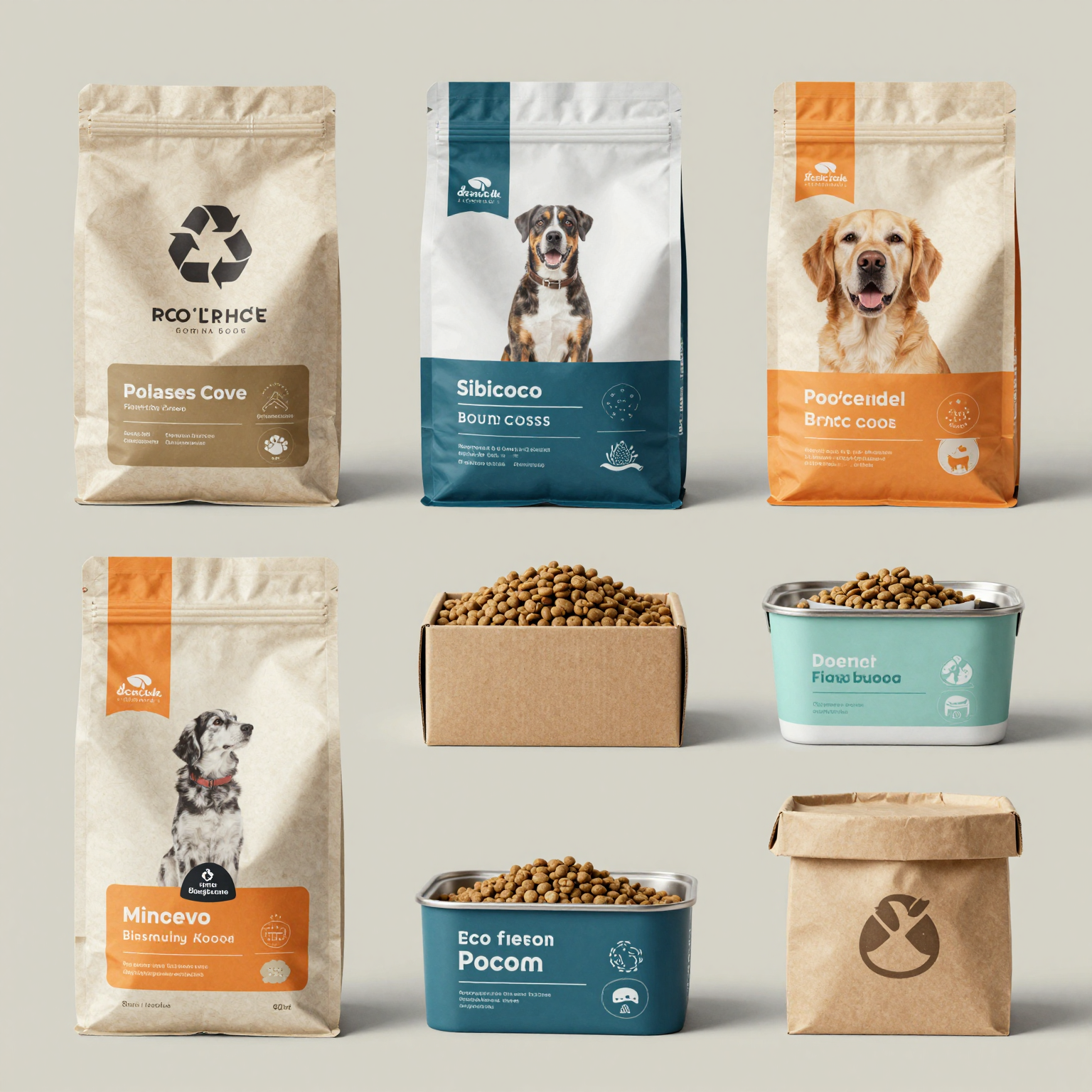
Branding plays a critical role in distinguishing your product on the shelves. Utilize unique designs, colors, and typography that reflect your brand’s identity. Custom graphic elements like pet images or playful illustrations can enhance consumer engagement. For instance, brands like Wagleaf Organics have successfully used natural colors and textures to convey their sustainable philosophy, thus appealing directly to thoughtful pet owners. This visual communication fosters brand loyalty and recognition, empowering consumers to choose your product over competitors.
Size
Customizing the size of the packaging is crucial not only for aesthetic purposes but also for functionality. Consider the amount of food being offered and the needs of your target audience. For example, a smaller, resealable package might be ideal for smaller pets or trial purposes, while larger containers cater to multi-pet households. Assessing market trends can provide insights into popular package sizes, ensuring that your design meets consumer demands effectively.
Functionality
The packaging functionality should enhance user experience. Incorporating features such as resealable zippers or easy-open tabs is vital. These enhancements retain freshness and make the feeding process easier for pet owners. For instance, utilizing a self-standing design can improve product visibility during retail display and facilitate better storage options. As seen in many successful designs, integrating a measurement tool within the packaging can simplify the feeding process.
Sustainability
Eco-friendly practices are increasingly influencing consumer choices. Opting for biodegradable or recycled materials not only showcases your commitment to sustainability but also appeals to environmentally conscious consumers. Using packaging that minimizes waste during transport can help lower your environmental impact. If your packaging utilizes sustainable processes, such as compostable materials or innovative adhesive techniques, it’s essential to communicate these features clearly on the label. This fosters trust and aligns with the growing trend towards responsible consumerism.
Conclusion
In summary, designing custom dog food packaging requires a careful balance of branding, size, functionality, and sustainability. By focusing on these elements, businesses can create appealing, practical, and environmentally responsible packaging solutions that resonate with dog owners. For more insights on packaging design, check out our article on customized octagonal paper bowls to explore how innovative packaging can make a difference in attracting and retaining customers.
Comparing Traditional vs. Eco-Friendly Packaging for Dog Food
When it comes to packaging dog food, the debate between traditional and eco-friendly materials is intensifying. The following compares these two packaging types based on various factors including features, costs, and consumer perceptions.
| Feature | Traditional Packaging (e.g., HDPE/LDPE Plastic) | Eco-Friendly Packaging (e.g., Recyclable/Biodegradable Pouches) |
|---|---|---|
| Common Materials | High-Density Polyethylene (HDPE), Low-Density Polyethylene (LDPE), Single-layer plastic films | Recyclable aluminum foil + PE/PET, biodegradable polymers (PLA), laminated paper (kraft), VMPET/paper/PE composite |
| Typical Cost per Unit (1kg bag) | $0.06 – $0.12 USD (based on bulk orders from suppliers) | $0.09 – $0.15 USD (custom printing & sustainable materials increase cost) |
| Environmental Impact | High: Non-biodegradable, contributes to microplastic pollution; low recycling rates (estimated <10% globally). | Low to Moderate: Biodegradable or recyclable materials reduce landfill burden. |
| Barrier Properties (Moisture/Oxygen Protection) | Good moisture resistance; moderate oxygen barrier depending on layering | Superior: Multi-layer structures provide excellent moisture and oxygen barriers, extending shelf life up to 18 months |
| Consumer Perception Trends (2024-2026) | Declining preference due to environmental concerns. 68% of U.S. pet owners prefer eco-friendly packaging. | Strongly positive: 74% of consumers are willing to pay a premium for sustainable packaging (McKinsey, 2025). |
| Certifications & Compliance | Limited certifications; often lacks EPR compliance | EU EPR compliant, FDA compliant, ISO eco-labeling, FSC-certified options available |
| Design & Functionality | Simple design: flat-bottom or stand-up with zipper top; limited transparency | Advanced: Stand-up pouch with valve system, resealable zipper, customizable printing, enhanced durability |
| Example Products | Standard 1kg dog food bags made from LDPE/HDPE (no barrier layer) | Biodegradable pouches (eco-friendly); Kraft paper-based stand-up zipper pouches |
Conclusion
Choosing the right packaging not only affects cost and functionality but also speaks volumes about a brand’s commitment to sustainability. For brands looking to appeal to an environmentally-conscious consumer base, shifting towards eco-friendly packaging could provide a competitive edge.
For more information on eco-friendly packaging options and sustainable practices, check out related articles that delve deeper into this topic.
Eco-Friendly Dog Food Packaging Case Studies
As pet owners become increasingly conscious of their environmental impact, several companies have made bold strides towards eco-friendly packaging solutions for dog food. Here are some notable examples that highlight the challenges and successes encountered during their transitions.
1. Wild One Pet Food
- Overview: Wild One transitioned from traditional plastic bags to compostable packaging derived from plant-based materials such as cornstarch and cellulose.
- Successes: The new packaging is certified home-compostable, effectively reducing landfill waste. Since implementing the change, they have seen a 30% increase in customer satisfaction related to sustainability and a 15% rise in repeat purchases from eco-conscious pet owners. Additionally, Wild One partnered with local composting facilities to establish a closed-loop system for used packaging.
- Learn more: Packaging World
2. Orijen’s Zero-Waste Initiative
- Overview: Orijen, well-known for premium dog food, embraced a sustainable packaging strategy by utilizing 100% recyclable and reusable materials.
- Successes: By using recycled kraft paper for outer bags paired with aluminum-lined inner pouches, the company reduced their carbon footprint by 40%. Furthermore, their ‘Return & Reuse’ program encourages customers to send back empty packaging for refills, enhancing sustainability.
- Learn more: Petfood Industry
3. Blue Buffalo’s Recycled Materials
- Overview: Blue Buffalo revamped their packaging by replacing virgin plastic with 75% post-consumer recycled (PCR) plastic.
- Successes: This initiative was bolstered by a transparent labeling campaign that illustrated the environmental benefits-equivalent to removing over 2 million plastic bottles from landfills annually. Positive customer sentiment towards their sustainability efforts soared by 60%, contributing to a 12% sales increase in the quarter following the launch.
- Learn more: Forbes
Visual Summary
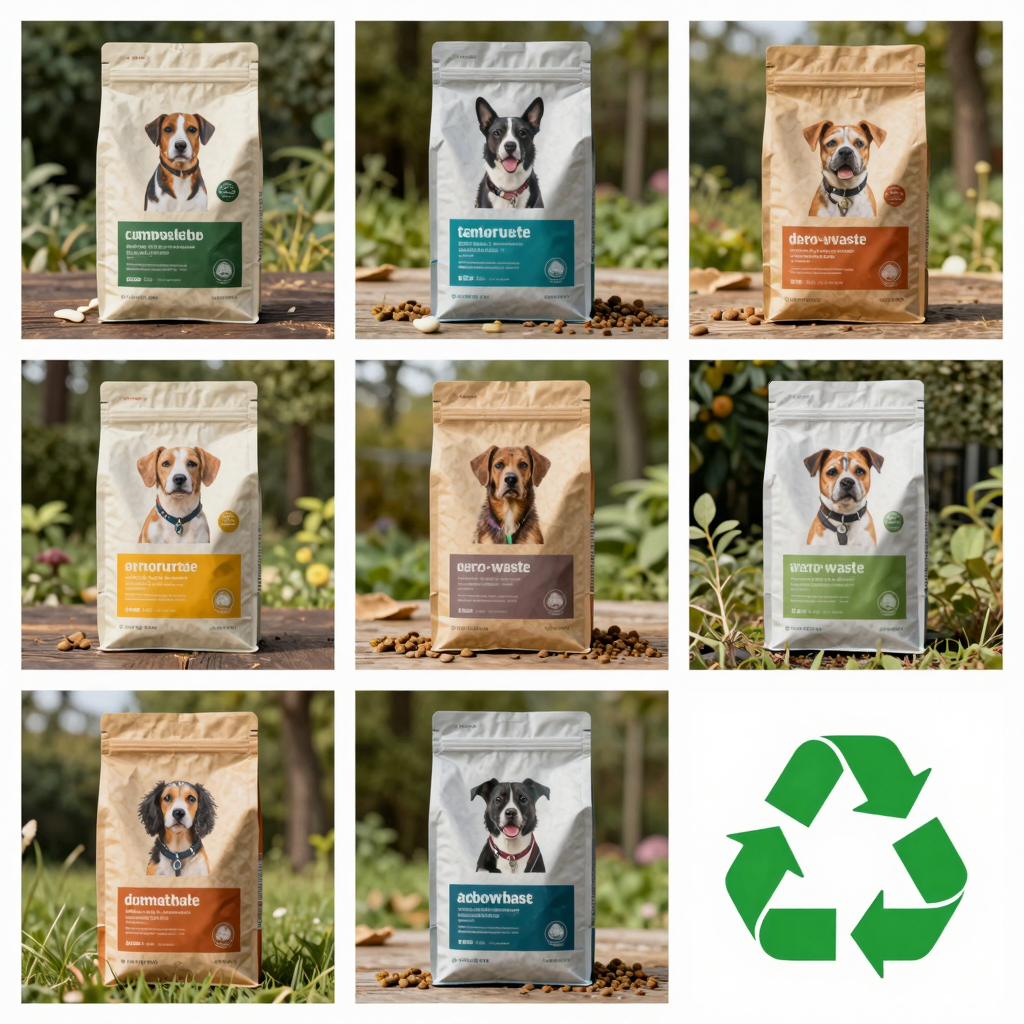
For those in the pet food industry considering a similar transition, these case studies serve as valuable benchmarks for not only improving sustainability but also engaging a more environmentally-conscious consumer base.
Conclusion
Switching to eco-friendly packaging is more than just a trend; it represents a powerful move towards sustainability that can drive significant business benefits. Companies that embrace eco-friendly packaging enjoy increased customer satisfaction, as evidenced by studies showing that 85% of consumers indicate that sustainable packaging influences their purchasing decisions. Furthermore, over 72% of shoppers are willing to pay more for products with such packaging, showcasing the economic advantage it offers.
Not only does eco-friendly packaging enhance brand loyalty and consumer trust, but it also reduces environmental impact and can improve operational efficiency. By prioritizing sustainability, beverage chains, restaurants, and other food service businesses can differentiate themselves in a competitive market, increasing their appeal to ethically-minded customers.
As you consider your packaging options, learn about the benefits of sugarcane cups and discover how switching to eco-friendly solutions can strengthen your brand while contributing positively to the planet.
Are you ready to elevate your business with top-notch disposable tableware and packaging solutions? At Cofe-Cup, we prioritize quality, safety, and fast delivery that meets your unique needs. Our eco-friendly options not only help in reducing your carbon footprint but also ensure your customers enjoy their beverages and meals in stylish, safe containers. Don’t compromise on quality-partner with us today to customize solutions that reflect your brand’s commitment to sustainability. Explore our paper bowl options and discover how we can assist your business!