

In the vibrant world of beverages, presentation plays a pivotal role in attracting customers. Clear gold plastic cups stand out as the stylish choice for bubble tea shops, restaurants, catering services, and event planners. These cups not only showcase beverages beautifully but also meet the demands of safety and practicality, making them a favorite for a variety of occasions. Each chapter of this article delves into the unique design, material safety, marketplace trends, usage scenarios, and the environmental considerations of these captivating cups, providing a comprehensive overview that’s relevant to your business needs.
null

null
Safety and Material Considerations for Clear Gold Plastic Cups
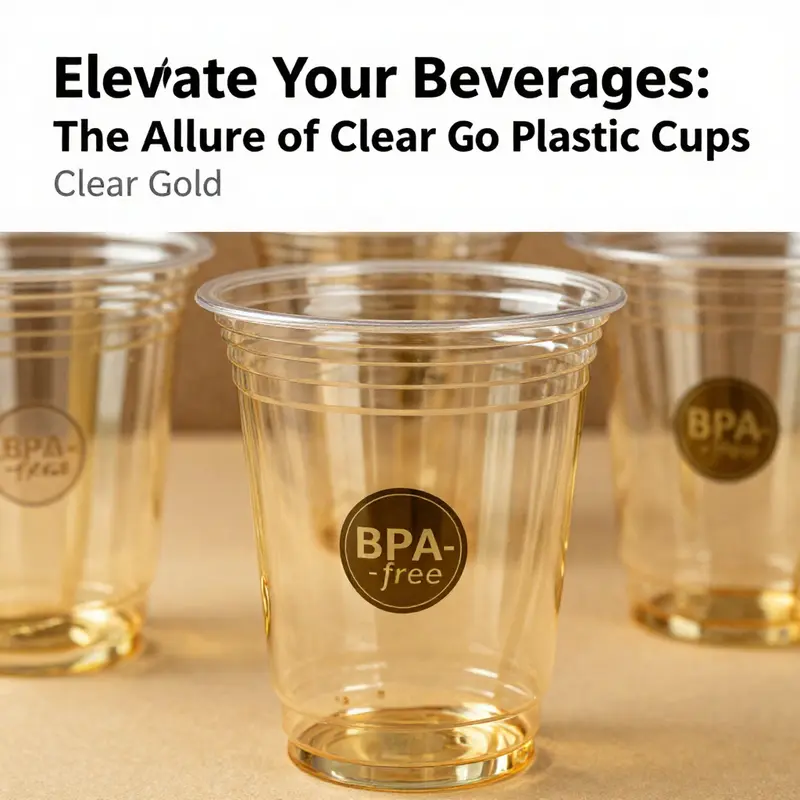
Clear gold plastic cups strike a delicate balance between minimalism and ceremony. The transparent body showcases the drink, while the gold rim or trim adds a touch of ritual elegance that can elevate a simple beverage into a moment. Yet beneath the surface this is a chapter about materials, safety, and practical design choices. The cups most commonly used for these purposes are built from food-grade plastics chosen for clarity, strength, and moisture resistance. In many current designs, the core material is polypropylene (PP) or polyethylene terephthalate (PET). These choices are favored because they maintain high clarity, resist condensation, and hold up under the everyday stresses of busy events. In some markets the older or less common options might include polystyrene (PS), but modern consumer expectations and safety standards have shifted toward sort of polymer that is BPA-free and compatible with standard municipal recycling streams when disposed of properly. The gold element—whether a rim, a band, or a decorative coating—does not usually become part of the raw plastic. Instead it is applied as a coating or a print, a finish that can convey luxury without compromising the material’s core properties. The result is a cup that remains visually crisp and sturdy while still being affordable enough for single-use party or hospitality applications. The design choice is not merely aesthetic; it influences how the cup performs from the pour to the finish and, importantly, how it is handled by consumers who expect safety and ease in equal measure.
Safety considerations begin with what is in the cup walls. BPA, or bisphenol A, has long been a concern in some plastic packaging because of potential leaching under heat or prolonged contact with liquids. In clear gold cups positioned for cold or room-temperature beverages, the risk is typically much lower, but the label still matters. Reputable manufacturers in this space clearly indicate BPA-free construction and emphasize that their products are intended for food contact. In practice this means that the cups, when used as directed, do not release harmful substances into soft drinks, iced tea, or fruit beverages. It is also essential to verify that any decorative elements—especially the gold trim—are non-toxic coatings or inks that adhere firmly to the cup surface and remain intact through typical use and handling.
Temperature compatibility is another crucial consideration. The vast majority of clear gold plastic cups are designed primarily for cold drinks. Exposure to high temperatures can compromise both the base plastic and the gold finish. Warping, sweating from heat, or a dulling of the trim can occur if the cups are used for hot beverages or left in sunny, warm outdoor environments for extended periods. This is not necessarily a flaw in the material itself, but a design boundary that consumers should respect. The safest approach is to reserve these cups for cold and ambient beverages, including sparkling water, juice, iced coffee, or tea that has cooled to a safe serving temperature. If hot liquids must be served, it is wise to choose a cup explicitly rated for heat and to avoid scenarios in which the cup is exposed to temperatures beyond its tested range for extended times.
Reusability and hygiene present a nuanced picture. Most clear gold cups are marketed as disposable, which aligns with many event contexts where quick service, minimal cleanup, and reduced cross-contamination risk are priorities. However, in some settings they may be washed and reused, provided that care is taken not to scrub away the metallic coating or apply harsh detergents that could degrade the finish. Reuse requires gentle cleaning, avoiding abrasive scrubbers, and ensuring the cups are thoroughly dried before stacking. Over time, repeated washing and drying can wear down the ornamental trim or small defects in the plastic, which can affect the cup’s appearance as well as its integrity. These practical limits are a reminder that the cups serve a dual function: they deliver a category of experience—clean, clear presentation with a hint of luxury—while remaining aligned with safety and hygiene expectations.
From an engineering perspective, these cups are designed with several performance-focused priorities in mind. A clear, uniform rim helps with stability during pouring and pouring accuracy, which matters when serving beverages in high-volume settings or at open, self-serve stations. The ability to stack for storage is another key attribute, enabling venues to maintain space efficiency without compromising the cup’s shape or the protective coating on the rim. In industrial or commercial contexts, uniform manufacturing tolerances matter because they translate into predictable behavior during handling, transport, and service. When the gold trim is a coating or print, it is critical that the bond between trim and substrate remains consistent across thousands of units. Any delamination or unevenness can distract guests and also create potential hygiene concerns if micro-crevices collect moisture or residue.
Regulatory and standard considerations offer a backbone for these designs. In many markets, products intended for direct contact with food and beverages are subject to FDA or EU food-contact regulations. These standards typically require clear documentation of the materials used, the processes by which finishes are applied, and the safety profiles of coatings and inks. For operators and retailers, the take-away is straightforward: ensure that the supplier provides documentation or certifications demonstrating compliance with relevant food-contact rules. This is especially important for cups that carry metallic finishes, as customers may raise questions about what the finish contains and how it behaves under typical use. The best practice is to request and retain product specifications and testing data, enabling quick verification if needed for audit or quality control.
The environmental dimension also deserves attention. Clear cups with gold trim are popular for both consumer appeal and practical reasons, but the finish can complicate recycling. Gold coatings or inks may separate from the plastic during the recycling process, which can affect the recyclability of the cup stream. If recycling is important, buyers should seek cups where the trim is designed to be compatible with common recycling streams, or at least clearly labeled for the appropriate disposal method. This consideration is particularly relevant for workplace or event organizers who are planning large-scale distributions and want to minimize waste while maintaining aesthetics. Informed purchasing decisions may involve balancing the desire for a premium-looking cup with the practical realities of post-use handling and infrastructure in the local waste system.
Choosing the right cup for a given context hinges on a blend of event planning, brand alignment, and practical constraints. For small gatherings that prize visual impact and intimate service, a 9-ounce option with transparent body and gold rim can strike a balance between portion size and presentation. For larger celebrations or corporate functions, a larger capacity—such as a 16-ounce glass-like tumbler with gold trim—can support bolder beverages and longer servings while maintaining a high-end feel. When the aim is to stock for many events or to supply a chain of venues, wholesale options or bulk buys become attractive. The decision then extends beyond appearance into cost per unit, ease of storage, and the ability to withstand the rigors of high-frequency service. In all cases, alignment with safety standards, temperature expectations, and cleaning practices helps ensure a reliable, repeatable experience for guests and a smooth operational flow for staff.
To help navigate these choices, it is useful to consider a practical pointer: a small-cup option can provide a cost-efficient, festive look without the complications of hot beverages, while a larger, more durable trim can signal formal occasion status. For those seeking a budget-conscious entry point in the small-cup segment, see the option described as a plastic-free disposable cup for wine and mineral water. The link leads to an alternative material approach that may suit venues prioritizing sustainability or avoiding certain plastics altogether, while still delivering a clean, elegant presentation for cold drinks. This is not a universal prescription, but it offers a path to balance aesthetics, safety, and practicality in a live-service environment.
For readers seeking deeper technical grounding, additional details about material performance, coatings, and safety testing are available through external technical resources. These sources provide specifications on how coatings adhere to plastic surfaces, what kinds of testing protocols are used to validate BPA-free claims, and how temperature extremes are handled in large-scale manufacturing. They also explore how certain finishes can influence recycling outcomes, which is an essential consideration for organizations aiming to optimize both guest experience and environmental responsibility. In practice, a thoughtful approach combines a clear understanding of material behavior with a realistic view of how the cups will be used in real-world settings. This holistic view helps ensure that the final choice—whether for a boutique wedding or a high-volume corporate event—delivers the desired visual impact without compromising safety, usability, or sustainability. For additional technical details, see this external resource.
Internal link for quick reference: for a compact, cost-conscious option in the small-cup range, consider the best-price 8oz plastic-free disposable cup for wine and mineral water. Best-price 8oz plastic-free disposable cup for wine and mineral water.
In sum, clear gold plastic cups are more than a decorative accessory. They are a product engineered to balance clarity, safety, and practicality. By understanding the material choices, the implications of the gold finish, and the regulatory and environmental considerations, buyers can make informed decisions that lead to safer, more satisfying beverage experiences for guests while keeping operational realities in view.
External resource for further technical specifics: https://www.munfix.com/products/munfix-gold-disposable-plastic-cups-9-oz-clear-100-count
Gilded Clarity on the Table: Market Trends and Design Psychology of Clear Gold Plastic Cups

A simple cup can do more than hold a drink; it can set the mood for an entire gathering. The clear plastic cup with a gold accent—the rim, a glittering edge, or a soft metallic halo—has become a surprisingly influential design element in contemporary event planning. It blends the transparency that showcases a beverage’s color and layers with a hint of luxury that elevates table aesthetics without demanding a formal setting. This combination matters as much for the guest experience as for the host’s bottom line because the visual cue of a gold detail signals celebration, quality, and attentiveness to detail. In that way, the market for clear gold plastic cups reveals more than a trend in disposable ware; it speaks to a broader shift toward premium, visually compelling, yet practical tableware that can be deployed across intimate weddings, lively birthday parties, and polished corporate events alike.
Market dynamics over the past couple of years show a clear appetite for disposables that do not sacrifice visual impact. The category responsible for these cups sits at the intersection of practicality and presentation. Event organizers and retailers increasingly favor products that combine a crisp, transparent body with a gold rim or decorative accents. The effect is a form of storytelling: the drink inside looks pristine, the setting reads upscale, and guests feel valued without the ceremony and maintenance that come with glassware. In markets driven by weddings and formal celebrations, this visual language has become especially potent; gold accents pair with white linens, candlelight, and metallic accents to create cohesive, editorial-ready tablescapes that photograph beautifully in social-media-driven environments.
From a product-development perspective, the core attributes of clear gold cups revolve around three pillars: appearance, safety, and durability. The cups typically use BPA-free, food-grade plastics such as polypropylene or polystyrene, which helps reassure hosts about beverage safety in both cold and warm contexts. The clear body is essential since it allows the beverage to speak for itself—ice, fruit, bubbles, or tea—while the gold rim or glittered edges catch the eye without overwhelming the drink. Durability matters as well; these cups are designed to resist cracking or warping under outdoor lighting, wind, or a bustling event hall. The ability to stack for storage and to withstand repeated use in high-volume settings is a practical advantage that many buyers appreciate when stocking for seasonal peaks or bulk catering.
The design vocabulary has grown with the market. A prominent design variation features a glittery gold rind or a metallic sheen on the lip, which elevates the cup’s perceived value. Other variants rely on a sleek, minimalist gold ring along the rim or a full gold-tinged edge that catches the light as beverages are poured. The common thread across these designs is that the gold detail remains a focal point, drawing the eye toward the drink and adding a sense of ceremony that rivals more traditional glassware. This design approach dovetails with consumer expectations: they want a product that looks premium on the table, yet remains affordable, disposable, and easy to clean up after a celebration.
The consumer is responding accordingly. Market insights from 2025–2026 show a clear tilt toward premium disposable products that enhance the aesthetic experience without sacrificing the convenience of single-use goods. The appeal is strongest in settings where the host wants a festive atmosphere without the fragility or heavy cleaning associated with glass. Yet while the gold-accent trend flourishes, buyers also consider the trade-offs. Aesthetics must align with value, so the most successful offerings strike a balance: a transparent cup that showcases the drink, a durable build that withstands practical handling, and a gold accent that reads as luxe rather than showy.
Another layer shaping this segment is the push toward sustainability. The broader plastic-cup market acknowledges the tension between convenience and responsibility. Eco-conscious shoppers seek products that can be recycled or that are derived from more sustainable materials, or at least carry assurances about clean-label production practices. Industry commentary points to ongoing developments in recyclable and biodegradable plastics as core responses to growing environmental concerns. In this context, clear gold cups are often positioned as premium disposables—worth the investment for enhanced event ambiance while remaining mindful of disposal and recycling responsibilities. The narrative around sustainability is not a rejection of plastic so much as a call for smarter material choices and responsible end-of-life practices. That tension shapes both supply and marketing: manufacturers and retailers increasingly emphasize dishwasher-safe durability where appropriate and provide bulk packaging options to streamline inventory management for venues while pursuing greener alternatives where feasible.
For event planners and retailers, the practicalities of stock and supply chains also influence how these cups are used. The market supports a wide range of packaging sizes—from smaller sets for intimate celebrations to enormous wholesale runs that can reach tens of thousands of units. The efficiency of bulk stocking is not just about price per unit; it also reduces the logistical friction of sourcing for large events and repeat business with venues and caterers. A common approach is to maintain a mix: compact sets for micro-events aligned with a budget-friendly aesthetic, mid-sized options for midrange occasions, and large-volume offerings for corporate galas where a consistent look across hundreds or thousands of guests matters. In this way, the cups become part of a larger toolkit for event design, rather than a standalone purchase decision.
As with any design-forward disposable, choices hinge on how well the product integrates with other elements of the event—tableware, linens, glassware, and even the lighting rig. A clear cup with a gold accent can harmonize with gold-toned chargers or with a crisp white palette, letting the beverage itself contribute color and life to the table. The gold rim can highlight the simplicity of a lemonade or espresso-based drink, making even modest refreshments feel curated. For caterers, this means an opportunity to offer clients a sense of premium experience at scale, while still leveraging the cost efficiencies of disposable serviceware. It also opens doors for branding and customization, a growing trend in which retailers explore options beyond off-the-shelf finishes. In practice, vendors who can pair the right material, finish, and packaging with customer needs tend to win repeat business because the cups become a recognizable part of a party’s narrative.
From a procurement perspective, buyers weigh both design and logistics. The market has adapted to support a spectrum of needs, including small party kits and large bulk orders for venues that require rapid turnover. In some cases, customers look for compatibility with dishwashers or for cups that tolerate refrigeration and hot beverages alike, expanding the utility of a single product across multiple service scenarios. This versatility adds to the value proposition of clear gold cups, making them attractive not just for one-off events but for ongoing operations such as hotel banquets, wedding venues, and corporate catering programs.
For readers who are exploring budget-friendly options without compromising the effect, there are practical paths to consider. Budget-conscious buyers can pursue options like the best price 8oz disposable cups, which provide a compact, affordable entry point into the gold-accented category while preserving the visual impact essential for celebration-worthy presentations. This balance—between cost control and aesthetic uplift—defines current buying behavior and often guides the choice between smaller sets and larger wholesale commitments. The emphasis is on collecting reliable, repeatable performance: cups that look right on the table, hold up to a busy service floor, and offer predictable pricing across multiple orders.
Retail and event planning strategies increasingly treat clear gold cups as essential components of a cohesive design system. They are not merely vessels but visual anchors that anchor color palettes, lighting cues, and service style. When chosen with care, they can elevate a table from utilitarian to memorable, helping guests feel part of a well-orchestrated moment. The practical virtues—stackability, dishwasher compatibility, and robust margins for resupply—complement the aesthetic benefits, making these cups a practical investment for venues that aim to deliver consistent experiences across dozens or thousands of events each year.
External reference: https://www.amazon.com/MATANA-Gold-Plastic-Party-Cups-Disposable/dp/B0C8X7JZ1K
null

null
Gilded Clarity, Hidden Footprints: Rethinking the Sustainability of Clear Gold Plastic Cups

The allure of clear gold plastic cups rests in their ability to fuse transparency with a touch of luxury. In settings from intimate celebrations to larger gatherings, the ability to showcase a drink—its color, texture, and sparkle—without sacrificing convenience is compelling. Yet beneath the gleam lies a complex environmental footprint. The chapter that follows threads together how these cups are made, used, and ultimately disposed of, and it contemplates what sustainability can look like when aesthetics meet lifecycle realities. It asks not only what is visually appealing in the moment, but what systems and choices can temper the long tail of plastic waste that accompanies festive service.
At the core of clear gold plastic cups is the material itself. The cup body is typically fashioned from polypropylene (PP) or polystyrene (PS), both of which are fossil-fuel derivatives. These polymers offer strength, clarity, and a lightweight profile that suits outdoor events and high-volume service. However, they are not biodegradable, and their persistence in ecosystems can stretch across hundreds of years if disposal is mishandled. The metallic gold effect—often achieved through a metallization process on the rim or via a gold-colored coating—adds perceived value but also invites scrutiny. Metallization demands energy and certain chemical steps, contributing to the product’s carbon footprint beyond the base plastic. In combination, the clear body and gold edging deliver a high-visibility product that can elevate a beverage’s presentation, but the optimization of the lifecycle requires a careful look at each phase from production to end-of-life.
The environmental concerns around single-use plastics in general are well documented, and clear gold variants magnify these concerns in the eyes of sustainability-minded buyers. The convenience they offer—lightweight construction, ease of disposal, and compatibility with a broad range of beverages—also aligns with a culture of disposability. When events wrap up, the cups are often discarded alongside other single-use items, amplifying the volume of plastic entering landfills or, worse, the environment. The presence of a metallic finish can complicate sorting and recycling processes because the metal layer may interfere with conventional recycling streams. Even when facilities attempt to recycle these cups, the combination of plastic and metallized coating presents a dual-material challenge that is not always easily resolved in municipal programs. The result can be a mismatch between what consumers hope to achieve in a visually striking presentation and what actually happens to those materials after the party ends.
From a life-cycle perspective, energy use and emissions in production matter as much as the end-of-life fate. Metallization and coating steps require energy-intensive processes, while the base plastics themselves rely on feedstocks from fossil fuels. The environmental calculus is further complicated by durability considerations. Clear gold cups are designed to withstand both hot and cold beverages, and their resistance to impact makes them suitable for outdoor or high-traffic events. This durability helps justify their use in certain contexts, but it can also translate into a longer-than-necessary life cycle for a disposable item if end-of-life options are not aligned with disposal realities. In short, the aesthetic appeal of gilded rims can conspire with consumer norms around convenience to generate a substantial, sometimes invisible, environmental footprint.
Acknowledging these realities invites a broader discussion about alternatives and the conditions under which they can be viable. A growing segment of manufacturers explores clear cups built from polylactic acid (PLA), a bioplastic derived from renewable resources such as corn starch or sugarcane. PLA-based options are marketed as compostable under industrial facilities, offering a potential route to reduce long-term waste. Yet industrial composting infrastructure is not universally available, and accessibility remains a key constraint. Even when compostable cups reach the right facility, the composting process consumes energy and requires strict adherence to temperature and moisture thresholds. The upshot is that compostability is not a panacea; it is a system-dependent solution that hinges on local waste management capabilities and consumer behavior.
Another route gaining traction involves incorporating recycled-content polymers, including recycled PET (rPET), into the fabrication of clear, gold-rimmed cups. By elevating the share of recycled resin, brands can dampen the demand for virgin plastic and divert some waste away from landfills. This approach, however, carries its own caveats. Recycled materials can introduce variability in quality and clarity, and some recycling streams are hampered by the presence of metal coatings or by the fusion of materials. The net effect is a more nuanced balancing act: recycled-content cups may offer environmental benefits, but these gains are contingent on robust recycling infrastructure and rigorous contamination control.
For consumers and event organizers who want to minimize reliance on virgin plastics, the question becomes one of trade-offs and context. In some scenarios, a shift toward reusable options may prove the most sustainable path. Durable, dishwasher-safe cups—whether made from glass, stainless steel, or robust acrylics with a gold rim—offer a route to long-term reuse that can dramatically reduce waste when programs are in place to support cleaning and return systems. Reusability reframes the equation from “one party, one container” to “many uses,” and it aligns with broader initiatives to normalize reusable serviceware in hospitality and events. Of course, reusability also requires infrastructure, logistics, and a culture of careful handling, which may not be feasible for all venues or budgets.
In the meantime, several practical steps can help reduce the footprint of clear gold cups at current scales. First, selection matters. Where possible, prioritizing materials labeled BPA-free and opting for cups designed with recycled content or compostable pathways can lower some environmental risks. Second, disposal pathways deserve attention. Clear labeling, color-coded bins, and partnerships with waste managers can improve separation and ensure that compostable or recyclable streams are used correctly. Third, and perhaps most importantly, consider the context of use. For small gatherings, a single-use option with credible compostability may be acceptable where industrial facilities exist. For large-scale events, the emphasis should lean toward reusable serviceware coupled with robust wash and return systems, or toward high-quality recyclable options that maximize post-consumer recycling. These choices require planning, not last-minute improvisation.
To broaden the landscape of alternatives and encourage informed decisions, consider a pathway toward more sustainable options that blends aesthetics with responsible practices. For those who want a tangible alternative that keeps a similar visual appeal while reducing plastic waste, one could opt for plastic-free, single-wall craft paper disposable cups for certain beverage services, especially cold drinks or products with shorter serving times. This option, while lacking the glossy plastic glow, preserves a clean, minimalist presentation and avoids the complications introduced by metallization. For readers exploring this path, a relevant resource on plastic-free disposables offers practical guidance and product options that align with low-waste event planning. plastic-free, single-wall craft paper disposable cups
As the conversation evolves, it is essential to acknowledge the social and economic dimensions alongside the environmental ones. Clear gold plastic cups occupy a niche that favors speed, convenience, and visual impact—qualities that event hosts value. The challenge lies in aligning these advantages with transitions toward more sustainable practices without erasing the benefits guests expect. In practice, this means designers and suppliers work together to optimize material choice, production efficiency, and end-of-life options. It means venues invest in waste infrastructure and staff training, so that a party’s style does not come at an excessive ecological cost. And it means researchers, policymakers, and industry players collaborate to expand the availability of true end-of-life solutions, whether through more accessible composting networks, enhanced recycling technologies, or innovations in materials science that deliver glamour with a lighter environmental touch.
For readers seeking deeper context on how policy and standards influence these choices, the broader landscape of sustainable packaging guidelines provides critical touchstones. It is not enough to demand greener products; the system that governs waste, recycling, and composting must support those products in real-world settings. In this sense, the sustainability of clear gold plastic cups is not solely a function of the cup itself but a reflection of the waste management architecture that surrounds it.
Ultimately, the question is not whether clear gold cups can be elegant and convenient, but how to honor that elegance while respecting planetary boundaries. The answer lies in choice, infrastructure, and collaboration. By understanding material composition, recognizing the limits of current recycling streams, and embracing viable alternatives where appropriate, event planners, retailers, and consumers can chart a course that preserves the charm of gilded clarity without surrendering to wasteful habits. The journey from gleaming rims to responsible outcomes is a shared one, and every decision—from the cup’s material makeup to the way the cups are collected and treated after use—contributes to a broader cultural shift toward sustainability.
External resources can provide a grounded sense of how to navigate these decisions. For authoritative insights into sustainable packaging standards and compostable plastics, refer to the EPA’s guidelines on compostable materials. https://www.epa.gov/sustainable-management-food/composting
Final thoughts
Clear gold plastic cups are more than just appealing containers; they are essential assets for beverage-rich businesses seeking to blend style with safety. Their luxurious appearance elevates any event, while their smart material choices ensure the safety of your customers. Understanding the design, safety implications, current trends, and sustainability of these cups can significantly impact your business operations and client satisfaction. Embrace this chic option and watch your beverage game reach new heights.