

Clear lids for 20 oz plastic cups serve as critical components in beverage presentation and functionality. These lids ensure that beverages stay secure while allowing guests to enjoy visual appeal, especially for vibrant drinks like bubble tea and smoothies. In this article, we will explore the core features of these lids, delve into market dynamics for sourcing options, and analyze diverse application scenarios that benefit various businesses, including bubble tea shops, restaurants, and event planners.
Clarity in Every Sip: The Core Features and Practical Power of Clear Lids for 20-Ounce Cups
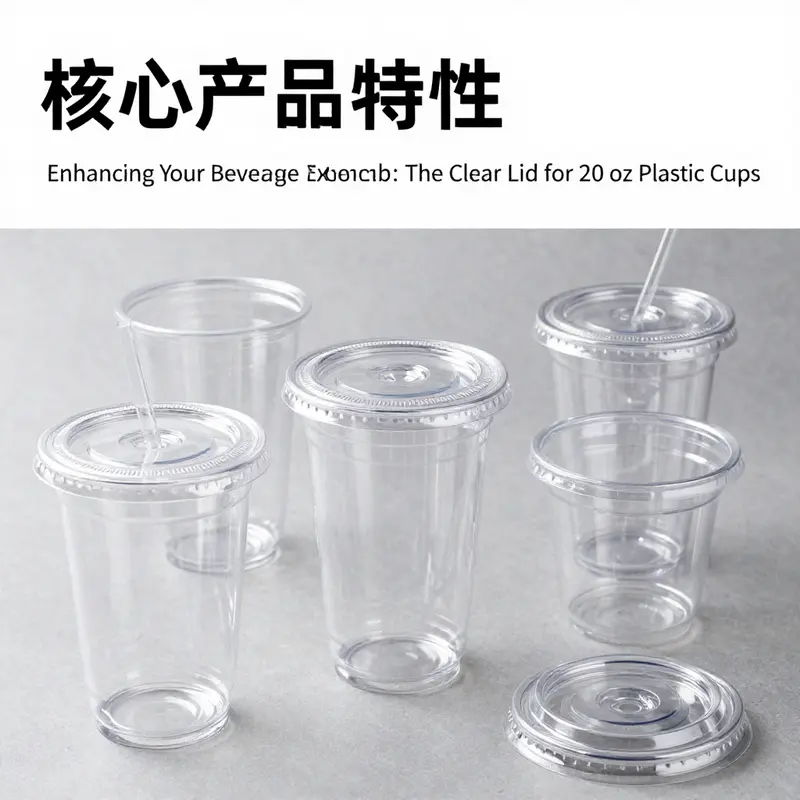
Clear lids for 20-ounce cups are about more than keeping a drink contained; they are about safeguarding presentation, enabling sip-by-sip enjoyment, and supporting efficient service. This chapter explores how transparency, fit, sealing performance, and sustainability converge in a single packaging element that affects safety, perception, and profitability.
Material and clarity. The most common choices are PET and polystyrene. PET offers crystal-like transparency, strong impact resistance, and compatibility with recycling streams in many markets. The lid must stay clear even after repeated handling, resisting fogging or micro-scratches that could dull the beverage’s appearance. Clarity lets the drink’s color, layers, and ice distribution speak for itself, which can reinforce perceived freshness and quality.
Durability and fit. A clear lid should seal reliably without jamming or warping when the cup is pressed, shaken, or tipped. The geometry of the lid lip, the seating surface, and the groove around the cup determine whether leaks occur during transit. A well-designed lid balances rigidity with enough flex to form a secure seal, while remaining easy to remove without tearing the cup lip.
Functional features. Many 20-ounce lids include a sip opening sized for comfortable drinking on the go, with optional straw compatibility, venting to equalize pressure, and stackable shapes for efficient storage. The best designs also emphasize quick, clean removal and minimal waste, which matters in high-volume environments.
Branding and presentation. The lid is a transparent canvas that can support customization without obscuring the drink. Logo imprints or color-matched accents on the lid or on the compatible cup sleeve can reinforce brand identity while preserving visibility of the beverage itself.
Sustainability and procurement. Recyclability of PET lids is a key factor in many programs, though rules vary by region. Some operators explore reuse models or reduced material thickness to lower waste. When buying at scale, buyers should assess size compatibility, safety certifications, minimum order quantities, lead times, and options for customization.
Practical decision framework. Ask: Does the lid fit standard 20-ounce cups within the expected tolerance range? Does it seal well under tilt and light handling? Does it preserve clarity after storage and transport? What certifications are provided? What is the supplier’s lead time and reliability? Is there an option to add branding through printing or embossing while maintaining the lid’s transparency?
Putting it together. A clear lid that performs reliably under real-world conditions supports faster service, reduces customer adjustments, and preserves the drink’s visual appeal from prep to pickup. In the hands of a barista and a customer, it becomes an unobtrusive but powerful interface that protects, showcases, and communicates quality.
External considerations. For teams exploring packaging strategy, consider partnerships that offer co-branded logos on the lid while keeping the clear field visible. Such choices can extend brand recognition at the moment of purchase without compromising the beverage’s presentation.
透明杯盖全球采购脉络:20盎司杯盖的渠道与定价演变
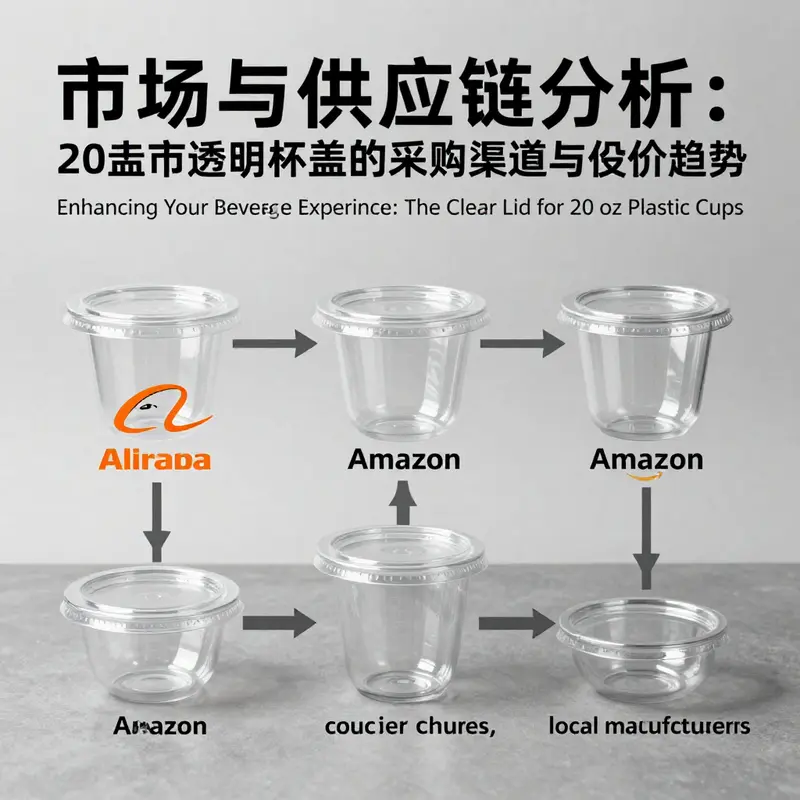
透明杯盖在全球饮品市场中不仅是容器配件,更是品牌呈现、合规性与成本结构的关键节点。本章聚焦20盎司杯盖的采购渠道与定价演变,涵盖材料选择、设计要点、供应链格局以及跨境交易中的风险与机遇。主流材质包括食品级PP、PS与高透明的PET;不同材料在成本、回收性和耐热性方面各有权衡。采购渠道方面,阿里巴巴国际站、速卖通、亚马逊等平台提供不同的批量与定制选项,工厂直购往往带来更具竞争力的价格与深度定制空间;而跨境电商适合小批量试单与市场测试。随着环保趋势,生物降解材料与可回收认证逐渐成为定价中的因素之一,同时认证成本与MOQ也会影响总成本。通过样品测试、对比多个渠道的交货期与售后服务,企业可以在成本、质量与交付之间找到平衡,构建符合品牌定位的采购策略。
Clarity and Commerce: The Strategic Significance of 20-Ounce Clear Lids on Plastic Cups
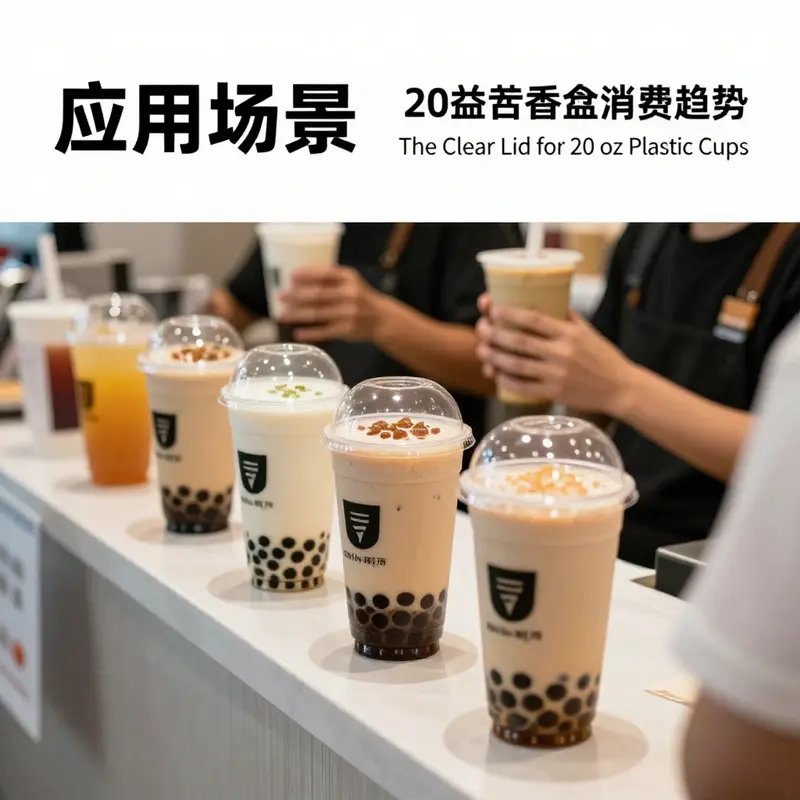
The 20-ounce clear plastic cup, when paired with a transparent lid, does more than simply hold a beverage. It creates a visible exchange between product and consumer, turning color, texture, and even perceived freshness into a branding moment that can influence purchase decisions, repeat visits, and word-of-mouth sharing. In many foodservice contexts, the combination of capacity, portability, and visual appeal anchors a drink’s identity. The clear lid, far from being a disposable afterthought, acts as a crucial component of the overall experience, shaping perceptions of quality and care that customers carry with them beyond the counter. It is in this subtle mediation between product and perception that the commercial potential of 20-ounce clear lids reveals itself, especially in fast-service environments where speed, cleanliness, and presentation converge.
From the standpoint of design, the most common materials for these lids—food-grade polymers such as polypropylene or polystyrene—offer a balance of safety, clarity, and rigidity. The choice of material matters because it governs not only safety and heat tolerance but also the way a beverage is displayed. A lid that remains crystal clear under cold or mildly warm conditions preserves the beverage’s color and opacity, allowing a consumer to gauge the beverage’s layers—fruit pulp in a smoothie, shards of ice in an iced coffee, or the gradient of a fruit tea. In a crowded display or a busy service line, the visual cues carried by a transparent lid can serve as a subconscious cue for freshness and quality, encouraging impulse purchases and higher perceived value.
The lid’s design is equally important. In many configurations, the lid is engineered to seal tightly, mitigating spill risk during transport and in high-traffic service areas. The ability to prevent accidental splashes while maintaining easy accessibility for drinking is a critical feature. A sip-through hole is a practical inclusion for on-the-go consumption, yet it must be engineered to minimize leakage when the cup is jostled or tilted. Another dimension of design is ergonomics: the lid must fit snugly around a 20-ounce cup with a standard diameter of roughly 9.5 to 10 centimeters, ensuring a tight seal without warping the cup itself. This precise fit is essential; even a small mismatch can lead to leakage, condensation, or pressure changes that affect the user experience as the beverage moves in transit.
One of the most notable shifts in recent years is the way the lid is treated as a canvas for marketing and branding. The lid’s transparency makes it possible to weave color psychology and branding into the drinking moment. For beverages with vibrant hues—tropical juice blends, layered smoothies, or cold-brewed tea—the lid serves as a natural frame that enhances the beverage’s appearance. Brands can leverage this by coordinating lid and cup color, or by adding subtle branding cues through printing on the body of the cup itself, then letting the lid keep the focus on the drink’s natural palette. In practice, this means the 20-ounce clear lid becomes not just a functional component but a marketing surface, reinforcing a brand’s identity in a low-friction, high-visibility way that travels from counter to customer’s social feed.
From a consumer behavior perspective, the clear lid plays a pivotal role in the retail and foodservice ecosystems’ sensory language. Many customers shop with their eyes first, then with their hands, and the lid is the last barrier between the drink and the consumer’s proof of satisfaction. A transparent lid makes the beverage’s colors and textures legible, which matters when customers are choosing among many options. The appeal is not purely aesthetic. It can affect perceived freshness and portion integrity. When a customer sees the true color of a fruit puree through a clean lid, confidence in the product can increase; when a lid fogs or distorts the beverage’s appearance, even subtly, that confidence can waver. The lid thus functions as a quality signal, a tangible assurance that what’s inside is as promised.
The commercial implications of this dynamic ripple through the entire supply chain. In cafés and quick-service restaurants, the combination of a reliable lid and a rigid cup reduces the risk of spillage during grab-and-go orders, which in turn mitigates waste, protects staff and other customers from spills, and lowers the overhead costs associated with damaged merchandise. Operationally, lid-and-cup compatibility is essential. Cups and lids must match in diameter and seating groove to maintain the seal’s integrity, especially in busy service environments where cups travel through multiple hands and handling stages before reaching the customer. Storage and transport considerations also come into play. Lids that stack efficiently, resist deformation, and stay visually pristine during storage contribute to faster service and less breakage, particularly in high-volume settings such as chain cafés and event caterings where throughput can define daily revenue.
The market momentum around 20-ounce clear lids also intersects with broader consumer trends toward safety, sustainability, and personalization. A growing segment of consumers seeks foods and beverages that align with environmental values, including the preference for materials that are recyclable or derived from safer, food-grade sources. In response, manufacturers have been exploring alternatives to conventional plastics, such as plant-based bio-polymers or materials that can be processed within existing recycling streams. While the dominant practice remains the use of food-grade PP or PS for many lids due to their robust performance and cost efficiency, the appetite for greener solutions is pushing developers to innovate across the entire lid ecosystem. Consumers are increasingly willing to pay a premium for packaging that signals responsible practices, and many retailers are responding by highlighting the eco-friendly attributes of their cups and lids in-store and online.
Beyond environmental considerations, customization has emerged as a strategic lever for brands seeking to differentiate in a crowded beverage landscape. The clear lid, with its visual transparency, enables brands to incorporate branding elements in ways that are both cost-effective and impactful. UV printing on the cup or lid surface, debossing on the lid-edge, or printed wraps on the cup body can deliver a consistent brand narrative without requiring heavy packaging changes. The capability to integrate logos, slogans, or seasonal artwork on the cup while maintaining a clear lid that showcases the drink’s color creates a cohesive and immersive brand experience. This is especially valuable for promotional campaigns at events, retail pop-ups, or limited-time offers where the presentation can elevate perceived value and customer engagement. In such contexts, the lid becomes part of the storytelling, reinforcing the marketing message as customers hold the drink up for photos, social sharing, and conversations that extend beyond the purchase moment.
From a procurement perspective, the market for 20-ounce clear lids is characterized by a wide range of channels and suppliers, each presenting its own balance of price, lead time, customization options, and minimum order quantities. For large operators and chains, direct factory sourcing can unlock economies of scale, ensuring steady supply during peak seasons and promotional bursts. The advantage of bulk purchases lies not only in unit cost but also in reliability—consistent lid availability reduces stockouts, which in turn supports smoother production lines and more predictable service levels. For startups and smaller venues, a mix of regional distributors and direct-from-manufacturer options can provide agility, allowing a business to trial different lid designs, test market responses to new beverage concepts, and respond quickly to changes in demand without being locked into lengthy contracts.
The choice of packaging strategy can also influence a brand’s marketing mix. For instance, a beverage program that emphasizes freshness and clarity may lean into a “see-through” packaging narrative, using the lid and cup to convey cleanliness and quality. Conversely, a program that highlights sustainability might pair the clear lid with messaging about recyclability, compostability, or reduced material usage, while still preserving the visual appeal of the drink itself. The lid is not merely a cost center; it is a strategic vector for reinforcing product stories, guiding consumer expectations, and enabling brand differentiation through its interaction with the cup and beverage inside.
In this light, the 20-ounce clear lid emerges as a practical unit of analysis for understanding broader market dynamics. It embodies trade-offs between cost, performance, and perception that typify packaging decisions in contemporary foodservice. The choice of lid affects not just the customer’s immediate experience but also operational efficiency, waste management, and brand storytelling. It is a small component with outsized influence, driving how a beverage is perceived in real time, how it travels through a service system, and how a brand can leverage packaging to expand its reach and resonance with consumers.
Moreover, the consumer trend toward personalization compounds the lid’s importance. Social media has transformed the act of unboxing a drink into a mini-event, a shareable moment that can generate organic marketing. A visually pristine lid that preserves drink clarity under varied lighting conditions is more likely to photograph well, leading to organic exposure and customer advocacy. For beverage developers and retailers, understanding the interplay between lid design, cup clarity, and beverage composition becomes essential when seeking to optimize both aesthetic appeal and functional reliability. In practice, this means aligning lid material choices with beverage chemistry—avoiding chemical interactions with fruit acids or dairy, ensuring safe temperatures for coffee-based drinks, and selecting vented versus non-vented configurations to balance aroma retention with spillage prevention.
The conversation around 20-ounce clear lids also invites reflection on the end-of-life implications for packaging. While consumer demand for convenient, on-the-go packaging remains strong, retailers and manufacturers are increasingly asked to consider the full lifecycle of their products. This includes how lids are collected, recycled, or repurposed, and how packaging choices align with municipal recycling capabilities. The lid’s material selection and design can influence its recyclability, affecting whether the packaging ecosystem can close the loop. In this regard, transparent lids that maintain clarity while resisting deformation during recycling sorting contribute to a smoother post-consumer journey and can support corporate social responsibility narratives that resonate with environmentally conscious customers.
At a practical level, the supply chain realities behind 20-ounce clear lids shape the day-to-day decisions faced by product developers and venue operators. The compatibility between cup and lid dimensions—commonly a standard 20-ounce cup diameter of roughly 9.5 to 10 centimeters—must be verified across batches to prevent mismatches that upset service flow. Certification and safety standards, including FDA approvals or equivalent regulatory validations, provide assurance to operators and customers that the packaging adheres to food safety norms. These standards are not mere bureaucratic hurdles; they are part of the confidence system that supports fast-service operations, enabling teams to assemble beverages quickly while maintaining quality and safety.
On the education and training front, staff must be trained to recognize common issues related to lids, such as improper seating that can lead to leaks or vent problems. A well-run operation will implement simple, repeatable checks for lid fit at line start, and will train crew to stack and store lids in a way that preserves their clarity and structural integrity. Visual inspections during restocking can help prevent the most common problems, ensuring that customers receive drinks that not only taste right but look right as well. In such environments, the lid’s function becomes part of a broader quality assurance framework that underpins customer satisfaction and loyalty.
The interplay of aesthetics, safety, sustainability, and supply chain discipline explains why the 20-ounce clear lid has become a focal point for both operators and suppliers. Operators gain a reliable tool to protect beverages and project a polished, professional image. Suppliers gain a platform to innovate around a familiar, scalable product, pushing incremental improvements that yield tangible benefits in throughput, waste reduction, and branding potential. For marketers, the clear lid offers a canvas for storytelling that fits within the rhythm of consumer attention, where a well-presented drink can become a memorable moment in a crowded dining landscape. In this sense, the lid contributes to a holistic experience that blends functional reliability with expressive clarity, a combination that many operators are discovering is essential for sustaining growth in a market characterized by rapid change and intense competition.
For those who want to explore the practical possibilities further, the landscape of supply and customization options is broad enough to support a wide range of business models. Large chains may seek supplier partnerships that guarantee steady lead times for both cups and lids, enabling consistent menu offerings and promotional campaigns without disruption. Independent cafes and mobile vendors, meanwhile, might prioritize flexibility and fast turnarounds, choosing suppliers who can accommodate smaller orders and quick deliveries while still offering high-quality, food-grade materials. The decision matrix expands when customization enters the equation; brands can experiment with printed logos or seasonal artwork that leverage the lid’s transparency to deliver a cohesive brand statement across multiple SKU lines. This is not merely a packaging concern; it is a strategic element of competitive differentiation that can translate into higher average check sizes and stronger customer recall.
In sum, the 20-ounce clear lid is more than a practical enclosure. It is a strategic instrument that shapes the customer’s perception of quality, supports efficient operations, and opens avenues for brand storytelling. It stands at the intersection of safety, display, sustainability, and scalability, offering a compact yet potent platform for growth in beverage retail and beyond. For operators seeking to optimize their cold and iced beverage programs, recognizing the lid as a key variable—rather than an afterthought—can unlock meaningful improvements in presentation, performance, and profitability. As consumer expectations evolve toward transparency, both literal and figurative, the case for clear lids on 20-ounce cups becomes increasingly compelling: clarity in presentation, confidence in performance, and continuity in brand experience across a distribution network that stretches from counter to consumer and into the social feeds that fuel modern word-of-mouth.
If you’re considering a confluence of design and delivery, you might explore options that connect the lid with broader packaging choices, such as a matching lid-and-cup family that supports a consistent look across beverage lines and promotions. This can simplify ordering, stabilize pricing, and reduce the likelihood of mismatches in busy kitchens. And while the core technical requirements remain stable—tight seals, food-safe materials, and reliable fit—the real differentiator often lies in the details: the lid’s edge geometry for gripping, the depth of the sip hole, any venting features to maintain aroma, and the way the lid photographs in social media moments when customers raise their cups for a shot. In a market where a single visual cue can trigger a purchase decision, those details accumulate into a tangible competitive advantage.
Internal resource for further exploration on lid customization and cup branding can be found here: hot-sale customizable disposable cups with lid. This reference offers a practical glimpse into how lid choices can align with branding goals, while staying mindful of safety, cost, and supply realities.
External reference for broader industry context and technical validation can be consulted at the following external resource, which provides a snapshot of product capabilities and standard specifications for clear, sip-capable lids designed for 20-ounce cups: https://www.alibaba.com/product-detail/20-oz-Crystal-Clear-PET-Disposable-Plastic-Cups-With-Sip-Lids-1600547852839.html
Final thoughts
The use of clear lids for 20 oz plastic cups enhances both safety and presentation for beverages across a variety of service settings. By understanding their core features, recognizing effective supply chain options, and identifying ideal applications, businesses can capitalize on these products to elevate customer satisfaction and operational efficiency. Embracing these clear lids will not only improve beverage experiences but also contribute to brand presentation in today’s competitive markets.