
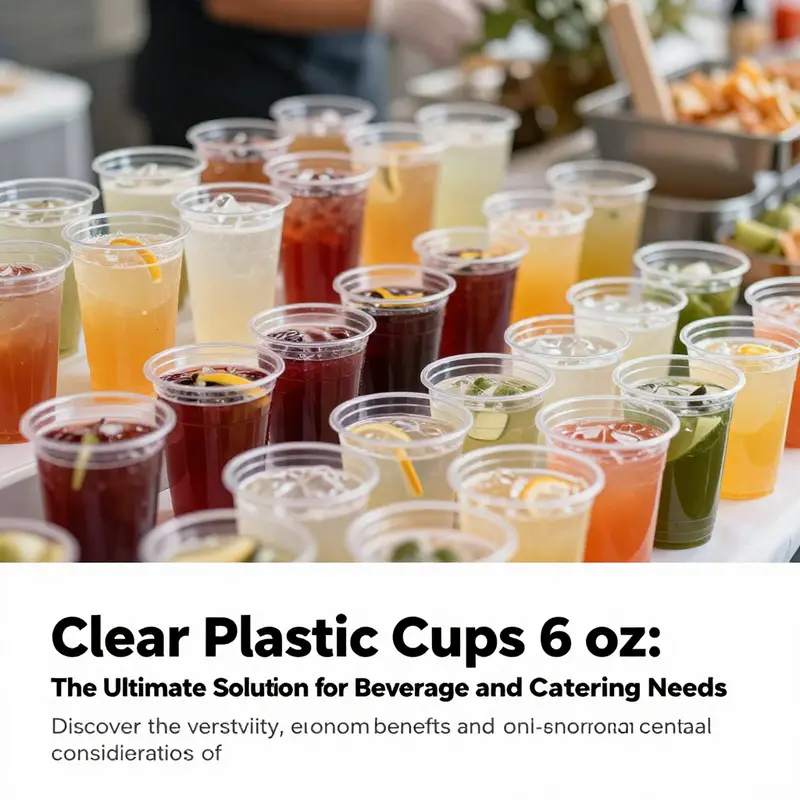
Clear plastic cups with a 6 oz capacity are becoming increasingly popular across various sectors such as bubble tea shops, restaurants, food trucks, and catering services. These lightweight and versatile cups are not only ideal for serving small portions of beverages but also sauces and samples. The convenience they offer makes them a must-have for businesses focused on quality service and effective cost management. This article explores the material and manufacturing processes behind these cups, their economic impact on the disposable sector, environmental considerations in their usage, evolving consumer preferences, and the regulatory standards that ensure their safety. By understanding these aspects, businesses can leverage clear plastic cups to enhance their service offerings.
Clear by Design: The Materials, Methods, and Meaning of 6 oz Clear Plastic Cups
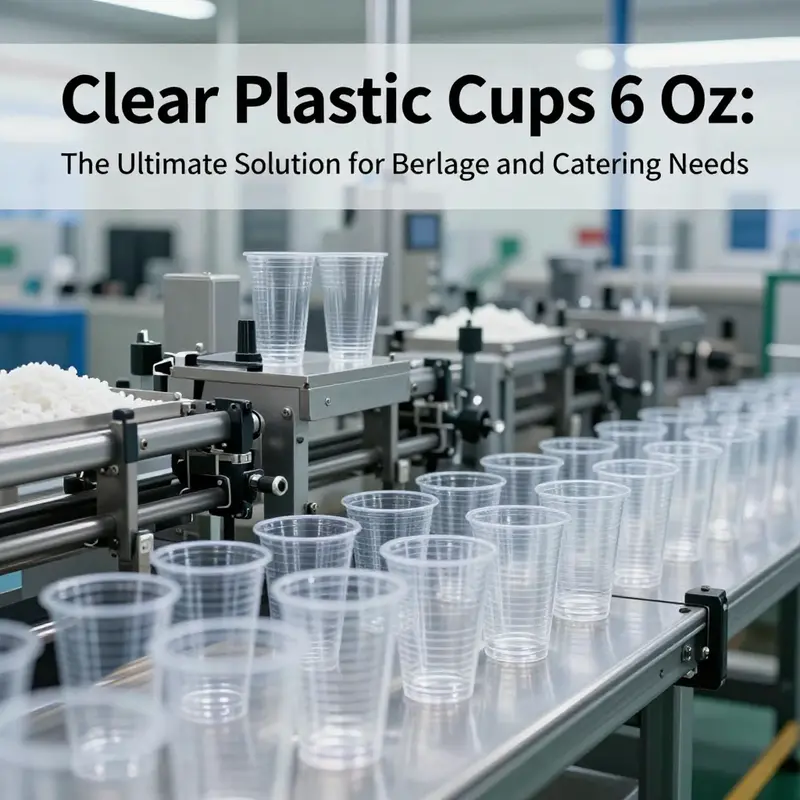
A small, transparent cup can offer a surprisingly rich story about materials science, manufacturing discipline, and the economics of disposable tableware. The 6 oz clear cup sits at an intersection where the needs of quick service, portion control, and visual appeal converge. In catering, events, and tasting stations, these cups are chosen not just for what they hold but for how they perform in the rhythm of service: how easily they are stacked, how well they resist leaks, how clearly the contents are seen, and how much waste a batch generates. The overarching article notes how this class of cups fits into a broader ecosystem of clear, single-use ware, and the deeper layer lies in the balance between material choice and the manufacturing path that shapes cost, durability, and end-of-life outcomes. Although the broader conversation often foregrounds polypropylene for general disposables, the six-ounce category in practice skews toward two clear options—polystyrene and PET—each with distinct advantages and tradeoffs that ripple through every stage of the supply chain. Understanding that interplay helps explain why a seemingly simple cup can carry so much strategic weight for operators and suppliers alike.
Polystyrene is the traditional default for many clear disposable cups because it delivers a crisp, glass-like clarity and reliable rigidity at a low price. The material’s optical properties are what most people notice first: a bright, transparent body that makes beverages look appealing and sauces appear pristine. In manufacturing terms, PS cups are commonly produced through injection molding for the body, or by rapid-blow processes when wall thickness needs tight control and faster cycle times. This combination supports high-volume production with relatively straightforward tooling, keeping unit costs down—a boon for bulk sales and price-sensitive applications such as tastings and quick-service venues. Yet the same features that make PS economical—its brittleness under impact and reduced performance at higher temperatures—also impose limits. A PS cup can crack or deform if dropped or exposed to heat beyond modest levels, and its end-of-life journey is complicated by recycling streams that vary by region and by the recyclability of the surrounding packaging. Even so, for many operators the appeal of PS lies in predictable performance, quick turnarounds, and a price point that makes the math work at scale.
Polyethylene terephthalate presents a counterpoint to PS with a suite of advantages that extend beyond simple transparency. PET cups typically offer superior mechanical strength, making them less prone to shattering and better suited to handling during transport and peak service moments. The material’s rigidity helps maintain a clean rim and a stable base, which translates into a more confident feel for the consumer at the point of pickup or while carrying a beverage across a crowded station. From an environmental perspective, PET has a well-established recycling stream in many regions, which can influence procurement decisions for venues that emphasize reuse or reclaim. The manufacturing route for PET is often blow molding, sometimes starting from preforms that are later stretched and blown to achieve uniform wall thickness. This process, while slightly more capital-intensive than simple injection molding, yields a cup that is both lighter for its strength and more resistant to deformation when cooled drinks are involved. The result is a clear cup that can carry more confidence through distribution and storage, while still presenting a bright, unobstructed view of the product inside. The PET option thus aligns with operators who prioritize durability and a more streamlined end-of-life pathway, even as it demands careful consideration of supply chain timing and resin availability.
The decision between PS and PET is not a binary one about aesthetics alone; it is a careful negotiation among several design and process realities. Mold design, wall thickness, and base geometry all influence what the cup can do in practice. In some configurations, manufacturers pursue a detachable high-foot style that helps with packaging and shipping, while others favor a compact cylindrical form that maximizes stacking efficiency and minimizes transport volume. The rim and lip geometry matters too, because lids must seal securely to prevent spills in busy service lines. Injection molding tends to deliver higher dimensional accuracy and is advantageous when detailed rims or brand logos are required, but blow molding offers efficiency advantages for producing thin-walled, lightweight cups with consistent wall thickness. The choice of process thus feeds into decisions about production speed, scratch resistance of the surface during handling, and the ability to meet tight tolerances across thousands of units in a single run. Even the downstream finishing steps—trimming, quality checks, and packaging—depend on the chosen resin and process to ensure every cup meets a predictable standard. In short, the manufacturing route chosen for a 6 oz clear cup is a practical reflection of how the intended use, expected life, and logistical realities come together in a single product.
Beyond raw performance, customization also shapes the manufacturing landscape. Clients often seek branding, logos, or color accents that sit on a tooth of clear plastic rather than speech-bubble embellishments. The production line can accommodate printing or embossing within the limitations of transparency and wall thickness, but the more elaborate the finish, the greater the impact on cost per unit and lead times. Wall thickness becomes a pivotal variable: thicker walls improve dent resistance and sense of durability but raise material costs and weight; thinner walls boost stacking density and reduce material use but can compromise rigidity and feel. Rim diameters and base styles, meanwhile, determine how well the cup respects the user’s grasp and how it sits on service counters or display trays. The net effect is a balancing act that designers and buyers perform in concert: maintain the clarity that draws the eye, ensure the cup holds up under the expected handling, and keep the price aligned with the volume demanded by large-scale events or steady daily service. Within the broader Plastic Cups category, suppliers highlight how the material choice governs not only appearance and performance but also the logistics and lifecycle questions that accompany disposable ware. Plastic Cups category.
The six-ounce size itself is a product of behavioral economics as much as material science. It represents a practical compromise between generous portioning and efficient turnover. For beverages, it offers enough volume to feel substantial while enabling quick service lines, minimizing wait times for guests and staff alike. When used for sauces or samples, the same footprint supports a predictable cost model and consistent packaging practices. Bulk quantities—often in the neighborhood of five thousand units per package—address the needs of busy venues by reducing handling and optimizing palletization. The logistical advantages of such bulk packaging are real: fewer pallets, lower container loads, and simpler inventory planning. Yet bulk packaging also imposes responsibilities, particularly when it comes to waste management and space in storage facilities. The form factor of the cup—how it stacks, how it nests, how securely it accepts a lid—directly impacts the speed and reliability of service. The six-ounce cup thus embodies a pragmatic synthesis of material behavior, manufacturing discipline, and the day-to-day realities of food service operations.
Sustainability considerations intrude into every decision around these cups. Even as bulk packaging lowers per-unit waste and reduces handling, the end-of-life path for PS and PET depends on local waste management practices. PET’s established recycling streams in many regions can make it the more attractive option for venues that aim to reclaim and reuse resin, while PS often faces more variable recycling outcomes and higher contamination risk in mixed streams. The energy and emissions balance of molding processes—whether injection or blow molding—also matters, as operators seek to minimize the footprint of every cup without sacrificing performance. Manufacturers have responded by refining resin blends, optimizing wall thickness, and tightening process controls to achieve greater clarity with less material. For buyers, the takeaway is that the cup is not a disposable afterthought but a decision point that touches product quality, logistics, and environmental responsibility. The six-ounce clear cup, when chosen with an eye toward these considerations, becomes a practical instrument for delivering consistent guest experiences while navigating the realities of modern waste management.
From a market perspective, availability and cost are almost as important as material properties. The six-ounce clear cup lives in a broader ecosystem that expects compatible lids, reliable resin supply, and dependable molding capacity. Bulk packaging—indeed, the hallmark of many catering inventories—reduces unit handling costs and can improve overall efficiency by consolidating shipments. At the same time, the geometry of the cup can dictate how easily it is stored in warehouses and how well it stacks with others in a stackable system. A taller or slimmer cup might save floor space in a particular shelving layout but complicate stacking during restocking. Conversely, a sturdier, slightly heavier cup could reduce breakage during service, tipping the cost equation in favor of durability even if it increases the per-unit weight. These practical trade-offs illustrate how material science and logistics operate in concert to deliver reliable performance at a price that remains accessible to operators who serve high volumes of guests.
To place this discussion within the larger discourse on disposable ware, the 6 oz clear cup stands as a microcosm of how a single item carries the weight of design decisions, supply chain realities, and consumer expectations. The choice between PS and PET signals a broader preference for economy or resilience, while the lifecycles of these cups reflect ongoing questions about how best to balance convenience with stewardship. The narrative moves from resin to form, from mold to market, and from the service line to the recycling stream. In every stage, the cup serves as a reminder that even the most modest object can embody a sophisticated orchestration of materials, processes, and human choices. As readers consider future purchases or conversations with suppliers, the six-ounce clear cup offers a concrete example of how clarity, form, and function cohere in the everyday tools that keep modern food service moving.
External resource: https://en.wikipedia.org/wiki/Polystyrene
Small Servings, Large Impacts: The Economic Role of 6 oz Clear Plastic Cups in the Disposable Sector
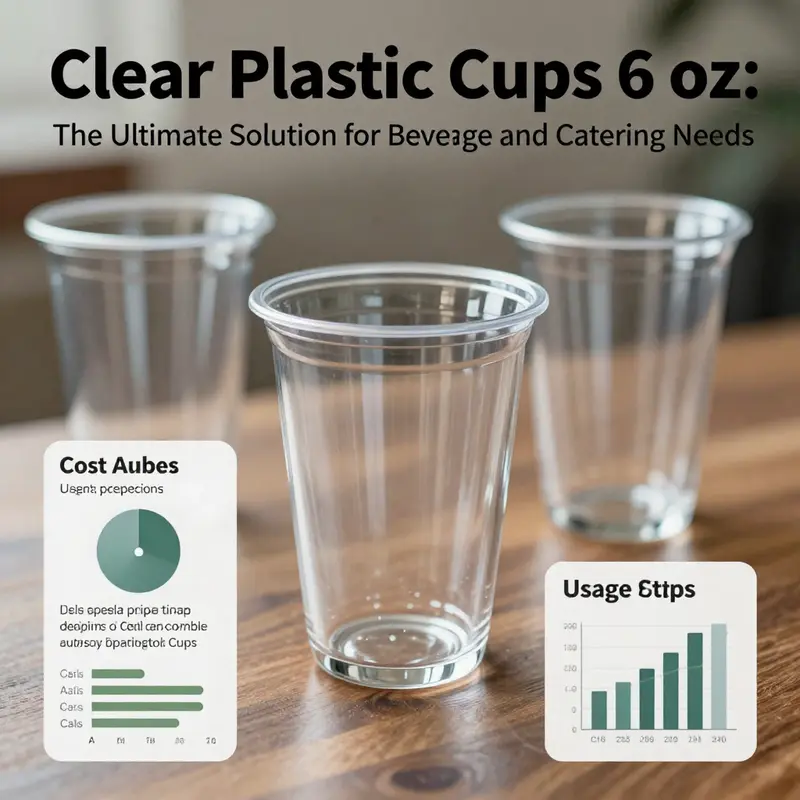
In the crowded aisles of disposable tableware, the 6 oz clear plastic cup operates as a quiet workhorse. Its light weight and clear visibility make it a practical choice for many operations. While the market tinctures of material vary, these cups are commonly produced from polypropylene (PP), with PET options also present depending on supplier needs. The 6 oz size suits small beverages, sauces, or samples, offering portion control and presentation without fuss. The cup’s appeal rests not only in its clarity but in its ability to be deployed across a range of settings—cafeterias, event booths, quick-service counters, and catering for gatherings where speed matters as much as hygiene. This convergence of function and economy is what allows the cup to transcend its unassuming form and become a foundational element of the disposable segment.
The economic pull of these cups lies in cost and scale. Bulk pricing around $0.02 per piece for 50,000 units (as of November 2025) gives buyers a predictable bottom line. In institutions like cafeterias, schools, hospitals, and fast-service networks, that low unit cost translates into meaningful savings when thousands of servings pass through daily. The savings accumulate not just from price per unit but also from reduced labor and ordering complexity. Fewer stock-keeping units, easier stock rotation, and straightforward waste calculations help operations stay lean. Consider a mid-sized campus dining operation; it can standardize on a single size and simplify forecasting, menu planning, and staff training, all while anchoring its sustainability narrative to a consistent, easy-to-implement service format. The arithmetic is straightforward, but the strategic impact is cumulative: more predictable costs, better budgeting visibility, and a steadier cadence of procurement even as demand ebbs and flows with semesters, events, or seasonal promotions.
From a supply chain perspective, the 6 oz cup sits within a broad, resilient ecosystem that tends to perform well under pressure. Raw material suppliers provide the resins, whether PP or PET, and the material properties influence clarity, rigidity, and heat resistance. Manufacturers convert resin into cups, meeting strict food-safety standards and regulatory constraints. Logistics providers and distributors move these compact items from factory floors to back-of-house storage, catering vans, and event venues. The compact dimensions mean lower shipping densities and faster replenishment, factors that improve service levels and reduce working capital needs. In today’s global market, a single container can ferry tens of thousands of cups, and the footprint of each shipment translates into more flexible inventory planning for buyers who must balance cost with available storage and upcoming demand spikes. In practical terms, this translates into reliable supply during peak seasons, reduced stockouts at critical moments, and the ability to negotiate favorable terms with a small but robust set of trusted suppliers. When a business can rely on a steady, scalable supply chain, it can plan promotions, calibrate portion sizes to demand, and maintain a consistent guest experience across multiple outlets.
Market dynamics in the disposable space show that opportunity is expanding for sustainable options alongside core cost advantages. Suppliers offering compostable or recycled-content versions have gained share as brands face consumer expectations and regulatory requirements in markets around the world. Premium suppliers increasingly prioritize food-grade PET compliance and supply-chain transparency, which supports contracts with institutions seeking responsible partners. For buyers, this shift creates a spectrum: price-focused buys for high-volume, everyday service, and value-driven purchases that balance price with environmental performance. The choice depends on context—routine service versus programs with a sustainability mandate or regulatory compliance embedded in procurement policies. This dual pathway helps organizations tailor their packaging decisions to their broader corporate responsibility goals while maintaining the reliability that a 6 oz cup provides in daily operations.
Environmental considerations eventually press on the economics in nuanced ways. Traditional cups remain cost-competitive today, yet regulators and consumers push toward greener options. Non-recyclable and non-compostable products face potential long-term cost premiums as waste streams evolve and recycling capacity expands. Biodegradable or recycled-content materials, while currently pricier, open new revenue opportunities for forward-thinking firms that want to align with circular-economy strategies. The economics of disposables may tilt toward models that emphasize end-of-life outcomes—take-back programs, verified recycling loops, and partnerships with local processors—which can improve the overall cost profile over time even if the per-piece price edge narrows. In markets where municipal recycling streams are robust and consumer demand for responsible packaging is high, the 6 oz cup can become not just a cost-saving item but a channel for a differentiated sustainability story.
Beyond price and policy, competition from reusables shapes the landscape in meaningful ways. In segments with established reuse programs, disposable demand can decline, especially where venues invest in durable, washable options and enforcement of sanitation protocols is strong. Yet for many settings—events, product sampling, pop-up stands, and fast-moving service lines—the 6 oz cup remains essential. It offers a consistent, hygienic, single-use option that minimizes labor for washing, storage, and breakage. The balance between disposables and reusables will keep shifting as technology, policy, and consumer behavior evolve, but the 6 oz clear cup is likely to endure in contexts where speed, cleanliness, and simplicity matter most. The cup’s small footprint and broad compatibility with lids and sleeves further cement its utility across diverse service models, making it a dependable option in fluctuating demand environments.
The economic portrait of the 6 oz cup thus blends straightforward arithmetic with a broader narrative about materials, logistics, and responsibility. It underpins the ability of food-service operators to standardize portions, reduce waste, and scale service in busy settings. The benefit is not merely the price per piece; it is the reduced risk of over-portioning, predictable inventory needs, and ease of sourcing across a distributed network. When operations standardize on a single, reliable cup size, they create a shared framework for training staff, planning menus, and forecasting demand. This coherence supports budgets, supplier negotiations, and even seasonal promotions that rely on consistent portion control and presentation. The result is a quiet but powerful optimization—lower per-serving costs, fewer supply-chain headaches, and a steadier performance in the face of demand swings.
For readers seeking a practical route through this space, the plastic cups category offers a gateway to options in various sizes, materials, and finishes. A centralized catalog helps buyers compare clarity, rigidity, and compatibility with lids and sleeves. It also reveals the trade-offs between transparency and insulation, as some designs emphasize stacking efficiency and weight reduction. In the broader conversation about disposable tableware, the 6 oz cup embodies a balance between simplicity and versatility, a tiny vessel with outsized influence on cost management, waste streams, and customer experience. Plastic Cups category
In real-world operations, the arithmetic of cost per piece interacts with other line items in meaningful ways. A typical cafeteria, for example, orders in phases aligned with the academic calendar and event schedules. The 50,000-unit bundle size, while seemingly large, reduces per-unit handling and packaging labor. It streamlines ordering cycles and improves forecasting accuracy, which translates into less waste and more precise budgeting for ancillary items like lids, sleeves, and napkins. The reduced frequency of orders also minimizes administrative overhead, allowing procurement teams to focus on strategic supplier relationships and long-range planning rather than firefighting supply gaps. As the market evolves, buyers may find value in mixing a stable base of 6 oz cups with smaller, specialty batches for promotional events. The key remains the same: a dependable core option that can flexibly align with the rhythm of demand while delivering predictable, controllable costs.
From a broader industry standpoint, the consistency of demand for clear cups helps stabilize the packaging supply chain. Raw material markets tend to respond to global demand signals in tandem with plasticists’ production schedules, which in turn influence lead times and pricing. For buyers, this translates into a practical understanding: securing steady volumes during off-peak periods can be a prudent hedge against price volatility during peak times. The 6 oz cup thus becomes not only a storage and service tool but a lever in supplier negotiations, inventory management, and risk mitigation. The outcome is a more resilient procurement ecosystem where pricing signals, material choices (PP versus PET), and delivery performance converge to support reliable service at scale.
To connect these threads to the broader discourse on packaging strategy, consider how the 6 oz clear cup serves as a microcosm of the disposable sector’s balancing act. It demonstrates how cost discipline, supply-chain agility, and environmental positioning can co-exist within a single product category. The cup’s role extends beyond the mere act of serving a beverage or sauce; it is a conduit for operational efficiency, a touchpoint for sustainability commitments, and a measurable element of profit and accountability. In spaces where speed, safety, and presentation are non-negotiable, the 6 oz clear cup provides consistency, enabling operators to deliver a familiar experience across a spectrum of venues, from school cafeterias to bustling festival halls. Its success rests on the alignment of material science, logistics, and accessible economics, all orchestrated to maintain a steady rhythm in a market that prizes both simplicity and adaptability.
For readers seeking a practical path through this space, the plastic cups category offers a gateway to options in various sizes, materials, and finishes. A centralized catalog helps buyers compare clarity, rigidity, and compatibility with lids and sleeves. It also reveals the trade-offs between transparency and insulation, as some designs emphasize stacking efficiency and weight reduction. In the broader conversation about disposable tableware, the 6 oz cup embodies a balance between simplicity and versatility, a tiny vessel with outsized influence on cost management, waste streams, and customer experience. In the end, the economic story of the 6 oz clear cup is not about a single price tag; it is about how a small, straightforward tool can anchor a broader strategy of efficiency, responsibility, and resilience across the entire disposable ecosystem.
External resources can deepen understanding of the strategic aspects of sourcing clear plastic cups with lids. For further insights on how to navigate supplier relationships, lead times, and sustainability criteria in this space, see an evidence-based practitioner guide: https://www.benjaminross.com/sourcing-clear-plastic-cups-lids-b2b-guide
Tiny Vessels, Big Footprints: Reconsidering the Environmental Realities of Clear 6 oz Plastic Cups
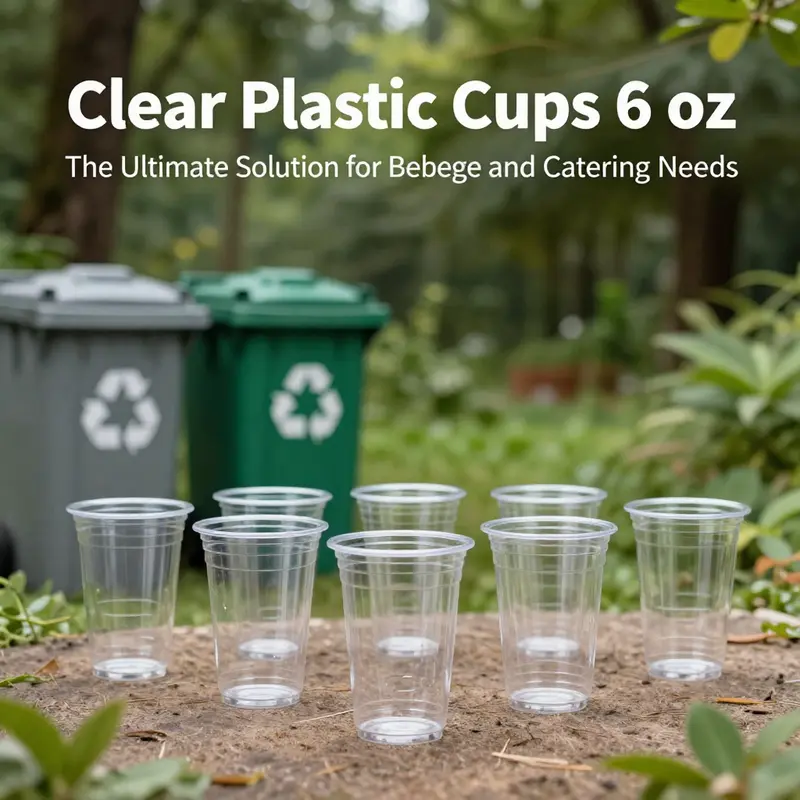
Clear 6 oz plastic cups have established themselves as reliable workhorses in a landscape driven by speed, convenience, and the desire to offer quick, consistent portions. Their slender profile and crystal clarity make them nearly invisible on a crowded banquet table, yet they carry a surprising amount of responsibility. In events, offices, and fast-service settings, these cups are chosen not just for how they look but for how easily they can be produced, distributed, and discarded in the flow of a busy day. When filled with a small beverage, a sample, or a sauce, the cups become a practical tool that helps organizers manage portions, control costs, and streamline service. Yet beneath that practicality lies a set of environmental considerations that demand careful attention from planners, operators, and designers who want to balance efficiency with stewardship of the broader ecosystem that supports disposable conveniences.
At the heart of the matter are the materials themselves. Clear cups at this scale are commonly manufactured from food-grade polymers, most commonly polystyrene (PS) or polypropylene (PP). Each material offers clear advantages for the use case. Clarity is not merely about aesthetics; it helps products stand out and enables quick visual checks for quality and portions. The lightweight nature of these materials reduces transport costs and simplifies handling across a supply chain that often moves thousands of units in a single shipment. And because the cups are inexpensive to produce in bulk, they align with the economics of events, quick-service venues, and ad-hoc gatherings where low unit cost translates into the ability to serve more people within tight budgets. The practical benefits are real enough that the 6 oz size has become a default for small servings, samples, and sauce portions in a wide range of settings.
However, the same traits that make clear cups attractive—their light weight, straightforward manufacturing, and high-volume appeal—are precisely what complicate their environmental profile. Life cycle analyses, which follow products from raw material extraction through production, use, and end-of-life, consistently flag disposable cups as notable contributors to climate change and resource depletion. The fossil-fuel origins of the polymers used in many cups, coupled with energy-intensive processing and transportation, place these items squarely in the crosshairs of discussions about carbon footprints. It is not only the energy that powers factory kilns or extrusion lines that matters; it is the cumulative demand for raw materials to satisfy a culture of disposability that has grown alongside fast-casual and event-driven consumption. In other words, the attributes that enable efficiency in the short term—ease, speed, cost-per-unit—are counterbalanced by longer-term environmental costs that accumulate across communities and ecosystems.
End-of-life is another pivot point in this discussion. The cups, after a fleeting moment of usefulness, often meet a grim fate in landfills or as litter when not properly disposed of or collected for recycling. Even when recycling streams exist for PS or PP, the transition from a clean, single-use cup in a controlled service environment to a stream of recyclables in a municipal facility introduces a set of practical hurdles. Contamination from residues—leftover beverages or sauces—can complicate processing and lower the quality and value of recycled material. In some regions, the infrastructure to gather, sort, and process these materials is insufficient, leaving many cups stranded in waste streams that do not benefit from recycling at all.
The environmental burden does not end with disposal. The daily use of clear cups across thousands of events and venues compounds resource use and energy demand across sectors. A 2025 study by C. Galafton highlights that polystyrene-based systems, in particular, carry elevated impacts in categories such as global warming potential and resource use. These findings align with broader concerns about the proliferation of single-use plastics and the cumulative effects of producing, transporting, and discarding them on a vast scale. While the exact numbers vary by region and waste-management practices, the overarching narrative is consistent: disposable cups contribute to a cycle that places a measurable load on climate systems and natural resources, even as they deliver undeniable convenience.
That backdrop helps explain why reuse and recycling, while technically feasible, remain fraught with practical limitations for clear 6 oz cups. The durability that makes these cups suitable for single-use service can also mask vulnerabilities that emerge with repeated use. Prolonged exposure to ultraviolet light can cause brittleness and breakdown, undermining the very benefit of durability when the cups are repurposed in ways that extend their life. Reuse is therefore not a simple substitute for disposal; it requires reliable cleaning, inspection, and maintenance to avoid unintended waste through breakage and contamination. The lifecycle balance shifts depending on how a facility or consumer designs and implements reuse programs. If a program cannot guarantee a high reuse rate and a robust maintenance process, the environmental gains diminish, and the effort may even become counterproductive.
Recycling, meanwhile, remains a challenge even in places with established collection streams. While it is technically possible to recycle PS and PP, many programs struggle with low participation rates and complex material streams. Contamination from residual contents and the presence of multi-layer packaging or closures can disrupt processing lines and reduce the efficiency and economics of recycling. The economics of recycling—whether the recovered material can be sold at a profit or simply offsets some processing costs—often governs whether facilities invest in specialized equipment or targeted programs for these cups. When the economics do not align, recycling rates stay stubbornly low, and the environmental benefits of recycling a high-volume, low-cost item like a 6 oz cup do not fully materialize.
In light of these realities, the conversation about alternatives is not merely about substituting one material for another. It is about rethinking the entire system in which single-use cups operate. Reusable options, if implemented with a robust program and high adherence, can dramatically reduce environmental impact over time. BPA-free reusable mugs or tumblers deployed across multiple service cycles offer significant advantages in terms of resource conservation and waste reduction, particularly when wash processes are powered by efficient systems and the same items are used again and again. Yet this approach requires careful planning—an infrastructure for cleaning, storage, and redistribution; a user culture that embraces return and reuse; and clear operational protocols that minimize breakage and loss. For many settings, especially high-volume events, reusable systems may demand changes to service models, staff training, and logistics that go beyond what is feasible in the short term.
Compostable and bio-based alternatives present another path, one that can lower ecological footprints when properly integrated. Plant-based bioplastics, designed to break down under suitable industrial composting conditions, offer a route to reduce dependence on fossil-fuel feedstocks. However, the environmental benefits of compostable cups depend on consistent access to appropriate composting facilities and high compostability performance. If these cups end up in mixed waste streams or landfills, their intended advantages are not realized, and the end-of-life burden may be similar to or greater than conventional plastics. The decision to pursue compostable options thus hinges on local waste-management capabilities, the availability of certified composting streams, and the practical realities of collection and sorting in the settings where these cups are used.
A broader strategy for reducing the footprint of these small cups lies in exploring refill and return systems, particularly in industrial or event contexts where program-scale reuse can be organized. A carefully designed refill model can cut down on waste by encouraging customers to return used cups for cleaning and reintroduction into service. Such approaches require rigorous hygiene standards, efficient logistics, and a highly reliable capture rate to justify the investment. When implemented successfully, they offer a compelling demonstration of what is possible when service design prioritizes longevity over single-use convenience. In all cases, the aim is not to vilify a particular material or practice but to reframe the choices around clear cups within a larger framework that values resource stewardship, waste reduction, and resilient waste-management infrastructure.
To readers who are weighing options for events, offices, or food-service operations, several practical considerations emerge from this environmental lens. First, there is merit in auditing current usage patterns: how many cups are used, over what time period, and under what conditions they become waste. This data can illuminate whether a switch to reusable systems or a targeted adoption of compostable alternatives would deliver meaningful environmental gains relative to operational costs. Second, solutions should consider the entire supply chain—not just the cup in isolation. Packaging, procurement practices, on-site handling, cleaning capabilities, and recycling or composting infrastructure all influence the net impact of any choice. Third, engaging with suppliers and waste-management partners to understand end-of-life pathways is essential. When the ecosystem supports efficient recovery and treatment of materials, the environmental advantages of a given option become more reliable and scalable.
For organizations exploring alternatives, a broader view of disposable tableware options can be useful as a compass. A curated collection of options that addresses different usage scenarios—ranging from high-usage events to everyday office settings—can help planners align service needs with environmental goals. This broader perspective can be explored here: disposable tableware options. It is a reminder that the path forward is not a single material answer but a portfolio of strategies that together reduce waste while preserving the functions that make clear cups so attractive in the first place.
Ultimately, the choice of how to handle clear 6 oz cups in any given operation rests on a balance of practical constraints and environmental priorities. The cups provide undeniable benefits in terms of visibility, transport, and cost, but those benefits exist within a larger system where materials are sourced, used, and finally processed. The most responsible path blends efficiency with accountability: selecting options that minimize waste, maximize reuse where feasible, and ensure that end-of-life pathways are understood and accessible. In contexts where reuse is practical, it can be a powerful lever for reducing impact. In others, careful adoption of compostable or recyclable solutions—paired with robust collection and processing networks—can help mitigate harm while maintaining the service levels consumers expect. The overarching objective is clear: to turn a small, everyday item into a point of responsible practice, where convenience does not eclipse care for the world that sustains it.
External resource for further reading: https://www.sciencedirect.com/science/article/pii/S136403212500187X
Clear in Size, Rich in Use: The Rise of 6 oz Clear Plastic Cups
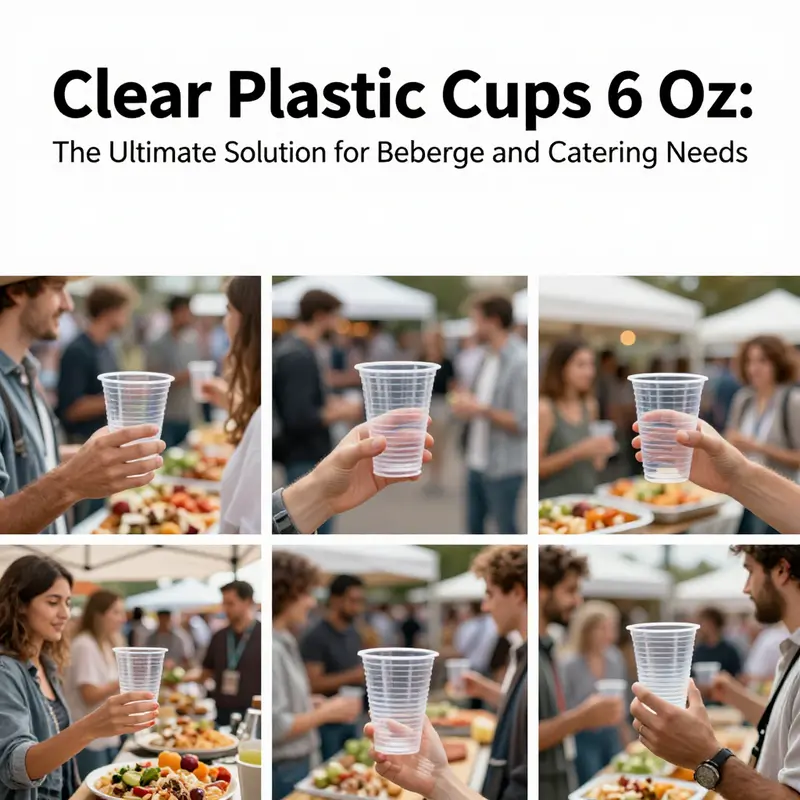
From a kitchen drawer to a catering lineup, the six-ounce clear plastic cup has quietly become a workhorse of modern serving. Its compact footprint fits where space is at a premium, yet its clarity invites confidence—customers can see the color, texture, and freshness of what’s inside. In hospitality and events, where rhythm matters as much as flavor, this tiny vessel resolves a host of practical challenges: portion control, speed of service, and waste management. The rise of clear 6 oz cups tracks with broader shifts toward convenience culture, where single-use solutions enable quick turnover without sacrificing presentation. Across bars, tasting rooms, festivals, and casual buffets, the 6 oz cup functions as a flexible scaffold for a wide array of beverages and bite-sized treats. The same cup that holds a shot or a sample may also cradle a dollop of yogurt or a spoon of fruit compote, offering visual appeal with a minimal footprint.
Behind that versatility lies a straightforward but critical material choice. Most 6 oz clear cups rely on polypropylene PP, a sturdy plastic known for its resilience in cold applications and its ability to maintain shape when stacked. The safety baseline is clear: these products are designed to be food-safe and BPA-free, a standard expectation for disposable tableware. In addition to PP, some producers and brands highlight recycled options, particularly recycled PET, to address growing concerns about plastic waste. The crystal clarity that consumers expect is achievable through both PP and PET streams, but the sustainability narrative has nudged many buyers toward rPET options that offer a more transparent path to reuse and recycling. These shifts matter not just for the end consumer but for venues calculating carry-out waste, return rates, and compliance with local environmental regulations.
Capacity matters; 6 oz is a deliberate choice for portion control and sampling. In tasting-focused settings—bar tastings, liquor promotions, themed parties—these cups support standard sampling pours without the risk of over-pouring. They also support precision in non-alcoholic contexts: small serves of cold coffee, iced tea, smoothies, or yogurt portions that are easy to manage at events with high guest flow. The clear design helps hosts and guests alike, letting color gradients shine in layered drinks or brightly colored desserts. When paired with tight-fitting lids, either flat or dome, the cups become portable and leak-resistant, a critical feature for outdoor festivals or multi-stage venues. The popularity of these cups grows with the demand for “all-in-one” serving options that streamline guest experiences, as some listings even bundle straws with the cup kit, catering to the modern preference for quick, tidy samples.
From a business perspective, the economics of 6 oz clear cups are compelling. They are typically sold in bulk, a practice that aligns with the needs of catering houses, event management teams, and promotional organizers. Packages often contain thousands of units, which reduces packaging impact on site and brings down the per-unit cost. The bulk approach also translates into fewer restocks during events, less downtime between service points, and greater predictability in supply planning. For operators, the ability to stock a standardized size that supports both beverage and small-food servings simplifies inventory and training. The visual appeal of the cups—crystal clear and high in clarity—helps bolster perceived value, a factor that can influence upselling opportunities in beverage stations or tasting menus. For brands and venues seeking to reinforce a consistent look, the option to add branding through printing—up to six colors—on cups and caps upscale the guest experience and extends the reach of promotions during social moments. The interplay between practicality and marketing value becomes especially meaningful in contexts where the cup itself becomes a canvas for a message, a color cue, or a seasonal design. To explore the range and specifics of similar offerings, venues and operators often navigate the plastic cups category for comparison, shapes, and compatibility with lids and accessories, such as the curated options found at the plastic cups section.
The role of aesthetics in disposable tableware cannot be overstated. Consumers notice how cleanly a drink presents itself, and the clear surface of a 6 oz cup becomes a stage for a beverage’s color, texture, and even foam. Clarity translates into perceived quality, particularly for drinks with vivid hues, layered compositions, or frothy finishes. This is not merely about fancy presentation; it supports honest expectations about what is inside. A well-presented sampling program, with clear, uniform cups, helps guests gauge flavor and aroma more accurately, reducing confusion and increasing satisfaction. This aesthetic dimension intersects with safety and convenience: the demand for BPA-free, food-safe materials remains a baseline expectation, while the pragmatic benefit of a stackable, lightweight product reduces the physical burden on service staff during peak times. In many operations, the simplicity of the cup becomes a strategic asset: it minimizes training time, accelerates line flow, and keeps guests focused on the product rather than the vessel.
Logistics and storage play a decisive but often overlooked role in choosing 6 oz clear cups. The stackable design makes them easy to store in standard shelving and quick to retrieve for service points. The lids—flat or dome—help seal in freshness and prevent leaks in transit between kitchen, bar, and event site. For venues that run mobile or semi-permanent service setups, these features translate into fewer spills, less waste, and more consistent service times. For operators who run all-in-one solutions that include straws or other accessories, the packaging philosophy supports a turnkey serving experience for guests who crave quick, tidy samples. The packaging philosophy—keeping cups clean, dry, and protected until use—also contributes to the overall efficiency of event logistics, reducing the risk of contamination or damage that can occur in busy environments. In practice, teams that plan around a single, familiar unit size report smoother operations, fewer last-minute substitutions, and better tempo on the floor.
Sustainability is a running thread through the evolution of these cups. The conversation around disposable plastics has grown louder as consumers demand responsibility and brands seek to reduce their environmental footprint. Recycled materials, especially recycled PET, offer a clearer path to sustainability without sacrificing the transparency that customers associate with high-quality beverages. The shift toward recycled content is not merely decorative; it aligns with procurement strategies that aim to meet certifications, to comply with regional recycling programs, and to appeal to environmentally conscious audiences at events and venues. Yet this comes with practical trade-offs: recycled streams can impact clarity and strength if not properly processed, and suppliers must balance durability, cost, and supply reliability. Buyers increasingly look for explicit labeling—BPA-free, food-safe, and recycled content percentages—as signals of responsibility. This evolving landscape also shapes marketing narratives at promotional events, where brands want to showcase a commitment to sustainable choices while maintaining the visual appeal that makes these cups attractive in the first place. The tension between convenience and sustainability remains a dynamic force guiding product development, supplier selection, and consumer behavior.
Regulatory and standard-setting considerations add another layer to the decision process. As with any disposable serving item, these cups must meet food-contact safety standards appropriate to their markets. Labeling, storage, and handling practices influence how venues plan inventory, and event organizers must align with health and safety guidelines while maintaining guest experience. The dimension, clarity, and stability of 6 oz cups also matter in a world of evolving packaging regulations that favor recyclability and minimal waste. In practice, this translates into choosing materials that resist cracking when cold drinks freeze and reheat is not a factor, while still maintaining clear visibility of the product. For operators who manage brand sessions or tasting events, the ability to print up to six colors on cups opens doors for cohesive event branding without sacrificing performance. The conversation around sustainable packaging continues to evolve, and the 6 oz clear cup stands as a case study in how a simple vessel can embody broader shifts in consumer expectations, supply chain design, and corporate responsibility.
Looking ahead, the 6 oz clear cup is likely to continue its dual trajectory of practicality and presentation. On one side, the need for quick, clean sampling at large-scale gatherings remains strong; on the other, the push toward sustainable materials and reduced waste will continue to refine the options available. The most successful operators will blend reliability with storytelling, using branding and design to turn a straightforward vessel into a focal point of the guest journey. As a result, buyers will weigh not only the immediate cost and availability but also the performance of the cup across temperature ranges, the integrity of its printing for branding, and its compatibility with lids and accessories that protect beverages from leaks. In composites with other servingware—plates, bowls, and cutlery—the 6 oz clear cup maintains a complementary role, bridging the gap between tasting and hosting. And as the ecosystem of disposable tableware expands to include more eco-conscious choices, these cups will likely adapt by incorporating more recycled content, improved recyclability, and perhaps innovative sealants designed to preserve flavor and freshness while supporting a circular economy. In this evolving context, the 6 oz clear cup remains more than a vessel; it is a stakeholder in how brands connect with guests, tell stories at the moment of service, and enable experiences that feel premium despite their disposability.
For readers who manage events, operate cafés, or run tasting rooms, embracing the implications of the 6 oz clear cup means seeing past the simple white of a cup to the broader choreography of portion control, presentation, and sustainability. It means recognizing how a uniform, transparent vessel can streamline operations, elevate a brand message, and invite guests to savor the moment—one clear serving at a time. As we move into the next chapter, the focus will shift to how these cups integrate with the broader ecosystem of foodservice packaging, from lids and separators to branding strategies and supply chain considerations that shape availability, cost, and consumer perception.
External resource: https://www.dixie.com/6-oz-plastic-cups-blue
Clear Standards at the Point of Contact: Navigating Regulatory Pathways for 6 oz Clear Plastic Cups
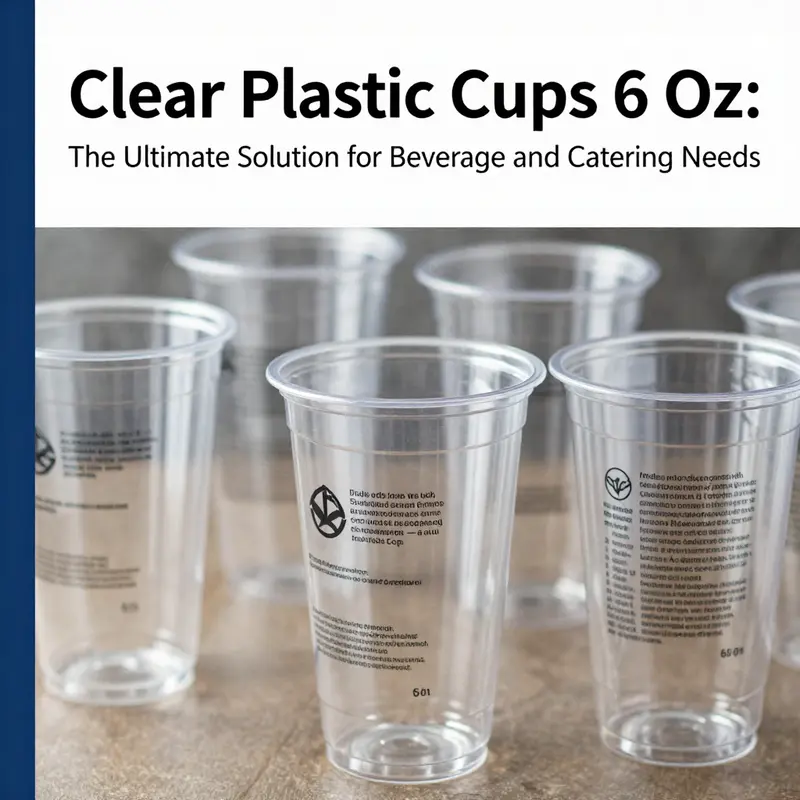
Every disposable item that touches food enters a regulatory doorway that is both rigorous and practical. Clear plastic cups with a 6 oz capacity sit at a crossroads of safety and convenience, designed to keep beverages and sauces cleanly portioned while remaining easy to discard. To understand why these cups perform so reliably in kitchens, catering operations, and event spaces, one must follow the thread of standards from the laboratory to the table. The journey begins with the fundamental requirement that materials intended for direct food contact be appropriate for that purpose. In the United States, this means compliance with the Food and Drug Administration rules that govern food contact substances under Title 21 of the Code of Federal Regulations. Within Subchapter B of those regulations, plastics used in contact with food are expected to be derived from polymers that are approved for such use, with polypropylene and polystyrene standing as the primary options for many 6 oz clear cups. The emphasis is on safety, which translates into restrictions on substances that could migrate into food or beverages. The absence of hazardous additives, and the avoidance—or outright prohibition—of substances that have raised health concerns, are core expectations. One frequently cited and practical concern in public discourse is the presence of Bisphenol A, or BPA. While BPA regulation has grown more nuanced over time in the American landscape, the prevailing trend in many compatible products is to offer BPA-free variants, especially in applications involving hot liquids or acidic foods where higher migration risks might arise. This posture echoes the broader consumer demand for products that prioritize health considerations without sacrificing efficiency in high-volume use settings. In practice, the assurance of safety rests not only on the resin choice but also on the way the material is processed and finished. The manufacturing line must maintain clean conditions, avoid contaminant introduction, and validate that the final product keeps its integrity under typical handling. Here, the role of standardized testing becomes essential. ASTM International provides a bridge between raw material science and real-world performance through specifications and testing methods that ensure consistency across manufacturers and batches. For clear, rigid, food-service containers made from polystyrene or polypropylene, ASTM F2093 serves as a representative standard. It codifies expectations for clarity, rigidity, and compatibility with common food contact scenarios, offering a framework that helps producers balance transparency with the mechanical demands of daily use. The presence of a recognized standard is not merely a badge of quality for the supplier; it is a signal to food-service operators that the cups will perform predictably during storage, transport, and service. When these cups enter the European market, the regulatory landscape expands yet again. The European Union emphasizes two core pillars: the overarching Regulation on materials and articles intended to come into contact with food, and the more targeted regulation concerning plastic materials and articles for food contact. Regulation 1935/2004 establishes the baseline principle that materials should not transfer constituents into food in quantities that could endanger human health or alter the taste or odor of the food. Regulation 10/2011 complements that framework by setting specific migration limits for plastics, translating the health-protection intent of Europe into concrete, measurable thresholds. The practical implication for a 6 oz clear cup is a double-check: not only must the resin and additives be food-grade, but any substances that could migrate must remain within the defined migration limits under expected use scenarios. The EU approach, with its emphasis on migration limits and conformity testing, often requires additional documentation or third-party verification to demonstrate compliance for products sold within the European market. The global supply chain, though, frequently uses BPA-free certification as a converging signal across jurisdictions. BPA-free status has become less a niche claim and more a baseline expectation for many manufacturers, driven by consumer preferences and evolving regulatory interpretations. This does not imply automatic equivalence across all jurisdictions or all uses, but it does create a reasonable expectation that products marketed with BPA-free claims are aligned with contemporary risk management approaches. Beyond chemical composition, the performance profile of a 6 oz clear cup is a practical measure of safety and reliability. A cup must resist leakage, even when filled to the brim with liquids that might experience movement during transport or at a crowded event. It must retain structural integrity under normal handling—from the grasp of a server to the hustle of a catered lineup. Temperature resilience is another key parameter. For most cold and room-temperature applications, clear cups should perform within a safe envelope, but when hot liquids come into play, caution is warranted. Clear cups are typically not designed for prolonged contact with hot beverages; exposure to elevated temperatures can soften the resin, increase the rate of substance migration, and compromise form and function. In addition to chemical and thermal considerations, the physical properties of the cup contribute to safety in a practical sense. The wall thickness, the rigidity of the plastic, and the clarity of the material all influence consumer perception and handling experience. A cup that feels flimsy or prone to cracking can pose safety concerns not only for the user but also for service staff and event organizers who rely on predictable performance in high-volume environments. These performance characteristics intersect with regulatory expectations in meaningful ways. Regulatory bodies do not merely assess the chemical composition of a cup; they also consider how the product behaves under real-world conditions. That means leak resistance is not just a convenience feature; it is a safety feature that reduces the risk of spills that could lead to injury or contamination of adjacent foods and surfaces. Structural integrity ensures that the cup does not unexpectedly deform, which could permit leaks or mishaps. Moisture resistance also matters, as exposure to humidity and condensation can influence the perceived cleanliness and stability of the cup, particularly in settings where cold beverages are served quickly in succession. Although many cups are designed for cold or ambient-temperature beverages, the practical environment of events, large gatherings, and fast-paced service requires that users have confidence in the product across a range of minor stressors. The regulatory framework also recognizes the realities of bulk use and disposal. For businesses operating at scale, packaging and waste considerations are part of compliance. A typical packaging configuration may involve substantial quantities per shipment, often through bulk pallets or cartons, which underscores the importance of labeling, tamper-evidence when applicable, and clear guidance on intended use. In that sense, the regulatory narrative for 6 oz clear cups is not only about what is in the cup but also about how it is presented to the user and how it is deployed in operations. For procurement decisions, it is crucial to verify that the cups hold appropriate certifications and to understand the scope of those certifications. FDA compliance marks or statements of conformity for EU regulations, along with third-party test results, provide a robust basis for trust. In practice, organizations can simplify the compliance process by selecting cups that carry recognized certifications and by requesting documentation from suppliers that details the testing performed, the materials used, and the conditions under which the cups were evaluated. An informed buyer will also consider the broader packaging ecosystem in which these cups exist. The category of plastic cups sits within a spectrum of disposable and reusable tableware that shares regulatory considerations, and the choices made here can influence the overall safety profile of a service operation. For instance, when a catering program or event planner reviews the catalog of options, they may look to the wider packaging and disposable-drinkware landscape to ensure compatibility with other items such as lids and accessories, as well as with the waste management and recycling streams that the venue or client supports. To situate this topic within a broader catalog, one can explore the plastic cups category for related options and combinations that align with regulatory expectations and practical needs. The catalog provides a practical sense of what is available in terms of material choices, thickness, and compatibility with various service contexts, while still maintaining a commitment to safety and compliance. Readers who want a broader perspective on related packaging solutions can consult the plastic cups category. For a more expansive view of related products and their regulatory considerations, this broader context helps connect the specifics of 6 oz clear cups to the wider world of disposable packaging and food-contact materials. In addition to chemical safety and performance, the certification ecosystem offers a path to confidence. Product certification programs, whether conducted by government agencies or independent third-party organizations, serve as independent attestations that a cup has undergone rigorous testing and aligns with established standards. An explicit certification can reassure buyers that the product has been evaluated for compliance, labeling accuracy, and safe performance in typical use scenarios. While each jurisdiction may have its particular requirements, the core principles—food-contact safety, non-migration of harmful substances, and reliable physical performance—remain consistent anchors across contexts. Businesses that operate across markets benefit from selecting cups with widely recognized assurances, as it reduces the need for duplicative testing and helps streamline procurement, quality control, and compliance documentation. In the same spirit, clear cups are part of a larger conversation about consumer safety and corporate responsibility. The move toward BPA-free products, enhanced migration testing, and the adoption of stricter regional requirements reflects a broader trend toward transparency and risk management in consumer packaging. This is not a mere compliance exercise; it is an ongoing system that aligns product design with evolving scientific understanding and public health priorities. For practitioners, the practical upshot is straightforward: when selecting a 6 oz clear cup, prioritize materials that are explicitly intended for direct food contact, verify that the product has been tested in an appropriate regulatory framework, and maintain documentation that demonstrates compliance across the jurisdictions in which the product will be used. In doing so, operators can preserve the benefits of disposable convenience—lightweight, cost-effective, and fast-to-serve solutions—without compromising safety or regulatory alignment. The regulatory landscape will continue to evolve as scientists refine migration models, as consumer expectations shift toward greater transparency, and as standards bodies update their guidance in response to new data. Staying informed means maintaining dialogue with suppliers, requesting current certificates of conformity, and tracking any changes in the regulatory climate that could affect how 6 oz clear cups are produced, labeled, and deployed. External resource: https://www.fda.gov/food/food-contact-materials-regulations
Final thoughts
In conclusion, the rising trend of using 6 oz clear plastic cups in the food and beverage industry speaks volumes about their convenience, economic benefits, and adaptability. As businesses like bubble tea shops, restaurants, and catering services navigate a landscape of growing consumer demands and sustainability issues, these cups can provide a practical solution. However, awareness of the environmental impacts and adherence to safety regulations remain essential. A well-informed approach to selecting and utilizing these disposable cups can not only enhance service delivery but also contribute to broader sustainability goals. Empower your business by exploring options that align with quality and cost-effectiveness in the landscape of disposable tableware.