
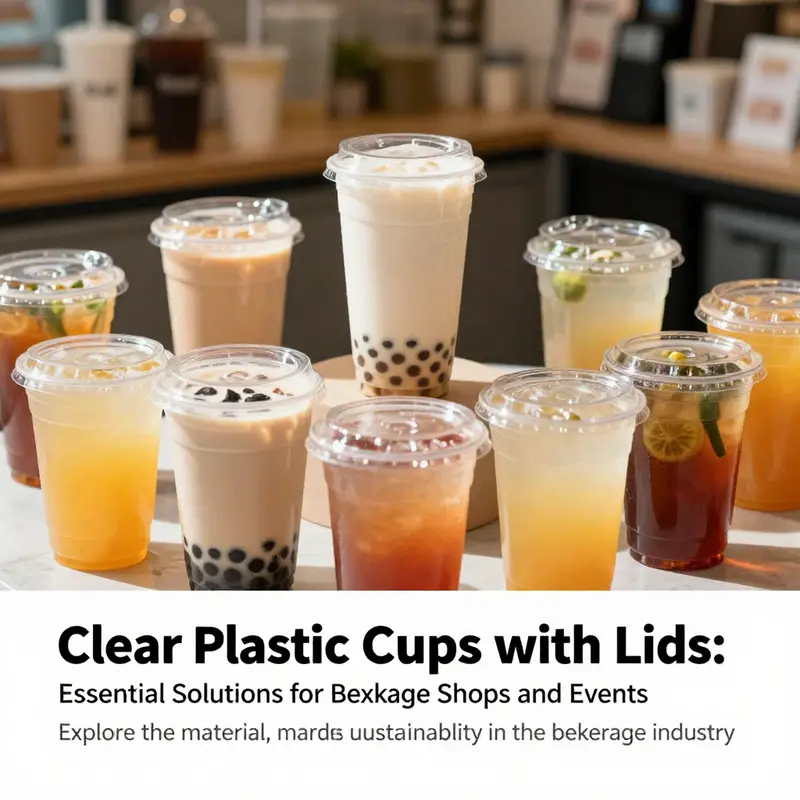
Clear plastic cups with lids have become indispensable in today’s beverage industry. From bubble tea shops to food trucks, these containers not only showcase the vibrant colors of the drinks but also serve vital functionality—protecting against spills and maintaining freshness during on-the-go consumption. The following chapters delve into the material composition that ensures durability and clarity, explore prevailing market trends affecting pricing and demand, and address the pressing environmental considerations as the industry shifts toward sustainability. By understanding these aspects, businesses can make informed decisions that align with consumer expectations and regulatory standards.
Transparent by Design: The Material Composition and Performance of Clear Cups with Lids
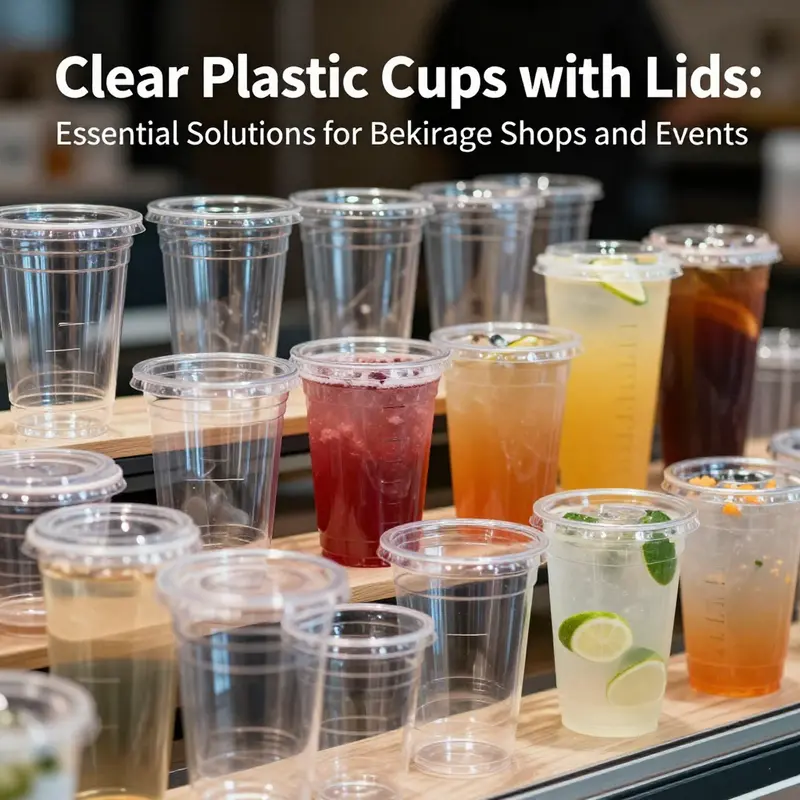
Visible through the smooth, crystal-clear walls of a cold drink, the cup and its lid do more than hold a beverage. They are a small, integrated system where material choices determine safety, performance, and even the branding moment at the point of service. The chapter that follows seeks not only to name the materials that commonly compose clear plastic cups and their lids but to trace how those materials shape every sip, every tilt, and every transfer from counter to curb. In many foodservice settings, the visuals matter just as much as the resilience of the container. When a customer watches a smoothie swirl in a transparent cup or a bubble tea shimmer with color, the material becomes part of the sensory experience. The two most prevalent families in this space are polypropylene and polystyrene, each bringing distinct strengths to the cup body and the lid. While the broader market has historically leaned on polyethylene terephthalate in some applications, the current emphasis for single-use clear cups with lids tends to favor polypropylene and polystyrene for their balance of clarity, safety, rigidity, and cost. This is not just a tale of polymers; it is a narrative about how a practical choice—how a resin behaves when heat, cold, light, and moisture collide—translates into everyday reliability in a busy cafe, a crowded sports arena, or a festival queue.
Polypropylene, or PP, sits at the heart of many cup bodies and lids because it behaves well across temperature ranges. It offers a robust resistance to impact and repeated handling, which matters in a service environment where cups are stacked, shuffled, and plucked from racks all day. The resistance to deformation under light pressure means a cup can survive a busy shift without compromising its shape, and the same durability translates into lid performance. PP lids can be engineered to accept straw access with a flat lid that includes a precision-cut hole, or to seal more tightly with a straw hole for controlled ingress and to minimize spill risk during transport. The heat tolerance of PP — commonly up to around 100°C (212°F) — is particularly relevant when beverages approach hot temperature ranges, even if many so-called cold beverages remain well within this ceiling. In practical terms, a PP cup and lid pair can handle a hot pour, a steaming beverage, or a chilled drink without warping, cracking, or seeping at the rim. The material’s toughness and impact resistance also reduce the likelihood of cracks during clumsy handling or accidental drops, which is a meaningful factor in a world where customers carry drinks across bustling spaces.
Polystyrene, especially when used for clear cold-drink cups, brings a different but complementary set of advantages. The optical clarity of PS is exceptional; it can deliver a higher perceived glass-like transparency than many PP formulations. That transparency is not only a visual asset but also a practical one. It lets customers instantly assess the drink’s color, froth, or fruit inclusions—an important cue in beverage selection and satisfaction. PS cups tend to be lightweight, which can reduce the burden on staff and customers alike during delivery or carry-out. However, PS is more susceptible to brittleness at higher temperatures than PP and does not tolerate heat as well. This limitation makes PS a common choice for beverages that are cold or slightly cool, where the risk of heat-induced deformation or cracking remains low. In cold-to-room temperature scenarios, PS maintains its structural integrity and glassy clarity, providing an appealing, low-weight option for events or takeaway where the liquid is unlikely to exceed a chilled state.
The lids themselves often echo the material choices of the cups. In many production lines, the lid is molded from the same polymer as the cup, providing chemical compatibility, similar thermal behavior, and a uniform look around the rim. There is also a practice of using the same chemical family for both parts to streamline recycling streams where possible, a factor increasingly considered by operators who want to simplify waste sorting for customers. The lid designs are twofold in their functional emphasis: a flat design with a straw hole and a fully sealed flat lid that lacks a straw opening. The flat-with-hole option is designed to ease straw insertion while reducing spillage during transit. It becomes particularly effective when paired with beverages that are consumed on the move, such as iced tea or smoothies, where the straw acts as a controlled delivery mechanism, preventing rapid spillover if the cup tilts or jostles. The seal-focused flat lid, sometimes incorporating tighter closures or silicone-like seals, prioritizes leakage protection and can be more suitable for cold drinks or settings where branding on the lid or direct printing on the lid’s surface is intended.
From a safety and compliance perspective, the materials used for cups and lids are bound by strict food-contact standards. Across many jurisdictions, polypropylene and polystyrene used in food packaging must meet food-grade specifications that ensure the absence of harmful leachates and contaminants. Labels often read BPA-free and phthalate-free, lessening concerns about certain chemical exposures that have become focal points for consumers and regulators alike. The emphasis on safety extends beyond merely avoiding hazardous additives; it encompasses a broader commitment to ensuring that the resin and any colorants, inks, or printing layers in the cup or lid do not introduce risks during contact with hot or cold beverages. In practice, manufacturers and suppliers maintain constant diligence through process controls, sterility, and adherence to recognized tests that verify food-safety compliance, including applicable FDA regulations and EU food-contact directives. These standards create a framework in which PP and PS can be used with confidence for direct beverage contact, a foundation essential to the trust customers place in disposable drinkware.
Yet the conversation about material composition cannot ignore the environmental footprint of single-use cups. Even though PP and PS deliver clear performance benefits for everyday use, they come with telltale environmental considerations. Both polymers are recyclable in many regions, but recycling streams can vary in accessibility and efficiency. Recyclability depends not only on the polymer type but also on the presence of printing inks, colorants, or adhesives that complicate processing. The packaging ecosystem increasingly asks whether a given cup and lid can return to a sustainable loop after a customer finishes a beverage. Bioplastics such as polylactic acid (PLA) offer a compostable alternative under industrial conditions, but PLA remains less widely accepted in home composting and requires specialized facilities to ensure proper breakdown without leaving residues. The legal and logistical realities of waste management shape how operators choose materials. In practice, the choice between PP and PS often factors in not only performance during use but end-of-life considerations, local recycling capabilities, and corporate sustainability commitments. This is a nuanced balancing act where the most immediate needs—clarity, temperature tolerance, durability, and cost—must align with longer-term environmental goals.
The manufacturing logic behind these materials also informs user experience and operational efficiency. PP’s toughness supports stacking and reusability in some contexts, even though the cups are intended for single-use in most beverage applications. While stacking helps save space in storage and during shipping, the material’s resilience reduces the risk of chips and cracks during supply-chain handling. PS, with its high clarity, delivers a premium appearance that can be valuable for beverages where visual appeal is central to the product experience. The trade-offs between these materials are not merely about color or gloss but about a composite of performance attributes: impact resistance, temperature tolerance, brittleness, and the ease of integration with lids designed for either leakage control or accessibility. When the two parts—the cup and the lid—are designed to complement each other, the system becomes greater than the sum of its parts. A well-calibrated lid not only prevents spills but aligns with the cup’s thickness and rigidity to create a reliable seal in transit and on display. The interplay of resin behavior over repeated handling, temperature exposure, and mechanical stress underpins the long, quiet reliability customers rely on during daily routines and special events alike.
This is also where the equipment and processes of manufacturing play a decisive role. Injection molding, thermoforming, and precision sealing all rely on consistent resin properties. The clarity of the cup does not emerge from luck; it results from the resin’s index of refraction, the quality of the molding process, and the absence of optical defects such as bubbles or surface imperfections. The lid’s seal quality—whether it uses a flat, perforated design or a sealed closure with a silicone-like seal—depends on tolerances in molding and the reliability of the sealing step in the production line. The goal is uniform performance across millions of units, ensuring that a customer can pick up a cup and drink confidently, whether standing in a crowded line or enjoying a quiet moment aboard a commute. Operators and packaging engineers must also consider compatibility with standard straws and cup holders. Most PP and PS cups are designed to work with common drinking accessories, making them compatible with broad distribution channels while maintaining the practical ergonomics of a tall, slim cylinder that fits in a wide range of cup holders and carriers. This compatibility is not a trivial detail; it influences everything from cafe workflow to the user’s comfort and convenience during consumption.
In the realm of branding and customer perception, the material composition indirectly supports marketing goals. The optical clarity of PS or the crisp, clean lines of PP accents the beverage’s color, foam, or garnish, helping to attract attention in a display case or on a mobile cart. Custom printing remains a powerful option, allowing a brand to imprint logos or messages directly onto the cup or lid. While printing can introduce additional design considerations—such as the need for inks that perform well on plastic surfaces and inks that endure chilling or hot-fill conditions—the material choice provides a stable foundation for these embellishments. The choice between PP and PS may influence which printing method is most appropriate and how the surface interacts with inks and coatings. In a world where branding often travels via the cup itself, material decisions become a silent partner to the visible identity a beverage business seeks to project.
From a procurement perspective, the rise of bulk production in manufacturing hubs offers compelling economics for clear cups with lids. Suppliers that provide PP and PS options often present competitive pricing curves tied to quantity, size, and customization. While many buyers anticipate price advantages at high volumes, material selection remains driven by a balance of performance and sustainability considerations rather than cost alone. The possibility of mixing cup and lid materials to optimize for different beverage formats exists in some supply chains, enabling operators to tailor choices to the specific demands of an event or a venue while maintaining a consistent service experience.
For readers who want a deeper dive into the material properties, several sources explore the interplay between resin choice and performance in engineering contexts. A broader look into 400ml plastic cups with lids covers material properties, technical standards, and uses in engineering, offering a technical perspective that complements the more consumer-facing discussion above. This additional resource helps illuminate how the same materials are evaluated for mechanical strength, chemical resistance, and heat handling in more demanding applications, reinforcing the idea that the cups and lids used in everyday service are grounded in rigorous testing and qualification. As a practical note for practitioners, this chapter’s focus on PP and PS aligns with common industry practices for single-use, cold-to-warm beverage service, while acknowledging that the full spectrum of options in the market includes PET and other polymers in various configurations.
In the spirit of connected procurement and informed design, there is value in mapping the material landscape to practical outcomes. For those managing product catalogs or ordering systems, a quick reference to the category of plastic cups can be a useful touchpoint. See the Plastic Cups category for a consolidated view of options, providing a landmark from which to compare body materials, lid types, and compatible accessories. This ensures that the choice of resin is made with an awareness of how it will interact with lids, straws, and branding opportunities across the customer journey. By situating PP and PS within a broader ecosystem of clear beverage containers, buyers can approach the selection process with both technical clarity and a sense of the complete experience they want to deliver to their customers.
External reading often helps connect the dots between theory and practice. For those who wish to explore a technical treatment of 400ml cups with lids, including material properties, standards, and engineering uses, a detailed resource is available online. It offers a rigorous look at how resin choices translate into performance metrics in real-world applications, and it can serve as a useful companion to the considerations discussed here. As with any material decision in packaging, the best choice emerges when safety, performance, and environmental considerations are balanced against a brand’s vision and operational realities. The path from transparency to trust is paved by clear, well-informed material decisions that protect both people and the planet while supporting a compelling beverage experience.
In summary, the material composition of clear plastic cups with lids centers on polypropylene and polystyrene as the primary workhorses for cup bodies and lids. PP provides toughness and heat resistance that support hot pours and durable handling, while PS offers exceptional clarity and lightness ideal for cold beverages and premium displays. The lid design—whether it embraces a straw-hole format or a sealed closure—reflects the same material family considerations, ensuring consistent performance and user satisfaction. Safety and compliance remain foundational, with food-grade standards, BPA-free and phthalate-free assurances, and clear labeling guiding consumer trust. Environmental considerations push the industry toward recyclable options and, where feasible, compostable alternatives, while still acknowledging the practical realities of waste streams and recycling infrastructure. The manufacturing precision that underpins the visual clarity and mechanical reliability of these cups and lids embodies a careful balance of polymer science, process engineering, and consumer-focused design. In this light, the seemingly simple act of handing someone a clear cup becomes a small but meaningful example of how material science and everyday life intertwine to support safe, efficient, and aesthetically pleasing beverage experiences.
For readers looking to explore related categories, the Plastic Cups page offers a comprehensive view of the broader family of cups, including variations in shape, size, and compatibility with lids and accessories. This linked reference helps situate the chapter’s focus on PP and PS within a wider ecosystem of disposable drinkware, where the same core principles of material behavior—clarity, rigidity, heat tolerance, and end-of-life considerations—play out across a spectrum of products. To close, the chapter ties back to the core idea that material composition is not merely a technical detail, but a foundational driver of safety, performance, and perception in the everyday use of clear cups with lids.
External resource for further technical reading: https://www.plasticcupsupplier.com/understanding-400ml-plastic-cup-with-lid-material-properties-technical-standards-and-uses-in-engineering/
Seeing Clearly: Market Currents and Economic Impacts of Lidded Clear Plastic Cups in a Sustainable, On-the-Go Era
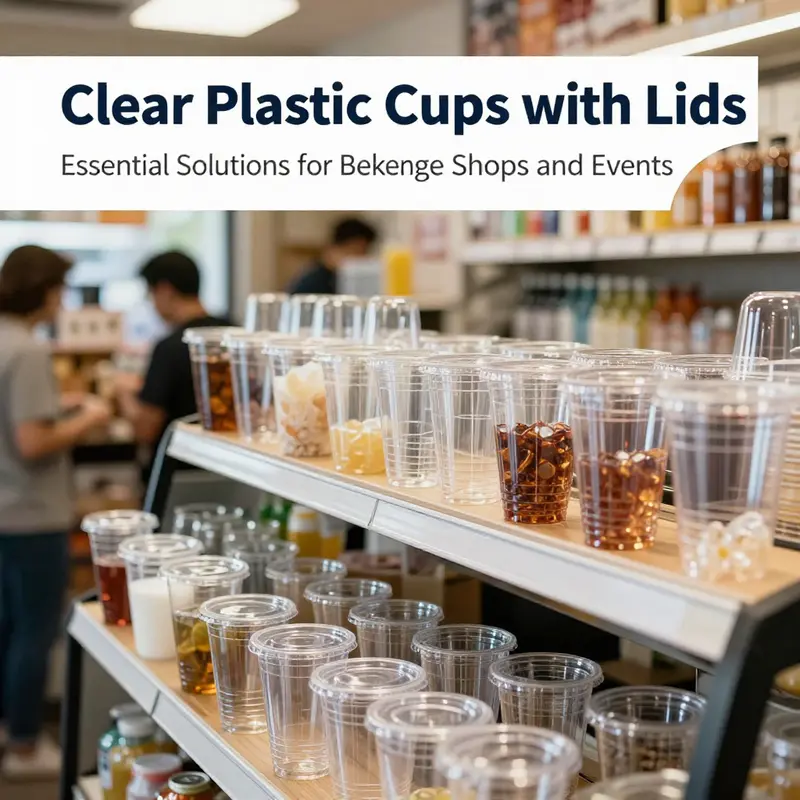
Sustainability is no longer a peripheral consideration but a central axis around which product design, procurement strategy, and consumer messaging revolve. A prominent market trend is the shift toward sustainable materials, with biodegradable options such as polylactic acid (PLA) gaining traction as a practical response to mounting concerns about plastic waste. PLA is derived from renewable resources like corn starch, and when processed in industrial facilities, it is designed to break down into carbon dioxide and water without leaving toxic residues. This end-of-life story matters for buyers who want a credible path to reduce environmental impact while maintaining the clarity and reliability that customers expect from single-use packaging. It is not a straightforward substitution, though. PLA cups with lids require compatible disposal infrastructure and consumer participation in composting programs, and not every region has industrial composting facilities readily accessible. As a result, the market is gradually integrating PLA into a broader portfolio of options that may include recyclable PET or PP formulations combined with responsibly designed lids, with lifecycle assessments guiding the choice in different markets. Suppliers are increasingly marketing compostable PLA solutions, signaling a strategic shift toward greener production without sacrificing performance or safety. In practice, this means a growing menu of options for operators who want to offer a transparent beverage experience while also signaling corporate commitments to sustainability.
The materials conversation dovetails with manufacturing efficiency and supply chain transparency, another central pillar of current market dynamics. The cost pressures that shape procurement decisions are amplified by global production realities, with major manufacturing hubs—particularly in East Asia—continuously refining processes to deliver high-volume, consistent quality at competitive prices. In this context, certifications like RoHS and REACH are not mere regulatory checkboxes but practical assurances that packaging materials meet safety, environmental, and consumer health standards across multiple jurisdictions. For buyers, this reduces uncertainty when scaling up or diversifying product lines. It also underscores the importance of traceability, allowing brands to verify material provenance and testing results as they plan to specialty runs, seasonal campaigns, or co-branding opportunities.
A critical strategic concept for B2B buyers, especially those operating at small-to-mid scale, is sourcing strategically rather than simply sourcing aggressively on price. The narrative has shifted from “the lowest unit cost” to a more holistic calculus that weighs operational reliability, technical capacity, and food-safety compliance. Premium suppliers now frequently rely on food-grade PET, recognized for its inert properties and established safety profile, to ensure product integrity from manufacture to consumption. This emphasis on reliability and safety aligns with brand expectations around quality, reducing the likelihood of recalls or consumer complaints that can erode trust and margins. Strategic sourcing in this space thus becomes a matter of balancing flexibility with consistency: securing sufficient capacity to meet demand spikes during holidays or promotional periods while maintaining predictable lead times and accurate lot traceability.
From a macroeconomic perspective, the demand for clear plastic cups with lids is tightly linked to the performance of the foodservice and beverage sectors, which continue to drive growth in convenience packaging. Cafés, juice bars, smoothie shops, bubble tea outlets, and fast-casual restaurants rely on packaging that conveys freshness and cleanliness through visual clarity. The cups themselves act as a medium for branding and storytelling—an opportunity not just to hold a drink but to communicate quality, sustainability, and speed. The ability to customize with logos, slogans, or artwork—whether through cup body or lid printing—injects a marketing function into a product that is otherwise utilitarian. When a cup becomes a visual canvas, it strengthens customer recall and can translate into higher share of wallet, particularly in crowded on-the-go settings where differentiation matters as much as price.
The economics of scale play a pivotal role in shaping both price and availability. Bulk procurement remains a defining feature of this market. Suppliers located in major production hubs offer competitive pricing by leveraging large-volume manufacturing capabilities, streamlined operations, and standardized processes. For example, orders in the tens of thousands can achieve unit costs in the low cent range for basic PP or PET cups with lids. While such figures reflect economy of scale, buyers should be mindful of total cost of ownership—logistics, warehousing, and potential customization costs—when evaluating supplier bids. The cost discipline extends beyond material selection to include packaging design for efficient stacking and shipping, which translates into lower freight costs and more predictable delivery schedules. In a world where supply chain disruptions can ripple through lead times, the ability to forecast demand accurately and lock in capacity with reliable suppliers becomes a strategic advantage.
Industry data and procurement guidelines also point to a layered approach to supplier selection. Beyond price, buyers should assess operational reliability, the breadth of product offerings, and adherence to food-safety regulations. This means looking at the range of sizes available, from smaller 8-ounce options up to larger 16-ounce or more, as well as the variety of lid styles—flat lids with straw holes for easy sipping or fully sealed flat lids for maximum spill protection and branding potential on the surface. The compatibility of lids with cups, including standardization across sizes, is a practical consideration for operators who want to minimize complexity in inventory management. From a sustainability standpoint, buyers increasingly seek transparency about material composition and end-of-life pathways, favoring suppliers who can provide certified recyclability or industrial compostability claims backed by third-party testing.
Event-driven needs and promotional campaigns also influence market behavior. Temporary spikes in demand—such as summer festivals, weekend sport events, or seasonal product launches—test the agility of sourcing networks. In these moments, the ability to source a broad spectrum of sizes and lid configurations, with consistent quality and reliable delivery, can determine a brand’s ability to capitalize on consumer enthusiasm. The value proposition of clear plastic cups with lids extends beyond containment; it encompasses the capacity to deliver a consistent user experience, uninterrupted by leaks or weak seals, whether a consumer is on a crowded street or a long train ride. The packaging thus contributes to customer satisfaction, repeat purchases, and ultimately, the bottom line.
The sustainability dialogue also intersects with regulatory and environmental considerations, shaping both product development and consumer messaging. While PET and PP remain widely recyclable in many regions, the push toward circular economy principles has spurred investment in recycling programs, compostable alternatives, and enhanced end-of-life infrastructure. Brands that communicate a credible sustainability story—whether through recyclable packaging, compostable options, or transparent labeling—can strengthen consumer trust and differentiate themselves in a crowded market. Yet the practical reality remains nuanced: compostable PLA cups require appropriate composting facilities; recycling streams for PET and PP depend on local capabilities; and mislabeled materials can contaminate recycling processes. In this context, supplier partnerships that support robust recycling or composting programs, combined with clear consumer guidance, become strategic assets rather than mere compliance measures.
The market’s future seems likely to be defined by an ongoing balance between performance, cost, and responsibility. Manufacturers will continue refining formulas to improve clarity, strength, and heat resistance while controlling thickness and weight to optimize material use and shipping efficiency. Digital printing and in-line customization are expected to expand, enabling more brands to execute targeted campaigns without sacrificing throughput. At the same time, there is growing emphasis on reducing the environmental footprint across the product lifecycle, from raw material sourcing to end-of-life disposal. This includes exploring alternative biobased feedstocks, improving the recyclability of mixed-material systems, and investing in processes that minimize energy consumption during production. In practical terms, buyers should anticipate a transition period in which multiple pathways coexist: traditional PET and PP cups with standard lids, compostable PLA options where infrastructure exists, and hybrid or enhanced recycling-ready designs that optimize recoverability.
For readers seeking to explore how these procurement choices translate into actionable sourcing strategies, one useful starting point is to examine packaging and printing capabilities that align with sustainability and branding goals. The packaging and printing options available can influence not only aesthetics but also material selection and process efficiency. Consider, for example, how the choice of lid design interacts with branding opportunities and with the consumer’s perception of spill resistance and leak prevention during transport. A thoughtful combination of cup material, lid form, and surface printing can create a cohesive platform for marketing messages that resonate with environmentally conscious consumers while meeting practical needs on busy service floors. Packaging and printing options can serve as a practical gateway to aligning product design with strategic marketing objectives.
In parallel, the market continues to evolve under the weight of external pressures and opportunities. Global trade dynamics, currency fluctuations, and regional regulatory differences shape procurement timelines and cost structures. Buyers who manage a diversified supplier base and invest in supplier development programs can reduce risk and improve resilience. In addition to price, considerations such as supplier certifications, audit results, and capabilities for rapid customization matter more than ever. The emphasis on material safety, especially for products intended for cold beverages, reinforces the importance of using food-grade materials and maintaining traceability across the supply chain. Collectively, these factors remind operators that even seemingly simple items—clear cups with lids—are embedded in a complex ecosystem where efficiency, transparency, and responsibility intersect to determine market success.
External resource: For a deeper dive into strategic sourcing considerations and supplier capabilities, see the external resource linked in the Detailed Research Results for the Chapter: https://www.alibaba.com/product-detail/Strategic-Sourcing-of-Clear-Plastic-Cups-with-Lids_1600589723717.html
Clear Choices, Lasting Footprints: The Environmental Journey of Clear Plastic Cups with Lids
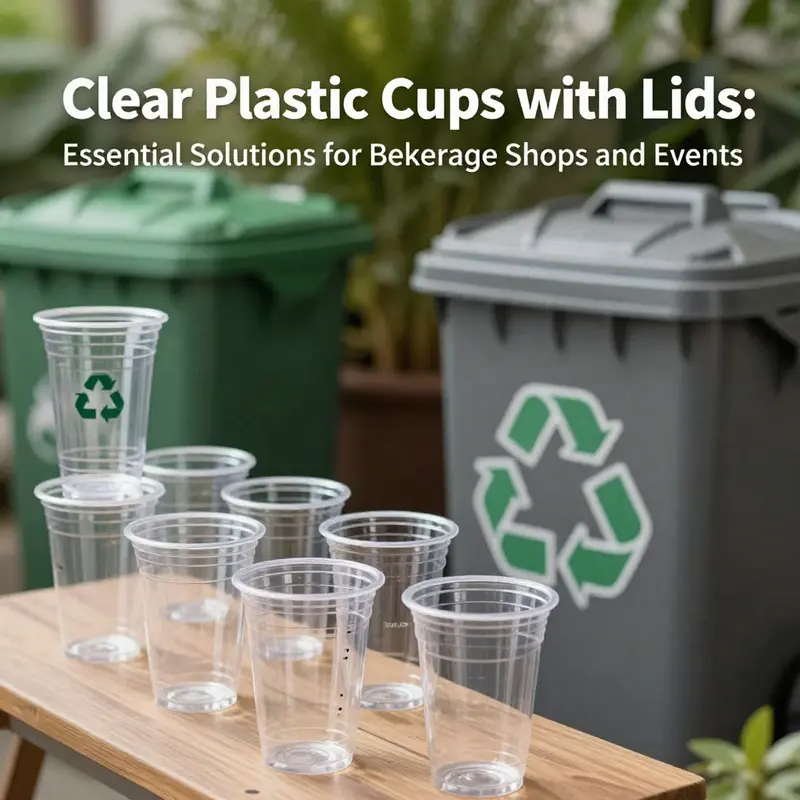
Clear plastic cups with lids sit at the intersection of convenience, consumer visibility, and waste streams. They are the quiet workhorses of cafes, juice bars, event venues, and countless on-the-go moments. Their transparency is not merely a design preference; it is a communication tool. A customer can glimpse the color, texture, and even the density of a drink before taking a first sip. Yet beneath that visual clarity lies a complex chain of decisions about materials, production, use, and end-of-life that shapes their environmental footprint. This chapter follows that chain, weaving together what the materials are, how they behave at the end of their useful life, and what that means for brands, suppliers, and consumers who want to reconcile practicality with responsibility. In doing so, it emphasizes that sustainability is not a single choice but a system of choices—about what to buy, how it is used, and how the waste is handled after the last drink is poured. The goal is to illuminate the environmental implications without sacrificing the efficiency and clarity that make these cups so widely adopted in the first place. To do this, we must first understand the materials themselves and the landscapes in which they live after impact.
The most common clear cups rely on polymers such as Polyethylene Terephthalate (PET) and Polypropylene (PP), with polystyrene (PS) still appearing in some contexts. Each material offers a unique blend of clarity, strength, weight, and cost. PET is prized for its excellent transparency and barrier properties, which help keep beverages fresh longer and allow the drink to be showcased in a way that enhances consumer appeal. PP is light, tough, and relatively heat-resistant, and its chemical structure can be advantageous in certain lid-and-cup configurations. PS, while providing crisp clarity and rigidity, is often criticized for its higher environmental footprint and challenges in recycling streams. These materials are derived from fossil fuels, and while they can be recycled in many regions, real-world recycling rates remain hampered by contamination, sorting difficulties, and limited infrastructure. The result is a paradox: a product designed for on-the-go consumption and visual appeal, yet intimately tied to systems that often fail to recover and repurpose it at the end of its life. In practice, the environmental impact of clear cups is not only about the polymer’s chemistry but also about how well local waste management can collect, sort, and process those materials. A city with robust curbside recycling and advanced facilities may divert a large share of PET and PP cups, while regions with fragmented infrastructure may see a much smaller fraction returned to a circular path. This variability underscores the need for context-aware choices—knowing what infrastructure exists where a product is used and disposed of. It also foregrounds the challenge of contamination, which arises whenever non-recyclable items enter a recycling stream and degrade material quality, increasing processing costs and lowering the value of the recovered material. In short, even with recyclable plastics, the environmental benefits hinge on disciplined disposal and effective post-consumer processing.
A growing branch of the conversation centers on bioplastics, particularly polylactic acid (PLA), which presents an alternative path toward reduced dependence on fossil fuels. PLA is derived from renewable resources such as corn starch or sugarcane and is designed to be compostable under industrial conditions. The promise is compelling: a feedstock that lowers fossil-energy use during production and a product that can, in principle, be composted along with other organics in properly equipped facilities. In practice, however, the story is more nuanced. PLA does not biodegrade in home composts and does not degrade effectively in natural environments. It requires high-heat, industrial composting conditions to break down into carbon dioxide and water, leaving no toxic residues. Without access to controlled composting streams, PLA cups can contaminate recycling or end up in landfills where they persist for decades, undermining the environmental intent. Mismanagement—placing PLA cups into standard recycling bins or trash—undermines the very goal of adopting a bioplastic, turning potential environmental gains into confusion and inefficiency. For this reason, the sustainability of PLA-based cups depends not only on the material’s biology but also on the presence of certified composting infrastructure and clear disposal guidance for consumers. When these conditions exist, certified compostable PLA products can offer a greener option, particularly in contexts where composting streams are well-established and accessible. The key is certification and adherence to standards that validate industrial compostability under realistic collection conditions, rather than relying on vague claims or assumptions about home compostability.
This point—end-of-life handling—highlights a broader truth: the environmental benefits of any cup hinge on a chain of proper management. A PET or PP cup that is correctly separated and recycled can reduce the demand for virgin resin and lower the material’s overall environmental footprint. But successful recycling depends on a suite of factors beyond the cup itself. Sorting facilities must distinguish PET and PP from other plastics, from paper products, and from non-plastic waste. Transportation costs to and from processing sites influence the feasibility of recycling programs, and consumer participation is decisive. When a significant portion of cups escapes capture and ends up in landfills or the environment, the opportunity to recover valuable materials is lost, and the environmental calculus shifts toward energy use and downstream pollution. In this context, the design and labeling of cups and lids matter. Clear labeling about material composition, recycling instructions, and compatibility with local streams can help avoid contamination and confusion. Brands that invest in straightforward, standardized labeling, along with partnerships with processors, can reduce contamination and improve end-of-life outcomes.
The question of sustainability thus moves beyond materials alone to treat packaging as a system-facing product. It invites brands to examine entire life cycles: from sourcing and manufacturing to distribution, consumer use, and post-consumer management. In some settings, the most sustainable option may be to choose materials that align with local recycling capabilities and to implement programs that encourage proper disposal. In others, encouraging a shift toward certified compostable options may be more appropriate when industrial composting infrastructure is ubiquitous and accessible. The decision is never purely technical; it is also logistical and behavioral. Consumer education emerges as a critical factor. If customers are unsure whether a PLA cup should go into the compost bin or the recycling bin, the likelihood of misplacement increases. Clear, accessible guidance—on packaging, on receipts, or through staff—helps align actions with intended outcomes. Brands that take responsibility for educating their customers, while providing clear disposal pathways, can significantly improve the environmental performance of clear cups with lids. The result is a more coherent story: a product that is not merely disposed of but deliberately directed toward a path that minimizes harm and, when possible, closes the loop.
A broader, strategic dimension to this conversation is the role of standards, certifications, and third-party guidance in shaping consumer expectation and industry practice. As sustainability pressures intensify, there is growing emphasis on verifiable performance indicators, such as recyclability, compostability, and the environmental footprint across the product life cycle. In this light, the Biodegradable Materials Institute (BMI) offers authoritative guidance on compostability and environmental performance that helps navigate the promises and limitations of PLA-based products. For practitioners, certification schemes and guidelines provide a framework for evaluating whether a given cup-and-lid configuration genuinely aligns with circular economy principles in a real-world setting. The BMI resource serves as a reference point for understanding how compostability claims translate into practical outcomes, especially in systems where industrial composting is the norm rather than the exception. It is important to approach such guidance with nuance, recognizing that regional differences in waste management can either amplify or erode the environmental benefits claimed by manufacturers.
In practical terms, sustainability for clear plastic cups with lids starts with informed material choices that reflect local infrastructure. If a business operates in a region with robust recycling access and high collection rates for PET and PP, a focus on contamination control, efficient collection, and streamlined sorting can maximize the chances of material recovery. On the other hand, if industrial composting is widely available and consumer behavior can be guided toward proper composting, certified compostable PLA cups may offer an alternative path that reduces the volume of organic waste going to landfills. Either route requires a deliberate commitment: to select materials whose end-of-life pathways are well understood, to verify that those pathways exist in the purchase region, and to design packaging and messaging that align with those pathways. When brands pursue such alignment, they enable customers to participate in the circular economy, even within the constraints of single-use packaging. This is not a call to abandon clear cups with lids or to abandon progress toward greener materials; it is a call to integrate design, material science, waste management, and consumer behavior into a coherent sustainability strategy that can be traced from raw material to post-consumer fate.
The market landscape continues to evolve as new materials and processing technologies emerge, and as stakeholders push for greater transparency around environmental claims. Some suppliers are exploring recycled-content plastics that can lower the life-cycle footprint without compromising the clarity and rigidity required for reliable beverage presentation. Others are investigating coatings and barrier technologies that reduce cup permeability, potentially extending product shelf-life and enabling safer, longer transport. Beyond material innovations, there is a growing interest in packaging systems that reduce waste through reuse. While the majority of clear cups with lids are designed for single use, some operators experiment with washable, reusable options for high-volume venues where cleaning logistics are feasible and where consumer demand supports a more sustainable model. In such cases, the discussion shifts to durability, cleaning protocols, and lifecycle assessments that quantify the true environmental trade-offs between single-use and reusable solutions. These shifts reflect a broader cultural and regulatory push toward sustainable packaging that does not merely substitute one plastic for another but integrates the entire value chain in a responsible, measurable way.
For readers seeking a practical entry point into the choices discussed above, a closer look at the product categories can illuminate what is possible and what is practical in different contexts. Our own Plastics and Lids ecosystem offers a range of options to explore, including the Plastic cups category, which houses a spectrum of clear cup configurations designed for various volumes and lid styles. Plastic cups provide a convenient lens through which to compare materials, lid compatibility, and branding options in a way that aligns with different waste management realities. The goal is not to prescribe a single path but to equip readers with the framework to evaluate trade-offs in their own operations and communities. This approach supports a more thoughtful procurement process—one that weighs not only upfront costs but also end-of-life costs and the social license that accompanies responsible packaging decisions.
In sum, the environmental considerations surrounding clear plastic cups with lids are best understood as a dynamic, regionally contingent system rather than a fixed, universal rule. PET and PP offer reliable recyclability in many places, while PS remains challenging in many of today’s recycling streams. PLA introduces the promise of compostability, but its success is inseparable from access to industrial composting facilities and clear consumer guidance. The overarching message is clear: sustainability in this arena requires deliberate material selection, transparent communication, and robust waste-management partnerships. By aligning product design with local infrastructure and by educating consumers about proper disposal, brands can transform a ubiquitous convenience into a more sustainable practice. For authoritative insight into the compostability and environmental performance of PLA-based products, refer to the BMI resource cited earlier: https://www.bmi.org. This anchored guidance helps ensure that environmental claims are grounded in the realities of how waste streams are managed in the real world, rather than in idealized scenarios that do not exist in many communities.
In the end, the environmental footprint of a clear cup with a lid is not determined by a single factor but by the coherence of a system. The right choice depends on what the local recycling or composting system can actually do with the cup after it is used, and on whether consumers are empowered with clear, actionable disposal instructions. The strongest outcomes emerge when manufacturers, distributors, and retailers collaborate to design packaging that is compatible with existing waste streams, while also supporting education and infrastructure improvements that enable better recovery rates. In this light, the story of clear plastic cups with lids becomes a case study in conscientious packaging: a pathway that recognizes the practicality of single-use convenience while continually pushing toward systems that minimize waste, maximize material recovery, and keep packaging aligned with the circular economy.
Finally, it is worth acknowledging that this is not a static field. Standards evolve, technologies improve, and consumer expectations shift toward more responsible packaging. The work of balancing clarity, cost, and environmental impact continues to unfold across supply chains, retail environments, and local governments. The practical takeaway is straightforward: prioritize material compatibility with available waste-management infrastructure, support clear disposal guidance, and stay informed about authoritative standards and certifications. In doing so, businesses can maintain the benefits of clear cups with lids—visibility, portability, and user-friendly design—while moving toward packaging that better respects the planet and the communities that rely on it.
Internal link reference: For a broader look at disposable drinkware options and how they fit into sustainable packaging strategies, explore our Plastic cups category.
External resource for further reading: For authoritative insight into compostability and environmental performance, consider the BMI guidelines: https://www.bmi.org
Final thoughts
Clear plastic cups with lids represent a critical component in the ever-evolving beverage service sector. Their material properties ensure they serve beverages efficiently while appealing visually to consumers. Market trends indicate a strong demand for these cups, prompting businesses to adapt to branding and pricing strategies. However, as sustainability leads the conversation in consumer choices, integrating eco-friendly options into your offerings can set brands apart in a competitive market. By understanding the material composition, staying informed on market trends, and committing to sustainable practices, businesses can thrive and meet the needs of today’s conscientious consumers.